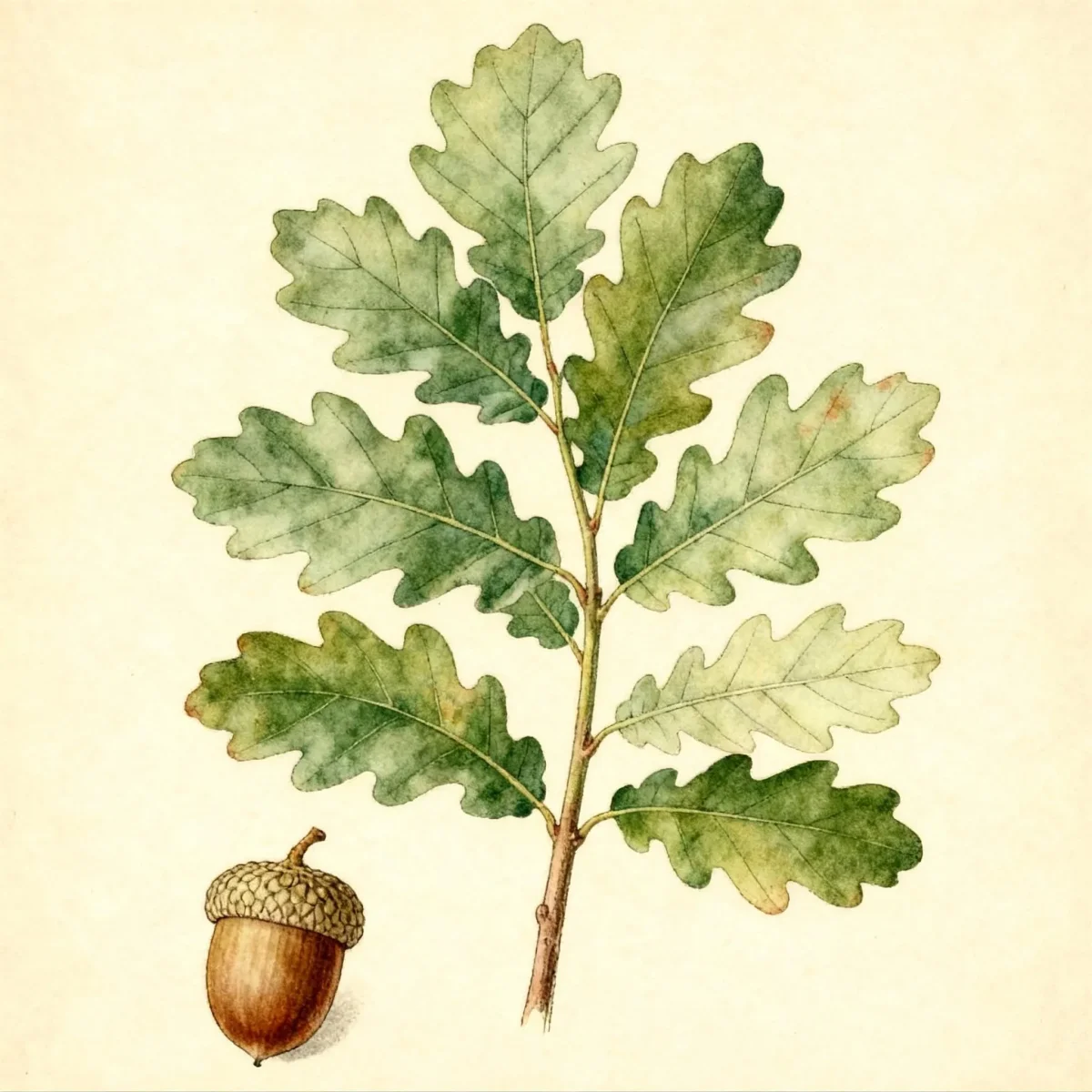
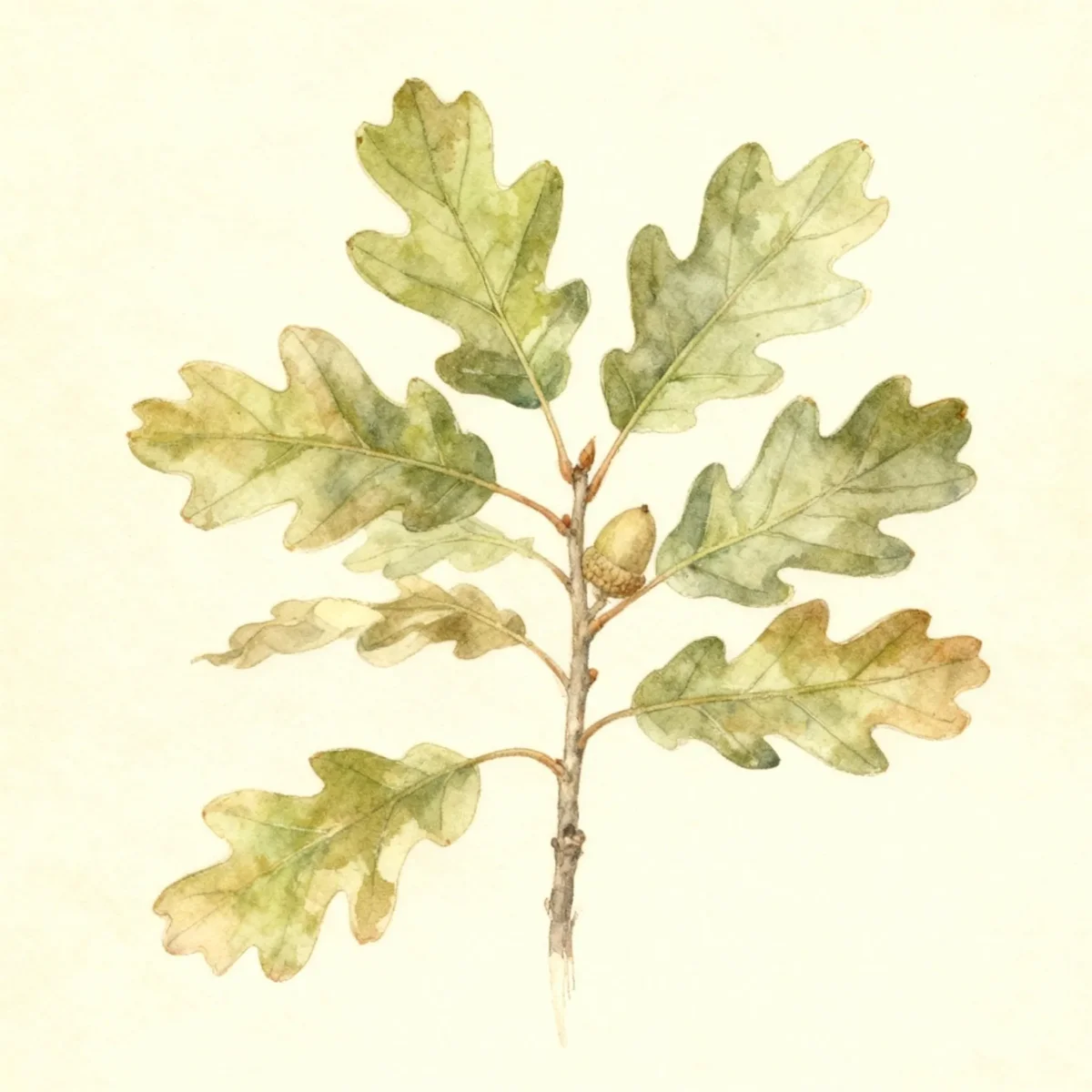
American chestnut (Castanea dentata)
The majestic American chestnut (Castanea dentata) was nearly lost to blight but remains vital for restoration efforts. Plant disease-resistant varieties for shade.
Scroll down to discover growing tips, care requirements, companion plants, and more
Complete Plant Information
Overview
The American chestnut (Castanea dentata) holds a legendary status in Eastern North American ecology. Once a dominant forest tree, it serves as a powerful symbol of resilience as researchers work to bring it back from near extinction caused by chestnut blight. Modern efforts focus on planting disease-resistant hybrids, offering a glimmer of hope for restoring this magnificent species.
This large, spreading native tree is known for its rapid growth and the sweet, edible nuts it produces encased in spiny burrs. While wild specimens are largely gone, the species persists as vigorous sprouts from old root systems, continuing its life cycle until the fungus overtakes new growth. Understanding the specific needs of Castanea dentata is crucial for successful cultivation.
For gardeners interested in native restoration or significant shade provision, disease-resistant selections of Castanea dentata are the only practical option today. These trees aim to recapture the grandeur of the species, providing substantial habitat and historical connection to the Eastern hardwood forest.
Fast Facts
- Plant Family: Fagaceae
- Plant Type: Tree
- Native Range: Eastern United States
- Hardiness Zones: USDA Zones 5-8
- Size at Maturity:
- Height: 50-75 ft
- Spread: 50-75 ft
- Bloom Time: June
- Bloom Description: Yellow-white
- Sun Exposure: Full sun
- Water Needs: Medium
- Maintenance Level: High
How to Grow
Planting Castanea dentata, especially resistant cultivars, requires careful initial setup to ensure long-term success. Locate the tree where it will receive unimpeded full sun exposure throughout the day. Soil preparation is critical; the species thrives in moist, well-drained loam soils. Avoid heavy clay sites that retain too much water, leading to root issues.
Ongoing care for the American chestnut centers on establishing strong root systems while monitoring for stress. Maintain a medium watering schedule, ensuring consistency, especially during establishment and dry summer periods. Pruning should be minimal and focused only on removing dead or crossing branches, as the tree naturally develops a broad, spreading canopy.
A major consideration for all growers is the inherent susceptibility to chestnut blight. Species plants should not be planted ornamentally due to guaranteed infection; only seek out research-backed, disease-resistant varieties. This ongoing research dictates a higher maintenance level, as monitoring new growth and protecting the tree from secondary pests or fungal issues is often required.
Landscape Uses
Disease-resistant varieties of the American chestnut offer a chance to reintroduce a stately, majestic presence into the landscape. They function exceptionally well as large shade trees, similar to their historic role, providing excellent cover over broad areas. They are highly recommended for planting in native plant gardens or large open acreage where their historical significance can be appreciated.
The nuts produced by Castanea dentata provide significant ecological benefit, valued by wildlife such as deer, turkey, and squirrels. Furthermore, the wood historically provided excellent lumber, making this tree valuable both functionally and ecologically. Consider spacing trees widely to allow their characteristic globular crowns to develop fully.
Standout Features
Flower Qualities
- Insignificant
Fruit Qualities
- Showy
- Edible
Noteworthy Characteristics
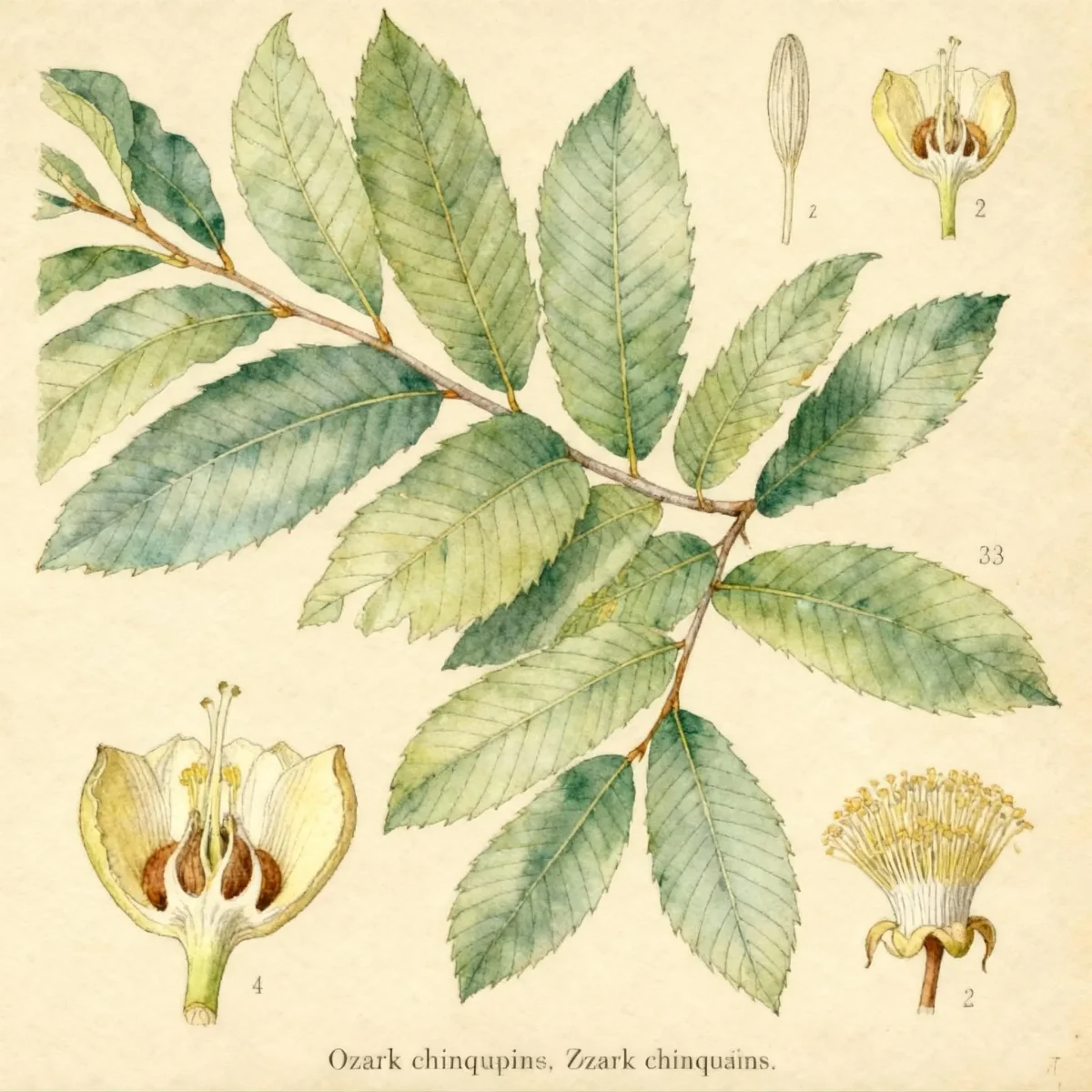
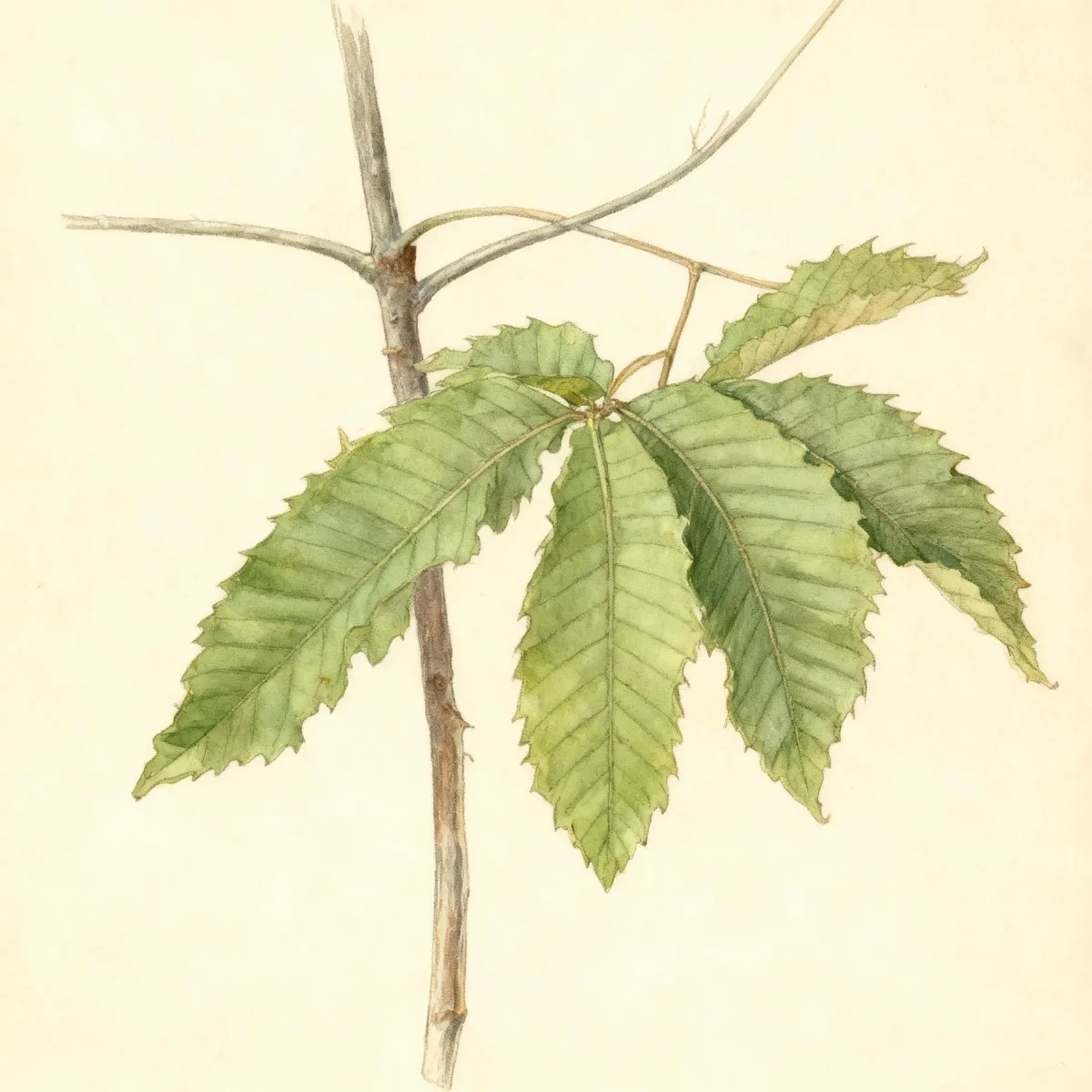
Castanea dentata, commonly called American chestnut, was once a major component of the Eastern hardwood forest. It is almost extinct in the wild now, having succumbed to chestnut blight, a bark fungal disease that probably entered the U.S. in a shipment of nursery stock from Japan in the late 1890s. Before blight introduction, mature trees typically reached 50-75’ tall with globular spreading crowns, and their oblong-lanceolate, dull green leaves turn yellow in the fall. The genus name is derived from the Latin name for this tree, referencing the town of Castania in Thessaly where they reportedly grew abundantly.
Tolerances
- Deer
- Black Walnut
Potential Problems
The primary threat to Castanea dentata remains chestnut blight (Cryphonectria parasitica), a highly aggressive fungal infection. This disease attacks the bark, girdling the tree rapidly, which is why only blight-resistant stock should be planted today. In addition to blight, the tree remains susceptible to common issues like leaf spots, anthracnose, and powdery mildew. Proper site selection, ensuring excellent drainage and air circulation, can help mitigate some secondary fungal issues.
Frequently Asked Questions
What hardiness zones is American chestnut suitable for?
The American chestnut (Castanea dentata) is best suited for USDA Hardiness Zones 5 through 8.
How large does American chestnut grow?
This imposing tree typically reaches heights and spreads between 50 to 75 feet at maturity.
When does American chestnut bloom?
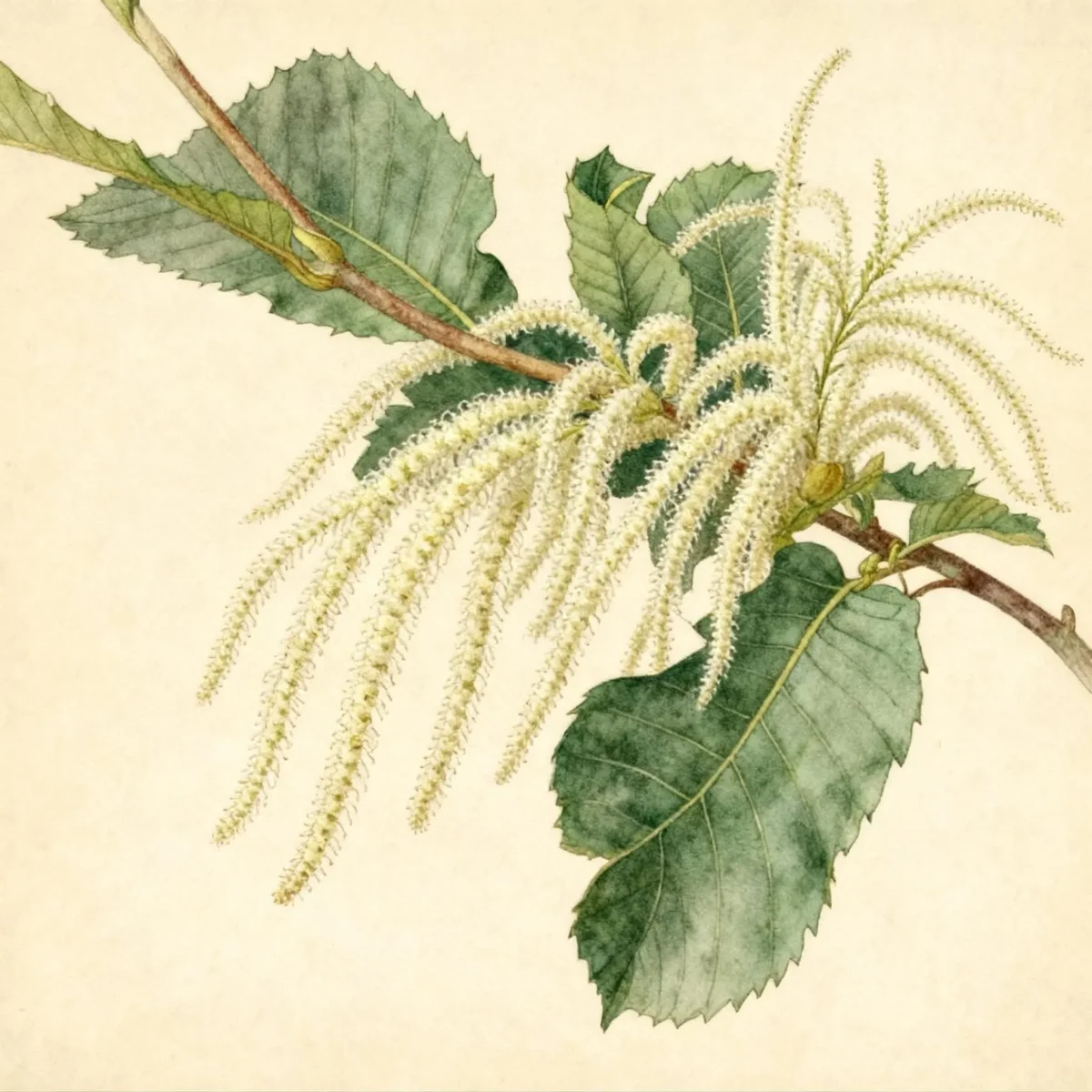
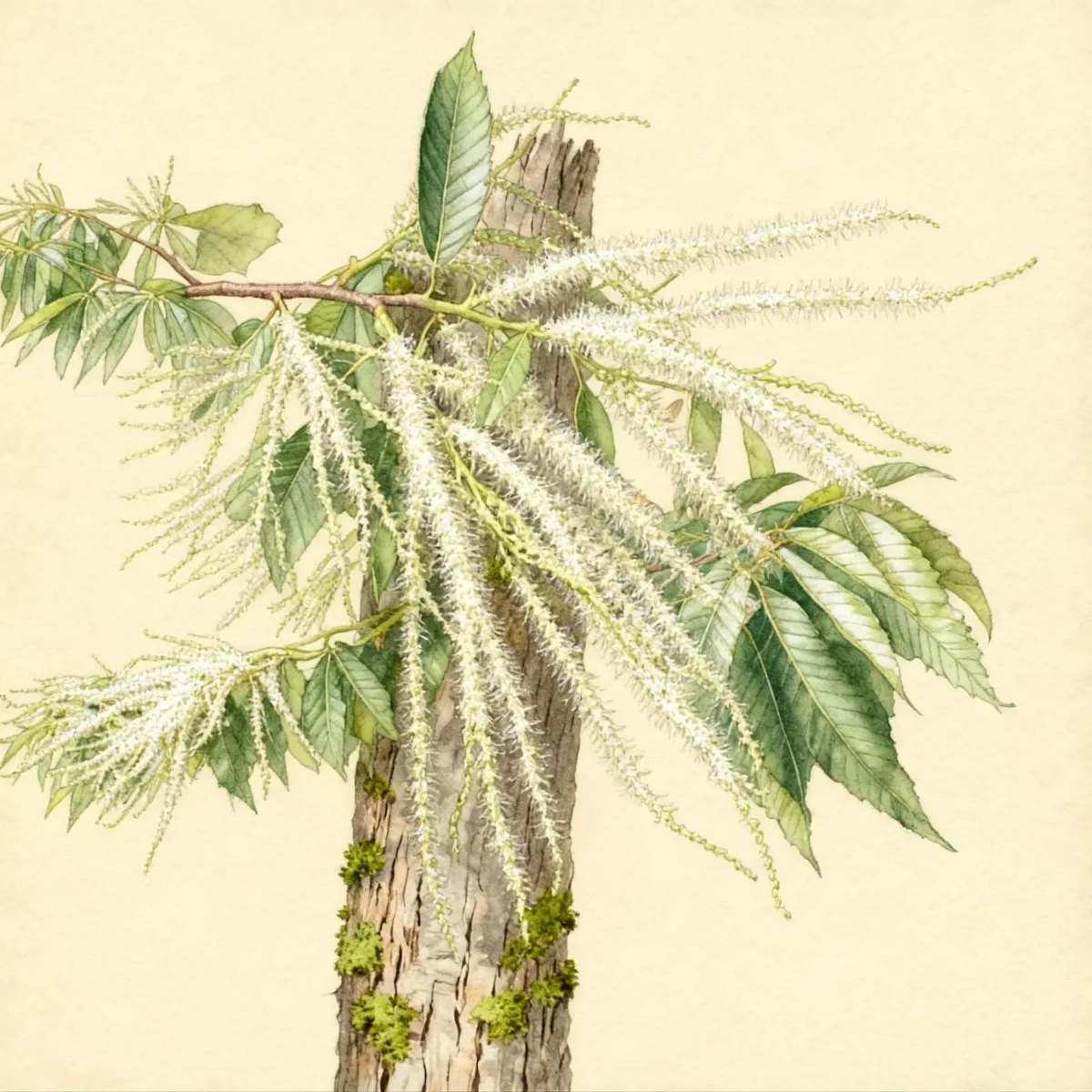
Flowering occurs in June, producing aromatic, creamy yellow-white male flowers clustered in slender catkins.
What sun exposure does Castanea dentata need?
For optimal health, Castanea dentata requires full sun exposure.
Conclusion
The legacy of the American chestnut—a tree that defined the Eastern forests—is being carefully rebuilt through dedicated breeding efforts targeting blight resistance. While traditional species plants require high maintenance and face immense challenges, planting confirmed disease-resistant varieties offers homeowners a chance to contribute to conservation while enjoying a historically significant, massive shade tree. Always confirm the resistance status of your chosen cultivar before planting in your zone.
Wildlife Benefits
The importance of Castanea dentata to native wildlife cannot be overstated, which is why restoration is so vital. The sweet, edible nuts provide a critical, high-energy food source for many fauna, including deer, turkey, and squirrels, particularly as they prepare for winter. Planting these trees directly supports local biodiversity and helps anchor forest ecosystems that once relied heavily on the nut crops of the chestnut groves.
Companion Planting
When establishing disease-resistant Castanea dentata, companion planting can help foster a healthy microclimate. Since the chestnut prefers moist, well-drained loams and full sun, pair it with other deep-rooted deciduous trees common to the Eastern U.S. hardwoods, such as Oaks (Quercus species) or Beech (Fagus grandifolia), which share similar cultural needs and soil preferences. Avoid planting overly aggressive shallow-rooted competitors nearby that might claim vital moisture resources as the young tree establishes itself.