Ozark chinquapin (Castanea ozarkensis)
Discover Castanea ozarkensis (Ozark chinquapin), a native, blight-susceptible tree offering edible nuts and medium water needs in USDA Zones 5-8.
Scroll down to discover growing tips, care requirements, companion plants, and more
Complete Plant Information
Overview
The Ozark chinquapin (Castanea ozarkensis) is a historically significant American native tree, though its current form is often reduced due to disease pressure. Native to the Ozark-Ouachita regions, this plant was once a medium-sized canopy tree known for its sweet, edible nuts. Gardeners interested in native flora, especially those supporting local ecosystems, may find the Castanea ozarkensis intriguing for its ecological value.
Despite its former stature, Castanea ozarkensis today frequently appears as a shrubby sprout system persisting from old root structures killed by blight. It requires full sun and medium water to thrive. While historically valued as a food source for wildlife and settlers, its high maintenance profile currently limits its widespread ornamental use.
Understanding the resilience of the Ozark chinquapin requires acknowledging its primary challenge: chestnut blight. While the nuts are Edible and the resulting burrs are Showy, the species demands expert management due to this pervasive fungal threat.
Fast Facts
- Plant Family: Fagaceae
- Plant Type: Tree
- Native Range: Southern central United States
- Hardiness Zones: USDA Zones 5-8
- Size at Maturity:
- Height: 40-60 ft
- Spread: 40-60 ft
- Bloom Time: May to June
- Bloom Description: Yellowish-white
- Sun Exposure: Full sun
- Water Needs: Medium
- Maintenance Level: High
How to Grow
Planting the Castanea ozarkensis should ideally be done in the late fall or early spring when dormancy aids establishment. This species requires moist, well-drained loams; avoid heavy, compacted, or perpetually soggy soils as they promote root issues. Full sun exposure is crucial for healthy growth and flowering potential.
Ongoing care for the Ozark chinquapin involves consistent, medium watering, particularly during dry spells, though excellent drainage remains paramount. Due to the inherent susceptibility to chestnut blight, the culture around this tree is highly specialized. No known method currently exists to effectively prevent or treat blight infections in established trees.
For gardeners intent on cultivating Castanea ozarkensis, it is vital to understand that species plants should not currently be promoted as ornamentals due to this extreme susceptibility to Cryphonectria parasitica. Existing root systems can produce sprouts, but these new growths will eventually succumb to repeated reinfection.
Landscape Uses
Due to the critical cultural notes regarding chestnut blight, the Ozark chinquapin has few recommended uses for the traditional ornamental landscape at this time. The species is generally not recommended for standard planting schemes where longevity and structure are primary goals.
However, for specialized ecological restoration projects focusing on preserving native genetics or supporting wildlife in areas where this species naturally occurs, Castanea ozarkensis can be valuable. If blight-resistant selections become available to the public, they might then be considered for open woodland settings where their shade tolerance eventually develops or as part of a native food forest approach.
Standout Features
Flower Qualities
- Insignificant
Fruit Qualities
- Showy
- Edible
Noteworthy Characteristics
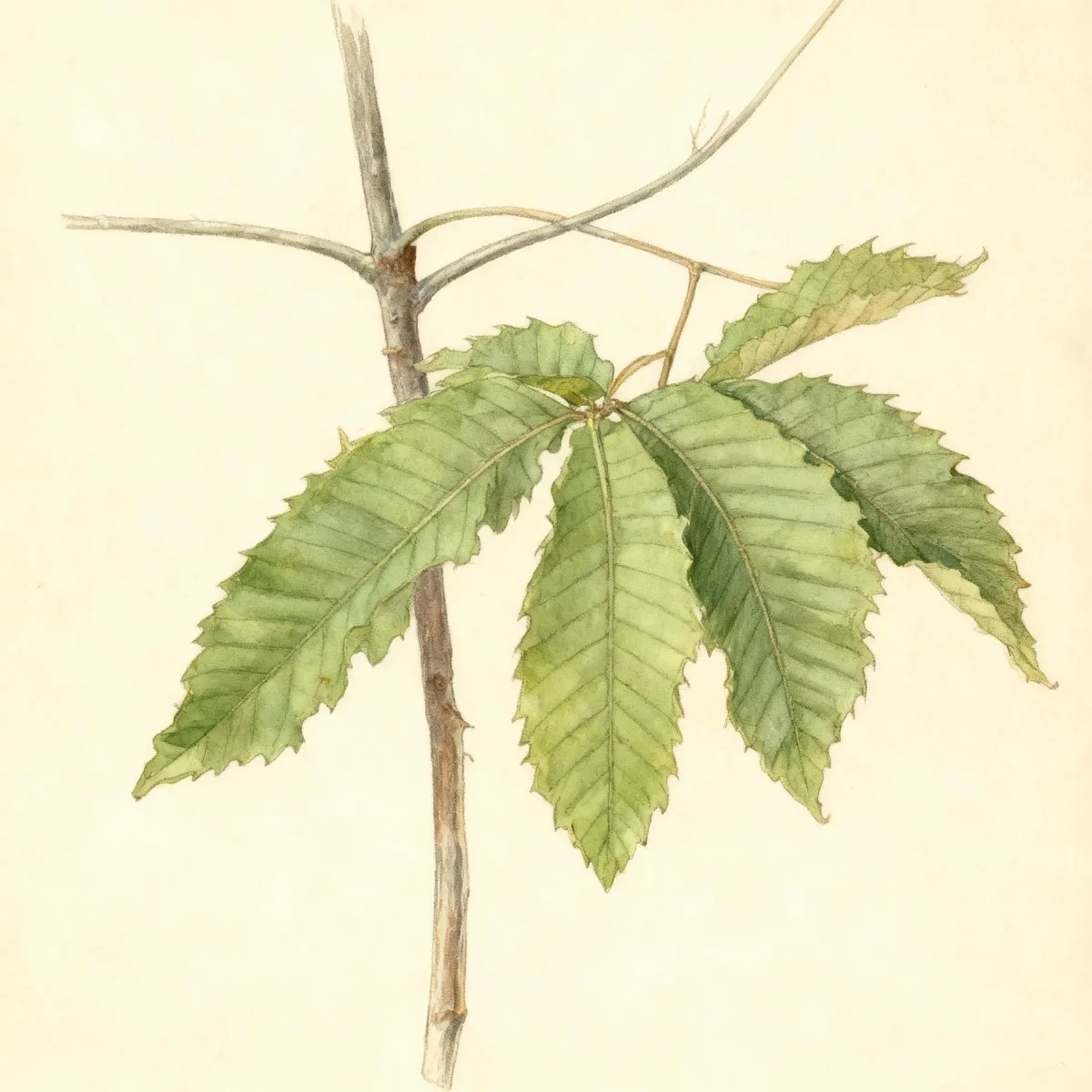
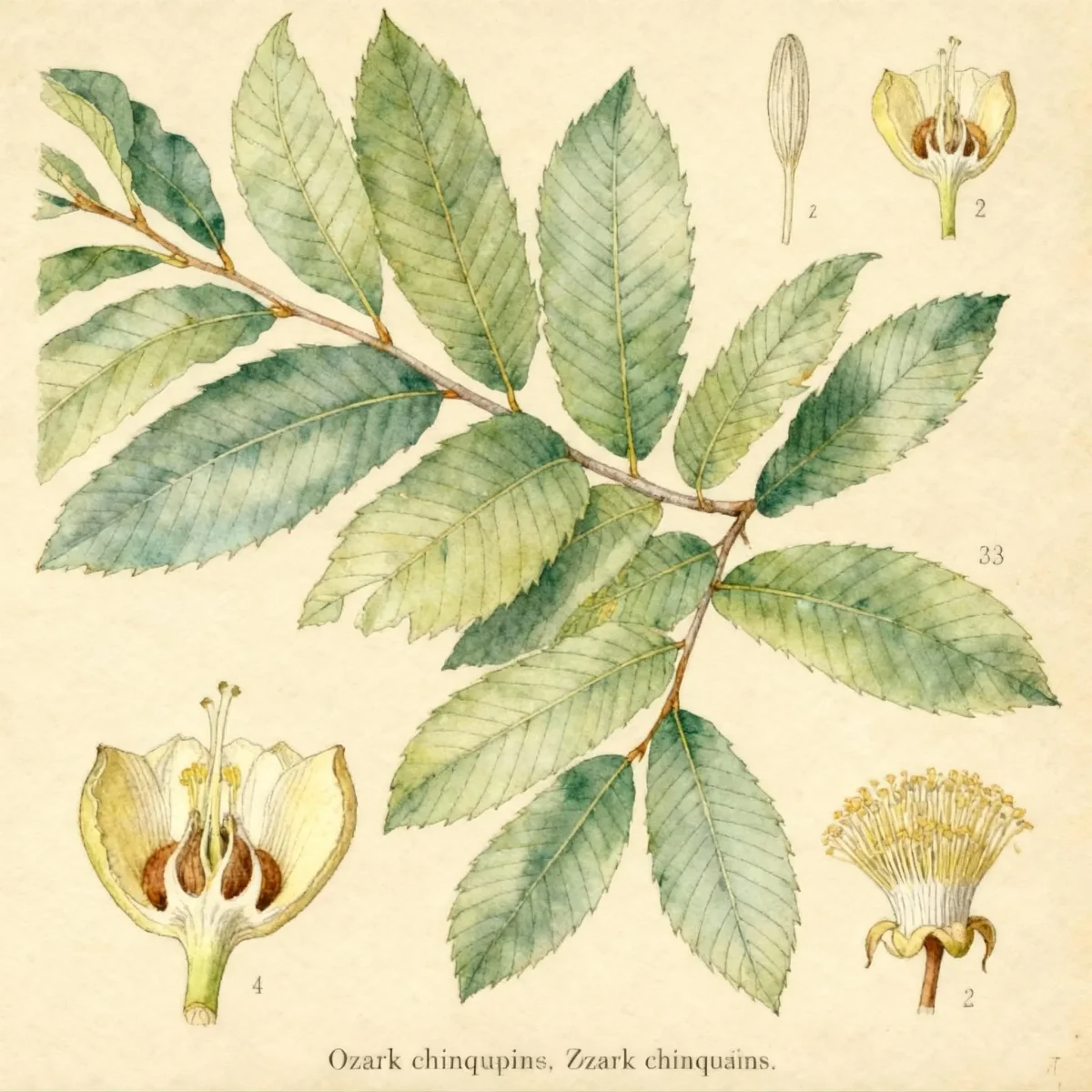
Castanea ozarkensis, commonly called Ozark chinquapin, is a small tree or large shrub native to the Ozark-Ouachita Mountain regions. While historically a stately tree reaching 60’+, chestnut blight has reduced its status, often leaving behind shrubby sprouts from old root systems that eventually die back upon reinfection. The foliage consists of coarsely-toothed, yellowish-green leaves that show a downy-white underside, turning yellow in the fall before the spiny burs ripen, releasing sweet, edible chestnuts.
Tolerances
- Deer
Potential Problems
The overwhelming potential problem for the Ozark chinquapin is chestnut blight (Cryphonectria parasitica). This fungus attacks the cambium layer, causing girdling that leads to the death of branches and trunks. Currently, there is no known method for preventing or treating infected trees, and blight-resistant selections are not publicly available.
In addition to blight, Castanea ozarkensis is susceptible to various secondary fungal issues that stress the already compromised plant. Gardeners should monitor for leaf spots, anthracnose, canker, and powdery mildew, ensuring optimal air circulation and drainage to mitigate these lesser threats. High maintenance is required to monitor for initial signs of blight.
Frequently Asked Questions
What hardiness zones is Ozark chinquapin suitable for?
The Ozark chinquapin is suitable for cultivation in USDA Hardiness Zones 5 through 8.
How large does Castanea ozarkensis grow?
When able to reach maturity, Castanea ozarkensis can achieve heights between 40 and 60 feet, with spreads reaching 40 to 60 feet wide.
What sun exposure does Ozark chinquapin need?
This species requires full sun exposure to develop properly.
When does Castanea ozarkensis bloom?
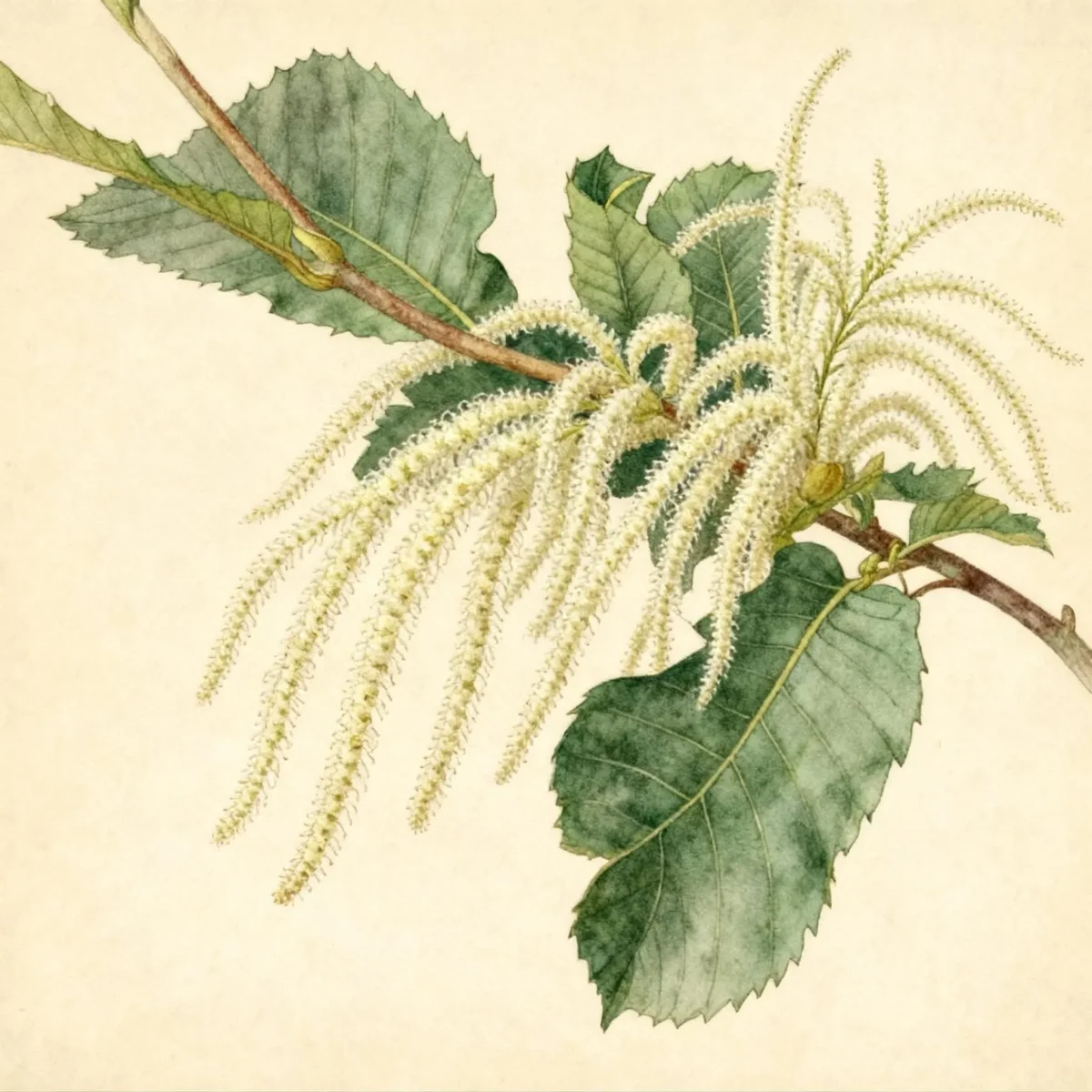
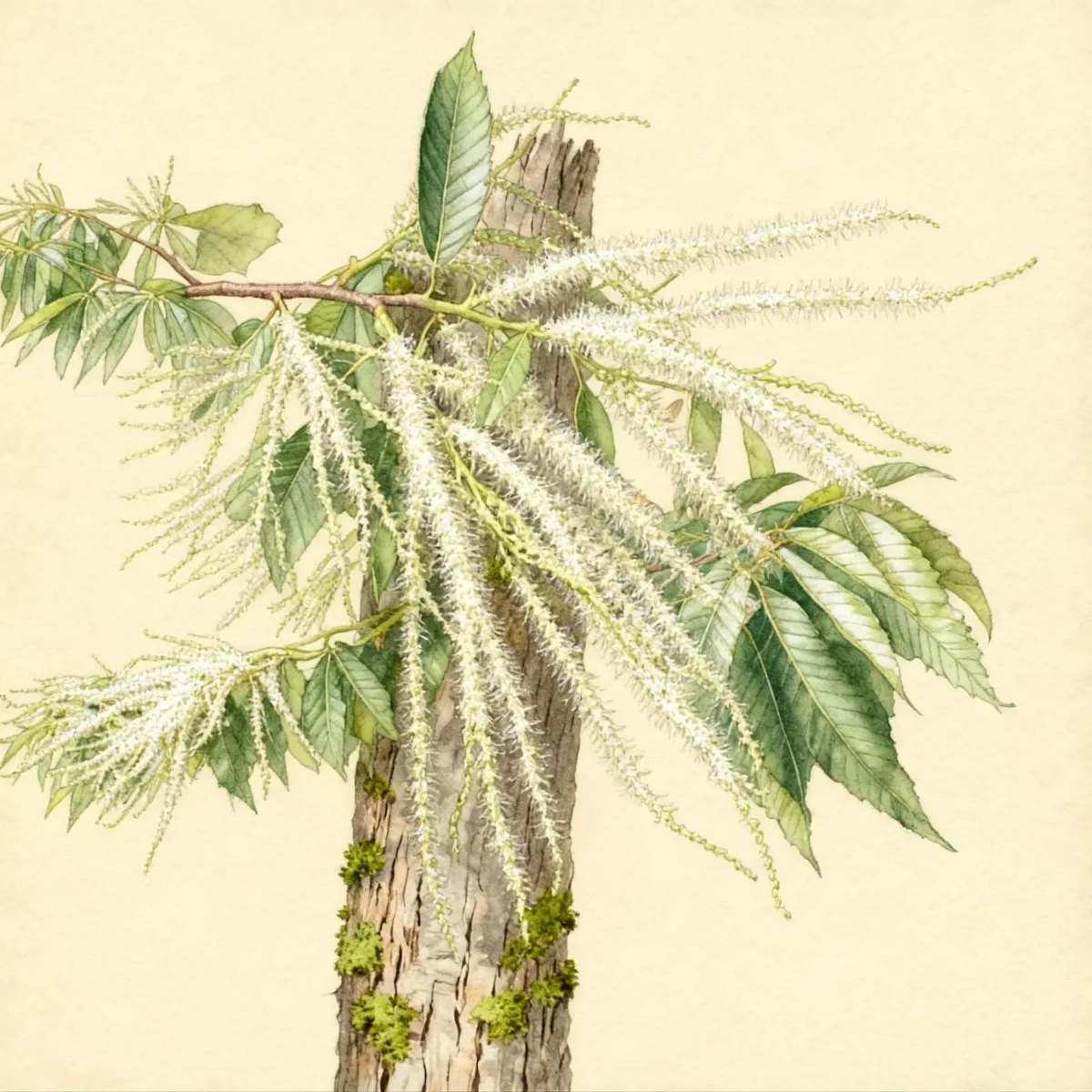
Flowering occurs from May to June, producing yellowish-white blooms arranged in catkins.
Conclusion
The Ozark chinquapin remains a remarkable native component of the Southern central United States ecosystem, noted for its Edible fruit and historical significance. Due to severe challenges with chestnut blight, Castanea ozarkensis requires an extremely high maintenance commitment and specialized knowledge. Prospective growers should rigorously check local resources regarding blight resistance before planning the addition of this sensitive species to the landscape.
Companion Planting
Companion selection for Ozark chinquapin should focus on plants that thrive in similar acidic, well-drained soil conditions while potentially offering disease resistance or complementary aesthetic value. Consider native understory species from the Ozark region such as specific varieties of native ferns or shade-tolerant ericaceous shrubs, provided they are sited to receive the necessary full sun the Castanea ozarkensis demands. Plants should also require medium moisture to align cultural needs.
Deciduous Tree Management
As a deciduous tree, proper management of Castanea ozarkensis involves cleaning up leaf litter in the fall, especially given its susceptibility to fungal diseases. Removing fallen leaves promptly reduces overwintering sites for minor pathogens like leaf spot or anthracnose spores. During the dormant season, careful inspection of the bark is crucial; look for cankers or discoloration that might indicate stress or early blight activity, although cultural intervention remains difficult.