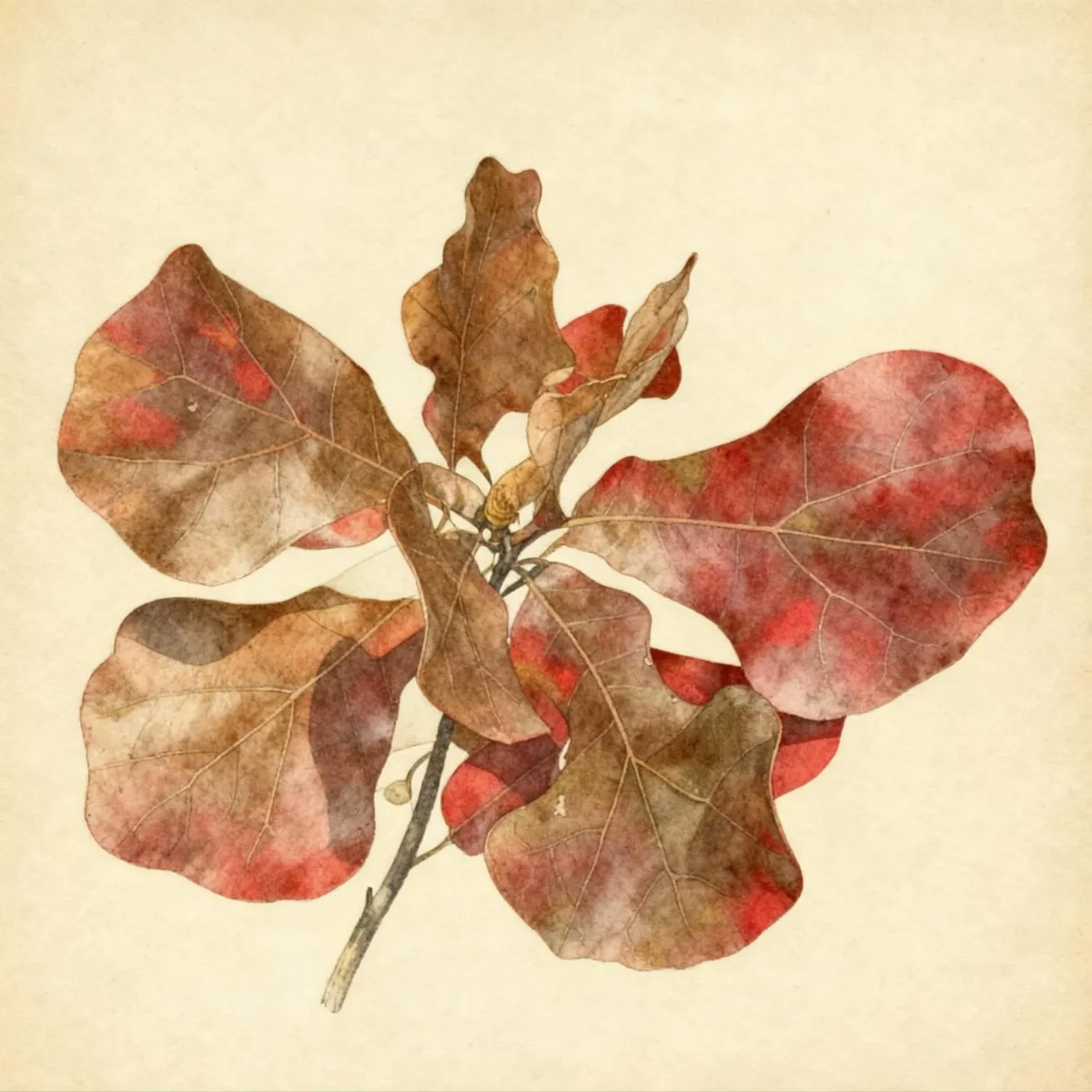
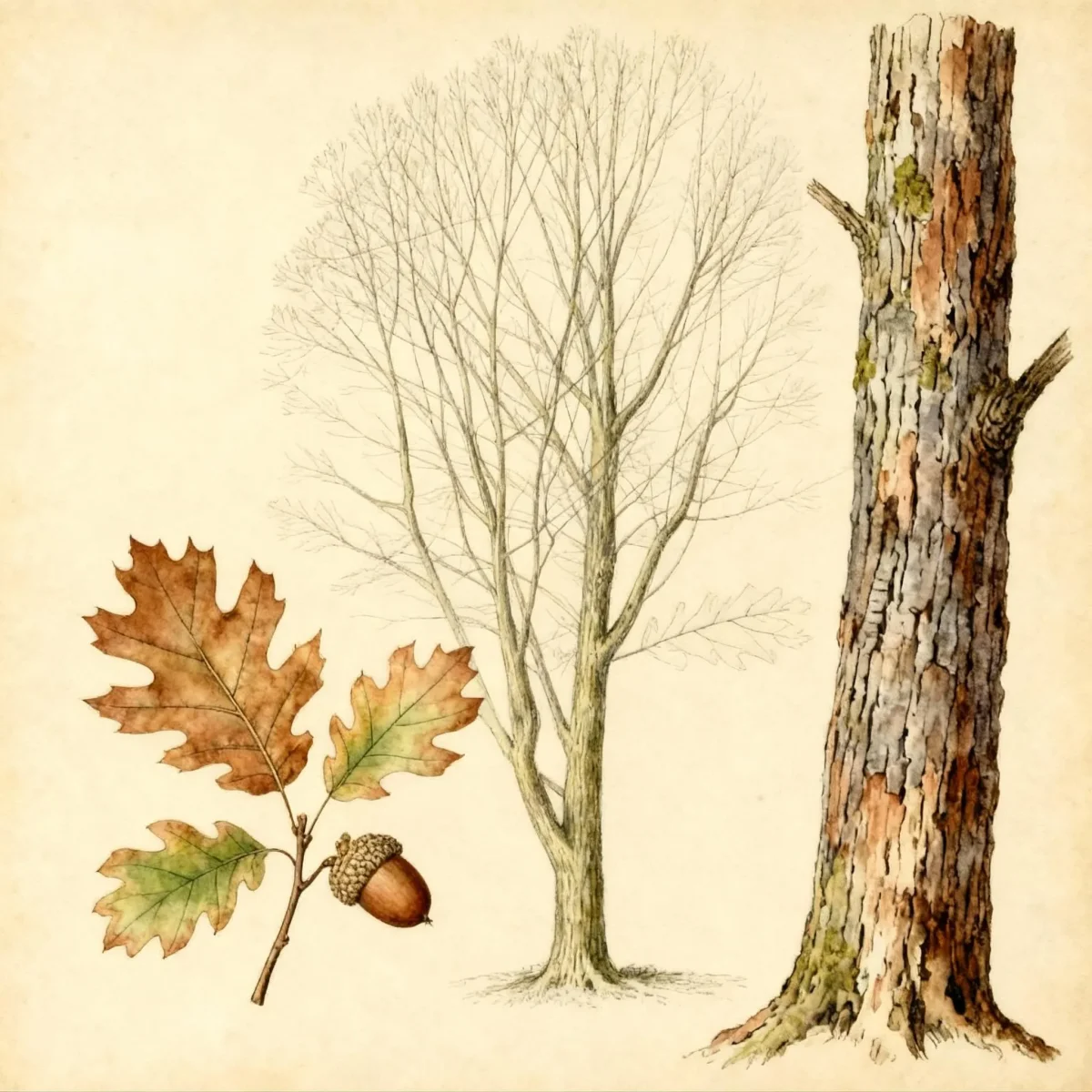
Maple-leaved oak (Quercus acerifolia)
The rare Maple-leaved oak (Quercus acerifolia) is a durable, medium-sized deciduous tree originating in Arkansas, noted for its distinct maple-like foliage.
Scroll down to discover growing tips, care requirements, companion plants, and more
Complete Plant Information
Overview
The Maple-leaved oak, scientifically known as Quercus acerifolia, is a highly distinctive and seldom-seen American native prized for its unique foliage that strongly resembles that of the sugar maple. This medium-sized deciduous tree belongs to the red oak group and offers dependable structure and excellent fall coloration to the landscape. Gardeners seeking a durable, low-maintenance specimen tree with historical significance will find Quercus acerifolia an exceptional choice.
Native only to specific upland regions in the Ouachita mountains of west-central Arkansas, this rare species exhibits robustness once established. It demonstrates good drought tolerance, making it suitable for drier sites where other oaks might struggle. Whether growing as a single trunk or a multi-stemmed shrub in its native environment, the Maple-leaved oak is an enduring addition to the home landscape.
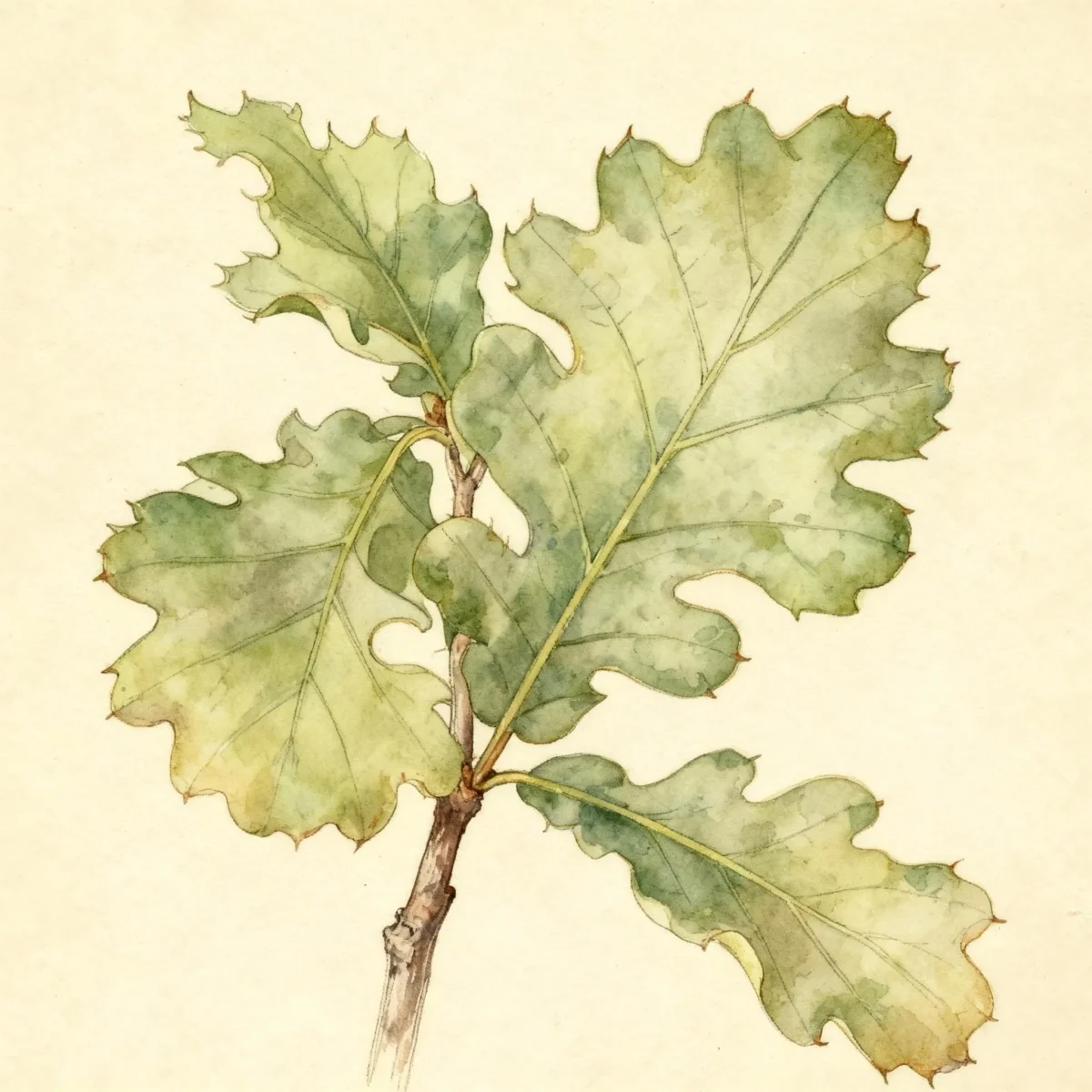
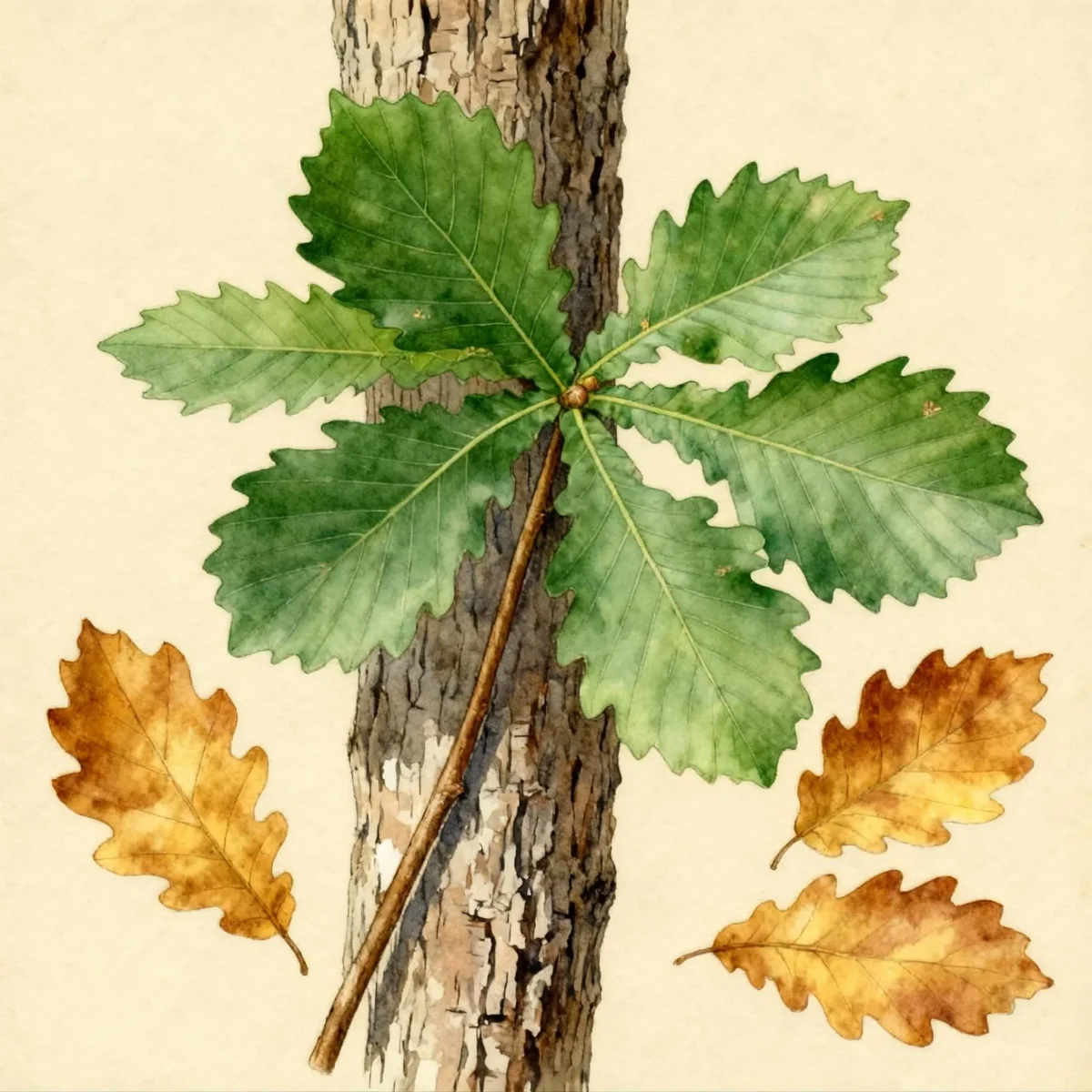
Its most celebrated feature is the deeply lobed, dark green leaves that offer striking contrast against the grayish bark, which becomes ridged with age. Providing significant shade as it matures toward 50 feet tall, this oak deserves special consideration for prominent placements where its unique aesthetic qualities can be fully appreciated.
Fast Facts
- Plant Family: Fagaceae
- Plant Type: Tree
- Native Range: Arkansas
- Hardiness Zones: USDA Zones 5-8
- Size at Maturity:
- Height: 40-50 ft
- Spread: 20-30 ft
- Bloom Time: April
- Bloom Description: Yellowish green
- Sun Exposure: Full sun
- Water Needs: Dry to medium
- Maintenance Level: Low
How to Grow
Quercus acerifolia thrives best when planted in the spring or fall, allowing the root system time to establish before extreme temperatures set in. This species is easily grown, provided it is placed in full sun conditions. Critical to its success is placement in average, well-drained soils, accommodating its preference for dry to medium moisture levels once mature. Avoid poorly draining, heavy clay soils.
Maintenance for the Maple-leaved oak is generally low. Young trees will require consistent watering until they are fully established, perhaps through the first two growing seasons. After establishment, its good drought tolerance means supplemental watering is rarely needed outside of prolonged, severe dry spells. Fertilization is usually unnecessary; allowing the nutrient cycling beneath the canopy to sustain the tree is the preferred approach.
Pruning should be minimal, focusing primarily on removing any dead, damaged, or crossing branches immediately. The best time for significant structural pruning, if required, is during the dormant season to promote fast wound closure and reduce the risk of disease. The attractive grayish bark and natural form mean selective pruning is usually all that is needed for this durable tree.
Landscape Uses
The Maple-leaved oak is highly recommended as a stately shade tree or a prominent specimen planted in a lawn setting, where its canopy can be admired from all sides. Due to its rarity, finding Quercus acerifolia in commercial nurseries can be challenging, making it a true statement piece for the discerning landscape designer. Its stature and deeply lobed leaves make it an excellent vertical anchor in large yard settings.
Consider planting Quercus acerifolia where its canopy can frame a view or provide cooling relief over a patio or seating area. Companion planting should focus on species that also appreciate full exposure and good drainage, such as native grasses or drought-tolerant perennials that do not require richer soil amendments. Use its strong architectural presence to balance softer, finer-textured plantings nearby.
Because the Maple-leaved oak deserves a prominent location, ensure adequate space is provided now and for its mature size (up to 50 feet tall and 30 feet wide). This prevents future corrective pruning conflicts and allows the full effect of its fall color to be viewed unimpeded.
Standout Features
Flower Qualities
- Insignificant
Noteworthy Characteristics
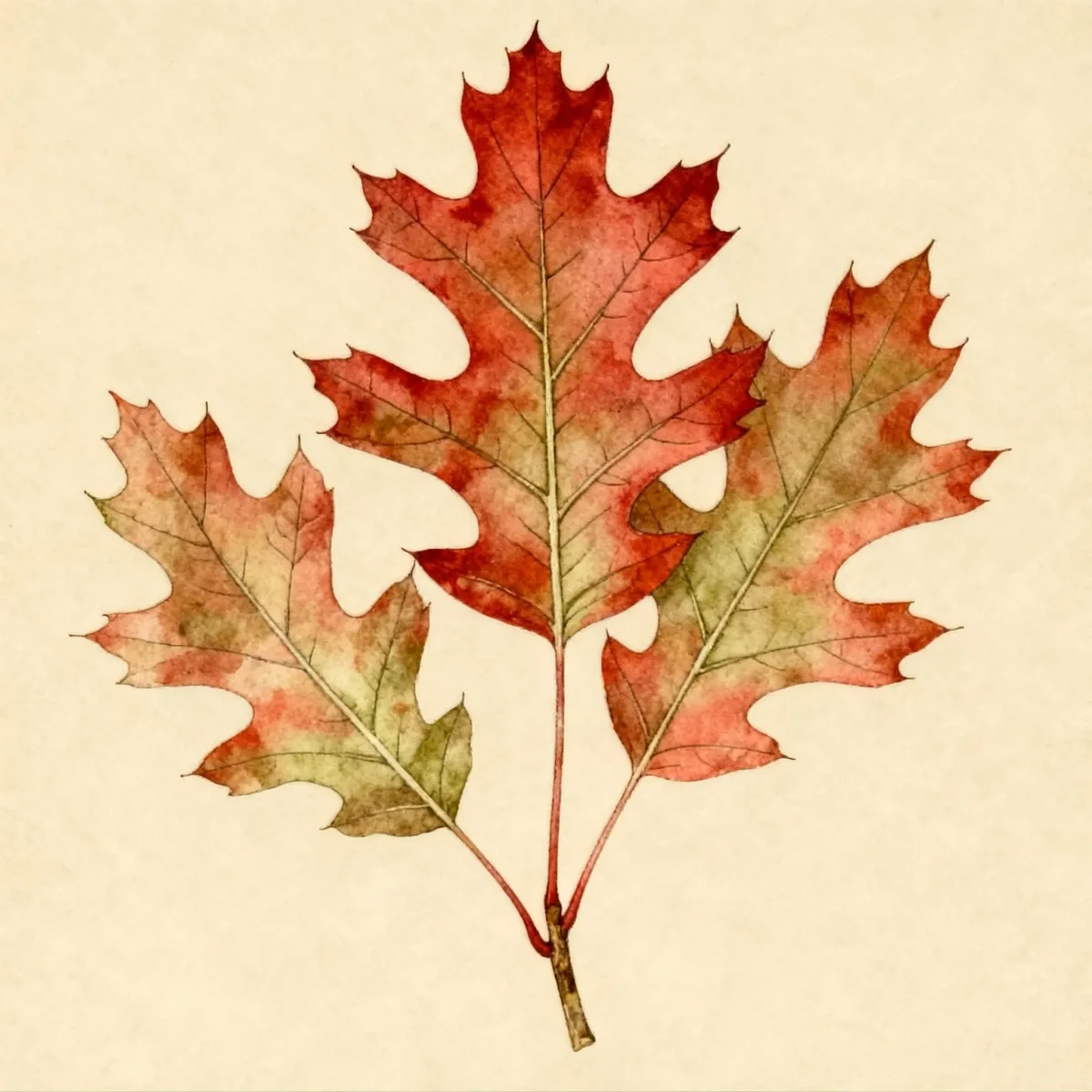
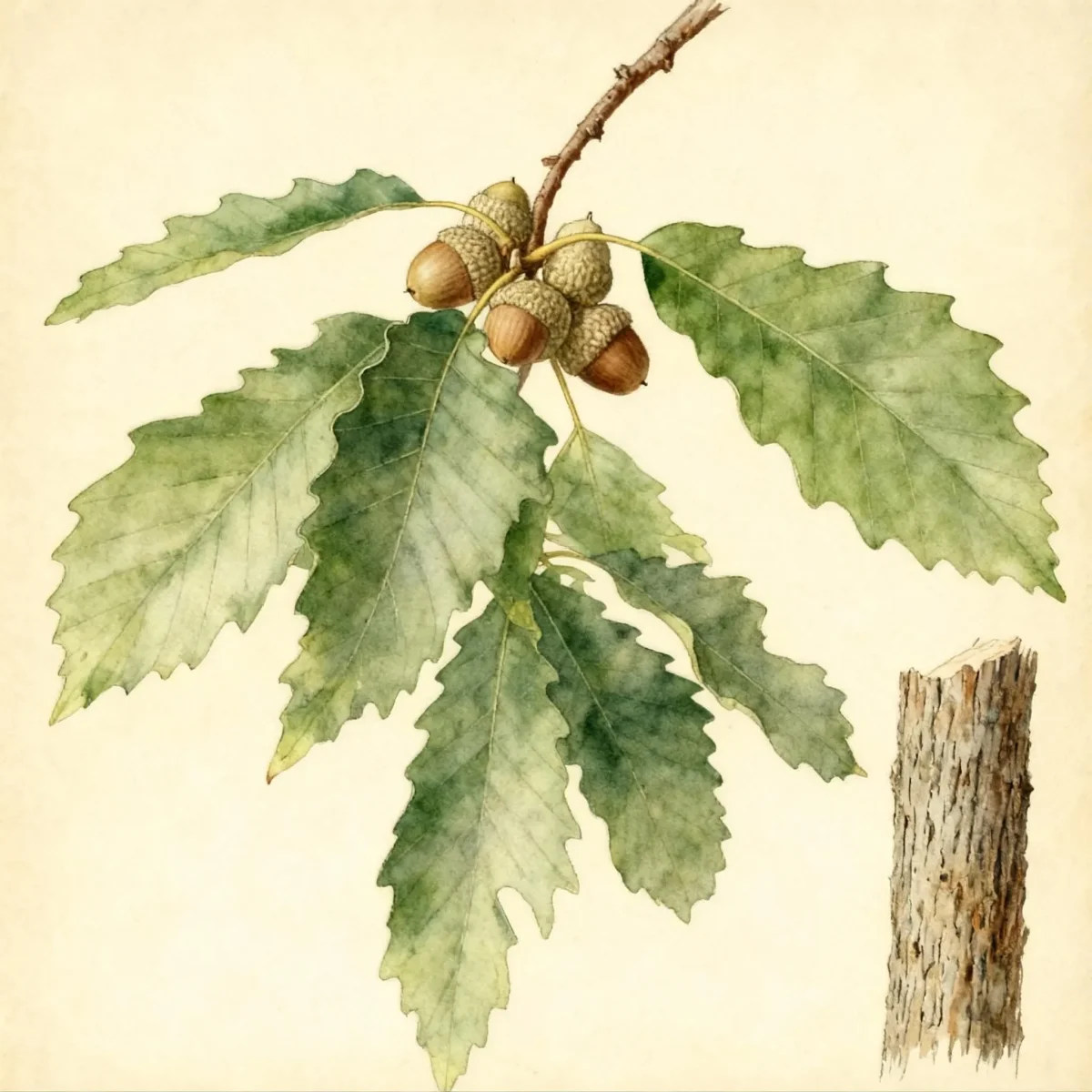
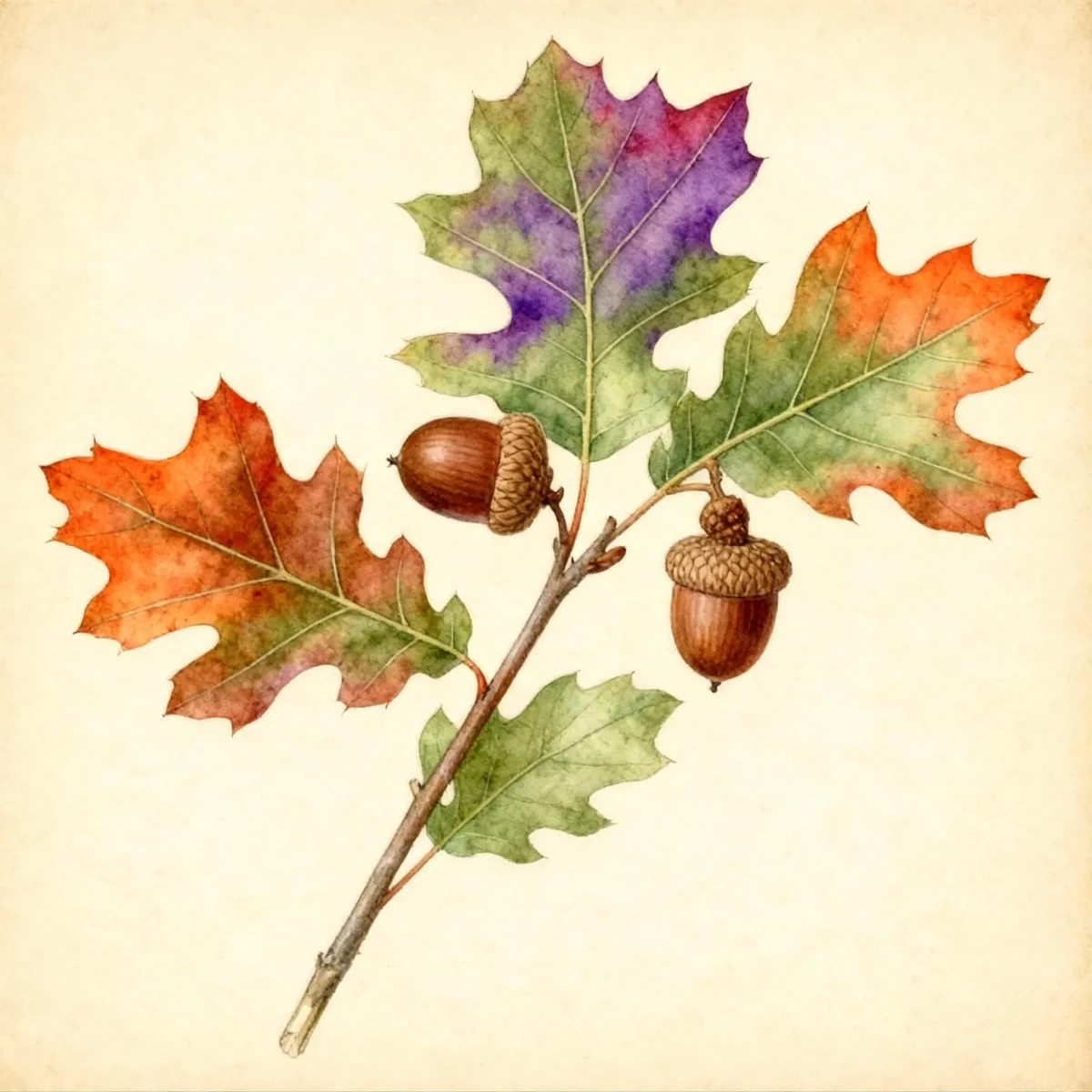
Quercus acerifolia, commonly called maple-leaf oak, is recognized as a rare species known only from a few wild upland forest areas in the Ouachita mountains of west central Arkansas. Described originally in 1926, recent botanical efforts have elevated it to full species status due to distinct leaf and acorn morphology. It is a medium-sized deciduous tree of the red oak group, often appearing multi-stemmed in the wild, reaching highs around 50 feet. The broad, dark green, sugar maple-like leaves are deeply cut into 5-7 spiny-tipped lobes and generally produce good red fall color.
Tolerances
- Drought
Potential Problems
While the Maple-leaved oak is generally a durable and long-lived species, it is theoretically susceptible to the wide array of common insect and disease pests that affect the larger red oak group. However, current observations suggest it maintains health unusually well in its native environment, showing no significant, consistent endemic problems. Vigilance is still advised for typical oak pests like galls or borers, particularly when the tree is young or stressed.
For prevention, maintain proper cultural practices—specifically ensuring excellent drainage and avoiding over-fertilization, which can encourage soft, rapid growth attractive to pests. Inspections during the growing season allow for early intervention with horticultural oils or targeted treatments if minor infestations are noted.
Frequently Asked Questions
What hardiness zones is Maple-leaved oak suitable for?
The Maple-leaved oak (Quercus acerifolia) is suitable for USDA Hardiness Zones 5 through 8.
How large does Quercus acerifolia grow?
This tree typically reaches a mature height between 40 and 50 feet, with a spread ranging from 20 to 30 feet.
What sun exposure does Quercus acerifolia need?
This species requires full sun exposure to thrive in the landscape.
When does Maple-leaved oak bloom?
Quercus acerifolia produces its insignificant, yellowish green flowers during the month of April, often as the leaves are emerging.
Conclusion
For gardeners seeking a unique piece of American botany, the Quercus acerifolia, or Maple-leaved oak, delivers exceptional aesthetic value through its distinctive foliage and low-maintenance nature. As a rare native species known for its drought tolerance once established, it proves hardier than many ornamental trees. Check your local USDA zone suitability and plan for spring planting to best integrate this remarkable oak into your landscape design.
Companion Planting
When siting the Maple-leaved oak, select companion plants that mirror its cultural preferences for excellent drainage and ample sunlight. Consider associating it with other sturdy, slow-growing natives from similar dry upland environments, such as various species of Andropogon (Bluestem grass) or sturdy shrubs like Yucca filamentosa (Adam’s Needle) if the spread allows. These pairings respect the dry soil needs and sunny exposure required by Quercus acerifolia.
In areas where fall color is a major landscape component, pair the deep red tones of the Maple-leaved oak foliage with evergreens that provide a dark green backdrop. Species like Eastern Red Cedar (Juniperus virginiana) or certain pines (Pinus) offer textural and color contrast, emphasizing the unique shape of the oak leaves throughout the autumn months.
Design Ideas
The unique lobing of the Quercus acerifolia leaf provides an unexpected texture among standard oaks. Consider using it as a singular focal point in a naturalized meadow setting or at the edge of a woodland border where it can still receive its full sun requirement. Its medium size makes it manageable in larger suburban lots where a traditional massive oak might overwhelm the space.
Due to its rarity, planting Quercus acerifolia near a primary pathway or viewing area maximizes appreciation for its subtle details, such as the smoothly developing bark and the unique acorn structure. It functions perfectly as a specimen tree intended to draw the eye and prompt closer inspection of its unusual morphology, fulfilling its suggested use as a shade or lawn tree beautifully.