Lisianthus (Eustoma grandiflorum)
Discover how to grow Lisianthus (Eustoma grandiflorum), an elegant herbaceous perennial offering showy blooms from June to frost.
Scroll down to discover growing tips, care requirements, companion plants, and more
Complete Plant Information
Overview
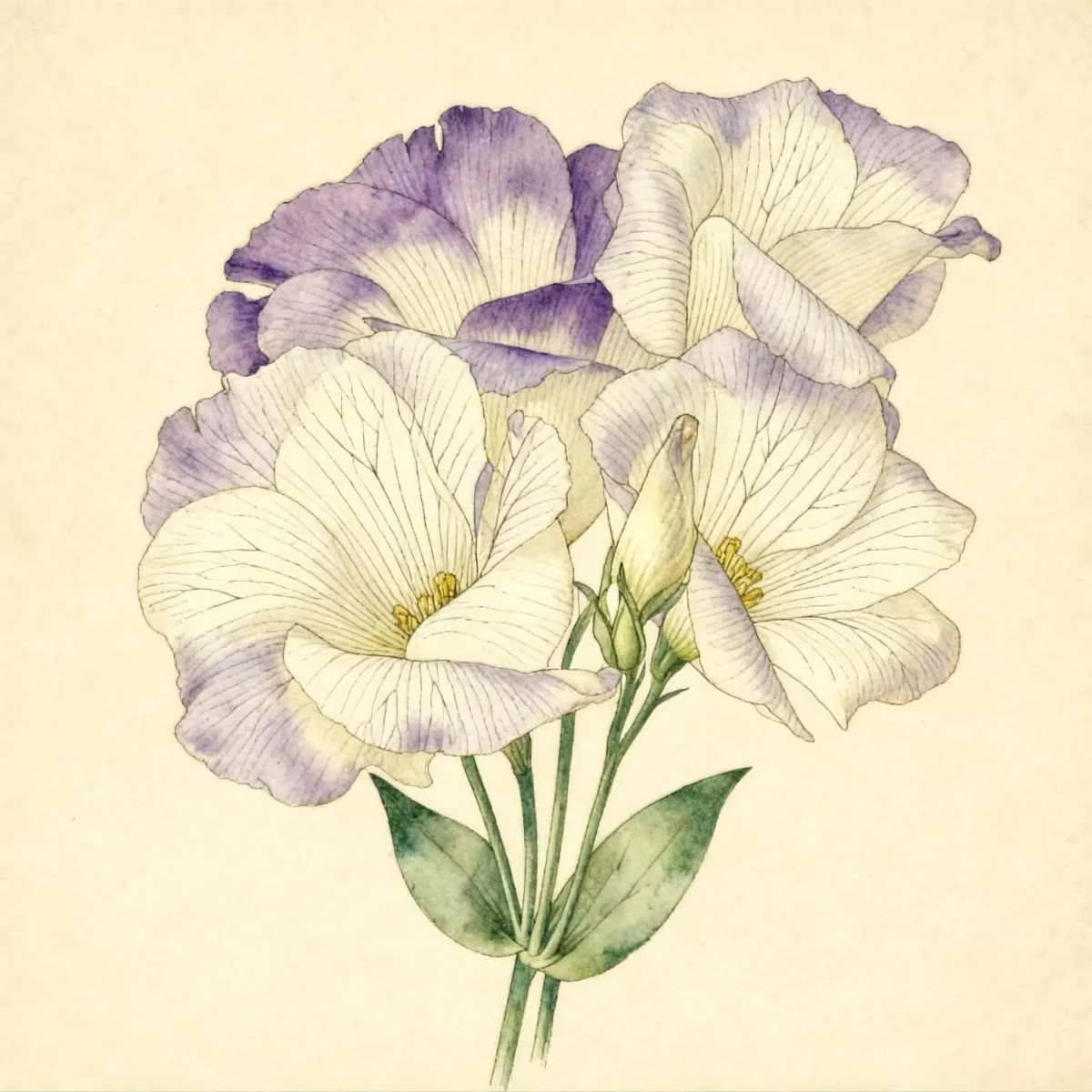
Lisianthus, scientifically known as Eustoma grandiflorum, brings sophisticated, rose-like blooms to the summer garden. This genus is prized by florists and home gardeners alike for its long vase life and elegant flower structure. Although it is technically a biennial that can survive winters in warmer zones, many gardeners successfully grow Eustoma grandiflorum as a high-maintenance annual for continuous color.
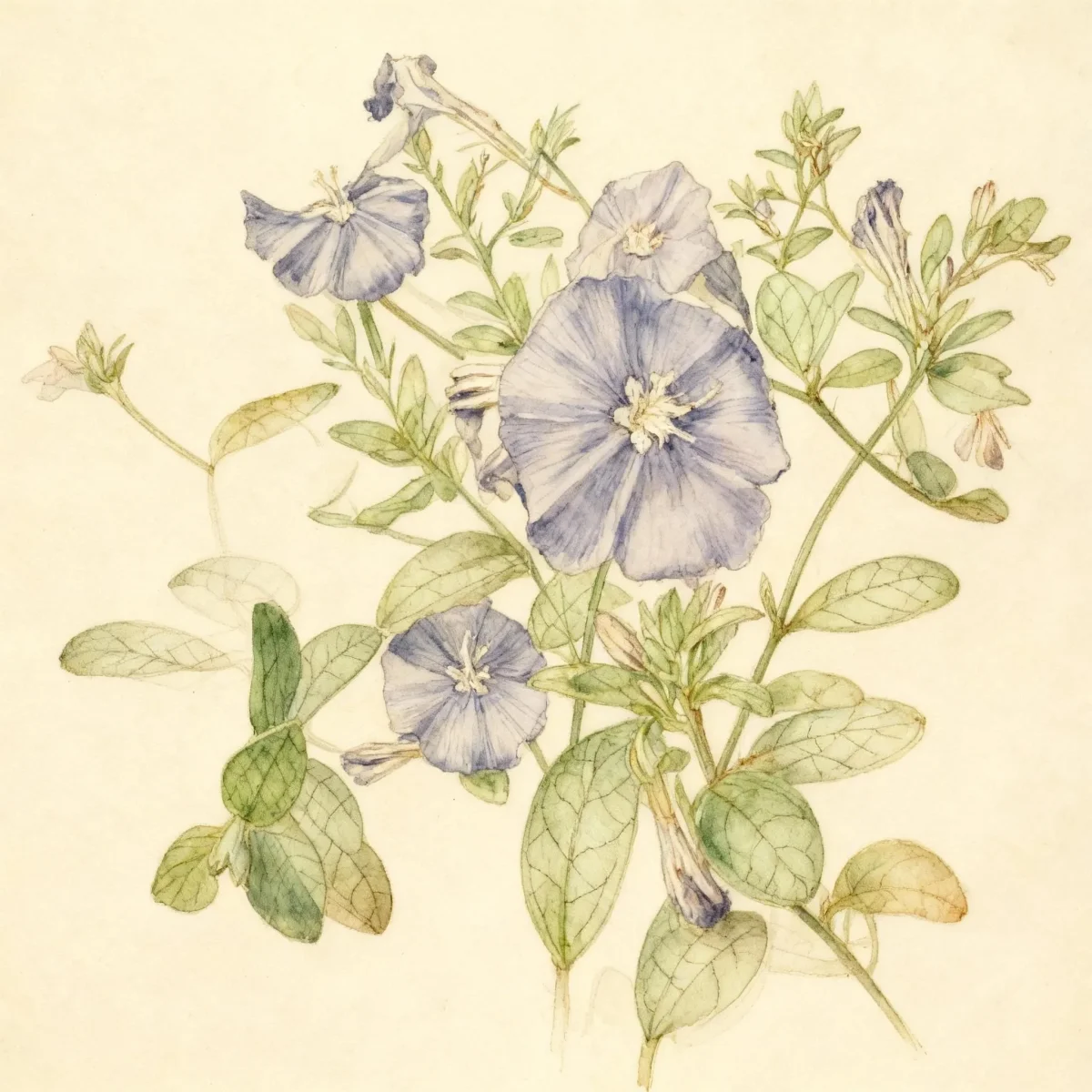
Native to the prairies of North America, this plant features erect stems topped with large, bell-shaped flowers. While the wild form often displays pale purple hues, modern cultivars of Lisianthus offer a rich palette including blues, pinks, and whites in single or double forms.
The primary challenge for home growers is starting this plant, as its seeds are exceptionally small and growth is slow. However, the reward is an exceptionally showy display. Successful cultivation of Eustoma grandiflorum requires consistent conditions and careful attention to its cultural needs throughout the growing season.
Fast Facts
- Plant Family: Gentianaceae
- Plant Type: Herbaceous perennial
- Native Range: Nebraska, Colorado, Kansas, Texas
- Hardiness Zones: USDA Zones 8-10
- Size at Maturity:
- Height: 1-3 ft
- Spread: 0.75-1 ft
- Bloom Time: June to frost
- Bloom Description: Pale purple
- Sun Exposure: Full sun
- Water Needs: Medium
- Maintenance Level: High
How to Grow
For optimal results, Eustoma grandiflorum should be planted in average, uniformly moist, well-drained soils, receiving full sun exposure throughout the day. Because growing Lisianthus from seed is demanding—requiring about five months before the first bloom—it is highly recommended to start seeds indoors 10 to 12 weeks before your average last frost date. Alternatively, setting out purchased seedlings or established transplants after all danger of frost has passed simplifies the process significantly.
Watering must be consistent; aim for medium moisture levels, ensuring the soil never becomes waterlogged, which can contribute to potential stem cankers. While the soil mixture should be rich, avoid over-fertilizing, as this can lead to excessive foliage growth at the expense of flowers.
When young plants establish themselves, pinching them back encourages the development of multiple side shoots. This results in bushier plants with significantly more bloom potential, improving the overall aesthetic display. In northern climates where it is grown as an annual, focus on maximizing summer growth. If cultivation is in Zones 8-10, the biennial plant may survive the winter with appropriate mulch protection.
Landscape Uses
Lisianthus serves exceptionally well in formal beds and structured borders, providing vertical interest with its upright stems, especially the taller cultivars. Their refined appearance also makes them excellent additions to cutting gardens, where they reliably produce stems perfect for indoor arrangements. For gardeners with limited space, dwarf varieties of Eustoma grandiflorum thrive beautifully when placed in pots, containers for decks, or even as elegant houseplants.
Pairing Lisianthus with plants that share similar medium water and full sun requirements helps simplify maintenance. Consider using them alongside salvias, calibrachoa, or shorter ornamental grasses that offer textural contrast without overshadowing the graceful blooms of the prairie gentian. Their height variability allows them to transition smoothly from mid-border accents to striking patio container specimens.
Standout Features
Flower Qualities
- Showy
Noteworthy Characteristics
Eustoma grandiflorum, commonly called prairie gentian, bluebell gentian or lisianthus, is native to prairies and fields from northern Mexico north to Colorado and Nebraska. It is a biennial or annual that grows on erect single to sometimes branching stems rising to 3’ tall. Large gentian-like bell-shaped flowers (to 2” across) with flaring pale purple petal-like lobes bloom in summer from the upper leaf axils. Garden cultivars typically grow 18-30” tall, although some dwarf varieties (to 6-8” tall) are available. Additionally, cultivars offer a broader range of flower colors including various shades of pink, blue-violet and white. Some double-flowered varieties are also available. Ovate to oblong, 3-5 veined, stem-clasping, gray-green leaves (to 3” long). Excellent cut flower.
Tolerances
Potential Problems
This plant generally avoids serious insect or disease pressure, which is a significant advantage for a high-maintenance flower. However, growers should remain vigilant regarding susceptibility to viruses and stem cankers. Preventing stem cankers relies heavily on proper cultural practices; ensure excellent air circulation around the base of the plants and maintain well-drained soil to prevent persistent wetness around the crown. Inspect transplants carefully before planting to avoid introducing potential viral issues into the garden.
Frequently Asked Questions
What hardiness zones is Lisianthus suitable for?
This plant is hardy in USDA Zones 8 through 10, though it is often commercially treated as an annual outside these ranges.
How large does Lisianthus grow?
Mature height generally ranges between 1 and 3 feet tall, with a spread of about 0.75 to 1 foot wide for the standard varieties.
What sun exposure does Eustoma grandiflorum need?
Eustoma grandiflorum requires full sun to produce its best blooms.
When does Lisianthus bloom?
Expect the flowering period for Lisianthus to start in June and continue until the frost arrives.
Conclusion
The sheer elegance and exceptional quality of the blooms make Eustoma grandiflorum a worthwhile endeavor for dedicated gardeners willing to manage its high maintenance needs. Successfully culturing this vibrant annual or hardy perennial will reward you with stunning flowers perfect for any location. Always verify your local USDA hardiness zone before deciding whether to overwinter your Lisianthus or treat it as a treasured summer annual.
Companion Planting
When selecting companions for Lisianthus, prioritize plants that thrive under similar full sun and medium moisture conditions. Consider incorporating heat-tolerant, blue-flowering companions like Azure Blue Spiked Speedwell (Veronica spicata) to echo the cool tones often found in Eustoma grandiflorum cultivars. For textural contrast, drifts of fine-leaved ornamental grasses or upright Celosia varieties create a beautiful backdrop that highlights the delicate structure of the bell-shaped blooms. Ensure that selected companions do not aggressively shade the base of the Lisianthus, which requires good light exposure.
Propagation Tips
While most home gardeners opt to buy established plants, propagating Eustoma grandiflorum from seed offers the widest variety selection. Remember that the seed is dust particle size, making direct sowing virtually impossible for spring planting success. Indoor propagation is crucial, requiring precise timing—start seeds 10–12 weeks prior to the last expected frost. Successful germination and early growth depend on constant warmth and consistent humidity; use a heat mat if possible. Once seedlings develop their first true leaves, they should be carefully pricked out into individual pots to minimize root disturbance before hardening off and transplanting outside after the danger of frost has passed.