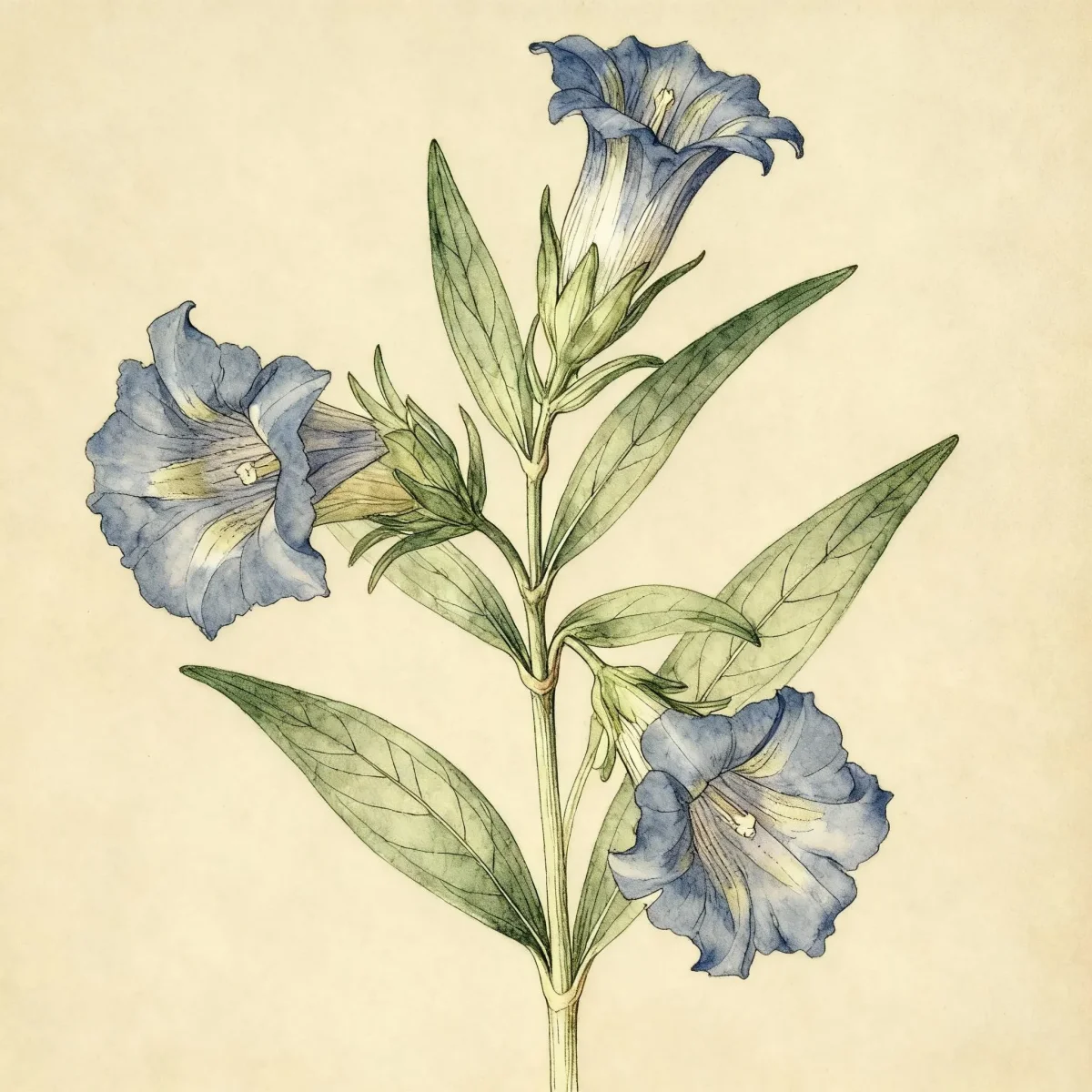
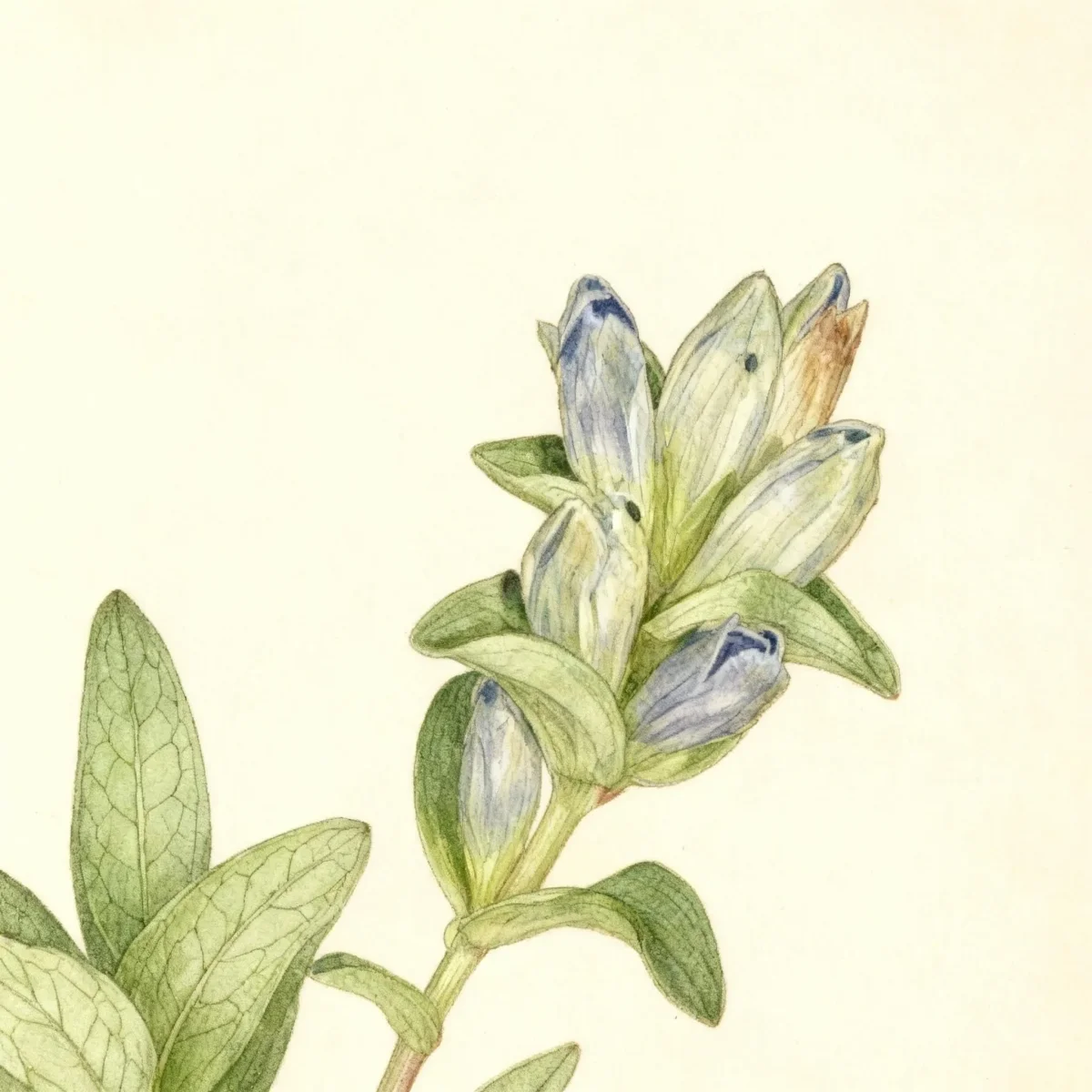
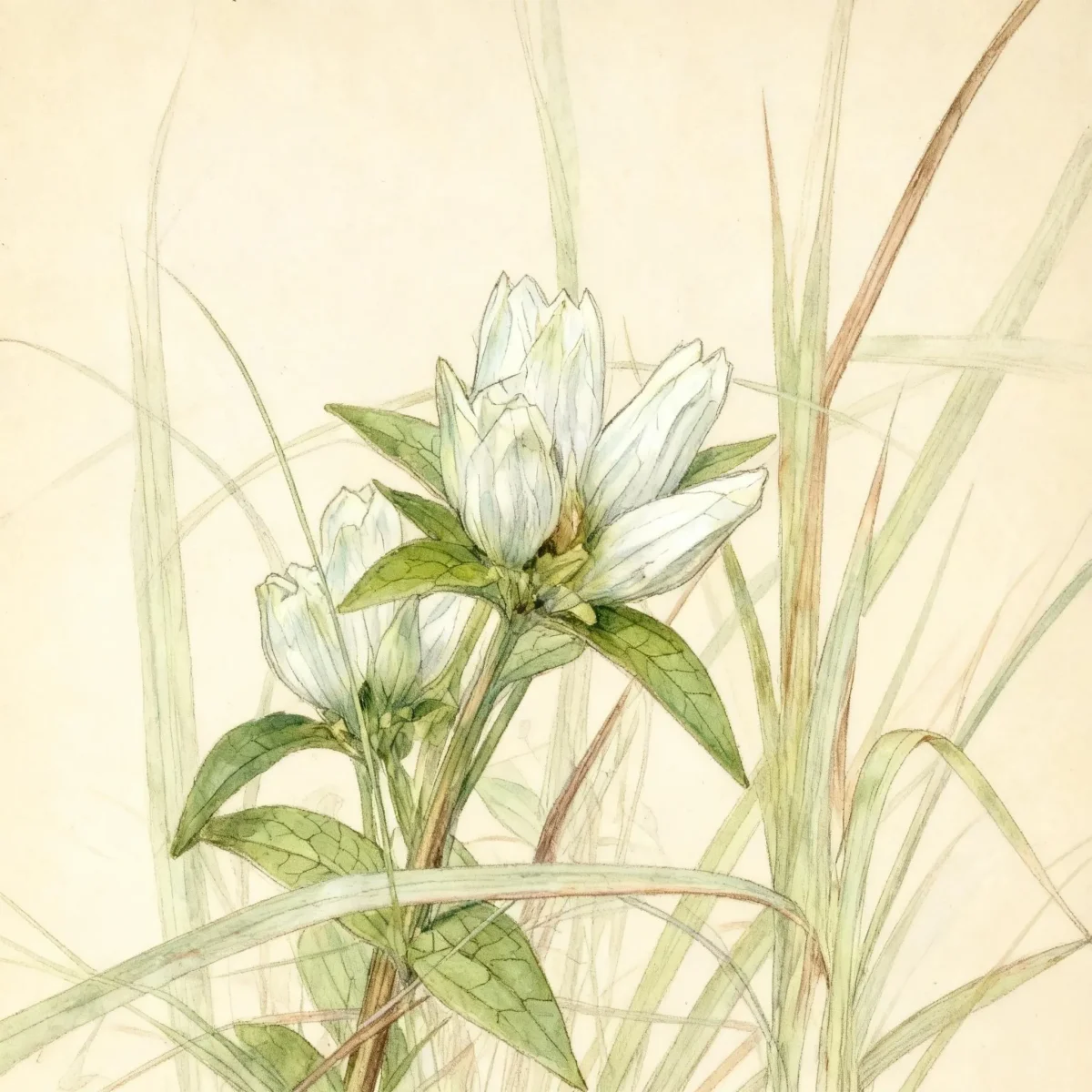
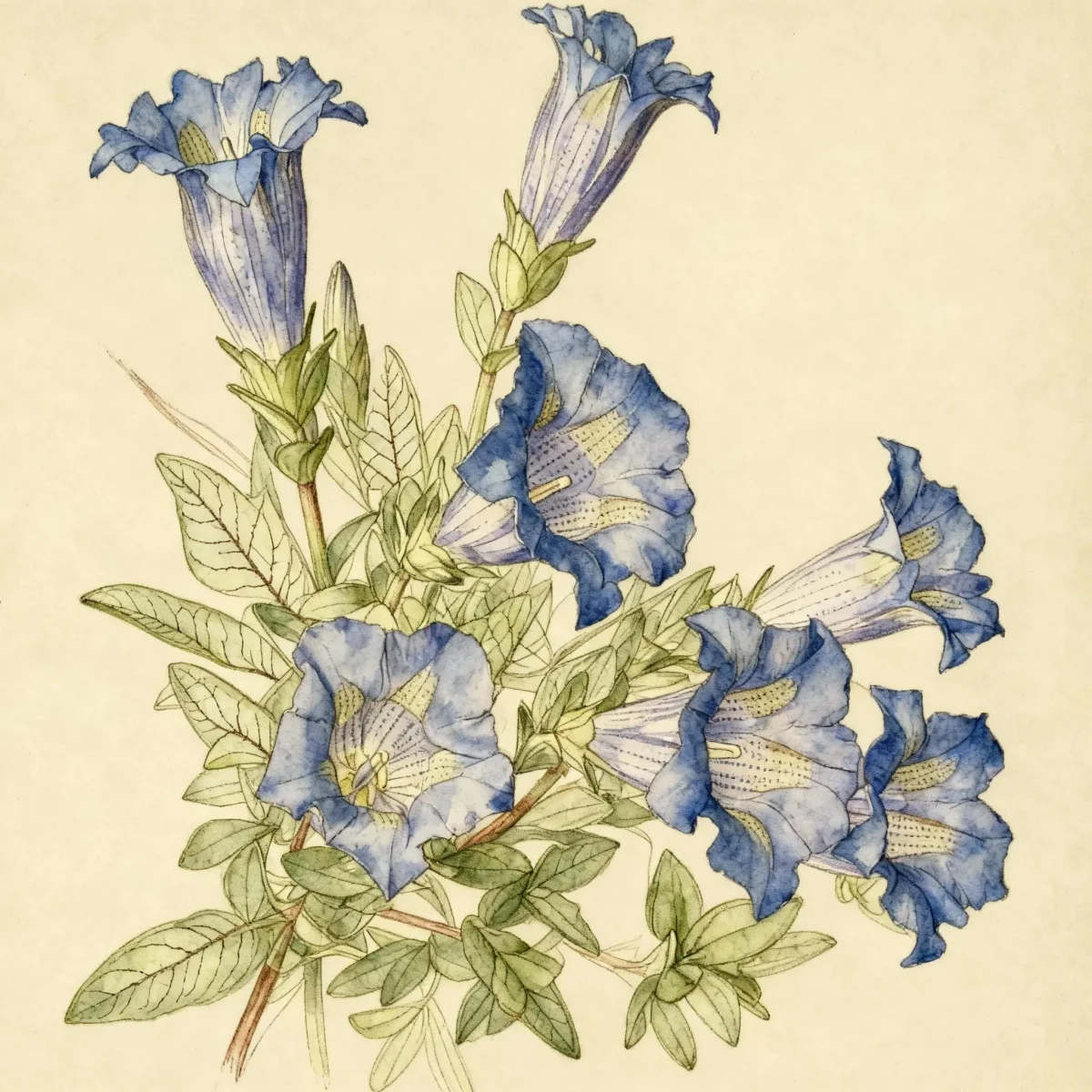
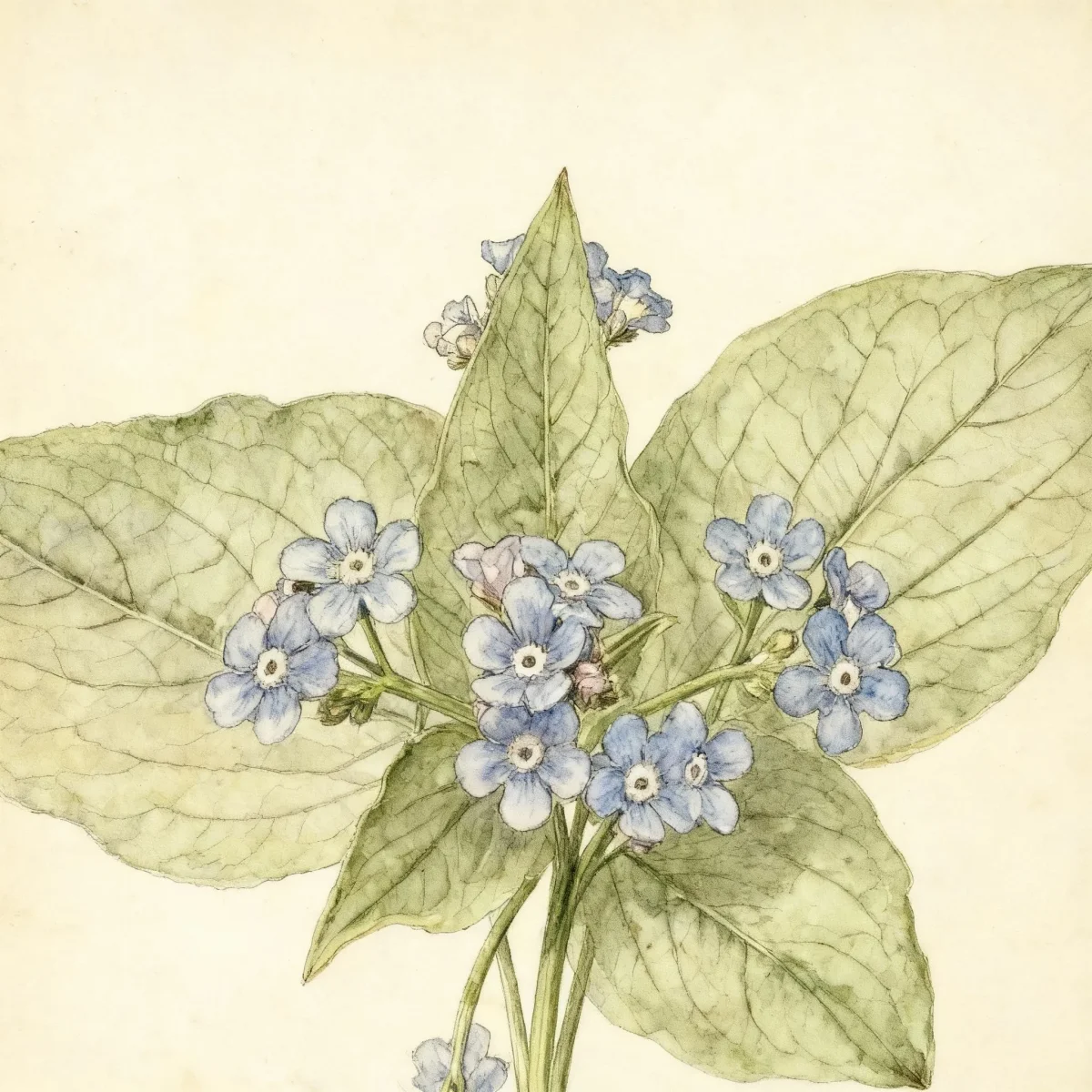
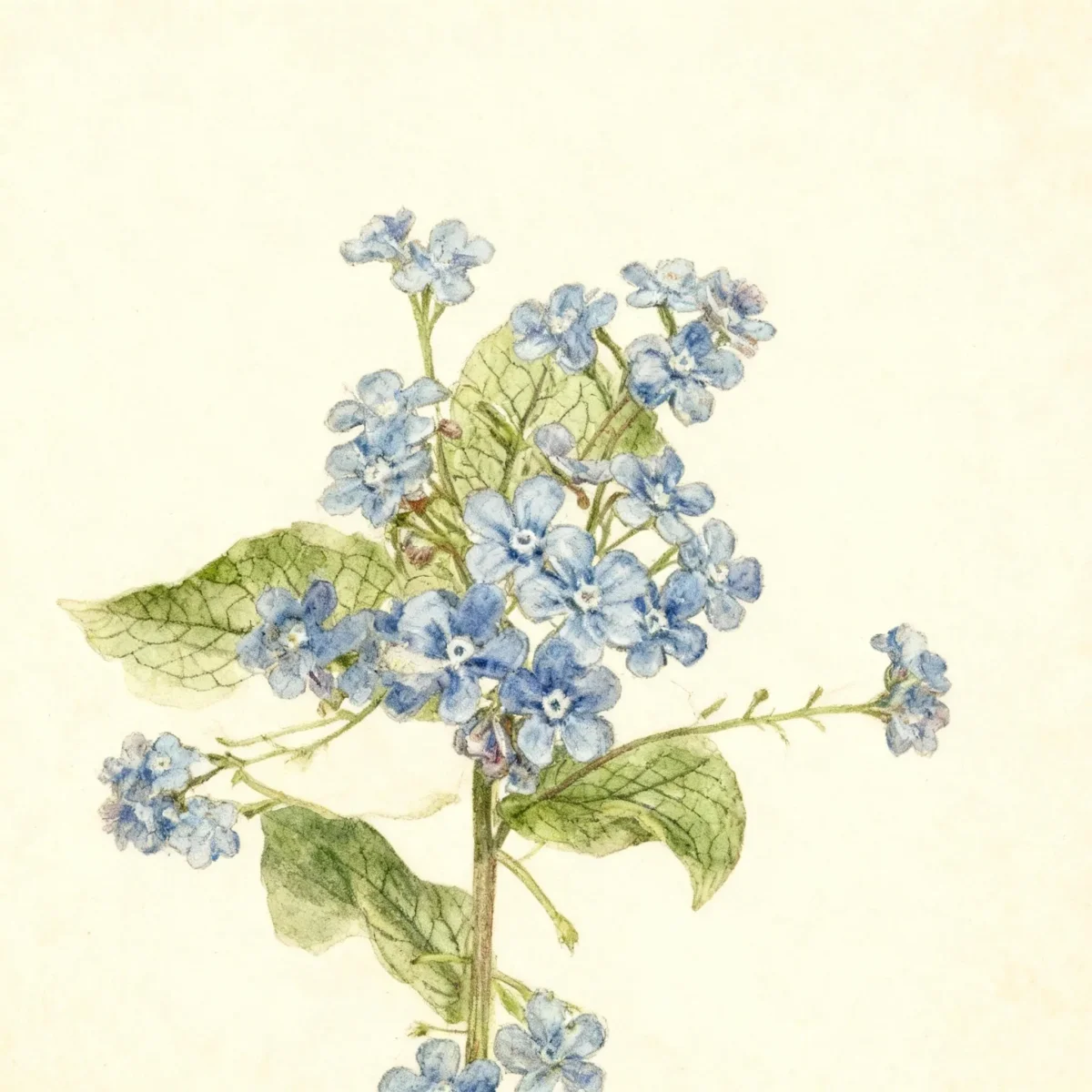
Closed gentian (Gentiana andrewsii)
Discover the unique beauty of Closed gentian (Gentiana andrewsii), a low-maintenance, deep blue wildflower for your woodland garden.
Scroll down to discover growing tips, care requirements, companion plants, and more
Complete Plant Information
Overview
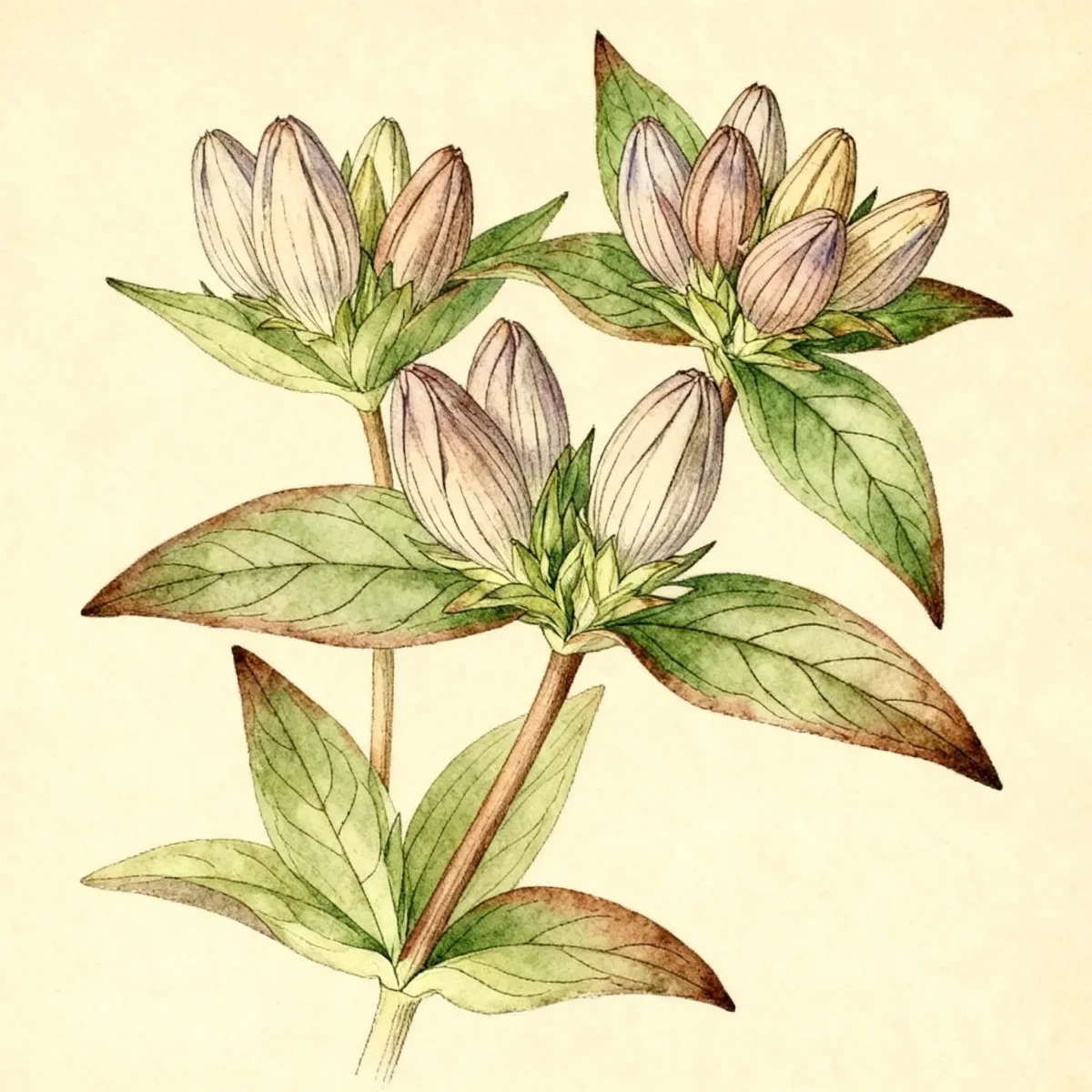
The Closed gentian (Gentiana andrewsii) offers a fascinating specimen for the native plant enthusiast, renowned for its unique floral structure. Unlike many spring bloomers, this herbaceous perennial provides a deep textural accent late in the season, culminating in clusters of truly distinctive, never-opening, bottle-shaped flowers. The stunning deep blue color of Gentiana andrewsii is highly valued in partial shade settings.
This species thrives naturally in moist, rich environments, making it an excellent choice for woodland settings or areas near water features. Gardeners appreciate the low maintenance requirements of this plant, especially once established in optimal, humusy soil. The resilience of Gentiana andrewsii ensures that established patches will gently colonize, leading to beautiful naturalized colonies over time.
For gardeners seeking subtle elegance and reliable, late-season color in shaded areas, the Closed gentian is an indispensable component. Its reliability and resistance to common pests make it a rewarding addition to native plant gardens throughout its hardiness range.
Fast Facts
- Plant Family: Gentianaceae
- Plant Type: Herbaceous perennial
- Native Range: Eastern North America
- Hardiness Zones: USDA Zones 3-7
- Size at Maturity:
- Height: 1-2 ft
- Spread: 1-1.5 ft
- Bloom Time: October
- Bloom Description: Dark blue
- Sun Exposure: Part shade
- Water Needs: Medium
- Maintenance Level: Low
How to Grow
The key to successfully cultivating Gentiana andrewsii lies in replicating its native habitat. Plant this herbaceous perennial in the spring or fall when soil moisture is manageable. Ensure the location receives part shade, protecting it from harsh afternoon sun, especially in hotter climates. Optimal soil composition should be moist, rich, cool, humusy, acidic, and critically, well-drained.
Watering requirements are medium; maintain consistent moisture, particularly during dry spells, as this plant dislikes drying out completely. Avoid excessive fertilization; rich, organic soil is usually sufficient. If conditions are ideal—cool, moist, and shady—the Closed gentian will naturally spread and form attractive clumps over several years without requiring intervention.
Maintenance is very low. Minimal pruning is needed beyond removing any old, dead foliage in early spring before new growth emerges. Be aware that Gentiana andrewsii may struggle where summers are excessively hot and humid, so select the coolest microclimate available in your landscape.
Landscape Uses
The natural sociability of the Closed gentian makes it a perfect candidate for naturalizing, allowing it to form soft drifts in woodland or shade gardens. Its recommended uses center heavily on native plantings, rock gardens situated in shade, and along the edges of streams or ponds where moisture is abundant. This species integrates beautifully into wildflower meadows that feature partial shade elements.
When planning companions, look for other moisture-loving, shade-tolerant natives that bloom at different times to ensure season-long interest. Consider ferns, hostas, or woodland phlox as excellent complementary partners that share similar cultural needs. Integrating Gentiana andrewsii into native plant borders will add a unique late-season burst of true blue that contrasts nicely with greens and yellows.
Standout Features
Flower Qualities
- Showy
Noteworthy Characteristics
The genus name honors King Gentius of Illyria, who reputedly discovered the medicinal virtues of bitterwort root. Gentiana andrewsii, sometimes called bottle gentian, features tight clusters of tubular, deep blue flowers that never open, appearing late in the season, usually in October. These unique, closed blooms emerge at the stem tops or upper leaf axils alongside bright green, lance-shaped leaves.
Tolerances
- Deer
- Clay Soil
Potential Problems
Gardeners will be pleased to know that Gentiana andrewsii suffers from no serious insect or disease problems when grown under its preferred conditions. The primary management concern usually revolves around ensuring the soil does not become too dry or too rich in heavy clay that prevents proper drainage. While tolerant of clay soil, poor drainage due to compacted soil can encourage root rot.
If site conditions are too hot or dry, the plant may decline or fail to thrive, which can sometimes mimic disease symptoms. The best management strategy is cultural: ensuring excellent soil structure, adequate moisture retention, and appropriate light levels before planting this native gem.
Frequently Asked Questions
What hardiness zones is Closed gentian suitable for?
Gentiana andrewsii is hardy and adaptable across USDA Zones 3 through 7.
How large does Closed gentian grow?
This perennial typically reaches a modest height between 1 to 2 feet tall, with a spread of 1 to 1.5 feet wide.
What sun exposure does Gentiana andrewsii need?
This plant performs best when situated in part shade, requiring protection from the harshest afternoon sun.
When does Closed gentian bloom?
You can expect the distinctive dark blue blooms of Gentiana andrewsii to appear late in the season, primarily during October.
Conclusion
The Closed gentian (Gentiana andrewsii) brings unparalleled late-season color and structural interest to shaded borders and woodland gardens thanks to its unique, deep blue, unopened flowers. Its low maintenance and adaptability to clay soil make Gentiana andrewsii a highly practical choice for native plant enthusiasts. Confirm your site offers medium moisture and suitable part shade, and introduce this remarkable flower to your garden this fall.
Companion Planting
Choosing appropriate companions for Gentiana andrewsii ensures that the cool, moist soil requirements of the Closed gentian are met throughout the growing season. Look for plants that occupy different vertical spaces or have contrasting foliage textures. Astilbes, bleeding hearts (Dicentra), and various woodland ferns are excellent partners, as they also flourish in well-drained, humus-rich, shady spots.
When pairing for bloom time, remember that the Closed gentian peaks in October. To bridge the gap from summer to fall, consider pairing it with Columbine or Mayapple, which will finish their display before the gentian begins to close up for the season. This staggered performance maximizes garden interest.
Wildlife Benefits
While the closed nature of the flowers might suggest low pollinator appeal, the blooms of Gentiana andrewsii are specifically adapted to certain crucial late-season visitors. The tubular, yet unopened, structure protects delicious nectar, making it a favored target for long-tongued bumblebees late in the year when other food sources are scarce. Planting these helps ensure resources are available as the season winds down.
As a native wildflower of Eastern North America, Gentiana andrewsii contributes positively to local biodiversity. Its presence supports the regional ecosystem, providing food and habitat structure critical for local insect populations. Focusing on native selections like this ensures your garden supports native specialist species.