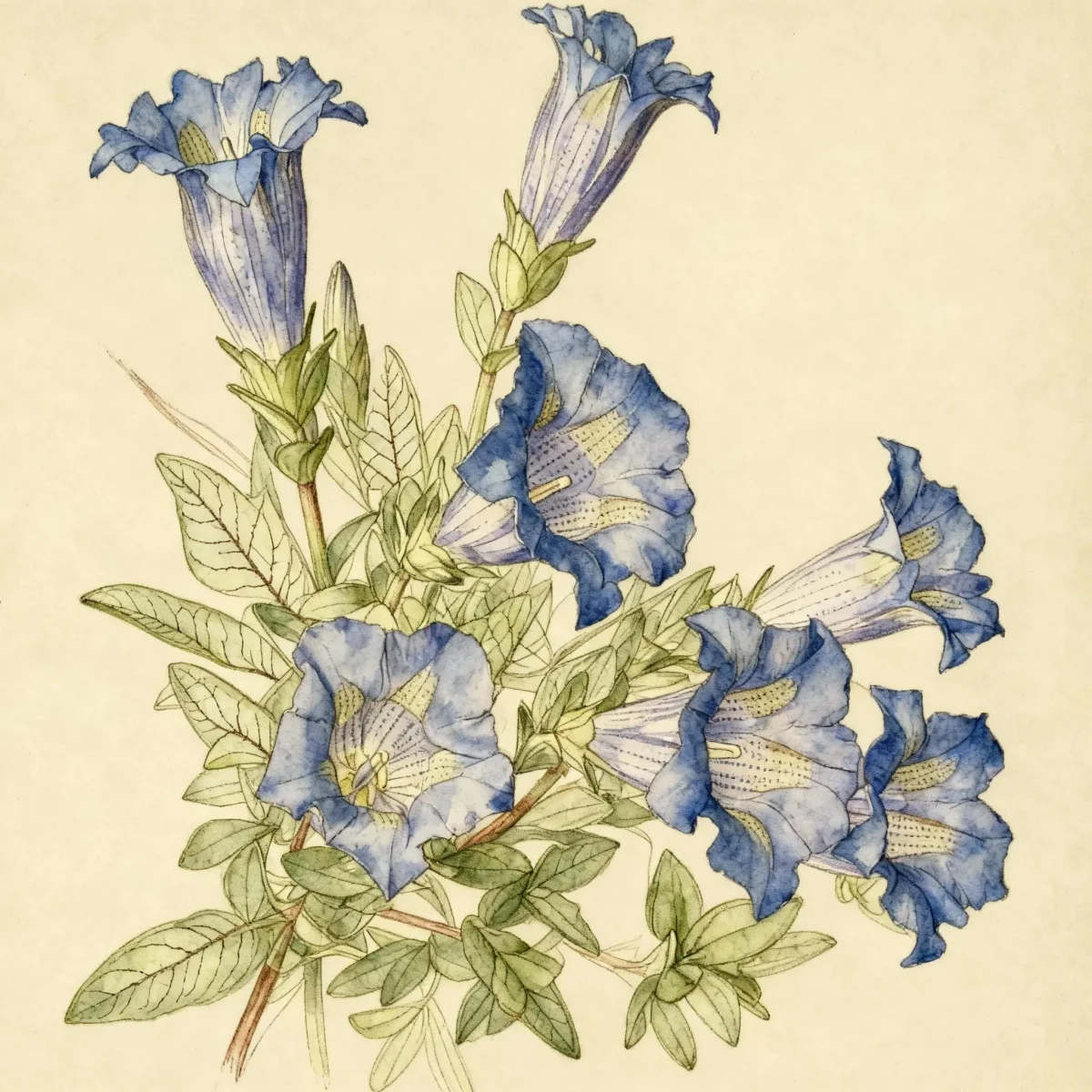
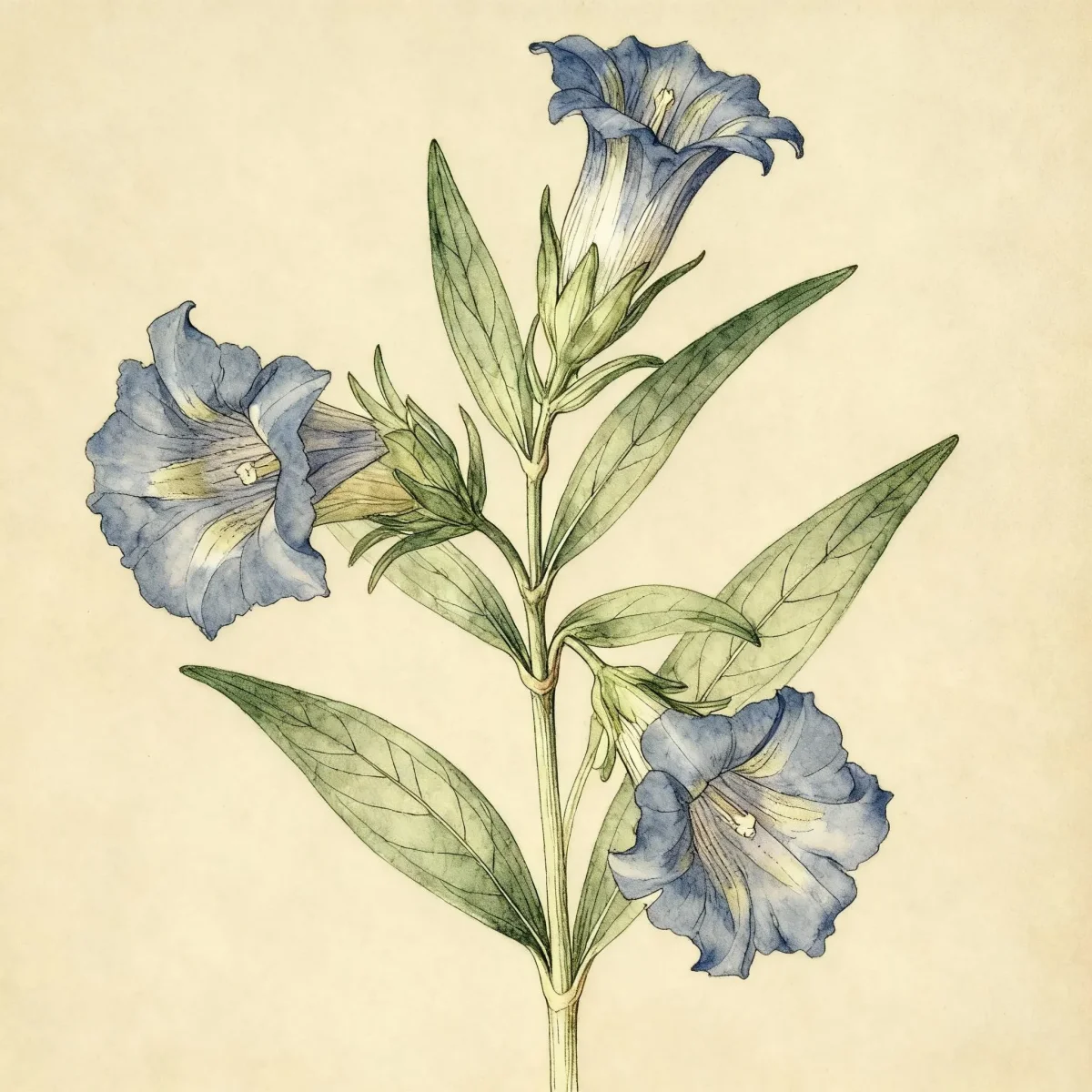
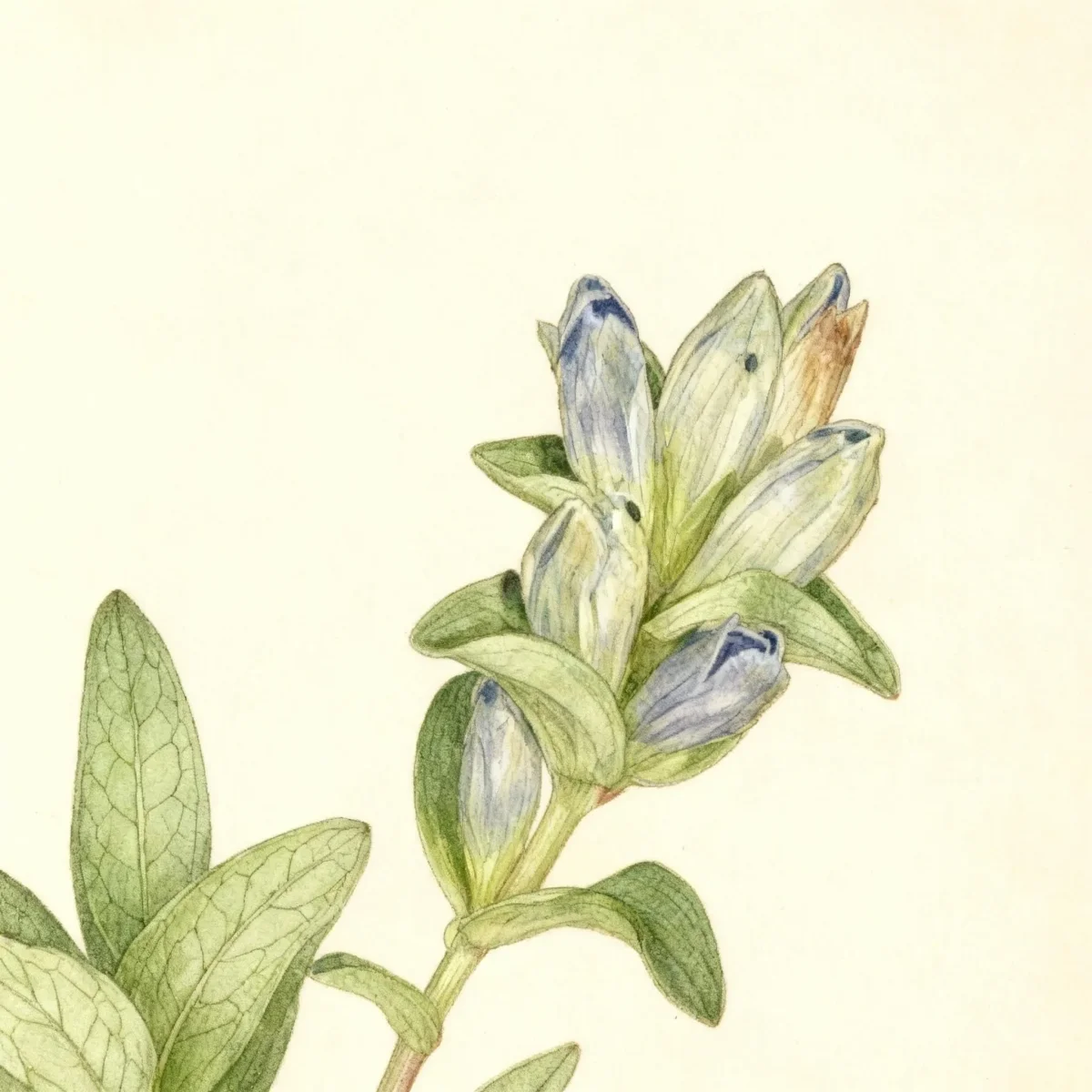
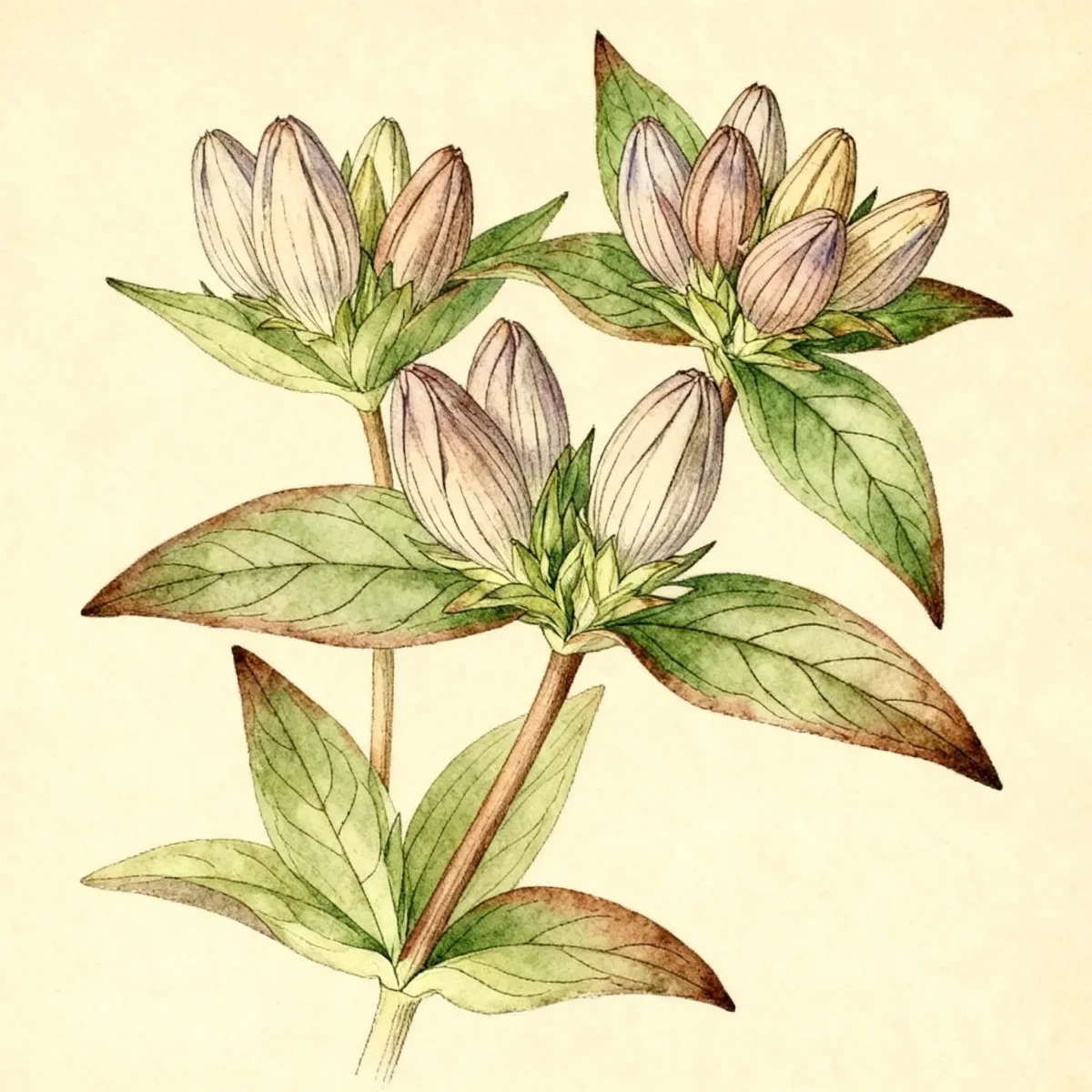
Gentian (Gentiana alba)
Discover Gentiana alba, a striking white-flowered Gentian native to Central North America, thriving in Zones 3-7.
Scroll down to discover growing tips, care requirements, companion plants, and more
Complete Plant Information
Overview
The Gentiana alba, commonly known as Gentian, presents a subtle yet elegant addition to the perennial border, famed for its late-season blooms when many other flowers have faded. This species is valued for its upward-facing, tube-shaped flowers that appear later in the summer and persist well into autumn. As a plant native to Central North America, Gentiana alba connects the cultivated garden back to regional ecology.
This herbaceous perennial typically reaches two to three feet tall, demanding consistent moisture and well-drained soils for optimal health. While it can handle some competition, providing the right gravelly, humus-rich conditions is key to successfully establishing this sometimes challenging Gentian.
Gardeners seeking structure and unique coloration late in the season will appreciate the clean, pale flowers of Gentiana alba. Its distinctive appearance ensures it stands out in native plant collections or rock gardens during the late summer transition.
Fast Facts
- Plant Family: Gentianaceae
- Plant Type: Herbaceous perennial
- Native Range: Central North America
- Hardiness Zones: USDA Zones 3-7
- Size at Maturity:
- Height: 2-3 ft
- Spread: 1-2 ft
- Bloom Time: August to October
- Bloom Description: White to yellowish white to greenish white
- Sun Exposure: Full sun to part shade
- Water Needs: Medium
- Maintenance Level: Medium
How to Grow
Planting for Gentiana alba should occur during cooler periods—spring or fall—allowing the roots to establish before summer heat stress sets in. Select a location that offers full sun for the best flowering, but be mindful that intense afternoon sun, especially in hotter climates, can bleach the foliage. The soil must be well-drained; stagnant moisture is detrimental. Ideal conditions involve average moisture combined with a humus-rich, gravelly texture, mimicking its native bluff and prairie habitats.
Watering requirements are medium; avoid letting the soil completely dry out, particularly during establishment. While it tolerates slightly alkaline soils, consistent moisture is more critical than heavy feeding. Fertilization is rarely necessary if the natural soil base is rich in organic matter. Plants perform best where summers remain relatively cool.
As part of seasonal care, clean up any dead foliage in early spring before new growth emerges. Gardeners south of USDA Zone 7 should give special attention to providing afternoon shade during extreme heat to prevent stress. If successfully sited, this white Gentian provides reliable structure year after year.
Landscape Uses
The upright habit and late bloom time make Gentiana alba an excellent structural component in the garden. It works wonderfully along border fronts, where its height (2–3 ft) can effectively separate lower-growing perennials from taller background specimens. For a natural look, integrate it into native plant gardens, allowing it to mingle with other prairie or woodland edge natives that share similar moisture preferences.
These plants are particularly suitable for rock gardens, especially when planted among crevices or finer gravelly soils that ensure rapid drainage, preventing root rot during wet periods. Although they are happiest in the ground, the size of the root system on mature Gentians means they require a substantial container if container gardening is necessary.
Consider pairing Gentiana alba with other late-season interest plants like asters or goldenrods that thrive in similar sun exposure. Ensure companion plants do not completely shade the Gentiana alba during the peak afternoon hours, as adequate light promotes the best flower production for this beautiful Gentian.
Standout Features
Flower Qualities
- Showy
Noteworthy Characteristics
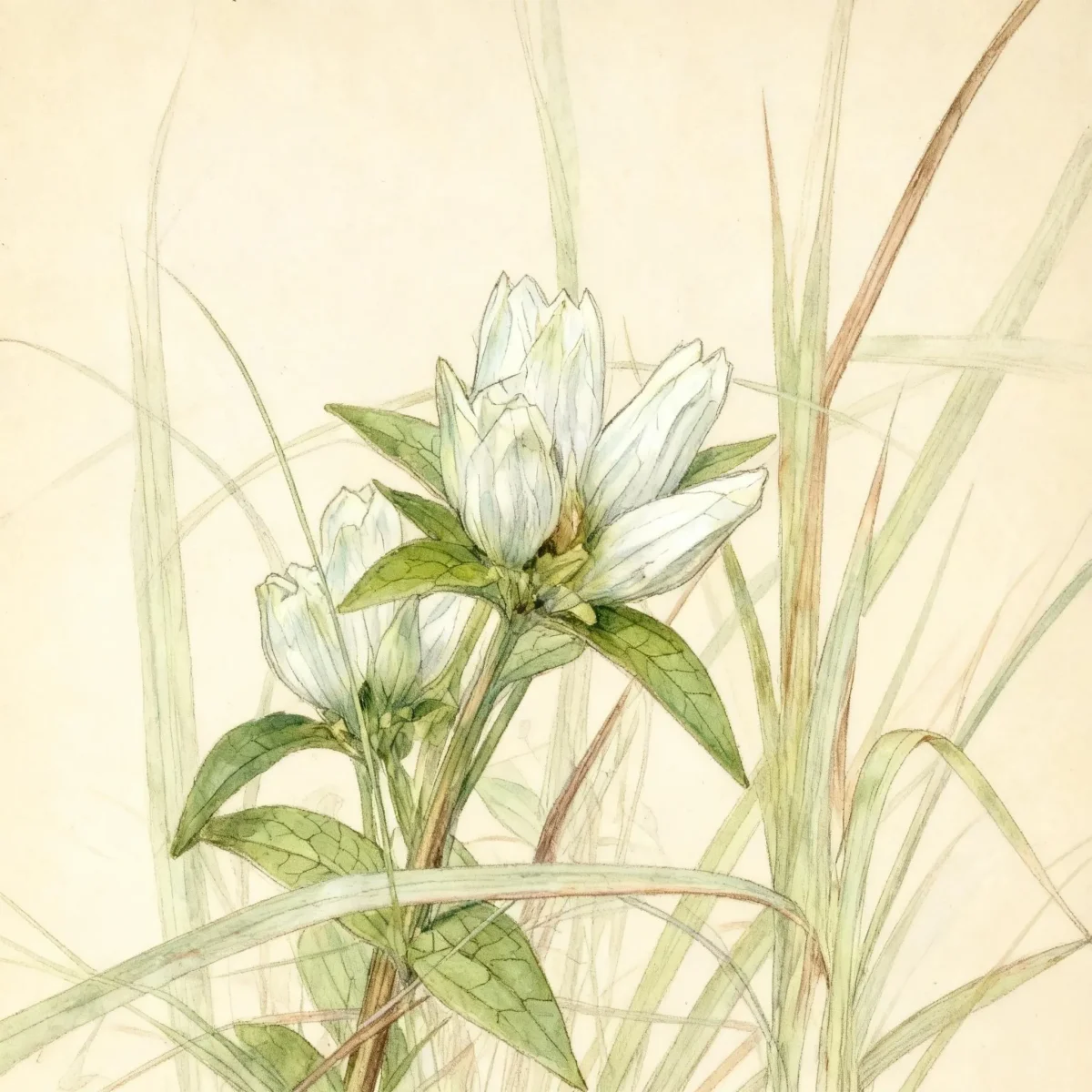
Gentiana alba is a white-flowered gentian that is native from Manitoba and Ontario south to Oklahoma, Arkansas, Kentucky and North Carolina. It typically grows to 2’ tall on unbranched stems clad with light yellowish-green leaves, producing clusters of five-petaled, tube-shaped flowers ranging in color from white to greenish white or yellowish white. These late-blooming flowers appear from August into early October, offering valuable late-season color. The genus name honors King Gentius of Illyria, famous for discovering the medicinal virtues of the yellow gentian root.
Tolerances
- Tolerates slightly alkaline soils
Potential Problems
Gentiana alba generally avoids serious pest or disease issues, which is a benefit for any gardener. The primary challenge associated with this Gentian lies in successfully meeting its specific cultural demands, particularly in regions known for hot, humid summers, such as the St. Louis area where garden establishment can be difficult. The species prefers cooler summers, and excessive heat and humidity can stress the plant, potentially leading to poor performance or decline.
The key to ensuring long-term success is mastering the soil requirements; poor drainage combined with high heat is the most common cause of failure. Ensure planting locations receive consistent, medium moisture while allowing for excellent aeration through gravelly soil amendments if native soil is too heavy clay. When sited correctly in cooler parts of its range, this beautiful Gentiana alba requires very little intervention.
Frequently Asked Questions
What hardiness zones is Gentian suitable for?
Gentiana alba is robust in USDA Zones 3 through 7.
When does Gentian bloom?
This species provides blooms from August through October, featuring lovely white to yellowish white to greenish white flowers.
How large does Gentiana alba grow?
When mature, Gentiana alba typically reaches a height between 2 and 3 feet, with a spread of 1 to 2 feet.
What sun exposure does Gentiana alba need?
It thrives best in full sun to part shade conditions, though it often benefits from some relief from intense afternoon sun, especially where summers are hot.
Conclusion
The Gentiana alba, or white Gentian, is a prized late-season bloomer offering subtle beauty and reliability within its preferred climatic range. Its upright form and unique pale flowers make it invaluable for native plant enthusiasts and border designers alike. Before planting, carefully assess your local summer climate and ensure you can meet its need for cool summers and moist, well-drained soil to enjoy this stately perennial.
Companion Planting
When selecting partners for the Gentian, prioritize plants that appreciate similar medium moisture levels and do not create dense shade over the Gentiana alba. Tall, airy native grasses like Schizachyrium scoparium (Little Bluestem) can provide textural contrast without overwhelming the blooming Gentian. In less intense sun, hostas or ferns that tolerate partial shade work well to emphasize the vertical structure of the Gentiana alba in early summer before it begins its late-season show.
Seasonal Care Calendar
Spring cleanup involves removing residual dead leaves promptly so that new growth is not obstructed; this is also the best time to amend the soil lightly with well-rotted compost near the base. Summer watering is crucial; monitor moisture levels closely, employing deep, infrequent watering rather than light sprinkles, especially during dry spells, to encourage deep root growth. In the fall, allow the foliage to remain until frost has hardened it off, as the plant is preparing its root system for winter dormancy, protecting the crown of the Gentiana alba.