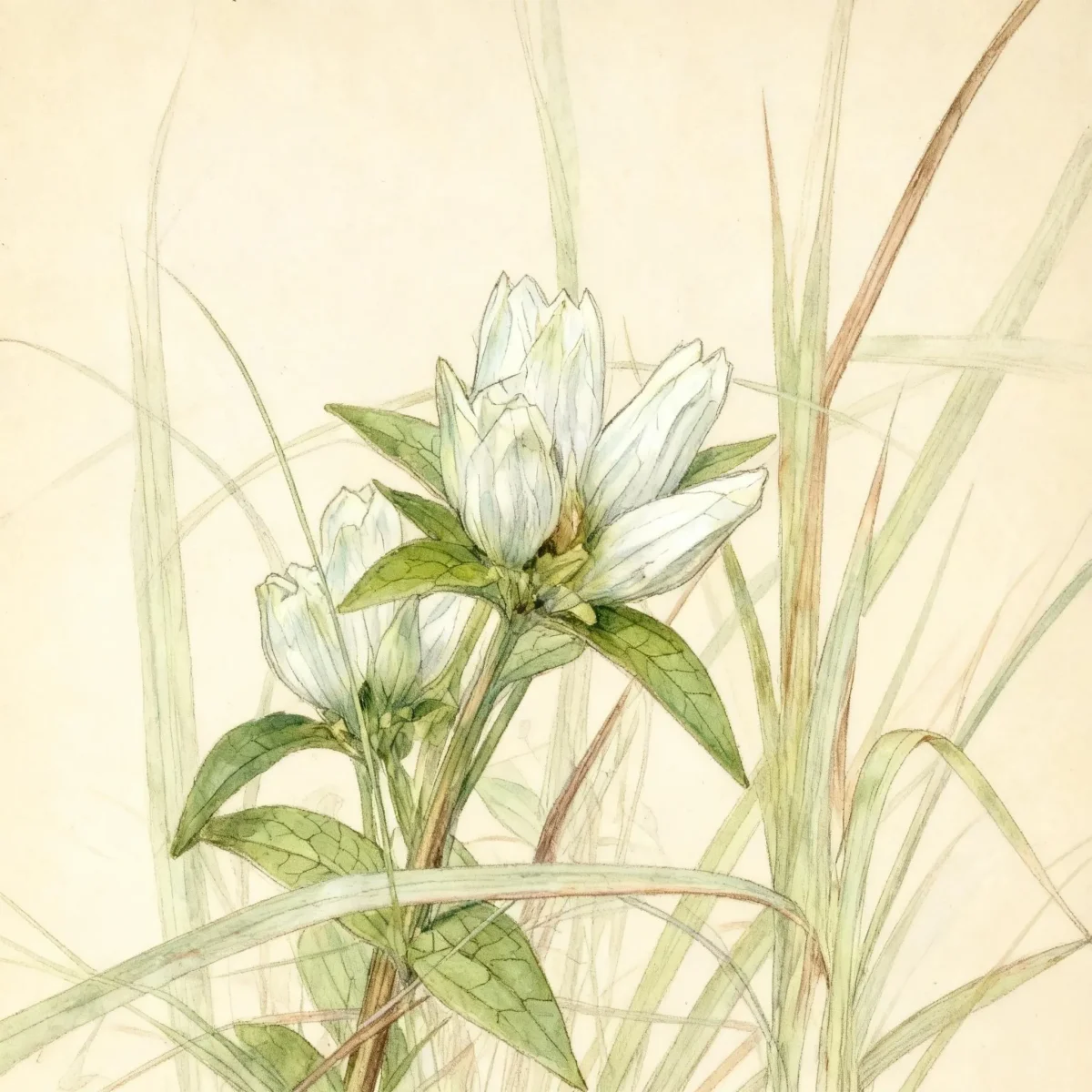
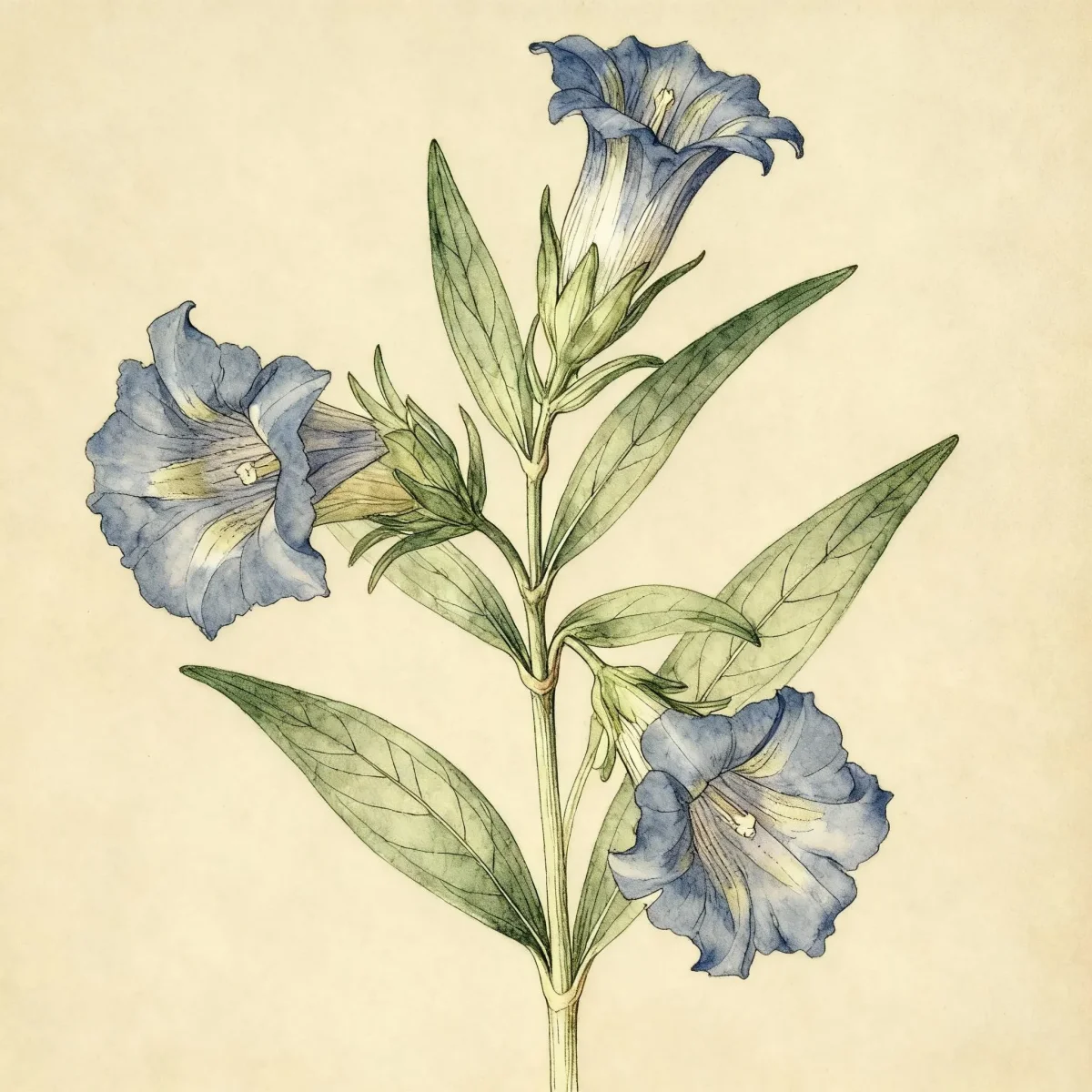
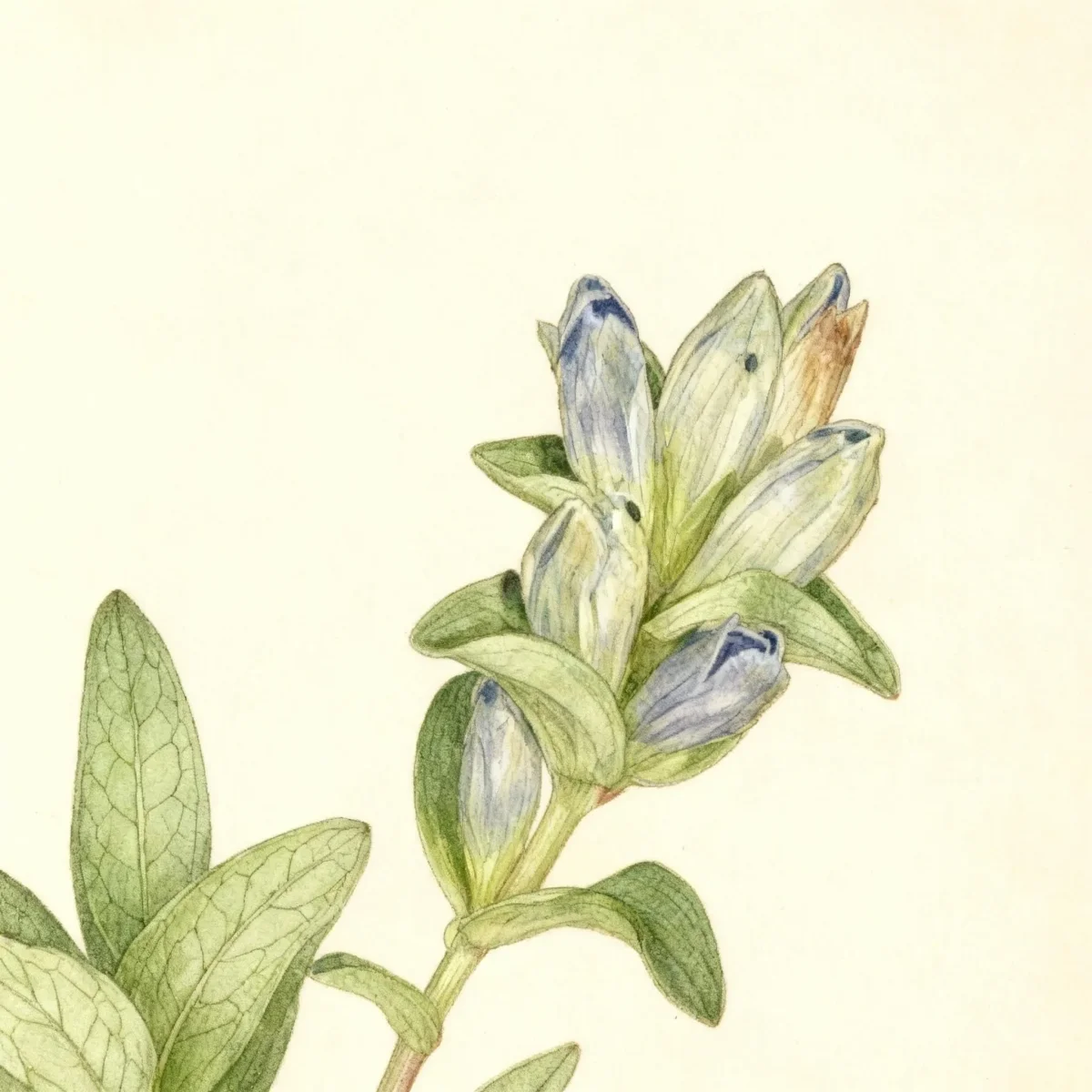
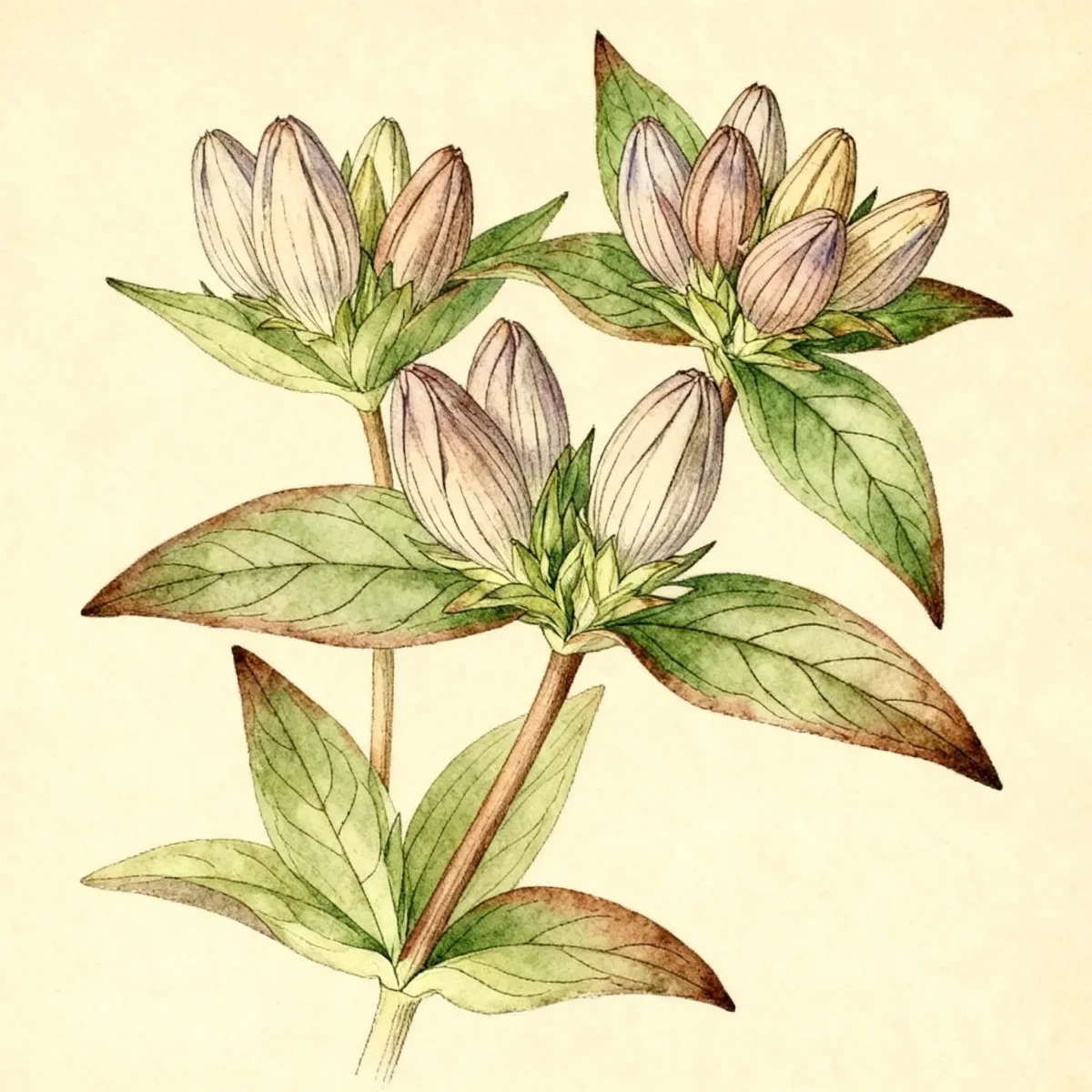
Gentian (Gentiana acaulis)
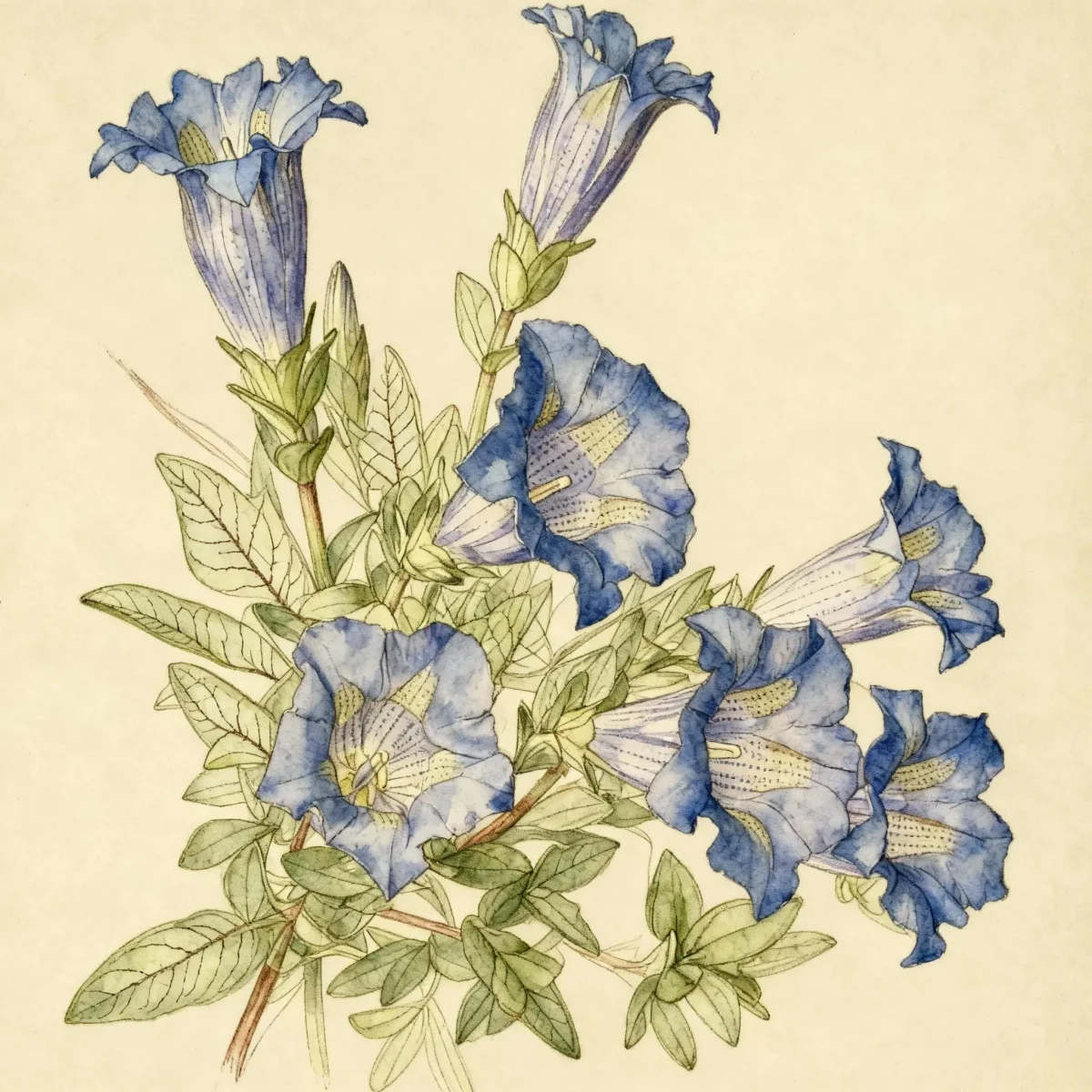
Gentiana acaulis is a low-growing, mat-forming alpine Gentian prized for its stunning, deep blue, upward-facing trumpet flowers.
Scroll down to discover growing tips, care requirements, companion plants, and more
Complete Plant Information
Overview
The Stemless Gentian, Gentiana acaulis, is a highly sought-after alpine perennial renowned for its intensely vivid, trumpet-shaped blue flowers. This dwarf plant creates low-growing, spreading mats of glossy, evergreen foliage, making it a perfect textural contrast in rock gardens. Its value lies in its dramatic color display in late spring and early summer, often appearing as if the flowers are resting directly upon the soil line.
Native to European alpine grasslands, Gentiana acaulis thrives best in cooler climates, requiring excellent drainage to prevent rot. Successful cultivation hinges on mimicking its native habitat by providing moist, gritty, well-drained soil and careful management of summer heat exposure. This compact Gentian offers incredible visual impact in small spaces.
Fast Facts
- Plant Family: Gentianaceae
- Plant Type: Herbaceous perennial
- Native Range: Europe
- Hardiness Zones: USDA Zones 3-7
- Size at Maturity:
- Height: 0.25-0.5 ft
- Spread: 0.25-0.75 ft
- Bloom Time: May to June
- Bloom Description: Deep blue
- Sun Exposure: Full sun to part shade
- Water Needs: Medium
- Maintenance Level: Medium
How to Grow
Planting should occur in spring or early fall, aiming for locations that receive full sun, though protection from intense afternoon sun is beneficial, especially in warmer zones. The most crucial requirement for Gentiana acaulis is soil composition: it demands moist, but exceptionally gritty and gravelly, well-drained substrate. Avoid heavy, rich clay soils that retain too much moisture.
Watering should be consistent to keep the soil moderately moist, reflecting its natural preference for alpine meadows. While it tolerates brief dry spells, consistent moisture supports robust flowering. Fertilization is generally unnecessary; rich soils often lead to excessive leaf production at the expense of blooms. If soil is poor, a light application of low-nitrogen fertilizer in early spring is the maximum recommended feeding.
Cultivation in hotter regions (south of Zone 7) can be challenging due to humidity and heat stress. To mitigate leaf bleaching and stress in summer, ensure air circulation and provide part afternoon shade. In winter, protect plants from excessive moisture accumulation around the base, although the plant itself is quite cold-hardy.
Landscape Uses
The distinctive, low-profile habit and intense coloration make this Gentian an exceptional feature plant. It excels as an Excellent rock garden plant, nestled between larger stones where its drainage needs are easily met. Furthermore, its use in Alpine gardens is mandatory, complementing low-growing conifers and heaths.
Due to its short stature, Gentiana acaulis is perfect for Border fronts, providing a vibrant splash of true blue right at the edge of a bed without obscuring shorter companions. These plants also shine in small, sunny foundation areas where their dense, evergreen matting can be appreciated year-round. Companion plants should share similar drainage requirements, such as Sedum, Thyme, or various small Saxifrages.
Standout Features
Noteworthy Characteristics
Gentiana acaulis, commonly known as stemless gentian or trumpet gentian, is a much-loved, dwarf, mat-forming, blue-flowered, alpine perennial that typically grows to only 4” tall but slowly forms a spreading ground cover-like carpet to 6” wide or more. It is native to alpine grasslands, rocky meadows, and screes throughout various European mountain ranges. Glossy, evergreen leaves form basal rosettes from which striking, deep gentian-blue flowers bloom in May and June, appearing stemless and sitting directly atop the foliage. This gentian is particularly noted for the purity and depth of its blue coloration.
Tolerances
- Tolerates slightly alkaline soil
- Tolerates occasional brief periods of dry soil
Potential Problems
No serious insect or disease problems are typically noted, meaning pest management is usually minimal for healthy specimens. The main horticultural challenge for gardeners growing Gentiana acaulis involves dealing with climatic conditions, particularly the hot and humid summers common in areas like the St. Louis region. These conditions can cause the plant significant stress and may lead to root rot if drainage is inadequate. Ensure soil is lean, gritty, and never soggy, especially as temperatures rise, to prevent failure.
Frequently Asked Questions
What hardiness zones is Gentian suitable for?
Gentiana acaulis is suitable for USDA Hardiness Zones 3 through 7.
How large does Gentian grow?
This plant remains very compact, typically reaching a height of 0.25 to 0.5 feet and spreading between 0.25 to 0.75 feet.
When does Gentian bloom?
The main bloom time for this Gentian is usually from May to June, producing flowers described as deep blue.
What sun exposure does Gentiana acaulis need?
Gentiana acaulis prefers full sun to part shade; however, partial shade during the hottest part of the afternoon is necessary in warmer climates to prevent leaf damage.
Conclusion
The Gentian (Gentiana acaulis) offers unrivaled intensity of blue color in a tidily mounding, evergreen package perfect for rockeries and alpine displays. Its longevity and stunning visual appeal make it a worthwhile challenge for growers willing to meet its high demands for sharp drainage and cool summers. Before planting, always confirm that your site conditions and USDA Zone compatibility align with the needs of this magnificent European native.
Companion Planting
When selecting companions for Gentiana acaulis, prioritize plants that enjoy sharp drainage and do not spread aggressively into the compact rosette of the Gentian. Alpine Thyme varieties (creeping forms) are excellent partners, as they love sun and grit and won’t compete heavily for root space. Similarly, low-growing, mat-forming Sedums or Sempervivums provide textural contrast while thriving in the lean, well-drained soil essential for the Gentian. Avoid aggressive perennials which might shade out the low-lying foliage necessary for the flowers to emerge cleanly.
Seasonal Care Calendar
Spring is the critical time for Gentiana acaulis; this is when you should refresh the gritty top-dressing around the crowns to ensure good drainage as growth begins and the plant prepares to flower. Water consistently through late spring to support bud development. In summer, monitor closely if you live in zones bordering 7, providing afternoon shade if necessary and ensuring deep but infrequent watering focused on the roots rather than soaking the foliage. Avoid high-nitrogen fertilizers anytime. In autumn, reduce watering as the plant naturally slows, ensuring its crown stays dry over winter dormancy to prevent frost heave or rot.