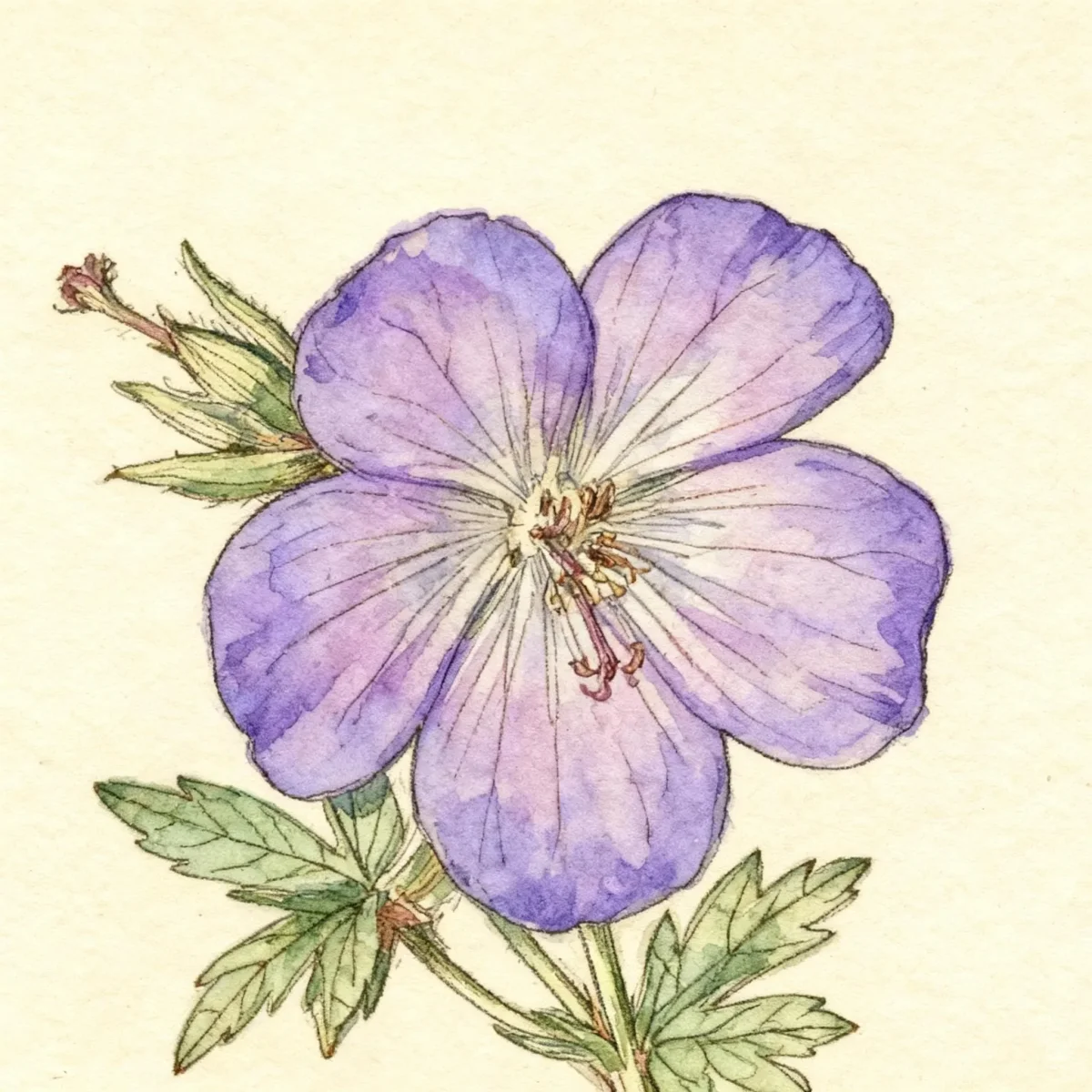
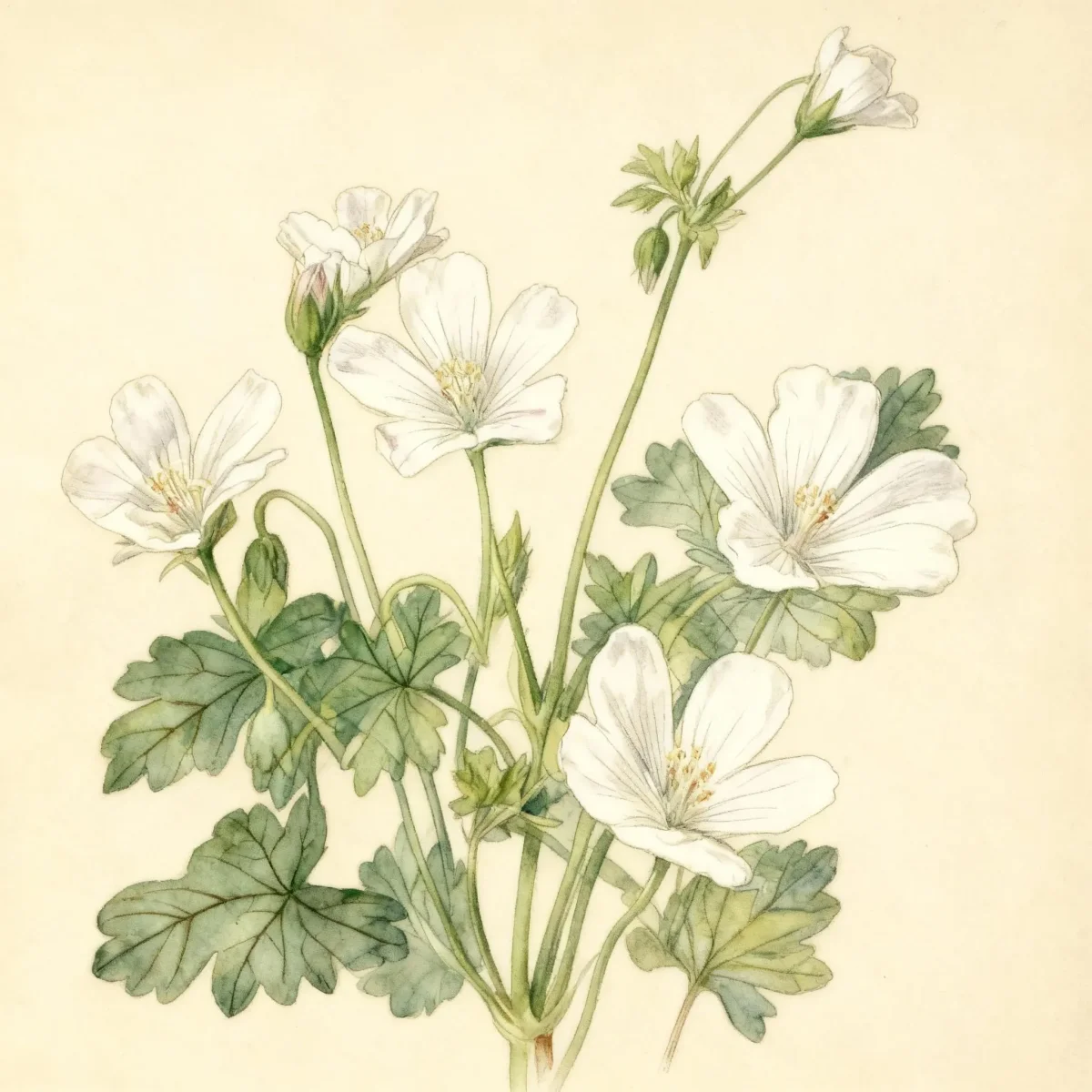
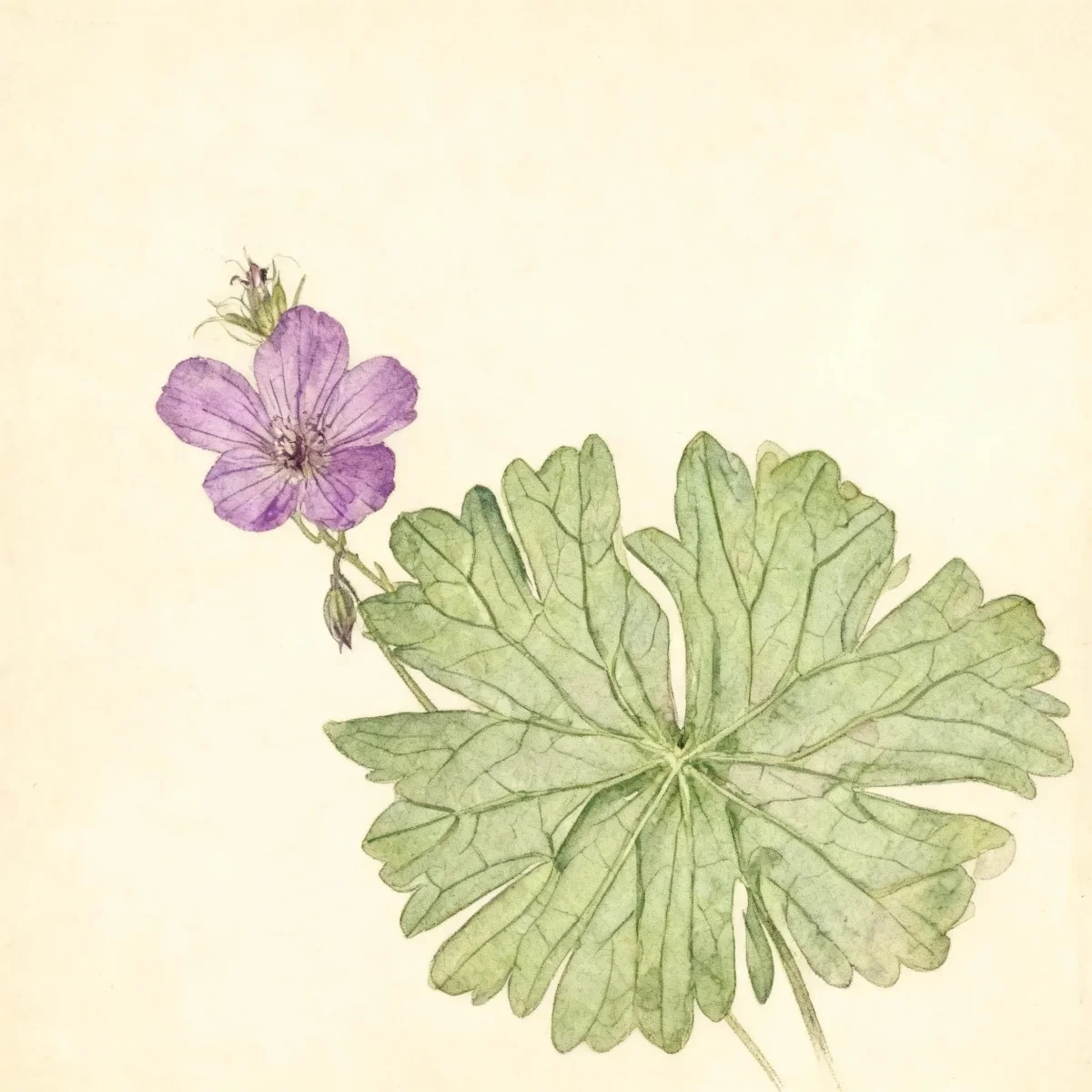
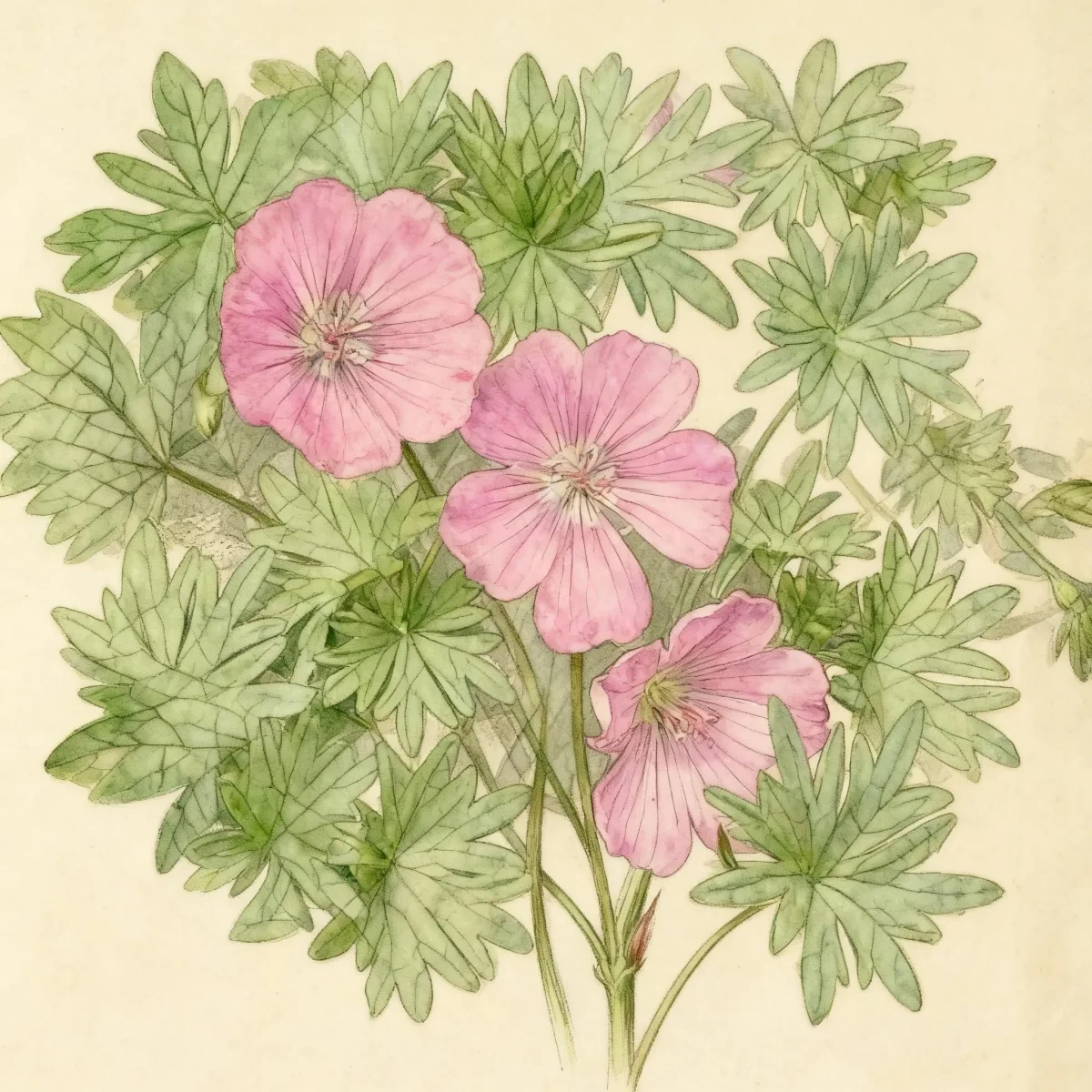
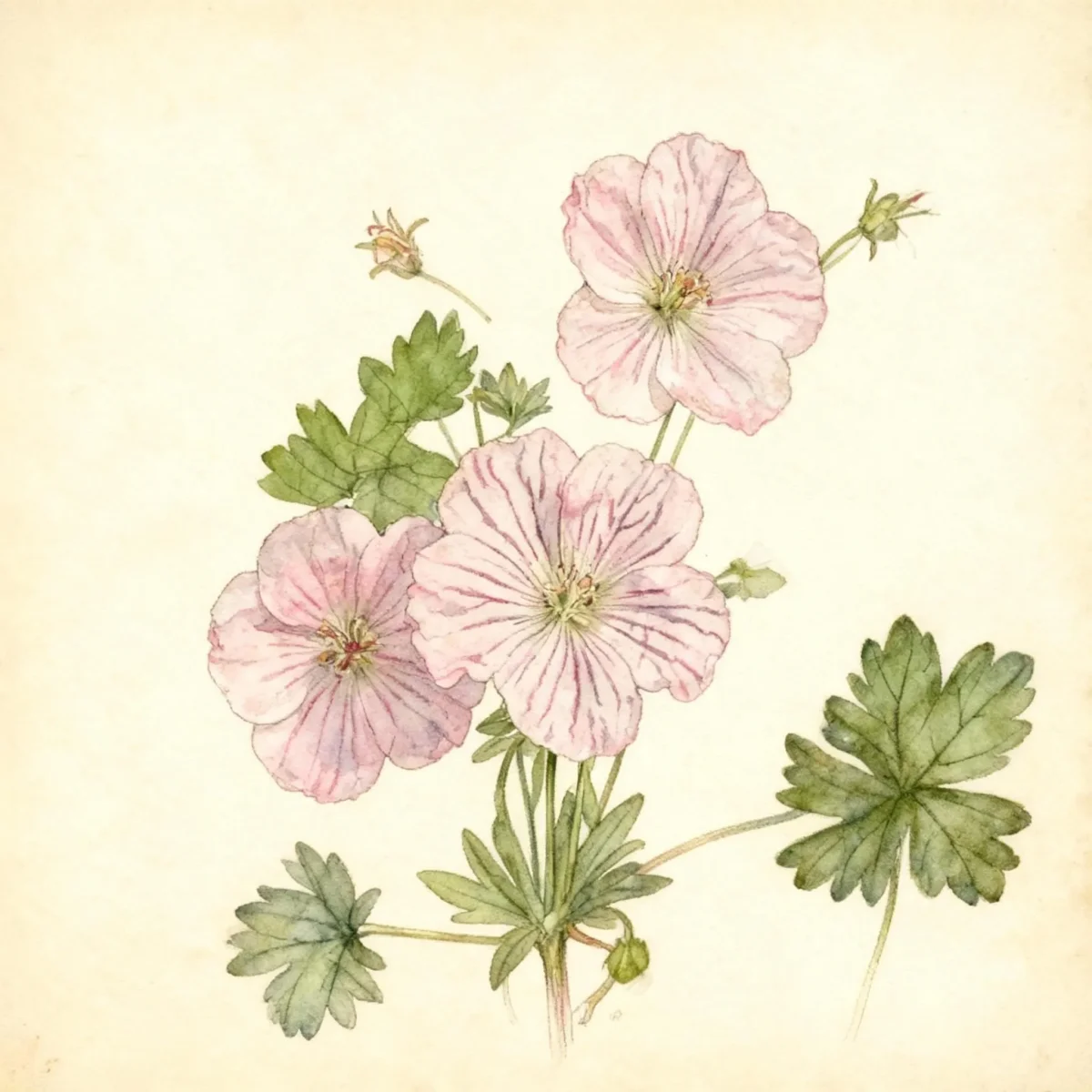
Bloody geranium (Geranium sanguineum)
Discover Bloody geranium (Geranium sanguineum), a low-maintenance perennial boasting magenta-crimson flowers and reliable hardiness.
Scroll down to discover growing tips, care requirements, companion plants, and more
Complete Plant Information
Overview
Geranium sanguineum, widely recognized as the Bloody geranium, stands out as one of the most popular species of hardy geranium cultivated today due to its vigor and reliable performance in the garden. This herbaceous perennial forms an attractive, somewhat trailing mound, providing excellent ground cover with its deeply cut foliage. It brings dependable color to the landscape, flowering heavily in late spring and early summer.
A key benefit of planting the Bloody geranium is its low maintenance requirement coupled with significant adaptability. It handles various conditions well, including colder winters and hotter summers better than many other crane’s-bills. Its foliage often develops attractive red tones after the first frost, extending its visual appeal well into the cooler months.
Gardeners value Geranium sanguineum for its ability to suppress weeds when massed and for its charming, solitary flowers featuring five distinct unnotched magenta to purple crimson petals. Whether planted near borders or rockeries, this variety offers reliable texture and color without demanding constant attention.
Fast Facts
- Plant Family: Geraniaceae
- Plant Type: Herbaceous perennial
- Native Range: Europe, northern Turkey
- Hardiness Zones: USDA Zones 3-9
- Size at Maturity:
- Height: 0.75-1.5 ft
- Spread: 1-1.5 ft
- Bloom Time: May to June
- Bloom Description: Pink-reddish purple
- Sun Exposure: Full sun to part shade
- Water Needs: Medium
- Maintenance Level: Low
How to Grow
Geranium sanguineum is remarkably easy to establish. Plant it during the spring or fall in average, well-drained garden soil. While it tolerates some drought once established, the most vigorous growth occurs when sited in moist, humusy soils that drain freely. Full sun yields the best flowering, but it performs admirably in partial shade, though bloom density may slightly decrease.
Maintenance for the Bloody geranium is generally minimal. Average watering frequency is appropriate, ensuring the soil does not remain soggy. Deadheading individual spent blooms across a large area can be tedious and is usually unnecessary for garden success. However, if you wish to encourage a sparse rebloom throughout summer, light trimming can help.
To manage its spread, side stems can be pruned back as needed. If left unaddressed in ideal conditions, some self-seeding may occur, allowing the Geranium sanguineum to colonize small areas naturally. After the main flush of flowering, the foliage can be lightly sheared to tidy the habit and encourage fresh vegetative growth.
This species exhibits excellent tolerance for temperature extremes, handling both heat and cold better than many related geraniums. Propagation is easily accomplished through division of established clumps, tip cuttings taken during the growing season, or by collecting seeds after the fruit matures.
Landscape Uses
The compact yet spreading habit of the Bloody geranium makes it an ideal choice for defining the edges of garden spaces. It excels when used along border fronts, where its low profile prevents it from obscuring shorter plants while spilling gently over hard edges. Massing Geranium sanguineum creates a dense, weed-suppressing ground cover perfect for small to medium slopes or open areas requiring reliable texture.
For rock gardens, the tolerance of this plant for various soil textures—including clay—makes it a versatile addition among hardscaping elements. Its deep green foliage provides a perfect cool backdrop to highlight the vibrant magenta blooms of the Bloody geranium in late spring.
Consider pairing Geranium sanguineum with plants that share similar sun and water needs. Look toward spring bulbs for early color, or taller ornamental grasses and sturdy perennials like Russian sage for contrast later in the season. Its low stature ensures it complements, rather than competes with, neighboring plants.
Standout Features
Flower Qualities
- Showy
Noteworthy Characteristics
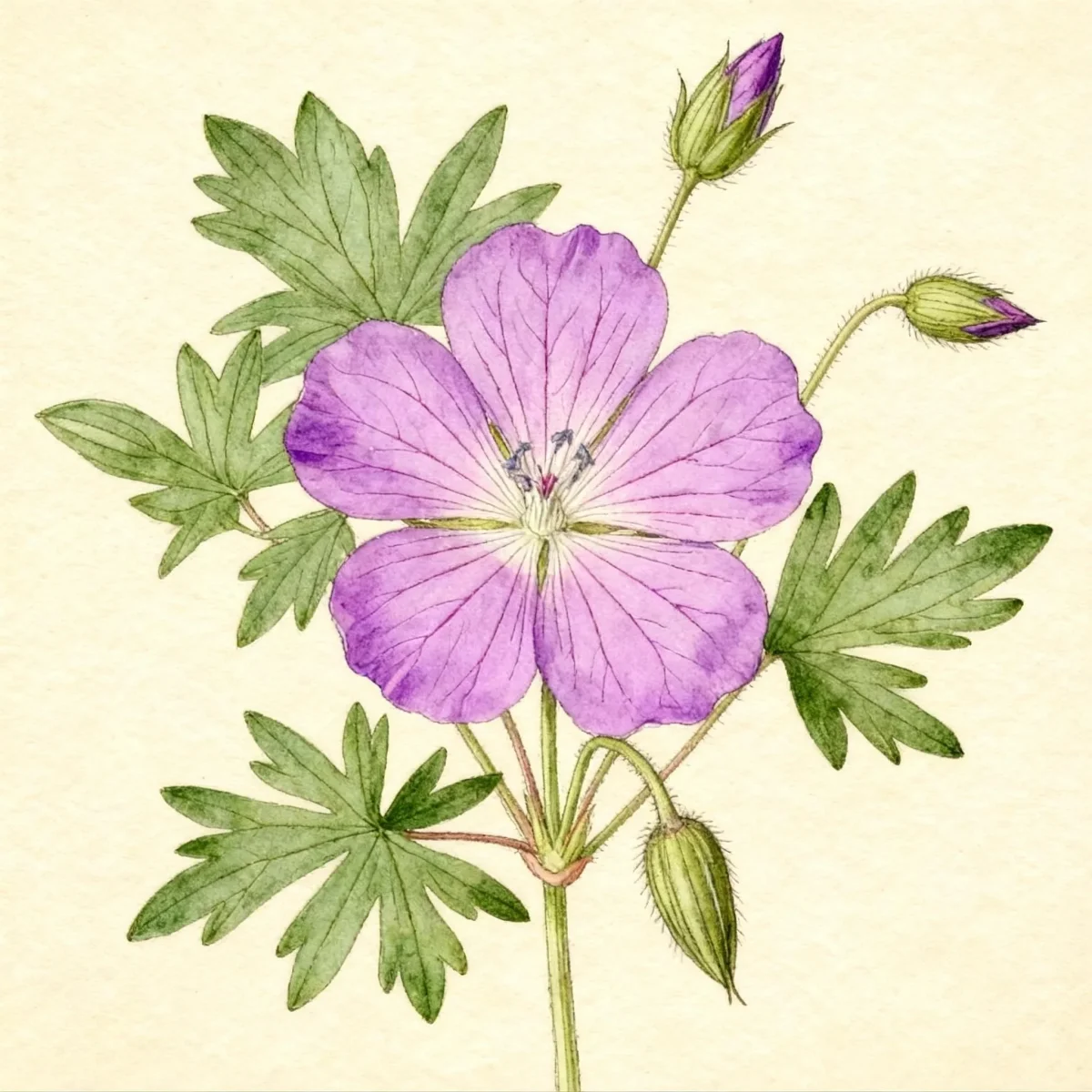
Geranium sanguineum, commonly called bloody cranesbill or bloodred geranium, forms an herbaceous, clump-forming perennial mound typically reaching 9-12” tall with white-hairy trailing stems spreading up to 24” wide. Solitary flowers, about 1 1/2” in diameter, display five unnotched petals in shades of magenta to purple crimson, often featuring darker veins. Following the primary bloom in May and June, a sparse rebloom may occur sporadically during the summer months, and its foliage frequently turns attractive red shades after the first fall frost.
Tolerances
- Rabbit
- Deer
- Clay Soil
Potential Problems
Generally, Geranium sanguineum presents very few difficulties regarding pests or diseases, making it a reliable low-maintenance selection. Occasionally, gardeners might notice some susceptibility to minor fungal issues such as leaf spots or rusts, particularly in areas with high humidity or poor air circulation. Ensuring the plant receives adequate spacing and good drainage will significantly mitigate the risk of these fungal outbreaks. Maintain healthy cultural practices to keep this Bloody geranium thriving throughout the season.
Frequently Asked Questions
What hardiness zones is Bloody geranium suitable for?
The Geranium sanguineum is highly adaptable, thriving across USDA hardiness zones 3 through 9.
How large does Bloody geranium grow?
This perennial typically reaches a height between 0.75 and 1.5 feet tall, with a spread ranging from 1 to 1.5 feet wide as it establishes.
When does Geranium sanguineum bloom?
The main flowering period for Geranium sanguineum occurs between May and June, presenting showy pink-reddish purple blooms.
What sun exposure does Geranium sanguineum need?
For optimal flowering, plant Bloody geranium where it receives full sun to part shade conditions.
Conclusion
The reliable hardiness, attractive low-growing habit, and vibrant magenta flowers confirm the enduring popularity of Geranium sanguineum. Requiring low maintenance and tolerating varied conditions including clay soil, the Bloody geranium serves beautifully as an edging plant or ground cover. Check your local USDA hardiness zone compatibility now and plan to incorporate this versatile perennial into your landscape this growing season.
Companion Planting
When establishing Geranium sanguineum in a sunny border, consider pairing it with plants that mature slightly later, allowing the geranium to dominate the foreground in spring. Nepeta (Catmint) varieties are excellent companions, as they share similar low-water needs once established and bloom concurrently or just after the primary geranium flush. Avoid crowding, as the Bloody geranium benefits from good air circulation to keep foliage healthy.
For a classic cottage garden look, place the low-growing, spreading mats of Geranium sanguineum near taller plants like Salvia nemorosa or sturdy alliums, which provide vertical interest above the mid-sized foliage of the geranium. This contrast in height and texture enhances the overall garden composition throughout the early summer months.
Seasonal Care Calendar
Spring cleanup for Geranium sanguineum involves gently removing any lingering frost-damaged foliage from the previous year before new shoots emerge. As the plant begins its vigorous growth during late spring, confirm medium soil moisture levels. Summer care centers on minimal intervention; deadheading is optional, and supplemental watering is usually unnecessary unless prolonged drought occurs in hot regions.
In late summer or early fall, if the foliage appears spent or messy after the main bloom, a light shearing can revitalize the plant’s appearance, though this may sacrifice some of the sparse rebloom. After the first fall frost, enjoy the deep red tint that often colors the leaves before they die back naturally for winter dormancy. No significant winter preparation is typically required for this tough perennial.