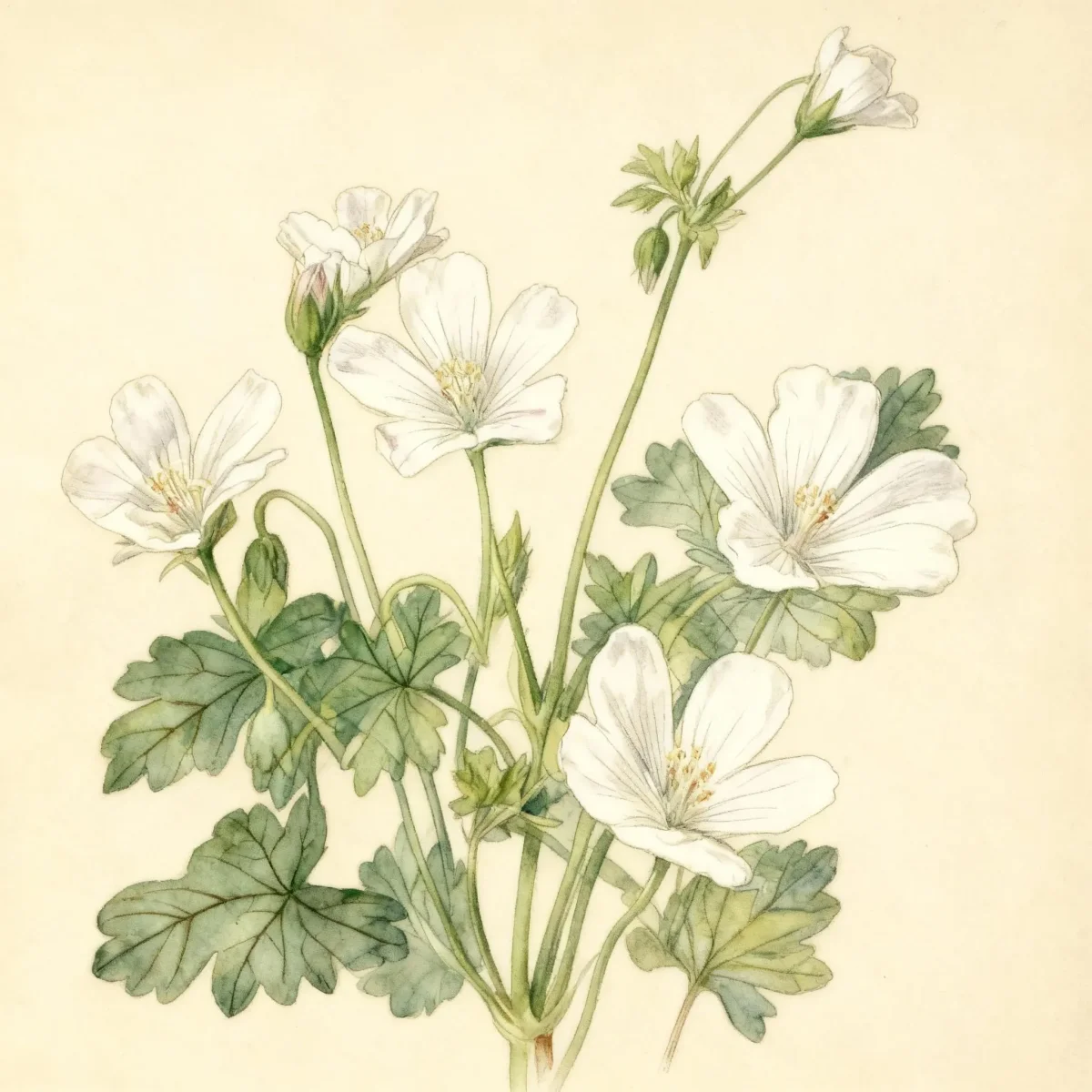
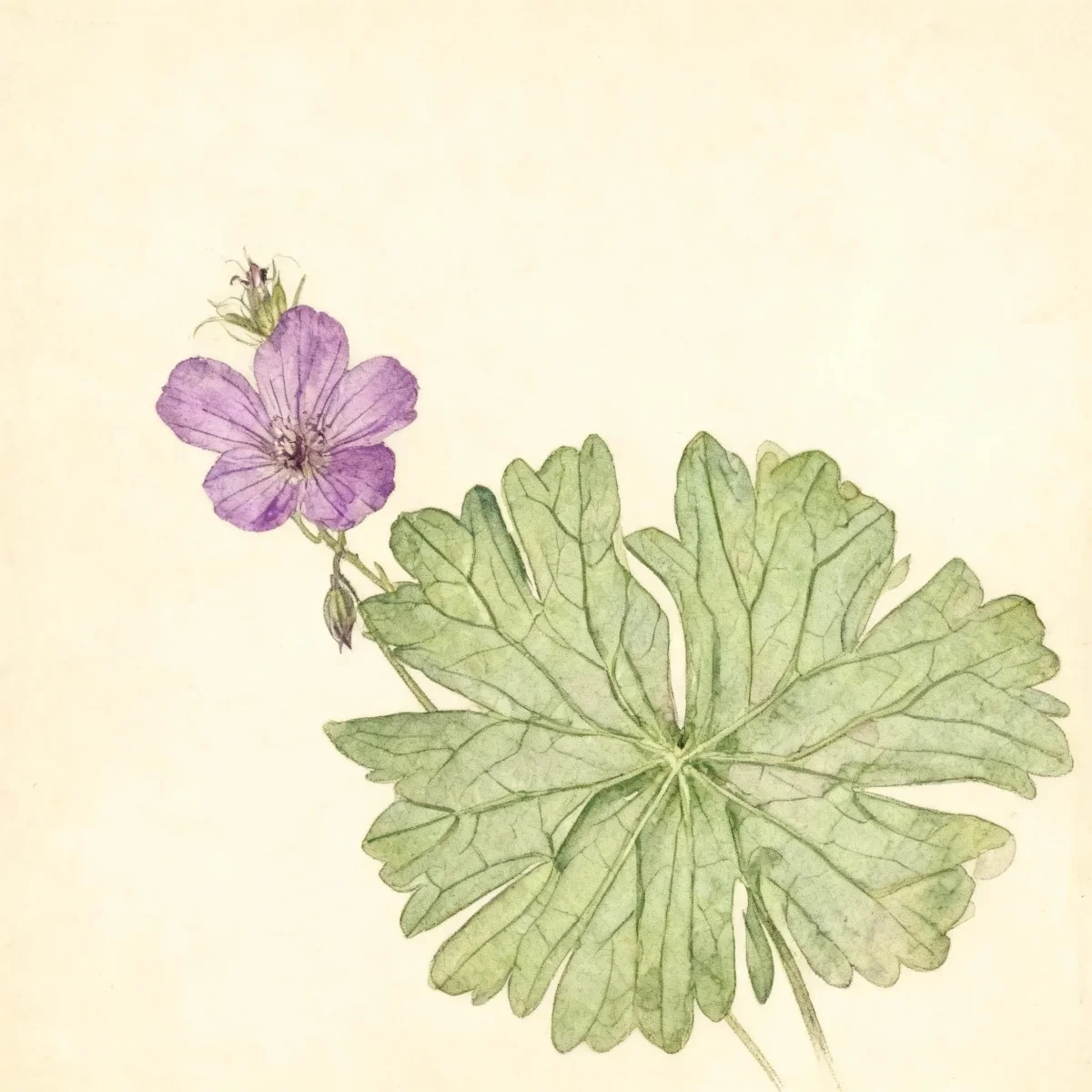
Wild geranium (Geranium maculatum)
Discover Wild geranium (Geranium maculatum), an Eastern native perennial perfect for woodland gardens, blooming pink to lilac in spring.
Scroll down to discover growing tips, care requirements, companion plants, and more

Complete Plant Information
Overview
The Wild geranium (Geranium maculatum) is a standout herbaceous perennial native to the rich woodlands of Eastern North America. Gardeners prize this species for its reliable spring color display and attractive, deeply lobed foliage that forms a neat mound throughout much of the growing season. As a long-lived native, Geranium maculatum integrates seamlessly into naturalized settings.
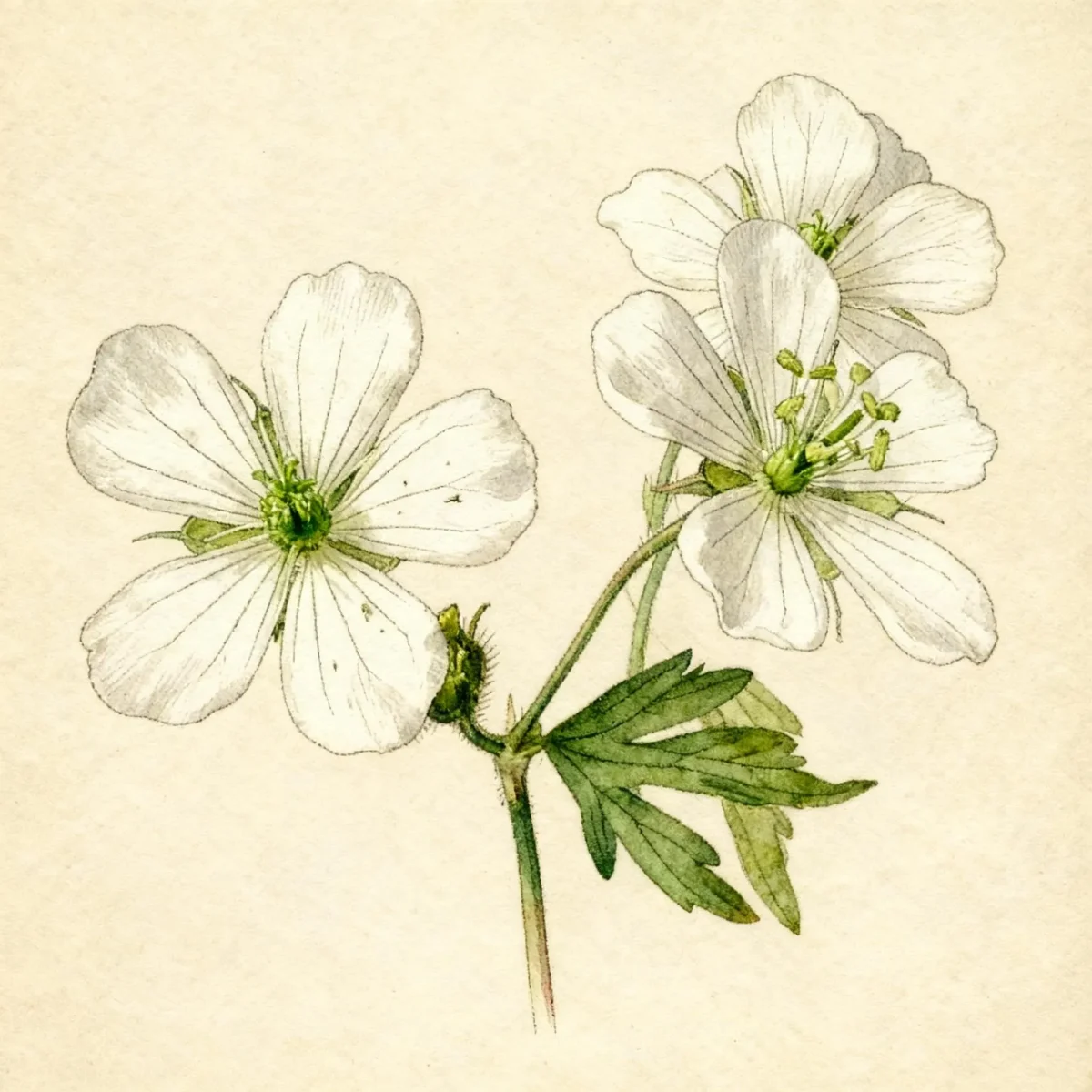
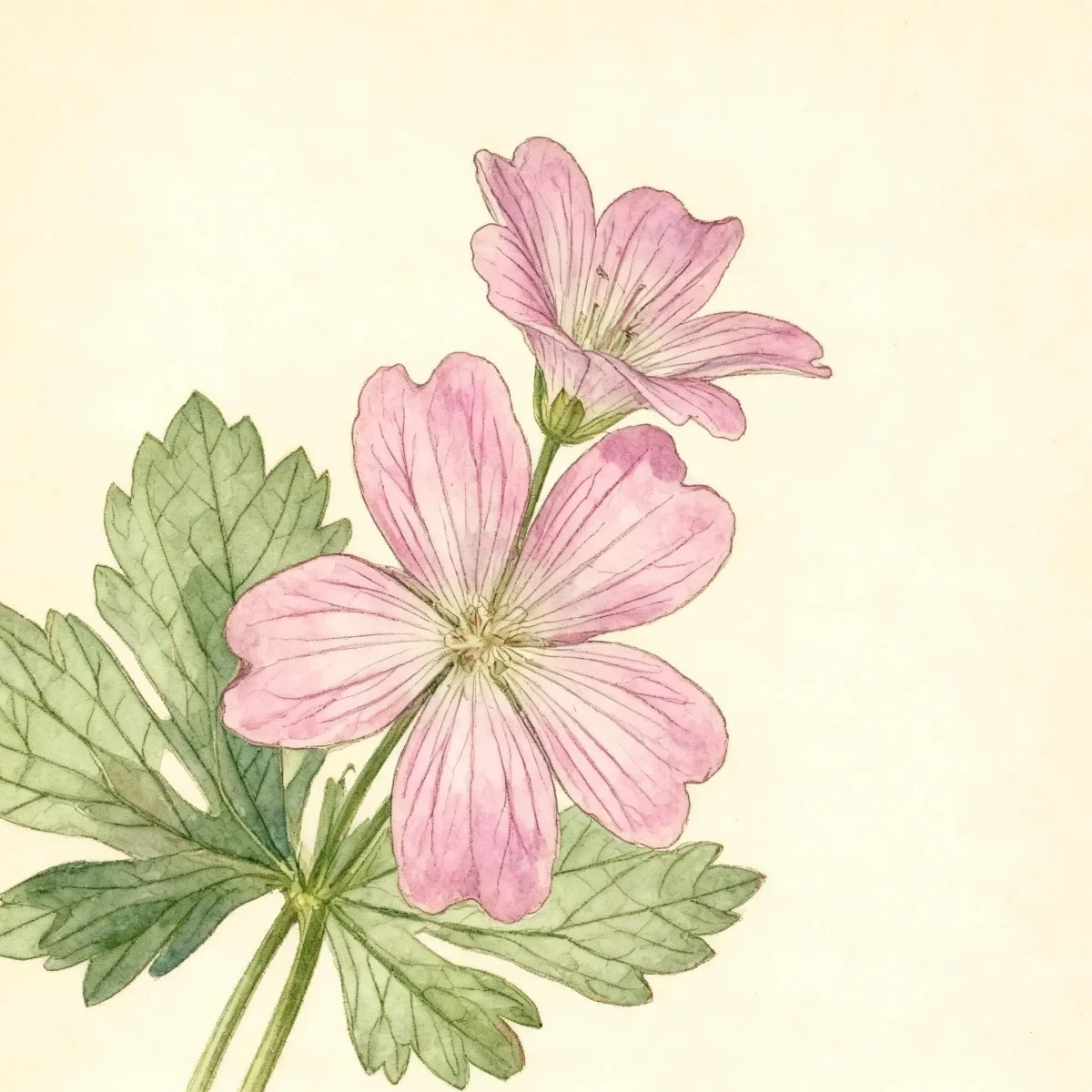
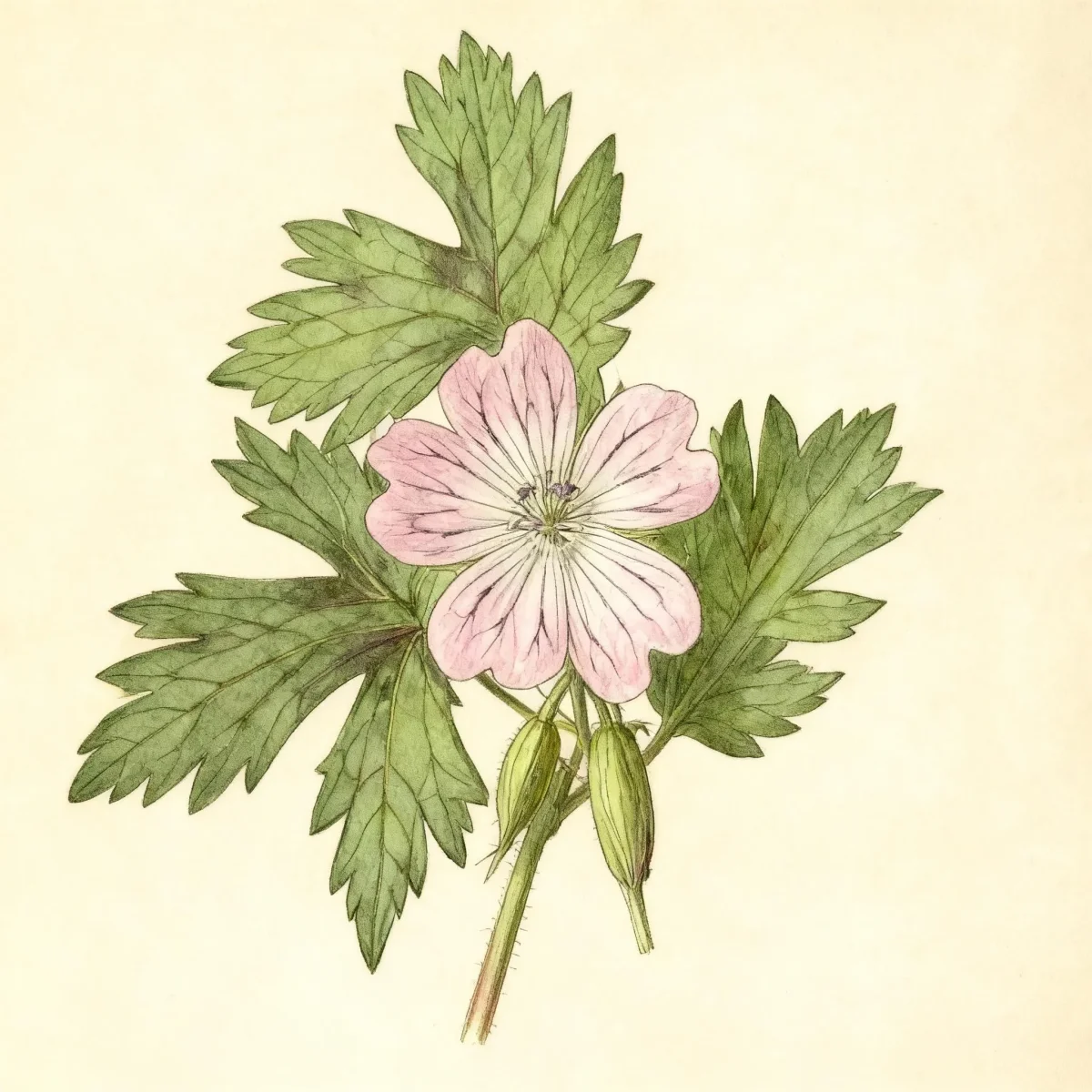
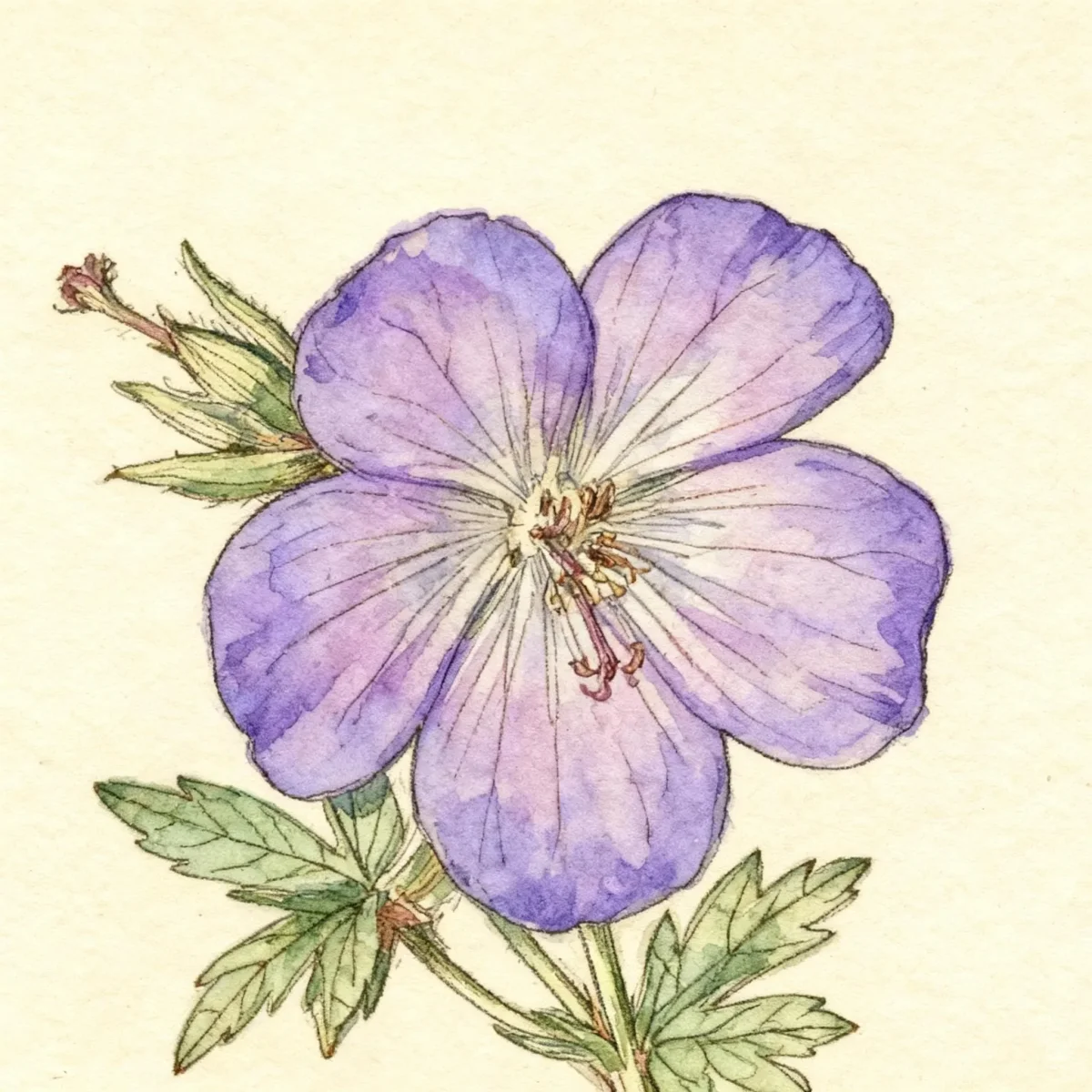
This clump-forming plant provides cheerful color from April through May, featuring saucer-shaped flowers in shades ranging from pale pink to deep lilac. It thrives under the dappled light of trees before the canopy fully closes, making it an excellent choice for brightening up early spring gardens. While known by several common names, including Alum root, its botanical name, Geranium maculatum, is recognized globally.
Beyond its aesthetic value, Wild geranium is valued for its robustness. It tolerates a surprising range of conditions, including dry soil once established, and offers low maintenance once sited correctly. Its distinctive beaked seed capsules also add textural interest after the flowers fade, proving that the value of Geranium maculatum extends beyond its initial showy bloom.
Fast Facts
- Plant Family: Geraniaceae
- Plant Type: Herbaceous perennial
- Native Range: Eastern North America
- Hardiness Zones: USDA Zones 3-8
- Size at Maturity:
- Height: 1.5-2 ft
- Spread: 1-1.5 ft
- Bloom Time: April to May
- Bloom Description: Pale pink, deep pink, lilac
- Sun Exposure: Full sun to part shade
- Water Needs: Medium
- Maintenance Level: Medium
How to Grow
Planting Wild geranium is best done in the spring or fall, allowing it time to establish roots before facing summer heat or winter cold. Locate it in average, medium, well-drained soil. While Geranium maculatum prefers moist, humusy conditions typical of woodland floors, it exhibits good adaptability and will tolerate poorer soils. Ensure it receives adequate moisture during its initial establishment phase.
Regular care for Geranium maculatum is minimal once established. It requires medium water, meaning consistent moisture during dry spells, especially when first planted. Fertilization is rarely necessary; rich woodland soils usually supply all required nutrients. Deadheading is generally considered tedious and unnecessary because the plant rarely repeats its spring bloom cycle.
A crucial cultural note involves summer management in hot climates. If the soil dries out excessively during the heat of summer, the foliage of Wild geranium may yellow. In these situations, or when the foliage begins to decline naturally after flowering, lightly shear the entire plant back to refresh its appearance. This shaping promotes a tidier look until next spring.
Landscape Uses
Geranium maculatum shines brightest when used in naturalistic plantings where it can spread slowly and naturalize over time. It is perfectly suited for the woodland garden setting, particularly in areas bordering established trees where it receives filtered sunlight. Its medium height makes it an excellent mid-border plant, though massing it as a ground cover option is highly effective for covering larger banks or shaded slopes.
When designing borders, pair the Wild geranium with other spring ephemerals or shade-tolerant companions that emerge later, such as hostas, ferns, or woodland phlox. The deeply cut, dark green leaves of Geranium maculatum provide excellent texture contrast against broader-leaved plants. Use it near paths where its spring flowers can be easily admired before the summer humidity sets in.
Standout Features
Flower Qualities
- Showy
Noteworthy Characteristics
Geranium maculatum is a clump-forming, Missouri native, woodland perennial which typically occurs in woods, thickets and shaded roadside areas throughout the State. It forms a mound of foliage that grows to 24” tall and 18” wide and features 1 1/4” diameter, pink to lilac, saucer-shaped, upward facing, 5-petaled flowers in spring for a period of 6-7 weeks. Deeply cut, palmately 5-lobed, dark green leaves (to 6” across) contrast beautifully with the blooms, and the plant earns the common name crane’s bill from its distinctive, beaked seed capsules.
Tolerances
- Rabbit
- Deer
- Drought
- Dry Soil
Potential Problems
Generally, Wild geranium suffers from no serious persistent insect or disease issues, which adds to its appeal for low-input gardening. However, perennial geraniums can occasionally be susceptible to fungal issues like rust or leaf spot, especially in overly damp or stagnant conditions. Snails and slugs are the most notable pests, often targeting the emerging spring foliage. Control slugs and snails immediately using appropriate baits or traps placed near new growth to protect your Geranium maculatum.
Frequently Asked Questions
What hardiness zones is Wild geranium suitable for?
Geranium maculatum is adaptable to a wide range, thriving in USDA Zones 3 through 8.
How large does Wild geranium grow?
This perennial typically reaches a mature height between 1.5 and 2 feet tall, with a spread of 1 to 1.5 feet, forming a compact mound.
When does Wild geranium bloom?
The primary bloom time for Geranium maculatum is early spring, specifically from April to May, displaying pale pink, deep pink, or lilac flowers.
What sun exposure does Wild geranium need?
This species performs best in areas receiving full sun to part shade, making it versatile for placements under deciduous trees or near the eastern edge of buildings.
Conclusion
The Wild geranium, Geranium maculatum, offers gardeners a reliable slice of native beauty, characterized by resilient foliage and a delightful spring floral show. Its ability to tolerate deer, drought, and dry soil makes it a workhorse for naturalized areas and woodland borders alike. Check your local USDA Zone compatibility and plan to plant this beneficial perennial this fall for a stunning display next spring.
Companion Planting
Choosing companions for Geranium maculatum centers on moisture and light compatibility, as these plants prefer similar conditions in spring. Excellent partners include spring bulbs like Daffodils, which finish blooming as Geranium maculatum hits its peak. Other great woodland companions are Astilbe (in shadier sites), various native woodland phlox (Phlox divaricata), and large clumps of ferns like Japanese Painted Fern. The dark green, deeply cut leaves of the Wild geranium provide an excellent textural background for the fine foliage of ferns.
Wildlife Benefits
The appeal of Geranium maculatum extends beyond aesthetics due to its positive impact on local wildlife populations. The flowers are an important early-season nectar source for burgeoning bee populations emerging from winter dormancy. Furthermore, the maturing seeds, which form those distinctive beaked capsules, are readily eaten by local birds. Cultivating this native plant supports the base of the local food web, making it a valuable addition to an ecologically minded garden design.