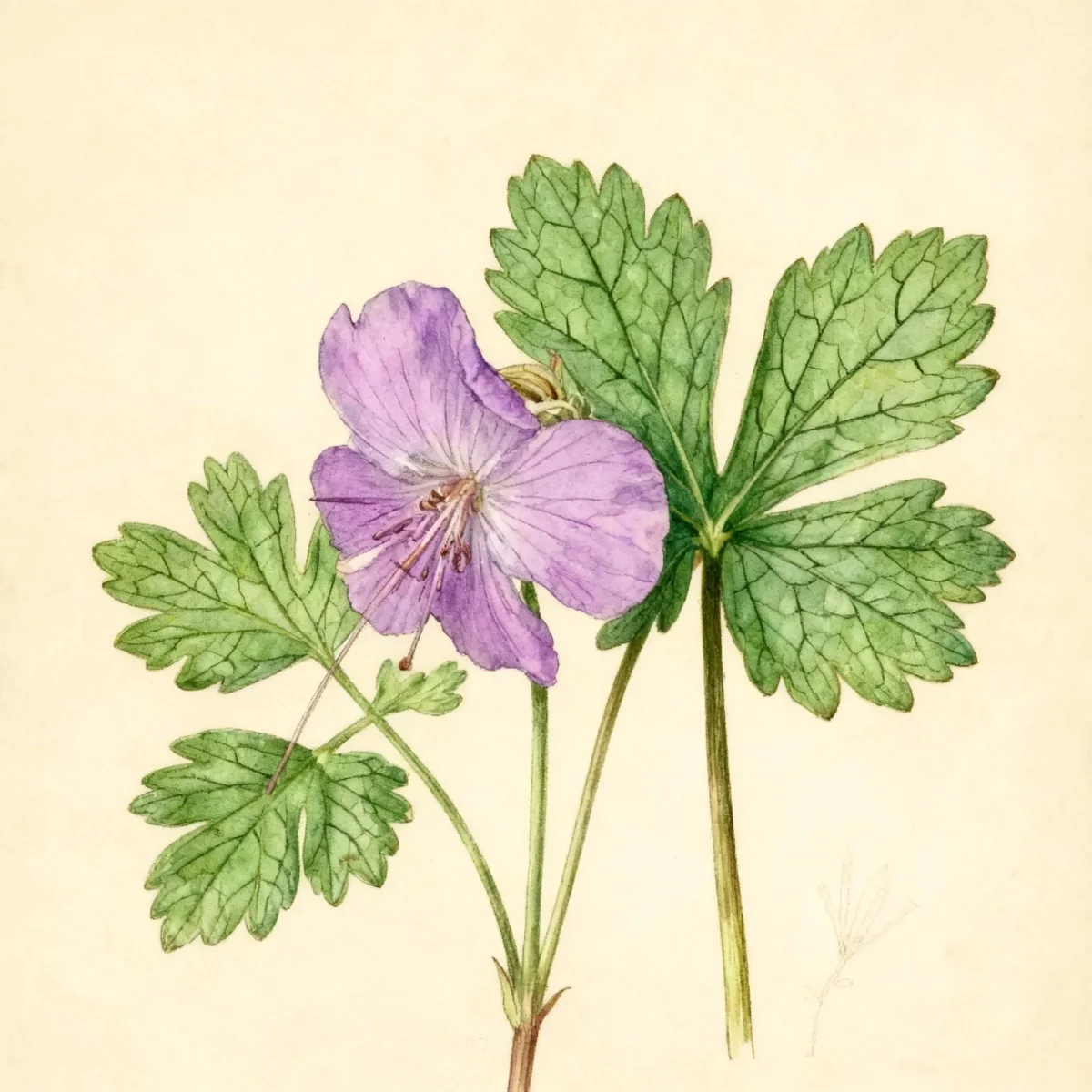
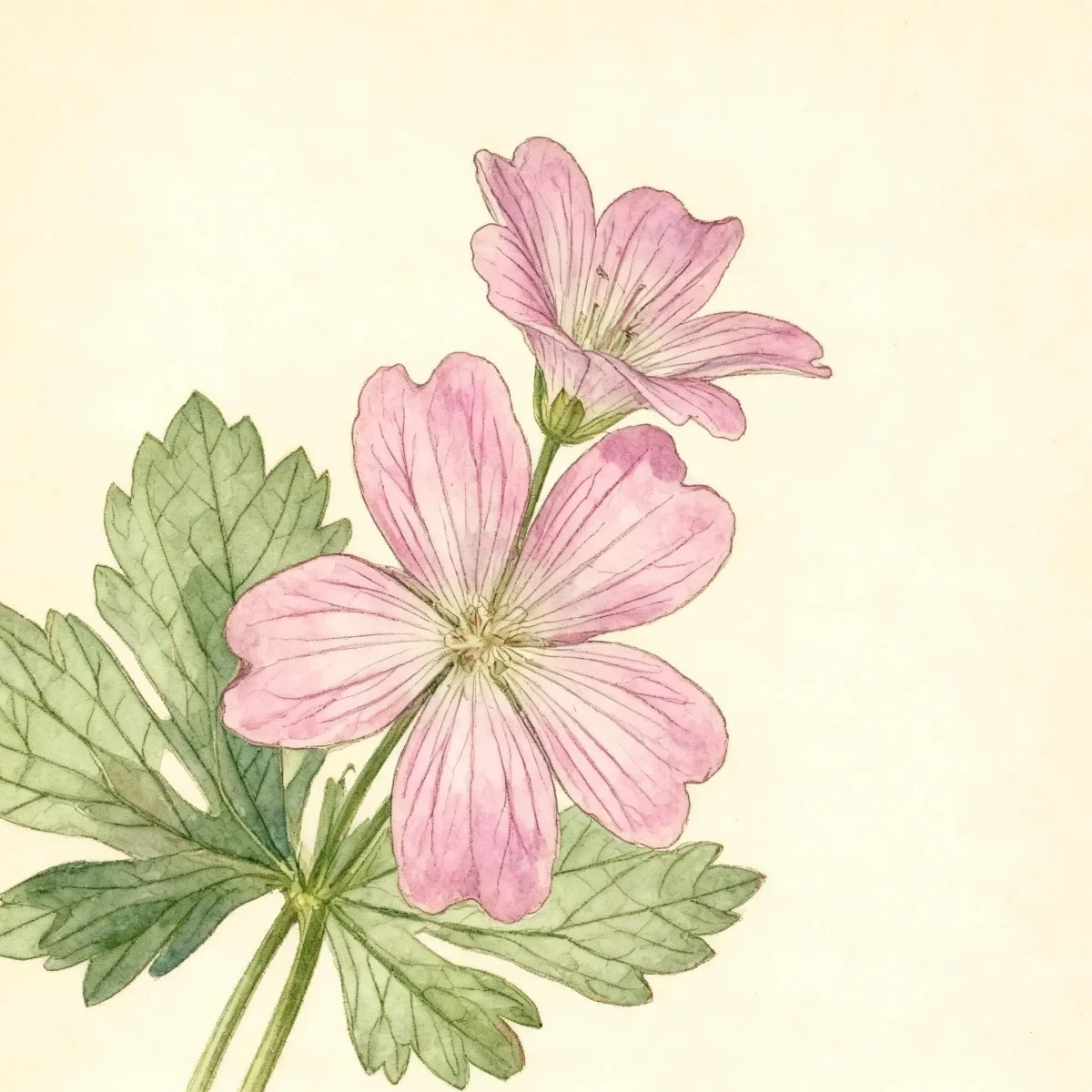
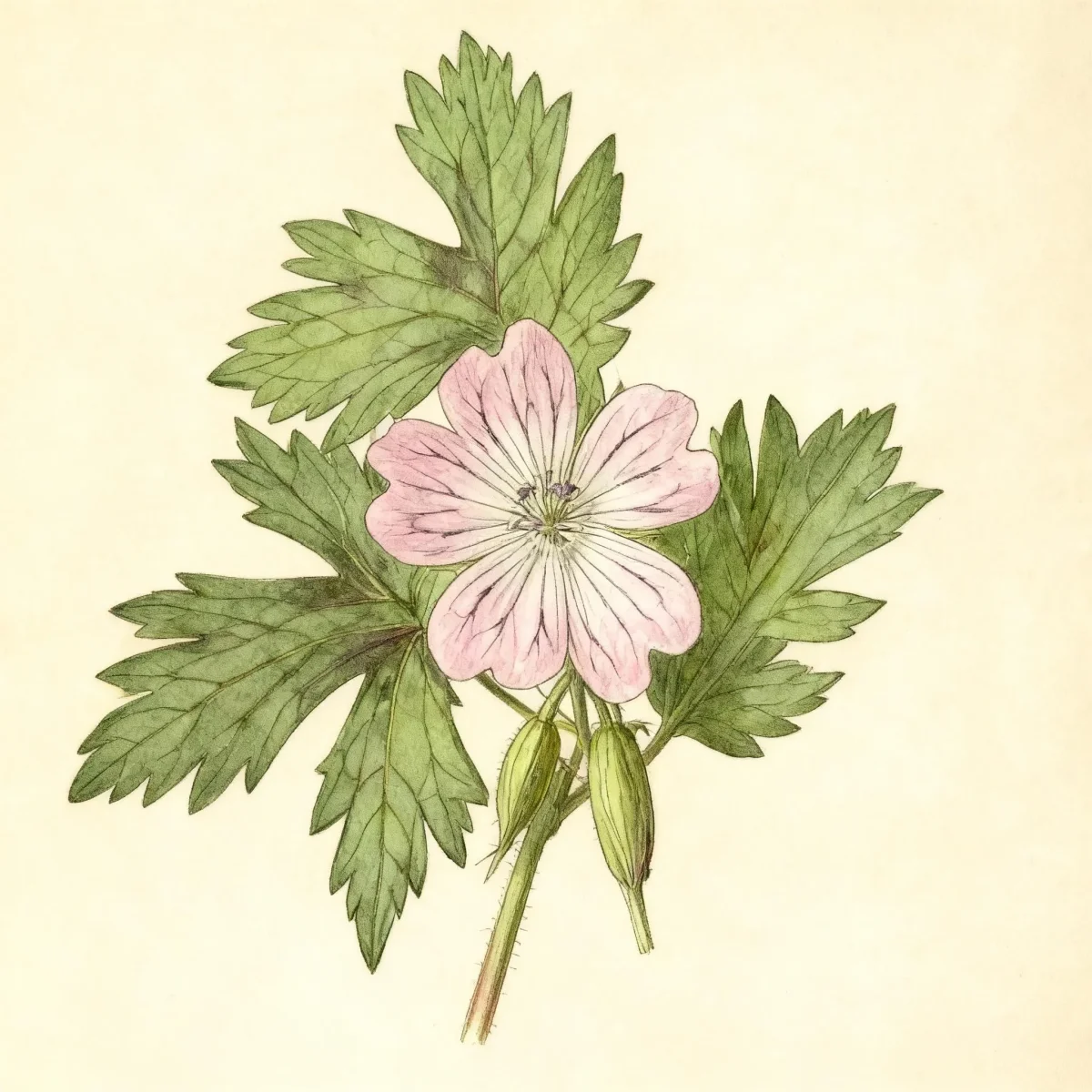
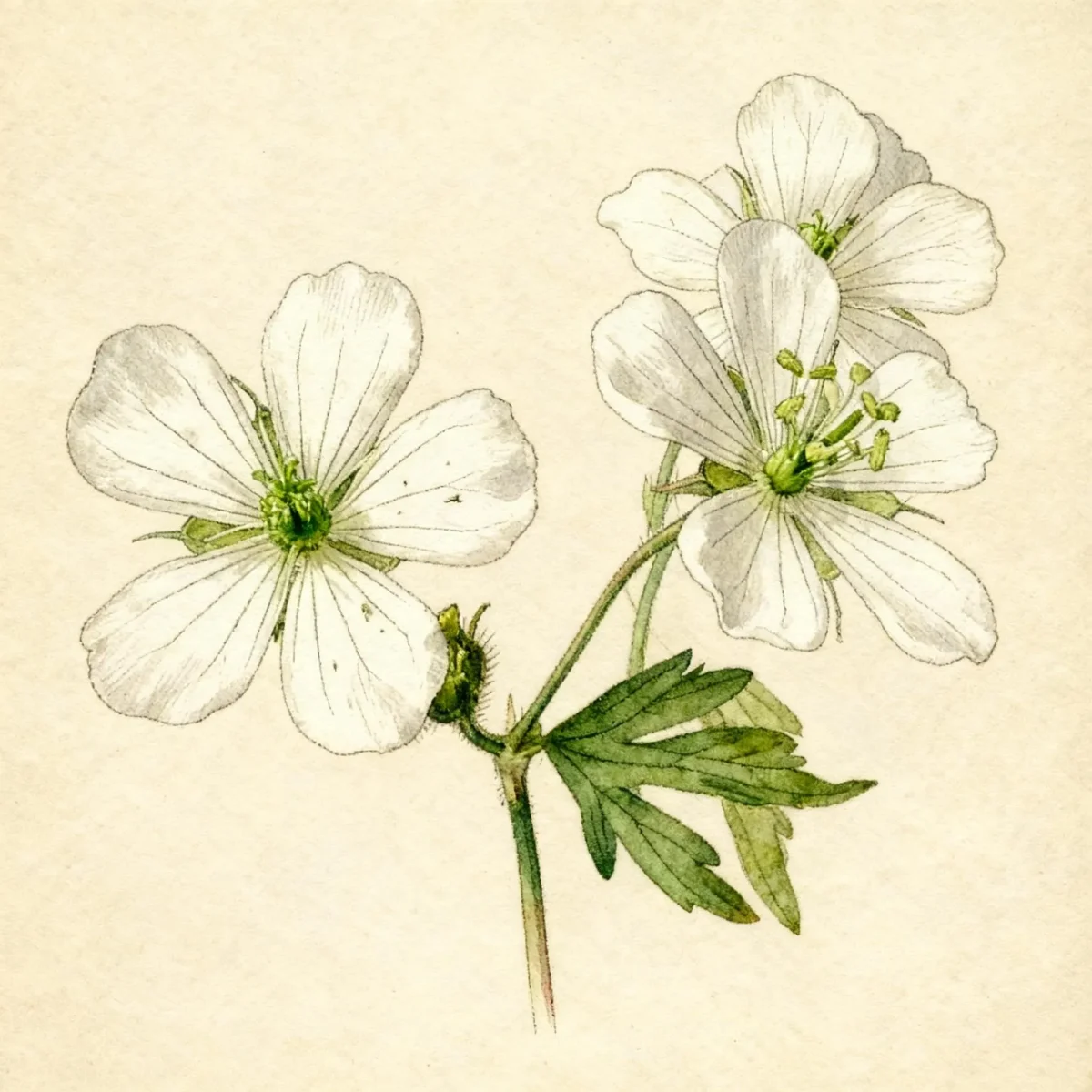
Canary Island geranium (Geranium palmatum)
The Canary Island geranium (Geranium palmatum) offers distinctive deep green foliage and pale pink flowers, thriving in Mediterranean climates.
Scroll down to discover growing tips, care requirements, companion plants, and more
Complete Plant Information
Overview
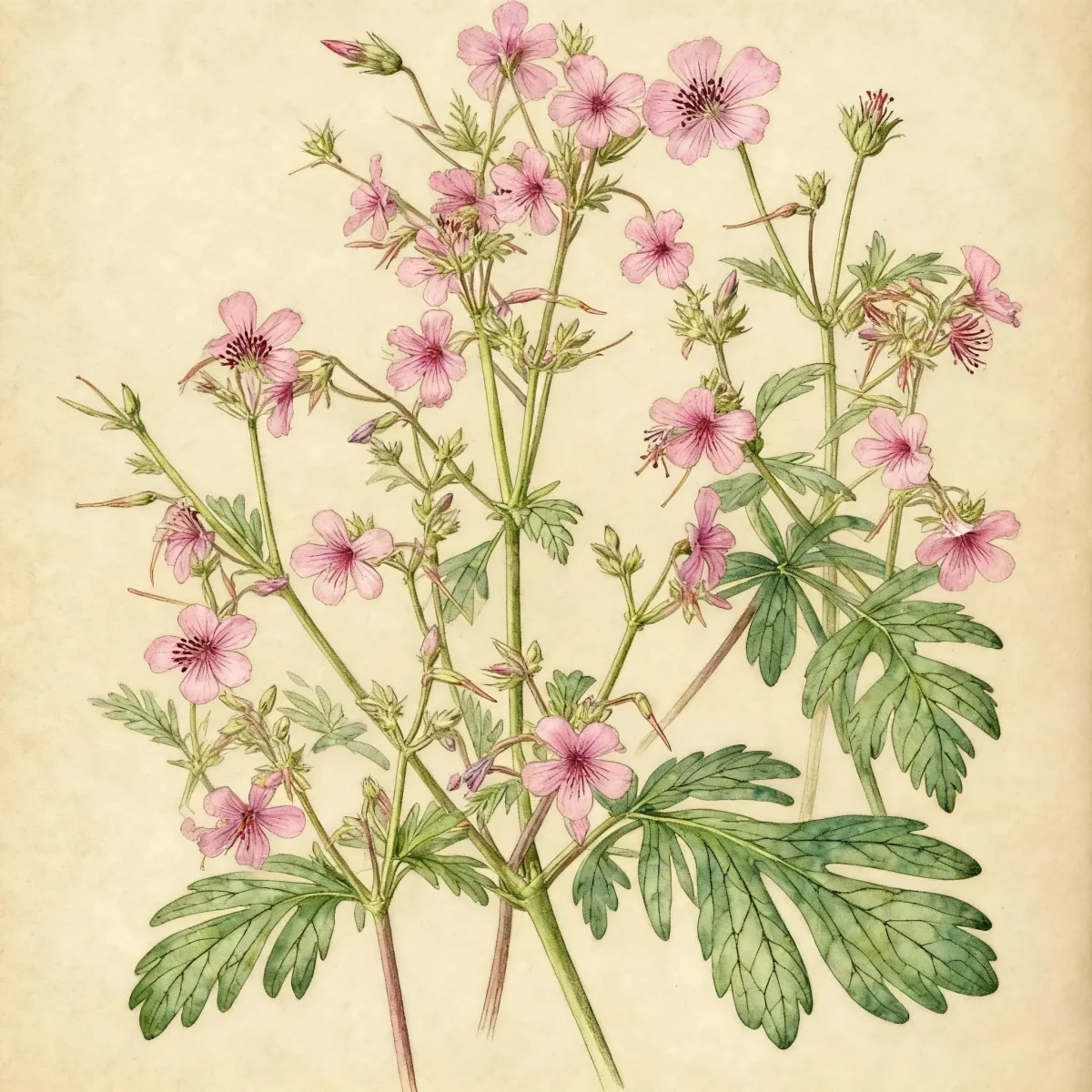
The Canary Island geranium, scientifically known as Geranium palmatum, presents gardeners with deeply dissected, attractive dark green foliage held on basal rosettes throughout the growing season. This variety, native to Madeira, often functions as a biennial or a short-lived perennial, ensuring consistent garden presence through reliable self-seeding in favorable conditions. Its primary ornamental appeal comes from the upright stems that bear five-petaled, pale pink blooms accented beautifully by a defined magenta eye emerging between May and June.
This species excels in landscapes mimicking its native Mediterranean-type climate, valuing well-drained, average moisture soil conditions. While it generally prefers full sun, providing some afternoon shade in regions experiencing intense summer heat will keep the foliage looking its best. Gardeners appreciate Geranium palmatum for its low ongoing effort and inherent drought tolerance once established.
Though it often reseeds, the Canary Island geranium rarely demands heavy pruning; simple removal of spent flowering stems is usually sufficient for maintaining an appealing structure. Its moderate size—reaching 2 to 3 feet tall—makes the Geranium palmatum a versatile choice for softening borders or adding texture to rock gardens.
Fast Facts
- Plant Family: Geraniaceae
- Plant Type: Herbaceous perennial
- Native Range: Madeira
- Hardiness Zones: USDA Zones 8-10
- Size at Maturity:
- Height: 2-3 ft
- Spread: 2-3 ft
- Bloom Time: May to June
- Bloom Description: Pale pink with magenta eye
- Sun Exposure: Full sun to part shade
- Water Needs: Medium
- Maintenance Level: Medium
How to Grow
Plant Geranium palmatum in average, medium-moisture, well-drained soils. It performs best when sited in full sun, though protection from the hottest afternoon rays is beneficial if you live in the warmer limits of its hardiness range, Zones 9 and 10. As it is best suited for Mediterranean climates, ensure excellent drainage is maintained to prevent root issues.
Water needs for this herbaceous perennial are moderate; consistent moisture is required, especially during establishment, though the plant exhibits good drought tolerance once mature. Fertilizing is typically unnecessary, as robust growth is achieved through proper siting and soil conditions. Maintenance is minimal; unlike many garden geraniums, this species does not require cutting back, shearing, or trimming after flowering.
If you wish to maintain a neat profile, simply remove the fading flower stalks. This biennial or short-lived perennial readily self-seeds in optimal spots, contributing to naturalized drifts over successive seasons. Be mindful of moisture retention during dry periods, but avoid overly rich or constantly wet soil, which inhibits its best performance.
Landscape Uses
The naturalizing habit of the Canary Island geranium makes it an excellent filler plant for borders, creating soft, informal edges along pathways or against hardscaping elements. Its strong, lobed foliage provides texture that contrasts beautifully with fine-textured companions or broad-leafed perennials.
Consider incorporating Geranium palmatum liberally into cottage gardens where it can mingle freely with spiky blooms like salvias or ornamental grasses. It is exceptionally well-suited for rock gardens, where its need for good drainage is easily accommodated among stones and gravel, allowing its unique flower structure to shine. Its preference for full sun positions it well at the front to middle of mixed perennial beds.
Standout Features
Flower Qualities
- Showy
Noteworthy Characteristics
Geranium palmatum, commonly called Canary Island geranium, is a biennial or short-lived perennial that is native to sunny areas in the Canary Islands and Madeira. Basal rosettes of five-lobed strongly dissected dark green leaves are attractive throughout the growing season. Five-petaled, pale-pink flowers with magenta eyes bloom in May-June on tall stems rising well above the foliage to 2-3’.Genus name comes from the Greek word geranos meaning crane in reference to the fruit which purportedly resembles the head and beak of a crane.Specific epithet means lobed like a hand.
Tolerances
- Rabbit
- Deer
- Drought
Potential Problems
This species generally proves very sturdy, often avoiding debilitating insect or disease problems, which contributes to its low maintenance appeal. The primary cultural issue reported is susceptibility to leaf spot, particularly in humid conditions or where air circulation is poor. To mitigate this risk, ensure adequate spacing during planting and avoid overhead watering late in the day, keeping the foliage dry whenever possible.
Frequently Asked Questions
What hardiness zones is Canary Island geranium suitable for?
The Canary Island geranium is hardy in USDA Zones 8 through 10, requiring protection or replacement in colder regions as it is only winter hardy to these zones.
How large does Geranium palmatum grow?
This plant typically reaches a height between 2 to 3 feet tall, with a similar spread of 2 to 3 feet at maturity.
When does Geranium palmatum bloom?
You can expect blooms from May through June, featuring distinctive pale pink flowers accented with a magenta eye.
What sun exposure does Canary Island geranium need?
Geranium palmatum thrives best in full sun but appreciates protection from intense afternoon sun, preferring a spot offering full sun to part shade conditions.
Conclusion
The resilient nature and attractive, deeply cut foliage make Geranium palmatum a valuable addition for gardeners seeking reliable color in well-drained sites. Whether you integrate the Canary Island geranium into a rockery or allow it to naturalize softly across a border, confirm its suitability for USDA Zones 8-10 before planning your planting schedule this spring.
Companion Planting
This geranium naturally pairs well with other drought-tolerant, sun-loving species common to Mediterranean or dry summer gardens. Consider planting it alongside lavender (Lavandula spp.) or creeping thyme (Thymus serpyllum) to complement its textural qualities and shared cultural requirements. The medium height of Geranium palmatum allows shorter, mounding herbs to fill the foreground beautifully while taller grasses can provide vertical contrast behind it.
Seasonal Care Calendar
Early spring is the ideal time to assess overwintered plants. Since this species often self-seeds, weeding out unwanted seedlings appearing in early spring keeps your desired drifts controlled. Watering should be consistent through the summer, reducing slightly in late fall as the plant prepares for cooler weather. For regions near the Zone 8 boundary, ensure the soil is exceptionally well-drained before winter sets in, as cold, wet feet are the most significant threat during dormancy.