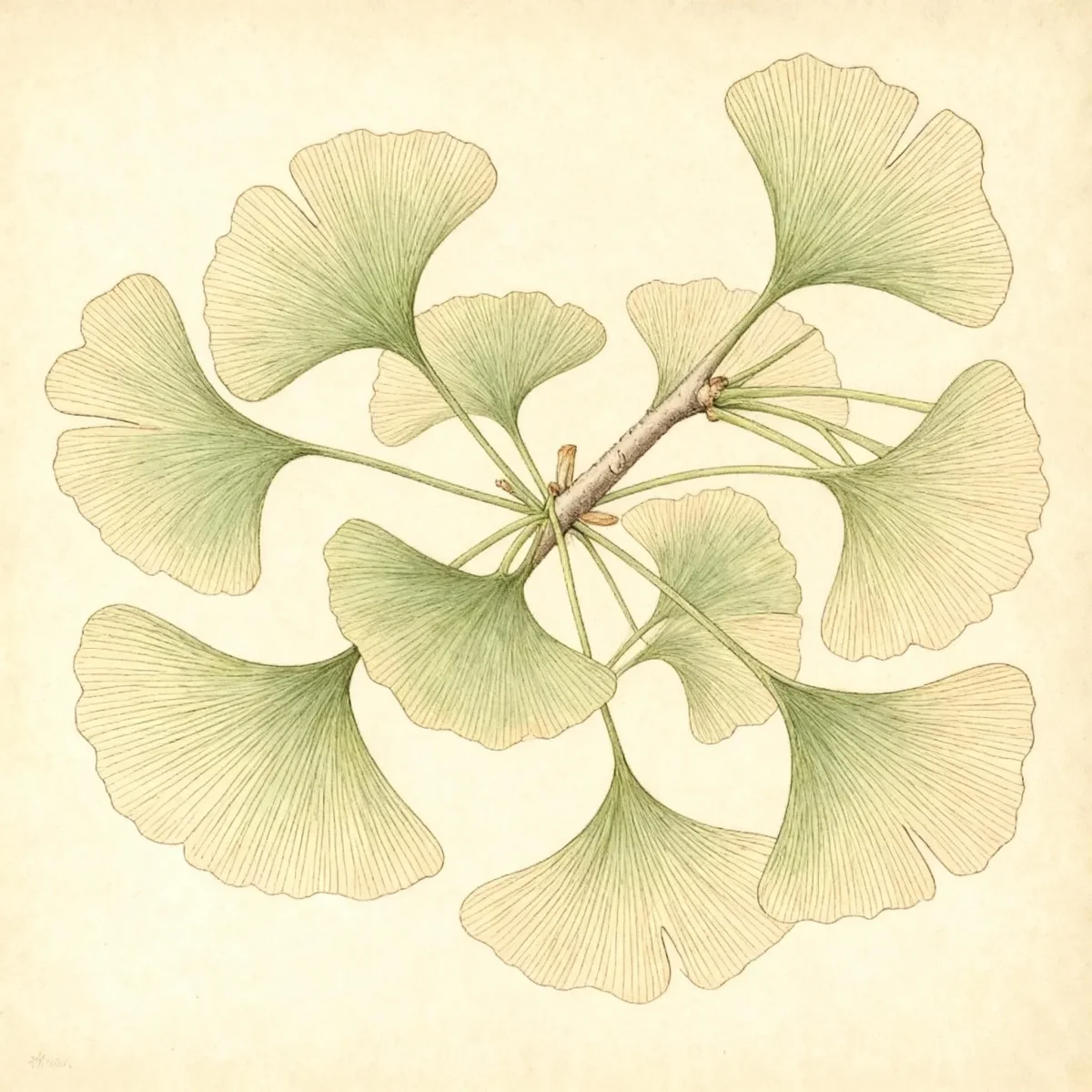
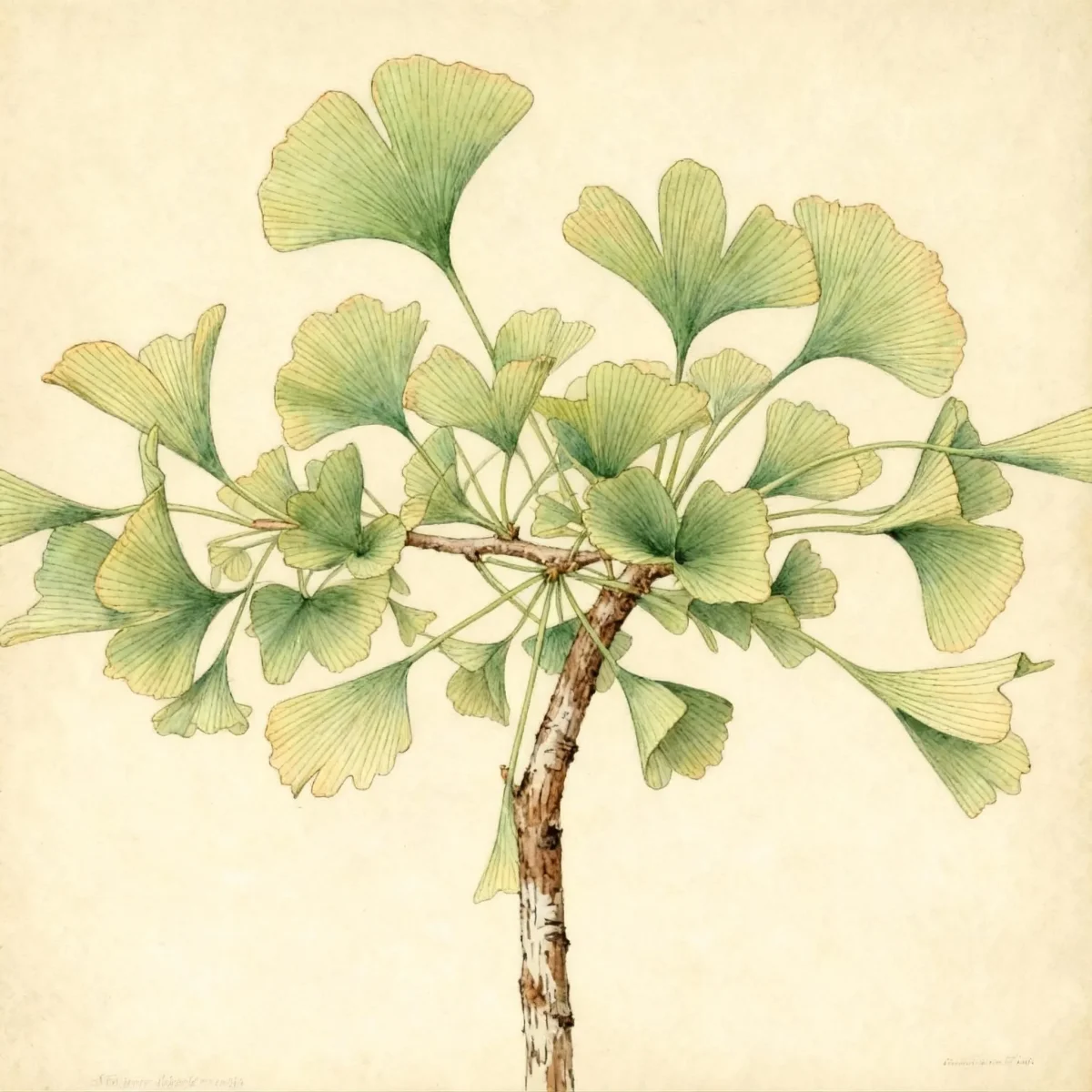
Maidenhair tree (Ginkgo biloba)
The unique, ancient Ginkgo biloba, or Maidenhair tree, offers brilliant yellow fall color and exceptional urban tolerance. Low maintenance.
Scroll down to discover growing tips, care requirements, companion plants, and more
Complete Plant Information
Overview
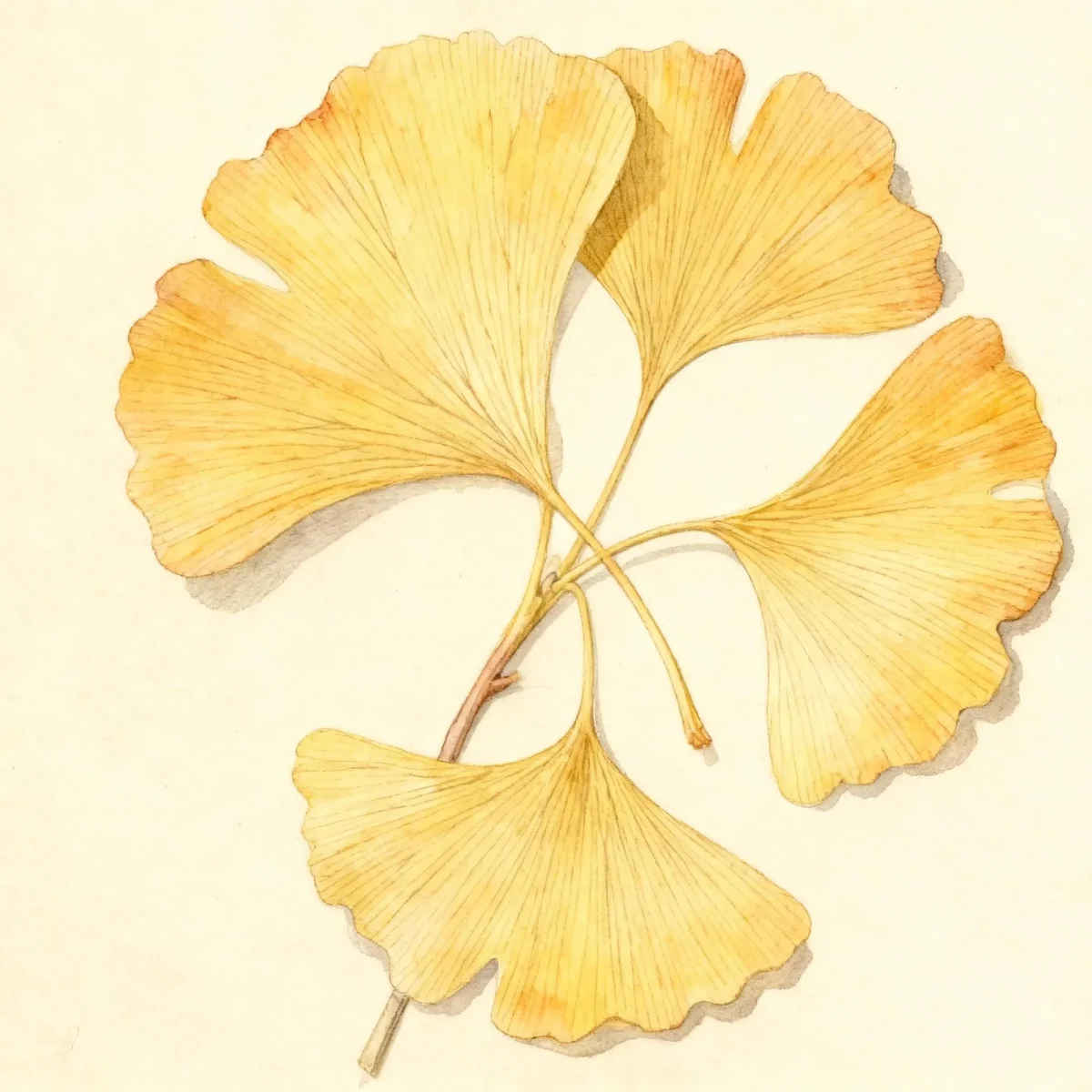
The Ginkgo biloba, commonly known as the Maidenhair tree, stands as a remarkable survivor, often referred to as a living fossil due to its lineage dating back millions of years. Gardeners prize this deciduous tree for its distinctive fan-shaped foliage that transforms into a stunning, uniform brilliant yellow display each autumn. Its prehistoric lineage is matched by its modern adaptability.
This majestic tree readily establishes itself in a wide array of difficult conditions, making the Ginkgo biloba a reliable choice for challenging landscapes. It thrives in full sun and requires only medium watering once established, possessing impressive resilience against soil challenges and urban stressors.
Functionally, the Maidenhair tree serves exceptionally well as a stately specimen, lawn feature, or avenue planting. Its low maintenance profile and tolerance to pollution ensure that its unique beauty is easily accessible, securing its status as an essential component in both formal and ecological garden designs.
Fast Facts
- Plant Family: Ginkgoaceae
- Plant Type: Tree
- Native Range: Southern China
- Hardiness Zones: USDA Zones 3-8
- Size at Maturity:
- Height: 50-80 ft
- Spread: 30-40 ft
- Bloom Time: April
- Bloom Description: Green
- Sun Exposure: Full sun
- Water Needs: Medium
- Maintenance Level: Low
How to Grow
The ideal time to plant the Maidenhair tree is in spring or fall when temperatures are moderate, allowing its roots to establish before the stress of summer heat or deep winter cold. While easily grown in average, medium moisture soil, this species prefers a location with moist, sandy, well-drained conditions if available. It is exceptionally adaptable, tolerating a wide range of soil types, including alkaline, acidic, and heavily compacted soils.
Watering should be consistent during the first few growing seasons to encourage deep rooting; aim for medium moisture levels. Fertilizing is rarely necessary for mature specimens, as the Ginkgo is not a rapid feeder. Pruning should be minimal; focus on removing dead or damaged wood when necessary, as its natural form is typically symmetrical and architecturally pleasing.
The resilience of the Ginkgo biloba is one of its greatest assets. It shows superb tolerance to saline conditions, common urban air pollution, and high heat, adapting well to most densely built environments. Minimal protection is needed in winter across its established hardy zones.
Landscape Uses
The Maidenhair tree is an excellent selection for a variety of structural uses in landscape design, especially where hardiness and resilience are paramount. Its upright, spreading habit makes it a superb street tree, capable of thriving beneath utility lines or along crowded sidewalks where other species struggle. Furthermore, it functions effectively as a singular shade tree in open lawns or within city parks.
Due to its unique cultural needs and striking seasonal color, companion planting should focus on species that share its preference for full sun and do not demand overly rich or constantly wet organic soil. Consider pairing the autumn yellow of the Ginkgo biloba with deep burgundy or evergreen specimens for maximum contrast when the leaves begin to turn. It is also highly effective near commercial buildings where its formal structure provides year-round interest.
Standout Features
Flower Qualities
- Insignificant
Noteworthy Characteristics
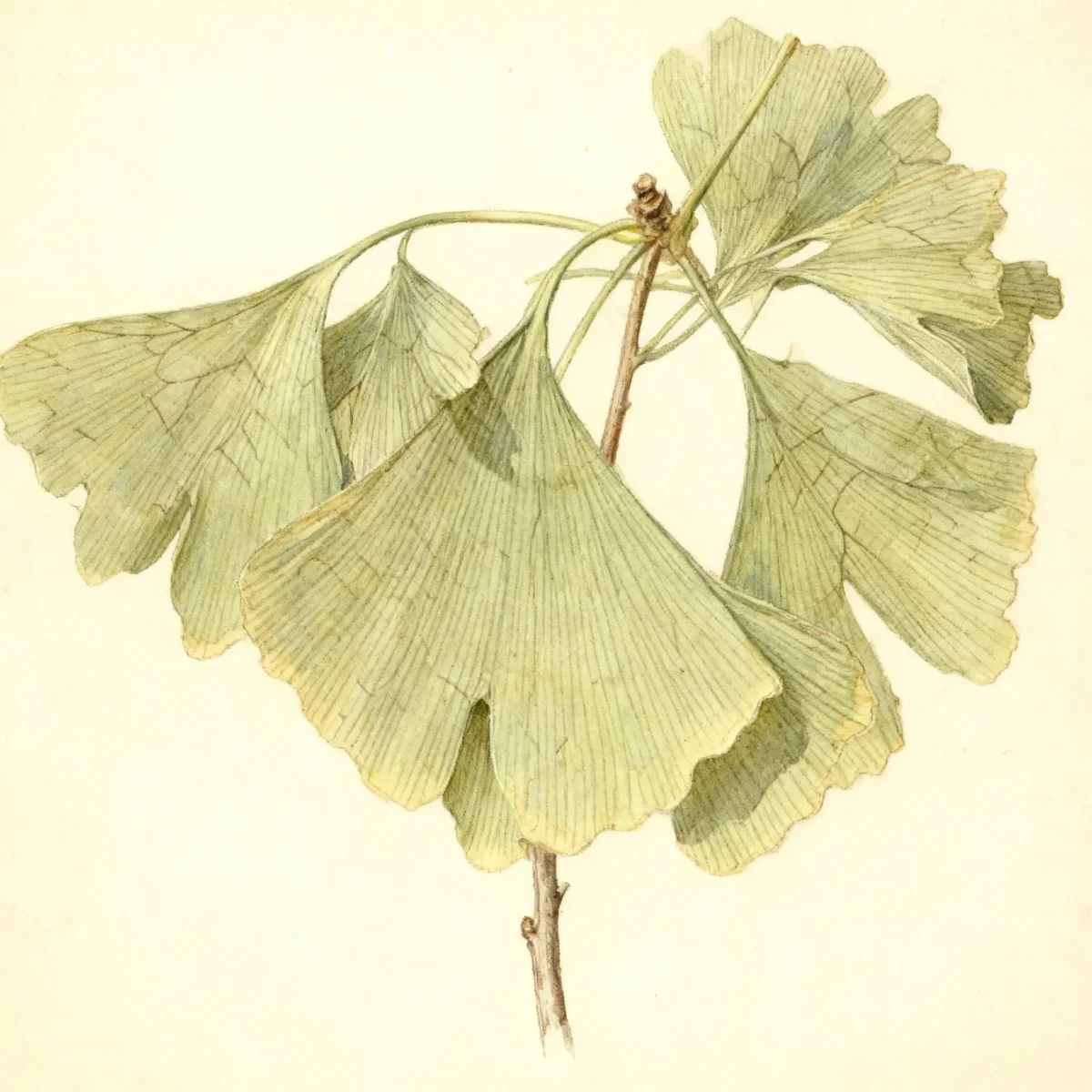
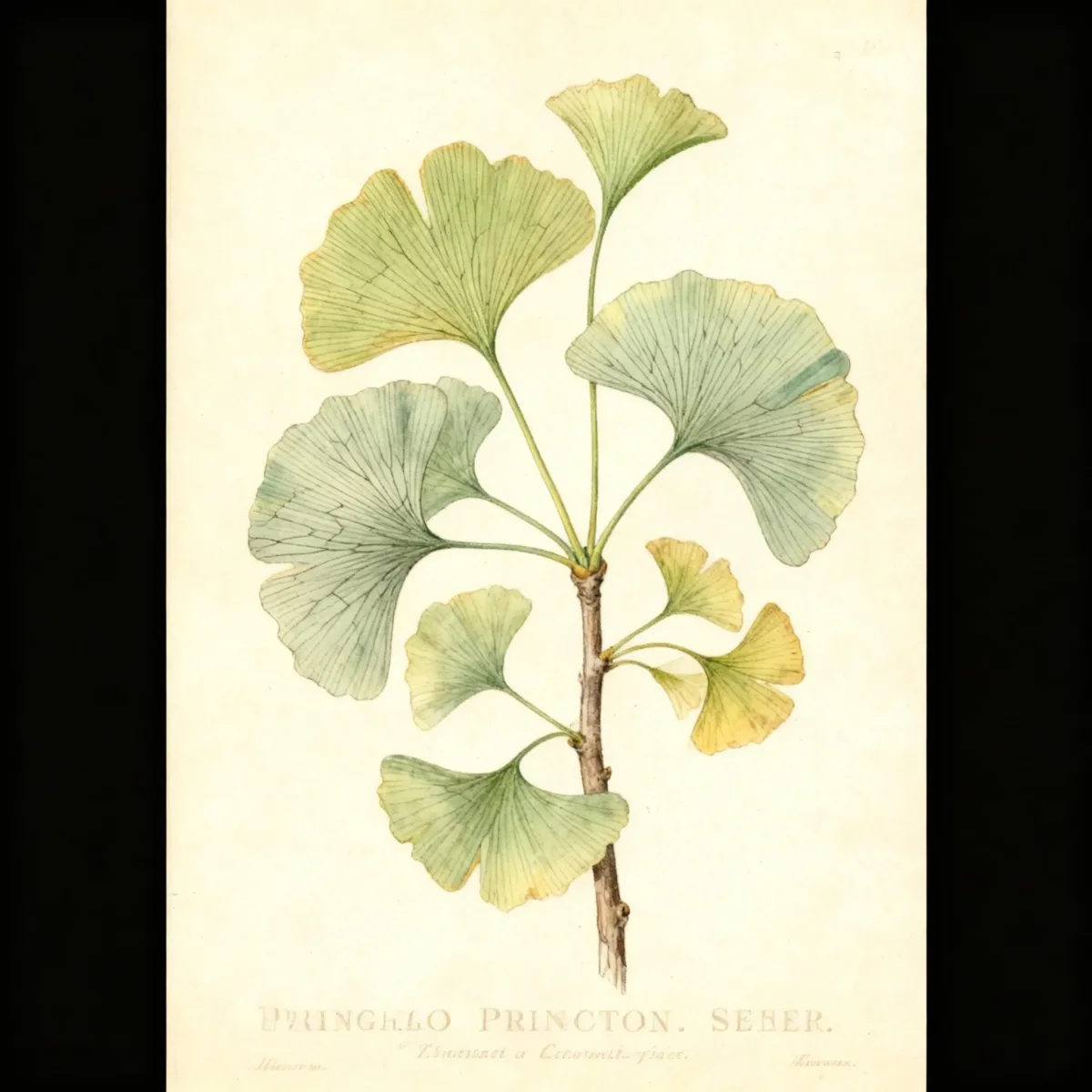
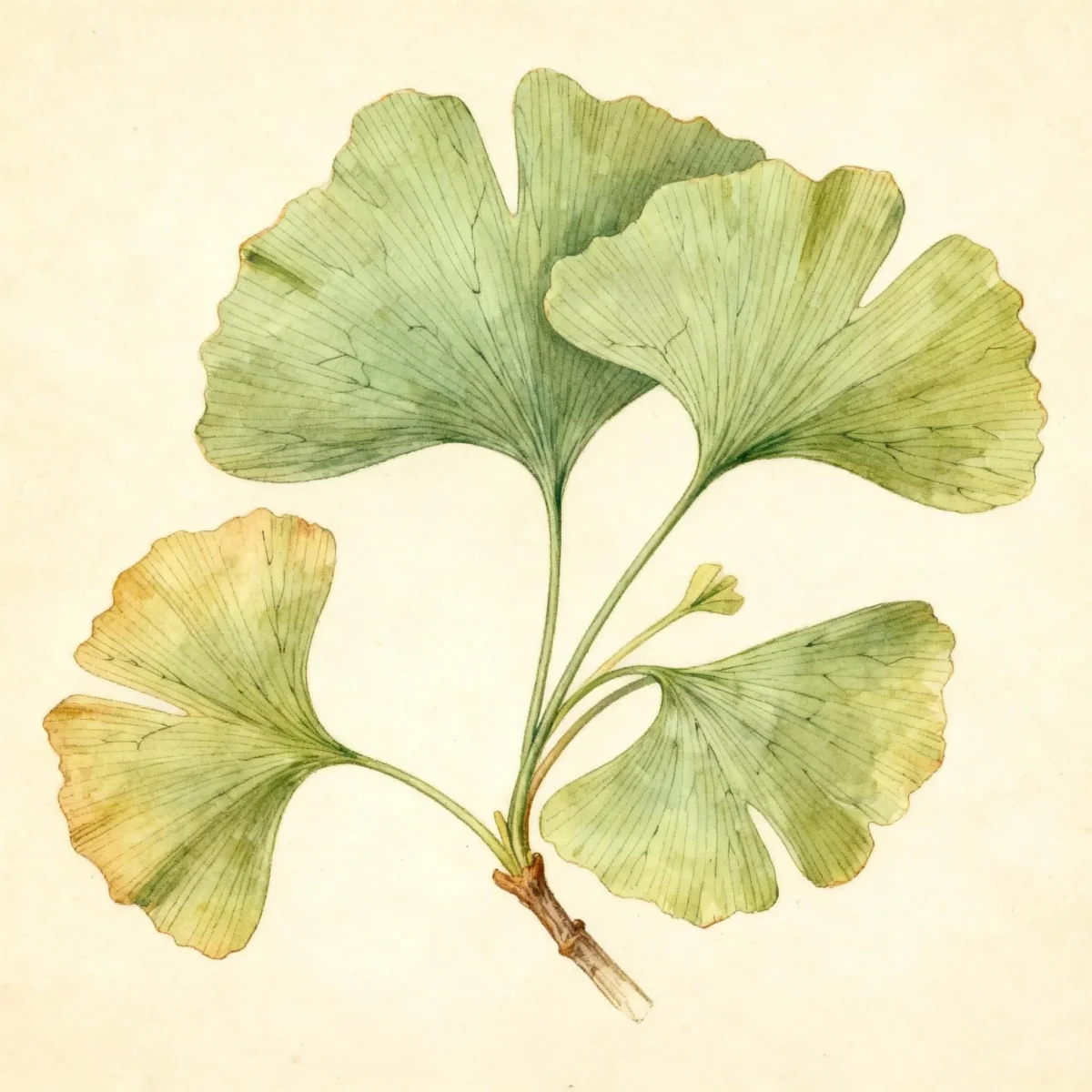
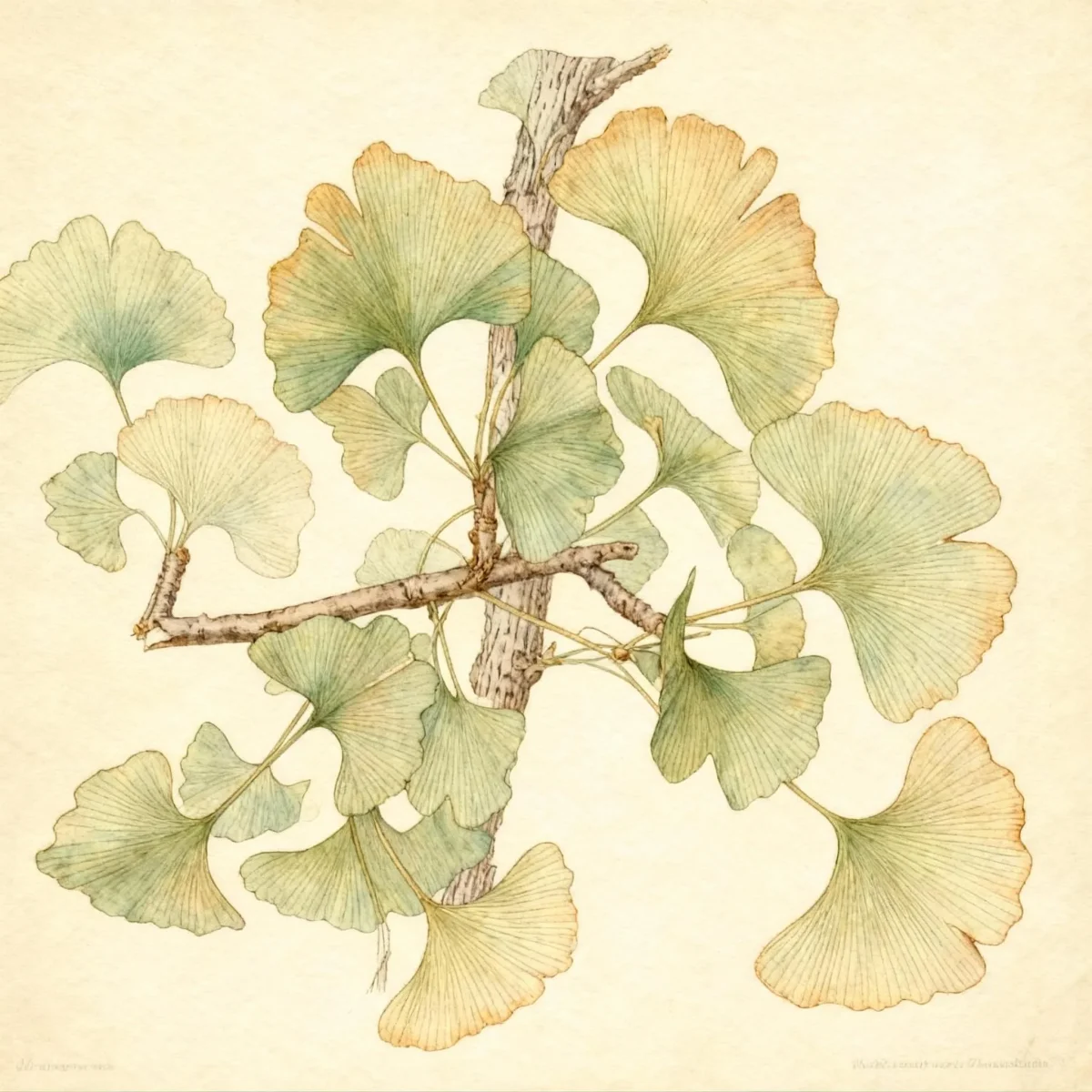
Ginkgo biloba is a large, deciduous tree that matures to 100’ tall and is considered to be a living fossil. It is the only surviving member of a group of ancient plants believed to have inhabited the earth up to 150 million years ago. It features distinctive two-lobed, somewhat leathery, fan-shaped, rich green leaves with diverging (almost parallel) veins that turn brilliant yellow in fall. Ginkgo trees are commonly called maidenhair trees in reference to the resemblance of their fan-shaped leaves to maidenhair fern leaflets. Ginkgos are dioecious, meaning separate male and female trees exist, and nurseries typically sell only male trees to avoid the messy, foul odor produced by the female fruit.
Tolerances
- Deer
- Clay Soil
- Air Pollution
Potential Problems
The Ginkgo biloba is celebrated for its exceptionally low pest and disease pressure; serious insect infestations or fungal outbreaks are rarely observed. This makes the Maidenhair tree a fantastic choice for organic gardeners or those requiring hands-off maintenance. While generally robust, new plantings may exhibit slow establishment, with initial growth appearing sparse. Ensure proper site preparation focusing on drainage, as overly wet roots are the most common hazard for young trees.
As noted, the most critical management decision is sex selection. Female trees produce foul-smelling, messy fruit in the fall, often leading to complaints in urban settings. Always seek certified male cultivars from reputable nurseries to ensure a clean landscape experience with your Ginkgo biloba.
Frequently Asked Questions
What hardiness zones is Maidenhair tree suitable for?
The Maidenhair tree, Ginkgo biloba, is adaptable across a broad range, thriving in USDA Zones 3 through 8.
How large does Maidenhair tree grow?
This species typically reaches mature heights between 50 and 80 feet, accompanied by a spread of 30 to 40 feet.
What sun exposure does Ginkgo biloba need?
Ginkgo biloba requires full sun for optimal growth and the most brilliant fall color display.
When does Maidenhair tree bloom?
The flowering occurs in April, with the inconspicuous green blooms appearing before the distinctive foliage fully develops.
Conclusion
The Ginkgo biloba, or Maidenhair tree, offers an unparalleled combination of historical intrigue, stunning autumn splendor, and exceptional hardiness against modern urban challenges. Its low maintenance requirements cement its value for nearly every gardener. Verify your local hardiness zone compatibility before sourcing a specimen, and plan to plant this ancient beauty during the cooler months of spring or fall for successful establishment.
Companion Planting Strategies
When placing the Maidenhair tree in a landscape, consider plants that enjoy similar conditions—full sun and well-draining soil—to ensure collective success. Species like Russian Sage (Perovskia atriplicifolia) or ornamental grasses like switchgrass (Panicum virgatum) thrive nearby and offer textural contrast to the firm Ginkgo leaves. Avoid placing it near moisture-loving plants that require heavy, consistent irrigation, as the Ginkgo prefers medium water status and dislikes wet feet.
Design Ideas for Urban Spaces
The formal, somewhat vase-shaped habit of the Ginkgo biloba lends itself beautifully to structured, modern landscape designs, particularly when used as a focal point. In restricted urban settings, selecting dwarf or slower-growing cultivars (though not specified here, look for known smaller types) can mitigate the ultimate height concerns. As a singular specimen, the clean yellow fall show works exceptionally well against dark brick or grey stone backdrops, emphasizing its architectural silhouette before leaf drop.