Giant rhubarb (Gunnera manicata)
Gunnera manicata, or Giant rhubarb, boasts massive, prehistoric leaves. Thrives in wet, part-shade gardens where USDA Zones 7-10 allow.
Scroll down to discover growing tips, care requirements, companion plants, and more

Complete Plant Information
Overview
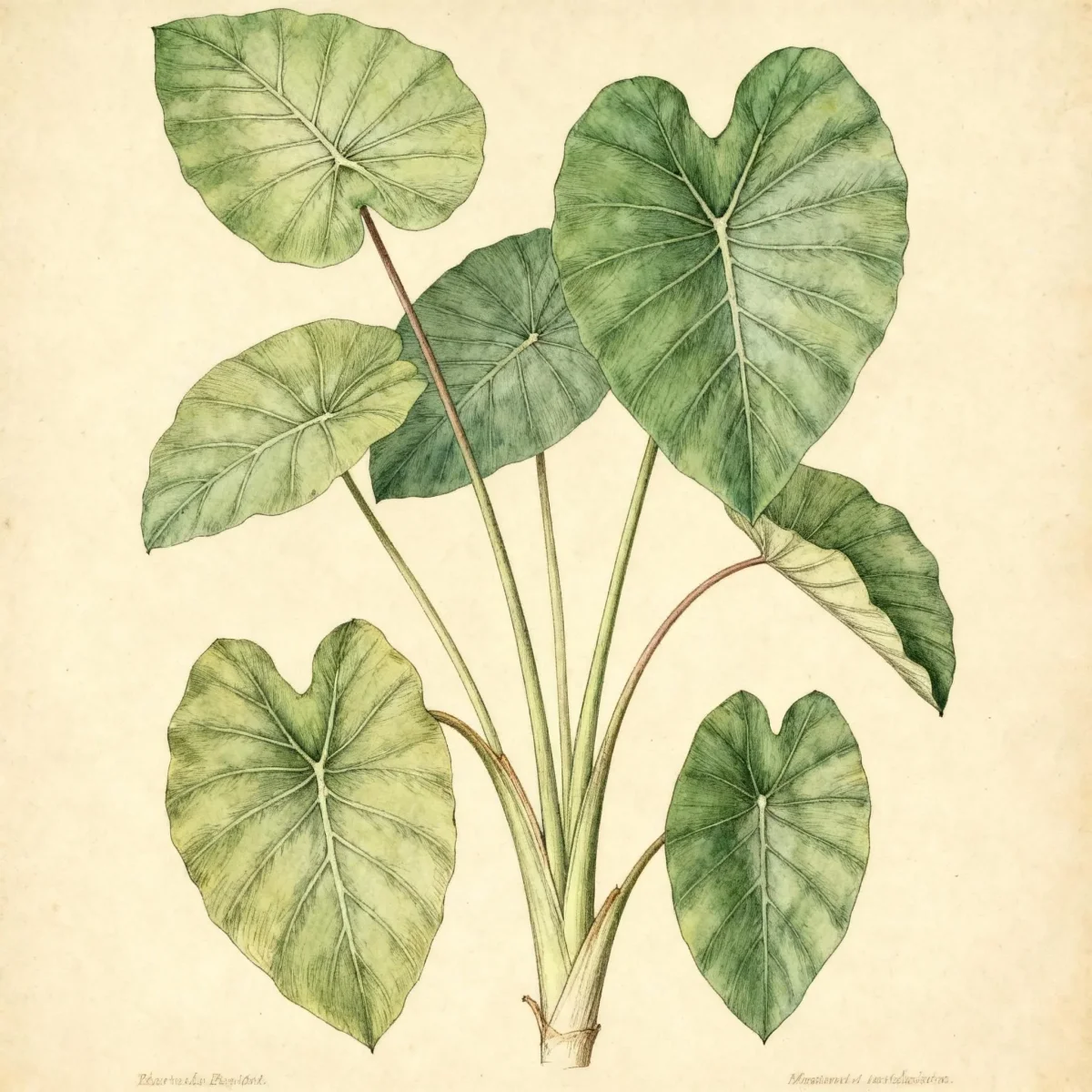
Gunnera manicata, universally known by its dramatic common name Giant rhubarb, is revered for creating an immediate, prehistoric impact in the landscape. This herbaceous perennial produces vast, corrugated, emerald-green leaves reaching up to 8 feet across, borne on stiff, prickly stalks, defining it as one of the largest foliage plants available. It originates from the humid climates of Southern Brazil and Colombia, demanding consistently moist to boggy conditions to achieve its full, breathtaking scale. Gardeners value Gunnera manicata specifically for its architectural presence, making it a focal point in water gardens or deep, rich perennial beds where its imposing texture can be fully appreciated.
Fast Facts
- Plant Family: Gunneraceae
- Plant Type: Herbaceous perennial
- Native Range: Southern Brazil, Colombia
- Hardiness Zones: USDA Zones 7-10
- Size at Maturity:
- Height: 6-10 ft
- Spread: 8-14 ft
- Bloom Time: June to July
- Bloom Description: Reddish-green
- Sun Exposure: Part shade
- Water Needs: Medium to wet
- Maintenance Level: Medium
How to Grow
Planting Gunnera manicata should occur early in the spring after the danger of frost has fully passed, allowing the roots to establish before summer heat arrives. Site your Giant rhubarb where the soil is intensely fertile, humus-rich, and consistently moist, bordering on boggy, selecting a location offering protection from intense afternoon sun. Although it requires high moisture, inadequate drainage coupled with deep frost exposure is fatal; soils must never be allowed to dry out completely.
Ongoing care centers around water management and occasional cleanup. Ensure the soil remains saturated throughout the growing season, especially as the immense leaves transpire large volumes of water. Pruning involves removing dead or damaged leaves as they appear to maintain a tidy appearance. For gardeners situated in the northern reaches of its hardiness range (Zone 7), providing a substantial, dry winter mulch is crucial for insulating the crown.
For areas outside USDA Zone 7, or for guaranteed overwintering, treat Gunnera manicata as an annual or embrace its container culture. Bare roots should be carefully lifted before the first hard frost, stored cool (around 40°F) in a dry medium like peat, and replanted outside once the threat of spring frost passes. Alternatively, containers can be moved into a cool, frost-free space, like an unheated garage, where they require only minimal soil moisture every ten days while dormant.
Landscape Uses
The primary allure of Gunnera manicata is its unmatched scale, making it perfectly suited for specialized landscape niches like Rain Gardens and pond peripheries. It excels in Water Gardens or along a boggy edge where other plants struggle due to excessive moisture retention. These massive structures look stunning when paired with moisture-loving ferns or fine-textured grasses, which contrast beautifully with the coarse texture of the leaves.
When utilizing Giant rhubarb, consider its size; it demands generous space to spread without overwhelming nearby structural plantings. Its preference for constantly wet conditions also makes it an ideal centerpiece for a formal water feature basin or a low spot in the landscape designed to manage runoff. While it rarely succeeds in hot, dry climates, in suitable, protected, and wet environments, it defines a tropical or primeval aesthetic.
Standout Features
Flower Qualities
- Showy
Fruit Qualities
- Showy
Noteworthy Characteristics
Gunnera manicata, commonly called giant rhubarb, is one of the largest herbaceous perennials on earth, typically growing in a rounded clump to as much as 10’ tall and to 14’ wide. Its huge, puckered, and prominently-veined leaves resemble large, upturned shields, earning it the secondary moniker of dinosaur food. The plant produces tiny, reddish-green flowers in thick, club-like spikes that often remain partially obscured by the monumental foliage in early summer.
Tolerances
- Wet Soil
Potential Problems
This magnificent plant is generally robust, showing no serious insect or disease problems when grown under ideal, wet conditions. The primary pests to monitor are common garden nuisances like slugs and scale, which can affect the large leaf surfaces and stems. Slug damage is often cosmetic, leaving large holes, so prompt monitoring and management in damp spring conditions are beneficial for maintaining pristine foliage quality.
Frequently Asked Questions
What hardiness zones is Giant rhubarb suitable for?
Gunnera manicata is winter hardy primarily in USDA Zones 7 through 10, thriving best near the milder end of this range.
How large does Gunnera manicata grow?
This perennial typically achieves heights between 6 to 10 feet and spreads impressively wide, reaching spreads of 8 to 14 feet at maturity.
What sun exposure does Gunnera manicata need?
This plant performs best in part shade; exposure to full sun may cause its leaves to become stressed and potentially scorched, especially in hotter climates.
When does Giant rhubarb bloom?
The inconspicuous, reddish-green flowers of Gunnera manicata appear in thick spikes from June through July, often hidden beneath the massive leaf canopy.
Conclusion
The sheer scale and prehistoric texture of Gunnera manicata make it an unparalleled specimen plant for features requiring year-round moisture. Successfully cultivating this Giant rhubarb relies entirely on respecting its high water demands and providing suitable winter protection north of Zone 7. Assess your site’s moisture profile and hardiness zone today to determine if this architectural wonder is a viable and valuable addition to your wet garden areas.
Companion Planting
Since Gunnera manicata demands deeply saturated soil, pairing it with other moisture-loving species enhances the wetland aesthetic without competition for resources. Consider companion planting with large-leaved Rodgersia species, which share similar cultural needs for moisture and part shade, though they scale down significantly. For vertical contrast near the base, Siberian Iris or Calla Lilies thrive in saturated soil and offer brighter color accents against the dark, structural foliage of the Giant rhubarb.
Propagation Tips
While Gunnera manicata can sometimes be propagated by seed, the most reliable method for home gardeners is vegetative division, usually performed in early spring before new growth fully emerges or when collecting dormant bare roots prior to storage. If lifting bare roots for winter storage, handle them gently to avoid snapping the thick rhizomes. They should be placed in a cool, dry medium, such as peat or slightly dampened vermiculite, kept near 40°F until they are ready to resume growth in the spring.