Parrot feather water milfoil (Myriophyllum aquaticum)
Rhizomatous aquatic perennial Myriophyllum aquaticum features stunning submerged and emergent foliage. Ideal for water gardens in USDA Zones 6-10.
Scroll down to discover growing tips, care requirements, companion plants, and more
Complete Plant Information
Overview
Myriophyllum aquaticum, widely known as Parrot feather water milfoil, is a distinctive herbaceous perennial prized for its fine, whorled foliage submerged beneath the water and its striking emergent stems. This rhizomatous plant adds significant texture to water features, offering both visual interest and ecological benefits like nutrient absorption. Parrot feather water milfoil thrives in wet environments, making it an essential component for pond margins and rain gardens.
The combination of chartreuse submerged leaves and dark blue-green emergent foliage provides year-round structure in hardiness Zones 6 through 10. While its overall mature height is low (under 1 foot), the stems of Myriophyllum aquaticum can trail significantly, sometimes reaching up to 6 feet long as they root along shorelines. This spreading nature makes the plant highly effective at naturalizing wet areas.
For gardeners managing water quality, the submerged foliage of Myriophyllum aquaticum acts as an excellent oxygenator and provides critical shelter for fish populations. Though its tiny yellowish-green flowers bloom in mid-summer, the primary ornamental value comes from its feathery leaves rather than its blooms. Proper placement and management are key when introducing this vibrant aquatic perennial.
Fast Facts
- Plant Family: Haloragaceae
- Plant Type: Herbaceous perennial
- Native Range: South America, Australia, New Zealand, Java
- Hardiness Zones: USDA Zones 6-10
- Size at Maturity:
- Height: 0.25-0.5 ft
- Spread: 0.5-1 ft
- Bloom Time: July to August
- Bloom Description: Yellowish-green
- Sun Exposure: Full sun to part shade
- Water Needs: Wet
- Maintenance Level: Medium
How to Grow
Planting Parrot feather water milfoil is easiest during the growing season in areas saturated with water. It performs best when grown in containers submerged in about 6 inches of water or directly placed along the shallow margins of a pond. Ensure the location receives full sun to part shade, as excessive shade can thin the desirable foliage. This plant prefers organically rich soil conditions to fuel its rapid growth.
Care for Myriophyllum aquaticum centers on controlling its spread, as it can become invasive in uncontrolled natural ponds. Thinning clumps regularly keeps the plant manageable. Water requirements are straightforward: keep the roots constantly wet. While not heavy feeders, utilizing rich soil provides the necessary nutrients. Cuttings root exceptionally easily, providing a simple propagation method.
Seasonal maintenance involves a significant cutback in the fall. Be sure to cut the stems back below the water line before winter dormancy sets in. After this trimming, the foliage will die back to the underground rhizomes, preparing the plant for winter hardy conditions in Zones 6-10. Spring cleanup involves removing any lingering dead material.
Landscape Uses
As a premier water plant, Parrot feather water milfoil excels as a transitional element softening the hard edges where water meets land. It is perfectly suited for rain gardens, where its constant need for moisture can be easily met, or for lining the shallow edges of ornamental ponds. Its ability to root in banks makes it a reliable way to help stabilize pond substrates naturally.
When used in water gardens, the structure of Myriophyllum aquaticum draws the eye. It pairs excellently with broad-leaved marginal plants that contrast its fine texture, such as certain irises or water lilies placed slightly deeper. Utilizing it in submerged containers allows gardeners to harness its oxygenating benefits while strictly confining the spread of this rhizomatous perennial.
Because it spreads via rhizomes, gardeners should use Myriophyllum aquaticum deliberately where naturalizing is desired, such as in wildlife ponds or constructed wetlands designed to filter runoff. Always consider its aggressive potential and use barriers or containers if tight control is necessary in smaller, maintained spaces.
Standout Features
Flower Qualities
- Insignificant
Noteworthy Characteristics
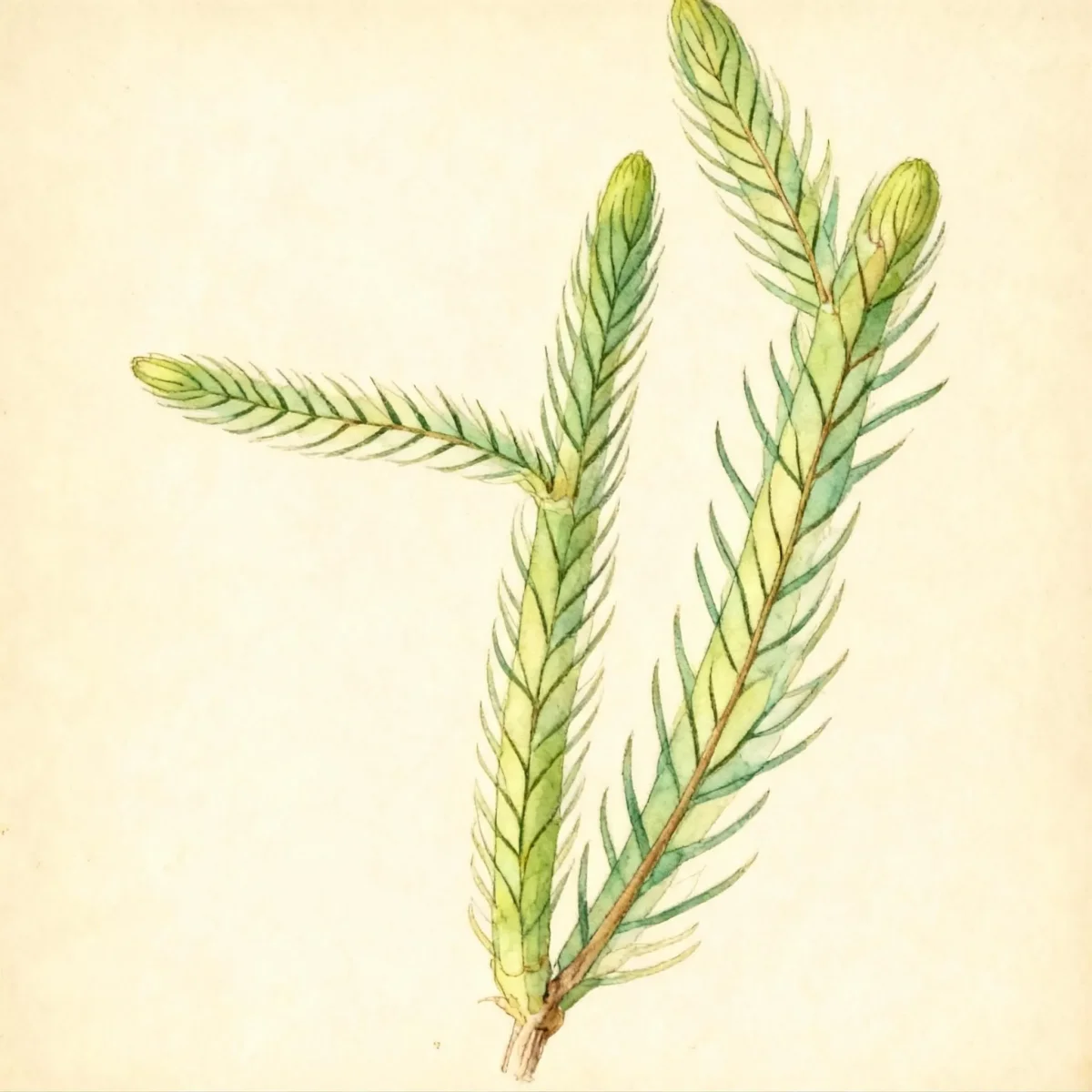
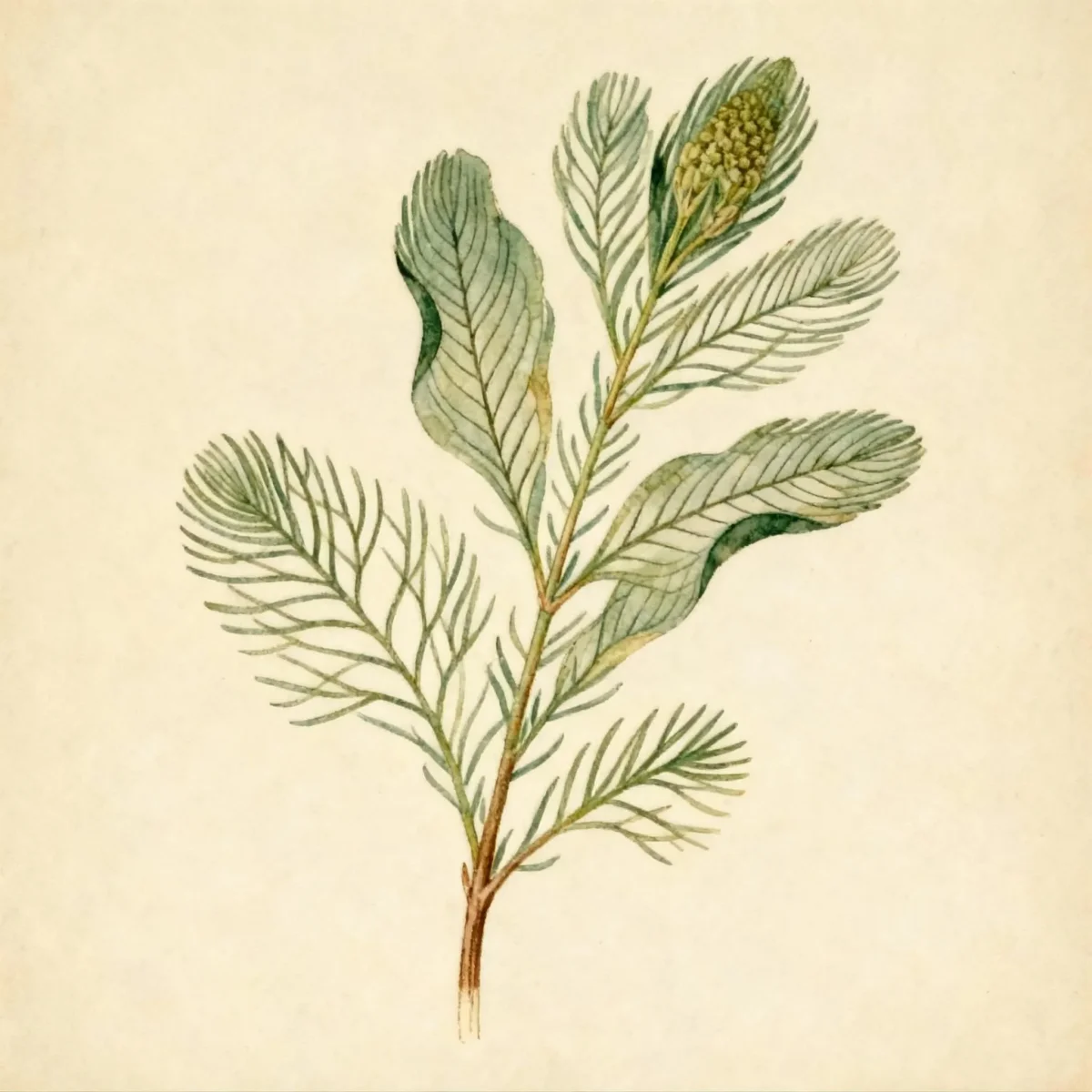
Myriophyllum aquaticum, commonly called parrot’s feather or diamond milfoil, is a rhizomatous aquatic perennial that has both submerged and emergent feathery leaves that appear in whorls along the stems. Stems can grow to 6’ long, providing significant vertical elements in the water. Submerged foliage is chartreuse, while the emergent foliage displays a rich dark blue-green hue, offering excellent color contrast. The genus name references its many leaf divisions, perfectly describing the delicate appearance of Parrot feather water milfoil.
Tolerances
- No serious insect or disease problems.
Potential Problems
Parrot feather water milfoil is noted for having very few serious insect or disease issues, which simplifies its maintenance. The primary concern for any grower is its tendency to spread aggressively. In natural ponds or large, uncontrolled water features where it is winter hardy (Zones 6+), Myriophyllum aquaticum can escape its intended area and significantly outcompete native aquatic flora.
To manage this invasiveness, always grow in containers sunk into the pond bottom or line the edges of constructed water gardens with heavy-duty aquatic barriers. Consistent monitoring and pruning are essential proactive steps. If spread occurs, physically pulling out large sections of the rhizome network is the most effective management technique.
Frequently Asked Questions
What hardiness zones is Parrot feather water milfoil suitable for?
Myriophyllum aquaticum is winter hardy across a wide spectrum, suitable for USDA Zones 6 through 10.
How large does Myriophyllum aquaticum grow?
This plant typically reaches a height of 0.25 to 0.5 feet above the water line, but its trailing emergent stems can extend up to 6 feet horizontally along the bank.
What sun exposure does Myriophyllum aquaticum need?
For the best habit and coloration, Parrot feather water milfoil should be situated where it receives full sun to part shade exposure.
When does Myriophyllum aquaticum bloom?
Bloom time is short, occurring generally from July through August, featuring small, inconspicuous yellowish-green flowers borne on the emergent stems.
Conclusion
The striking, feathery foliage and its beneficial role in water purification make Myriophyllum aquaticum a highly valuable plant for aquatic landscapes. By providing both submerged shelter and emergent texture, Parrot feather water milfoil enhances the ecological function and visual appeal of ponds and rain gardens. Before planting, confirm your local hardiness zone compatibility and decide immediately whether you will contain this vigorous perennial using pots or barriers.
Companion Planting
When placing Myriophyllum aquaticum in water features, choosing companions that offer a textural counterpoint enhances the overall design. Consider broad-leafed marginals like Caltha palustris (Marsh Marigold) or various Taro varieties, which provide large, solid shapes against the delicate, airy structure of the milfoil. These contrasts highlight the fine divisions of the Parrot feather foliage, making both plants appear more dramatic.
For areas specifically designed for wildlife benefit, pair the milfoil with native flowering wetland plants that attract beneficial insects. Even though the milfoil itself is not highly ornamental for flowers, grouping it near plants that offer nectar sources helps create a fully functioning ecosystem within the rain garden or pond margin. Ensure these companions share the high water needs and preferred sun exposure of Myriophyllum aquaticum.
Propagation Tips
Propagating Parrot feather water milfoil is remarkably easy due to its robust rhizomatous structure and segmented stems. Gardeners can create new plants simply by taking cuttings of any healthy stem section that includes several nodes. Ensure the cutting has some submerged material attached for best results when transplanting.
These stem pieces can be placed directly into the soil of a container or simply suspended in water adjacent to the parent plant until roots begin to form. Because cuttings root so readily, division is rarely necessary unless you are trying to remove an overgrown section of the established rhizome clump. This ease of propagation makes replenishing or sharing healthy Myriophyllum aquaticum simple.