Common witch hazel (Hamamelis virginiana)
Hamamelis virginiana, Common witch hazel, offers unique late-season yellow flowers and low maintenance for USDA Zones 3-8.
Scroll down to discover growing tips, care requirements, companion plants, and more
Complete Plant Information
Overview
Common witch hazel (Hamamelis virginiana) is a highly valued, native deciduous shrub celebrated for being one of the last native plants to bloom, often starting in October and continuing into early winter. Its distinctive, fragrant, yellow flowers provide essential late-season color, making Hamamelis virginiana a focal point in the autumn and winter landscape. As a durable understory plant native to Eastern North American woodlands, this species thrives in diverse locations, offering both aesthetic appeal and robustness.
Growing generally between 15 to 20 feet tall and wide, common witch hazel forms a broad, slightly irregular shape that can serve well as a screen or naturalized planting. Gardeners appreciate this plant for requiring low maintenance once established, fitting easily into woodland gardens or mixed shrub borders. The eventual reward includes not only the unique winter bloom but also attractive yellow fall foliage preceding the flowers.
The structure of Hamamelis virginiana lends itself well to naturalized settings near stream banks, reflecting its native growth habit, while its tolerance for heavier soils makes it adaptable to many garden sites. Planting this species guarantees seasonal interest when most other plants are dormant, showcasing the reliability of common witch hazel.
Fast Facts
- Plant Family: Hamamelidaceae
- Plant Type: Deciduous shrub
- Native Range: Eastern North America
- Hardiness Zones: USDA Zones 3-8
- Size at Maturity:
- Height: 15-20 ft
- Spread: 15-20 ft
- Bloom Time: October to December
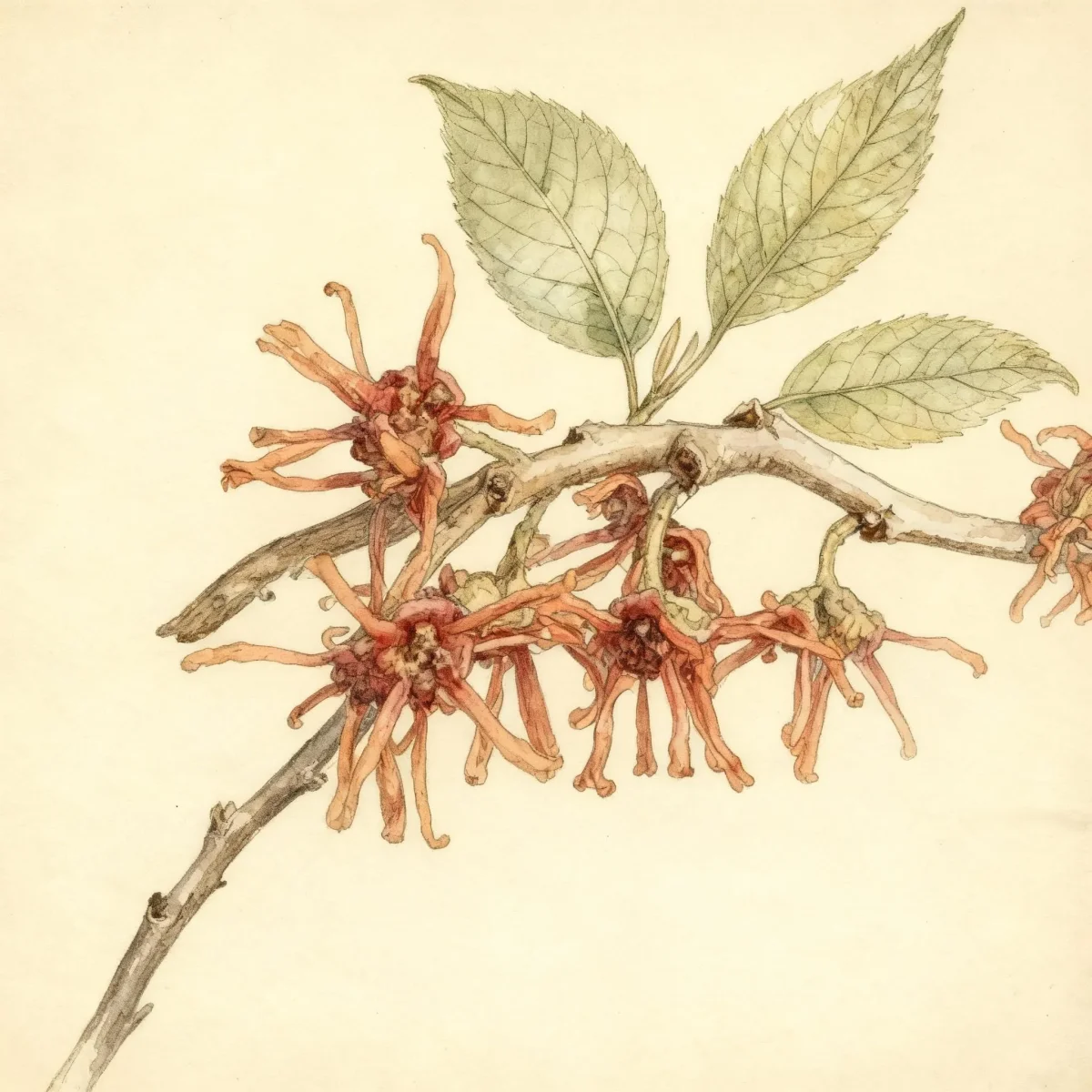
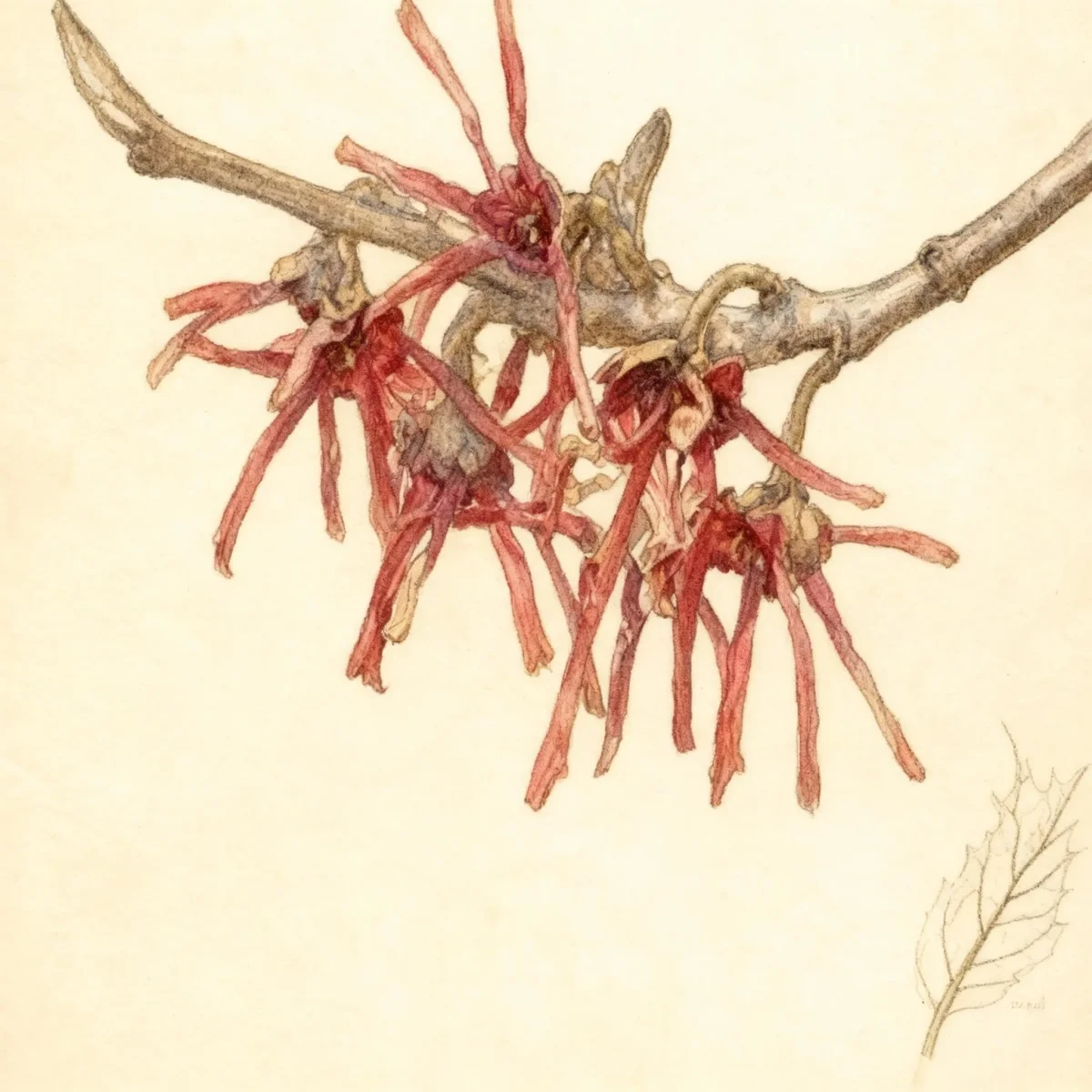
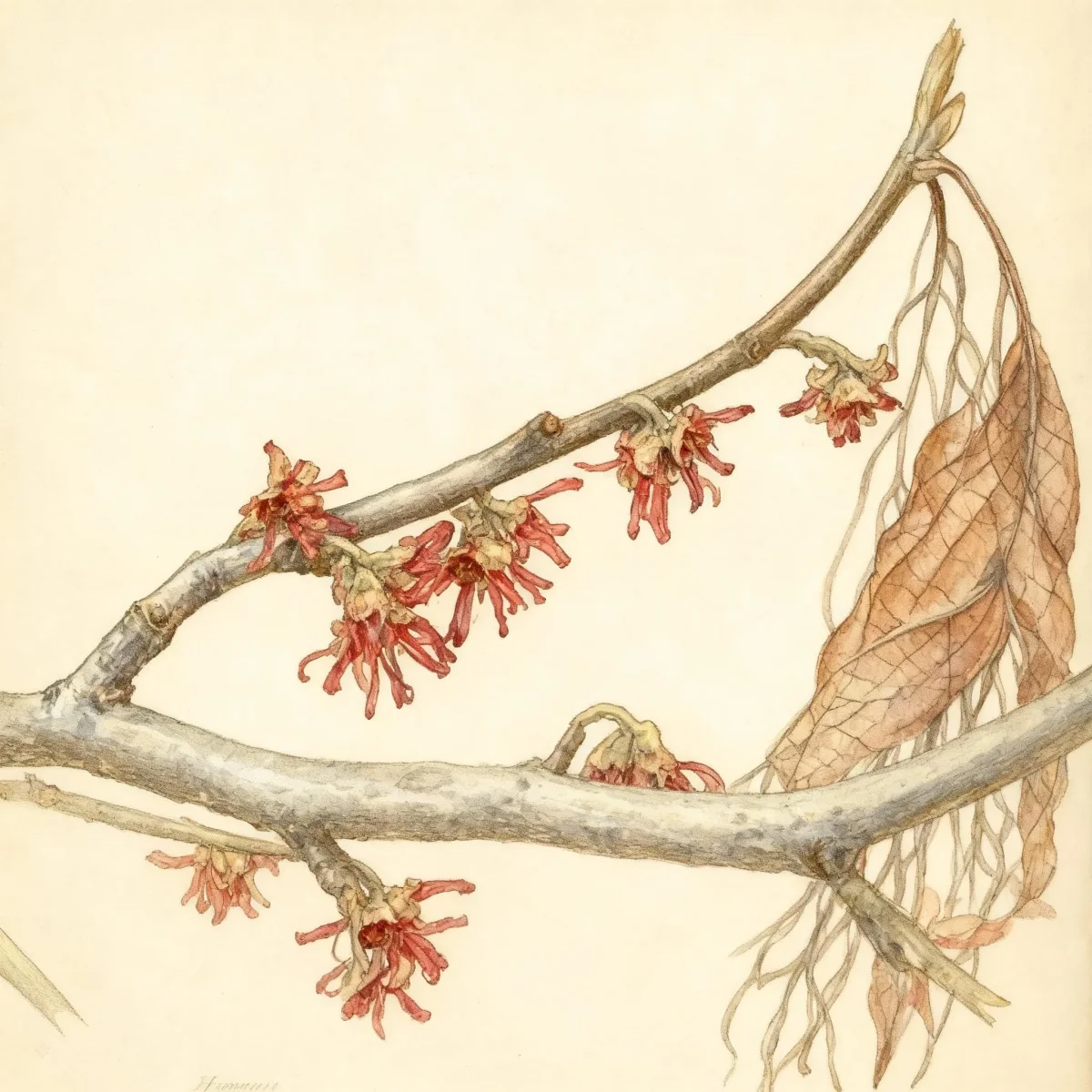
- Bloom Description: Yellow sometimes tinged with orange or red
- Sun Exposure: Full sun to part shade
- Water Needs: Medium
- Maintenance Level: Low
How to Grow
The best time to plant Hamamelis virginiana is during the dormant season, allowing roots to establish before summer heat. Select a location that offers full sun for the best flowering performance, though it tolerates partial shade. This shrub prefers average, medium moisture, well-drained soils, but it is uniquely adaptable, tolerating heavy clay soils and preferring conditions that are moist and organically rich.
Once established, watering needs are medium; ensure consistent moisture, especially during establishment and dry periods, to support its moisture-loving nature. Maintenance is generally regarded as low; little pruning is needed outside of cosmetic shaping. If pruning becomes necessary, perform this task in early spring before new growth starts.
A critical cultural note involves managing spread: promptly remove suckers that emerge from the base to prevent colonial spreading if you desire a single-specimen look. Because the leaves turn a quality shade of yellow in the fall, general cleanup may involve raking fallen leaves, though allowing them to remain under the plant mimics natural woodland conditions.
Landscape Uses
The versatility of common witch hazel naturally extends to several landscape applications. It excels when used for creating tall hedges or informal screens due to its dense, spreading habit and substantial height. For a more ecological planting scheme, Hamamelis virginiana is excellent for naturalizing areas, integrating seamlessly into woodland gardens or along the edges of a property.
Consider utilizing this shrub in rain gardens where medium water needs and clay soil tolerance are assets. As a striking element in shrub borders, its late-season bloom provides an unexpected splash of color when other woody plants are bare. Its native status also makes it a good choice for re-establishing natural habitat near stream banks or in layered woodland plantings.
Standout Features
Flower Qualities
- Showy
- Fragrant
Noteworthy Characteristics
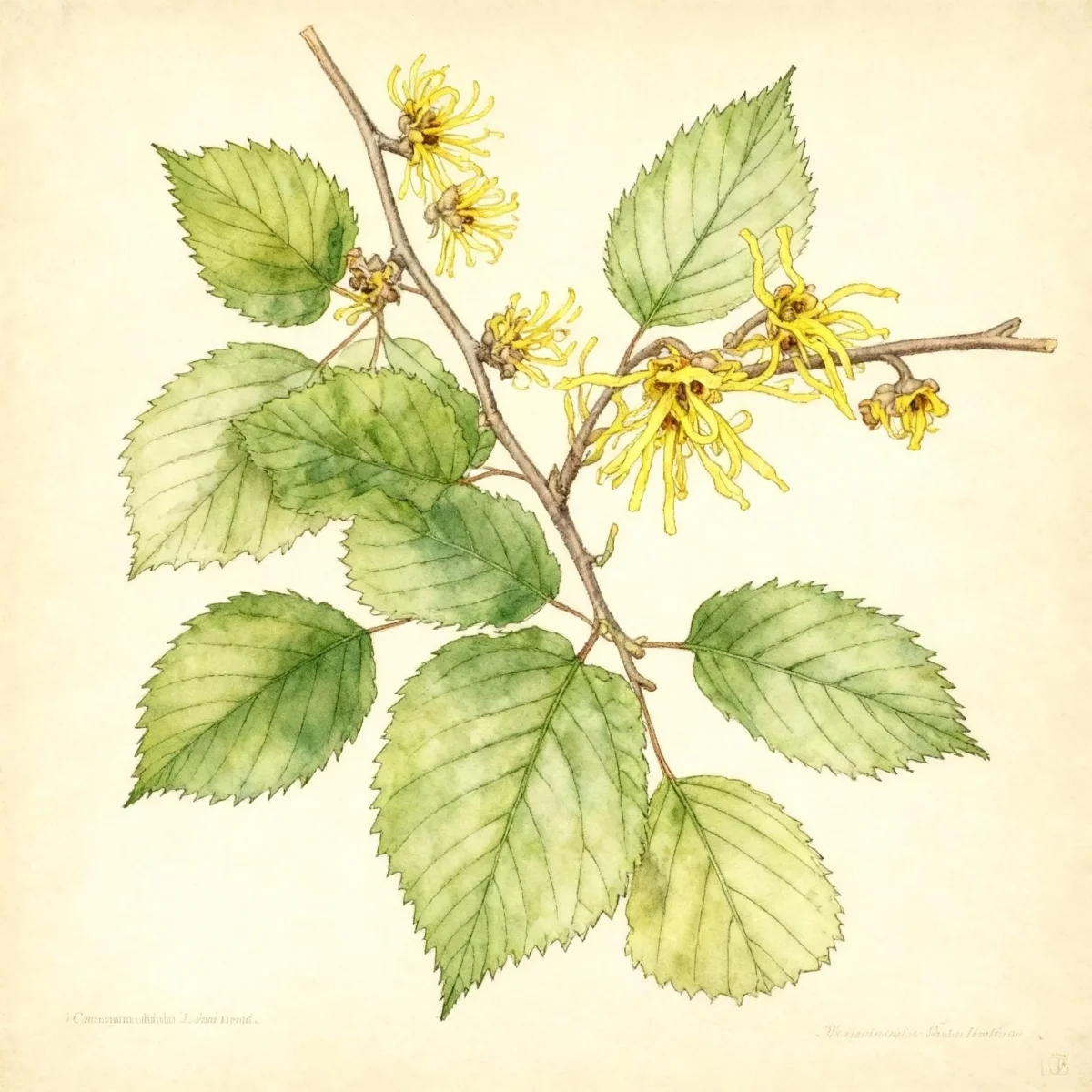
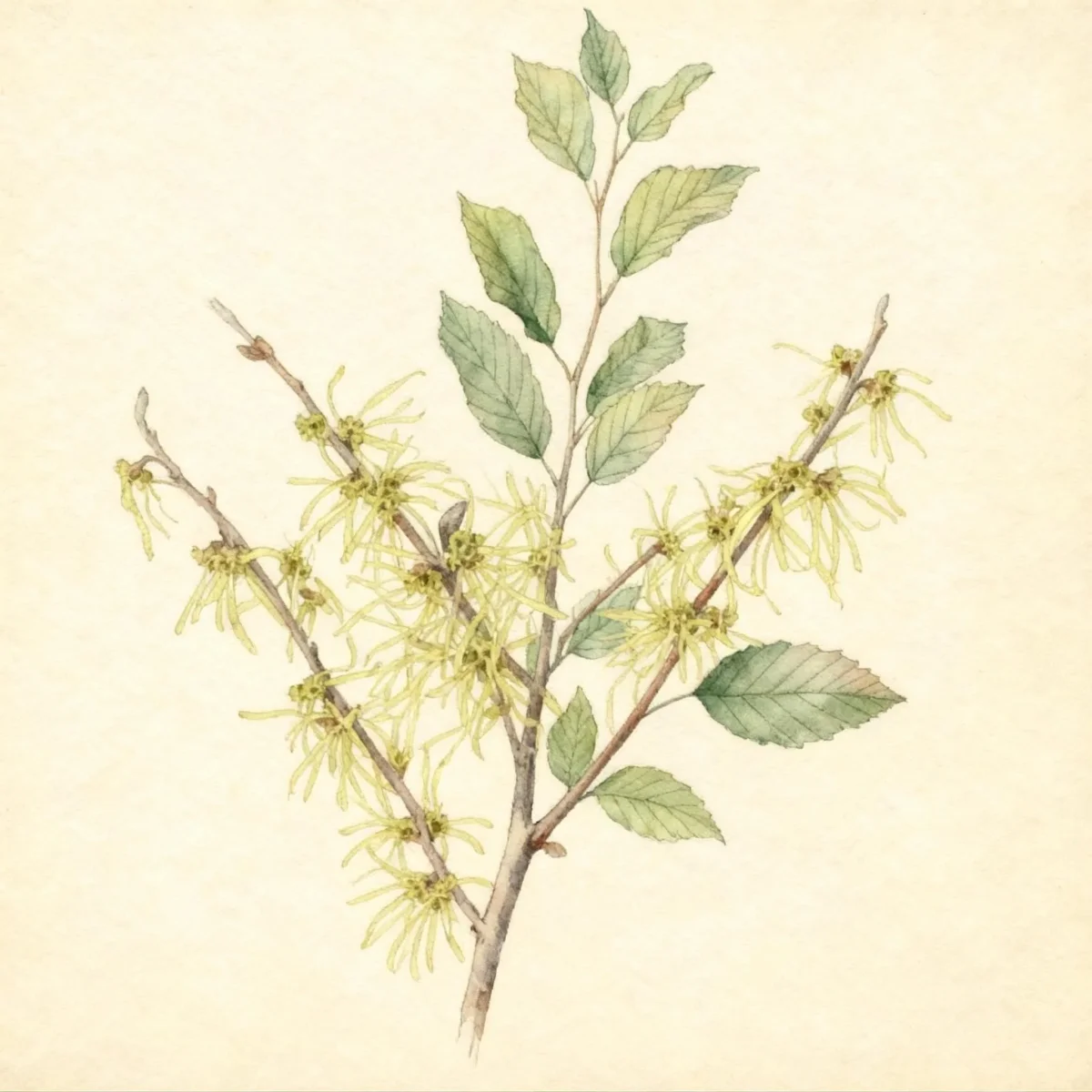
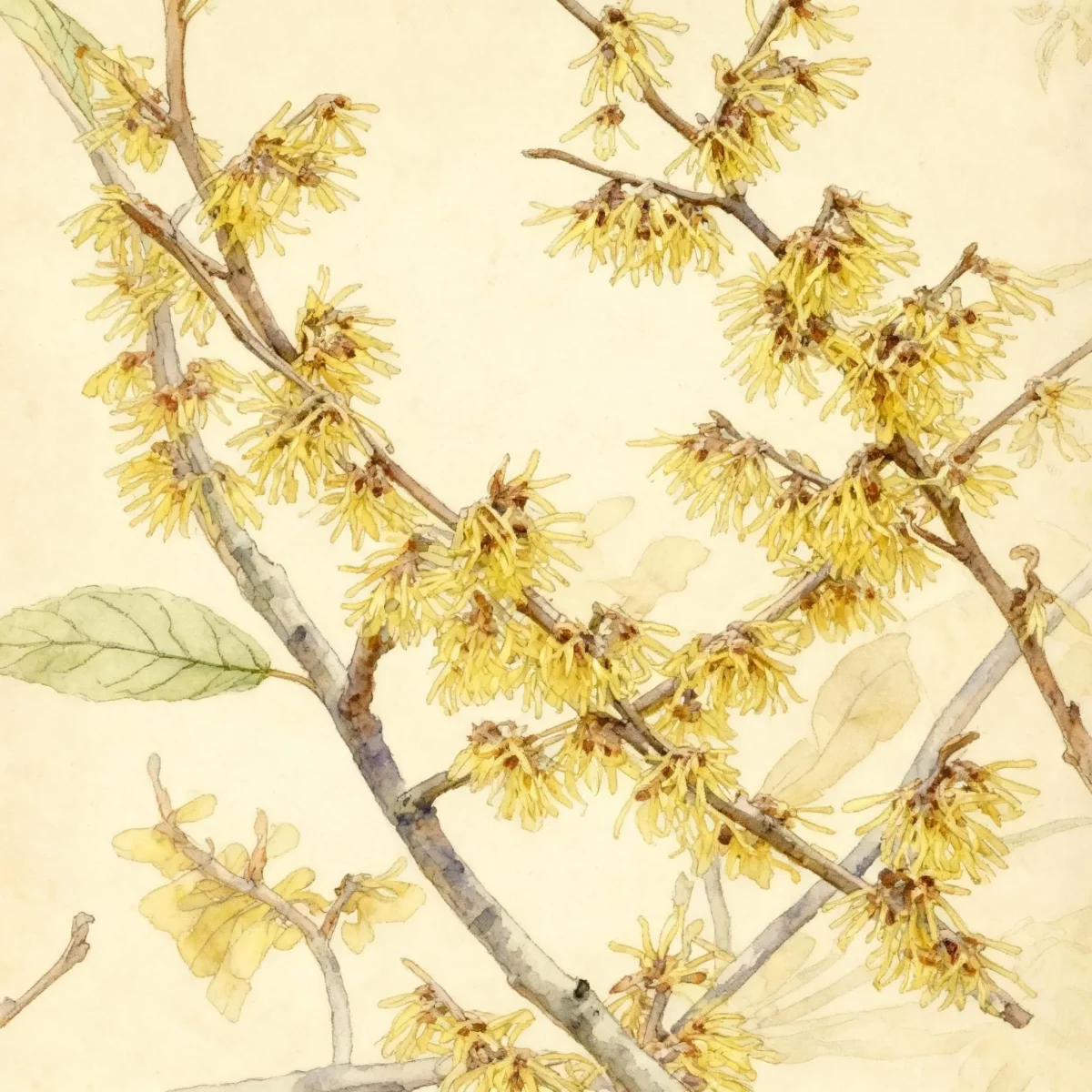
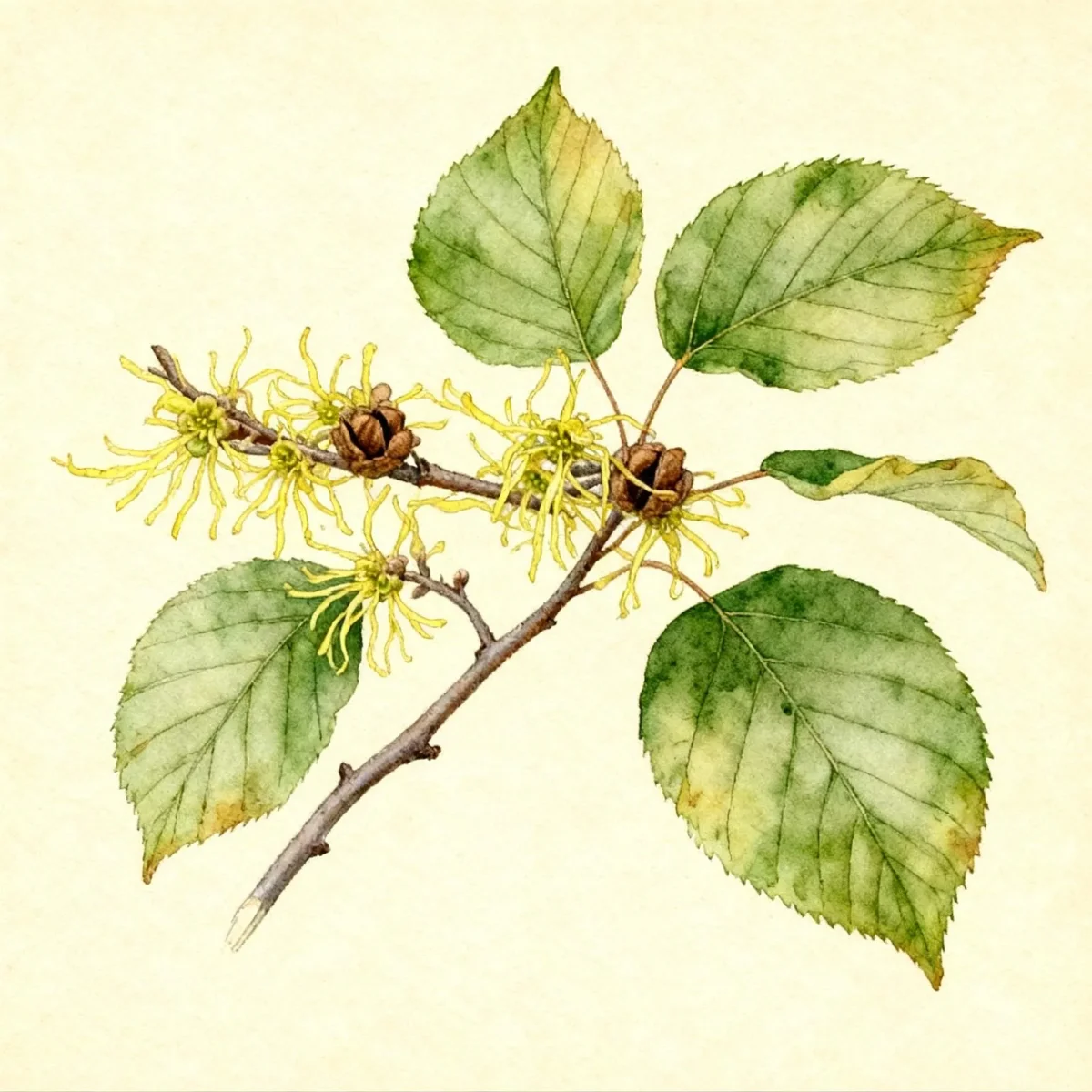
Hamamelis virginiana, known as common witch hazel, is a fall-blooming, deciduous shrub or small tree that is native to woodlands, forest margins and stream banks in eastern North America. It typically grows 15-20’ tall with a similar spread in cultivation, but can reach 30’ tall in its native habitat. Stem-hugging clusters of fragrant bright yellow flowers, each with four crinkly, ribbon-shaped petals, appear along the branches from October to December, usually after leaf drop but sometimes at the time of fall color.
Tolerances
- Deer
- Erosion
- Clay Soil
Potential Problems
Insect issues are typically minor for Hamamelis virginiana and rarely necessitate heavy chemical intervention. Gardeners should remain vigilant for leaf-chewing insects like caterpillars or Japanese beetles, which may affect the foliage during the summer months. Potential pests also include sap-suckers such as gall aphids, scale insects, leafrollers, and leafminers. On the disease front, watch out for powdery mildew, which can sometimes appear, along with sporadic leaf spot issues. Regular monitoring and prompt removal of affected foliage usually suffice for management.
Frequently Asked Questions
What hardiness zones is Common witch hazel suitable for?
Common witch hazel is well-suited for USDA Zones 3 through 8, offering excellent cold tolerance.
How large does Common witch hazel grow?
This deciduous shrub typically reaches a mature height between 15 to 20 feet, with a similar spread of 15 to 20 feet.
What sun exposure does Hamamelis virginiana need?
For the most abundant bloom, Hamamelis virginiana requires full sun, though it will tolerate partial shade conditions.
When does Common witch hazel bloom?
The unusual bloom time for Common witch hazel is generally from October through December, displaying its distinctive yellow flowers.
Conclusion
The unique late-season flowering habit of Hamamelis virginiana ensures year-round interest, making the common witch hazel a vital structural element in the winter garden. Its robust nature and low maintenance profile solidify its status as an excellent choice for native plantings and challenging sites. Before planting, confirm that your site falls within USDA Zones 3-8 and provides at least partial sun exposure to maximize its spectacular fall and winter display.
Companion Planting
When incorporating Hamamelis virginiana into a woodland landscape, pair it with late-blooming deciduous plants or plants that offer strong winter interest. Consider companion planting with later-flowering Hydrangeas or woodland Phlox, which share similar soil moisture preferences. Because Hamamelis virginiana tolerates shade, planting it near taller deciduous trees, such as Oaks, allows it to thrive at the woodland edge while still receiving enough light for optimal flowering. Selecting natives that bloom earlier in the spring also ensures a continuous sequence of visual appeal throughout the growing season.
Seasonal Care Calendar
Spring is the ideal time for any necessary structural pruning of your Hamamelis virginiana; remove crossing or dead branches, keeping in mind that heavy pruning is rarely needed. During the growing season (late spring through summer), monitor for pest activity, though intervention is seldom required. Fall is when the plant puts on its main show; observe the transformation as bright yellow flowers emerge, often after the leaves have dropped. Winter care primarily involves appreciating the fragrant blooms and confirming that suckering growth is managed if desired.