Sweet gum (Liquidambar acalycina)
Liquidambar acalycina, the Asian Sweet gum (Sweet gum), is a low-maintenance deciduous tree offering superb three-season color.
Scroll down to discover growing tips, care requirements, companion plants, and more
Complete Plant Information
Overview
The Liquidambar acalycina, commonly referred to as Sweet gum, is a highly ornamental deciduous tree native to the montane forests of China. It provides excellent structure and outstanding seasonal color, making it a valued addition to expansive landscapes where its full size can be appreciated. Gardeners seek out this species for its manageable size relative to its American cousin and its reliable autumn display.
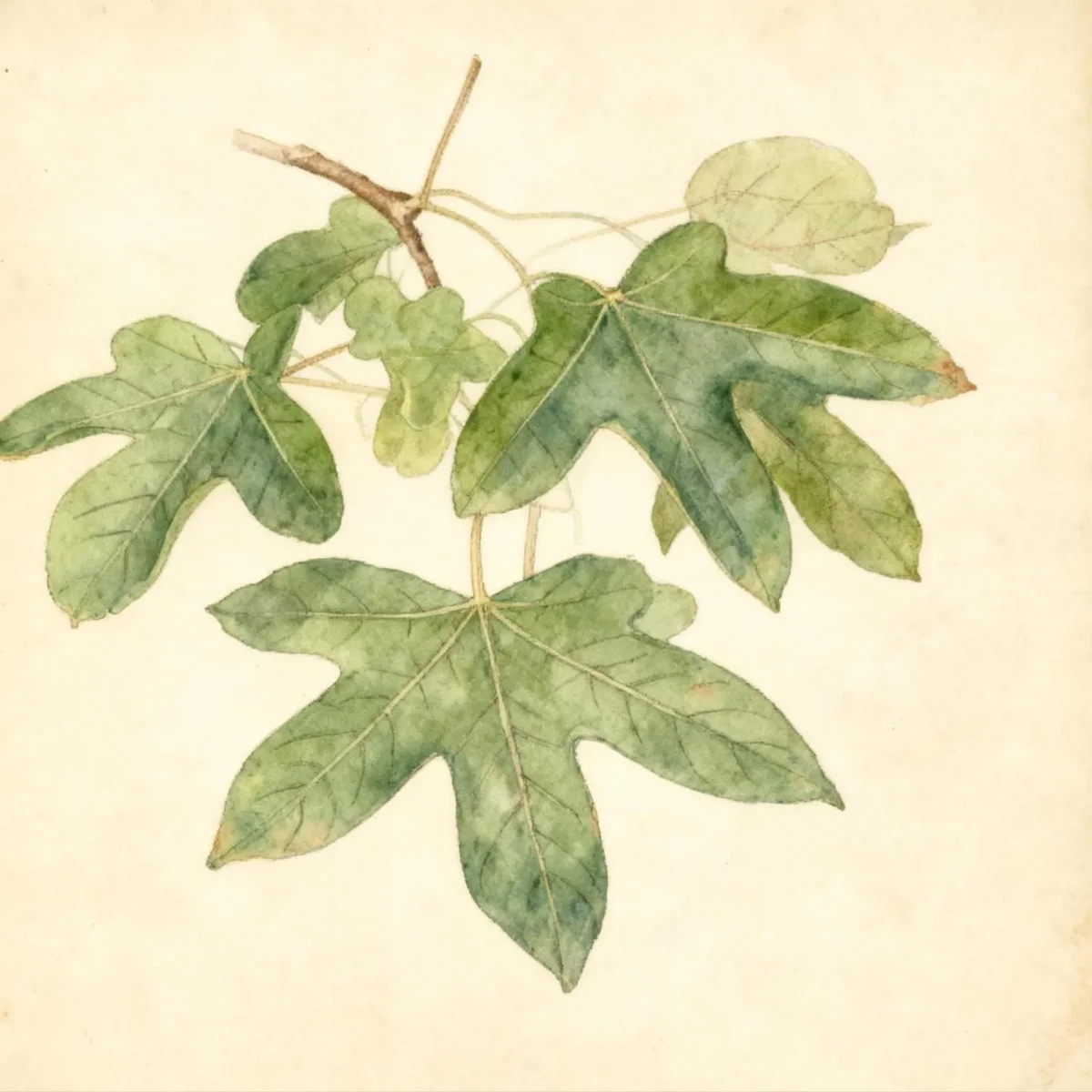
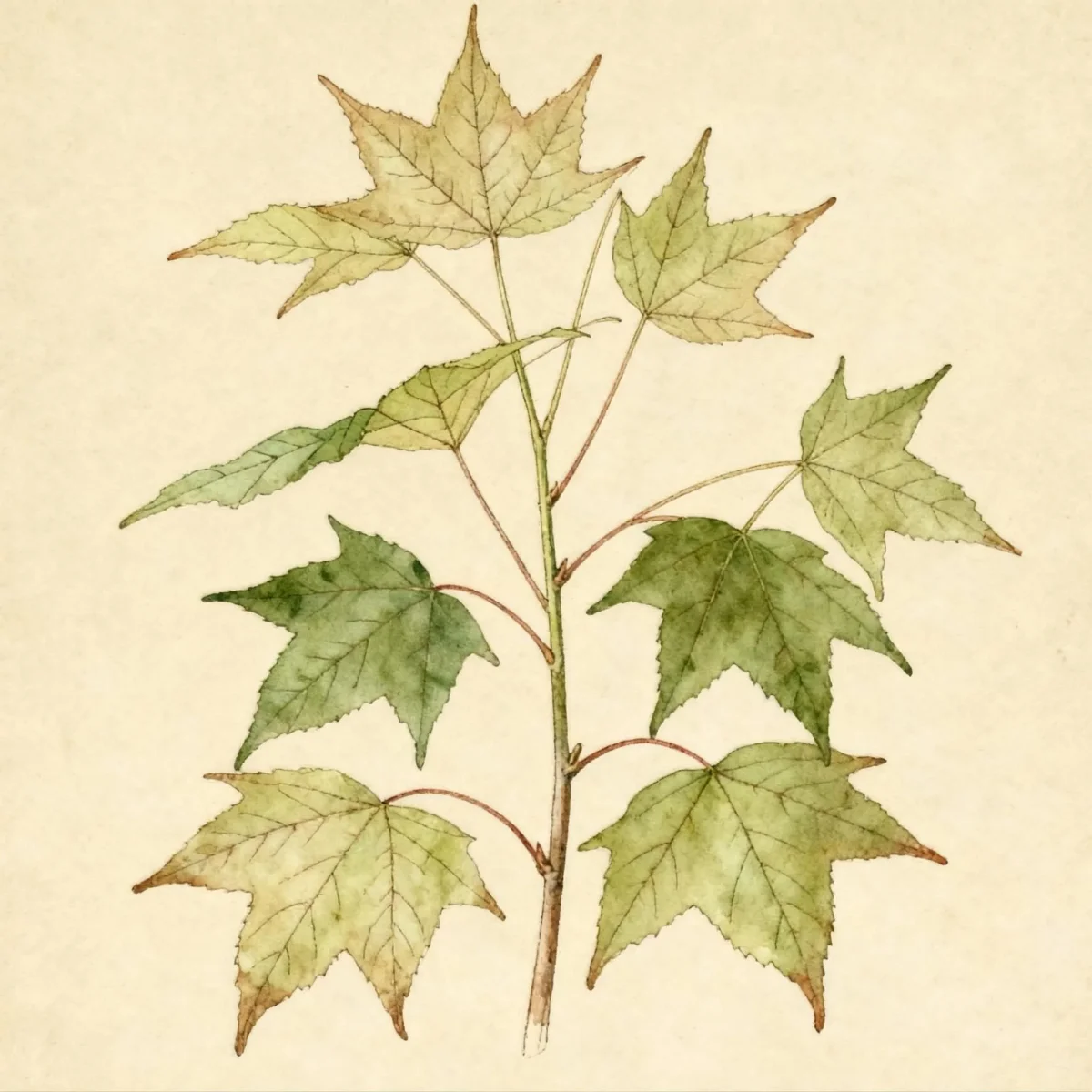
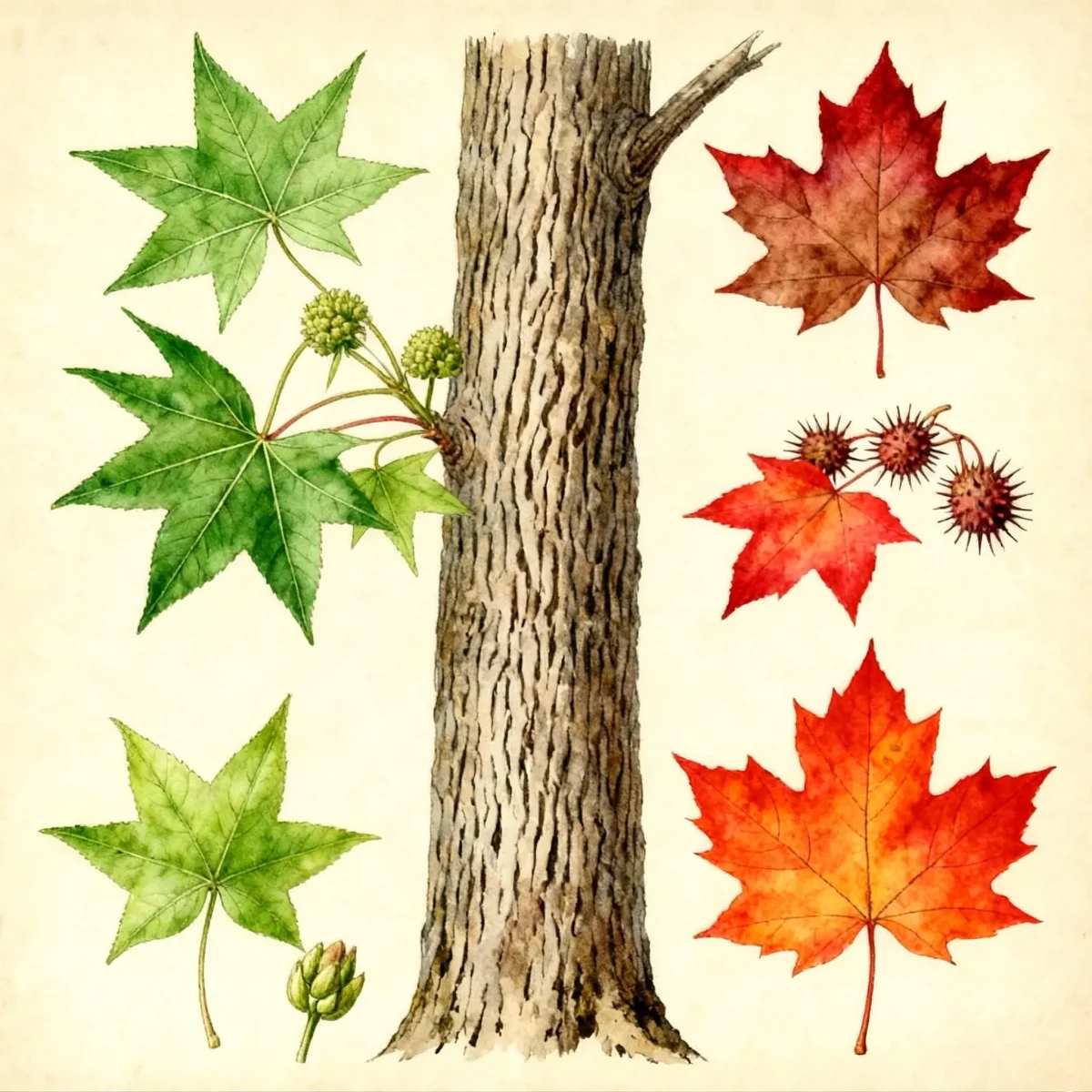
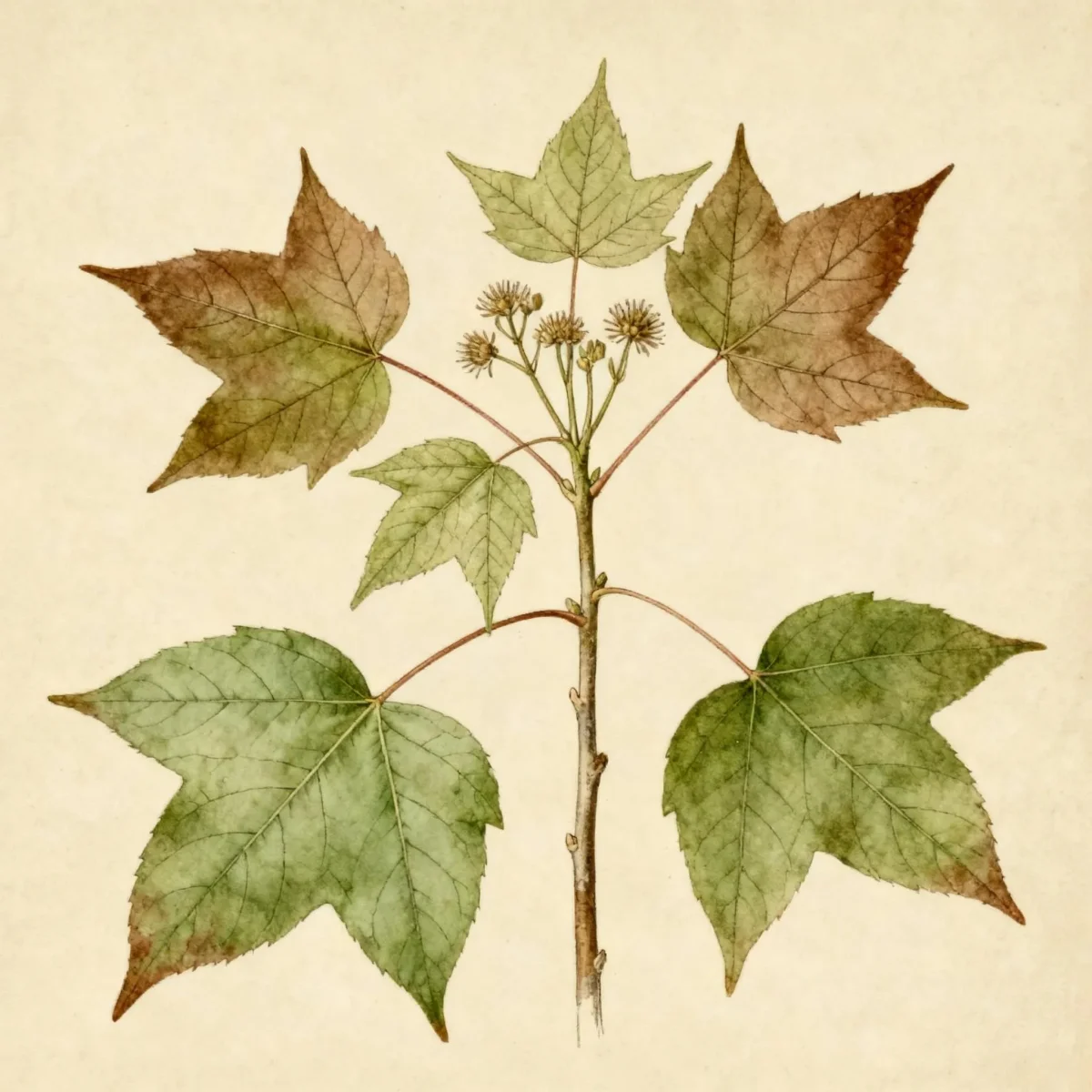
This low-maintenance tree typically matures between 30 and 50 feet tall, featuring an upright, pyramidal, or oblong-rounded canopy. Its distinctive maple-like foliage emerges burgundy, turns deep green in summer, and transitions into striking shades of red and purple before leaf drop. While the flowers are largely unnoticeable, the resulting fruit provides visual interest late into the winter months.
For those seeking large, specimen trees in appropriate climates, the Sweet gum offers proven hardiness through USDA Zones 6 to 9. Successful cultivation relies on providing abundant sunlight and ensuring adequate moisture. Planting Liquidambar acalycina in large open areas allows it to develop its best shape, offering substantial shade year after year.
Fast Facts
- Plant Family: Altingiaceae
- Plant Type: Tree
- Native Range: China
- Hardiness Zones: USDA Zones 6-9
- Size at Maturity:
- Height: 30-50 ft
- Spread: 20-30 ft
- Bloom Time: April to May
- Bloom Description: Yellowish-green
- Sun Exposure: Full sun
- Water Needs: Medium
- Maintenance Level: Low
How to Grow
Plant Liquidambar acalycina during the dormant season—either late fall after leaf drop or early spring before buds swell—to maximize root establishment. Ensure a large planting area, as this tree will eventually reach 30 feet wide. It thrives in average, well-drained soils that are medium in moisture, thriving best in deep, fertile substrate. Importantly, avoid planting this species in highly alkaline soil conditions, as this will induce iron chlorosis, causing yellowing leaves.
Watering should be consistent, especially during establishment, maintaining medium soil moisture. While it tolerates a range of soils, it performs poorly in dense shade, placing it firmly in the “Full Sun” requirement category. Pruning is generally minimal for this low-maintenance tree; focus only on removing damaged or crossing branches as needed.
Be aware of regional limitations; trees may struggle with winter hardiness if exposed to severe cold snaps in the northern limits of Zone 6, such as experienced in areas like St. Louis. Site selection focused on good air circulation and protection from harsh winds can help mitigate early season stress.
Landscape Uses
The primary function of the Sweet gum is serving as an excellent shade tree, suitable for placement in spacious lawns, parks, or large garden vistas. Its substantial height and pyramidal structure make it a commanding vertical accent in the landscape design. Because Liquidambar acalycina requires ample room to spread its roots and canopy, it should be sited far from structures or paved paths where root encroachment could cause damage.
When selecting companions, choose understory plantings or surrounding shrubs that also tolerate full sun and well-drained conditions. Consider using shade-tolerant perennials beneath its canopy once the tree matures, as the light underneath will become dappled. Due to concerns regarding fruit litter clean up, street tree installation is often limited, making it best reserved for private estates or large acreage.
Standout Features
Flower Qualities
- Insignificant
Fruit Qualities
- Showy
Noteworthy Characteristics
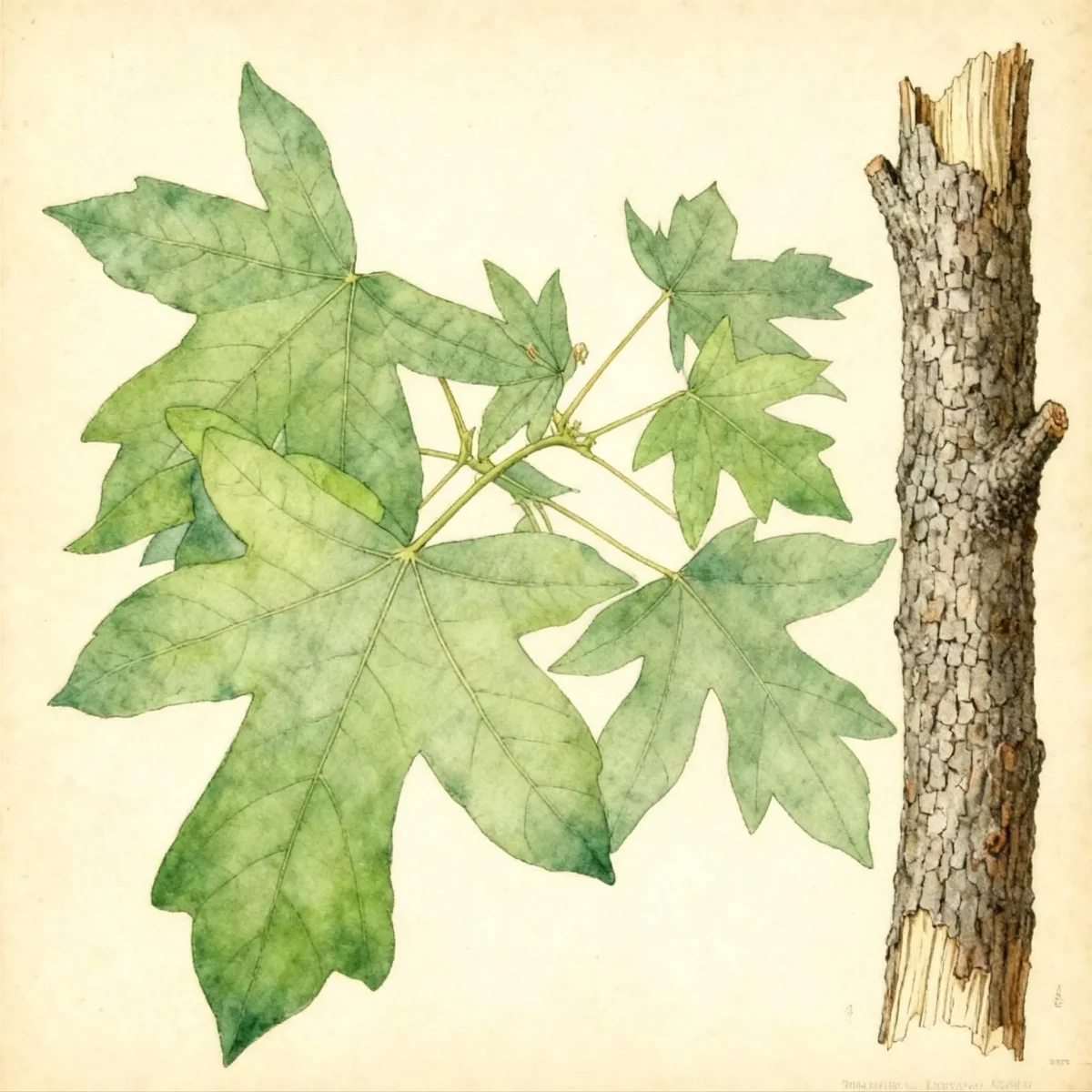
Liquidambar acalycina, commonly known as sweet gum, is a low-maintenance deciduous tree that is native to montane forests in southern China. It typically matures to 30-50’ tall with an upright, pyramidal-conical to oblong-rounded form. Maple-like leaves (3-6” across) have three, large, pointed lobes, offering stunning fall color. The common name of sweet gum refers to an aromatic sweet balsam or gum that exudes from wounds to the tree.
Tolerances
- Deer
Potential Problems
This Sweet gum generally exhibits few major issues concerning insects or diseases, which contributes to its low maintenance rating. However, gardeners should monitor for common pests such as webworms, bagworms, caterpillars, leaf miners, borers, and scale, particularly if the tree is stressed. More significant problems can include canker and bleeding necrosis, which may require targeted horticultural intervention. Leaf spots and wood rot are also potential cosmetic or structural issues in wet, unfavorable conditions.
To prevent common ailments, ensure excellent soil drainage and avoid over-fertilization, which can sometimes encourage pest outbreaks. If iron chlorosis becomes apparent in alkaline soils, apply chelated iron treatments promptly to restore healthy green foliage.
Frequently Asked Questions
What hardiness zones is Liquidambar acalycina suitable for?
The Sweet gum, Liquidambar acalycina, is generally recommended for USDA Hardiness Zones 6 through 9.
How large does Sweet gum grow?
Mature specimens typically reach heights between 30 and 50 feet, with a spread of 20 to 30 feet, demanding significant space in the landscape.
What sun exposure does Liquidambar acalycina need?
This tree requires full sun exposure to thrive and develop its best form and fall coloration, as it is intolerant of significant shade.
When does Sweet gum bloom?
The yellowish-green flowers of the Sweet gum appear relatively early in the season, typically from April to May.
Conclusion
The Liquidambar acalycina is a robust, visually rewarding specimen tree, offering unique foliage color and low maintenance requirements. Its manageable size compared to other species makes the Sweet gum a superb choice for creating lasting shade in large settings within Zones 6-9. Before planting, carefully assess your site to ensure adequate space and appropriate soil pH for optimal long-term health.
Companion Planting
Selecting companions for Liquidambar acalycina involves focusing on plants that share preference for full sun and well-drained, medium-moisture soils. Smaller, deep-rooted shrubs or acid-loving perennials that do not compete aggressively for surface nutrients are ideal partners. Avoid groundcovers that require consistent moisture or heavy shade, as the established root system of the mature Sweet gum will dominate the immediate area.
Seasonal Care Calendar
Spring preparation for your Sweet gum involves inspecting the canopy for any winter damage; promptly prune out dead or broken wood once growth begins in earnest. Summer care centers around routine checks for potential insect activity, like inspecting for tent-forming caterpillars. In autumn, enjoy the brilliant red and purple foliage display as the Liquidambar acalycina prepares for dormancy. Minimal winter preparation is required beyond ensuring the soil does not completely dry out if you experience a mild, dry winter in Zone 8 or 9.