Formosan gum (Liquidambar formosana)
Liquidambar formosana, the Formosan gum, is a low-maintenance deciduous tree offering great shade potential with variable fall color.
Scroll down to discover growing tips, care requirements, companion plants, and more

Complete Plant Information
Overview
The Formosan gum, or Liquidambar formosana, is an esteemed deciduous tree hailing from the native regions of Southern China and Taiwan. It serves as an excellent specimen for providing expansive shade in larger landscapes due to its substantial mature size and generally attractive, rounded crown development. Gardeners value this tree for its low maintenance requirements once established, making it a handsome addition to parks and spacious yards.
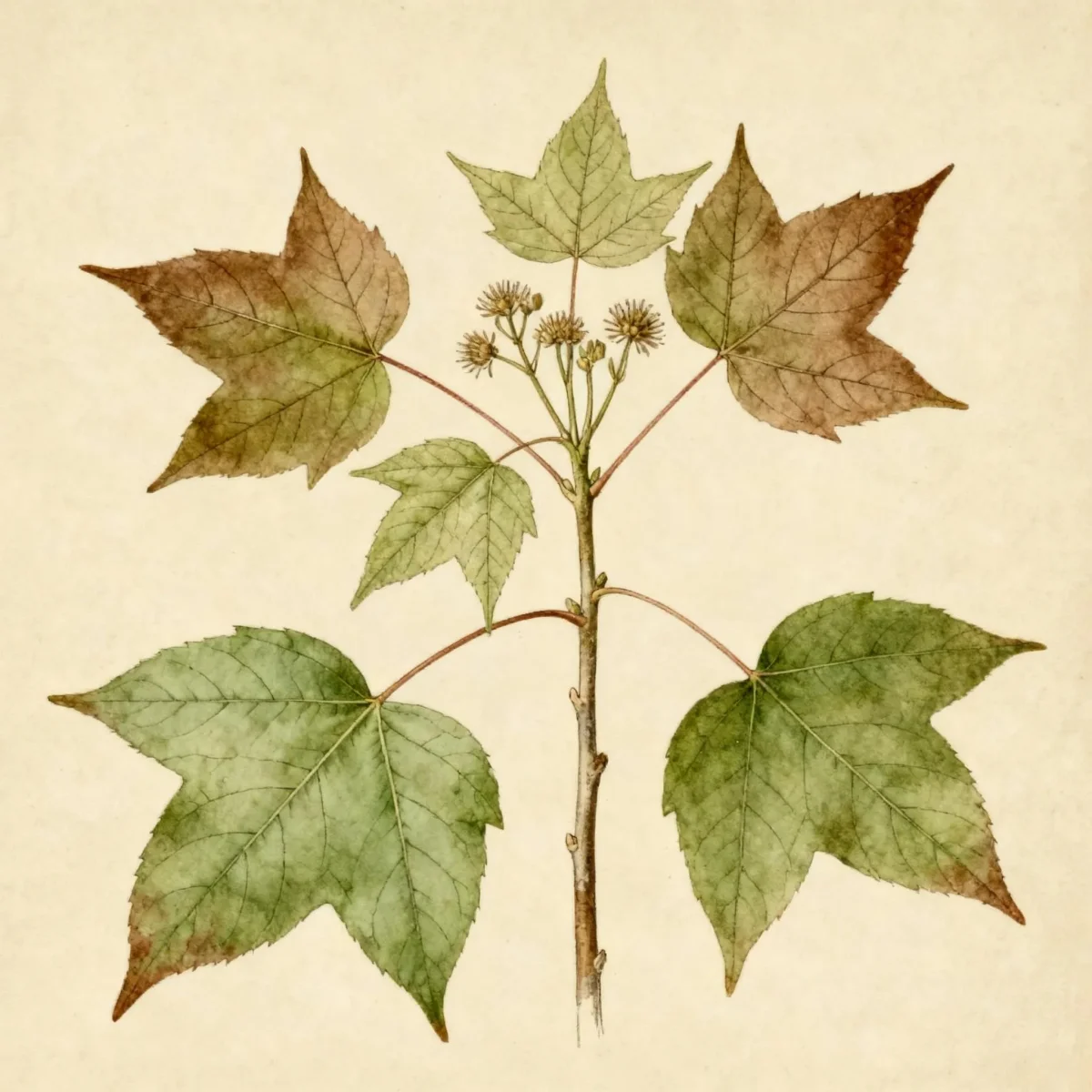
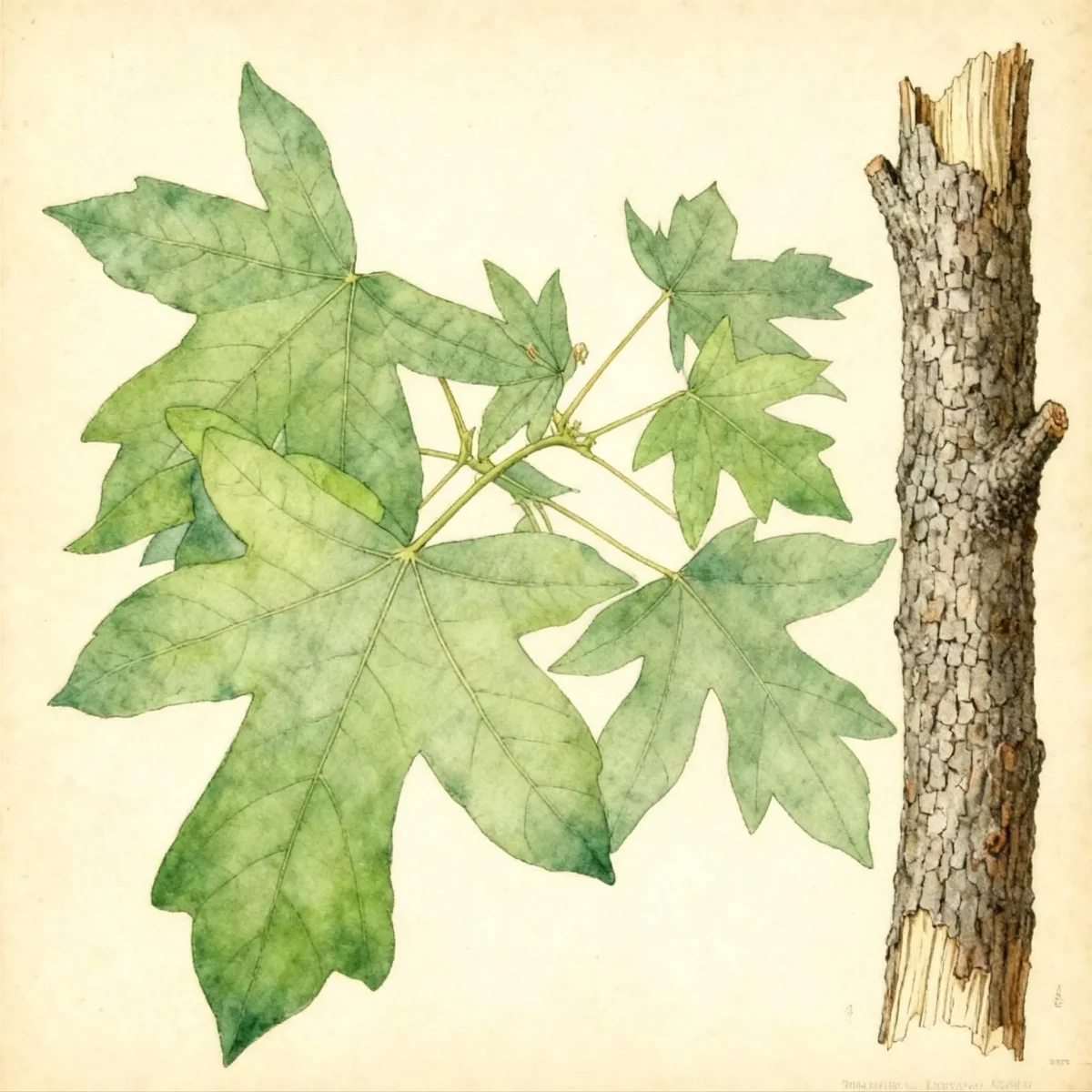
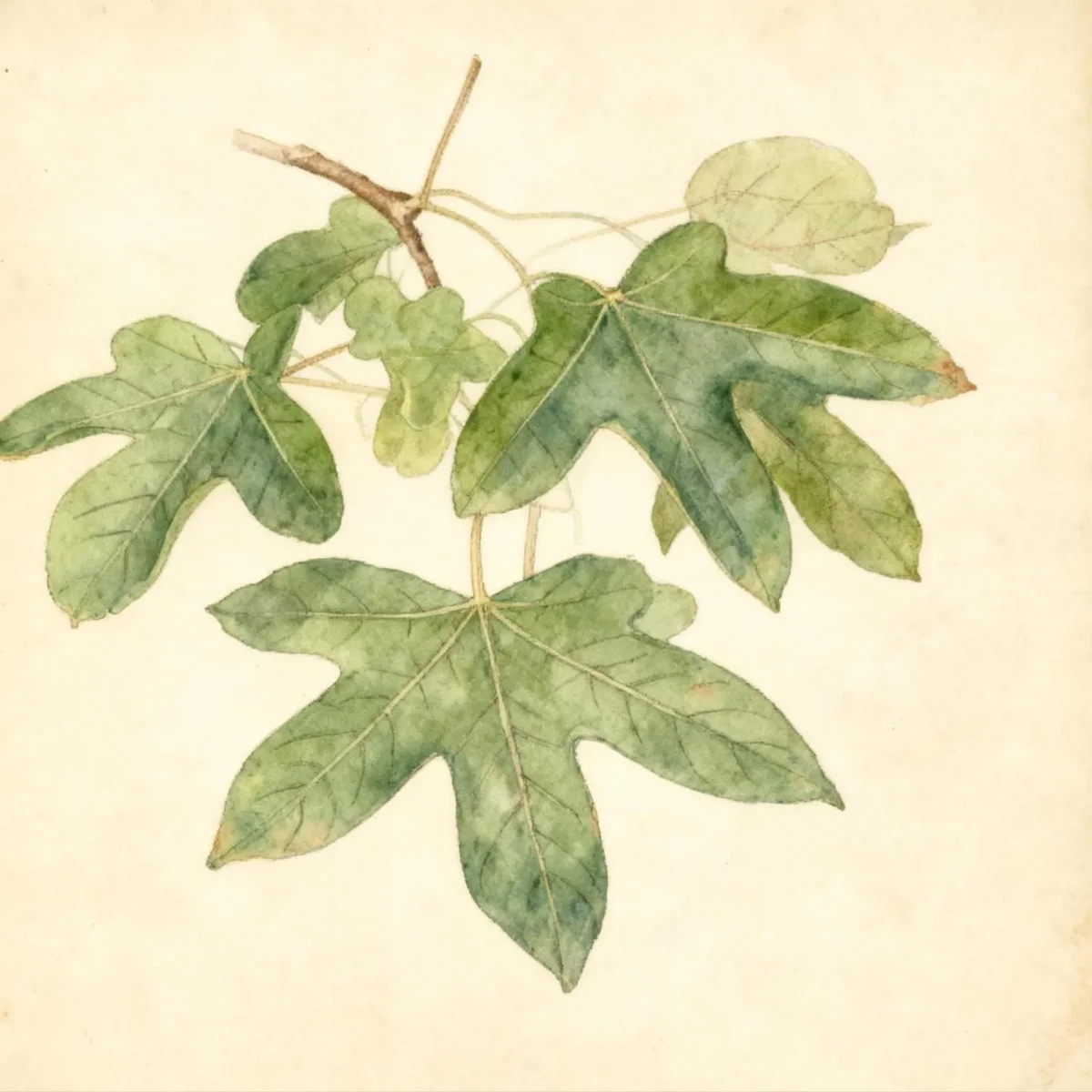
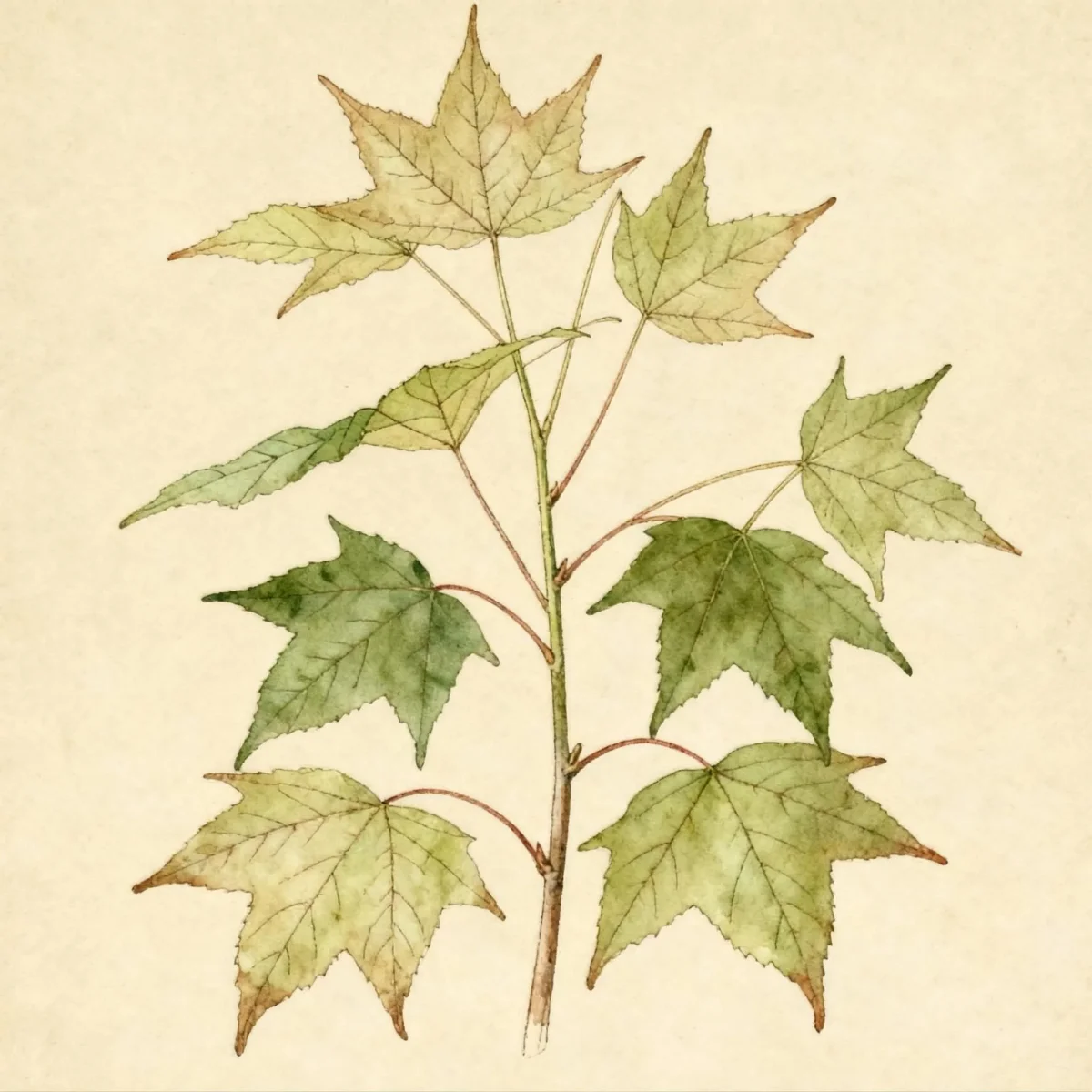
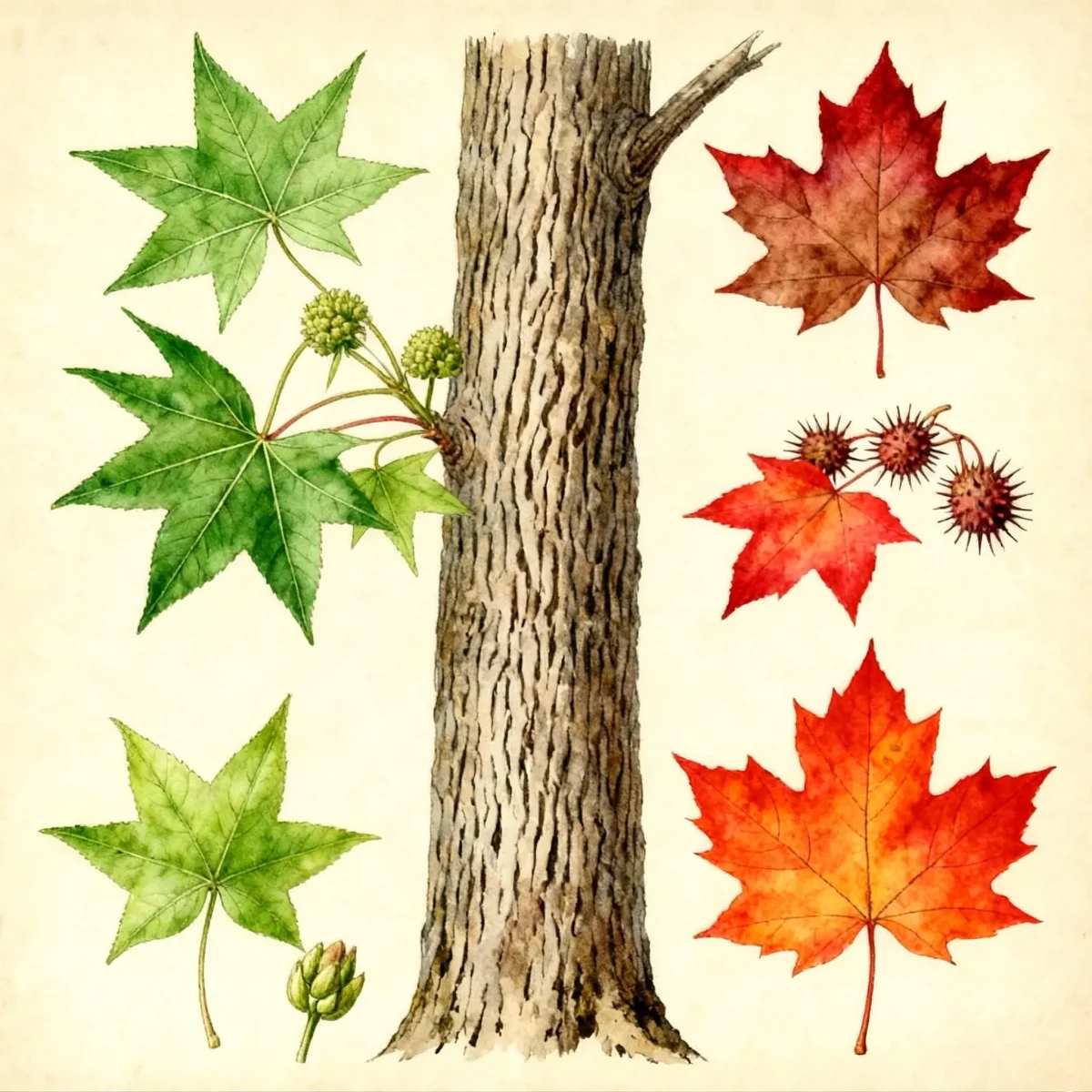
This species is known for its striking, glossy green, three-to-five lobed leaves that offer interesting textural contrast. While the spring bloom is subtle, the resulting fruit clusters—known as gum balls—are sufficiently noteworthy to be listed as showy. As the season wanes, the foliage of Liquidambar formosana transitions through variable fall colors, sometimes reaching impressive reds and yellows.
Understanding the cultural needs of Liquidambar formosana is key; it thrives best in full sun and prefers consistently moist, fertile, well-drained conditions. While highly adaptable, gardeners should be mindful of its intolerance to highly alkaline locations, which can induce chlorosis.
Fast Facts
- Plant Family: Altingiaceae
- Plant Type: Tree
- Native Range: Southern China, Taiwan
- Hardiness Zones: USDA Zones 7-9
- Size at Maturity:
- Height: 40-60 ft
- Spread: 25-30 ft
- Bloom Time: April to May
- Bloom Description: Yellowish-green
- Sun Exposure: Full sun
- Water Needs: Medium
- Maintenance Level: Low
How to Grow
Planting the Formosan gum is best achieved in the spring after the danger of frost has passed, allowing the roots maximum time to establish before summer heat. Choose a location that guarantees full sun exposure, as this tree is intolerant of significant shade. While it adapts to various soils, optimal growth occurs in deep, continually moist, fertile, and well-drained media. It is crucial to avoid strongly alkaline soils where iron chlorosis problems are likely to develop.
Once established, the Liquidambar formosana requires medium water input, especially during dry spells. While fertilization is generally not necessary in fertile soils, focus on deep, infrequent watering sessions rather than shallow sprinkling. Pruning should primarily be structural when the tree is young to establish a strong central leader, maintaining the pyramidal shape it often exhibits early in life before it broadens into an oval crown.
Seasonal care for Liquidambar formosana involves managing the litter, particularly the fallen gum balls from December through April, which necessitates site planning away from pedestrian walkways. Furthermore, though generally hardy in Zones 7-9, avoid planting in the cooler northern reaches of Zone 6, as winter hardiness is not reliably proven there.
Landscape Uses
The primary landscape role for the Formosan gum is as a superior shade provider. Its eventual height and considerable spread (up to 60 feet tall and 30 feet wide) demand a large, open area, such as a substantial lawn space, park setting, or large acreage where its canopy dominance can be safely appreciated. It offers a superb alternative to native sweet gum where a slightly different aesthetic or regional hardiness zone applies.
When utilizing Liquidambar formosana, plan carefully around infrastructure, noting that its root system may cause issues with sidewalks or septic systems over decades, making it less ideal for narrow street tree applications. Due to its ornamental value in specimen planting, consider pairing it with lower-growing, acid-tolerant shrubs near the drip line that share its medium water needs but do not compete aggressively for surface nutrients.
While the wood of this species has commercial uses, in the garden setting, focus on its aesthetic contributions—deep green foliage, moderate seasonal fall color, and year-round structure provided by the persistent, dark brown spiny fruit clusters.
Standout Features
Flower Qualities
- Insignificant
Fruit Qualities
- Showy
Noteworthy Characteristics
Liquidambar formosana, commonly called Formosa sweet gum, is a low-maintenance deciduous shade tree that is native to southern China and Taiwan. It typically matures to 40-60’ (less frequently to 120’) tall with a straight trunk. Glossy, long-stalked, deep green leaves have three-five lobes, offering texture in the landscape. Female flowers mature into spiny gum balls which usually remain on the tree through winter, creating seasonal clean-up concerns between December and April.
Tolerances
- Deer
Potential Problems
Generally, the Formosan gum exhibits excellent resistance to serious insect or disease pressures, which contributes to its low maintenance classification. However, gardeners should remain vigilant for sporadic issues like webworms, bagworms, caterpillars, leaf miners, borers, and scale, which can appear in certain climates. More significant concerns that require monitoring include canker and bleeding necrosis, which can impact tree health severely.
To mitigate potential issues, ensure excellent air circulation by allowing adequate space between trees, which is crucial to reducing fungal risks contributing to leaf spots and wood rot. The most predictable cultural problem is iron chlorosis, which occurs specifically when Liquidambar formosana is planted in alkaline soils, manifesting as yellowing of the leaves. Prevention involves selecting an appropriate acidic soil location from the outset.
Frequently Asked Questions
What hardiness zones is Formosan gum suitable for?
Liquidambar formosana is reliably hardy in USDA Zones 7 through 9.
How large does the Formosan gum grow?
This tree typically reaches heights between 40 and 60 feet, with a corresponding spread of 25 to 30 feet at mature size.
What sun exposure does Liquidambar formosana need?
The Formosan gum requires full sun exposure to develop properly, as it is intolerant of substantial shade.
When does Liquidambar formosana bloom?
Bloom occurs relatively early in the season, from April to May, producing inconspicuous, yellowish-green flowers.
Conclusion
The Liquidambar formosana offers landscape designers a robust, low-maintenance shade solution with handsome foliage and interesting structural elements provided by its persistent fruit clusters. This Formosan gum is a reliable choice for subtropical to warm-temperate settings within Zones 7-9. Before planting, confirm your location offers full sun and appropriately acidic soil to ensure decades of healthy growth.
Companion Planting Options
When selecting plants to feature near your Liquidambar formosana, prioritize species that enjoy similar cultural needs—namely, full sun and medium water requirements once established. Because the Formosan gum prefers deep, fertile soils, consider massing lower-growing, acid-loving shrubs around the periphery of the canopy drip line. Good choices include Azaleas (Rhododendron species) or Camellias, provided their soil profiles are amended appropriately to avoid alkalinity, which this tree dislikes.
For groundcover beneath the canopy, be aware that as the tree matures, litter accumulation can be significant, especially in late winter/early spring. Low-growing perennials that thrive in dappled to partial shade, such as Hellebores or certain Hostas, might succeed closer to the trunk where competition is less, though the Formosan gum prefers full sun overall.
Seasonal Care Calendar
Spring marks the beginning of the active growth phase for Liquidambar formosana. This is the ideal time for any necessary pruning to address crossing branches or to establish good form structure. Monitor younger trees closely for signs of stress or pest presence as the leaves emerge.
Summer care revolves around maintaining consistent moisture levels. While mature trees are moderately drought-tolerant, consistent medium watering encourages the best growth and foliage quality. Avoid heavy fertilization during the summer heat peak.
In autumn, observe the variable leaf display, which can range from muted greens to vibrant reds and yellows. In late fall or early winter, begin planning for the increased clean-up required when the spiny gum balls begin to drop heavily, typically from December through April. Winter protection is generally unnecessary in Zones 8 and 9, but monitor established trees in Zone 7 locations during severe freezes.