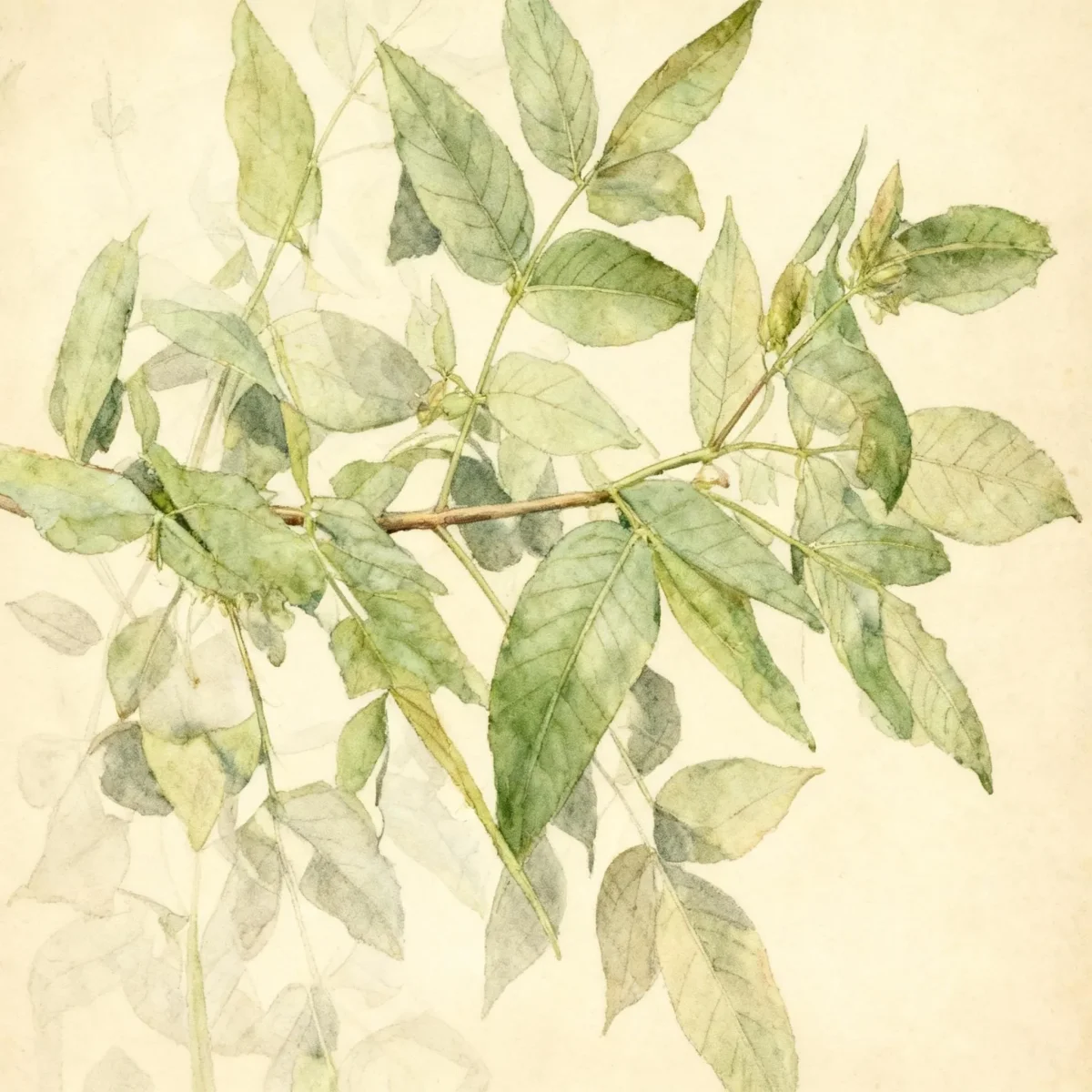
Persian ironwood (Parrotia persica)
Discover Parrotia persica, the stunning Persian ironwood tree, prized for its brilliant fall color and exfoliating bark.
Scroll down to discover growing tips, care requirements, companion plants, and more
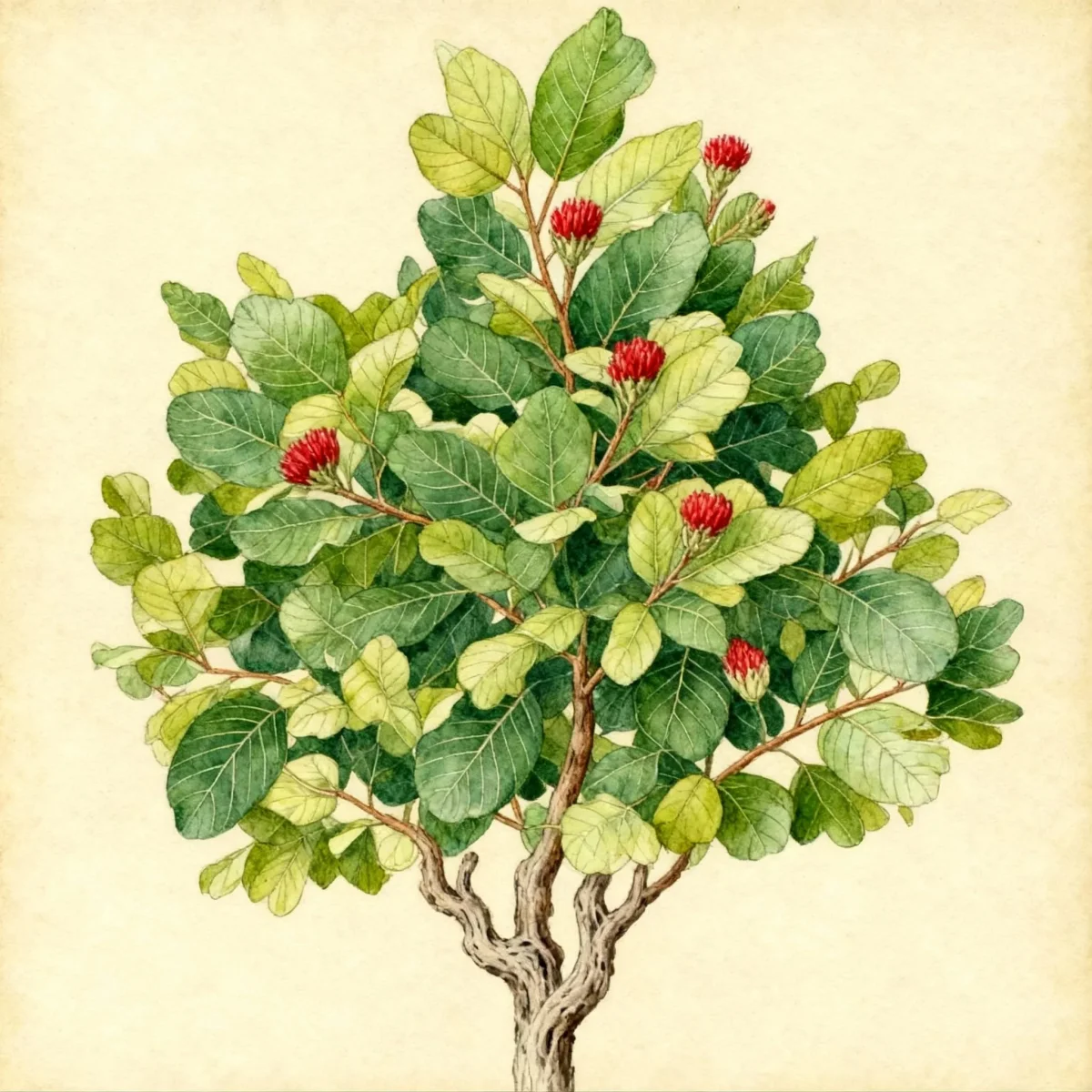
Complete Plant Information
Overview
The Persian ironwood, Parrotia persica, is a highly desirable specimen tree celebrated for its year-round visual appeal. Originating from Northern Iran and the Caucasus, this deciduous tree provides brilliant late-season color and unique bark texture, making it an outstanding choice for year-round garden interest. Gardeners appreciate the Parrotia persica for its structure and its ability to handle challenging urban environments.
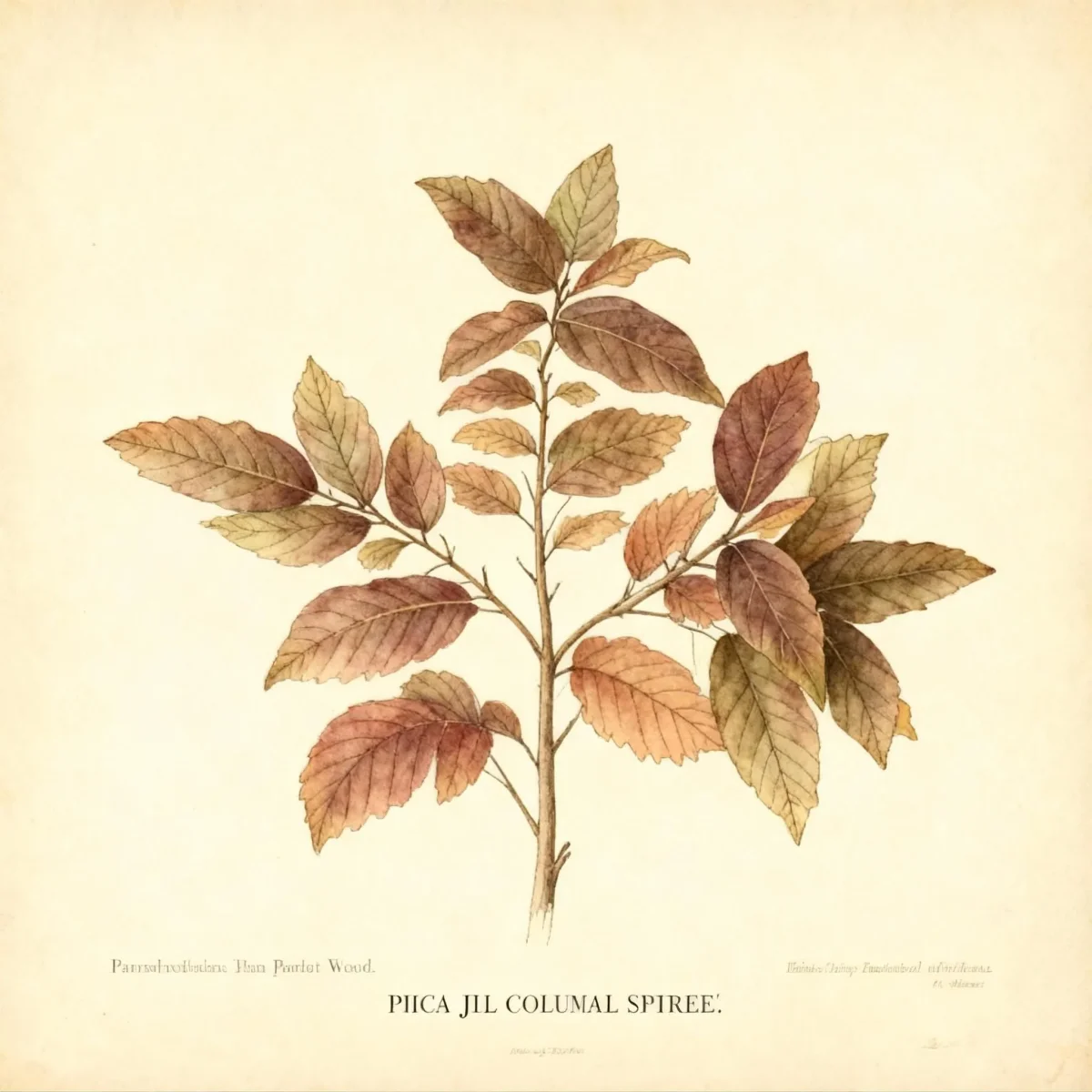
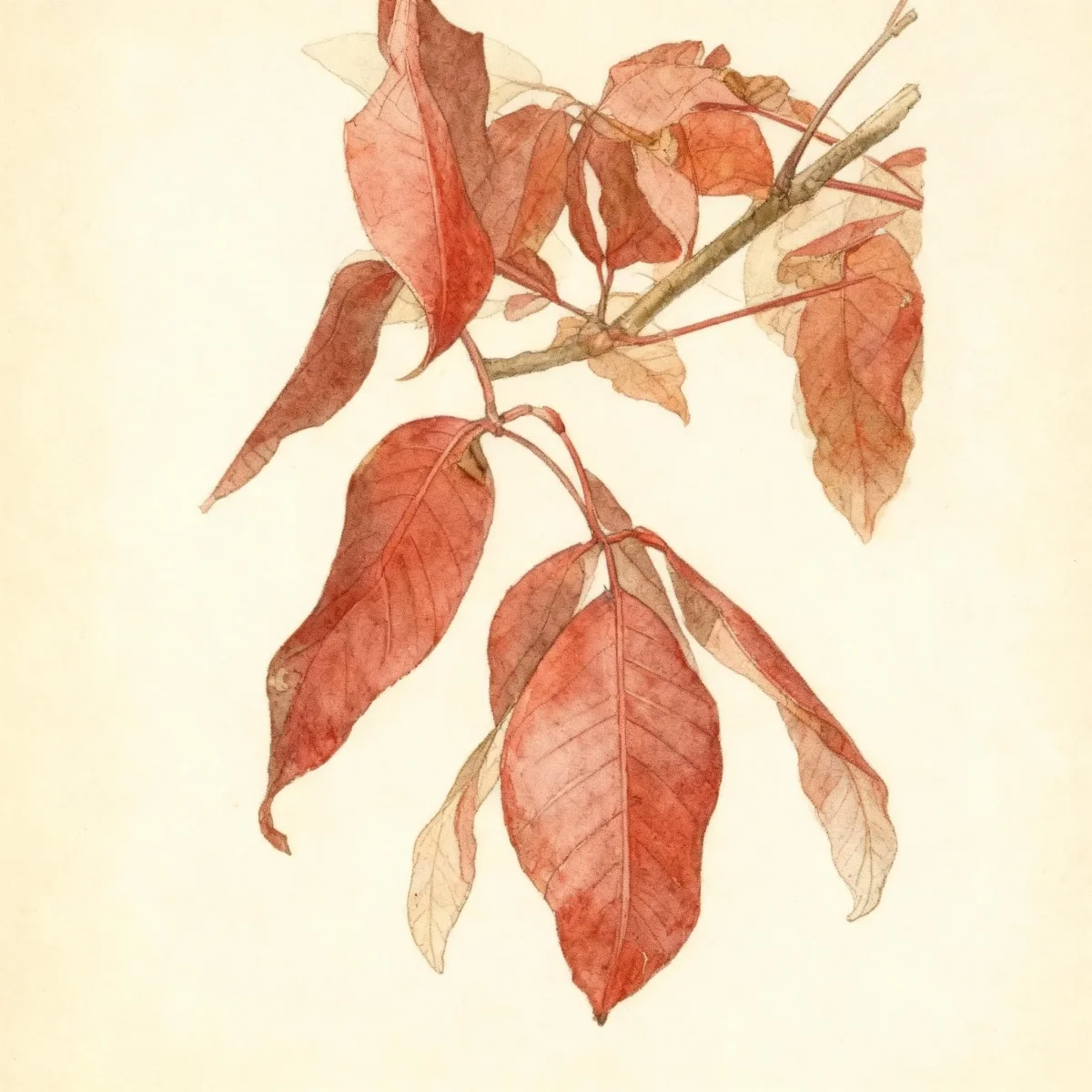
This tree matures slowly, often reaching heights between 20 to 40 feet, typically appearing as a small, graceful single-trunk specimen or a larger, multi-stemmed shrub. While its flowers appear early in late winter to early spring, the true performance of the Persian ironwood lies in its foliage, which transitions through striking shades of yellow, orange, and deep red before leaf drop.
If you seek an architectural plant that offers textural contrast even in winter, the Persian ironwood is an excellent selection. Its tolerance for various soils and urban stresses, like air pollution, ensures its practicality across many garden settings.
Fast Facts
- Plant Family: Hamamelidaceae
- Plant Type: Tree
- Native Range: Northern Iran, Caucaus
- Hardiness Zones: USDA Zones 4-8
- Size at Maturity:
- Height: 20-40 ft
- Spread: 20-30 ft
- Bloom Time: March to April
- Bloom Description: Red
- Sun Exposure: Full sun
- Water Needs: Medium
- Maintenance Level: Medium
How to Grow
The Persian ironwood establishes best when planted in the average, slightly acidic, medium moisture, well-drained soils characteristic of its native habitat. Aim to plant during the dormant seasons—early spring or fall—to allow the root system to establish before summer heat sets in. While full sun encourages the best fall color and densest habit, Parrotia persica tolerates some light shade, though performance may diminish slightly.
Watering should remain consistent, supplying a medium amount of moisture, especially during the establishment phase for the first few years. Once mature, this species is relatively drought-tolerant but performs best with supplemental watering during prolonged dry spells. Fertilization is rarely necessary unless the soil is extremely poor; focus instead on maintaining good soil structure and drainage.
Pruning should be minimal, primarily focusing on removing any dead, damaged, or crossing branches to maintain its natural, attractive shape. Due to exfoliating bark providing exceptional winter interest, avoid heavy pruning that alters the trunk structure significantly. The structure of the Parrotia persica is often allowed to develop naturally, showcasing its multi-stem tendency if grown as a shrub form.
Landscape Uses
The multifaceted nature of the Persian ironwood makes it highly versatile in landscape designs. It excels as a statement piece planted as an excellent small lawn tree where its eventual exfoliating bark and fall display can be fully appreciated. Furthermore, its robustness allows it to function effectively as a durable street tree in urban environments where other species struggle.
When space allows, incorporating the Parrotia persica into foundation plantings, especially when allowed to develop its natural multi-stemmed shrub form, adds significant texture near structures. Consider planting near evergreens, such as pines or columnar junipers, to highlight the brilliant yellow-orange autumn transition of the Ironwood’s foliage. Its medium spread requires consideration to ensure adequate air circulation and viewing distance.
Standout Features
Flower Qualities
- Insignificant
Noteworthy Characteristics
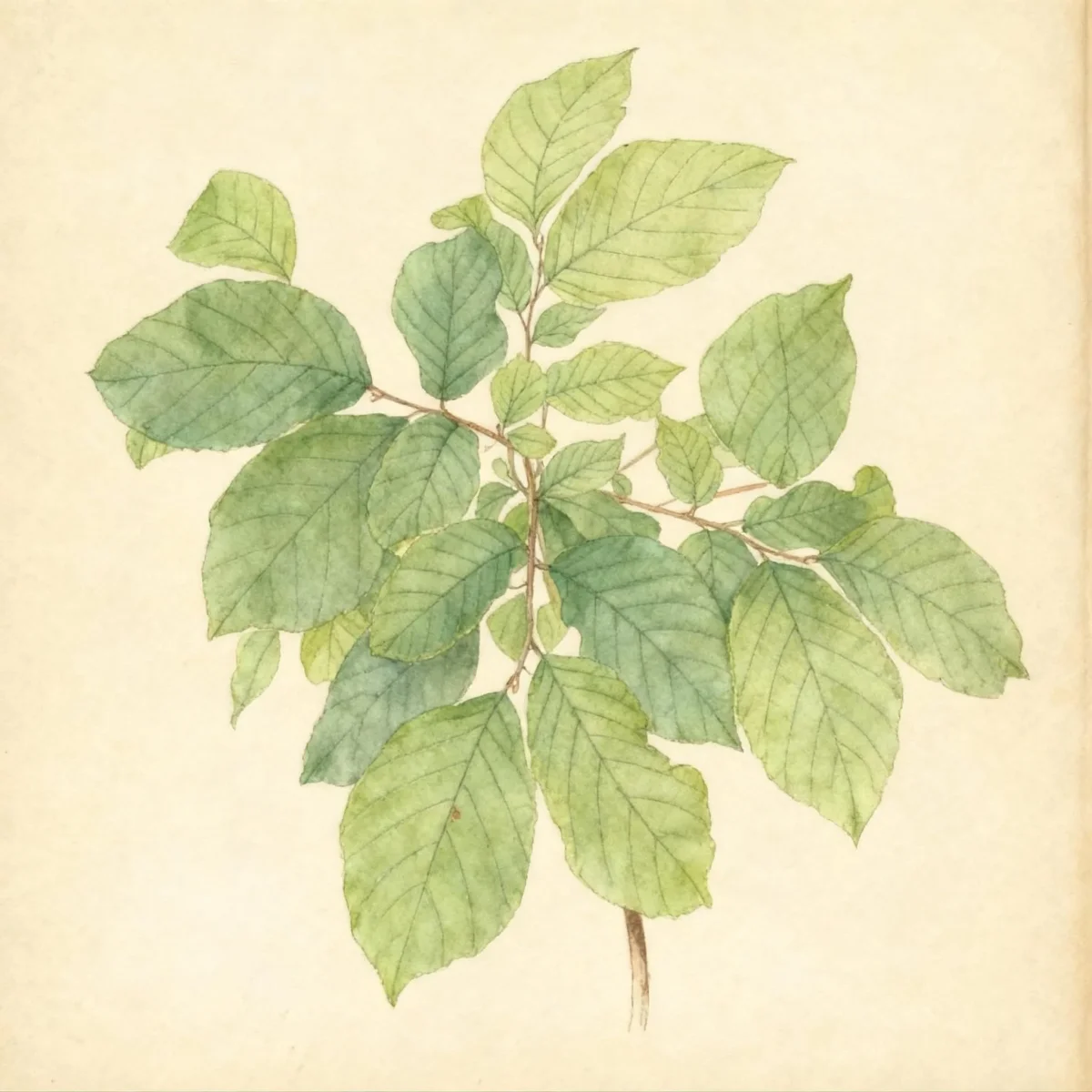
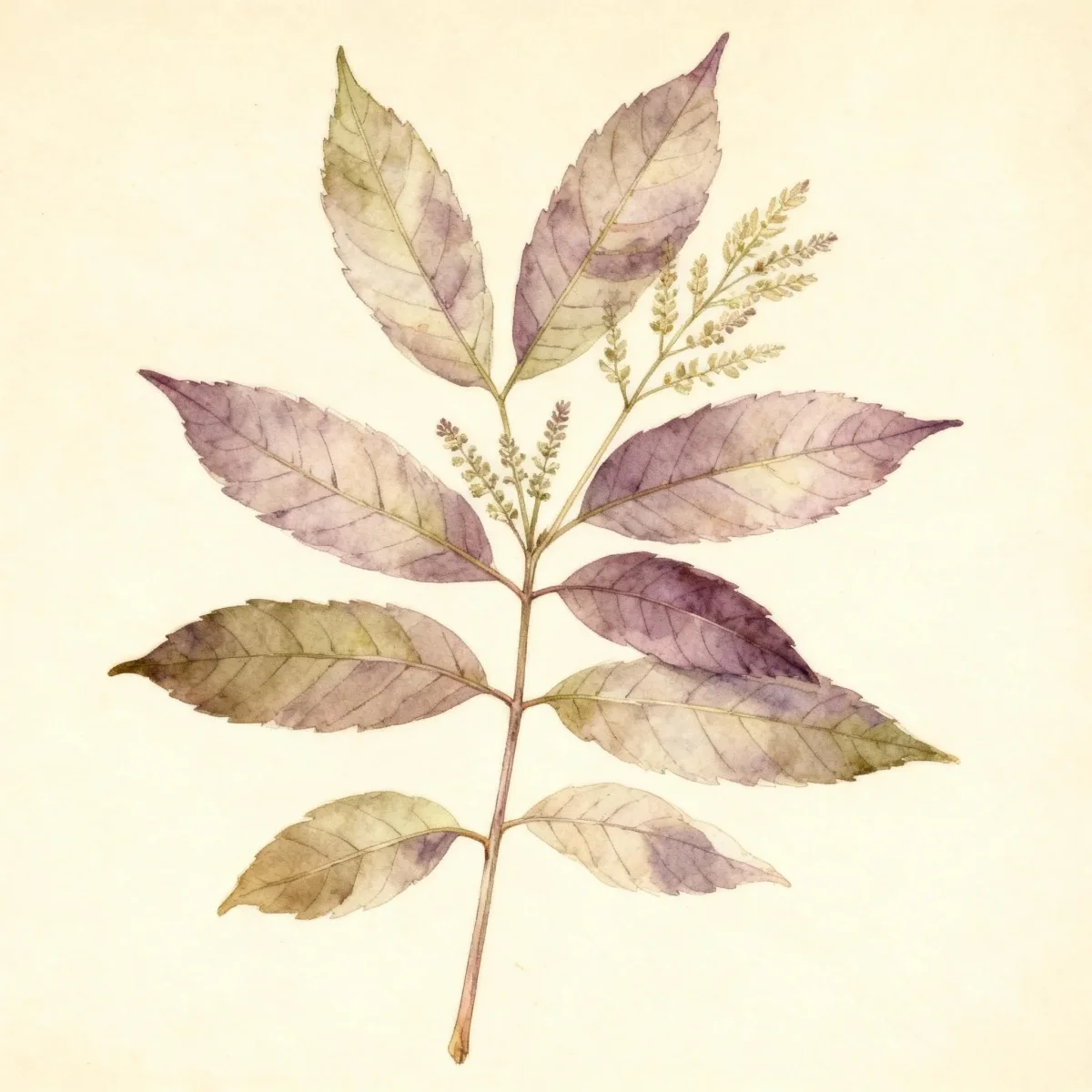
Parrotia persica, commonly called Persian ironwood, is a small to medium sized, single trunk, deciduous tree eventually growing 20-40’ tall (but typically 10’ after 7-8 years) or a large, multi-stemmed shrub growing to 15’ tall. Apetalous flowers with dense, red stamens surrounded by brownish bracts appear in late winter to early spring before the foliage. Flowers are attractive on close inspection, but are generally considered to be somewhat insignificant. Oval to oblong leaves (to 4” long) emerge reddish-purple in spring, mature to a lustrous, medium to dark green in summer and change to variable shades of yellow, orange and red in fall, offering one of the best autumn shows available. The bark of mature trees exfoliates to show green, white or tan patches beneath and provides excellent winter interest.
Tolerances
- Clay Soil
- Air Pollution
Potential Problems
The Parrotia persica is generally regarded as a tough and reliable specimen, suffering from no serious insect or disease problems when grown in appropriate cultural conditions. This low-maintenance profile is a major advantage for busy gardeners. Should you observe any minor pest issues, they are typically sporadic and rarely require chemical intervention. Prevention centers around proper siting—ensuring excellent drainage—to avoid stress that could invite opportunistic pests or fungal issues.
Frequently Asked Questions
What hardiness zones is Persian ironwood suitable for?
The Persian ironwood is hardy across USDA Zones 4 through 8, making it adaptable to a wide range of climates across North America.
How large does Parrotia persica grow?
This tree typically reaches a mature height of 20 to 40 feet, with a spread ranging from 20 to 30 feet wide, though it can remain smaller if pruned into a dense shrub form.
What sun exposure does Persian ironwood need?
Parrotia persica requires full sun for optimal growth and the most vibrant fall coloration, although it will tolerate light shade.
When does Parrotia persica bloom?
The Persian ironwood tree blooms relatively early, typically from March to April, displaying small red flowers before the leaves emerge.
Conclusion
For exceptional multi-season interest, the Parrotia persica stands out due to its brilliant foliage display and striking winter bark texture. The reliable nature and tolerance of the Persian ironwood confirm its place as a superb specimen for parks, streets, or residential lawns. Before planting, confirm your USDA hardiness zone compatibility and select a sunny location with well-drained soil to ensure this fantastic tree thrives.
Companion Planting
When selecting companions for the Persian ironwood, focus on plants that share similar cultural needs—namely, well-drained soil and medium water requirements. Taller, dark green evergreens serve as excellent backdrops, allowing the peeling, mottled bark of the mature Parrotia persica to truly stand out during the dormant months. Consider underplanting with shade-tolerant, smaller shrubs like dwarf rhododendrons or azaleas if your tree is sited where it receives partial afternoon shade.
Another effective pairing involves contrasting textures during the fall. Plants featuring deep purples or burgundy foliage, such as certain varieties of Japanese maples (if sited carefully away from full sun exposure), will dramatically offset the fiery oranges and reds characteristic of the Ironwood’s autumn performance. Because Parrotia persica is adaptable to clay, you can also integrate robust native ferns in areas where moisture retention is slightly higher.
Seasonal Care Calendar
Spring is the prime time to watch for the emerging, often reddish-tinted new leaves and the subtle red flowers of the Parrotia persica. Address any structural pruning needs early in this season before vigorous summer growth begins. Summer care primarily revolves around monitoring water needs, providing deep, slow drinks during extended dry periods, especially for younger trees.
As autumn approaches, monitor the color transformation of the Persian ironwood. This is the plant’s most anticipated show, so resist the urge to tidy fallen leaves immediately, allowing observers to enjoy the spectacle. In winter, the tree requires little intervention, offering its naked, sculptural form and exfoliating bark for display; protect young trunks from harsh winter winds if necessary, though established trees are quite resilient.