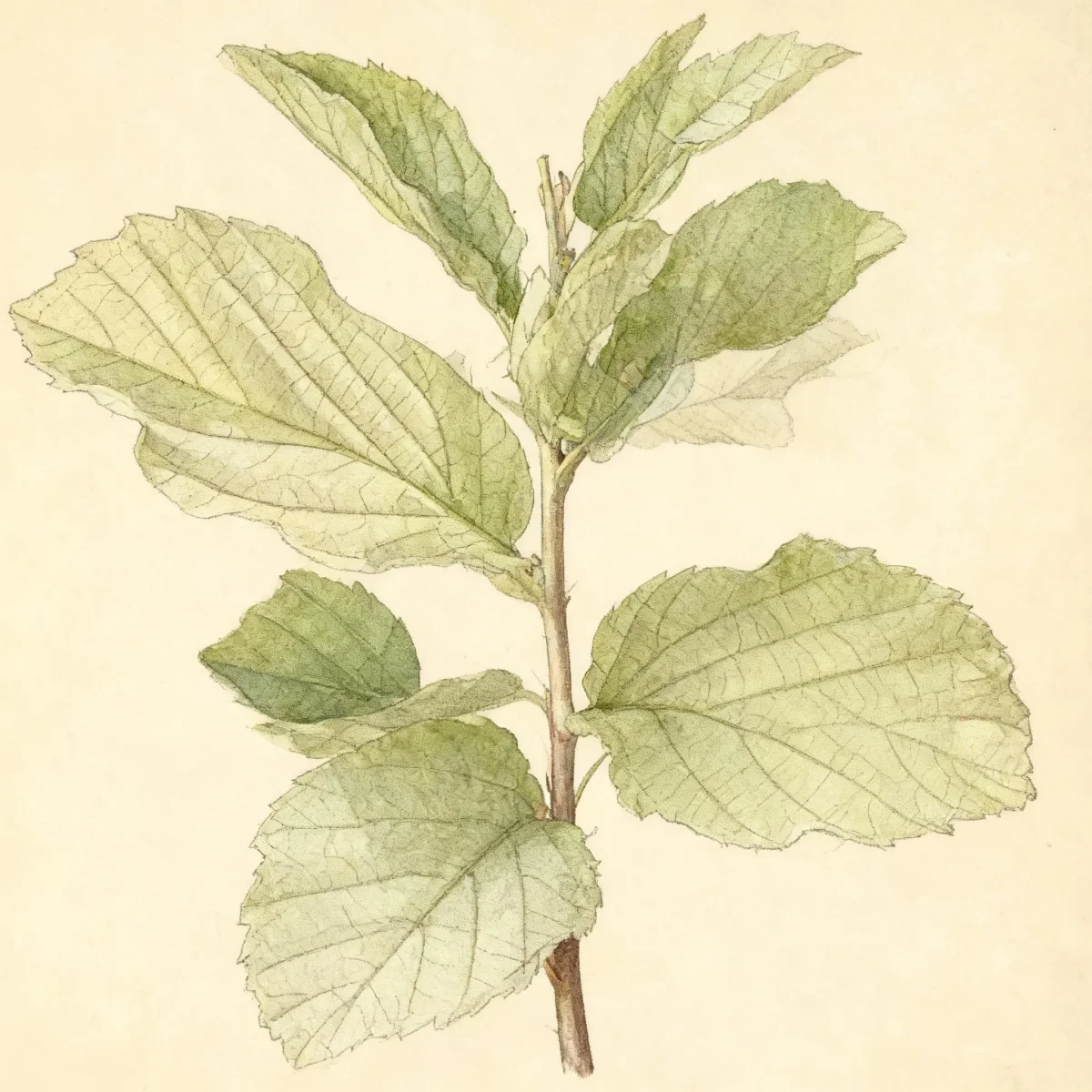
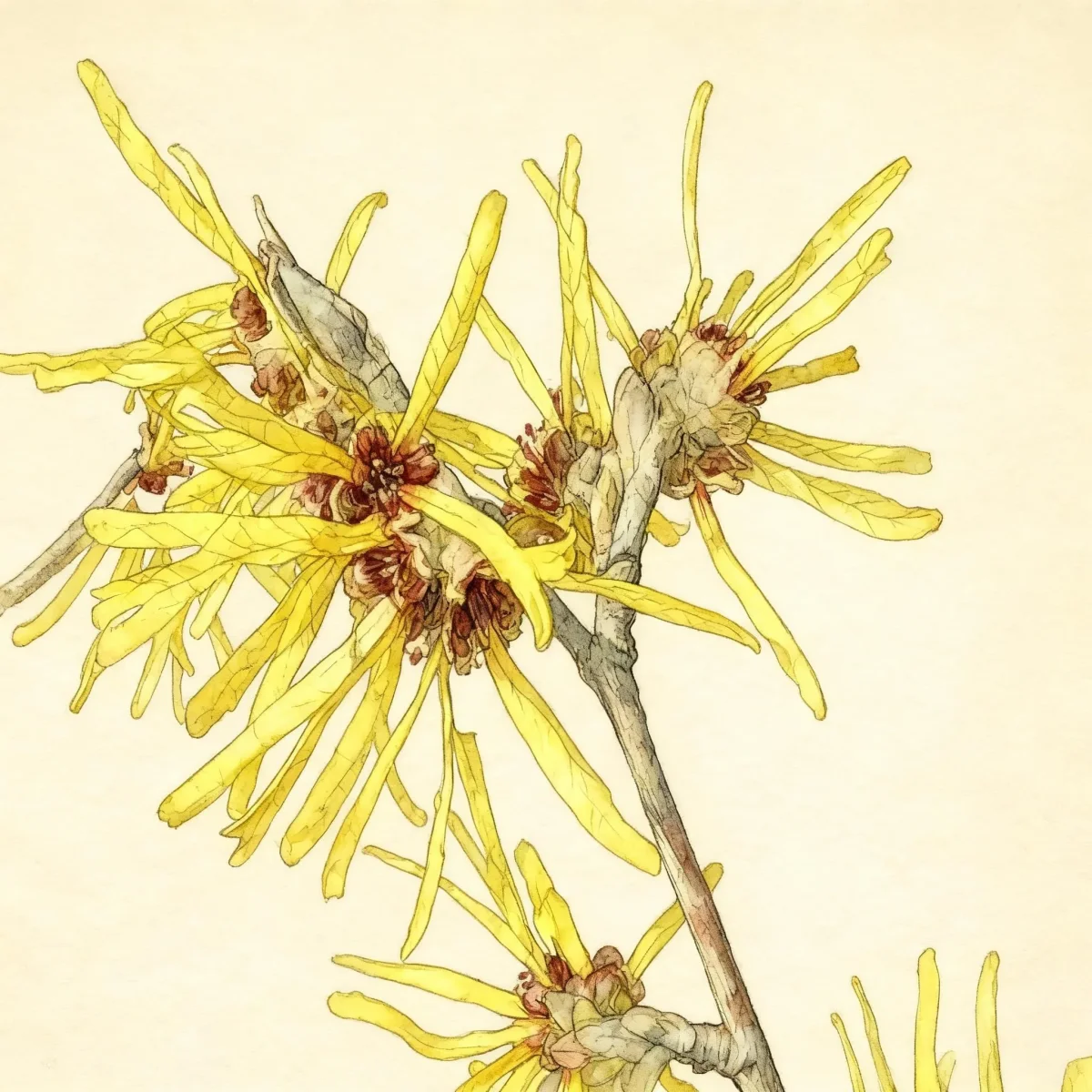
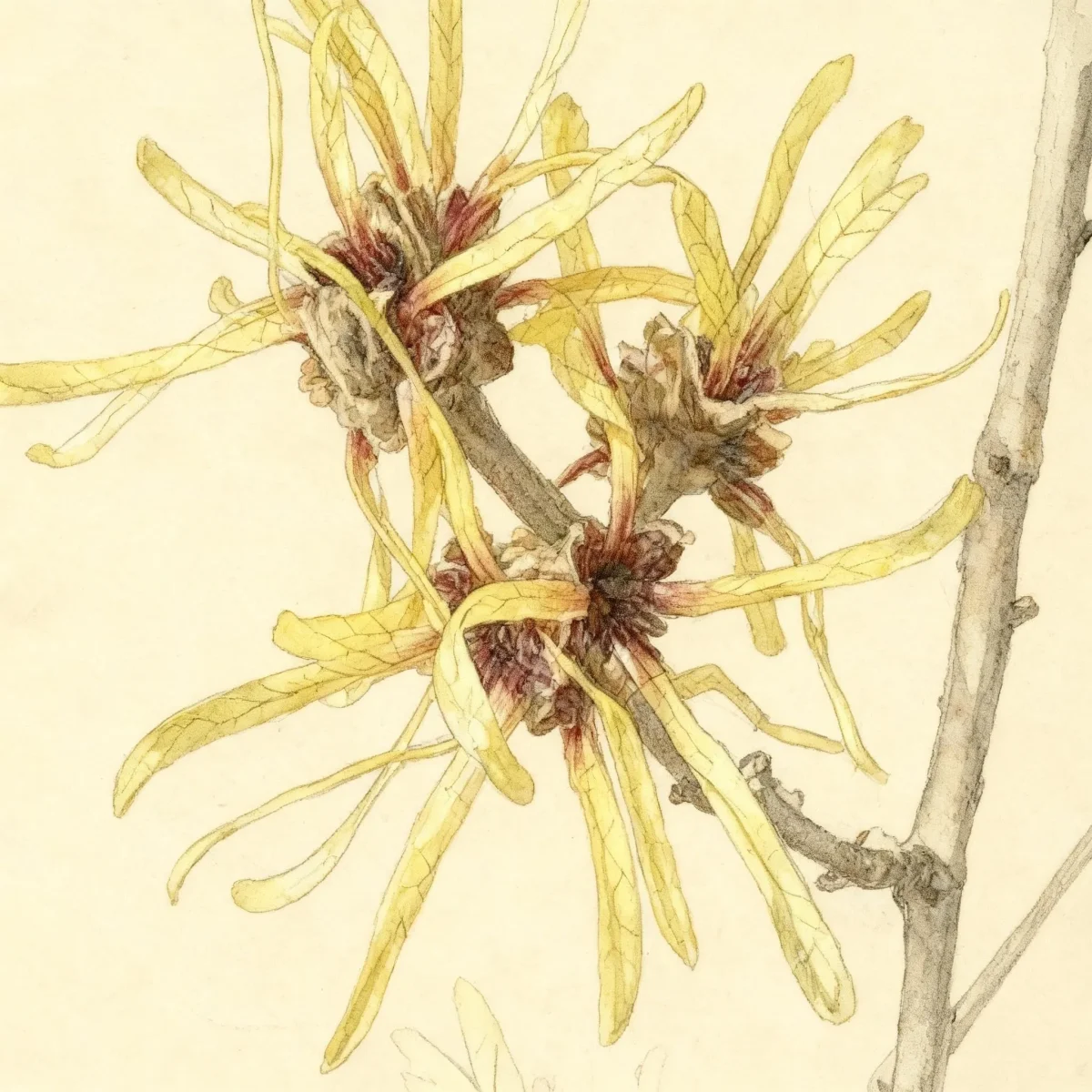
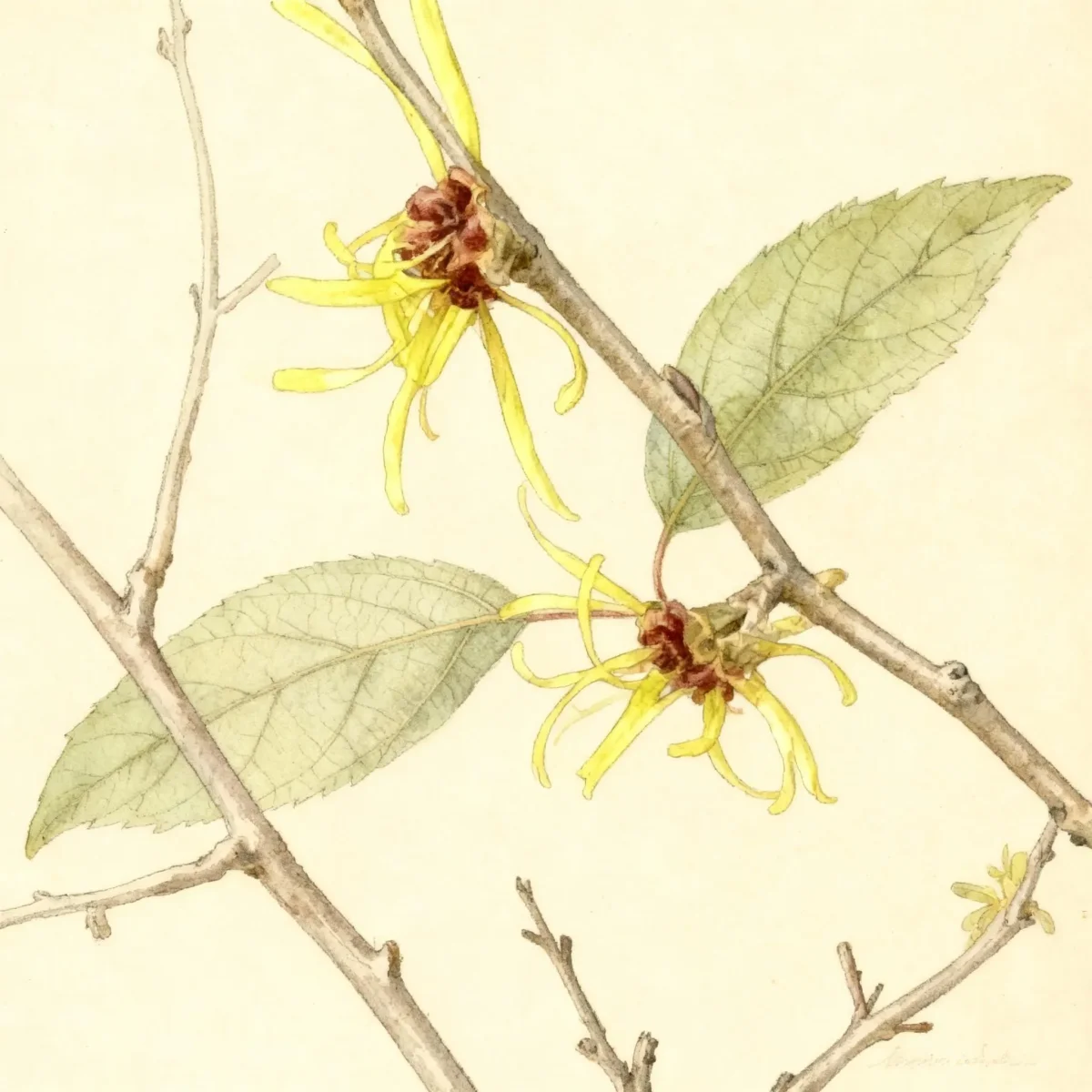
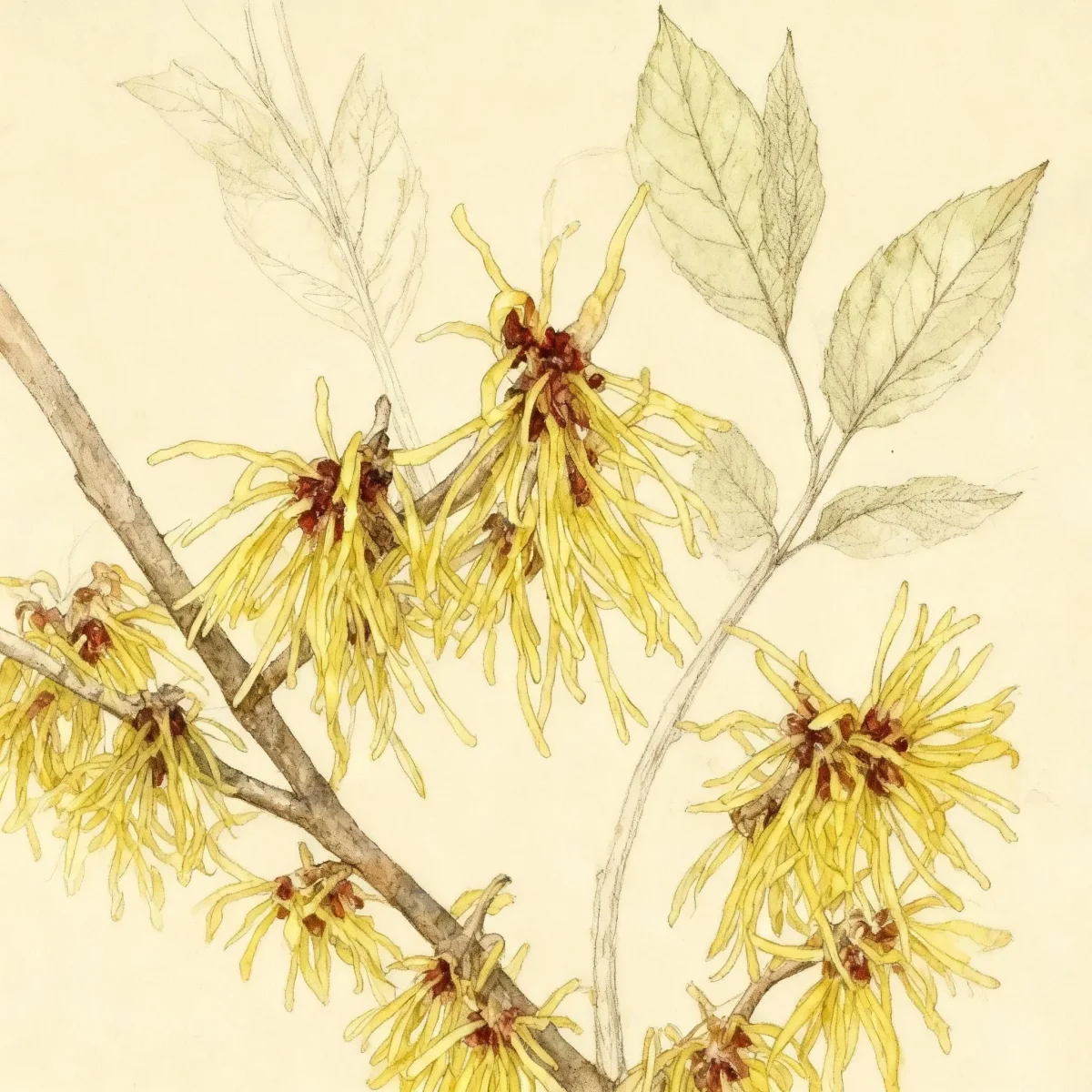
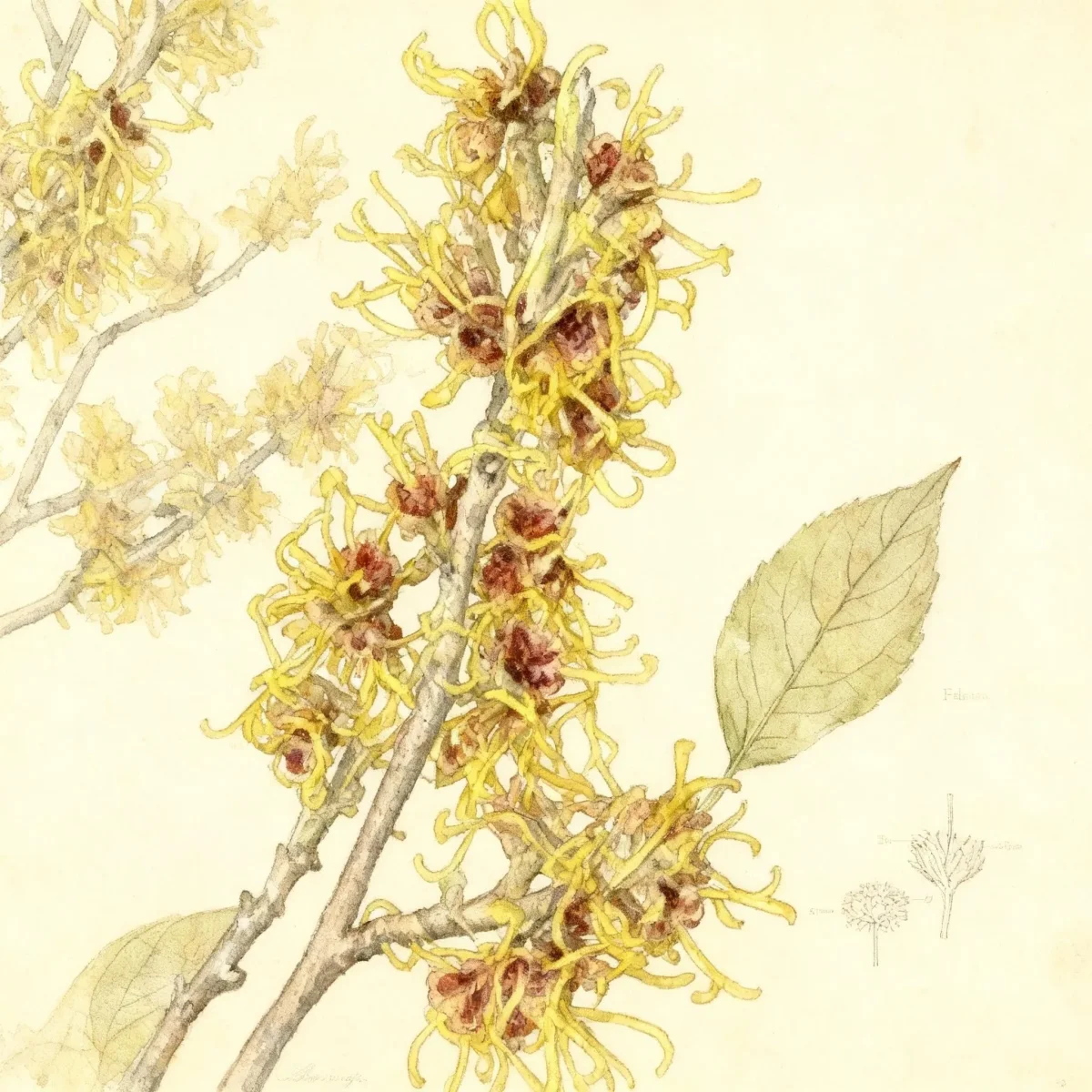
Chinese witch hazel (Hamamelis mollis)
Discover Hamamelis mollis, the Chinese witch hazel, prized for its intensely fragrant yellow blooms in late winter.
Scroll down to discover growing tips, care requirements, companion plants, and more
Complete Plant Information
Overview
The Chinese witch hazel, Hamamelis mollis, stands out in the winter landscape, offering a burst of color and intense fragrance when most other plants are dormant. This deciduous shrub is highly valued for its late-season performance, cheering up the garden in the depth of winter. Mature specimens create an attractive focal point with their upright, rounded habit.
Native to specific regions of China, Hamamelis mollis thrives in average conditions but performs best with careful placement. Its primary gardening value lies in its highly fragrant blooms, which often open between January and March, making it a critical early-season garden asset. Gardeners seeking structure and powerful, late-winter fragrance should strongly consider this excellent specimen shrub.
This species generally exhibits low maintenance needs once established, provided site drainage is adequate. Its deciduous nature allows for appreciation of its structure during winter, complemented by its visual appeal and deer resistance. Utilizing Hamamelis mollis effectively ensures color and scent during the otherwise bleakest months.
Fast Facts
- Plant Family: Hamamelidaceae
- Plant Type: Deciduous shrub
- Native Range: Western and west-central China
- Hardiness Zones: USDA Zones 5-8
- Size at Maturity:
- Height: 10-15 ft
- Spread: 10-15 ft
- Bloom Time: January to March
- Bloom Description: Yellow with reddish-brown calyx cups
- Sun Exposure: Full sun to part shade
- Water Needs: Medium
- Maintenance Level: Low
How to Grow
For optimal flowering, plant Hamamelis mollis where it receives full sun, though it tolerates partial shade. The best soils are consistently moist, acidic, and rich in organic matter, ensuring good drainage is present. While the Chinese witch hazel shows some tolerance for clay soils, ensure water does not pool around the roots, as inconsistent moisture or summer drought can lead to frustrating leaf scorch.
Water consistently, especially during establishment and dry summer spells, to maintain the preferred medium moisture level. Fertilization is rarely required; focus instead on amending the soil with compost to boost organic content. Pruning should be performed promptly in the spring, specifically after the spectacular flowering period has finished, solely to manage its shape or size.
A critical cultural note involves root suckers. Hamamelis mollis may send up suckers, especially if grafted onto native rootstocks. Promptly remove any suckers appearing below the graft union or those attempting colonial spread to maintain the desired cultivar characteristics. In Zone 5, consider placing the shrub in a protected location shielded from harsh winter winds, as early flower buds are susceptible to damage when temperatures drop below -5°F.
Landscape Uses
The striking bloom time of the Chinese witch hazel ensures it earns specimen status in any landscape design. Its significant size, reaching up to 15 feet tall and wide, makes it perfect as a screen or a singular focal point in a woodland garden setting. The late winter flowers are followed by interesting fall color, providing year-round visual interest.
Because the flowering stems are so attractive, consider cutting them for indoor winter bouquets; this also helps manage the overall size of the shrub. When placing Hamamelis mollis, ensure it is sited where its fragrance can be easily detected near a path or window. It integrates well into mixed shrub borders where substantial winter interest is desired before spring perennials emerge.
Standout Features
Flower Qualities
- Showy
- Fragrant
Noteworthy Characteristics
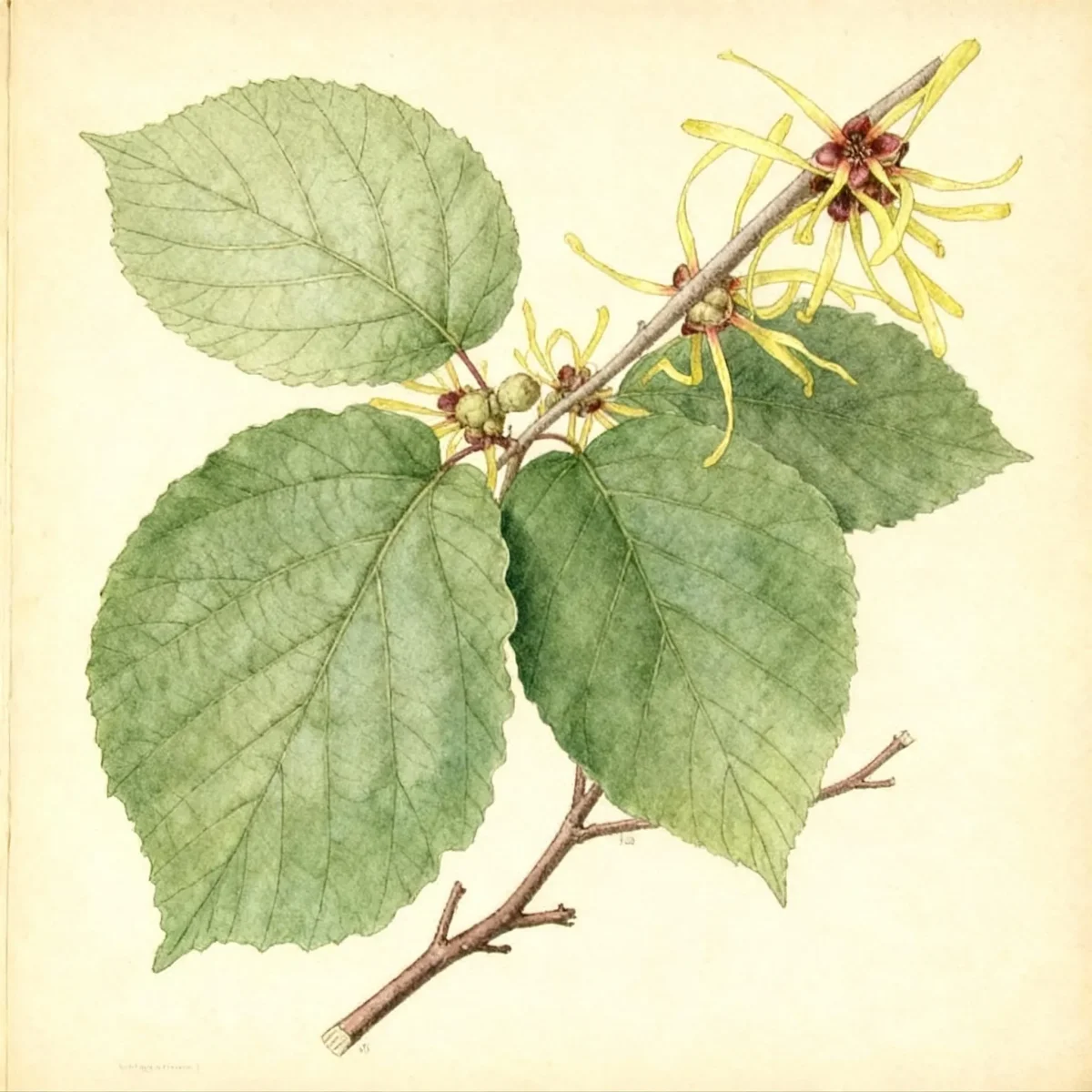
Hamamelis mollis, commonly called Chinese witch hazel, is an open, upright medium to large, deciduous shrub which typically matures to 10-15’ tall with a rounded shape. It is native to forests and thickets in southeastern and southwestern China. This species produces the most fragrant flowers of all the witch hazels. The genus name reflects the plant’s rare ability to bear both fruit and flowers concurrently on the branches.
Tolerances
- Deer
- Erosion
- Clay Soil
Potential Problems
Insect pests are generally minor issues for Hamamelis mollis and rarely necessitate chemical treatments. Watch for chewing damage from caterpillars or Japanese beetles on the foliage during the growing season. Sap-feeding pests like gall aphids, scale, leafrollers, and leafminers can also appear intermittently.
Fungal issues like powdery mildew are occasionally observed, along with minor leaf spot diseases or root rots if drainage is poor. The primary concern for gardeners in colder areas, particularly Zone 5, involves the blossoms themselves. Sub-zero temperatures below -5°F, especially when combined with windy conditions, can severely damage or kill the winter flower buds, resulting in a poor floral display that season.
Frequently Asked Questions
What hardiness zones is Chinese witch hazel suitable for?
This species is reliably winter hardy throughout USDA Zones 5 through 8.
How large does Hamamelis mollis grow?
The Chinese witch hazel typically matures to a height and spread between 10 and 15 feet, growing in an open, rounded form.
When does Hamamelis mollis bloom?
This exceptional shrub features blooms from January through March, presenting soft yellow flowers contrasted by reddish-brown calyx cups.
What sun exposure does Chinese witch hazel need?
For the absolute best and most abundant flowering display, provide Hamamelis mollis with full sun, though it will tolerate partial shade.
Conclusion
The Hamamelis mollis, or Chinese witch hazel, is indispensable for winter gardens, delivering unmatched fragrance and stunning early blooms. Its relatively low maintenance requirement and tolerance for common soil issues like clay make it an accessible choice for many gardeners. Ensure you select a protected site if gardening near the Zone 5 boundary and plan pruning for spring after flowering concludes to maximize your enjoyment of this winter treasure.
Companion Planting
When planning a garden around Hamamelis mollis, look for companions that complement its late winter/early spring bloom time or provide visual interest when it is fully green. Early spring bulbs like snowdrops (Galanthus) or winter aconite (Eranthis hyemalis) can provide a colorful carpet beneath the shrub before its own leaves emerge. For seasonal contrast, consider pairing it with evergreen broadleaf shrubs like Rhododendrons or mountain laurels; these provide solid green structure during the winter months when the witch hazel is dormant, setting off the bright yellow blooms beautifully in early spring.
Wildlife Benefits
While not a primary pollinator plant until late winter, the flowers of Hamamelis mollis provide crucial, early-season nectar when very few other resources are available, making it significant for overwintering bees and early emerging insects. Furthermore, as a dense shrub, it offers excellent cover and potential nesting sites for birds throughout the year, especially due to its sturdy, upright branching habit. Planting this tree/shrub helps support local biodiversity during the lull between fall and spring.