Fortunearia (Fortunearia sinensis)
Discover Fortunearia sinensis, a deciduous small tree noted for its early red flowers. Low maintenance, Zones 4-8.
Scroll down to discover growing tips, care requirements, companion plants, and more
Complete Plant Information
Overview
Fortunearia sinensis, commonly known simply as Fortunearia, is an intriguing deciduous shrub or small tree native to the forest areas of central and eastern China. Belonging to the Hamamelidaceae family, which includes witch hazels, this plant offers subtle yet distinct ornamental appeal, particularly recognized for its very early spring flowering display. Its overall presence in the landscape is modest but valuable, especially when other plants are still dormant.
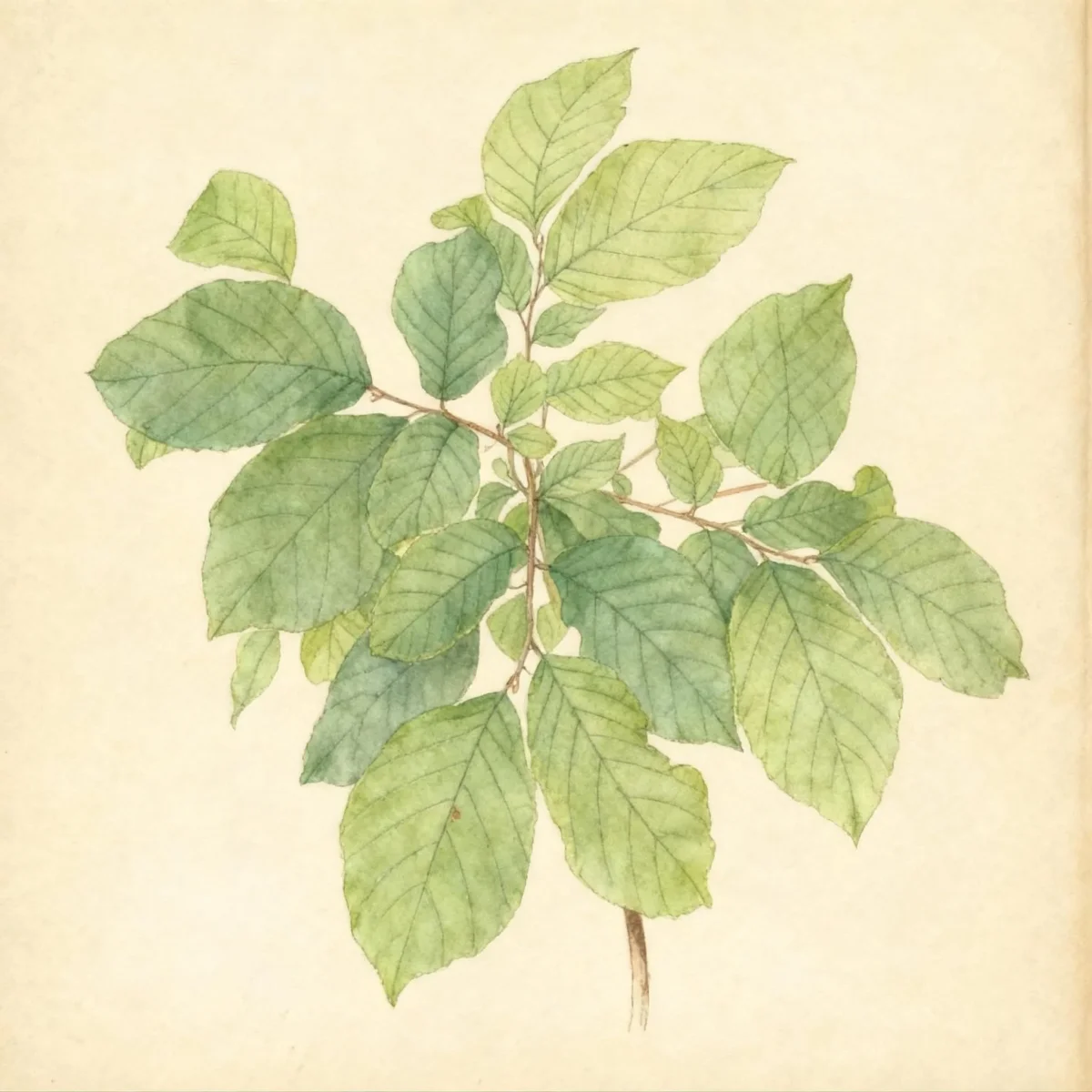
While perhaps underestimated, the ornamental worth of Fortunearia sinensis is bolstered by its attractive foliage that emerges alongside its flowers. Reaching a manageable mature height and spread of 12 to 15 feet, this species fits well in smaller garden settings where patience is rewarded. Gardeners seeking unique early-season interest will appreciate the appearance of this unique specimen.
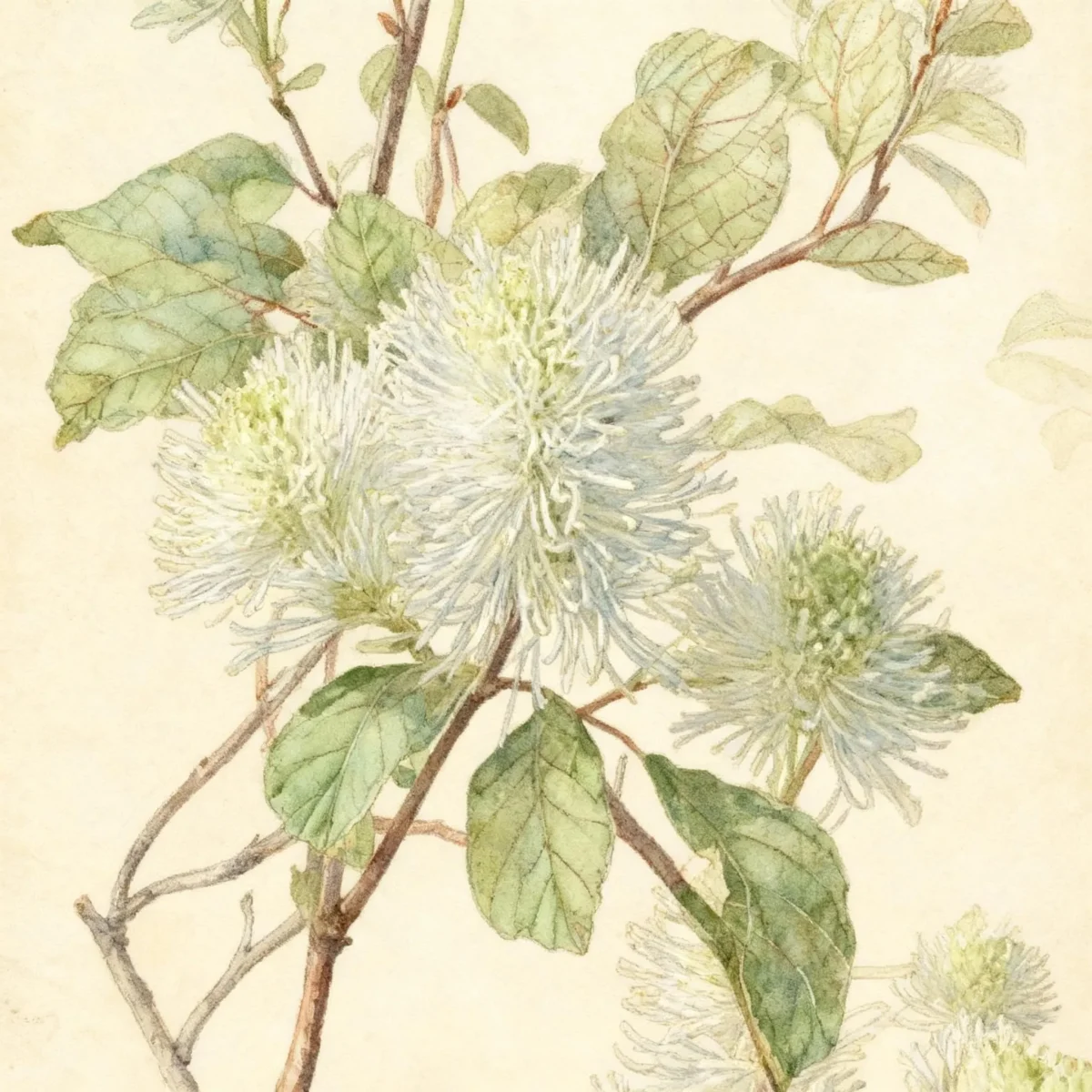
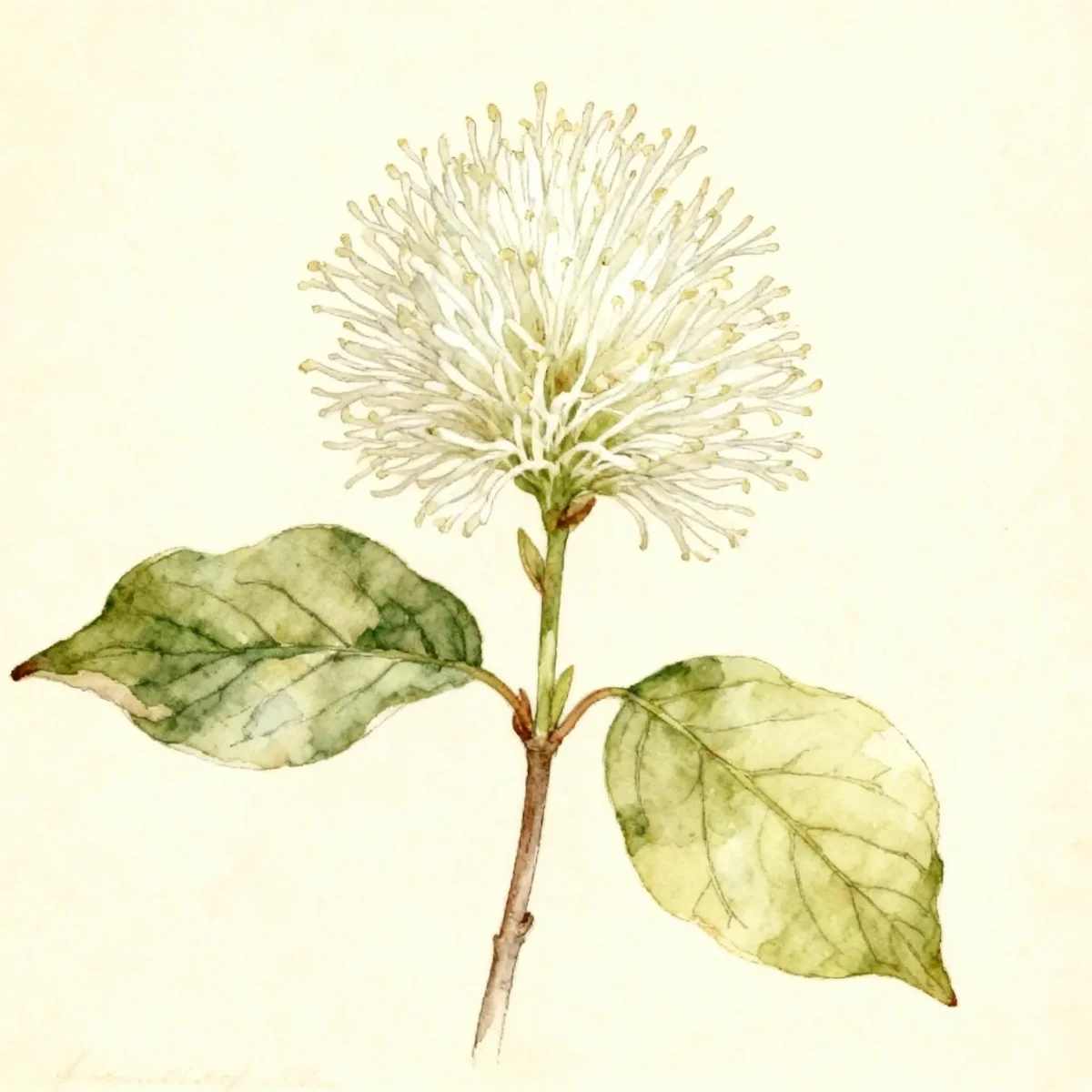
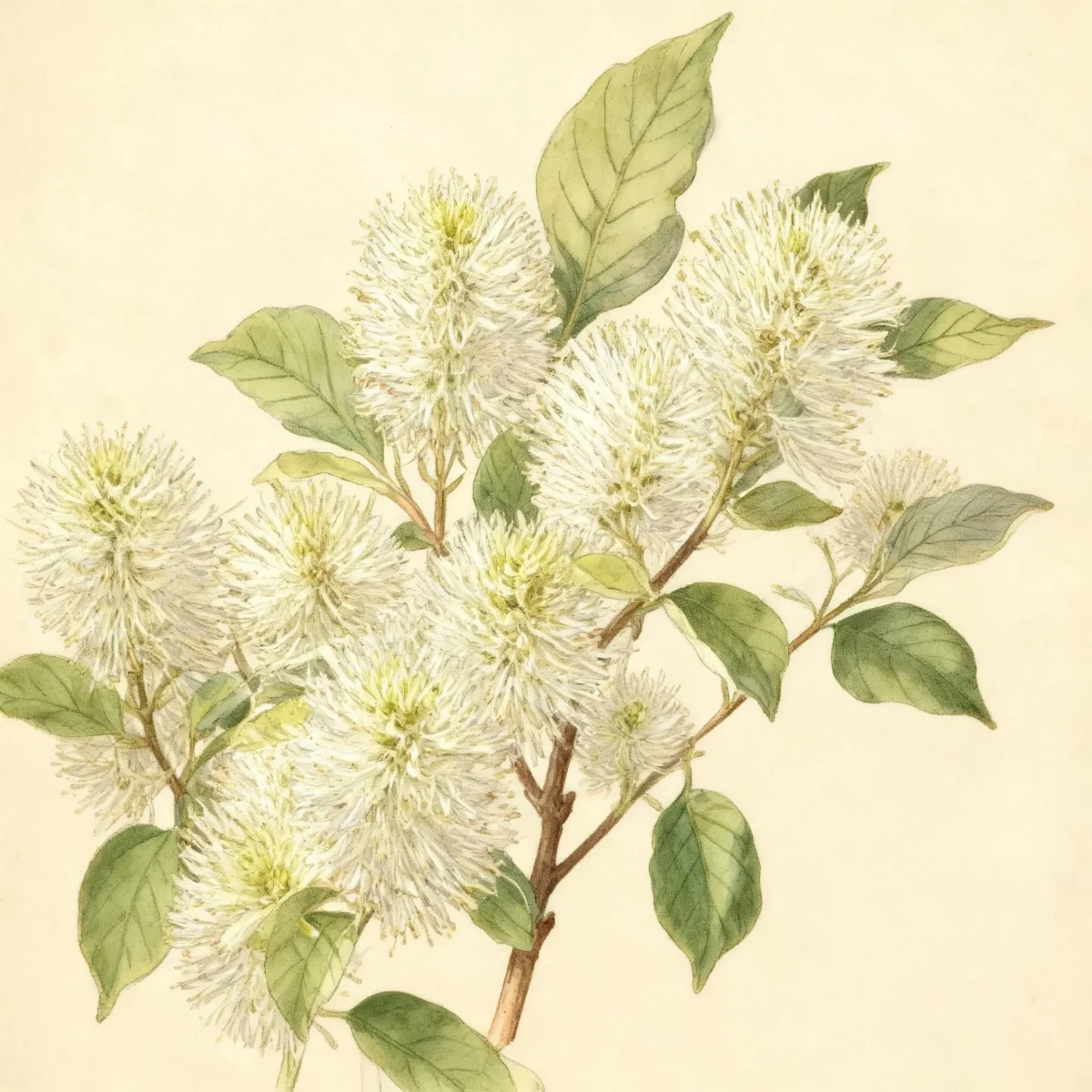
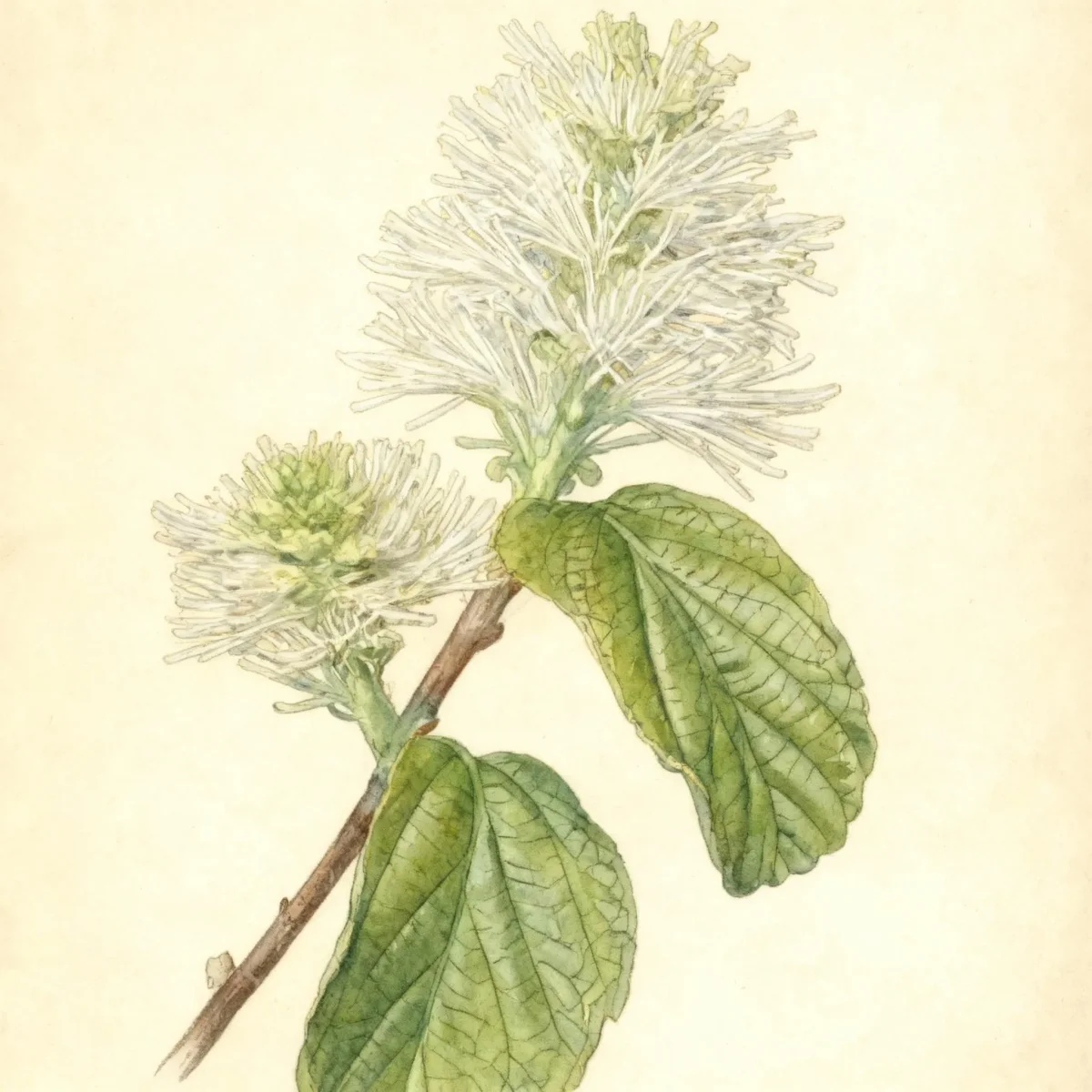
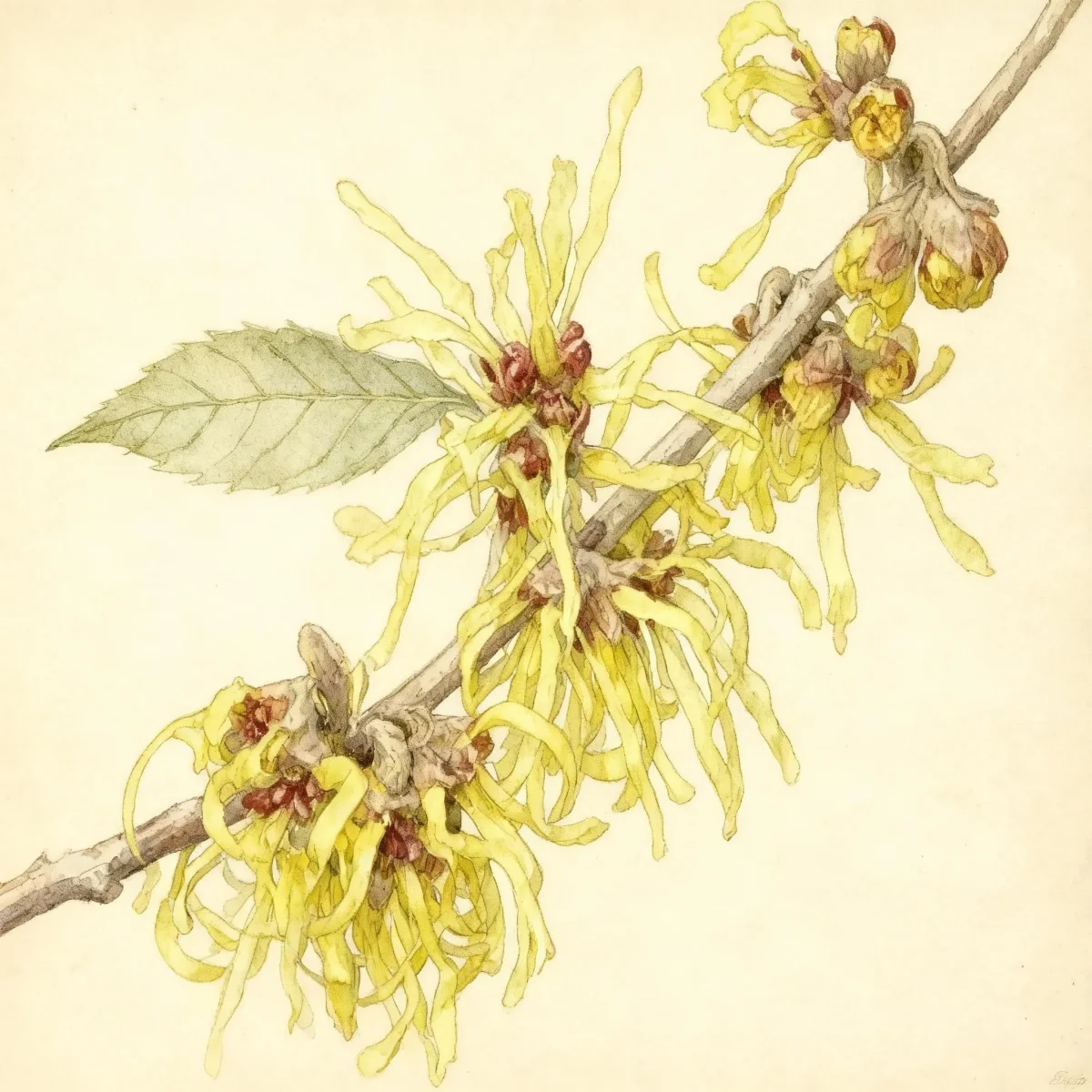
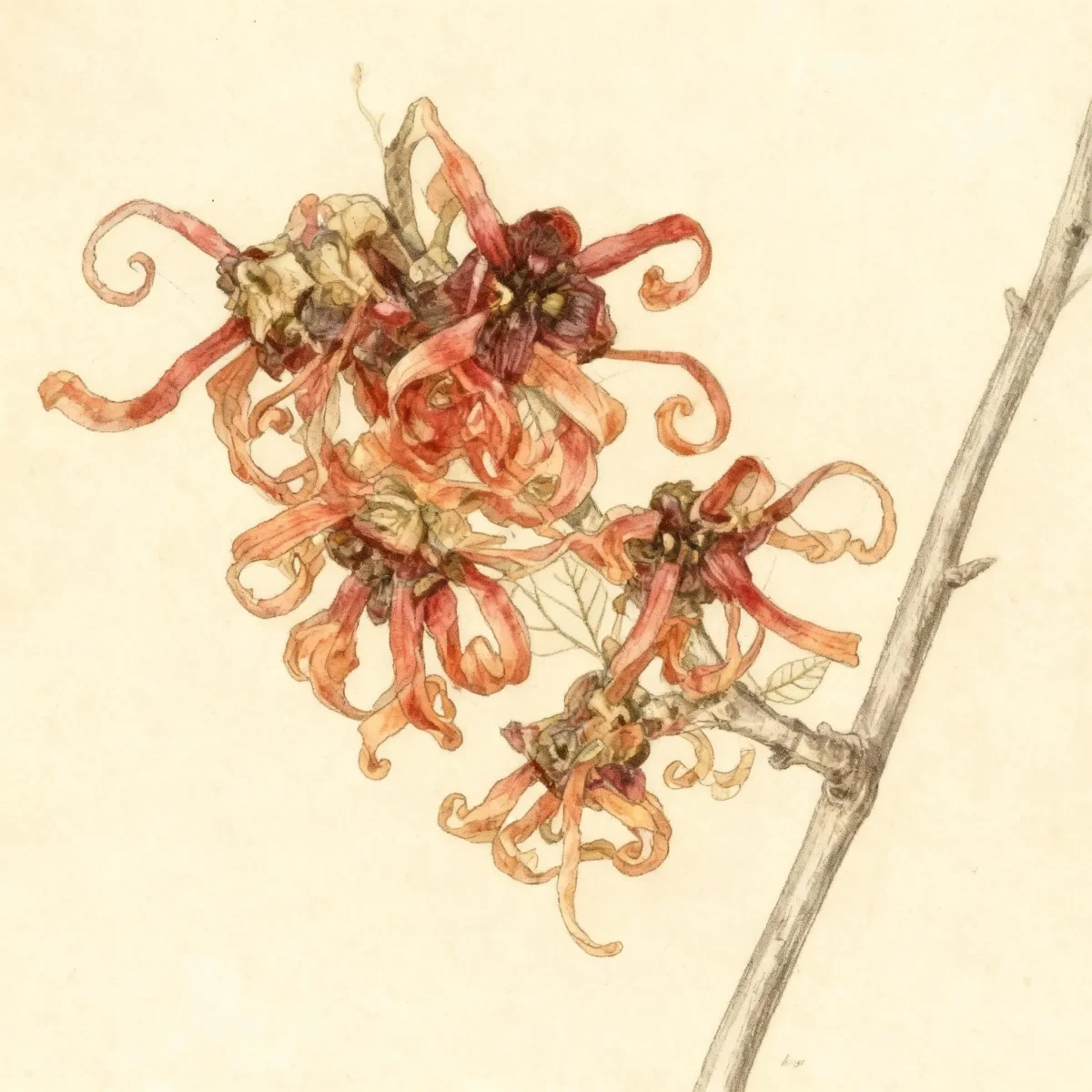
The defining characteristic of Fortunearia is its early bloom period in April, which features small flowers whose color is derived from showy red anthers. Following flowering, the tree develops brown, woody capsules. For horticulturists looking for low-maintenance specimens that tolerate a range of light conditions, Fortunearia presents an excellent, though sometimes difficult to source, option.
Fast Facts
- Plant Family: Hamamelidaceae
- Plant Type: Tree
- Native Range: Central and eastern China
- Hardiness Zones: USDA Zones 4-8
- Size at Maturity:
- Height: 12-15 ft
- Spread: 12-15 ft
- Bloom Time: April
- Bloom Description: Red
- Sun Exposure: Full sun to part shade
- Water Needs: Medium
- Maintenance Level: Low
How to Grow
For optimal growth, plant Fortunearia sinensis in the spring to allow sufficient time for root establishment before deep winter freezes. This plant requires acidic, well-drained soil with medium moisture retention. Ensure the location receives full sun to partial shade; excessive afternoon sun in hotter climates may warrant slightly more afternoon shade.
Once established, watering requirements for Fortunearia are medium. While established plants tolerate some dryness, consistent moisture, especially during hot summers, promotes vigorous growth. Avoid heavy fertilization, as this species generally thrives without intense feeding, aligning with its low maintenance profile. Minimal pruning is typically needed, focusing only on removing crossing or damaged limbs to maintain its natural, open form.
Seasonal care emphasizes soil health. Amend the soil annually with organic matter to help maintain the necessary acidic pH and improve drainage, which is crucial for preventing root stress. In colder zones (Zone 4), ensure a thick layer of mulch is applied around the base in late fall to protect shallow roots from hard freezes.
Landscape Uses
Fortunearia sinensis excels when utilized in less formal settings where its structure and early flowers can be appreciated without intense scrutiny. It serves beautifully in shrub borders, providing a backdrop for spring bulbs or smaller perennials that emerge later in the season. Given its relatively small stature, it is appropriate for specimen planting near patios or walkways where its spring show can be viewed up close.
Consider planting Fortunearia near woodland margins or along the edge of an open grove. Its preference for dappled light makes it a natural fit for these transition spaces. While it can be used near structural evergreen hedging, be mindful of its tendency to require acidic soil conditions, ensuring companions share similar pH preferences. Gardeners should note that may be difficult to locate this plant in commerce, so planning sourcing well in advance is essential for utilizing Fortunearia in design plans.
Standout Features
Flower Qualities
- Showy
Noteworthy Characteristics
Fortunearia sinensis is a deciduous shrub or small tree that is native to forest areas in central China, where it is related to the witch hazels in the Hamamelidaceae family. Although it possesses modest ornamental qualities, this plant is primarily noted for its early spring flowers and its attractive foliage. Flowers appear in small terminal racemes up to 2 inches long during April, with showy red anthers providing the primary color before giving way to brown, woody fruit capsules.
Tolerances
No documented tolerances were provided for this specific entry.
Potential Problems
A significant advantage of growing Fortunearia sinensis is its general resistance to serious pest and disease issues. This robustness contributes to its low maintenance rating in the garden. Gardeners should remain vigilant for localized issues common to woody plants in poorly drained or highly alkaline soils, such as temporary chlorosis (yellowing) if the soil pH rises too high.
If cultural needs are ignored—specifically overly wet, non-acidic conditions—the plant may stress, which could invite opportunistic secondary pests. Adhering strictly to the recommended acidic, well-drained soil culture will largely negate any potential problems, allowing the gardener to enjoy this early-blooming tree without extensive spraying or intervention.
Frequently Asked Questions
What hardiness zones is Fortunearia suitable for?
Fortunearia sinensis is generally suited for USDA Hardiness Zones 4 through 8, providing a good range for temperate gardeners.
How large does Fortunearia grow?
This species typically matures to a height between 12 and 15 feet, with a comparable spread of 12 to 15 feet, making it a moderately sized small tree.
What sun exposure does Fortunearia need?
Fortunearia sinensis prefers conditions ranging from full sun to relatively light part shade for successful growth.
When does Fortunearia bloom?
The bloom time for Fortunearia is in April, characterized by red coloration derived from the showy anthers.
Conclusion
Fortunearia sinensis offers deciduous structure and a valuable display of early red flowers, making it a unique choice for gardeners in compatible climates. Its low maintenance needs and structural appeal help fill the late-winter landscape gap. Before planting, confirm your USDA hardiness zone aligns with Zones 4-8 and ensure you can provide the acidic, well-drained soil that Fortunearia requires.
Companion Planting
When planning the understory plantings around your Fortunearia, select species that thrive in similar acidic, medium-moisture environments. Hellebores (Helleborus spp.) make excellent companions, as they bloom either concurrently or slightly before the Fortunearia, sharing similar light requirements and providing excellent ground cover in partial shade.
Another strategy is pairing it with acid-loving shrubs like Azaleas or Rhododendrons. Although these may bloom later, they offer year-round structure and thrive in the same soil chemistry preferred by Fortunearia sinensis. Always ensure that companion plants do not overly compete for surface moisture, as the medium water needs of this tree must be met consistently.
Seasonal Care Calendar
Spring is the paramount season for enjoying this plant, as the tiny flowers with their red anthers emerge in April. As leaves expand, check soil moisture and water deeply if heavy spring rains have been absent. This is the best time for light soil amendments to maintain acidity moving into the warmer months.
Summer care focuses heavily on maintaining consistent moisture without waterlogging the soil. As the woody capsules mature, simply observe the tree’s health; no major intervention is usually required for this low-maintenance species. Avoid heavy pruning during this period, as summer pruning can encourage late-season growth susceptible to early frost damage.
Autumn requires preparing the Fortunearia for dormancy. Rake away any fallen debris, but leave a layer of mulch intact to insulate the root zone. If moving into a colder Zone 4 winter, ensure the root zone is well-hydrated before the ground freezes hard, providing necessary moisture reserves for the dormant period.