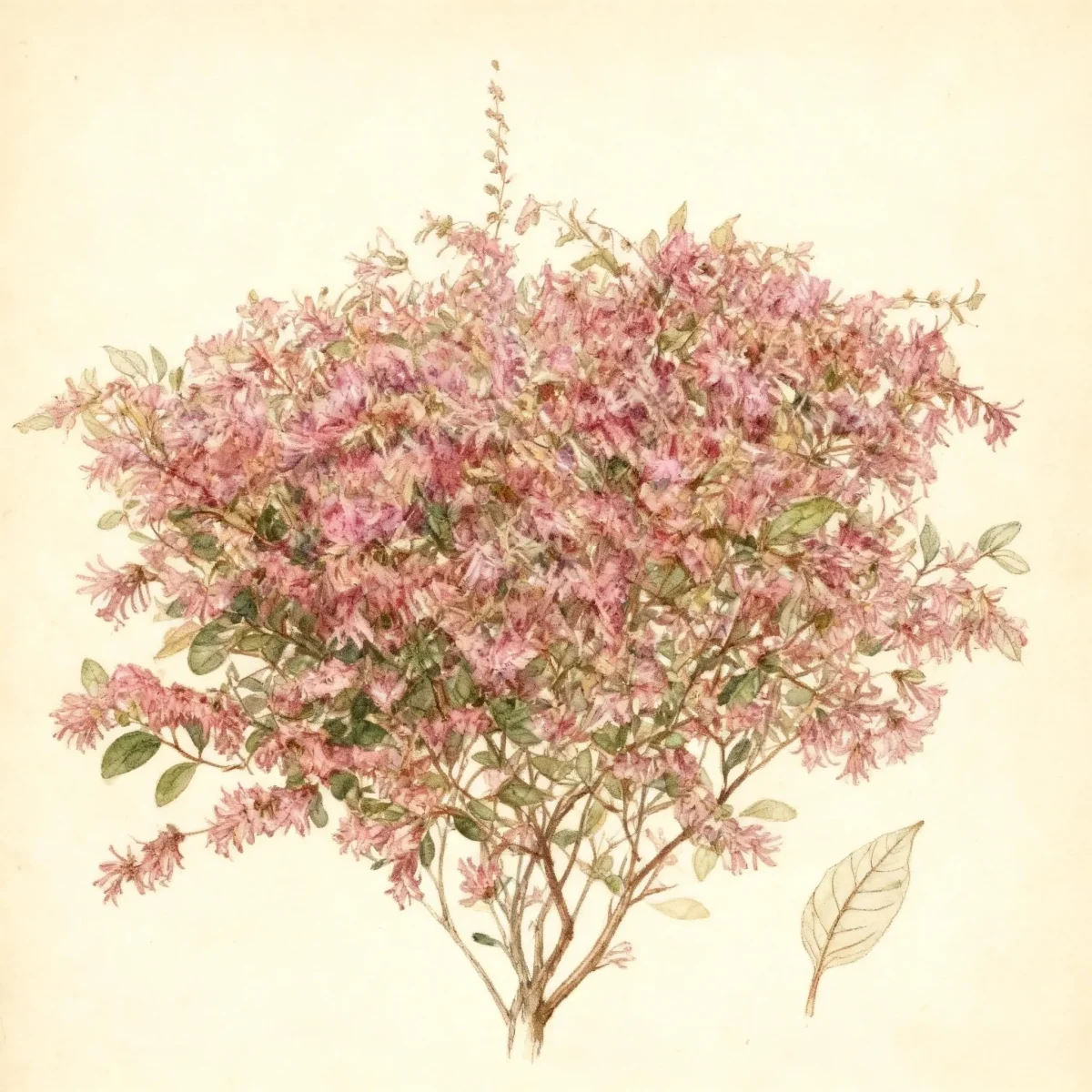
Sinowilsonia (Sinowilsonia henryi)
Discover Sinowilsonia henryi, a rare deciduous shrub from Central China known for its unique apetalous flowers and botanical interest.
Scroll down to discover growing tips, care requirements, companion plants, and more
Complete Plant Information
Overview
The botanical rarity Sinowilsonia henryi, often simply called Sinowilsonia, is a captivating addition for collectors and experienced gardeners. As a monotypic genus in the witch hazel family (Hamamelidaceae), this plant holds significant appeal due to its unique morphology and relative scarcity in modern horticulture. It offers a subtle, interesting structure rarely seen in typical landscape plantings.
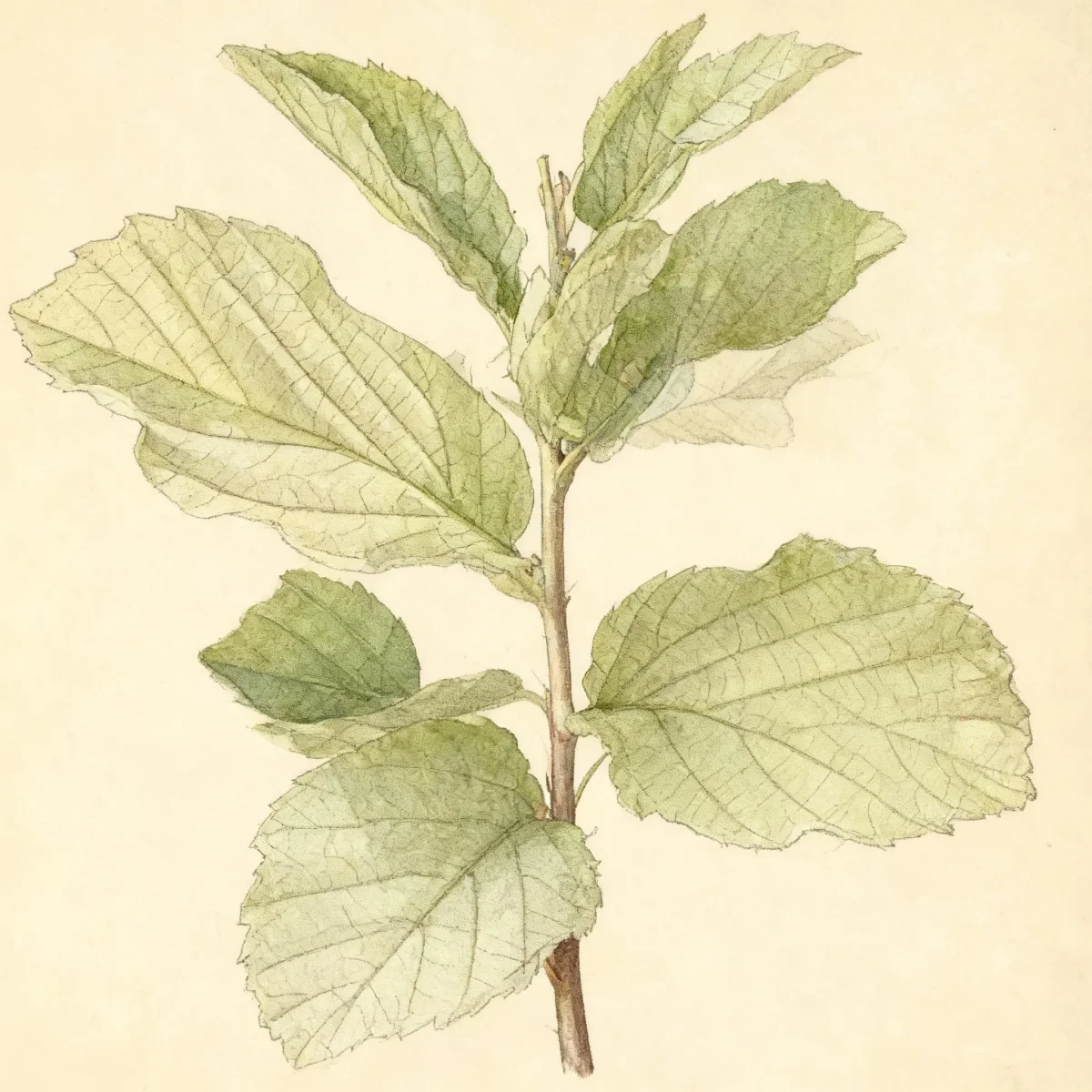
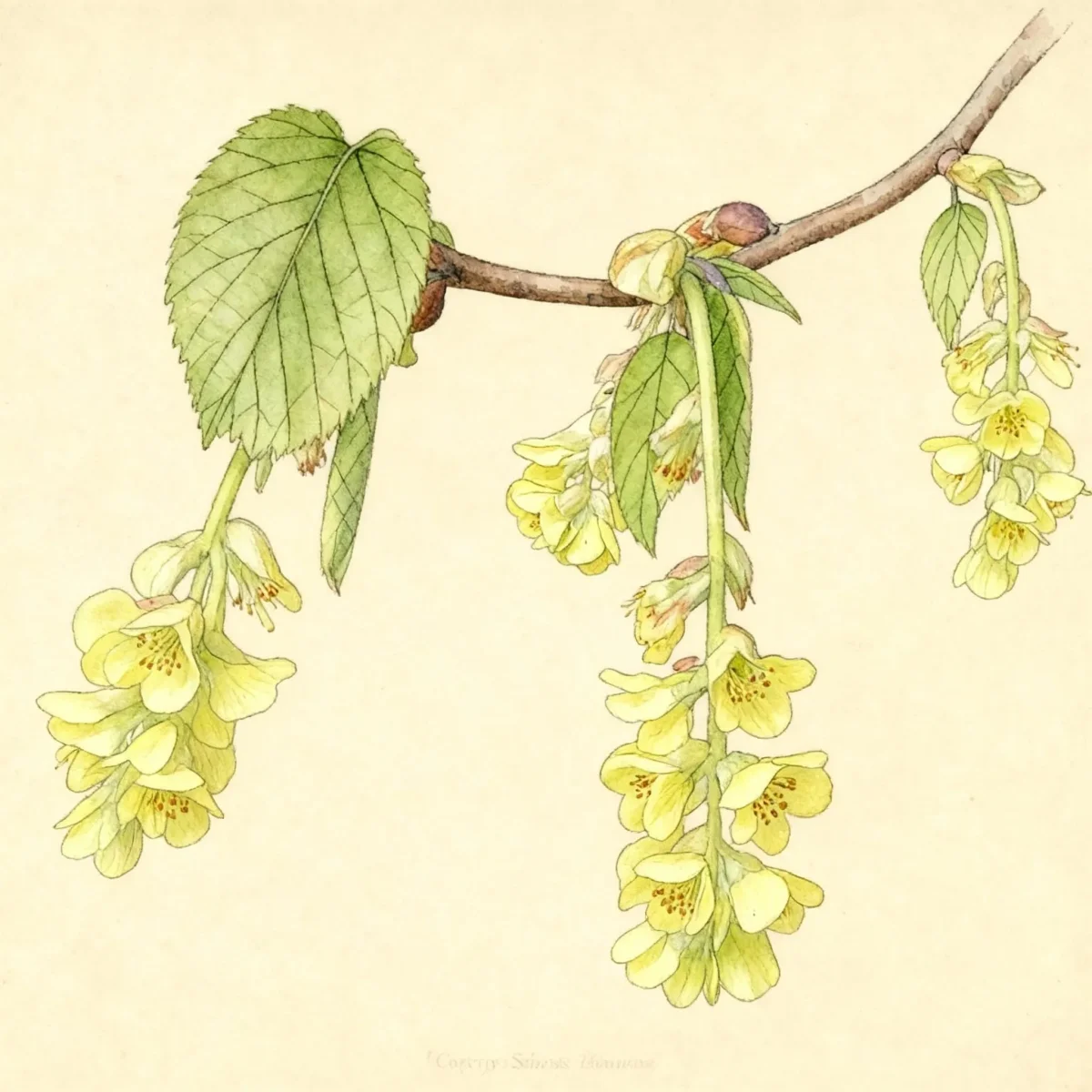
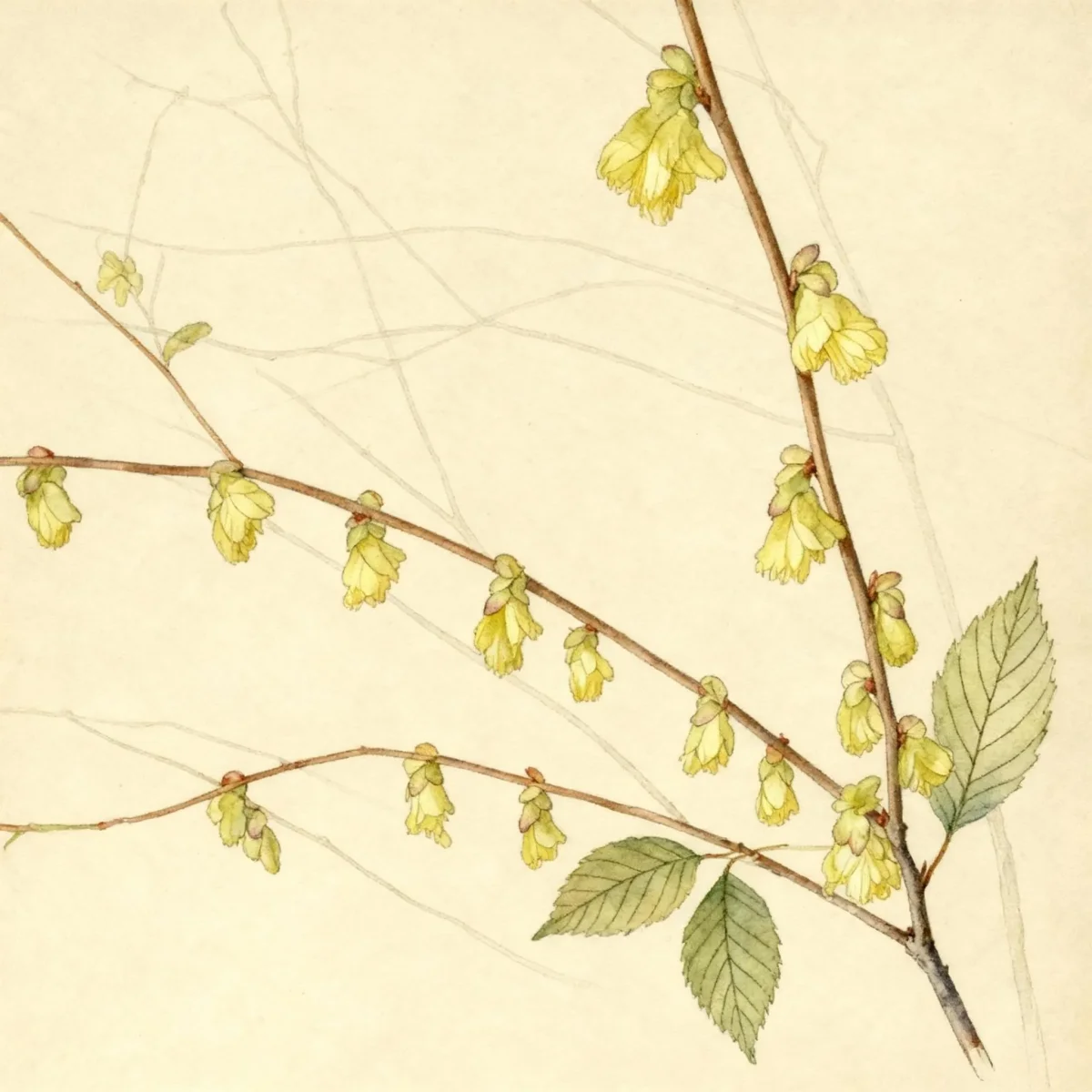
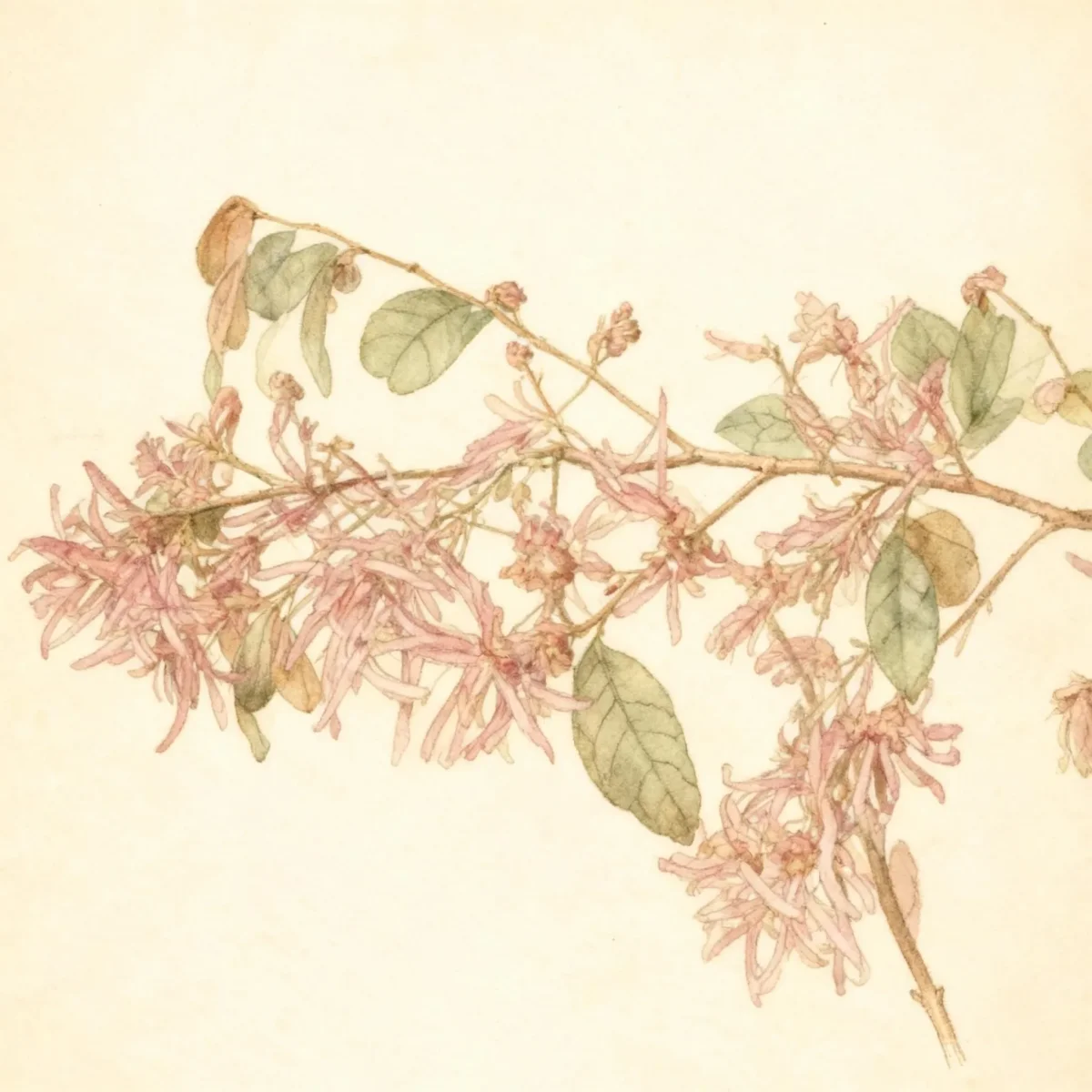
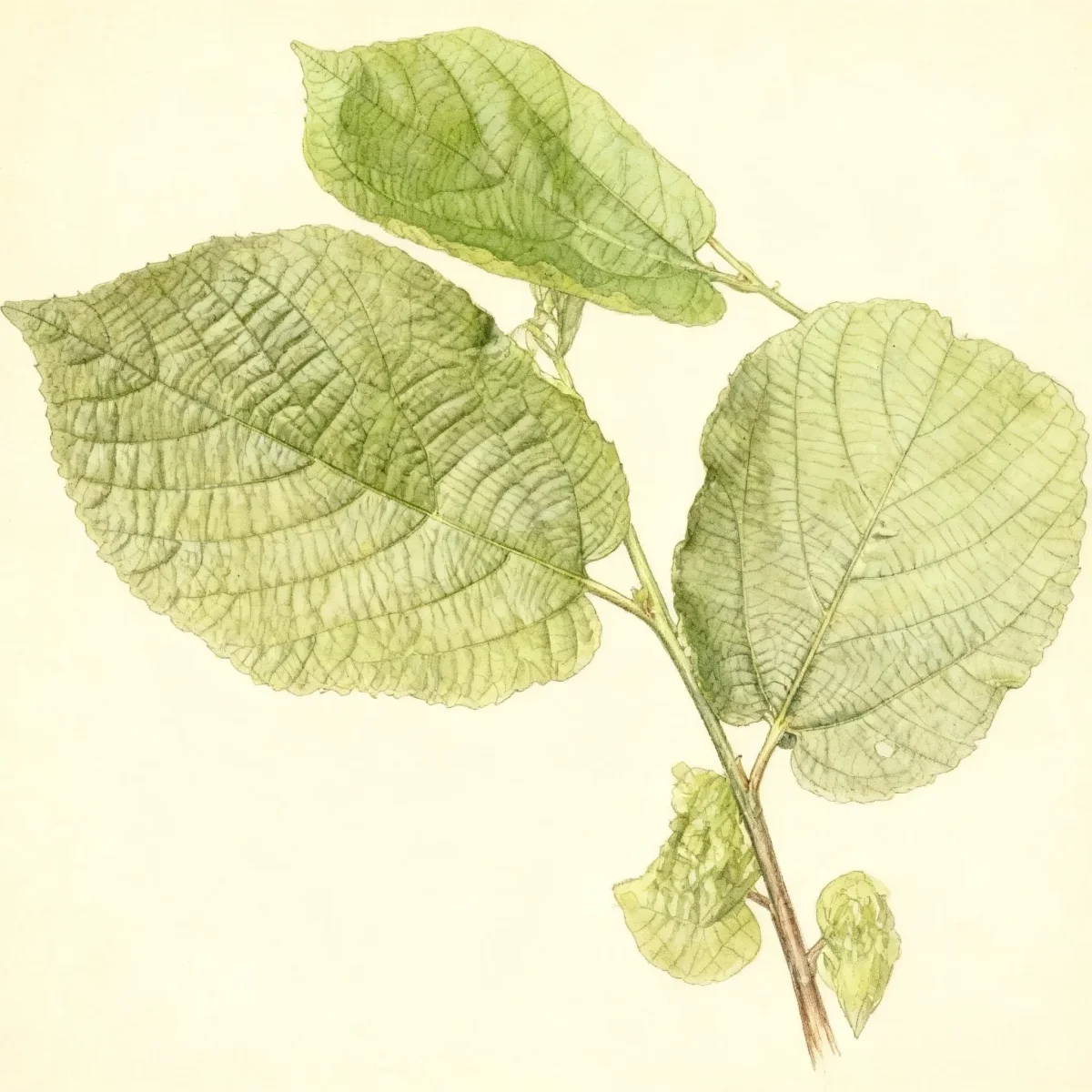
Native to the forests of Central China, Sinowilsonia henryi matures into a small tree or large shrub reaching modest heights. Its primary aesthetic features include elliptic to ovate green leaves and unusual pendulous racemes of apetalous (petal-less) green flowers that appear in May. The combination of botanical history and unique flowering pattern makes Sinowilsonia henryi a plant valued more for its academic intrigue than widespread ornamental appeal.
Gardeners interested in sourcing this specimen should focus on providing the correct cultural conditions, as it requires specific care, particularly regarding winter protection in marginal zones. Successfully cultivating Sinowilsonia establishes a living link to the exploration history of famous botanist E. H. Wilson, who first introduced seed stock to the West in the early 20th century.
Fast Facts
- Plant Family: Hamamelidaceae
- Plant Type: Deciduous shrub
- Native Range: Central China
- Hardiness Zones: USDA Zones 7-10
- Size at Maturity:
- Height: 6-10 ft
- Spread: 4-6 ft
- Bloom Time: May
- Bloom Description: Green (apetalous)
- Sun Exposure: Full sun to part shade
- Water Needs: Medium
- Maintenance Level: Medium
How to Grow
Planting Sinowilsonia is best accomplished in spring or early fall, allowing the root system time to establish before temperature extremes. Locate your Sinowilsonia henryi where it receives organically rich soil that is consistently moist but always well-drained. Full sun is tolerated, but partial shade may be preferred, especially in hotter climates, helping to maintain even soil moisture levels.
Care for this specimen centers on consistency, especially regarding hydration. Ensure medium watering, especially during dry spells, as this plant does not tolerate drying out. Fertilization should be light; focus instead on amending the soil annually with organic matter to support its long-term health rather than relying heavily on synthetic fertilizers.
Pruning is generally minimal, primarily addressing any crossing or damaged wood after the main flowering period. A crucial cultural note, particularly for growers in the cooler end of its range (like Zone 7), is siting the plant in a protected location. Protecting Sinowilsonia from harsh winter winds and extreme cold snaps is vital, as stated in cultivation notes from areas like St. Louis.
Landscape Uses
Sinowilsonia is categorized as a rare and unusual shrub/tree, making it unsuitable for mass plantings or utility hedging. Instead, it excels as a specimen plant or focal point in a dedicated woody plant collection or specialized botanical garden area. Its value lies in its scarcity and unique appearance, commanding attention when placed where visitors can appreciate its subtle form.
Use this deciduous shrub in woodland settings, positioned where its fine-textured foliage and late spring, apetalous blooms can contrast against bolder evergreen backdrops. Because it is difficult to source, companion planting should involve other understory trees or shrubs from the Hamamelidaceae family, such as native witch hazels (Hamamelis spp.), to enhance the thematic consistency of the planting scheme.
Standout Features
Flower Qualities
- Showy
Fruit Qualities
- Showy
Noteworthy Characteristics
Sinowilsonia henryi is a large deciduous shrub or small tree of the witch hazel family, native to forest areas in central and western China. It is distinguished by elliptic to ovate green leaves, and its flower structures are particularly noteworthy: male racemes droop catkin-like while female racemes elongate significantly as black-seeded fruit capsules form. This fascinating genus is named in honor of Ernest Henry Wilson, who collected the species that led to its commerce introduction through the Arnold Arboretum in 1908.
Tolerances
No specific tolerance data was provided for environmental stressors like salt or drought, focusing instead on its need for rich, evenly moist soil.
Potential Problems
No serious insect or disease problems are known for Sinowilsonia henryi, suggesting good inherent resistance. However, the primary concern for cultivation success is environmental suitability. This shrub/tree is likely to be difficult to grow well in climates that experience severely cold winters, necessitating careful siting away from frost pockets or harsh exposure. Monitor for signs of winter injury if placed near USDA Zone 7 thresholds.
Frequently Asked Questions
What hardiness zones is Sinowilsonia suitable for?
Sinowilsonia henryi thrives best in USDA Hardiness Zones 7 through 10.
How large does Sinowilsonia grow?
This plant typically matures to a height between 6 and 10 feet, with a spread ranging from 4 to 6 feet, though records suggest it can eventually approach 15 to 20 feet over many decades.
What sun exposure does Sinowilsonia need?
Sinowilsonia requires a location receiving full sun to part shade for optimal growth.
When does Sinowilsonia bloom?
The unique apetalous flowers of Sinowilsonia bloom in May, displaying a greenish color.
Conclusion
Sinowilsonia henryi offers unparalleled botanical interest for the specialized collector or gardener willing to accommodate its cultural requirements. Securing and successfully growing this monotypic genus, Sinowilsonia, rewards the effort with a plant steeped in significant horticultural history. If you are situated within Zones 7-10 and can provide rich, consistently moist soil, research local nurseries now to plan your planting for the coming season.
Companion Planting
When integrating Sinowilsonia into your landscape, select companions that appreciate similar rich, moist soil conditions and perhaps offer seasonal contrast. Consider planting understory shrubs like Fothergilla major or other members of the Hamamelidaceae family, such as different cultivars of Hamamelis. These plants share a similar affinity for well-drained, humus-rich media and partial shade, which helps unify the cultural requirements for the entire planting bed.
Seasonal Care Calendar
Spring is the critical time to assess winter survival and amend the soil around your Sinowilsonia henryi just before active growth resumes. Focus on providing consistent moisture as temperatures rise preceding the May bloom period. Summer care involves diligently monitoring soil moisture, ensuring that the “medium” water needs are met without allowing the soil to become soggy, which is detrimental to root health. In autumn, avoid heavy fertilization, allowing the plant to prepare for winter dormancy, and ensure any necessary protective wrapping or mulching is applied before the ground freezes hard.