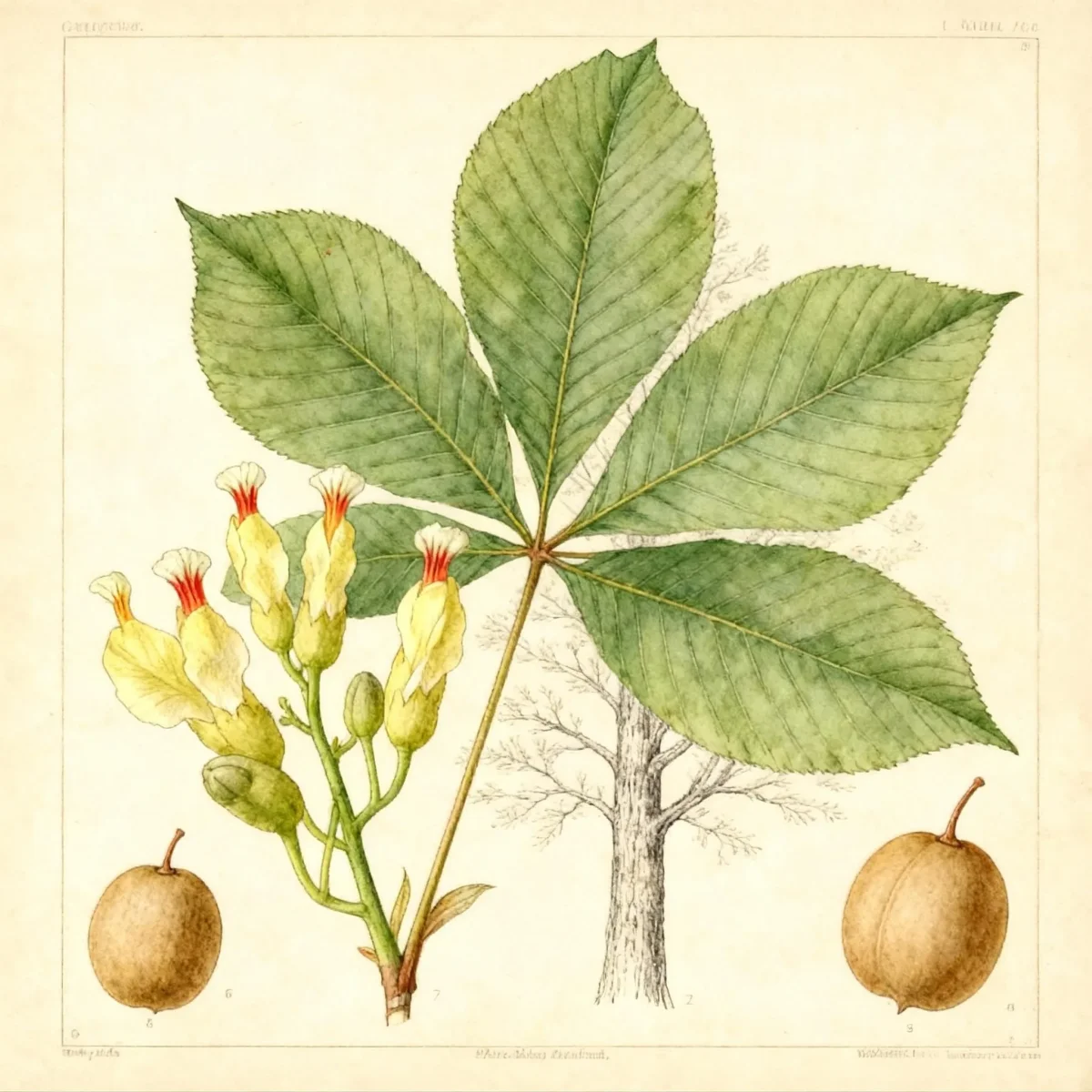
Ohio buckeye (Aesculus glabra)
Discover the Ohio buckeye (Aesculus glabra), a medium deciduous tree offering showy spring blooms and distinctive Ohio buckeye fruit.
Scroll down to discover growing tips, care requirements, companion plants, and more
Complete Plant Information
Overview
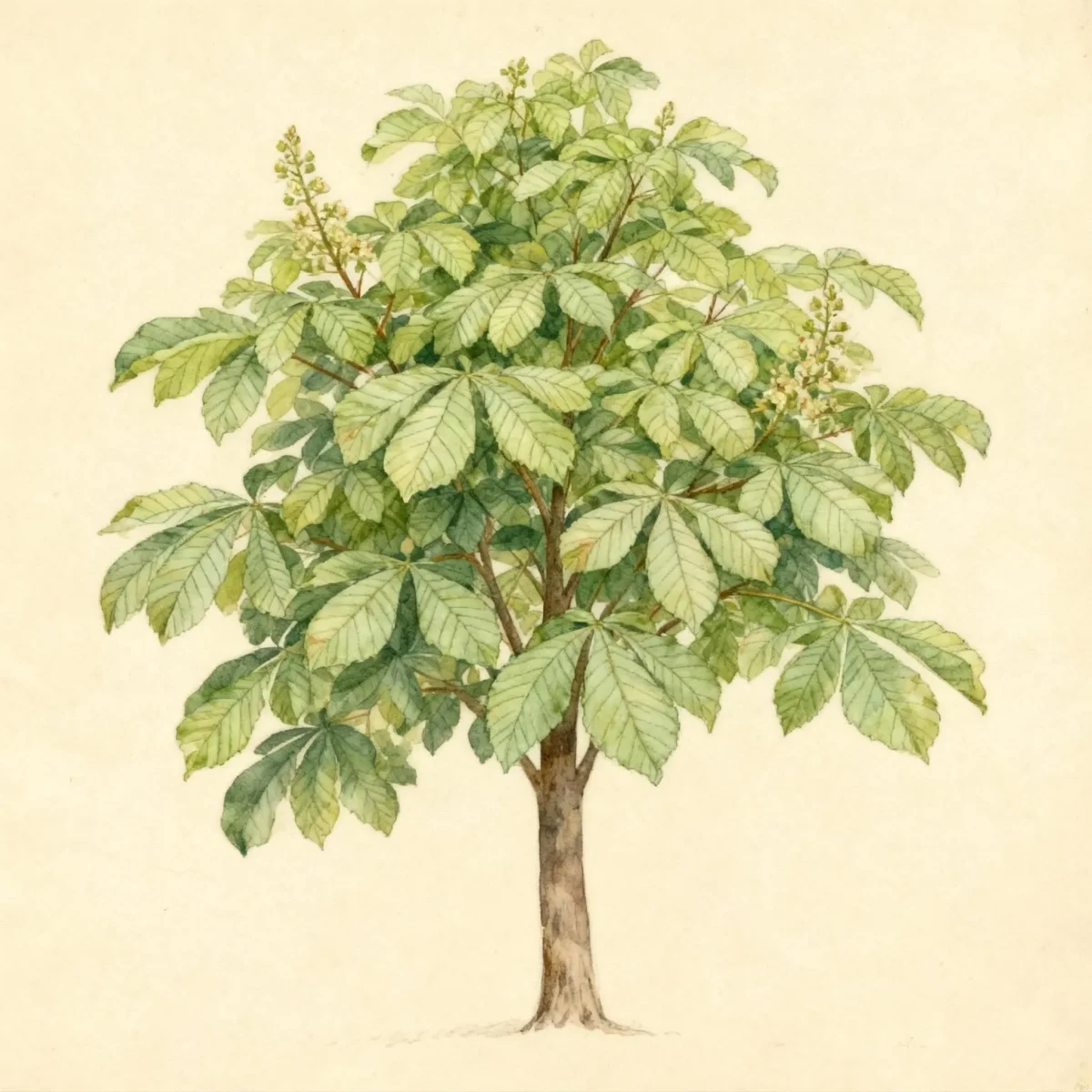
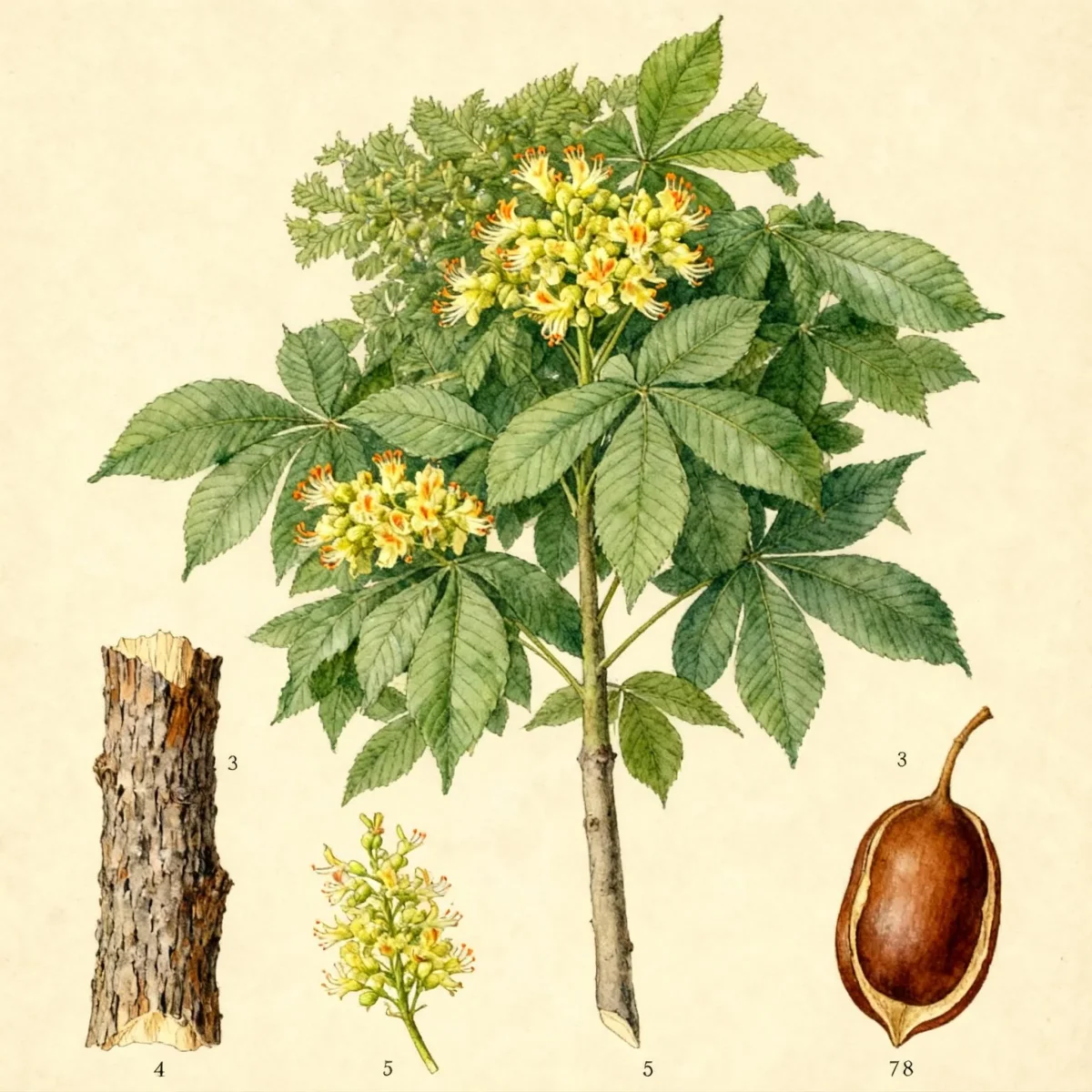
The Ohio buckeye, Aesculus glabra, is a cherished native tree known for its appealing mid-spring floral display and iconic shiny brown nuts. This medium-sized deciduous tree typically forms a rounded crown, making it a substantial feature in any large landscape setting. Gardeners prize the bright green, palmate foliage which offers good seasonal interest before turning yellow in the fall.
Although Aesculus glabra is a handsome specimen tree, it requires specific site considerations due to its cultural needs and litter production. It thrives in average, well-drained soils but prefers consistent moisture to prevent leaf scorch later in the season. Once established, the tree develops a deep taproot, which makes transplanting difficult.
A benefit for wildlife enthusiasts is that the Ohio buckeye seeds are famously carried as a good luck charm, and while all parts of the tree are toxic if ingested, the tree provides structure and seasonal beauty in appropriate woodland settings. Careful placement is key to success with this native species.
Fast Facts
- Plant Family: Sapindaceae
- Plant Type: Tree
- Native Range: Eastern United States and Canada
- Hardiness Zones: USDA Zones 3-7
- Size at Maturity:
- Height: 20-40 ft
- Spread: 20-40 ft
- Bloom Time: April to May
- Bloom Description: Greenish-yellow
- Sun Exposure: Full sun to part shade
- Water Needs: Medium
- Maintenance Level: Medium
How to Grow
The best time to establish Aesculus glabra is during the dormant season; planting in spring or summer is often unsuccessful due to its strong taproot tendency. Select a site providing full sun to partial shade, ensuring the soil is average, medium depth, and well-drained. This Ohio buckeye performs best where it receives consistent moisture, as dry or droughty conditions quickly lead to foliage scorching along the edges.
Watering should be consistent, especially during the initial establishment period, reflecting its medium water needs. Fertilization is usually unnecessary for healthy, established trees growing in fertile native soils. Pruning should be minimized once the tree matures; focus efforts on removing crossed or damaged branches when young to encourage a strong central leader and broad, rounded crown structure.
Because the foliage of the Ohio buckeye tends to depreciate quickly in dry environments, avoid exposed, windswept locations or areas prone to extended drought. This taprooted tree becomes extremely difficult to move once it has anchored itself firmly in the ground, so select its final location carefully before planting.
Landscape Uses
The recommended use for Aesculus glabra is often in rain gardens or more remote areas of the landscape, reflecting its need for consistent moisture and its tendency to drop copious litter. Due to the litter—which includes fruit, twigs, and leaves—it is explicitly not recommended for use directly adjacent to homes or as a formal street tree where constant cleanup is impractical.
For the naturalized landscape, the Ohio buckeye blends beautifully into woodland margins or large native plant groupings. Its broad shape provides excellent shade over time. When integrating it into your design, consider placing it where the seasonal litter will drop onto mulch or turf that is maintained infrequently.
This tree functions well as a specimen where its unique foliage and spring flowers can be appreciated without demanding immaculate surroundings. Its tolerance of Black Walnut competition also suggests it can be effective in mixed border plantings or established groves where these specific conditions are met.
Standout Features
Flower Qualities
- Showy
- Fragrant
Fruit Qualities
- Showy
Noteworthy Characteristics
Aesculus glabra, commonly called Ohio buckeye, is native from western Pennsylvania to Iowa south to Alabama and Arkansas. This is a low-branched, small to medium sized deciduous tree that typically grows 20-40’ tall with a broad oval-rounded crown. The greenish-yellow flowers appear in mid-spring, followed by the familiar, shiny dark mahogany brown fruit encased in a spiny husk, which is often collected as a lucky charm.
Tolerances
- Rabbit
- Black Walnut
Potential Problems
The Ohio buckeye faces several common fungal issues that require attentive management. Leaf blotch is frequently the most significant concern, leading to discoloration and premature leaf drop. Powdery mildew and anthracnose also pose risks throughout the growing season.
Regular inspection helps catch potential infestations early; watch for pests such as borers, bagworms, and Japanese beetles. If the tree is situated in dry, high-wind areas, it will likely suffer from leaf scorch, causing brown edges on the foliage well before autumn color begins.
Frequently Asked Questions
What hardiness zones is Ohio buckeye suitable for?
The Ohio buckeye (Aesculus glabra) is suitable for USDA hardiness zones 3 through 7.
How large does Ohio buckeye grow?
This medium-sized tree typically reaches heights between 20 and 40 feet, with an equivalent spread of 20 to 40 feet at maturity.
What sun exposure does Aesculus glabra need?
Aesculus glabra prefers full sun but is adaptable enough to tolerate light to partial shade conditions.
When does Ohio buckeye bloom?
The bloom time for the Ohio buckeye is typically during April to May, producing clusters of greenish-yellow flowers.
Conclusion
The Aesculus glabra, or Ohio buckeye, offers distinct native charm with its clean spring bloom and striking nuts, making it a valuable addition to large, less formal landscape gardens. Remember that this tree requires medium maintenance and consistent moisture, and its location should account for the natural litter it produces. Before planting, confirm that your site falls within USDA Zones 3-7 and provides the necessary moisture balance for this magnificent American native.
Companion Planting
Selecting appropriate companions for the Ohio buckeye involves matching its cultural requirements: medium water needs and tolerance for sun to partial shade. Look for other robust, native understory trees or large shrubs that thrive in similar moist, rich soils. Plants that enjoy woodland edge conditions, such as certain types of native ferns or hostas, can thrive beneath the canopy of a mature Aesculus glabra where dappled light filters through.
Avoid planting sensitive, shallow-rooted perennials immediately around the base during establishment since the Ohio buckeye develops a definitive taproot system that quickly competes for soil moisture and nutrients. Focus on groundcovers that can handle moderate root competition once the tree is established, preferring those native to Eastern United States woodlands.
Seasonal Care Calendar
Spring is the critical time for observation; monitor new leaf-out for early signs of leaf blotch or insect activity, treating promptly if issues arise. Water deeply and consistently throughout the summer, especially in dry years, to prevent the foliage from scorching and browning prematurely.
In the fall, the Ohio buckeye sheds its leaves, which are best left to decompose in place beneath the tree to recycle vital nutrients back into the soil. Winter is the safest season for any necessary structural pruning on mature specimens; minimal pruning is usually required after the initial framework is established.