Yellow buckeye (Aesculus flava)
Aesculus flava, or Yellow buckeye, is a large deciduous tree native to North America, valued for its size and yellow spring blooms.
Scroll down to discover growing tips, care requirements, companion plants, and more
Complete Plant Information
Overview
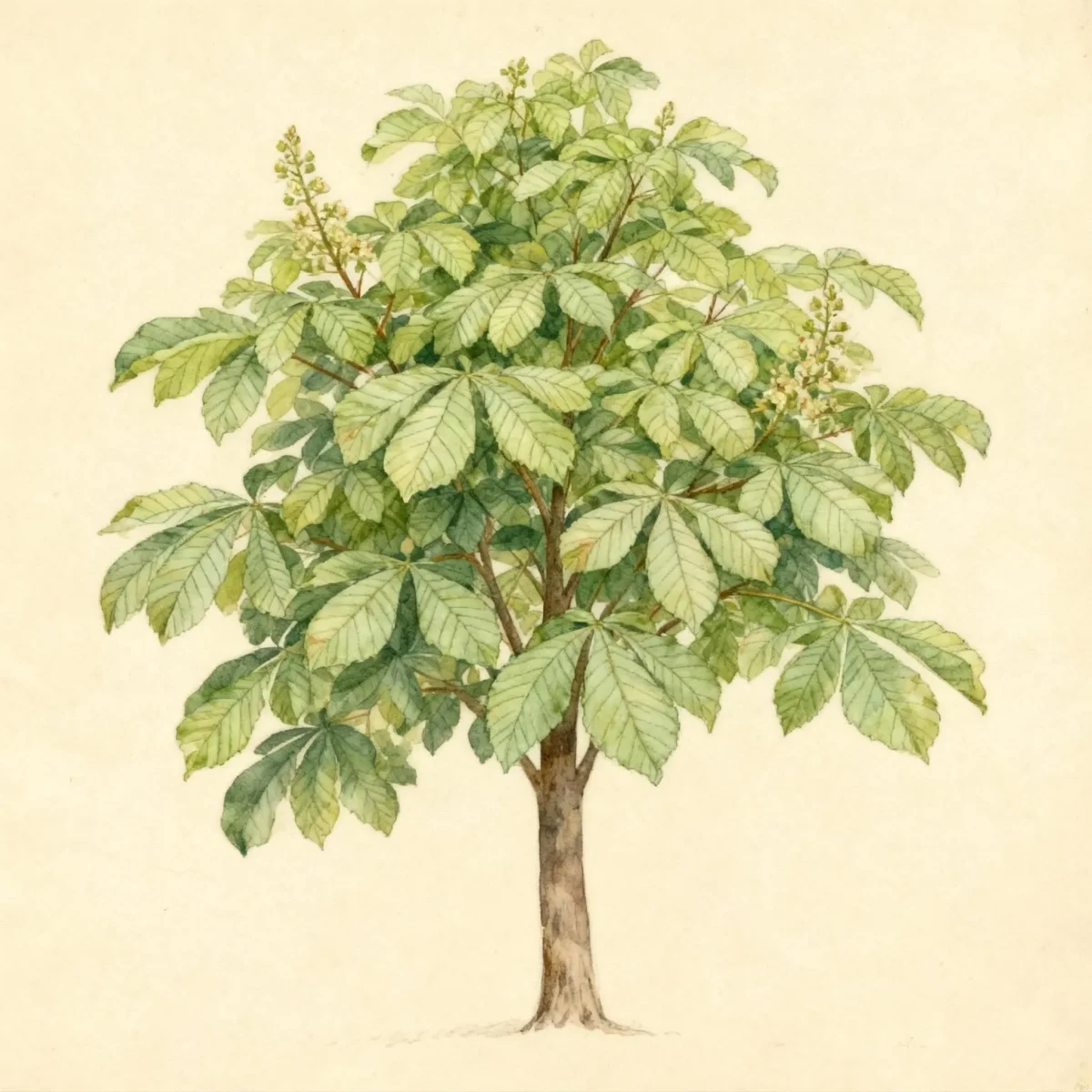
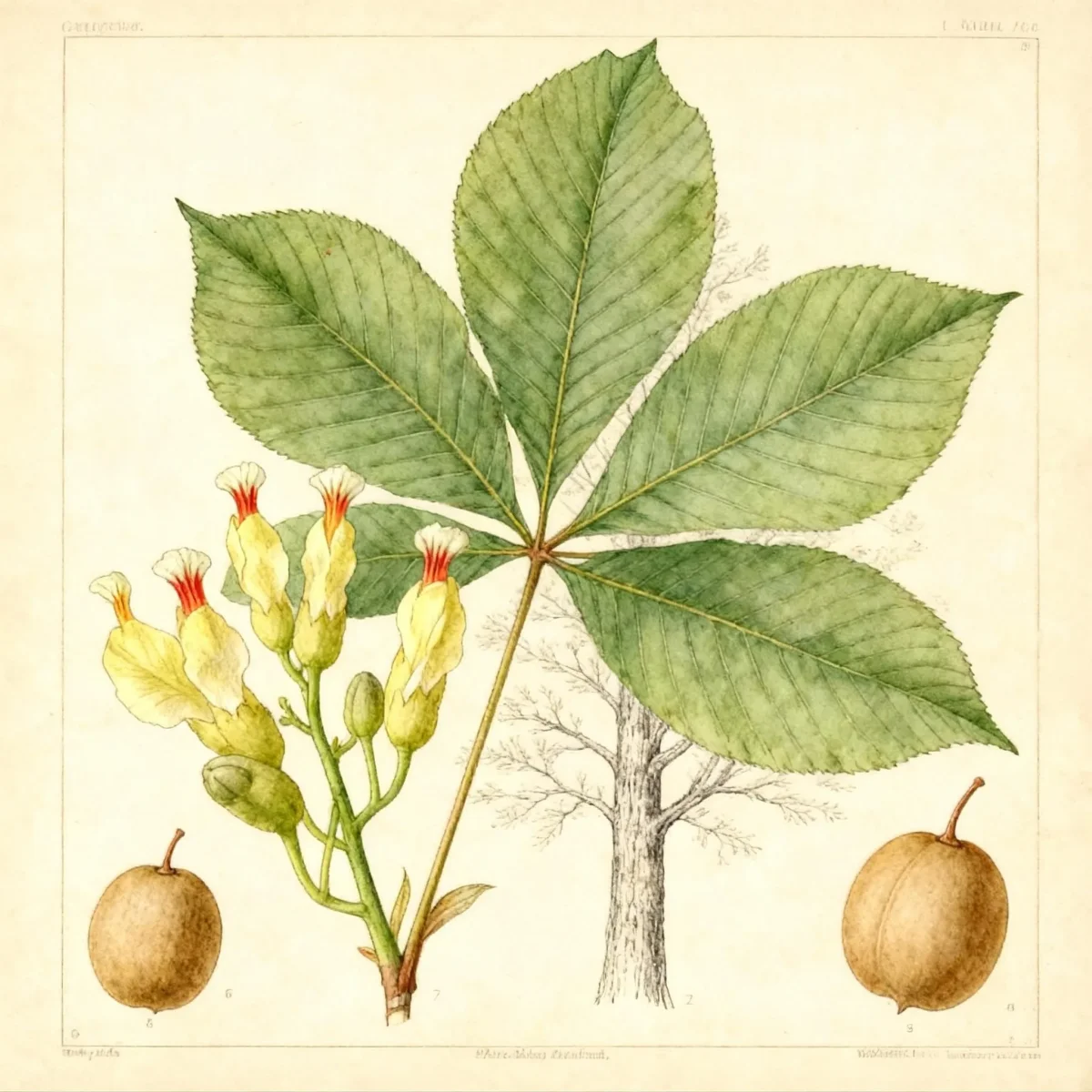
The Yellow buckeye (Aesculus flava) is a magnificent, large deciduous tree prized for its impressive stature and beautiful mid-spring floral display. As the largest of the native North American buckeyes, it offers substantial canopy coverage, making it an excellent choice for expansive landscape settings where long-term vertical interest is desired. Its palmate leaves turn attractive yellow-orange shades in autumn, although its most compelling feature remains the erect panicles of yellow flowers that emerge in spring.
This tree thrives best when provided with ample moisture and fertile soil typical of its native stream banks and rich bottomlands. While it is a robust species, providing the right environment is key to minimizing foliage issues common to the genus. Proper placement ensures the long-term health of this stately specimen.
Considered by many experts to be the most beautiful of the large growing Aesculus species, the Aesculus flava provides structure, color, and significant shade. Gardeners should plan its placement carefully, keeping in mind its mature size and the litter production mentioned in cultivation notes.
Fast Facts
- Plant Family: Sapindaceae
- Plant Type: Tree
- Native Range: North America
- Hardiness Zones: USDA Zones 4-8
- Size at Maturity:
- Height: 50-75 ft
- Spread: 30-50 ft
- Bloom Time: April to May
- Bloom Description: Yellow
- Sun Exposure: Full sun to part shade
- Water Needs: Medium
- Maintenance Level: Medium
How to Grow
The best time to establish a young Yellow buckeye is typically during the dormant season (late fall or early spring) while the tree is young. Aesculus flava requires average, well-drained soils with medium moisture, preferring fertile, humusy, sandy loams. Ensure the planting site receives appropriate light, ranging from full sun to partial shade; be aware that foliage may scorch or decline in excessively dry conditions.
Watering newly planted Aesculus flava must be consistent to encourage a strong root system. This tree develops a substantial taproot, making it difficult to successfully transplant once established, emphasizing the need for careful initial placement. Avoid excessive fertilization, as this can sometimes exacerbate pest or disease issues; focus instead on amending the soil to retain even moisture levels without becoming soggy.
Mulching densely around the base, without touching the trunk, helps maintain cool, moist soil conditions crucial for the yellow buckeye throughout the summer heat. Because established trees are challenging to move, prune only as necessary during dormancy to correct structural defects, maintaining the tree’s natural, rounded crown habit.
Landscape Uses
The Yellow buckeye is generally not recommended for locations where frequent clean-up is required, such as near patios, sidewalks, or under utility lines, due to the inevitable litter from twigs, fruit, and leaves. However, its immense size and graceful structure make it an unparalleled ornamental shade tree for large properties or park-like settings. Michael Dirr highly regards this species for its beauty when sited appropriately.
Use Aesculus flava as a specimen planting in native plant gardens or within larger woodland borders where its medium water needs can be consistently met by natural landscape moisture or supplemental irrigation. It integrates well into settings requiring a major canopy layer that offers dappled shade beneath, contrasting beautifully with smaller understory shrubs that tolerate similar light conditions.
For gardeners aiming for low-maintenance maturity in a larger space, the Yellow buckeye is an excellent choice, provided the soil is rich and moist. Its structure excels at defining the boundary between open lawn and dense woodland areas, showcasing its impressive stature away from structures.
Standout Features
Flower Qualities
- Showy
Fruit Qualities
- Showy
Noteworthy Characteristics
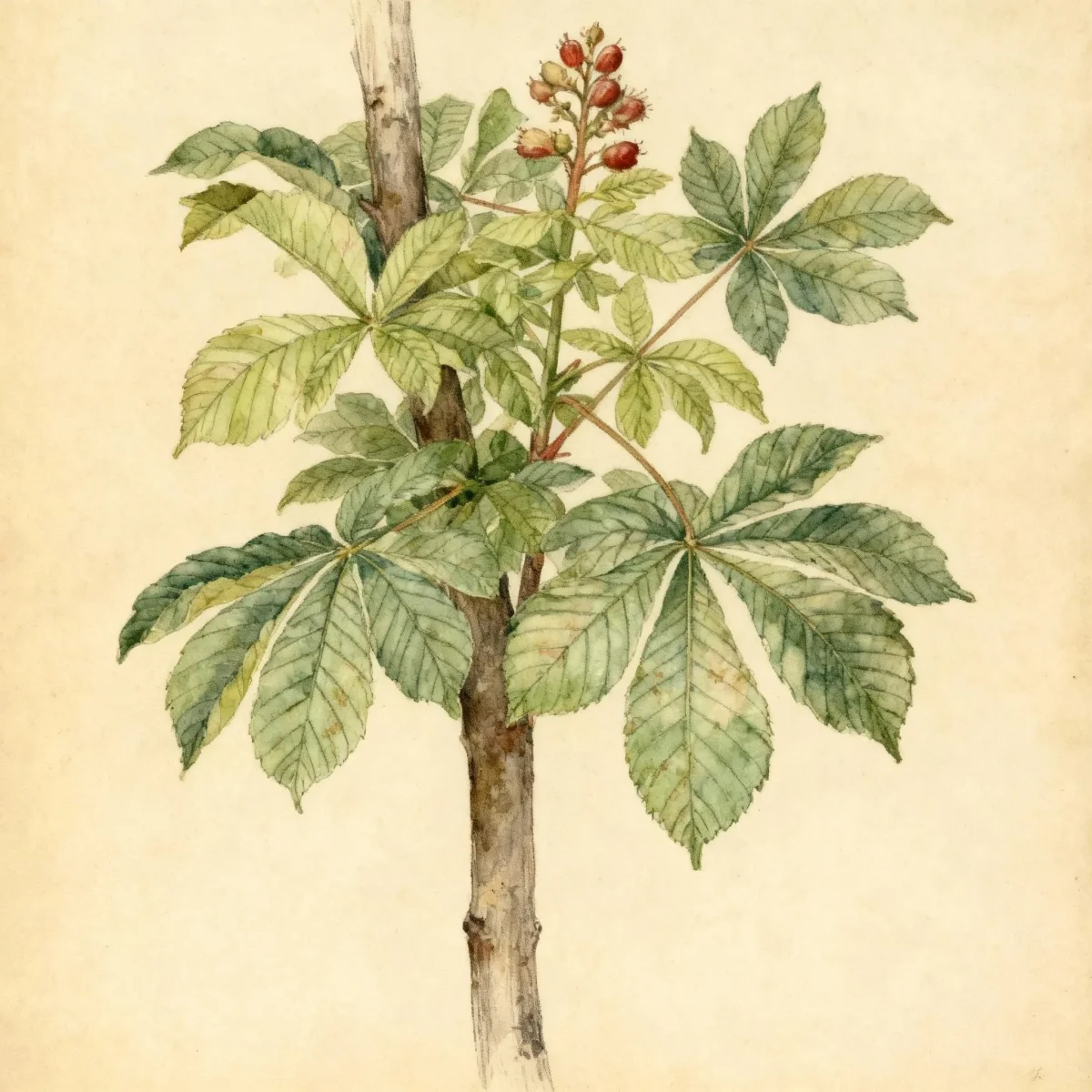
Aesculus flava, commonly called yellow buckeye, is a medium to large deciduous tree that grows 50-75’ (less frequently to 90’) tall with an oblong-rounded crown. It is the largest of the buckeyes that are native to the U. S. and is typically found in rich soils on river bottoms, stream banks and mountain slopes across the Ohio River valley region. Yellow flowers appear in mid-spring followed by the familiar buckeye fruit contained within a smooth, light brown husk, unlike the spiny husk of the Ohio buckeye.
Tolerances
- Black Walnut
Potential Problems
The primary concerns for Yellow buckeye often involve fungal diseases and insect pressures, though these are often less severe than with related species like the Ohio buckeye. Leaf blotch can be a significant cosmetic issue, causing noticeable spotting. Be vigilant for powdery mildew, leaf spots, and anthracnose.
To manage insect pests, watch for the buckeye lacebug, Japanese beetles, bagworms, and borers, particularly if the tree is stressed. Cultural care is the best prevention; ensure the Aesculus flava receives adequate, consistent moisture, as stress from drought or insufficient richness leads to leaf scorch (browning along the edges). Good air circulation and planting in the preferred fertile soil can mitigate most disease and insect susceptibility.
Frequently Asked Questions
What hardiness zones is Yellow buckeye suitable for?
The Yellow buckeye (Aesculus flava) is hardy and thrives in USDA Zones 4 through 8.
How large does Aesculus flava grow?
This impressive tree typically reaches heights between 50 and 75 feet, with a spread ranging from 30 to 50 feet at maturity.
What sun exposure does Yellow buckeye need?
Aesculus flava performs best in sites receiving full sun to part shade conditions.
When does Aesculus flava bloom?
The Yellow buckeye produces its distinctive yellow flowers in the spring, generally blooming from April into May.
Conclusion
The Aesculus flava, or Yellow buckeye, offers substantial horticultural value as a major specimen shade tree, rewarding gardeners with beautiful yellow blooms and a commanding presence. While its size necessitates thoughtful placement away from structures due to litter, its beauty earns it a top spot in large, naturalized landscapes. Before planting, confirm that your site meets the rich, medium-moisture soil requirements in Zones 4-8 to ensure the best form for your magnificent Yellow buckeye.
Companion Planting
When selecting companions for Aesculus flava, focus on plants that appreciate rich, humusy soils and generally thrive in the dappled, filtered light beneath a large canopy. Consider planting natives like Spicebush (Lindera benzoin) in the understory, as it shares a preference for moist conditions and offers contrasting texture and winter interest. Ferns, such as the Christmas fern (Polystichum acrostichoides), can also thrive in the consistent shade provided once the buckeye matures, provided they are supplied with enough moisture.
Avoid planting shallow-rooted, high-demand turf directly up to the trunk; instead, create a wide, mulched buffer zone where the tree’s root system can capture nutrients and moisture without competition from grass. This management strategy reinforces the health of the Aesculus flava by mimicking its native woodland floor environment.
Seasonal Care Calendar
Spring preparation is critical for the Yellow buckeye; clean up any fallen debris promptly to reduce disease inoculum levels before new growth begins, and apply a layer of compost or aged organic matter around the drip line. Water deeply throughout the first few growing seasons to help establish the critical taproot system necessary for long-term drought tolerance.
Summer care centers almost entirely on moisture management. If the summer is dry, supplement watering, especially for younger trees, ensuring the soil remains consistently medium moist to prevent leaf scorch, which is a common sign of drought stress in Aesculus flava. Monitor closely for early signs of leaf blotch or insect activity.
In fall, enjoy the attractive yellow-orange foliage color, but rake leaves away from the base of the tree promptly. Unlike some deciduous trees, the Yellow buckeye does not typically require heavy winterization, but ensuring adequate moisture uptake before the ground freezes solid supports overwintering success.