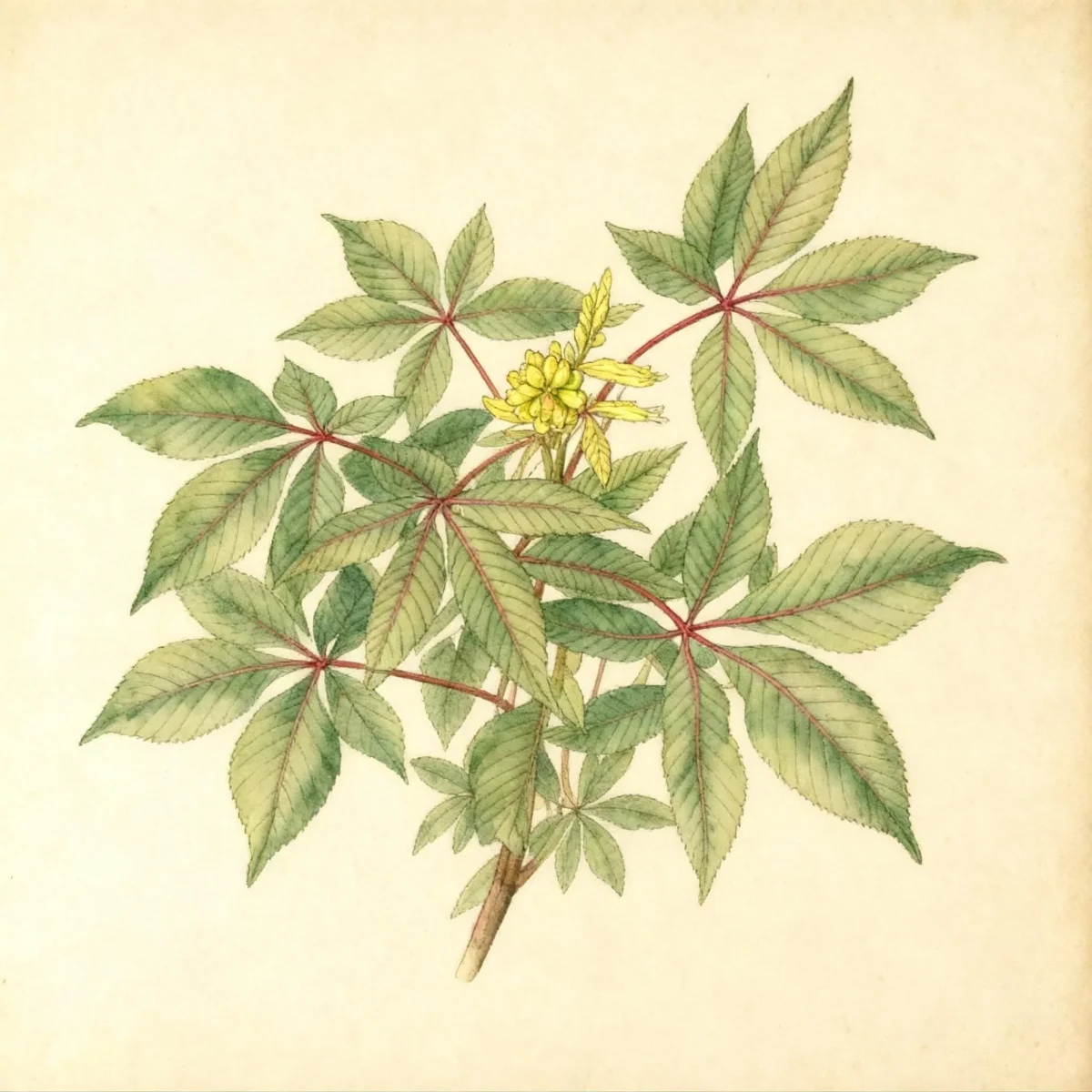
Red buckeye (Aesculus pavia)
Discover Aesculus pavia, the Red buckeye, a stunning native shrub/small tree offering bright red spring blooms and attracting hummingbirds.
Scroll down to discover growing tips, care requirements, companion plants, and more
Complete Plant Information
Overview
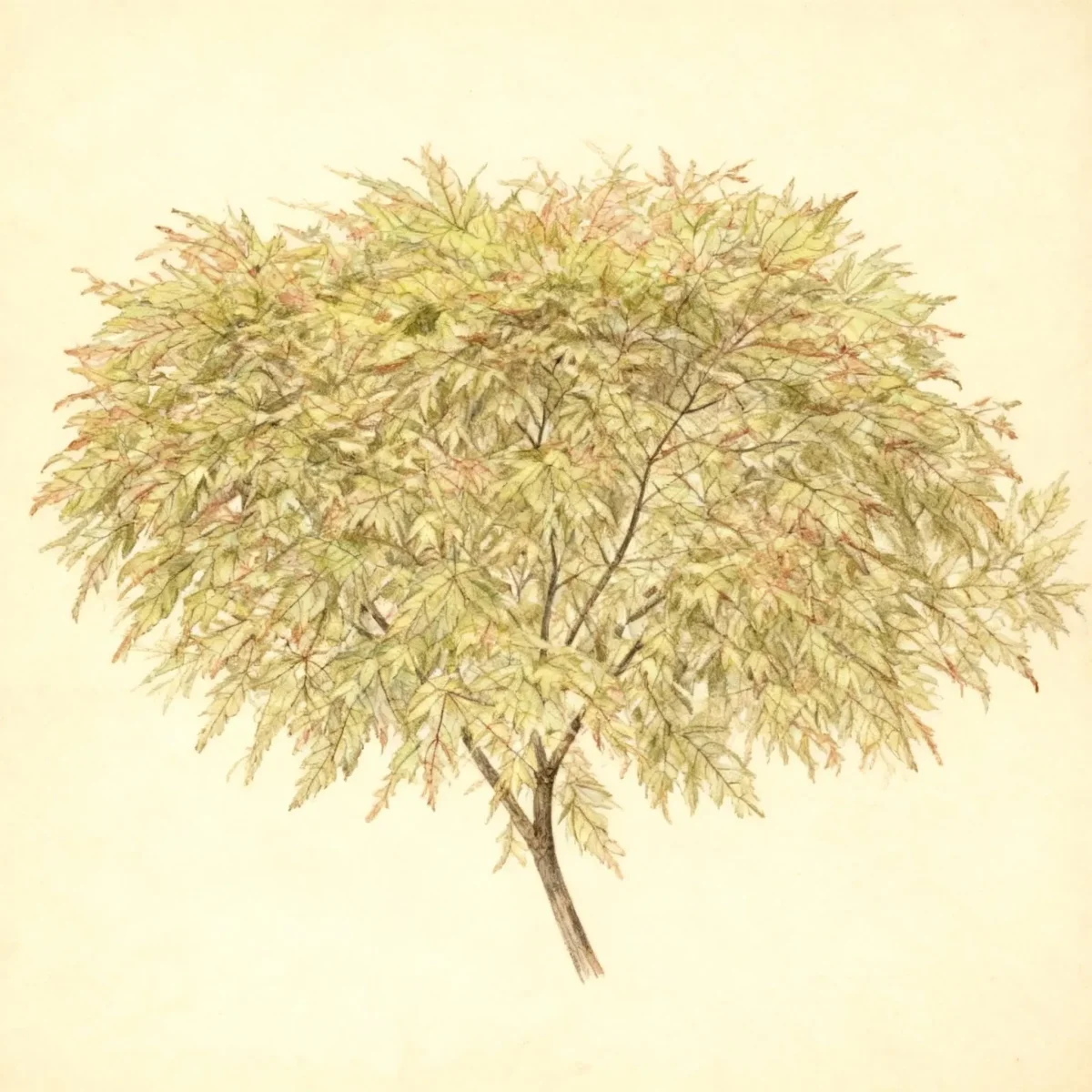
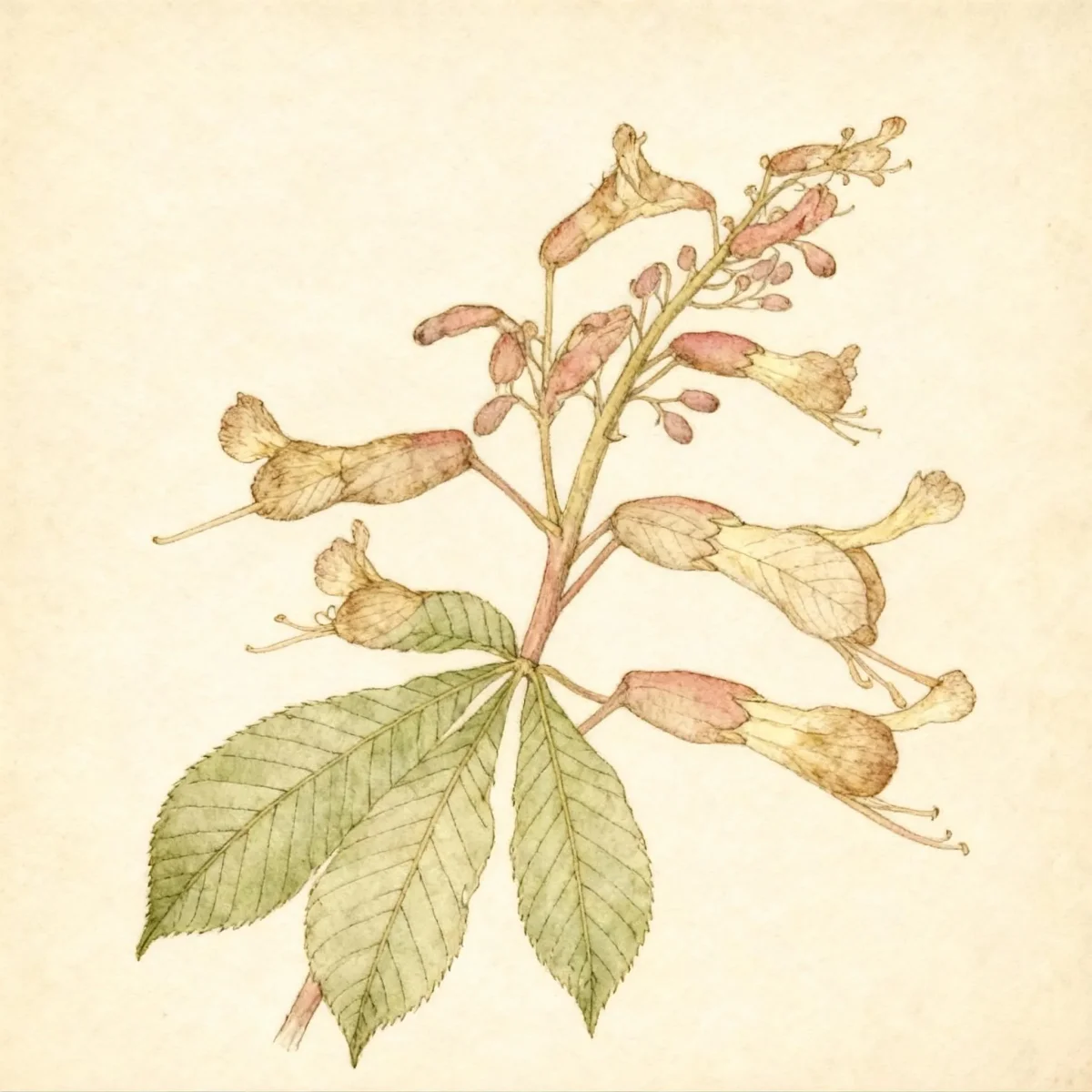
The Red buckeye (Aesculus pavia) is a highly valued native deciduous shrub or small tree, celebrated primarily for its spectacular spring floral display. This plant provides striking visual interest with erect panicles of vibrant red to orange-red flowers, which are magnets for ruby-throated hummingbirds immediately upon their spring arrival. While its foliage is attractive early in the season, gardeners should note that the leaves of the Red buckeye tend to decline by late summer, especially in dry or hot conditions.
Growing to a modest height and spread of 12 to 15 feet, Aesculus pavia forms an irregular, rounded crown, making it an excellent specimen or screen planting. Though it handles medium moisture needs, ensuring consistent water, particularly during dry spells, helps keep the foliage looking its best. Native to the rich wooded areas of southeastern North America, the Red buckeye brings reliable, vibrant color to the spring landscape.
Fast Facts
- Plant Family: Sapindaceae
- Plant Type: Deciduous shrub
- Native Range: North America
- Hardiness Zones: USDA Zones 4-8
- Size at Maturity:
- Height: 12-15 ft
- Spread: 12-15 ft
- Bloom Time: April to May
- Bloom Description: Bright red
- Sun Exposure: Full sun to part shade
- Water Needs: Medium
- Maintenance Level: Medium
How to Grow
Planting the Red buckeye is best done in the spring or fall when temperatures are milder. Choose a location that offers average, medium-moisture, well-drained soil, as this species dislikes perpetually soggy or overly dry feet. While Aesculus pavia tolerates full sun, providing some afternoon shade, especially in the hotter parts of its range, will greatly mitigate foliage scorch later in the season.
Ongoing care centers around consistent moisture management. The Red buckeye prefers fertile, moist soils; supplement watering during periods of drought to maintain appearance, as foliage depreciates rapidly when dry. Fertilizing is usually unnecessary in rich native soils, but improved soil fertility can encourage better summer performance. Pruning should be minimal, primarily addressing any crossing or damaged branches, as the natural habit is quite pleasing.
This adaptable plant can be successfully grown from seed, often flowering relatively quickly, sometimes by its second or third year. Be aware that the shiny seeds, the “buckeyes,” are poisonous, a factor to consider if children or pets frequently occupy the garden space.
Landscape Uses
The inherent structure and stunning flower color make the Red buckeye versatile in landscape design. Its size allows it to function effectively as a specimen flowering tree where its unique silhouette can be appreciated year-round. For screening purposes, planting several together creates a dense, medium-height hedge or visual barrier that offers exceptional spring appeal.
Furthermore, because the Red buckeye prefers moist sites, it is an excellent candidate for rain gardens or stream side plantings where retained moisture is available throughout the growing season. Consider pairing this tree with understory shrubs or perennials that thrive in similar moisture levels but possess better heat or late-season texture, compensating for the buckeye’s summer foliage decline. Its rich bloom period perfectly signals the return of hummingbirds to many regions.
Standout Features
Flower Qualities
- Showy
Fruit Qualities
- Showy
Noteworthy Characteristics
Aesculus pavia, commonly called red buckeye, is a deciduous clump-forming shrub or small tree with an irregular rounded crown that typically grows 10-20’ tall. Showy, erect panicles of red to orange-red, narrow-tubular flowers appear in spring, actively attracting ruby-throated hummingbirds. Large, shiny seeds called buckeyes ripen in fall within globular capsules, though these seeds are poisonous and generally avoided by wildlife.
Tolerances
- Clay Soil
Potential Problems
Leaf blotch can be a significant aesthetic problem for the Red buckeye, often appearing on the foliage mid-season. This fungal issue causes dark spots that contribute to the overall early decline of the leaves, particularly when humidity is high or the plant is stressed by heat and dryness. Watering at the base of the plant, maintaining good air circulation through appropriate spacing, and selecting a site with afternoon shade can help minimize the severity of this common affliction.
Frequently Asked Questions
What hardiness zones is Red buckeye suitable for?
The Red buckeye (Aesculus pavia) is best suited for USDA Hardiness Zones 4 through 8.
How large does Aesculus pavia grow?
This species typically matures to a height range of 12 to 15 feet, with a similar spread of 12 to 15 feet, classifying it as a large shrub or small tree.
When does Red buckeye bloom?
The showy flowers appear relatively early in the season, typically blooming from April to May with a bright red coloration.
What sun exposure does Aesculus pavia need?
For optimal health and flowering, plant the Red buckeye where it receives full sun to part shade; afternoon shade is beneficial in hotter climates.
Conclusion
The Aesculus pavia, or Red buckeye, offers phenomenal aesthetic value in the spring landscape, especially for gardeners keen on supporting local wildlife like hummingbirds. While its summer foliage requires mindful watering and siting to prevent scorching, its ease of establishment in medium soils makes it a worthwhile addition. Before planting, always confirm that your USDA zone falls within the 4 to 8 range to ensure the best performance from this delightful native.
Companion Planting
When planning a landscape featuring the Red buckeye, selecting companions that share its preference for medium moisture content is key. Plants that offer strong, late-season color or texture contrast well with the buckeye’s early summer performance. Consider native ferns or hostas with substantial foliage to fill the space beneath the canopy when the Aesculus pavia’s leaves begin to fade in August. Groundcovers that tolerate dappled light and average soil fertility will also help suppress weeds and retain beneficial soil moisture around the root zone.
Wildlife Benefits
The flowers of the Red buckeye are nutritionally rich and perfectly structured to accommodate hummingbirds during their spring migration route. In regions where this plant is native, it serves as an important early food source. While the attractive buckeye seeds ripen in the fall, it is crucial to remember that these seeds are poisonous to humans and most mammals. Thus, the primary benefit lies in the direct support provided by the nectar-rich, bright red blooms early in the season.