California buckeye (Aesculus californica)
Aesculus californica is a distinctive native California tree noted for its silvery bark, early bloom, and unique deciduous nature during dry summers.
Scroll down to discover growing tips, care requirements, companion plants, and more
Complete Plant Information
Overview
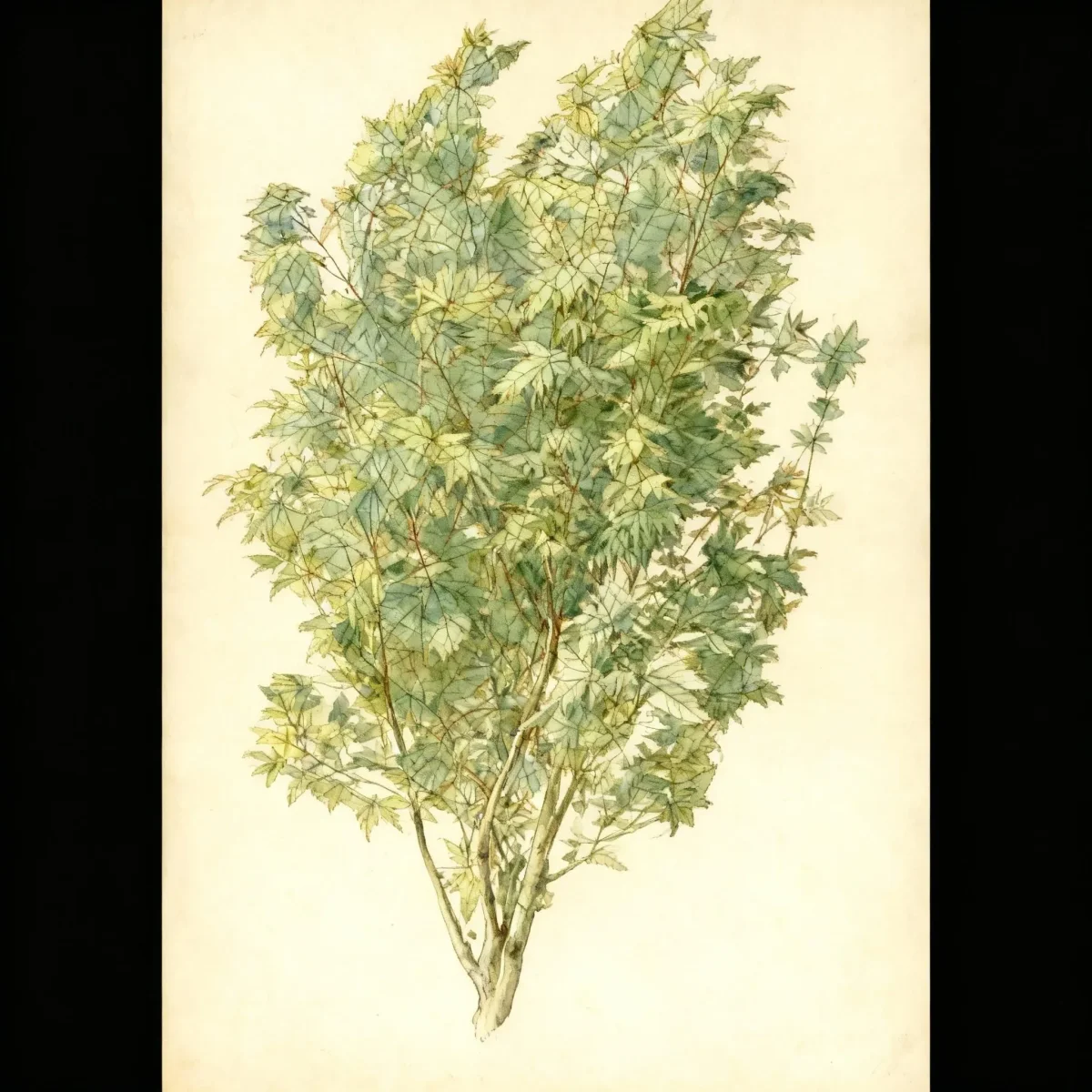
The California buckeye (Aesculus californica) is a striking deciduous shrub or small tree endemic to the diverse landscapes of California. It offers distinct architectural interest, even when leafless, featuring smooth, silver-gray bark and an open, somewhat flattened crown structure ideal for Mediterranean-type climates. This species provides early seasonal interest, often blooming before many other landscape trees.
As a California native, Aesculus californica is uniquely adapted to wet winters and dry summers, though this adaptation results in a notably early summer dormancy period where it sheds its leaves. Successful cultivation depends on respecting its need for well-drained soils and avoiding consistently dry summer conditions if extended summer foliage is desired. Gardeners select the California buckeye for its hardiness in specific zones and its unique silhouette, which contrasts well with evergreen plantings.
When mature, this plant provides a medium-sized presence, typically reaching heights between 15 and 30 feet. While its flowers are notable, the tree’s overall form and characteristic rapid leaf drop make it a challenging yet rewarding specimen for knowledgeable gardeners, particularly those seeking drought-tolerant native screens or focal points.
Fast Facts
- Plant Family: Sapindaceae
- Plant Type: Tree
- Native Range: California
- Hardiness Zones: USDA Zones 7-8
- Size at Maturity:
- Height: 15-30 ft
- Spread: 15-30 ft
- Bloom Time: February to March
- Bloom Description: Creamy white to pink
- Sun Exposure: Full sun to part shade
- Water Needs: Medium
- Maintenance Level: Medium
How to Grow
The best time to establish Aesculus californica is when it is dormant, or during the cool, wet winter and spring months when the soil is naturally moist. Plant the California buckeye in deep, well-drained locations, prioritizing locations that retain some moisture during the dry period. It thrives in full sun but will tolerate light shade, especially if that shade helps moderate summer heat stress.
Care centers heavily around water management. While rated as medium water, consistent moisture throughout the summer will encourage the leaves to stay on longer than the typical early summer drop seen in dry foothill environments. Avoid letting the soil dry out completely, especially for young trees. Fertilization is rarely necessary for this native species. Pruning should focus on removing crossing or damaged limbs to maintain the naturally open, spreading habit of the California buckeye.
This species is perfectly suited to a Mediterranean climate profile—wet winters followed by dry summers. In hotter Eastern US locations, leaf scorch and very early drop are common responses to drought or high heat. When preparing for winter, no special protection is usually needed in Zones 7-8, though new plantings, or those situated near the Zone 6b margin, may benefit from root zone mulch for insulation.
Landscape Uses
The California buckeye functions beautifully as a single or multi-trunked small specimen tree, offering year-round structural interest due to its spreading branchlets and smooth bark. Because of its pronounced summer dormancy, it is best utilized where its deciduous nature works with the design—perhaps placed to allow winter sun penetration into a space later shaded by summer growers.
Use the Aesculus californica where its unique form can be appreciated, such as at the edge of a naturalized woodland garden or as a focal point in a dry slope planting. To enhance its aesthetic appeal during the growing season, pair it with deep-green, late-summer blooming Texas natives or other drought-tolerant shrubs that maintain their visual interest while the buckeye rests. Its adaptation to dry slopes also makes it excellent for erosion control in appropriate settings.
Standout Features
Flower Qualities
- Showy
Fruit Qualities
- Showy
Noteworthy Characteristics
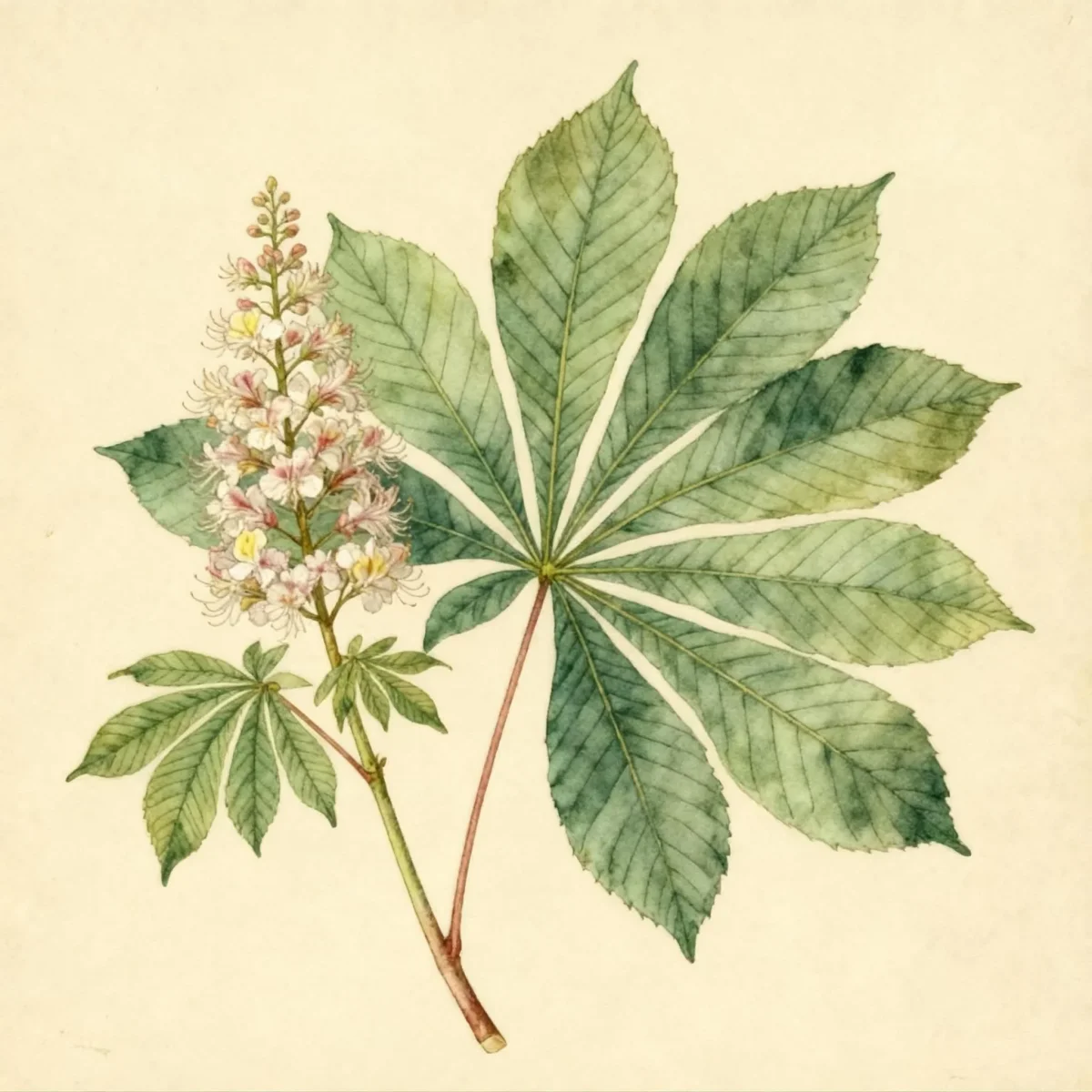
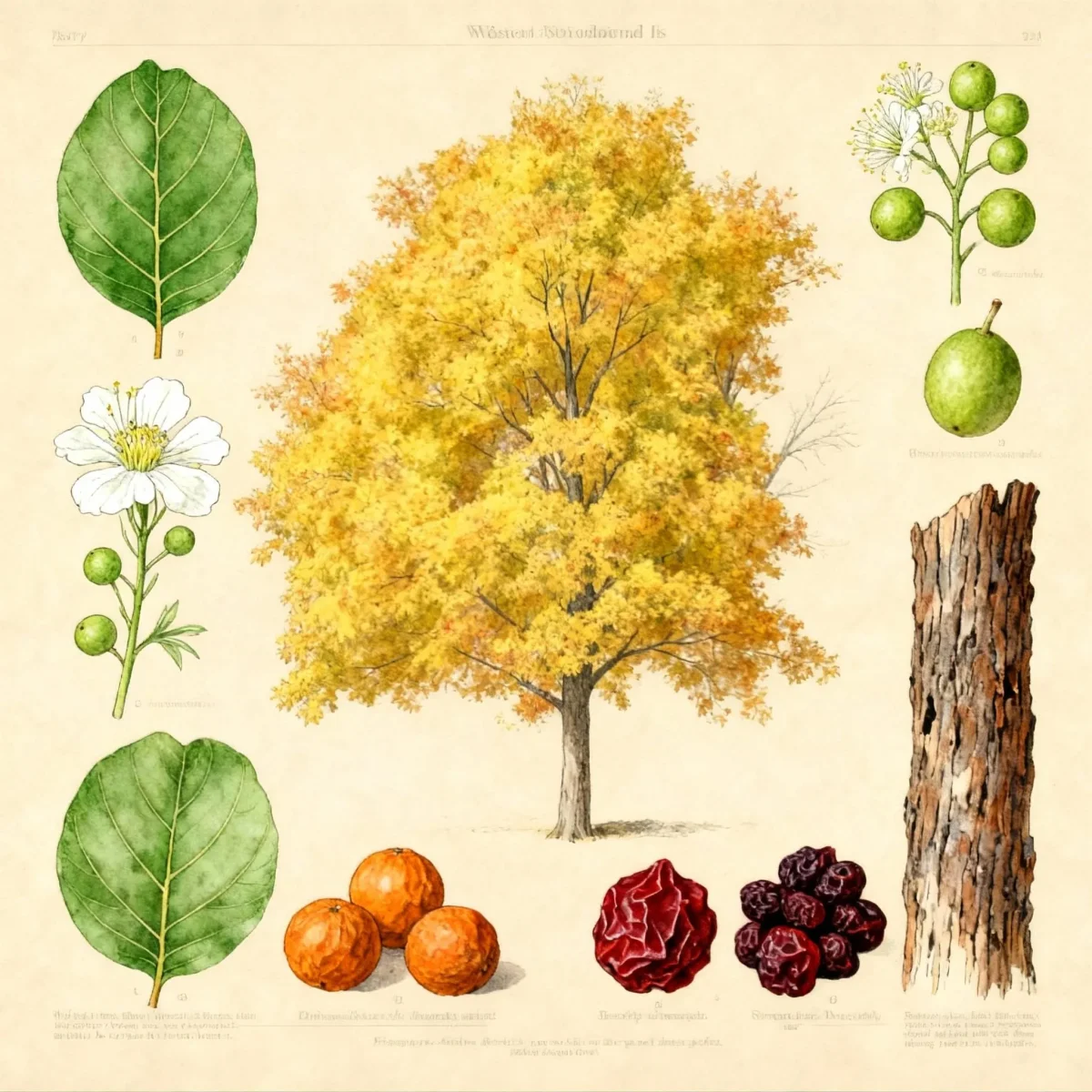
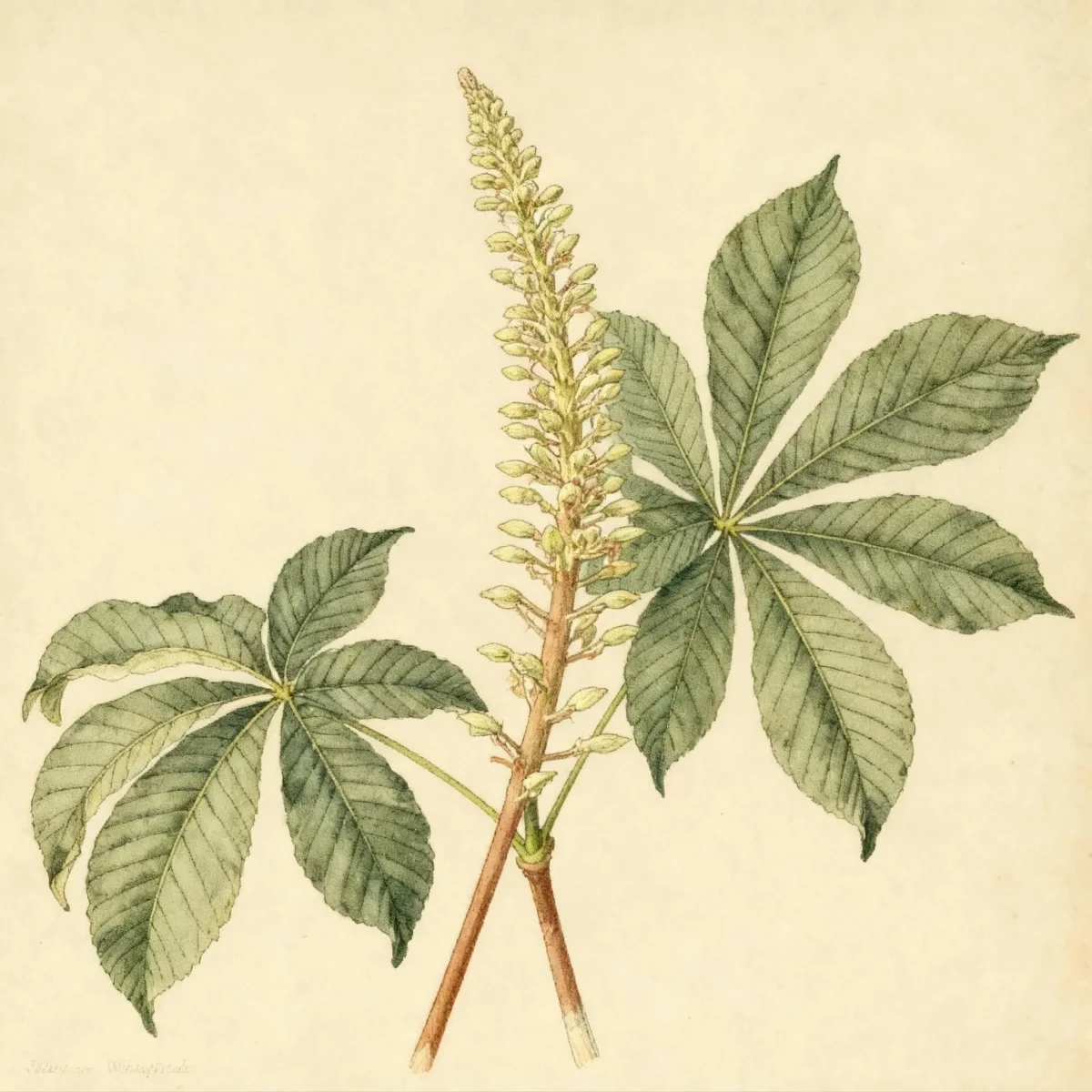
Aesculus californica, commonly called California buckeye, is a large, deciduous shrub or small tree native to the foothills and valleys of California’s coastal ranges and the Sierra Nevada Mountains. It is distinguished by its open, somewhat flat-topped crown, short trunk, and contrasting smooth silver-gray bark. The tree produces showy panicles of creamy white to pink flowers, followed by rough-textured, spineless fruit capsules that release dark brown ‘buckeye’ nuts in the fall.
Tolerances
- Deer
Potential Problems
Growers should be aware that plants in the Aesculus genus are susceptible to several common diseases, including powdery mildew, rust, and anthracnose. Insect pests such as bagworms, borers, and Japanese beetles can also pose threats that require monitoring. Leaf scorch, characterized by browning edges, frequently occurs when the tree is under significant stress from drought or exposure to relentless, hot winds.
Management of Aesculus californica centers on preventing drought stress, which triggers early defoliation. If you provide consistent, moderate summer irrigation, the leaves will persist much longer into the autumn. A critical warning for all gardeners is that all parts of the California buckeye are toxic if ingested by humans or livestock, requiring thoughtful placement away from accessible areas.
Frequently Asked Questions
What hardiness zones is California buckeye suitable for?
The California buckeye (Aesculus californica) is best suited for USDA Hardiness Zones 7 through 8.
How large does California buckeye grow?
In maturity, Aesculus californica typically reaches a height between 15 and 30 feet, with a similar spread of 15 to 30 feet.
What sun exposure does California buckeye need?
This tree performs best when situated in full sun to part shade conditions.
When does California buckeye bloom?
The bloom time for the California buckeye is generally from February to March, producing creamy white to pink flowers.
Conclusion
The striking form, early bloom period, and native status make the Aesculus californica a valuable addition for thoughtful landscape architects working within its specific climatic niches. Understanding its summer dormancy is key to appreciating the unique lifecycle of the California buckeye. Before planting, always verify that your site falls within USDA Zones 7-8 and that you can provide the medium moisture needs it prefers throughout the year.
Companion Planting
Choosing appropriate companions is vital for the California buckeye, especially since its early leaf drop leaves the understory bare during the peak summer heat or drought. Consider pairing it with late-flowering, drought-tolerant California natives that gain visual interest as the buckeye goes dormant. Excellent partners include various sages (Salvia species), especially those with deep blue or purple flowers, or coastal buckwheat (Eriogonum parvifolium), which thrives in similar dry, sunny slopes.
When planting beneath the canopy of Aesculus californica, select species that do not require significant summer water once established, which aligns well with the tree’s preference for Mediterranean moisture patterns. This strategy ensures that supplemental irrigation is minimized, respecting the natural ecological requirements of the California buckeye and promoting a healthy, low-maintenance landscape.
Wildlife Benefits
While caution is required concerning the toxicity of its nuts to humans, the seeds and structure of the California buckeye provide benefits to wildlife. The tree’s early setting of fruit and nuts provides a source of food for certain native animals before other seasonal resources disappear. Furthermore, the open, spreading branches offer excellent perching and nesting opportunities within the coastal ranges where this species naturally occurs.
The flowers of Aesculus californica, described as creamy white to pink, attract various early-season pollinators emerging from winter dormancy. Planted in its native range, this tree supports the local ecosystem by providing a reliable, early source of nectar when few other woody plants are flowering, thus making it a net positive contribution to native insect populations.