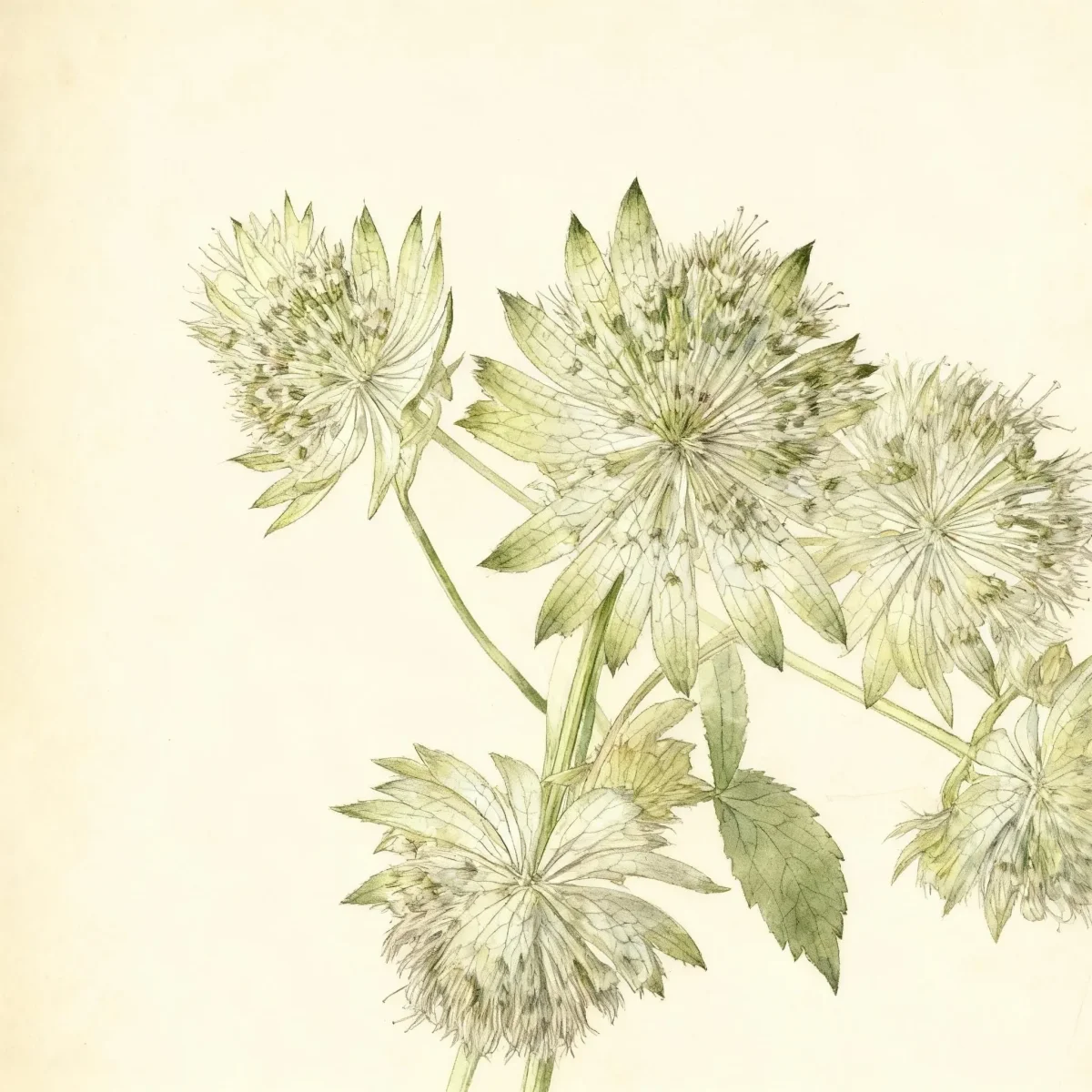
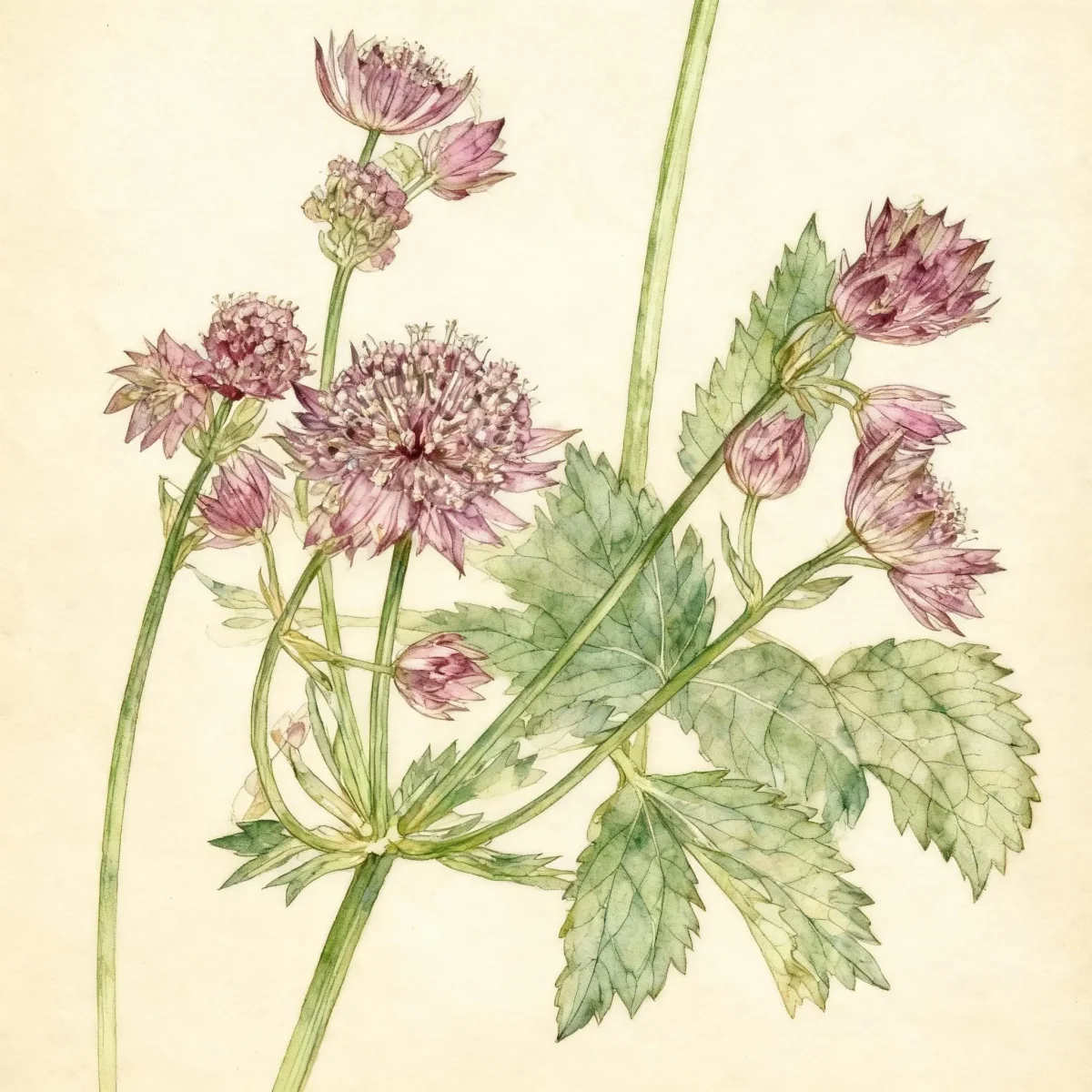
Virginia waterleaf (Hydrophyllum virginianum)
Virginia waterleaf (Hydrophyllum virginianum) is a low-maintenance perennial known for distinctive, water-blotched leaves and spring blooms.
Scroll down to discover growing tips, care requirements, companion plants, and more
Complete Plant Information
Overview
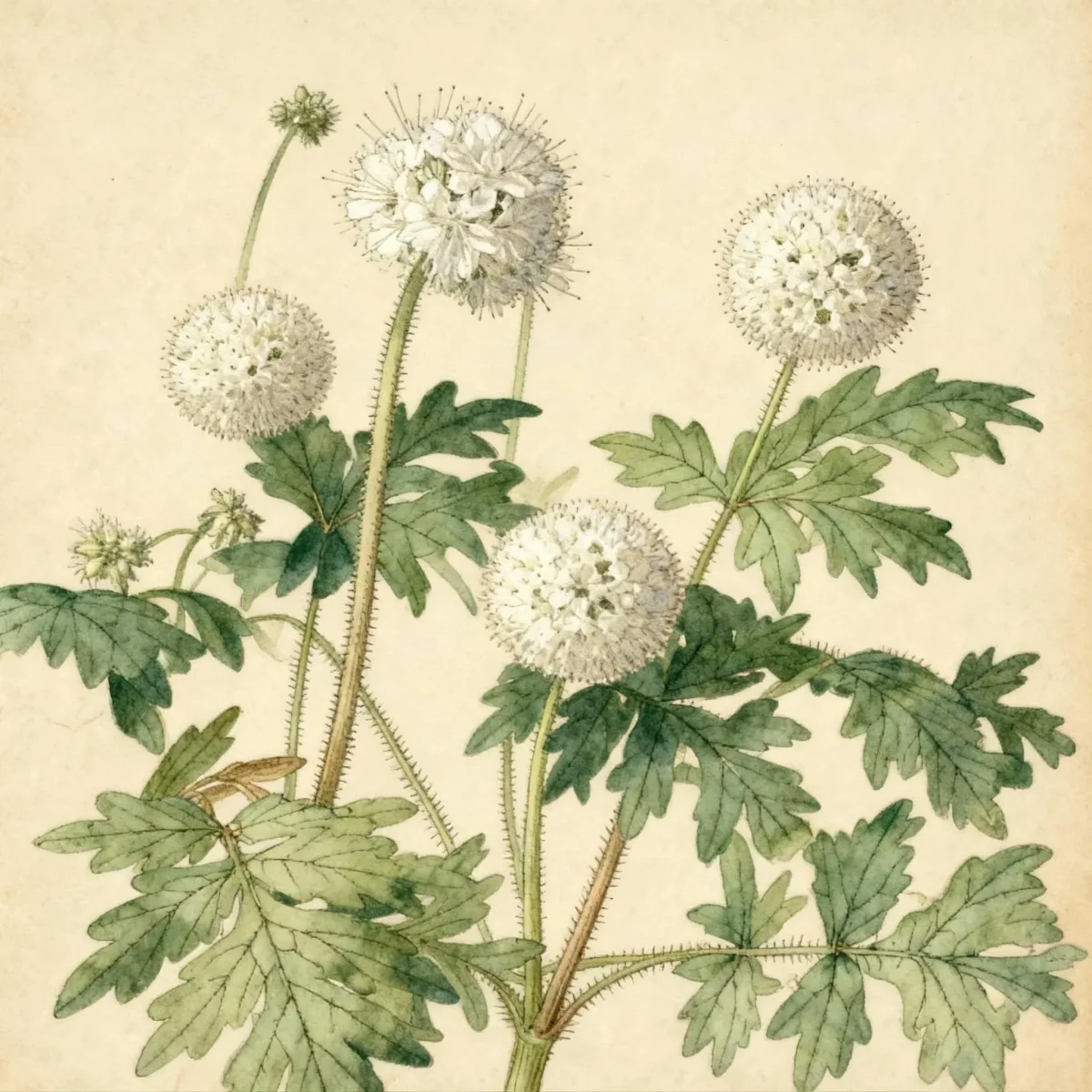
Hydrophyllum virginianum, commonly known as Virginia waterleaf, is a valuable native woodland plant celebrated for its unique foliage presentation. The leaves possess distinctive whitish mottling that gives the plant its common name, resembling water stains on the surface. This upright perennial provides excellent ground cover in shaded environments where many other garden specimens struggle.
This species thrives in the moist, dappled shade of Eastern North American woods, making it an ideal choice for ecological restorations or naturalistic garden designs. Virginia waterleaf is relatively low maintenance once established, provided its desire for consistent moisture is met throughout the growing season.
Aesthetically, the plant offers delicate, bell-shaped flowers in late spring, emerging above the patterned foliage. Gardeners appreciate Hydrophyllum virginianum for its ability to naturalize gracefully, creating a lush carpet of textured green in shady borders or woodland settings.
Fast Facts
- Plant Family: Hydrophyllaceae
- Plant Type: Herbaceous perennial
- Native Range: Eastern North America
- Hardiness Zones: USDA Zones 4-8
- Size at Maturity:
- Height: 1-2 ft
- Spread: 1-2 ft
- Bloom Time: May to June
- Bloom Description: White to lilac
- Sun Exposure: Part shade
- Water Needs: Medium to wet
- Maintenance Level: Low
How to Grow
The best time to establish Hydrophyllum virginianum is generally in the spring or early fall, ensuring the roots have time to settle before extreme temperatures. Select a location that provides consistent moisture, mimicking its native habitat in ravine bottoms and stream valleys. While it requires ample water, well-drained soil is crucial to prevent root rot.
Maintenance for Virginia waterleaf is minimal, classifying it as a low-effort perennial. Avoid high-fertility soils, as the plant can become aggressive or “leggy” if conditions are too rich, especially in optimum moist environments. Minimal pruning is required; spent flower stalks can be trimmed for neatness after blooming concludes.
Watering should be regular to maintain consistently moist soil, particularly during dry spells in summer. This plant is naturally adapted to woodland conditions, meaning it rarely suffers from serious pest or disease issues, further reducing necessary intervention. In late winter or early spring, simply clean up any significant leaf litter around the base before new growth emerges.
Landscape Uses
The primary recommended use for Virginia waterleaf is to naturalize, allowing it to spread gently and form colonies that suppress weeds beneath the canopy layer. This makes it perfect for woodland gardens or established under mature trees where competition for light is present but moisture is adequate.
Hydrophyllum virginianum integrates beautifully into shady borders where its unique foliage offers textural contrast against ferns or hostas. For a truly native planting scheme, pair it with spring ephemerals or other shade-loving woodland natives found throughout its Eastern North American range. Its ability to tolerate wet soil is a significant asset in lower-lying areas of the yard.
Standout Features
Flower Qualities
- Showy
Noteworthy Characteristics
Hydrophyllum virginianum, commonly called Virginia waterleaf, is an upright perennial of the waterleaf family that grows to 12-24” tall. It is native to moist to wet woods from Quebec to Manitoba south to Oklahoma, Tennessee and North Carolina. Tiny, white to lilac, bell-shaped flowers bloom from May to June in rounded clusters atop long stalks extending beyond the leaves. The lower leaves are deeply divided into leaflets usually mottled with blotches resembling watermarks, inspired by the Greek words for water (hydor) and leaf (phyllon).
Tolerances
- Wet Soil
Potential Problems
Gardeners will find that Hydrophyllum virginianum exhibits excellent resilience, seldom suffering from serious insect or disease problems. This robust nature contributes significantly to its status as a low-maintenance plant ideal for naturalized settings. Focus should remain on cultural requirements—ensuring the soil never dries out completely—rather than managing pests or pathogens.
Frequently Asked Questions
What hardiness zones is Virginia waterleaf suitable for?
Virginia waterleaf (Hydrophyllum virginianum) is hardy and suitable for USDA Zones 4 through 8.
How large does Hydrophyllum virginianum grow?
This herbaceous perennial typically reaches a height between 1 and 2 feet, with a similar spread of 1 to 2 feet at maturity.
When does Virginia waterleaf bloom?
The plant flowers primarily from May to June, offering small, white to lilac, bell-shaped blossoms.
What sun exposure does Hydrophyllum virginianum need?
This plant performs best when sited in part shade locations within the landscape.
Conclusion
Virginia waterleaf offers tremendous value through its unique, water-marked foliage and low maintenance needs, making it a superb choice for shaded, moist garden spots. Incorporate Hydrophyllum virginianum into your woodland plantings to add textural interest and support native ecosystems. Before planting, always confirm your site’s soil moisture capabilities align with the medium to wet needs of this charming perennial.
Companion Planting
When designing a moist, shady border, select companions that share the humidity and light requirements of Virginia waterleaf. Consider using large-leaved hostas or native woodland phlox (Phlox divaricata), which blooms slightly earlier and fills the space as the waterleaf rises. Ferns, such as the Ostrich Fern (Matteuccia struthiopteris), are excellent partners, providing vertical contrast beneath the spreading leaves of Hydrophyllum virginianum.
Design Ideas
For a classic woodland garden look, embrace the naturalistic tendency of Virginia waterleaf by letting it colonize freely beneath the high canopy of mature trees. Avoid using it in highly formal borders where its spreading habit might be unwelcome. Instead, utilize its 1-2 foot height as an attractive middle layer in a perennial shade bed, placing shorter spring bloomers in front and taller shrubs toward the back edge of the planting area.