Blue iris (Iris spuria)
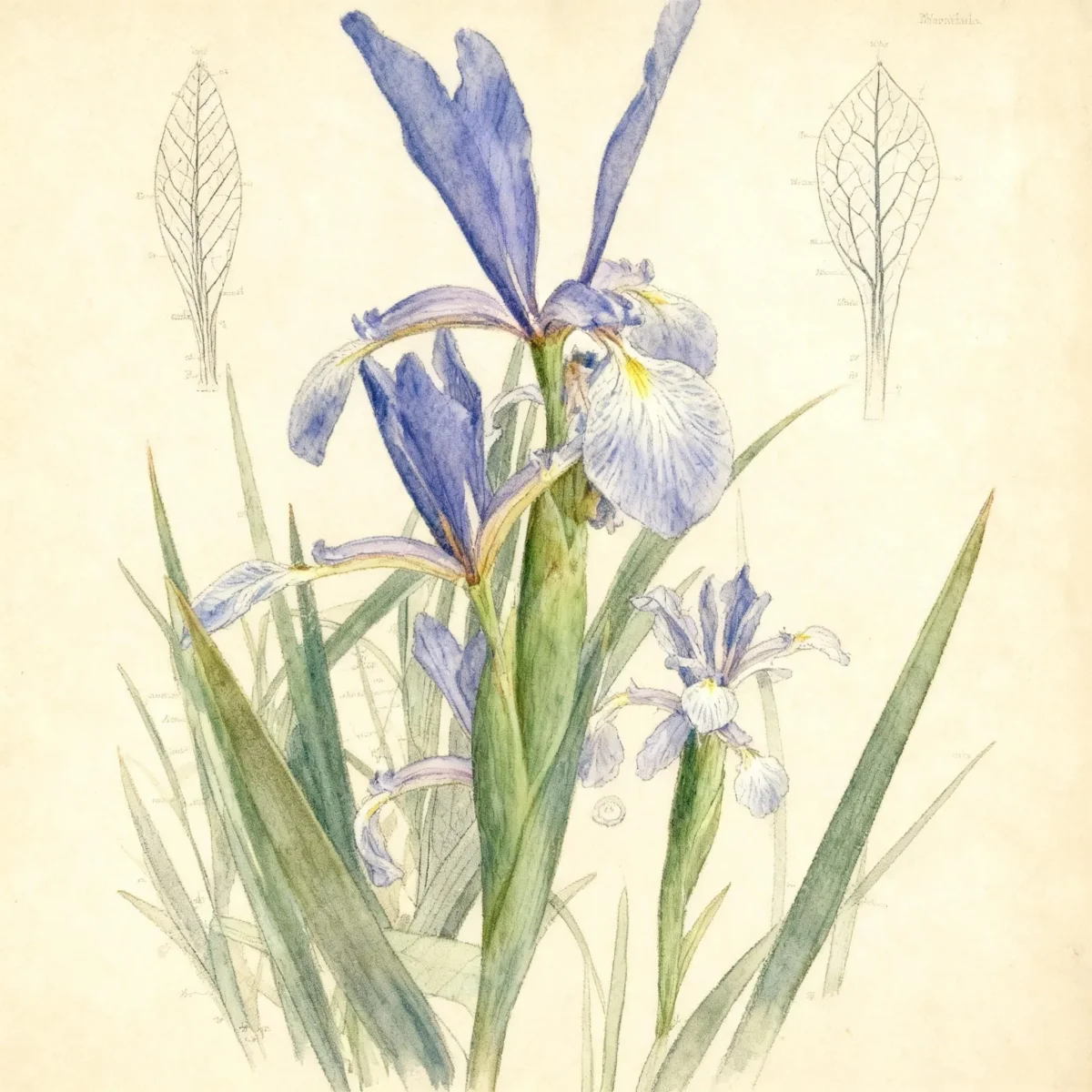
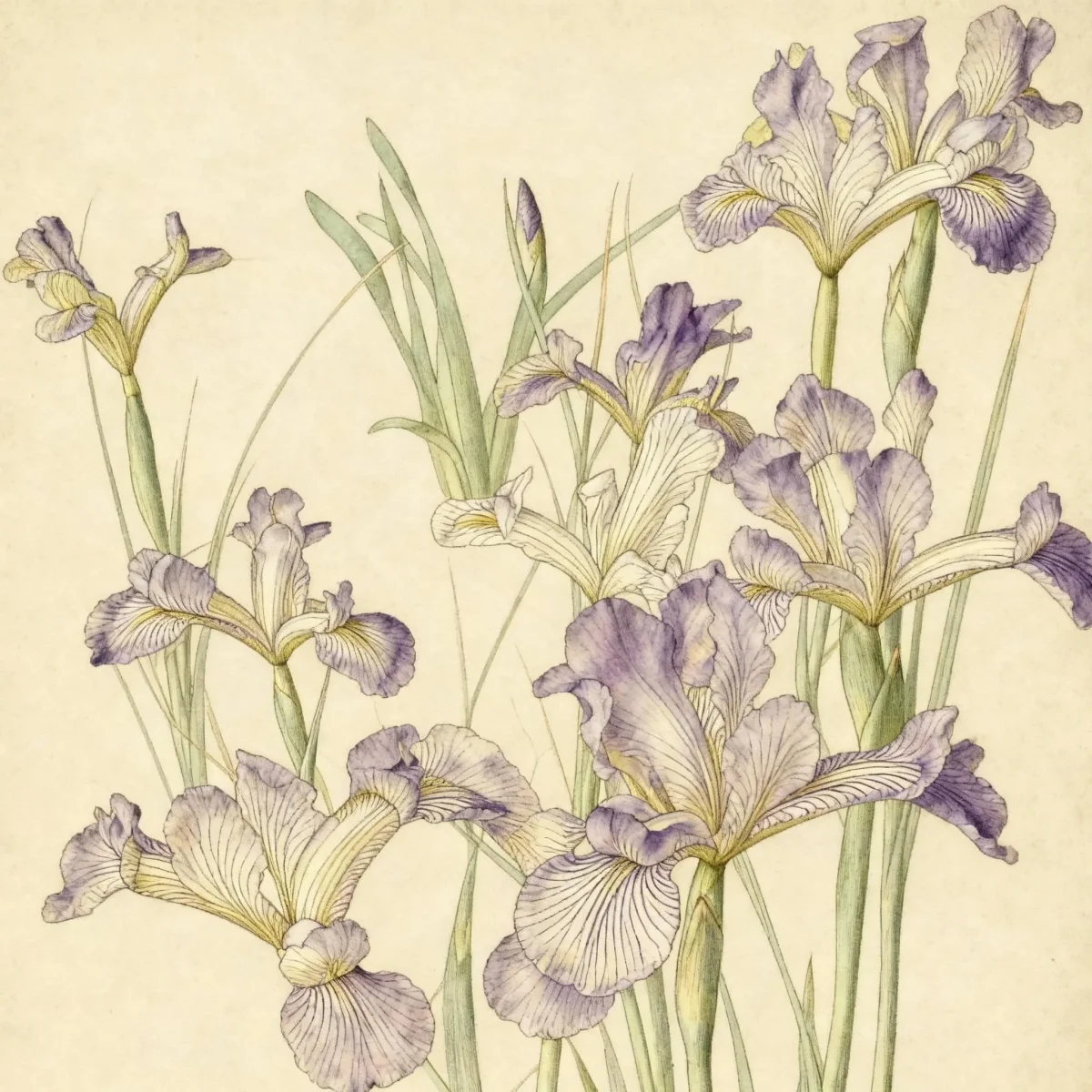
Iris spuria, or Blue iris, is a tall, beardless perennial with showy blue-purple blooms from May to July. Suitable for Zones 5-9.
Scroll down to discover growing tips, care requirements, companion plants, and more
Complete Plant Information
Overview
The Blue iris, scientifically known as Iris spuria, is a striking, tall, rhizomatous, beardless perennial prized for its elegant stature and vibrant mid-season flowers. Native to parts of Europe and Asia, this species iris offers reliability and height, reaching up to five feet in ideal conditions. Gardeners appreciate Iris spuria for its dependable performance when properly sited in full sun where drainage is excellent.
This plant forms attractive clumps of narrow, linear leaves that provide good vertical texture throughout the growing season. The blossoms, which range from blue and purple to white and brown, appear from late spring into early summer, making it a cornerstone for sunny perennial borders. Successful cultivation of Iris spuria hinges on respecting its cultural needs, particularly regarding soil drainage and seasonal moisture.
Providing superior disease resistance and better flowering, the Blue iris thrives with adequate sunlight and avoids the common pitfalls of overly wet winter or summer soils. While it is generally considered a medium-maintenance plant, attentive care regarding planting depth and division ensures the continued vigor of these magnificent butterfly irises.
Fast Facts
- Plant Family: Iridaceae
- Plant Type: Herbaceous perennial
- Native Range: Europe, northern Africa, southwestern Asia
- Hardiness Zones: USDA Zones 5-9
- Size at Maturity:
- Height: 2-5 ft
- Spread: 2-3 ft
- Bloom Time: May to July
- Bloom Description: Blue, white, purple, wine or brown
- Sun Exposure: Full sun
- Water Needs: Medium
- Maintenance Level: Medium
How to Grow
For optimal growth and the best flowering display, plant Iris spuria rhizomes shallowly, approximately 2 inches deep, spaced about 24 inches apart. The ideal planting window is mid to late summer, ranging from July through early September. Select a site receiving full sun, as this promotes the best flowering and disease resistance; however, light shade is tolerated.
Soil quality is paramount for this Blue iris. The plant requires rich, well-composted, humusy soil that is medium moist and neutral to slightly alkaline, with excellent drainage absolutely essential to prevent rot issues. Avoid using mulch near the crown, as it can retain excess moisture. If heavy clay is present, amend heavily with gypsum, coarse sand, and organic matter, or opt for raised beds.
Maintain consistent moisture throughout the active spring growth and blooming periods. Fertilize regularly in the spring prior to bloom. Immediately after flowering, deadhead spent blooms and remove entire flowering stems to the ground. A vital seasonal tip is understanding summer dormancy; many Iris spuria varieties cease active growth during hot weather and require significantly less water late in the season. Divide overcrowded clumps every 3 to 4 years immediately after flowering.
Landscape Uses
The stately height and clear colors of the Blue iris make it an excellent addition to sunny beds and borders where vertical accents are desired. Because Iris spuria readily naturalizes into large, impressive clumps over time, it can establish a beautiful, informal sweep of color in the perennial garden.
These plants work well positioned toward the middle or back of a border, pairing nicely with summer-blooming perennials that share similar sun and drainage requirements, such as coneflowers or salvias. Their vertical habit contrasts beautifully with mounding plants, providing structure throughout the spring and summer months.
Standout Features
Flower Qualities
- Showy
Noteworthy Characteristics
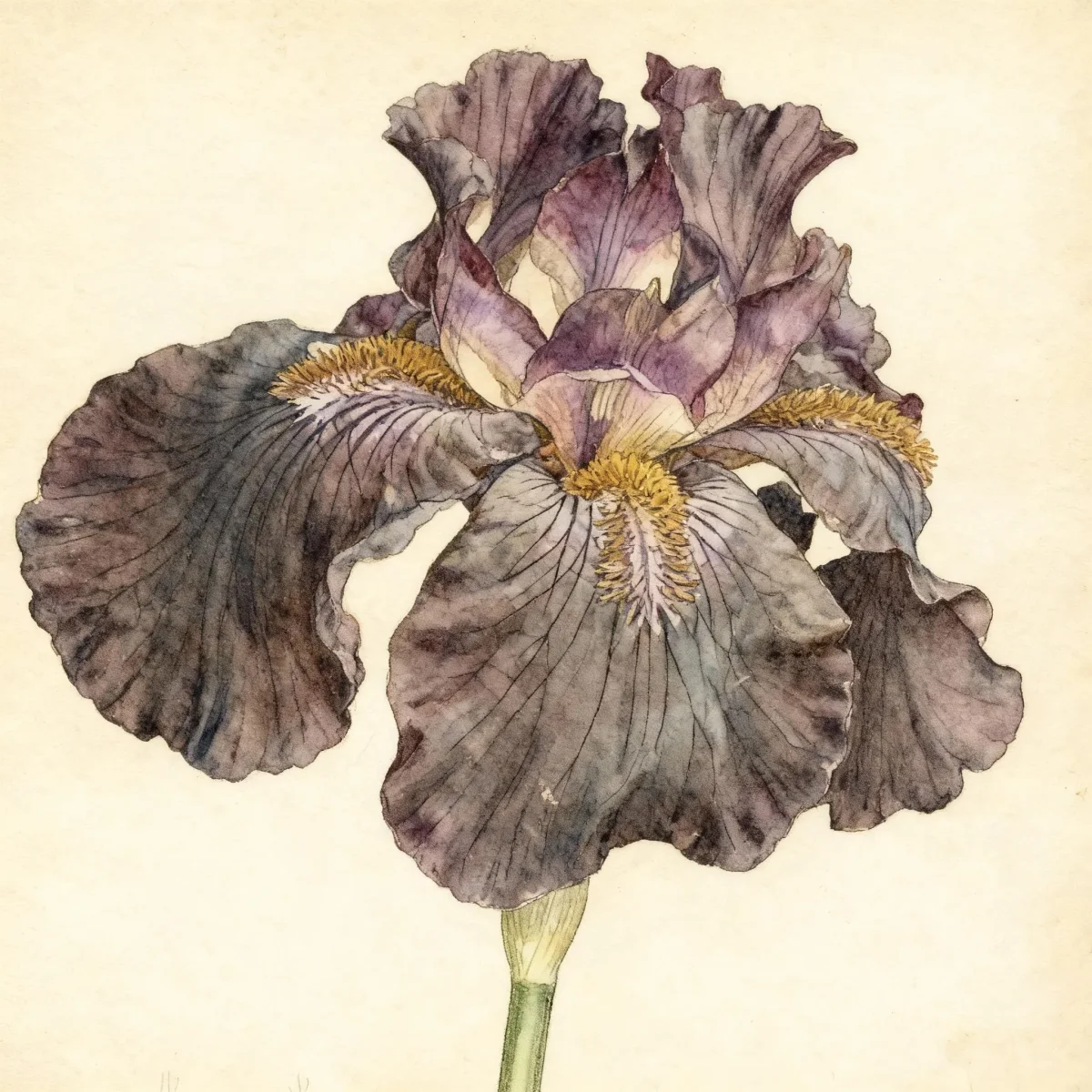
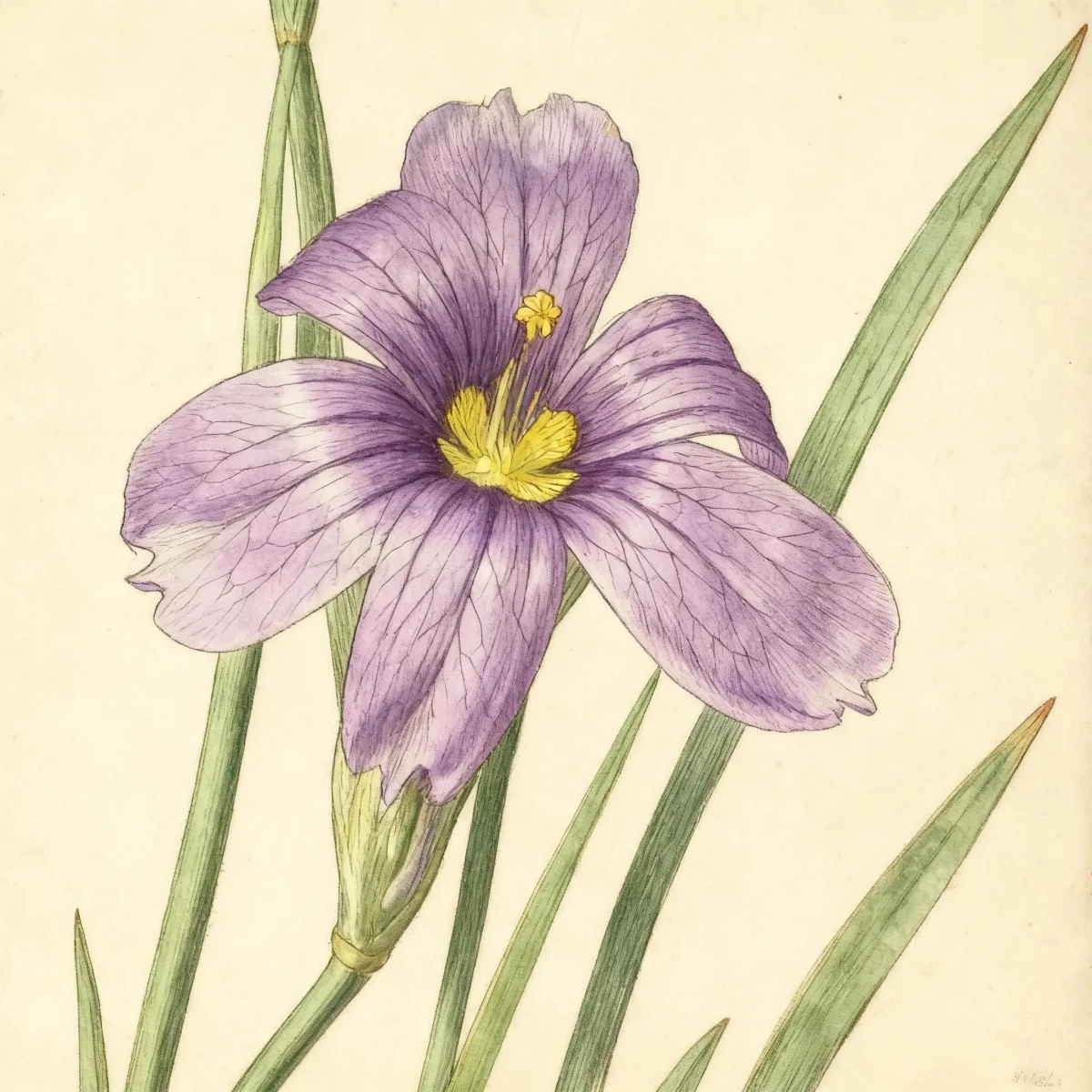
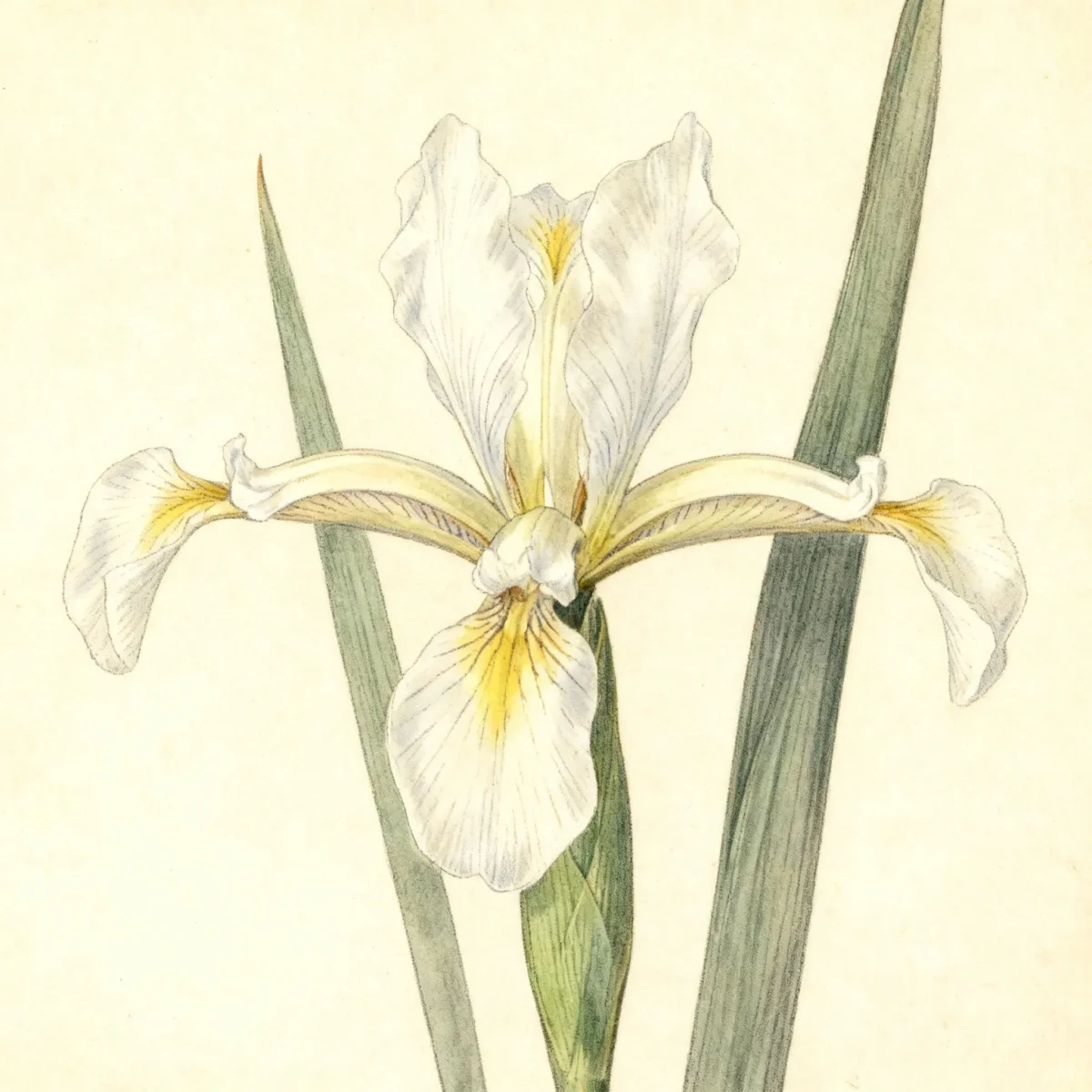
Iris spuria, commonly known as salt marsh iris or butterfly iris, stands out as one of the tallest beardless irises, with stems typically reaching 3 feet but sometimes stretching to 5 feet. Species plants often feature bluish-purple or lilac segments, frequently displaying a yellow ridge on the falls, though color variations also encompass white, wine, and brown hues. The genus name derives from the Greek goddess of the rainbow, while the specific epithet ‘spuria’ means false.
Tolerances
Potential Problems
The most critical factor in preventing issues with Iris spuria is rigorous sanitation. Major insect pests to watch for include the iris borer, along with smaller threats like iris weevil, slugs, snails, thrips, whiteflies, and verbena bud moth. Disease management focuses heavily on drainage to combat bacterial soft rot, crown rot, and rhizome rot.
Fungal leaf spot can also occur, and gardeners should monitor for mosaic virus symptoms like leaf and flower mottling; mustard seed fungus can prove fatal. Promptly remove and destroy any diseased foliage or rhizomes immediately. An annual cleanup of all bed debris after the fall frost is essential to control overwintering pests and pathogens.
Failure to bloom is often traced back to simple cultural errors, such as planting the rhizomes too deep, excessive shade, over-fertilization, or simply allowing the clumps to become too crowded and needing division.
Frequently Asked Questions
What hardiness zones is Blue iris suitable for?
The Blue iris (Iris spuria) is reliably hardy in USDA Zones 5 through 9.
How large does Iris spuria grow?
This plant typically reaches a height between 2 and 5 feet, with a spread of 2 to 3 feet at maturity.
What sun exposure does Iris spuria need?
Iris spuria performs best and exhibits the most disease resistance when grown in full sun.
When does Blue iris bloom?
Flowering generally occurs between May and July, presenting blooms in shades of blue, white, purple, wine, or brown.
Conclusion
The Iris spuria brings exceptional vertical interest and rich color variety to the summer garden, establishing itself as a resilient, tall-growing perennial. Protecting your investment in the Blue iris requires ensuring superb soil drainage and maintaining clean cultural practices to ward off borers and rot. Before planting, verify that your location falls within USDA Hardiness Zones 5-9 and prepare the soil properly to enjoy years of spectacular blooms.
Companion Planting
When selecting neighbors for Iris spuria, focus on plants that thrive in full sun and appreciate medium, consistent moisture during the spring growing season, but can handle a drier mid-summer rest period. Good companions include Lavender (Lavandula spp.), which enjoys similar pH conditions and excellent drainage, or hardy Coneflowers (Echinacea spp.) that provide contrasting texture later in the season. Avoid dense groundcovers or heavy mulches near the rhizomes, as these reduce air circulation and increase the risk of soft rot, which is a key concern for this species iris.
Seasonal Care Calendar
Spring is the time for active growth and fertilization; apply a balanced, slow-release fertilizer to the Blue iris before new growth fully emerges, specifically prior to the main bloom period. As flowers fade in early summer, deadhead spent blooms and remove the entire flower stalk to maintain tidiness and direct energy back into the rhizome. Summer care focuses on controlled watering, recognizing that the plant becomes semi-dormant during intense heat and requires less moisture. After the first fall frost, perform your annual clean-up by removing all spent foliage and debris from the bed to reduce overwintering pest and disease sources, ensuring the plant is ready for another magnificent season.