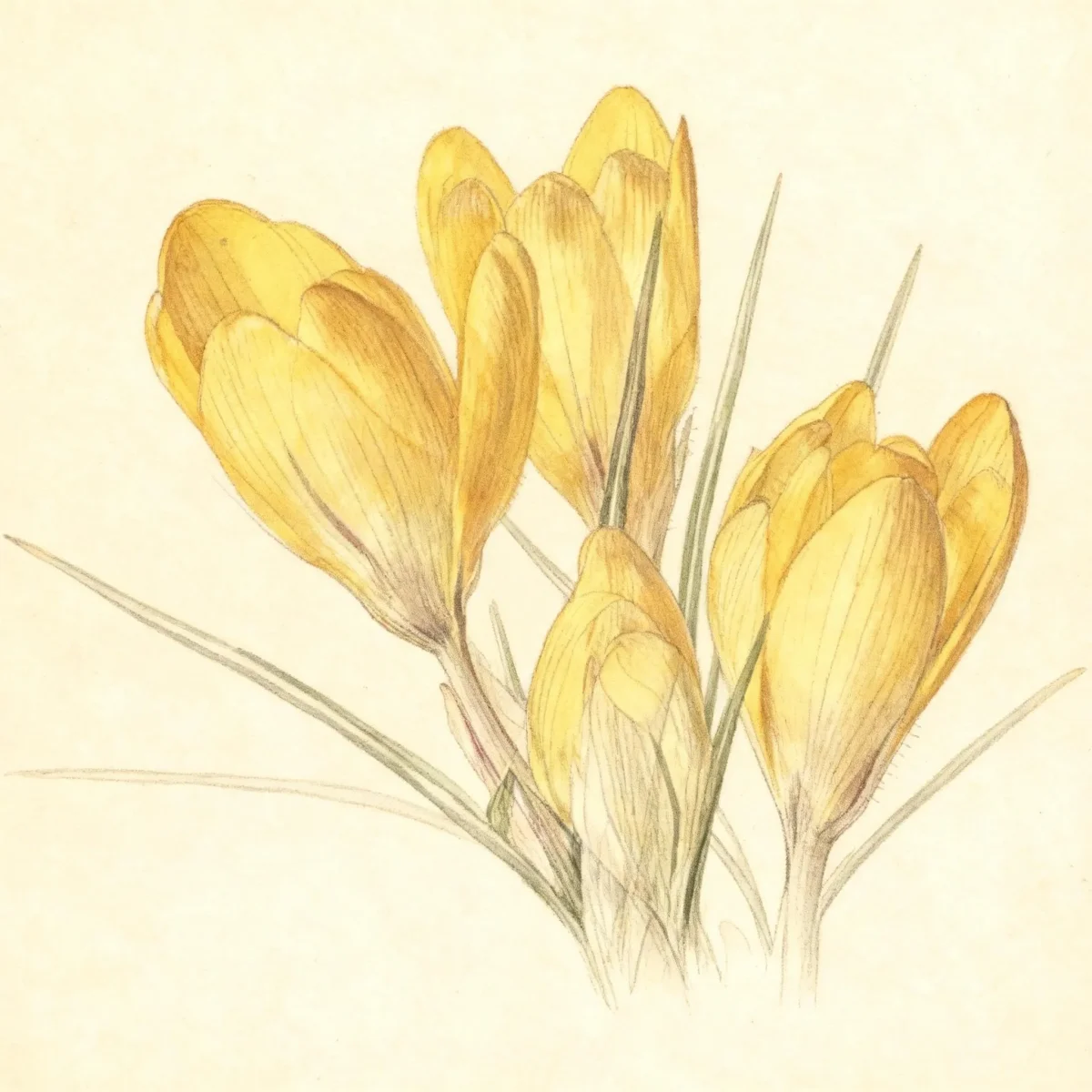
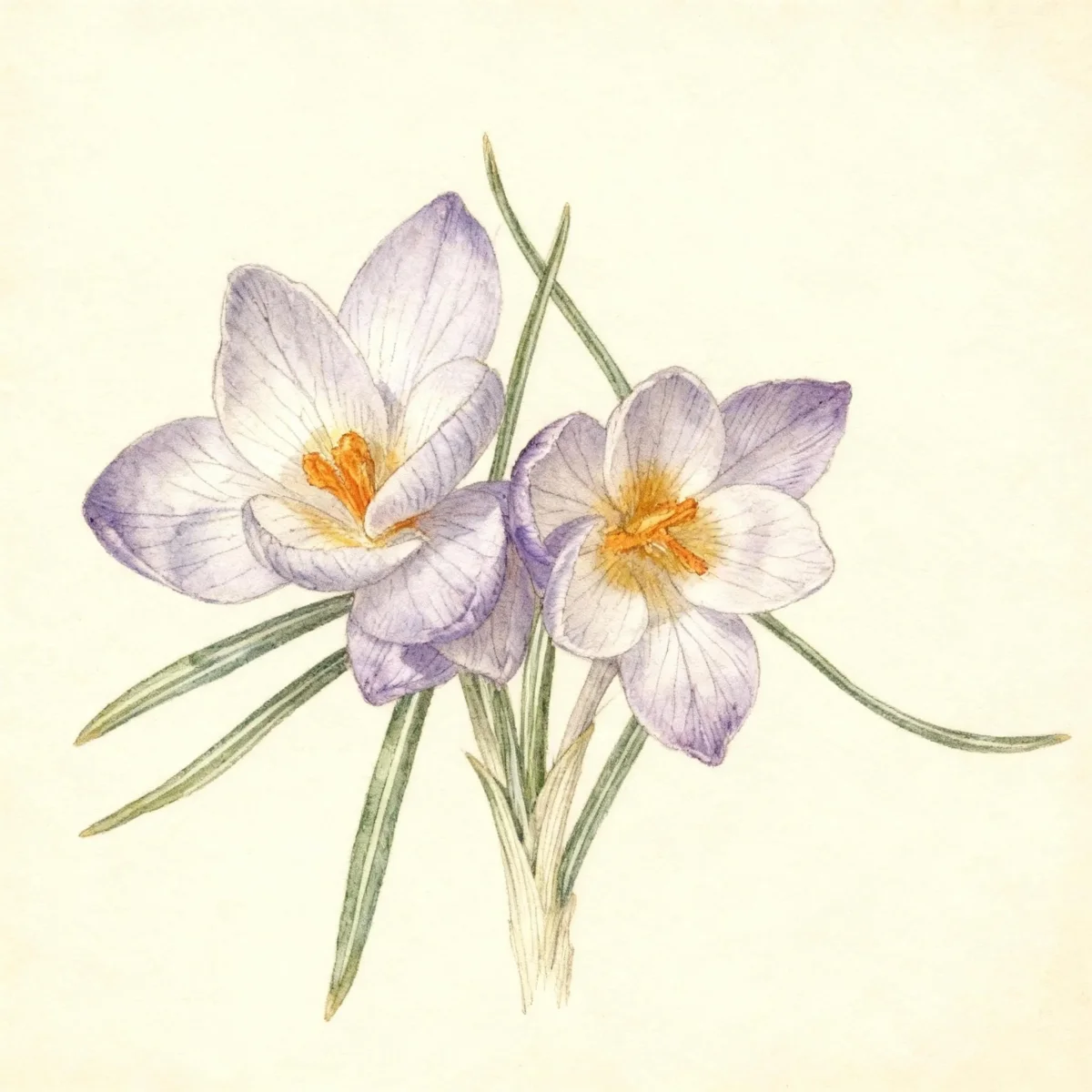
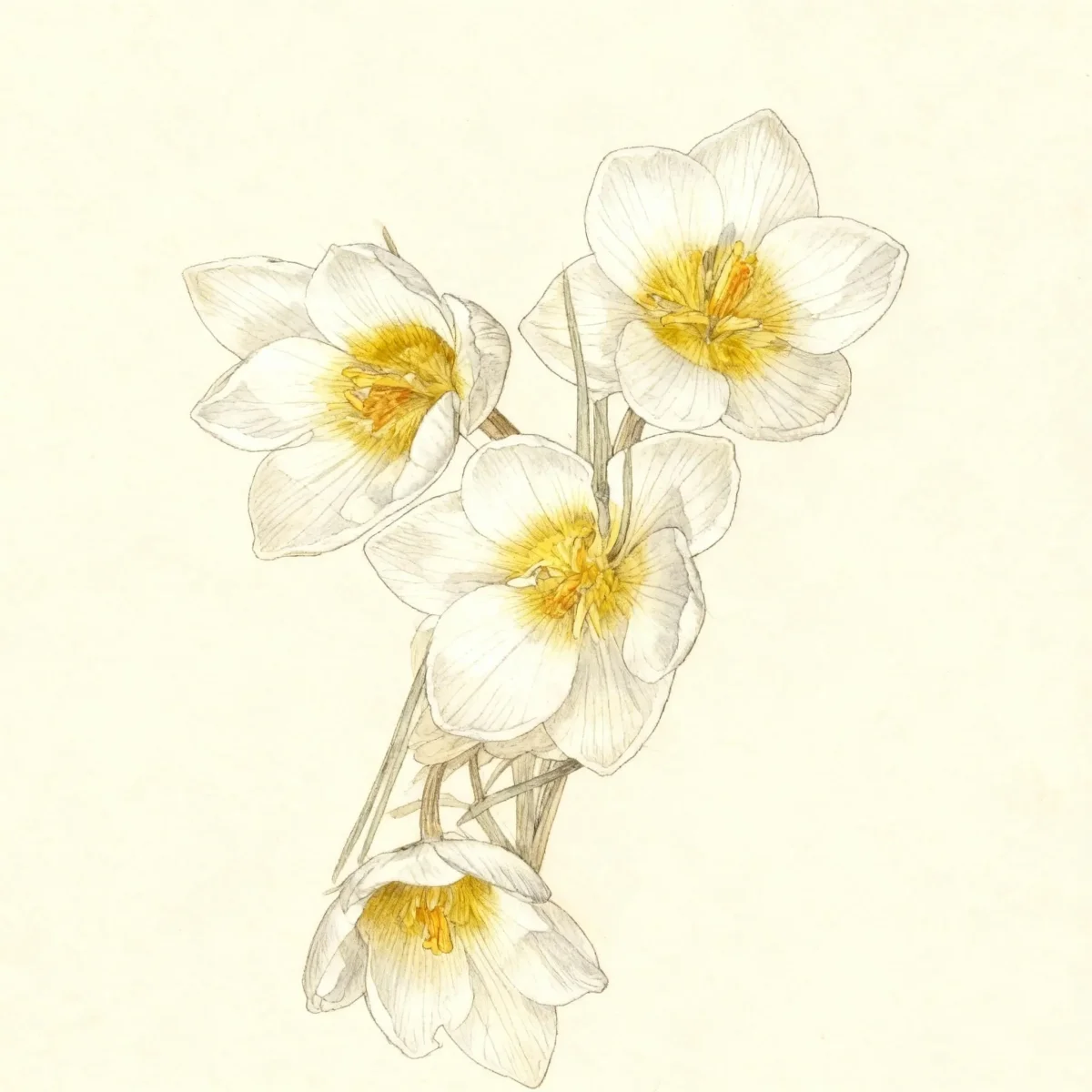
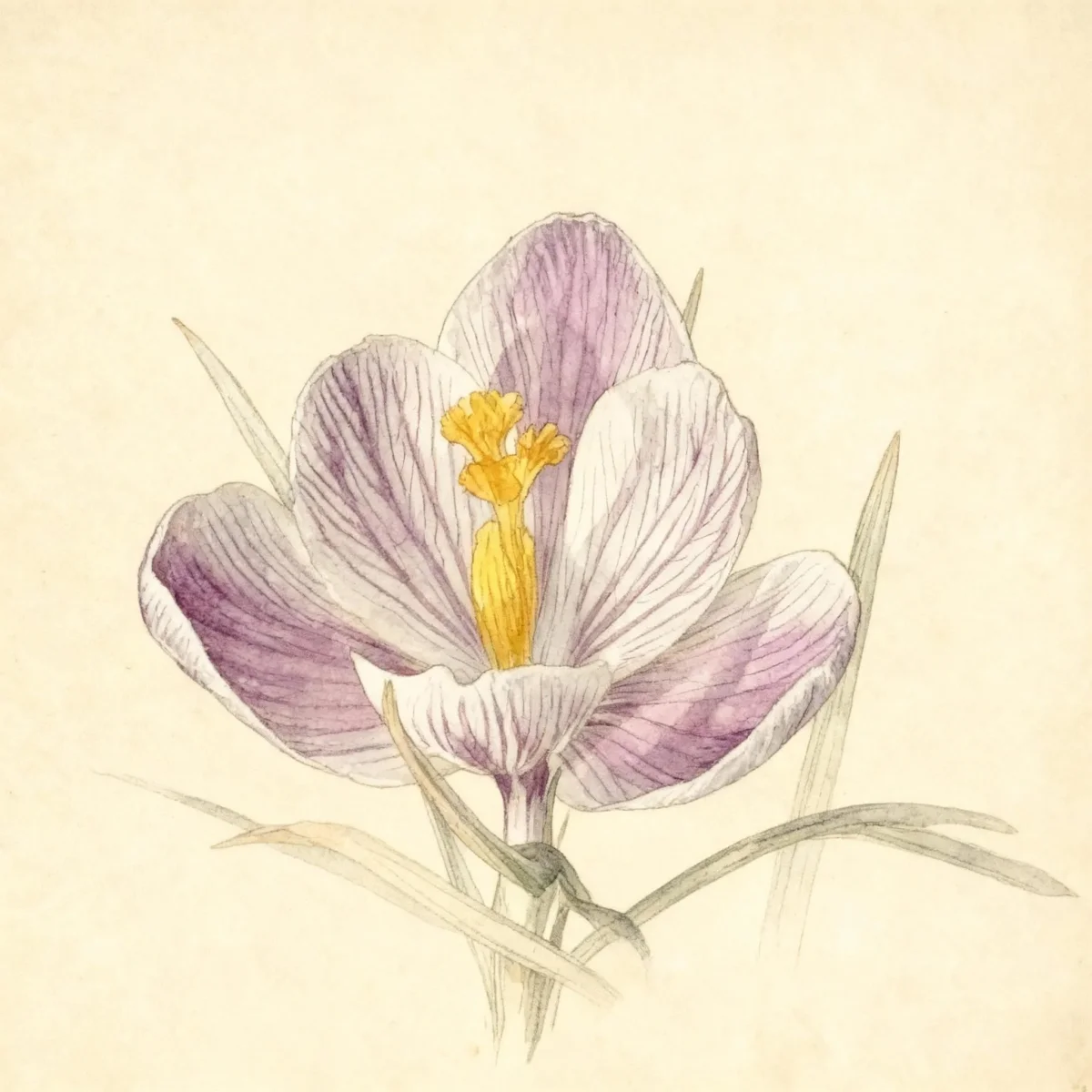
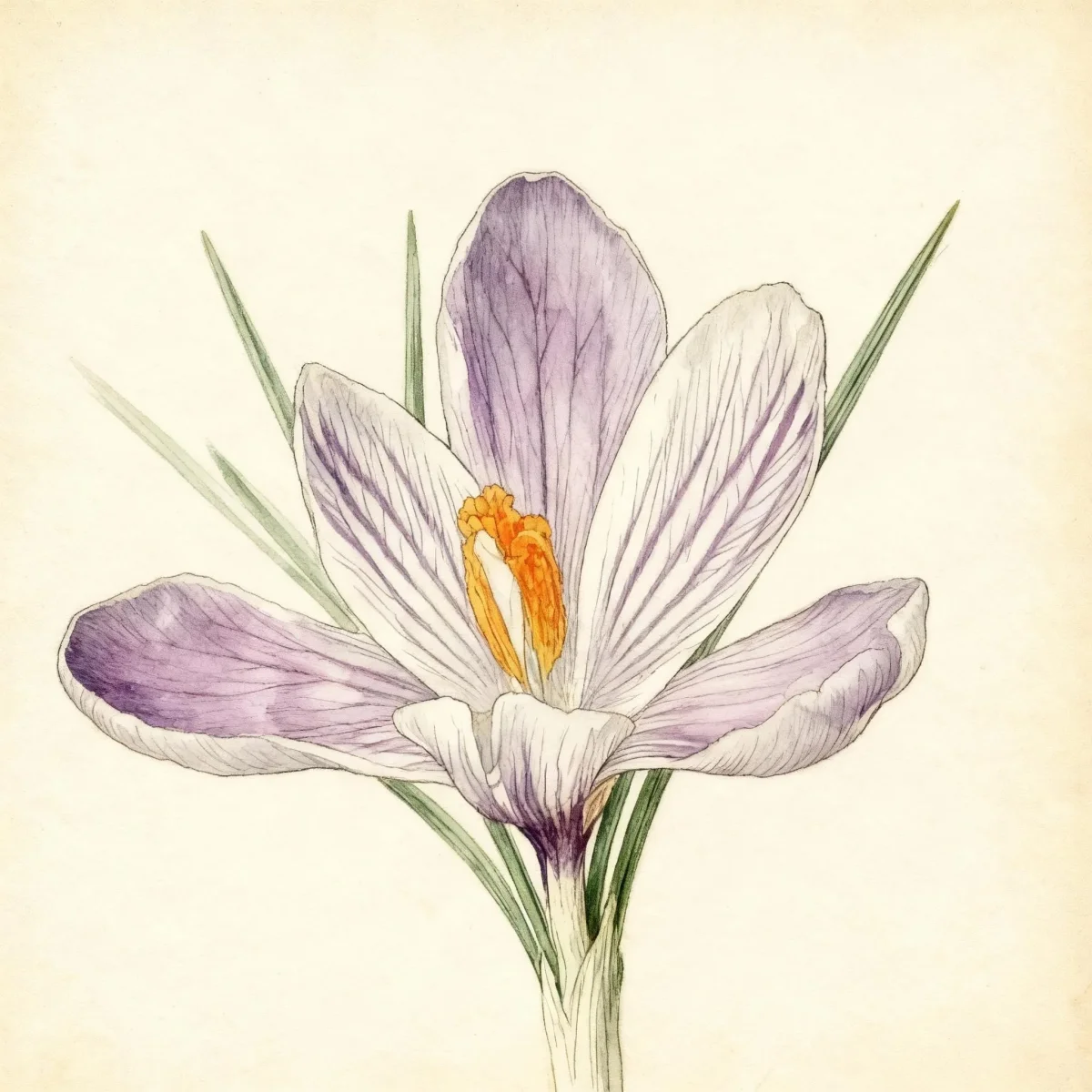
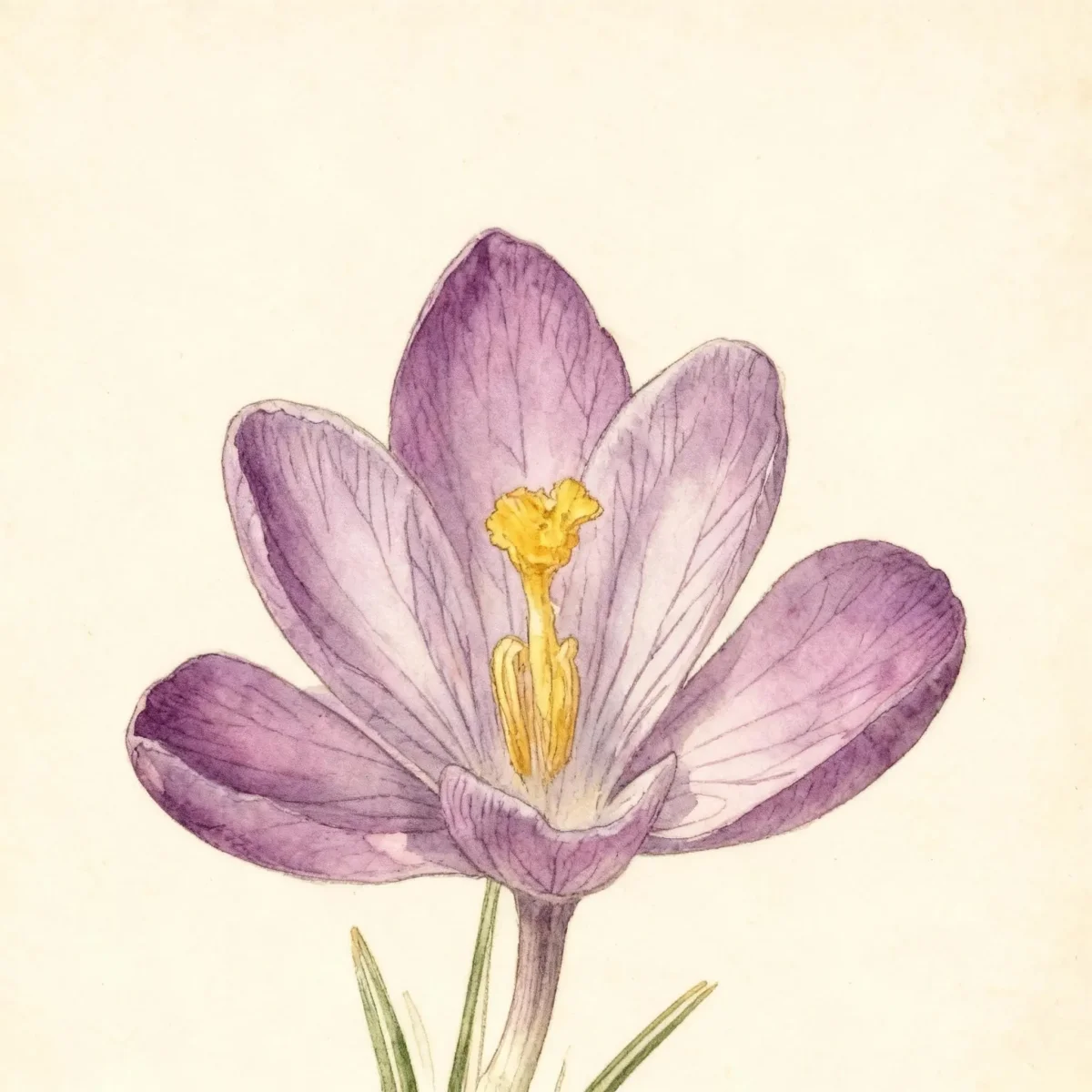
Dutch crocus (Crocus vernus)
The majestic Dutch crocus (Crocus vernus) signals spring with showy blooms in sun or partial shade, thriving in zones 3-8.
Scroll down to discover growing tips, care requirements, companion plants, and more
Complete Plant Information
Overview
The Dutch crocus, scientifically known as Crocus vernus, is one of the earliest and most eagerly anticipated harbingers of spring in the garden. These early bloomers erupt with cheerful, showy flowers, often emerging while snow is still lingering in shaded areas. They are technically corms, though commonly referred to as bulbs, adding vibrant color typically in April or late March.
Crocus vernus is valued for its low maintenance requirement and its ability to naturalize beautifully over time, creating spectacular drifts of early season color. Originating in the alpine regions of Europe, this species is remarkably adaptable, provided its soil drains well. Gardeners look to the Dutch crocus for that initial burst of life before larger perennials awaken.
This plant thrives in average moisture but demands high drainage, making it perfect for brightening lawns, rock gardens, and the edges of woodland borders. Its foliage is grass-like and must remain intact for several weeks after flowering concludes to replenish the corm for the following year, a key element of its low-maintenance success.
Fast Facts
- Plant Family: Iridaceae
- Plant Type: Bulb
- Native Range: Eastern Europe, western Russia
- Hardiness Zones: USDA Zones 3-8
- Size at Maturity:
- Height: 0.25-0.5 ft
- Spread: 0.25-0.5 ft
- Bloom Time: April
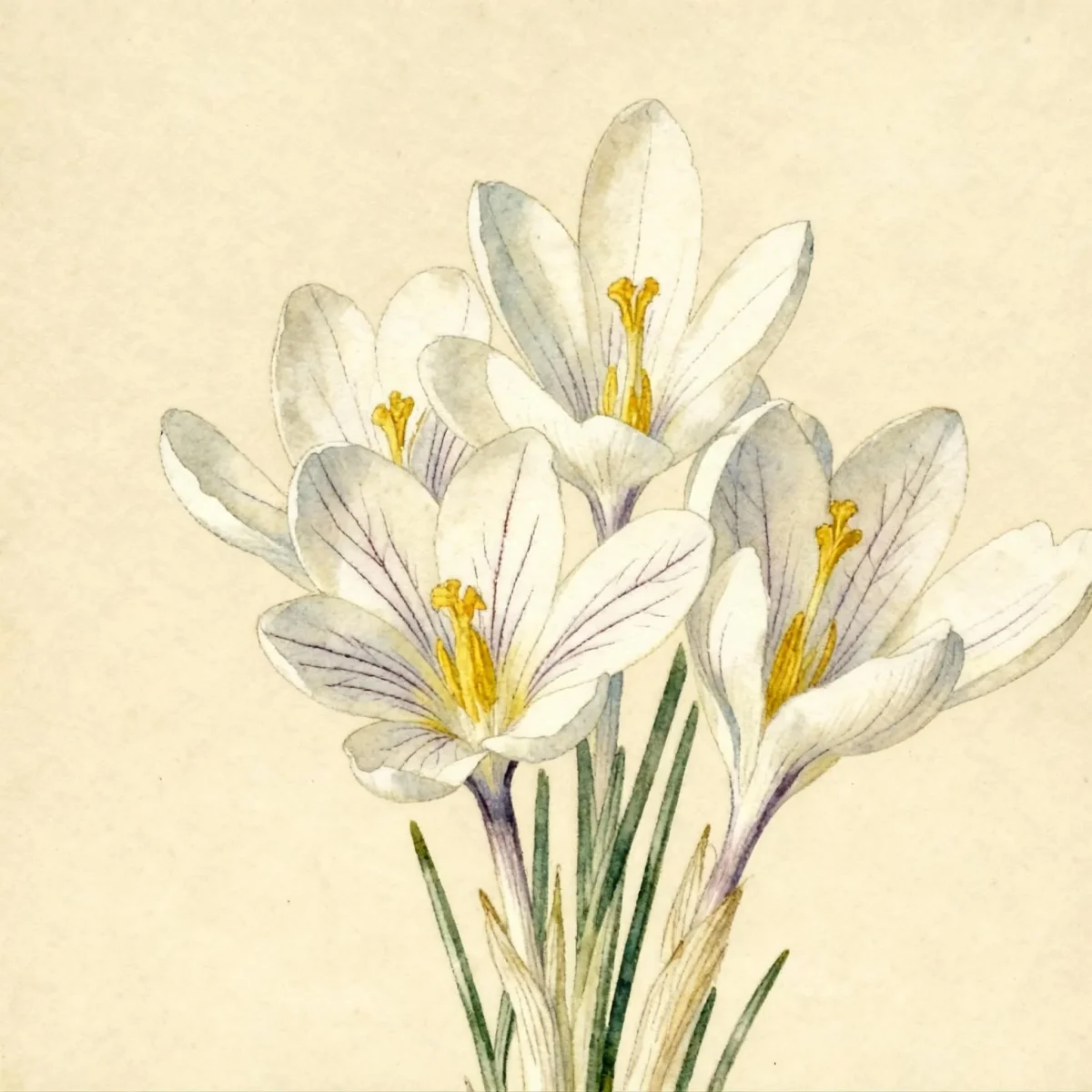
- Bloom Description: Purple or white
- Sun Exposure: Full sun to part shade
- Water Needs: Medium
- Maintenance Level: Low
How to Grow
Planting Crocus vernus corms should occur in the fall before the ground freezes hard. Choose a location that receives full sun to part shade, ensuring the soil drains well, as consistently moist or waterlogged conditions should be avoided. Plant the corms approximately 3 to 4 inches deep and space them about 3 to 6 inches apart when establishing new patches.
Once established, watering needs are medium during the growing season. Significantly reduce watering as the plant enters dormancy in late spring; dryish soils are preferred during this period. Maintenance is minimal: the primary care task is ensuring the grass-like foliage is left completely unmowed for about six weeks after the flowers fade. This process allows the corm to store energy, guaranteeing robust blooms the following spring.
Crocus vernus naturalizes readily, spreading well in sunny grassy areas, borders, and beds. For optimal long-term performance, plan to divide the clumps only every four to five years to maintain vigor and spread. Its adaptation to gritty, well-drained soils makes it an excellent choice for rock gardens where richer, heavier soils might sit too wet.
Landscape Uses
The primary appeal of the Dutch crocus is its ability to bring immediate, rich springtime color to subdued landscapes. They are superb candidates for naturalization, meaning they are planted in large, sweeping drifts where they can multiply and create a breathtaking effect in lawns or under deciduous trees before the canopy fills in. Their small stature makes them perfect for integrating into beds and borders without overcrowding later-season perennials.
Use these early bloomers to line walkways or tuck into the foreground of shrub borders, providing unexpected pops of purple or white near the ground plane. Because they are tolerant of shade beneath trees, they are excellent for brightening woodland edges or sunny woodland settings. Planting Crocus vernus en masse ensures a dramatic, visual impact that signals the true arrival of spring.
Standout Features
Flower Qualities
- Showy
Noteworthy Characteristics
Crocus vernus is an early spring blooming bulb (actually a corm) that is primarily native to high alpine areas in Europe (Pyrenees, Alps and Carpathians). Many popular hybrids of this crocus have been developed over the years, commonly resulting in the names Dutch crocus or giant crocus. Flowers bloom for about three weeks in early spring, closing at night and opening in the morning, usually remaining closed on rainy or cloudy days. The species features basal, grass-like leaves that yellow as the plant goes dormant several weeks after bloom ends.
Tolerances
- Deer
- Clay Soil
- Black Walnut
Potential Problems
Crocus vernus generally avoids serious insect or disease issues, making it a reliable choice when placed in the correct conditions. The main threat comes from small rodents, particularly squirrels, mice, and voles, which are highly adept at locating, digging up, and consuming newly planted corms during the autumn and early winter. Plant corms deeper than usual or cover newly planted areas with protective netting until established to deter digging pests. Fortunately, deer typically ignore them.
Frequently Asked Questions
What hardiness zones is Dutch crocus suitable for?
The Dutch crocus (Crocus vernus) performs best in USDA Hardiness Zones 3 through 8.
How large does Crocus vernus grow?
This small perennial typically reaches a mature height between 0.25 and 0.5 feet tall, spreading to a similar minimum width of 0.25 feet.
When does Dutch crocus bloom?
Crocus vernus blooms in April, displaying flowers that are usually purple or white.
What sun exposure does Crocus vernus need?
This species requires full sun to part shade conditions to flower reliably.
Conclusion
The Dutch crocus provides unparalleled value by offering vibrant, low-maintenance color precisely when the garden needs it most. Ensure you site your Crocus vernus corms correctly this fall in well-draining soil to enjoy their early spring performance. Check your local USDA hardiness zone compatibility before planting for guaranteed success.
Companion Planting
When planning spring displays, consider companion planting bulbs that share similar cultural requirements—namely, excellent drainage. Narcissus (Daffodils) are excellent partners as they bloom slightly later, extending the bulb season, and deer tend to avoid them as well. Snowdrops (Galanthus) precede Crocus vernus, offering an even earlier flash of white. Avoid planting underneath shallow-rooted aggressive perennials that will heave the smaller corms upward during their early growth spurts.
Seasonal Care Calendar
Fall is the most critical time for Crocus vernus, as this is when corms must be planted 3-4 inches deep before the first heavy freeze. Once foliage emerges in early spring, maintain medium moisture levels until flowering begins. After bloom, resist the urge to cut back the strap-like leaves; leave them completely untouched (no mowing if planted in lawn) until they yellow naturally, typically six weeks post-bloom, to ensure the corms recharge for next year. During summer dormancy, greatly reduce supplemental watering.