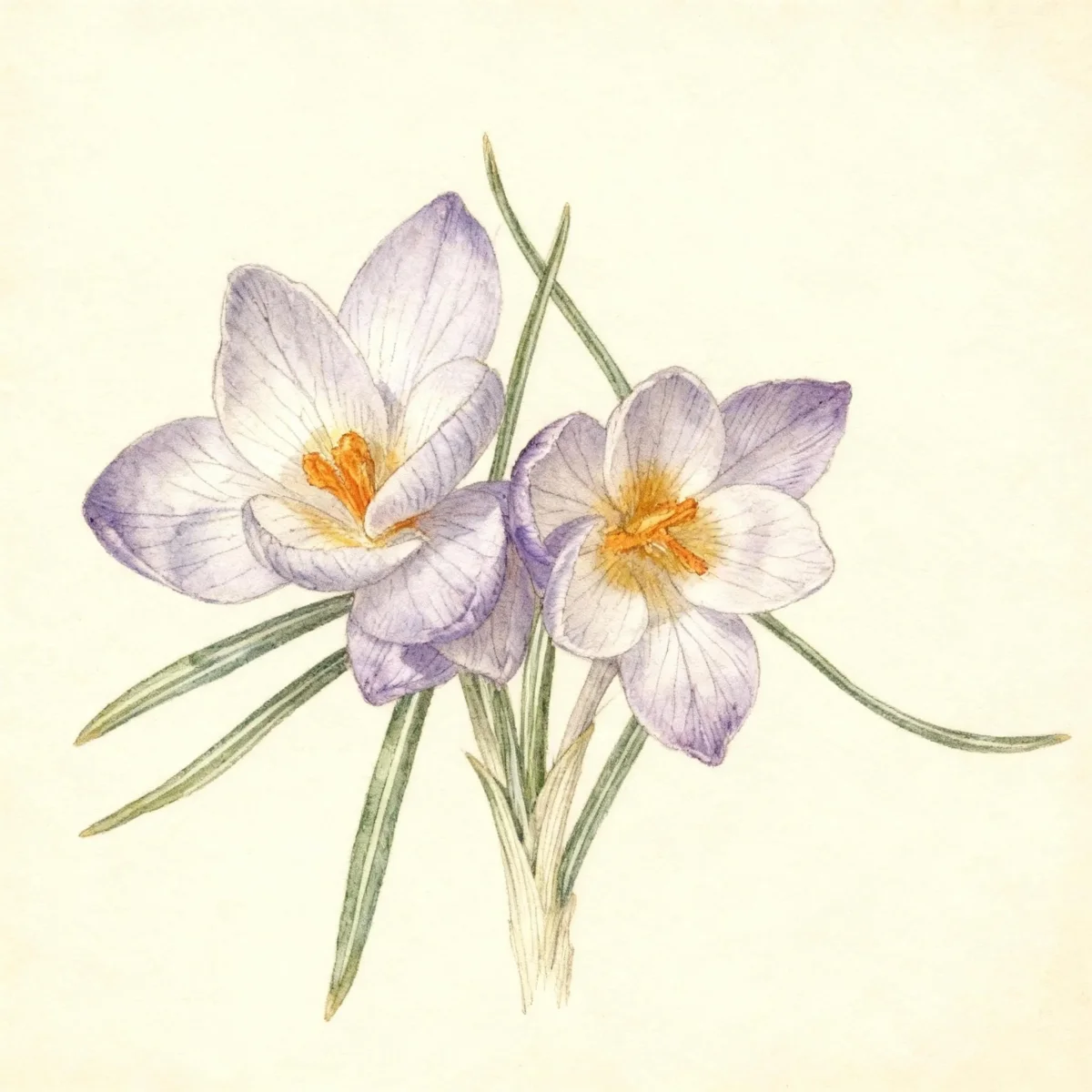
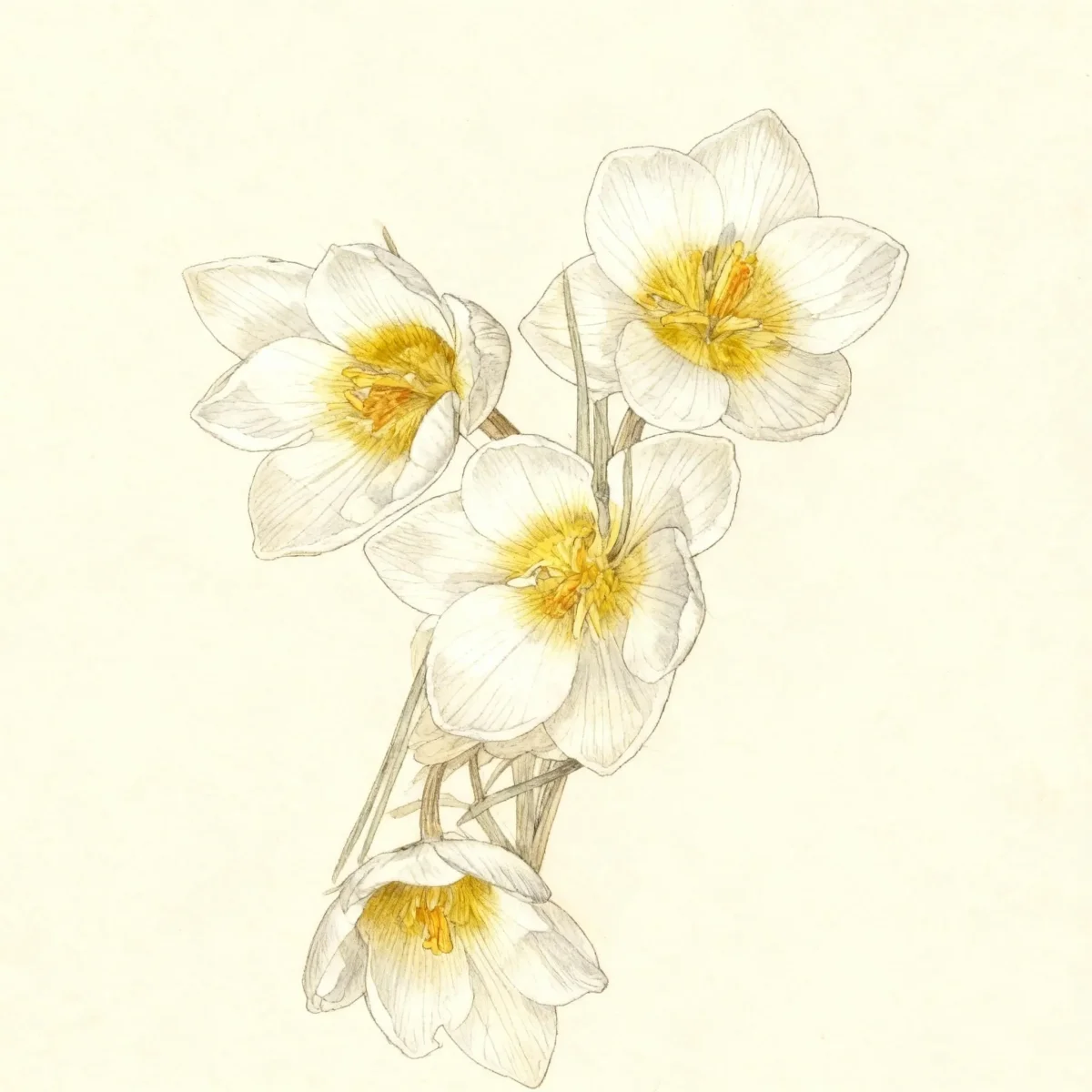
Butterfly flag (Dietes bicolor)
The Butterfly flag, Dietes bicolor, offers showy, short-lived yellow blooms with brown blotches. Low maintenance rhizomatous perennial suited for Zones 9-11.
Scroll down to discover growing tips, care requirements, companion plants, and more
Complete Plant Information
Overview
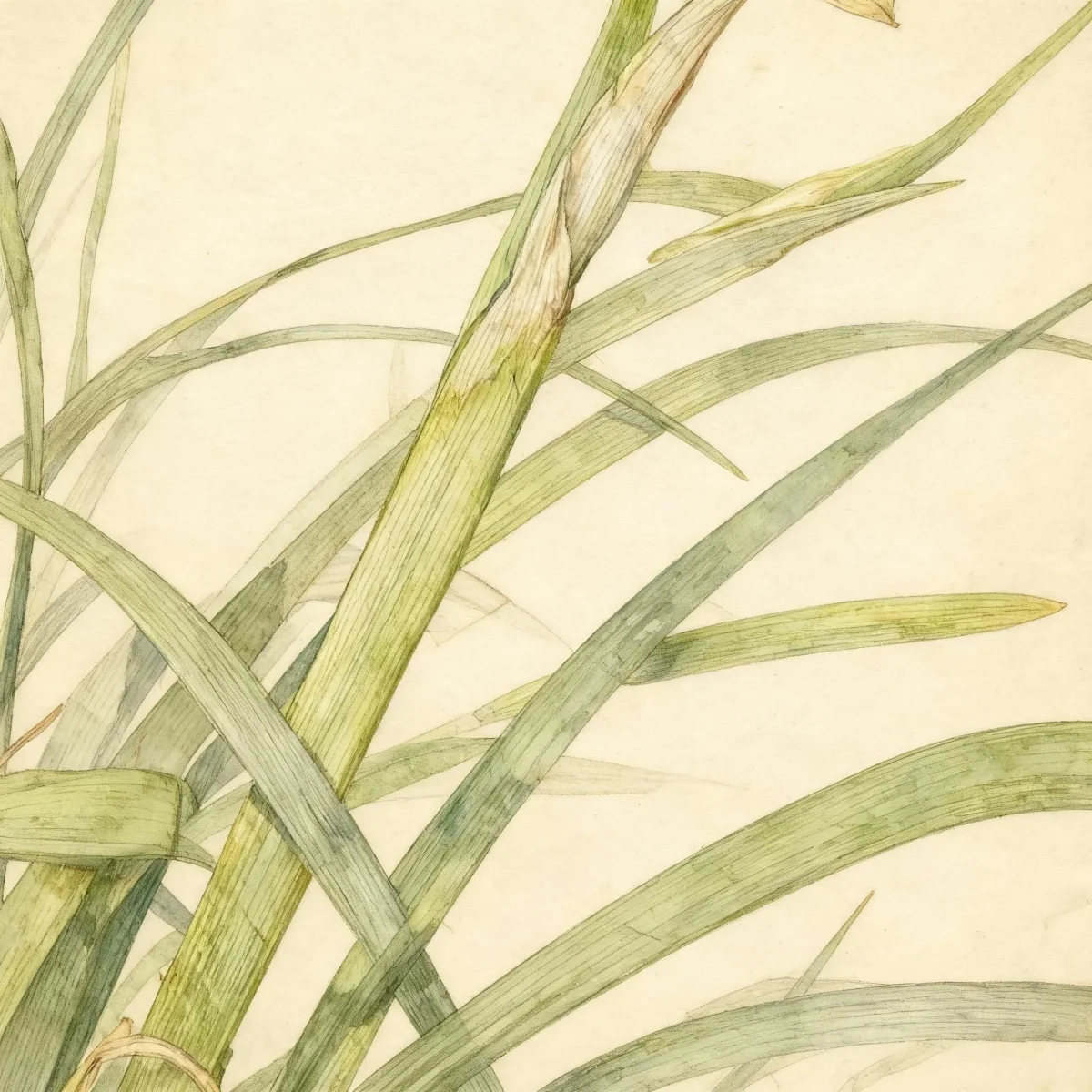
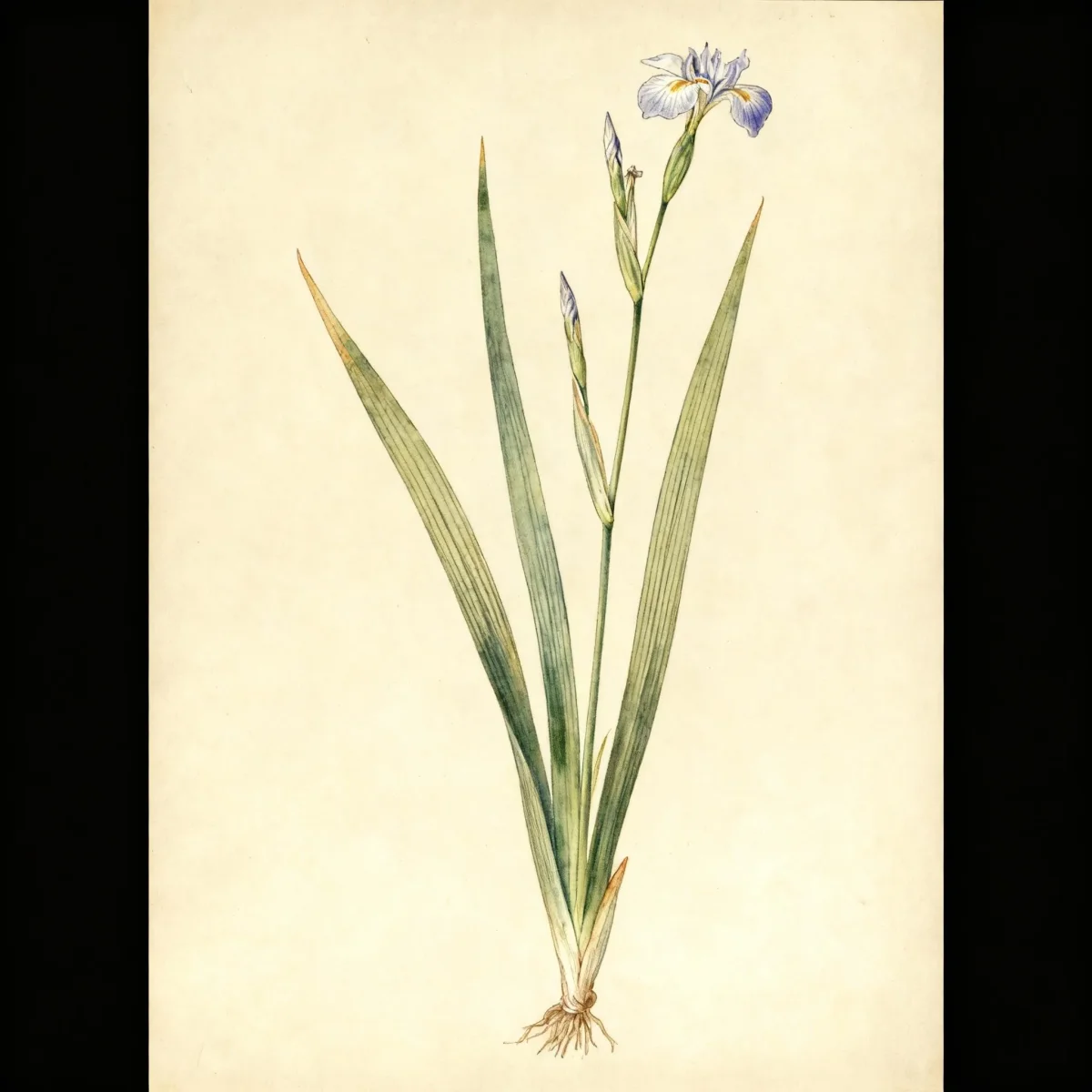
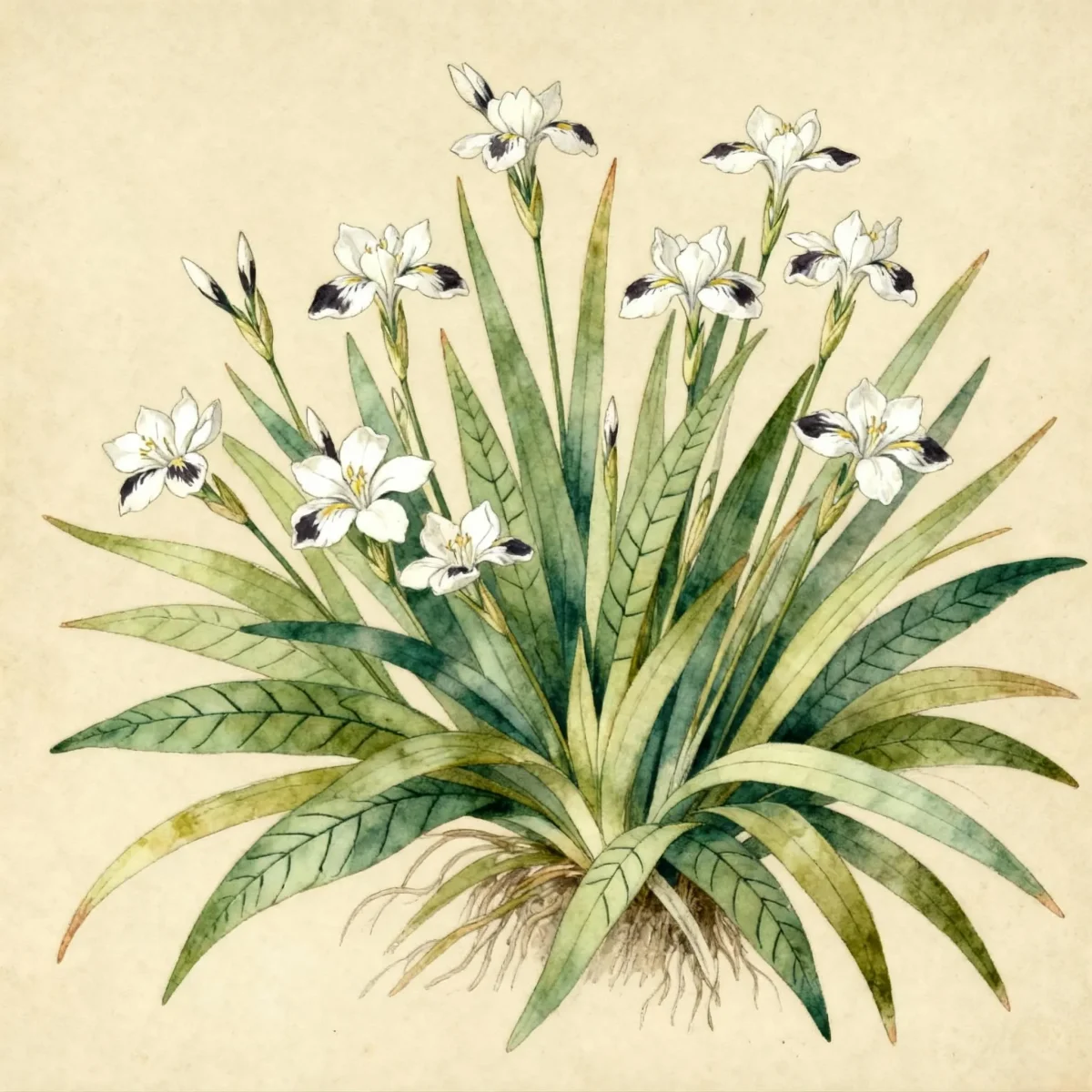
The Butterfly flag (Dietes bicolor) is a valuable addition to landscapes requiring reliable texture and seasonal interest. Originating in South Africa, this rhizomatous evergreen produces striking, fan-shaped clumps of narrow, sword-shaped leaves reminiscent of traditional beardless iris. Its primary appeal lies in its persistent, delicate blooms that appear in bursts throughout the warmer months.
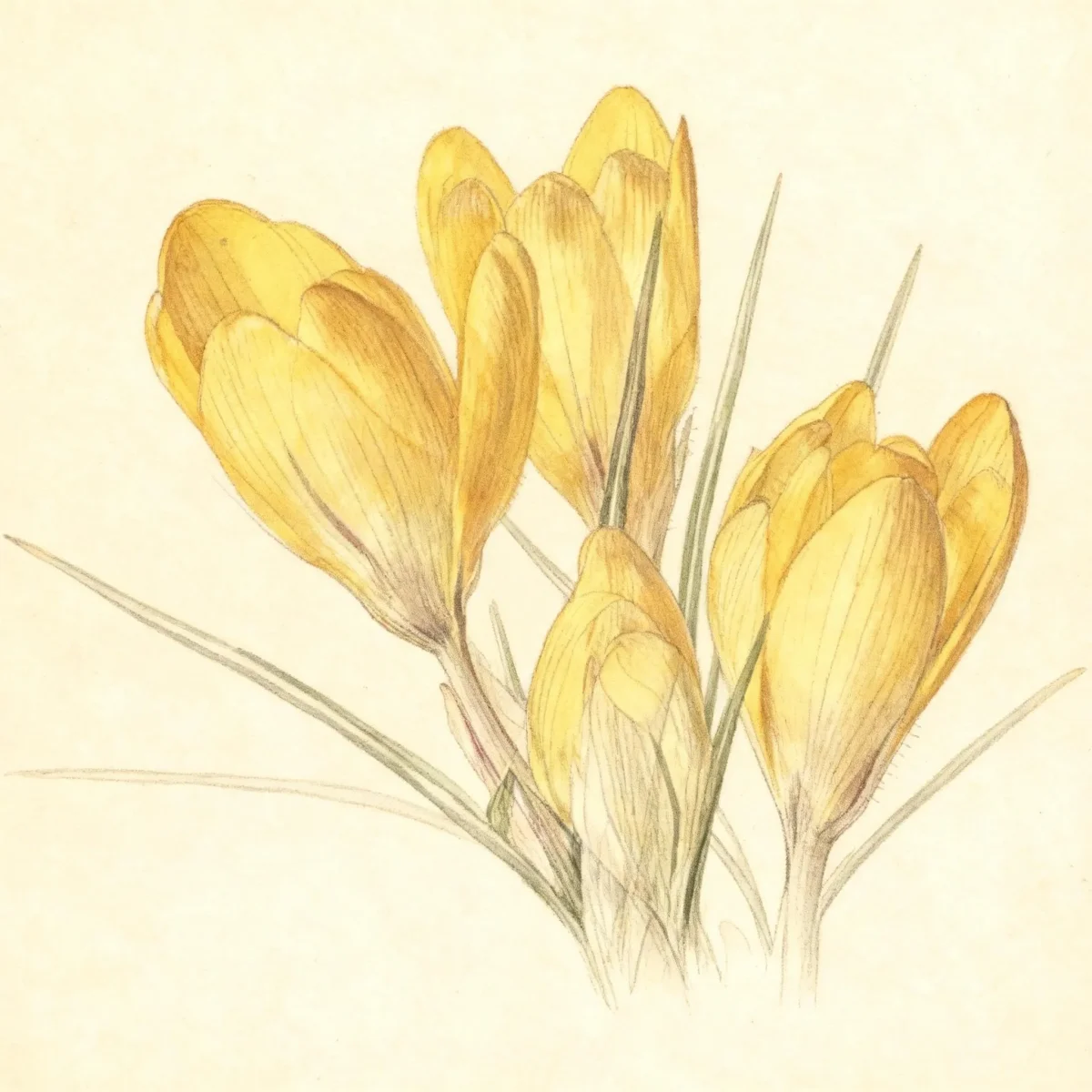
Known interchangeably as African iris or Dietes bicolor, this plant is prized for its low-maintenance nature and ability to handle diverse conditions across its suitable hardiness range. Flowers are individually short-lived but are quickly replaced by new buds, ensuring extended color from spring into fall. The distinctive light yellow flowers marked with rich, dark brown blotches give the Butterfly flag its common name.
As a resilient perennial in frost-free zones, Dietes bicolor serves effectively as massed planting material in low-maintenance areas. Even where it must be treated as an annual, the structural foliage provides year-round interest in containers or seasonal bedding displays.
Fast Facts
- Plant Family: Iridaceae
- Plant Type: Bulb
- Native Range: South Africa
- Hardiness Zones: USDA Zones 9-11
- Size at Maturity:
- Height: 1.5-2 ft
- Spread: 0.75-1 ft
- Bloom Time: May to September
- Bloom Description: Light yellow with dark brown tepal blotches
- Sun Exposure: Full sun to part shade
- Water Needs: Medium
- Maintenance Level: Low
How to Grow
For the best performance, plant Dietes bicolor in moist, moderately fertile, and well-drained soils. Though it thrives in sunny locations, achieving the signature vibrant bloom bursts is best done in full sun, but the plant can tolerate some light afternoon shade, which may be appreciated in the hottest climates. Planting is generally best done in spring after the last frost.
Once established, Dragon iris requires medium water levels; while it tolerates occasional dryness, regular moisture ensures consistent flowering. Maintenance is low. Deadheading spent flower stalks promptly by cutting them to the ground after flowering is completed helps maintain a tidy appearance.
If growing outside of USDA Zones 9–11 (such as in St. Louis where it is often grown as an annual), immediate winter preparation is necessary. Rhizomes must be dug up before the first hard fall frost and stored indoors in peat or vermiculite at temperatures around 45°F. Propagation is easily achieved through division of the rhizomes or by seed.
Landscape Uses
The Butterfly flag is a highly recommended accent plant, providing long blooming value, especially when grouped together in low maintenance garden settings. Its upright, iris-like foliage forms neat clumps, making it perfect for softening borders or lining pathways where dependable evergreen structure is needed.
In warmer regions (Zones 9-11), mass plantings of Dietes bicolor create sweeping bands of texture. For gardeners in cooler climates, these plants excel as seasonal patio specimens in attractive containers, which can be brought indoors to overwinter as conservatory plants or treated as annuals. Their sturdy growth habit allows them to serve as excellent mid-layer plantings, contrasting well with lower groundcovers or taller background shrubs.
Standout Features
Flower Qualities
- Showy
Noteworthy Characteristics
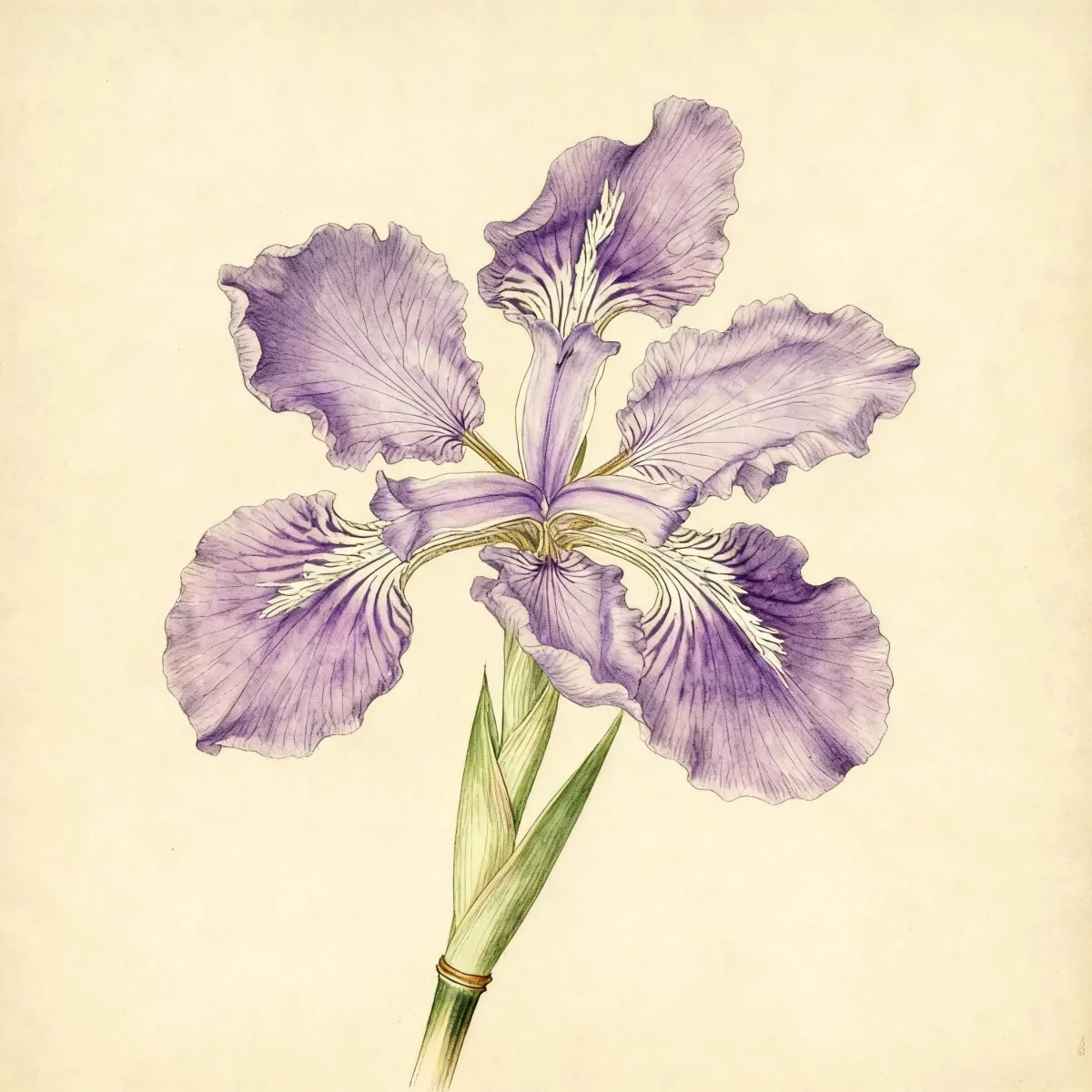
Dietes bicolor, commonly known as African iris, originates from South Africa and shares cultural similarities with beardless iris, growing from rhizomes that form fan-shaped clumps of evergreen, sword-like foliage. Flowering occurs on branched stalks, producing ephemeral flowers, each lasting only one day but replaced rapidly; these blooms feature three light yellow tepals with notable dark brown blotches at their bases. This prolific flowering often occurs in distinct bursts spaced about two weeks apart, earning it the alternative name fortnight lily. The genus name Dietes derives from the word meaning double, reflecting visual patterns within this genus.
Tolerances
- No serious insect or disease problems.
Potential Problems
While the Butterfly flag is generally unbothered by major pests, growers should monitor for potential issues, particularly in overly wet conditions or poorly draining media. Crown root, root rot, and rust can develop. Additionally, scale insects and nematodes are occasionally reported problems. Ensuring correct soil drainage and avoiding overwatering is the best preventative measure against most fungal root issues.
Frequently Asked Questions
What hardiness zones is Butterfly flag suitable for?
The Dietes bicolor is winter hardy in USDA Zones 9 through 11. In colder regions, it must be protected or grown as an annual.
How large does Butterfly flag grow?
This plant typically reaches mature heights between 1.5 to 2 feet tall, with a spread usually between 0.75 and 1 foot wide, forming upright, manageable clumps.
When does Butterfly flag bloom?
The peak blooming season for this plant is from May through September, producing light yellow flowers accented by dark brown tepal blotches in succession.
What sun exposure does Butterfly flag need?
For optimal flowering, the best sun exposure for Dietes bicolor is full sun, though it manages well with partial shade.
Conclusion
The Butterfly flag (Dietes bicolor) provides exceptional, low-maintenance structure and distinctive, fleeting blooms, making it a reliable choice for texture and interest. Whether utilized as a permanent rhizomatous perennial or a seasonal container star, this plant introduces an elegant touch to the garden design. Always confirm your local hardiness zone before planting outdoors to ensure successful long-term growth of this beautiful African iris.
Propagation Tips
Propagation of Dietes bicolor is straightforward and is typically accomplished during the spring cleanup or dormancy period. The most reliable method is division of the rhizome clumps. When dividing, ensure each section has a healthy segment of rhizome and several leaf fans attached to guarantee successful reestablishment.
Seed propagation is also an option, though it generally yields slower results compared to vegetative division. Harvest the obovoid capsules once mature, remove the seeds, and sow them promptly for the best germination rates. If overwintering rhizomes from annual plantings, handle them carefully during the lifting process to prevent damage before storage.
Companion Planting
Because the Butterfly flag requires medium moisture and displays low maintenance needs, it pairs beautifully with other drought-tolerant, sun-loving perennials from similar Mediterranean or South African climates. Consider pairing Dietes bicolor with Lavender (Lavandula) or Rosemary (Salvia rosmarinus) for contrasting textures and complementary fragrance near borders.
In bedding schemes or container arrangements, utilize shorter, mounding plants like creeping Sedum or shorter varieties of ornamental grasses for ground cover beneath the stately upright foliage of the African iris. These combinations allow the distinctive yellow blooms of the Dietes bicolor to stand out without crowding.