Blue flag (Iris versicolor)
Discover Iris versicolor (Blue flag), a stunning herbaceous perennial perfect for water gardens, known for violet-blue blooms and low maintenance.
Scroll down to discover growing tips, care requirements, companion plants, and more
Complete Plant Information
Overview
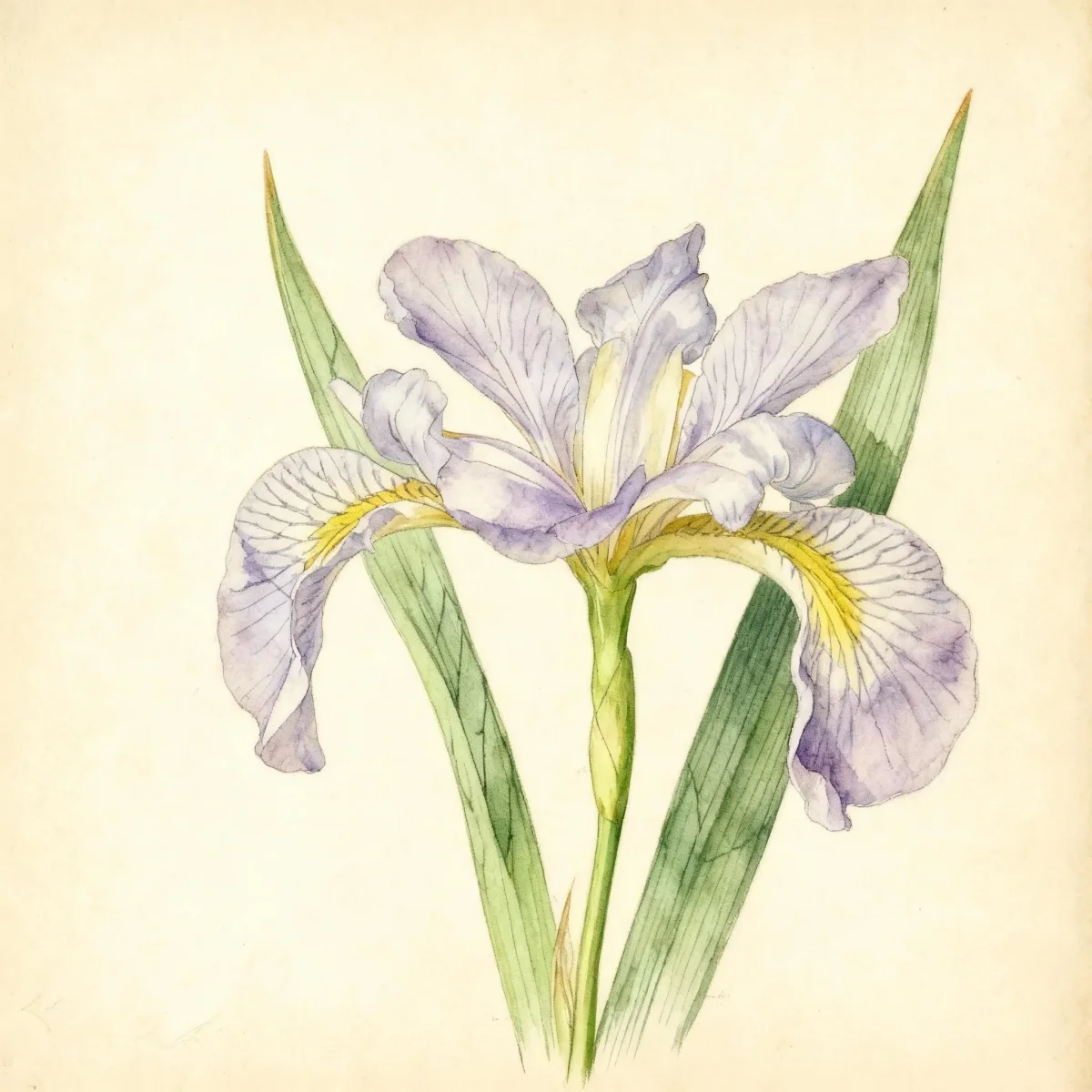
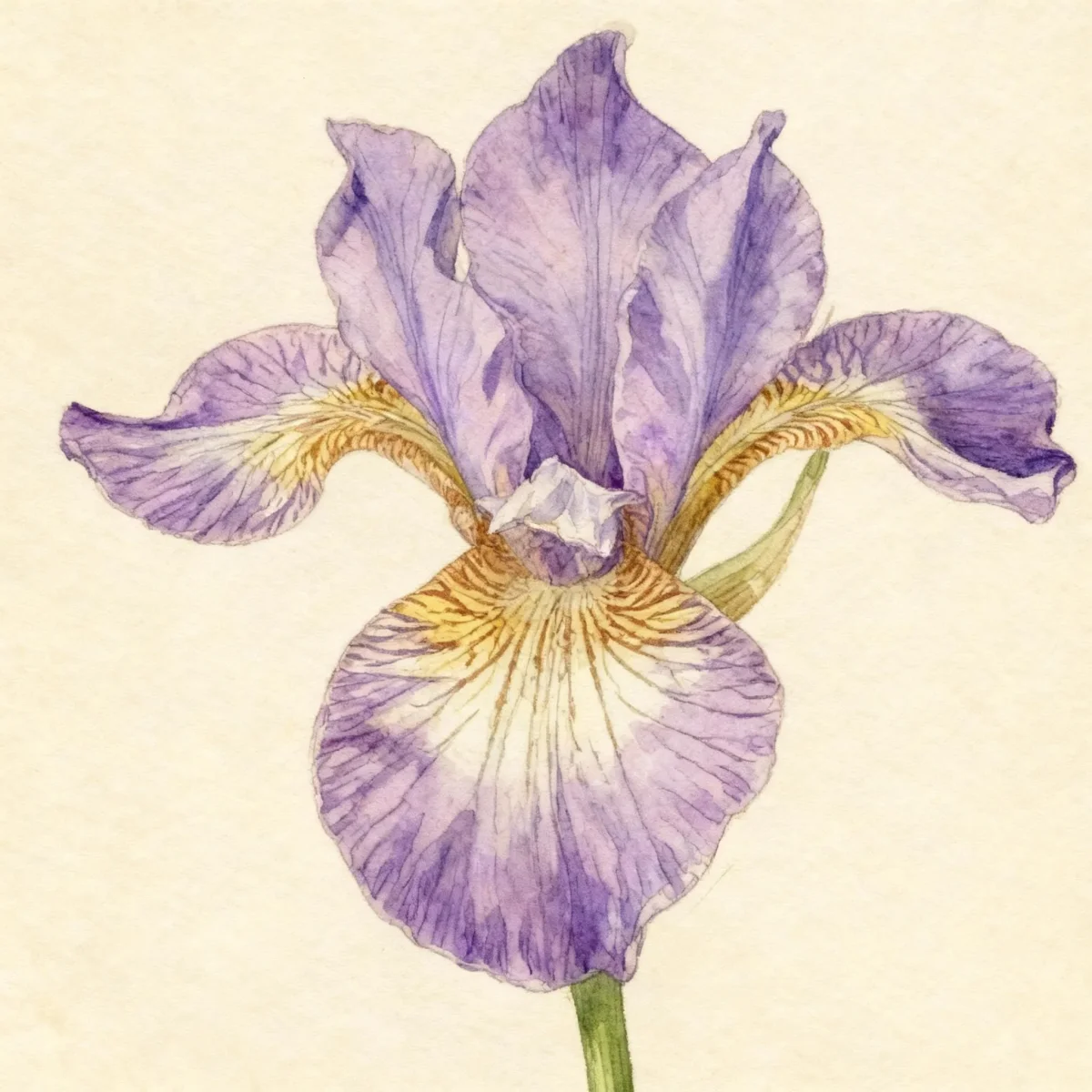
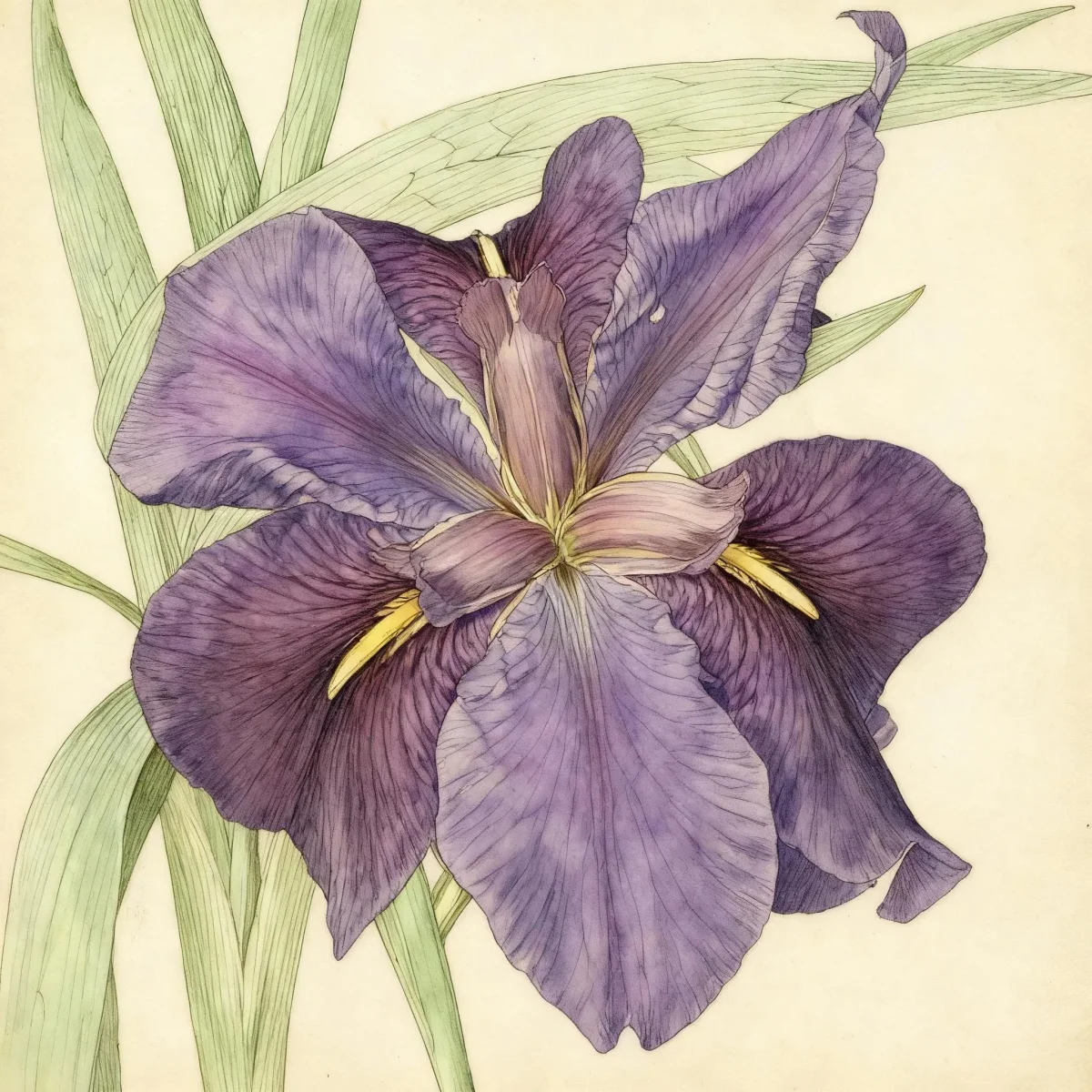
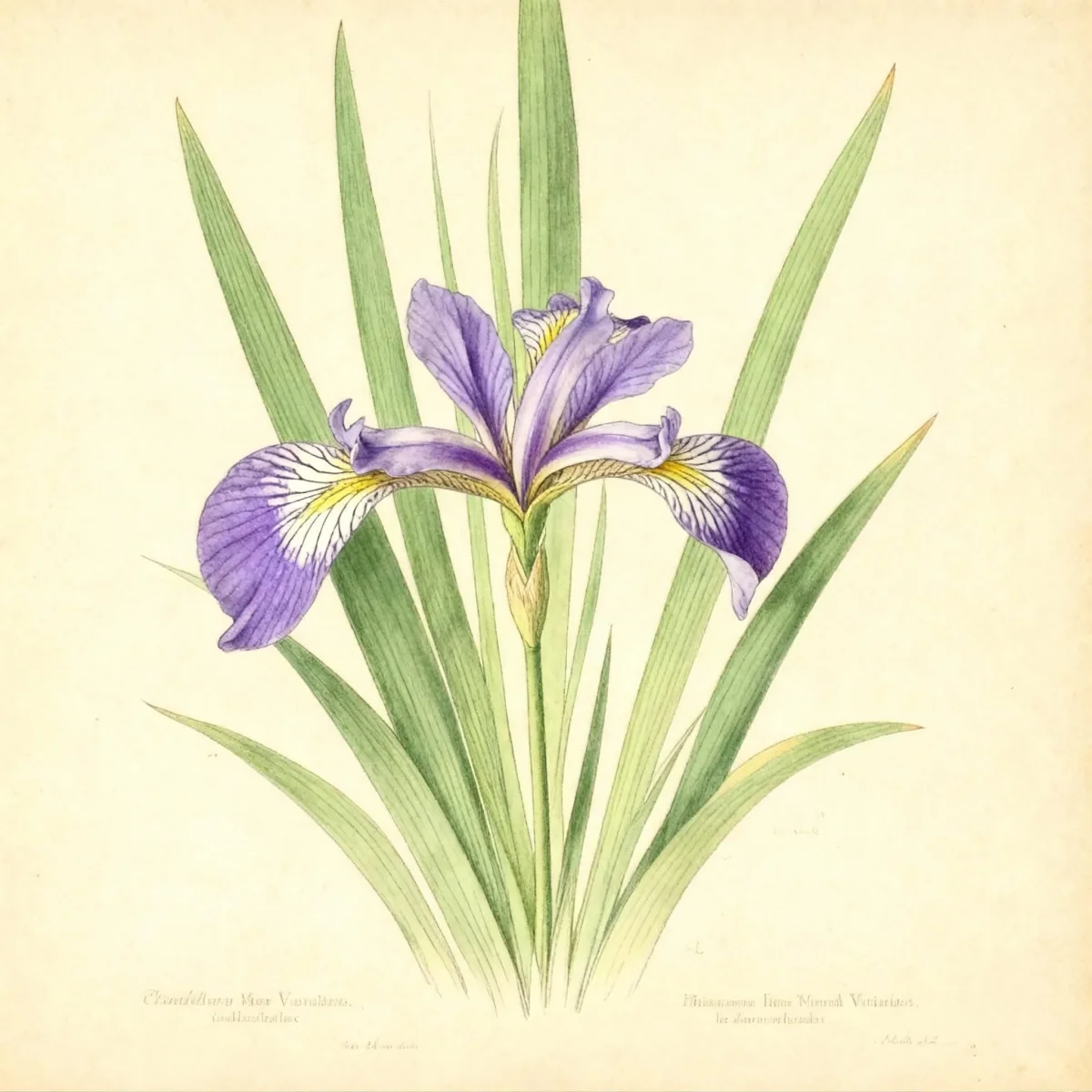
The Blue flag, scientifically known as Iris versicolor, is a treasured native wetland perennial valued for its striking aesthetic appeal and adaptability to moist environments. Its distinctive violet-blue flowers, often exhibiting dramatic purple veining, emerge in late spring, providing essential color where many other border plants struggle. This clump-forming iris easily naturalizes, transforming damp areas into vibrant native landscapes.
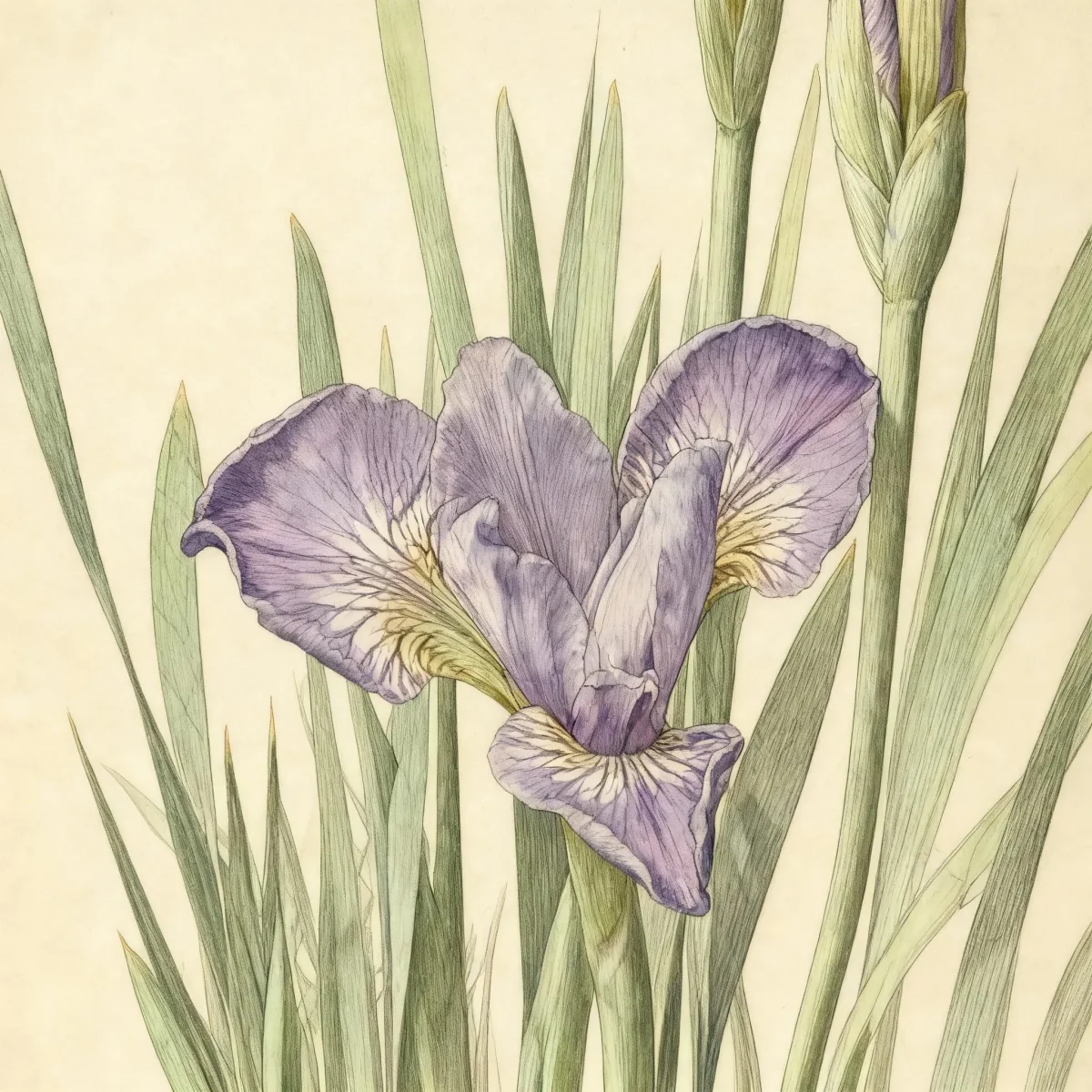
Iris versicolor establishes elegant clumps of narrow, arching, blue-green, sword-shaped leaves that provide consistent texture throughout the growing season. As a marginal aquatic, it is uniquely suited for placement near ponds or in rain gardens, anchoring shorelines beautifully. Gardeners appreciate the low maintenance required by this robust species.
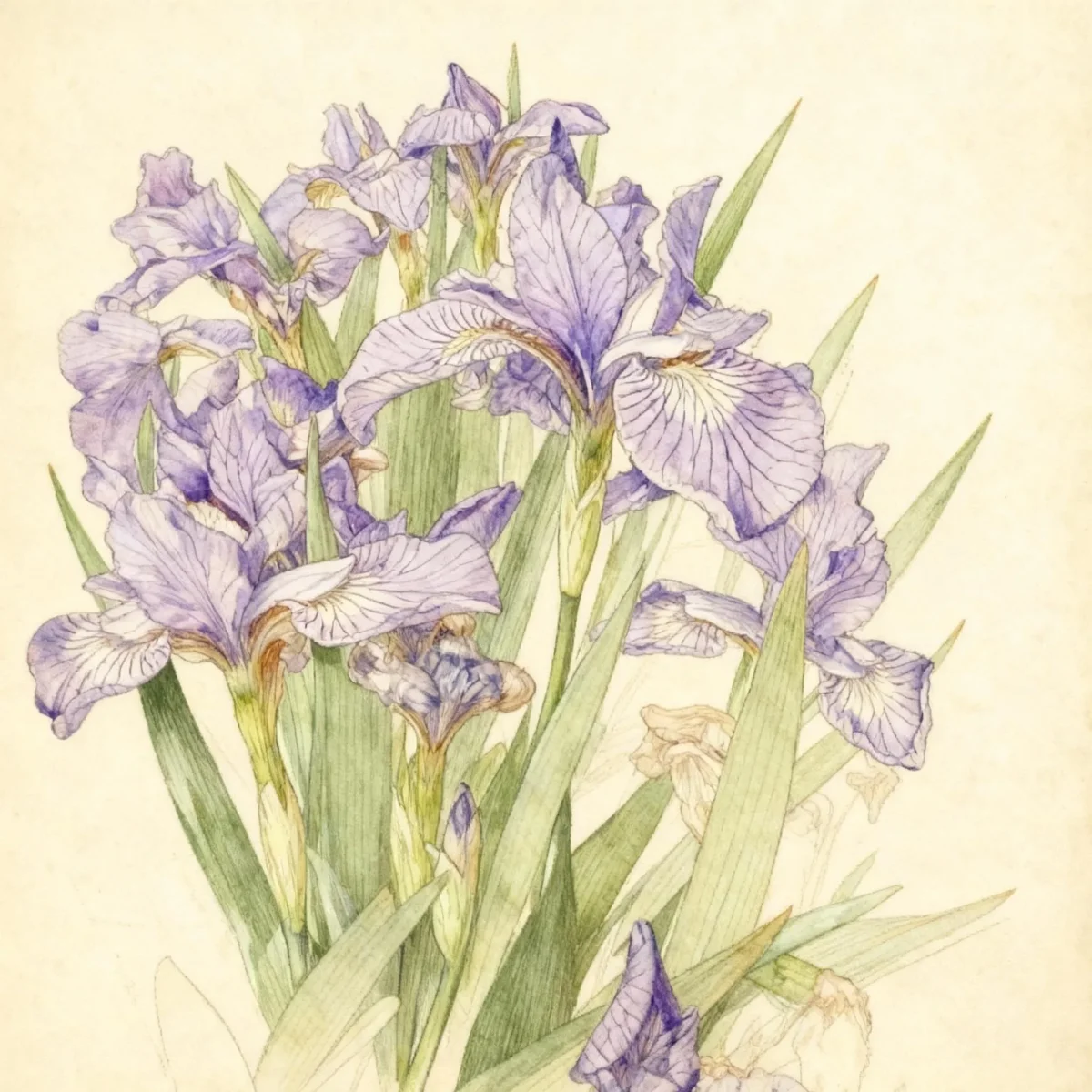
Native to the marshy environments of Northeastern North America, Blue flag thrives in consistently moist or even shallowly inundated soils. Its rhizomatous nature allows it to slowly form colonies, making it an excellent, reliable choice for large-scale naturalizing projects or wetland restorations.
Fast Facts
- Plant Family: Iridaceae
- Plant Type: Herbaceous perennial
- Native Range: Northeastern North America
- Hardiness Zones: USDA Zones 3-9
- Size at Maturity:
- Height: 2-2.5 ft
- Spread: 2-2.5 ft
- Bloom Time: May to June
- Bloom Description: Violet blue
- Sun Exposure: Full sun to part shade
- Water Needs: Medium to wet
- Maintenance Level: Low
How to Grow
Plant Iris versicolor during the spring or fall when weather conditions are mild, ensuring it is situated in its preferred habitat. This iris must have consistently wet soils or can tolerate up to four inches of standing water if planted in muddy bottoms or containers. It adapts well to moist shoreline soils or consistently damp, humusy soils adjacent to a border.
Maintenance for Blue flag is refreshingly low. Fertilization is rarely necessary in rich, natural soil conditions. Water needs are high; ensure the soil never dries out, especially during its active growing season. Propagation is simple, achieved through division of the rhizomes after the plant has finished blooming.
When dividing the tough rhizomes, remember to wear gloves for protection. A simple cleanup routine involves trimming the leaves back to about one inch above the crown only after a hard frost has occurred in the fall. In the wild, this process completes its natural cycle, allowing colonies of Iris versicolor to establish strongly over time.
Landscape Uses
The best applications for Iris versicolor leverage its love for moisture. Grouping these plants in the sunny sections of ponds or water gardens showcases their exceptional beauty right at the waterline. They are designated as excellent choices for a Water Plant or as key components in a Rain Garden design, absorbing excess runoff effectively.
Beyond aquatic settings, Blue flag naturalizes readily, making it perfect for softening the edges of boggy areas or ditches where lawn maintenance is impractical. Pair the stately foliage and vivid flowers with other moisture-loving companions like rushes, sedges, or swamp milkweed to create a dynamic, ecologically sound wetland display.
Standout Features
Flower Qualities
- Showy
Noteworthy Characteristics
Iris versicolor, commonly called northern blue flag, is a clump-forming iris that is native to marshes, swamps, wet meadows, ditches and shorelines from Manitoba to Nova Scotia south to Virginia, Ohio, Illinois and Minnesota. It is a marginal aquatic plant that forms a clump of narrow, arching-to-erect, sword-shaped, blue-green leaves (to 24” long and 1” wide). The genus name honors the Greek goddess of the rainbow, and the specific epithet notes its various colors.
Tolerances
- Deer
- Wet Soil
Potential Problems
While generally tough, Iris versicolor can face challenges from common iris pests and diseases. Be vigilant for insect pests such as iris borer, iris thrips, and aphids, the latter of which can transmit mosaic virus. Disease susceptibility includes various rot issues like rhizome rot, crown rot, and bacterial soft rot, along with leaf spot and blight. Prevention centers on good cultural practices: ensuring excellent air circulation (though it thrives in open, wet areas) and promptly removing infected debris to reduce fungal spore presence.
Frequently Asked Questions
What hardiness zones is Iris versicolor suitable for?
Blue flag is reliably hardy across USDA Zones 3 through 9, offering wide planting flexibility across diverse climates.
How large does Blue flag grow?
This perennial typically reaches heights between 2 and 2.5 feet tall, spreading to a similar width of 2 to 2.5 feet at maturity.
What sun exposure does Iris versicolor need?
Iris versicolor performs best when situated in locations receiving full sun, though it tolerates conditions with partial shade quite well.
When does Blue flag bloom?
The violet-blue flowers appear reliably from May through June, marking a beautiful transition into the summer season.
Conclusion
The Blue flag (Iris versicolor) offers undeniable charm and ecological value, particularly for gardeners needing reliable performance near water features. Its vibrant blooms and low maintenance requirements cement its status as a staple native perennial in wet gardens. Before planting, confirm your site meets the medium to wet soil requirements to ensure a thriving display of this magnificent Iris versicolor.
Companion Planting
When designing a wetland garden around your Iris versicolor, select companions that share its moisture requirements to create a cohesive, thriving ecosystem. Plants that thrive in these conditions include various rushes (Juncus species) and sedges (Carex species), which visually echo the fine, upright structure of the iris leaves, reinforcing the “flag” aesthetic found in its common name. For contrasting color, consider placing it near pink or white flowered species, such as Caltha palustris (Marsh Marigold) when it blooms earlier, or Cardinal Flower (Lobelia cardinalis) which blooms later in the season.
Seasonal Care Calendar
Early spring care for Blue flag involves removing any old, trimmed leaves left from the previous season once new growth emerges, promoting a clean start. Summer maintenance is minimal; focus primarily on observing for pests like aphids. Fall care, after the foliage has been killed by frost, involves trimming the leaves back to an inch or two above the crown to prepare the rhizomes for winter dormancy. Division, which is the best means of propagation, should occur in early summer just after flowering concludes, allowing the separated rhizomes time to establish before winter dormancy sets in.