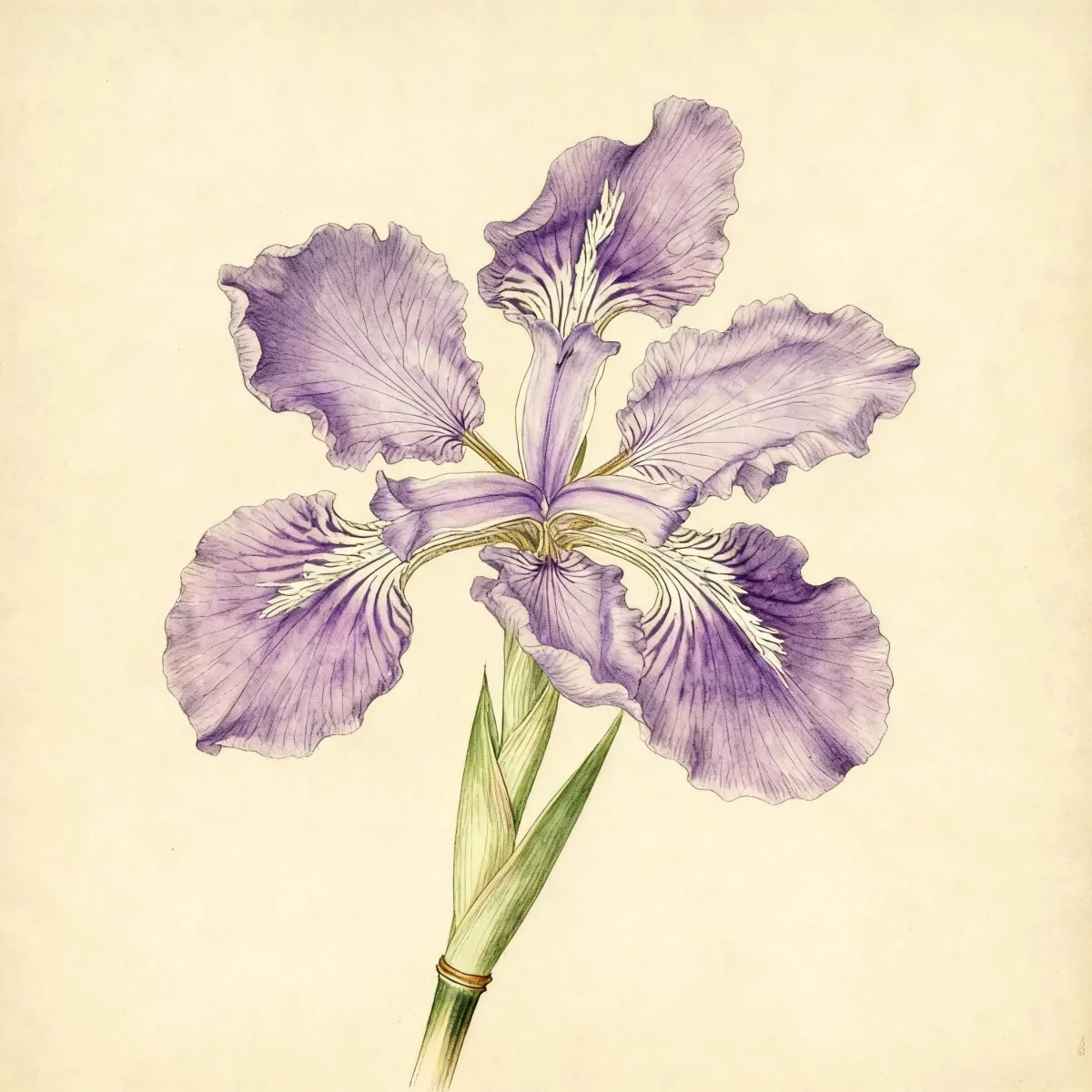
Iris (Iris hexagona)
Discover Iris hexagona, the striking Dixie iris, a fragrant perennial for wet sites. USDA Zones 7-9. Showy blue flowers.
Scroll down to discover growing tips, care requirements, companion plants, and more

Complete Plant Information
Overview
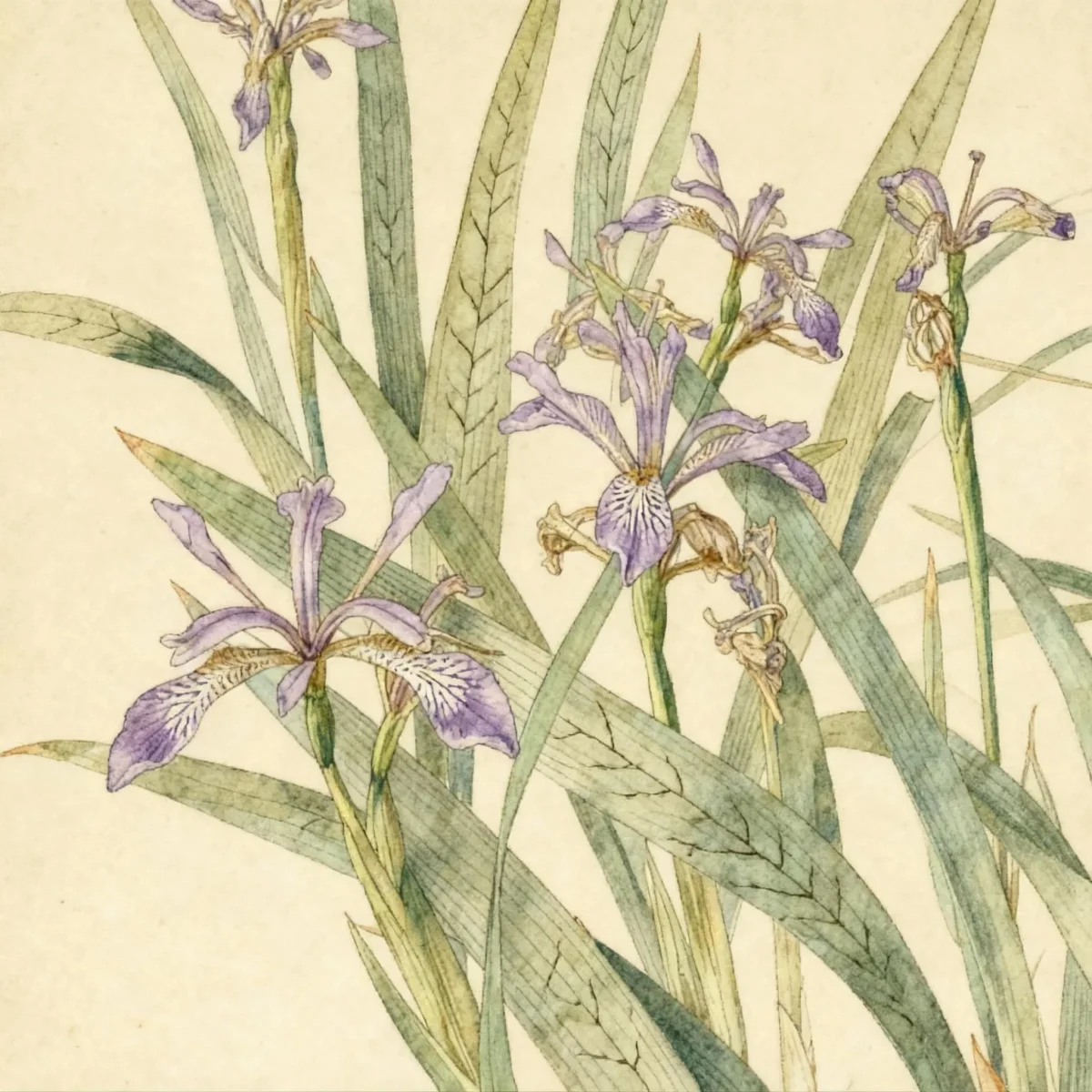
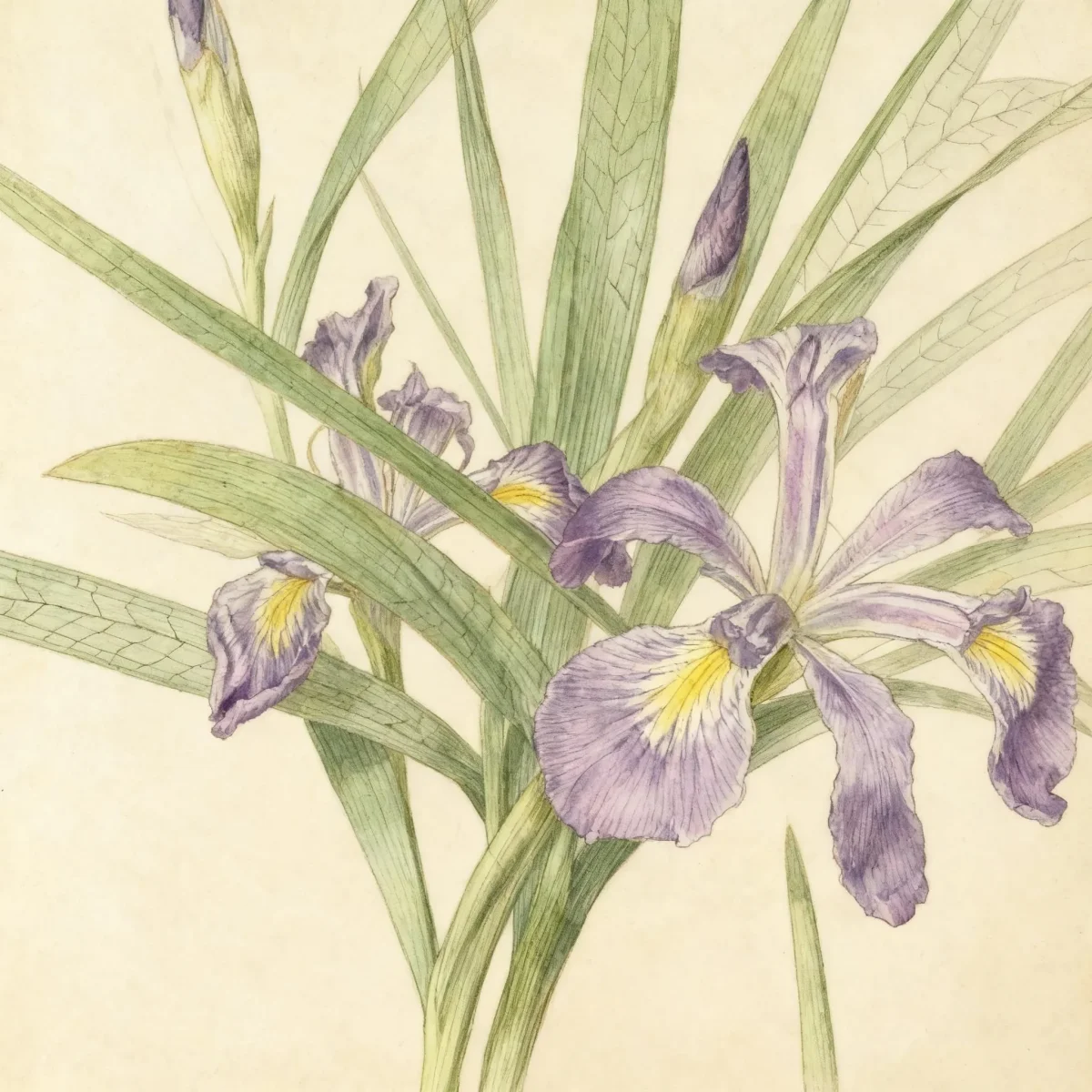
The lovely Iris hexagona, often recognized regionally as the Dixie iris or Carolina iris, is a stunning herbaceous perennial perfectly adapted to wetland environments. Valued for its showy, mildly fragrant spring blooms featuring deep blue to violet tones with bright yellow signals, this plant adds essential vertical interest to damp landscapes. As one of the five species comprising the Louisiana Iris group, Iris hexagona is an ecologically significant native of the American Southeast.
This rhizomatous perennial naturally forms spreading colonies in swamps, marshes, and along stream banks. While it requires consistent moisture, it thrives best when situated in full sun, though it will tolerate some afternoon shade. Gardeners value this Iris species for its ability to thrive where many other ornamental plants fail, particularly its tolerance for shallow standing water.
For those seeking authentic native plantings or specialized water garden features, Iris hexagona offers architectural beauty both in and out of bloom, thanks to its stiffly erect, sword-shaped basal leaves. Successfully incorporating this rare native Iris supports local ecosystems while providing dramatic early-season color.
Fast Facts
- Plant Family: Iridaceae
- Plant Type: Herbaceous perennial
- Native Range: Southeastern United States
- Hardiness Zones: USDA Zones 7-9
- Size at Maturity:
- Height: 3-4 ft
- Spread: 1-1.5 ft
- Bloom Time: April to May
- Bloom Description: Blue and white with yellow signals
- Sun Exposure: Full sun to part shade
- Water Needs: Medium to wet
- Maintenance Level: Medium
How to Grow
For optimal establishment, plant Iris hexagona during the cooler months or early spring, ensuring the shallow-rooted rhizomes are just covered by the soil surface. This species demands acidic, humusy, organically rich soil that is consistently moist to wet. It performs exceptionally well when situated directly in shallow water (several inches deep), making placement in bog or pond margins ideal.
Ongoing care is relatively straightforward for this medium-maintenance perennial. Water needs are high; never let the soil fully dry out, especially during active growth. Fertilizing is generally unnecessary if the soil is organically rich; excessive feeding can lead to weak stems and fewer blooms. Deadheading spent flowers will maintain tidiness, although the primary foliage will naturally wither after flowering finishes.
As winter approaches, be aware that Iris hexagona is winter hardy to USDA Zone 7 (and possibly 6). New leaves typically emerge in the fall, persisting through winter before the main flush of flowering growth starts in spring. Ensure soil moisture is maintained through dry periods, or use a wet mulch if growing in a border context rather than standing water.
Landscape Uses
The unique water requirements of Iris hexagona dictate its best landscape applications, focusing heavily on aquatic and permanently damp settings. It is an excellent choice for defining the margins of ponds, streams, or pool edges, thriving where its feet remain wet. Its height and upright structure make it a superb component in naturalized settings or rain gardens designed to handle significant runoff.
When using Iris hexagona in water gardens, plant colonies for a natural, sweeping effect, allowing their rhizomes to spread, enhancing the authenticity of the setting. If situating them near drier border plants, ensure you maintain a consistently moist to wet mulch layer around the base to mimic their native habitat conditions along slow-moving streams. This large, stately Iris anchors wet areas beautifully.
Standout Features
Flower Qualities
- Showy
- Fragrant
Noteworthy Characteristics
Iris hexagona, commonly called Dixie iris or Carolina iris, is a rhizomatous perennial native to coastal plains, swamps, marshes, bayous, damp hillsides, ditches, riversides, slow-moving streams and areas of shallow water in the southeastern U.S. Ranging from South Carolina to Florida and Louisiana. It typically grows to 3-4’ tall with a spread to 9-18” wide, featuring mildly fragrant, blue to violet flowers in spring. This species is one of the five irises that constitute the Louisiana Iris group (Series Hexagonae) and is considered one of the rarest native U.S. irises.
Tolerances
- Wet Soil
Potential Problems
Fortunately, Iris hexagona generally suffers from no serious insect or disease problems if properly situated in its wet habitat. However, in overly humid or poorly ventilated areas, watch for leaf spot, iris rust, and bacterial soft rot, particularly if rhizomes sit in standing, stagnant water during the dormant season. Common pests that may annoy the foliage include slugs, snails, aphids, and thrips; iris borers can also cause significant damage where they are prevalent. The key to prevention is ensuring excellent water circulation, even in wetland settings, and avoiding overcrowding.
Frequently Asked Questions
What hardiness zones is Iris suitable for?
Iris hexagona is reliably hardy in USDA Zones 7 through 9, though some sources suggest possible tolerance down to Zone 6 with adequate winter protection.
How large does Iris grow?
This plant reaches a mature height between 3 and 4 feet tall, spreading outward between 1 and 1.5 feet wide as the rhizomes multiply.
When does Iris bloom?
The blue and white blooms appear relatively early in the season, typically flowering between April and May.
What sun exposure does Iris need?
For the best flowering display, aim for full sun, though Iris hexagona can successfully grow with partial shade exposure.
Conclusion
Iris hexagona offers exceptional value, especially for designers managing challenging, wet landscapes where its status as a rare native Louisiana Iris is an added bonus. Its showy, fragrant spring flowers and tolerance for standing water make it a specialized and worthwhile addition to any water garden or bog setting. Before planting, confirm your local USDA Zone compatibility to ensure this unique Iris flourishes for years to come.
Companion Planting
Selecting companions for Iris hexagona requires attention to their shared need for consistently saturated soil. Excellent partners include other moisture-loving natives such as Marsh Marigold (Caltha palustris) or various native sedges and rushes that thrive in the bog environment. Avoid plants that prefer sharp drainage, as the constant moisture required by the Iris will quickly drown them out. Grouping these moisture-dependent species together simplifies watering and maintenance efforts for your entire water garden area.
Seasonal Care Calendar
Spring is when the foliage of Iris hexagona begins its most active growth phase; this is the best time to ensure thorough watering if spring rains have been sparse. Summer maintenance revolves around keeping pond margins or bog areas topped up with water, preventing the soil from drying out completely between April and September. In fall, while the old leaves fade, new basal foliage emerges; this period is ideal for top-dressing the soil with compost to enrich the acidic humus that the plant prefers. Winter is largely hands-off, focusing only on protecting the crown if you are near the colder Zone 7 boundary.