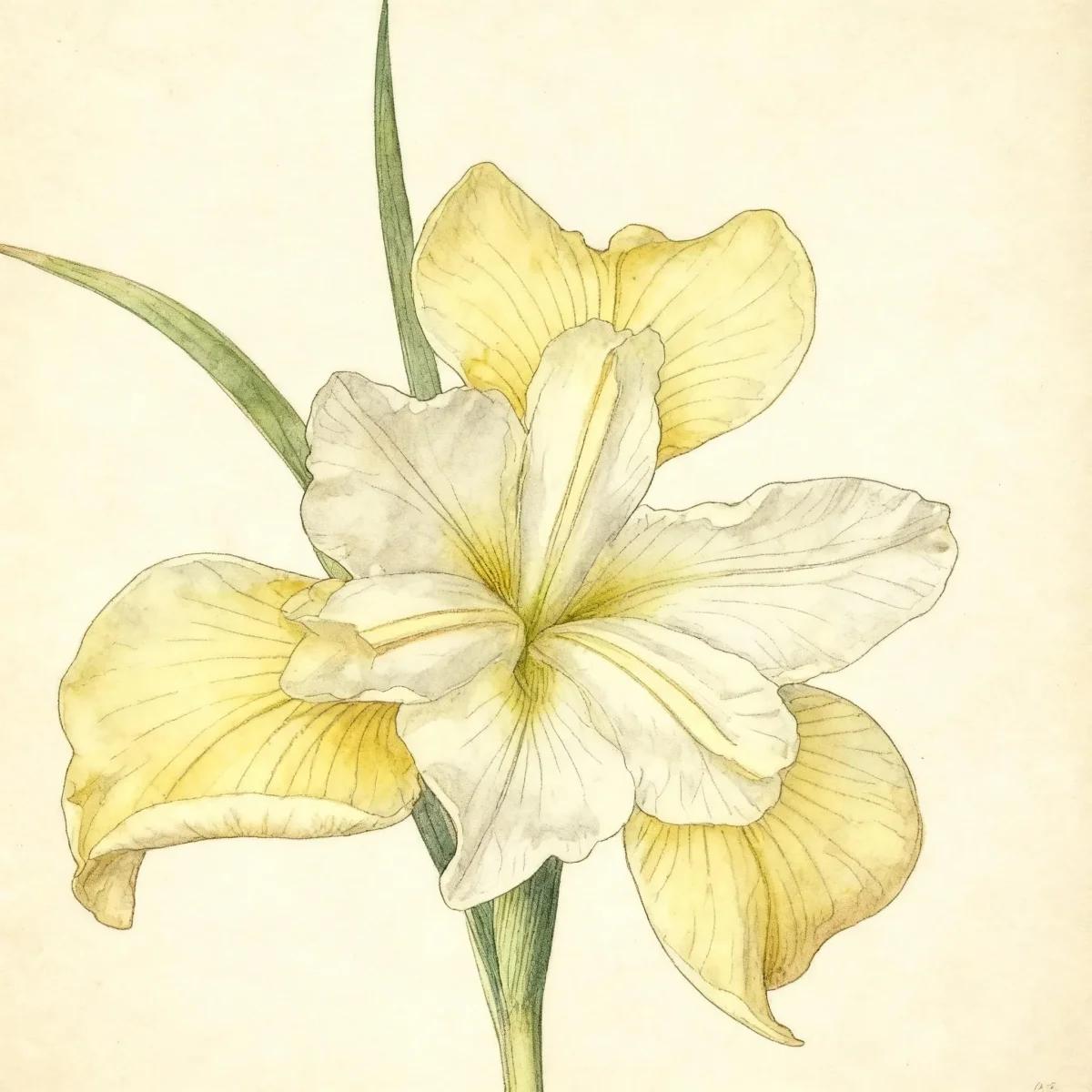
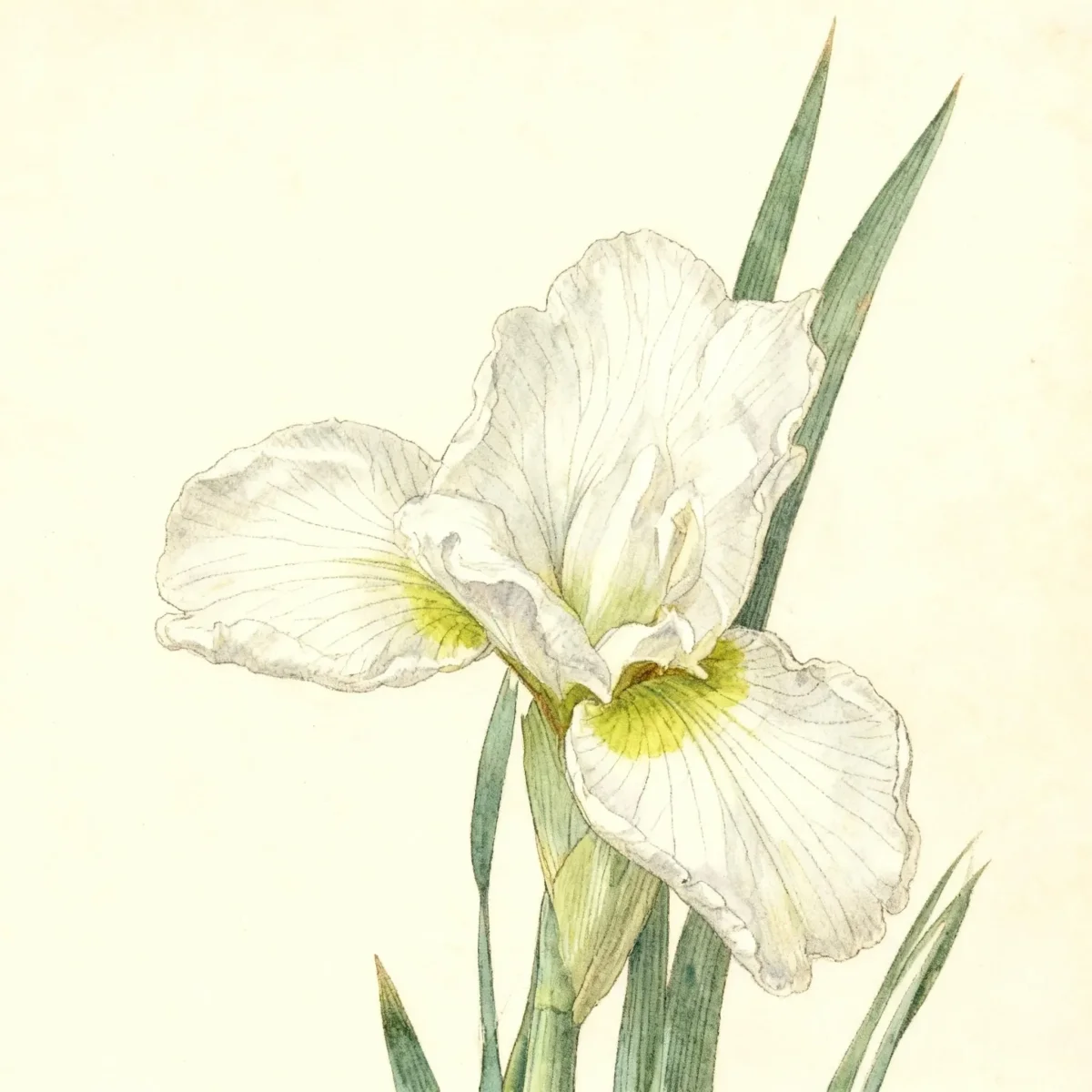
Rocky Mountain iris (Iris missouriensis)
The drought-tolerant Rocky Mountain iris (Iris missouriensis) offers striking violet-blue blooms and low maintenance in zones 3-8.
Scroll down to discover growing tips, care requirements, companion plants, and more
Complete Plant Information
Overview
The Rocky Mountain iris (Iris missouriensis) is a highly desirable, low-maintenance beardless iris native to the mountainous regions of western North America. Its striking violet-blue flowers make it a standout performer in late spring and early summer gardens. As an herbaceous perennial, Iris missouriensis reliably returns each year, adding consistent color and structure to damp or sunny perennial borders.
This variety is valued for its toughness and adaptability across a wide range of USDA hardiness zones, thriving from the mountains down into meadow-like settings. It forms dense clumps of tough, sword-shaped leaves, providing excellent textural contrast when not in bloom. Gardeners appreciate the Rocky Mountain iris for its naturalizing tendency and relatively small stature, making it less prone to flopping than some larger cultivated irises.
While it prefers consistent moisture, especially spring through early summer, Iris missouriensis adapts well to varying soil moisture once established, offering flexibility in landscape placement. Its low maintenance requirement paired with its native pedigree makes it an excellent choice for sustainable, water-wise gardening designs across the West.
Fast Facts
- Plant Family: Iridaceae
- Plant Type: Herbaceous perennial
- Native Range: Western and central North America
- Hardiness Zones: USDA Zones 3-8
- Size at Maturity:
- Height: 1-2 ft
- Spread: 0.75-1 ft
- Bloom Time: May to June
- Bloom Description: Violet blue
- Sun Exposure: Full sun to part shade
- Water Needs: Medium to wet
- Maintenance Level: Low
How to Grow
Planting the rhizomes of Iris missouriensis is ideally done from late July through October, though timing shifts slightly based on local climate—aim for late July through early September for areas with harsh, cold winters. When planting, ensure excellent drainage, especially in clay soils or heavy rainfall areas; consider planting on slopes or raised beds to prevent rhizome rot. Position each rhizome shallowly, centered over a small mound of soil, so that about one-third of the structure remains exposed above the soil line, with roots spread horizontally beneath to anchor the plant.
Consistent moisture management is key for robust blooming. The Rocky Mountain iris needs consistent availability of water from early spring until about six weeks after flowering has concluded. While it tolerates drier conditions post-flowering, adequate spring moisture fuels the subsequent year’s show. In hot summer climates, afternoon shade becomes beneficial to prevent leaf scorch and excessive drying.
Maintenance for this rhizomatous iris is generally low. Keep the bed weed-free, as competing weeds can impede rhizome spread and vigor. If the clump becomes overcrowded over the years—usually noticeable in August—lift the clump using a garden fork, divide the thicker sections, and replant immediately. This division process also serves as effective propagation for creating more stock of this beautiful Iris missouriensis.
Landscape Uses
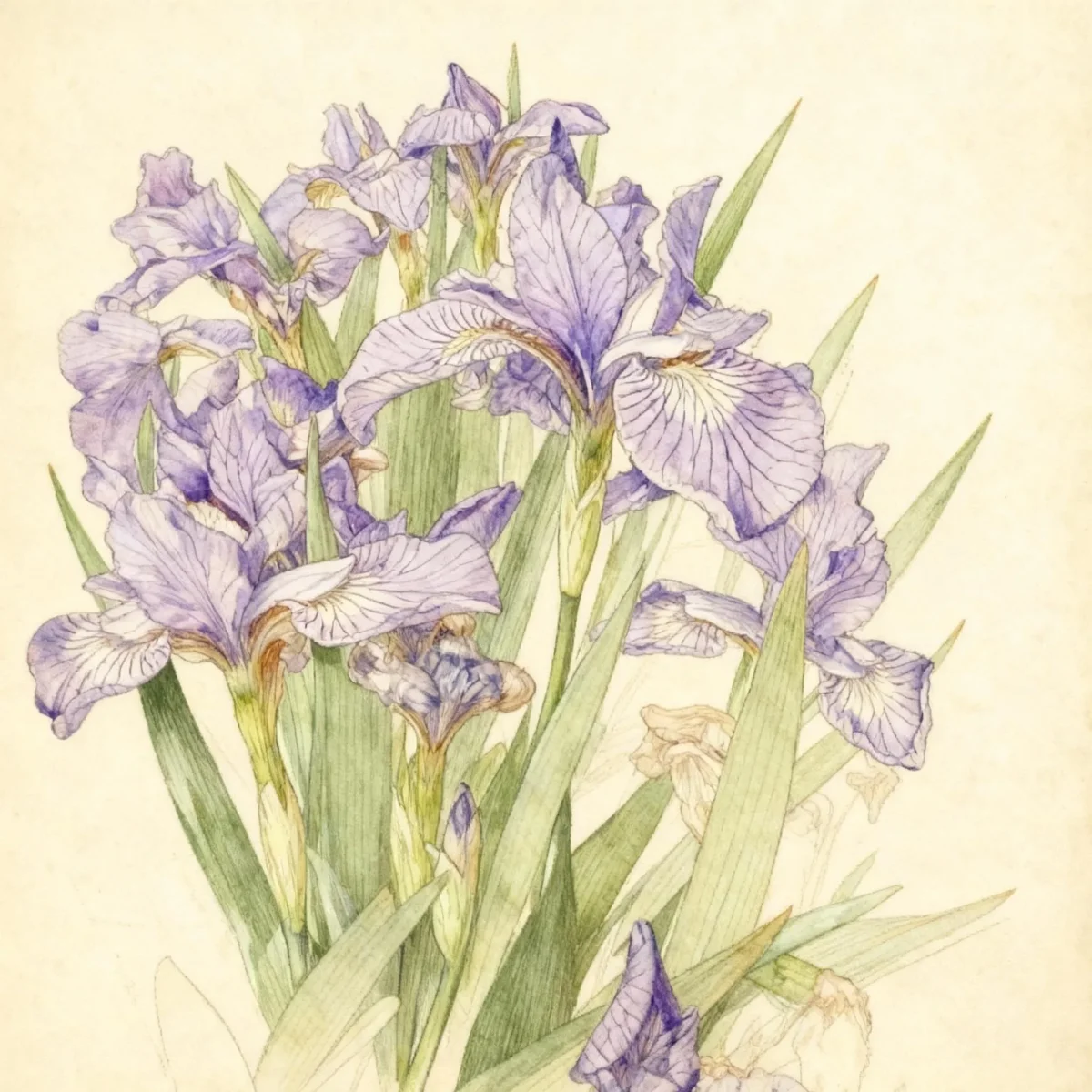
The recommended uses for the Rocky Mountain iris center on creating naturalized, sweeping drifts of blue color. It performs admirably when naturalized in sunny meadows or throughout large perennial beds where its moisture requirements can be met. Mass planting creates the most impact, transforming functional areas like foundations or the edges of water features into vibrant displays during late spring.
Because Iris missouriensis thrives in medium to wet conditions, pair it with other moisture-loving native plants. Good companions include marsh marigolds, certain sedges, astilbes, or other moisture-tolerant perennials that share similar bloom times or foliage textures. Utilizing this iris in borders allows its low, tidy foliage to anchor the front or middle layers of the planting scheme.
Consider planting Iris missouriensis along streamsides or in rain gardens where runoff collects, as it utilizes that consistent moisture readily. Its tolerance for wet soil makes it a reliable textural element in designs focused on managing stormwater runoff naturally.
Standout Features
Flower Qualities
- Showy
Noteworthy Characteristics
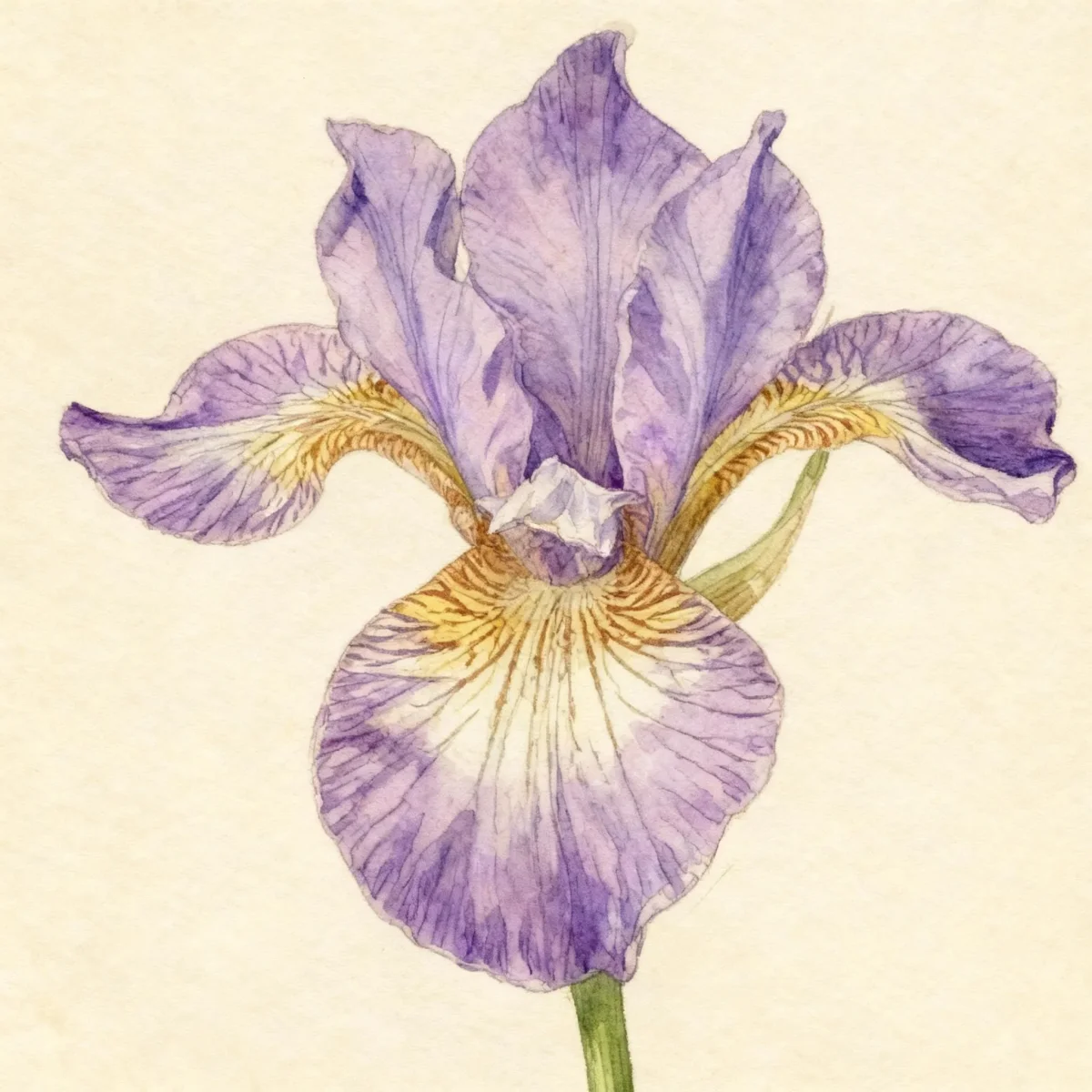
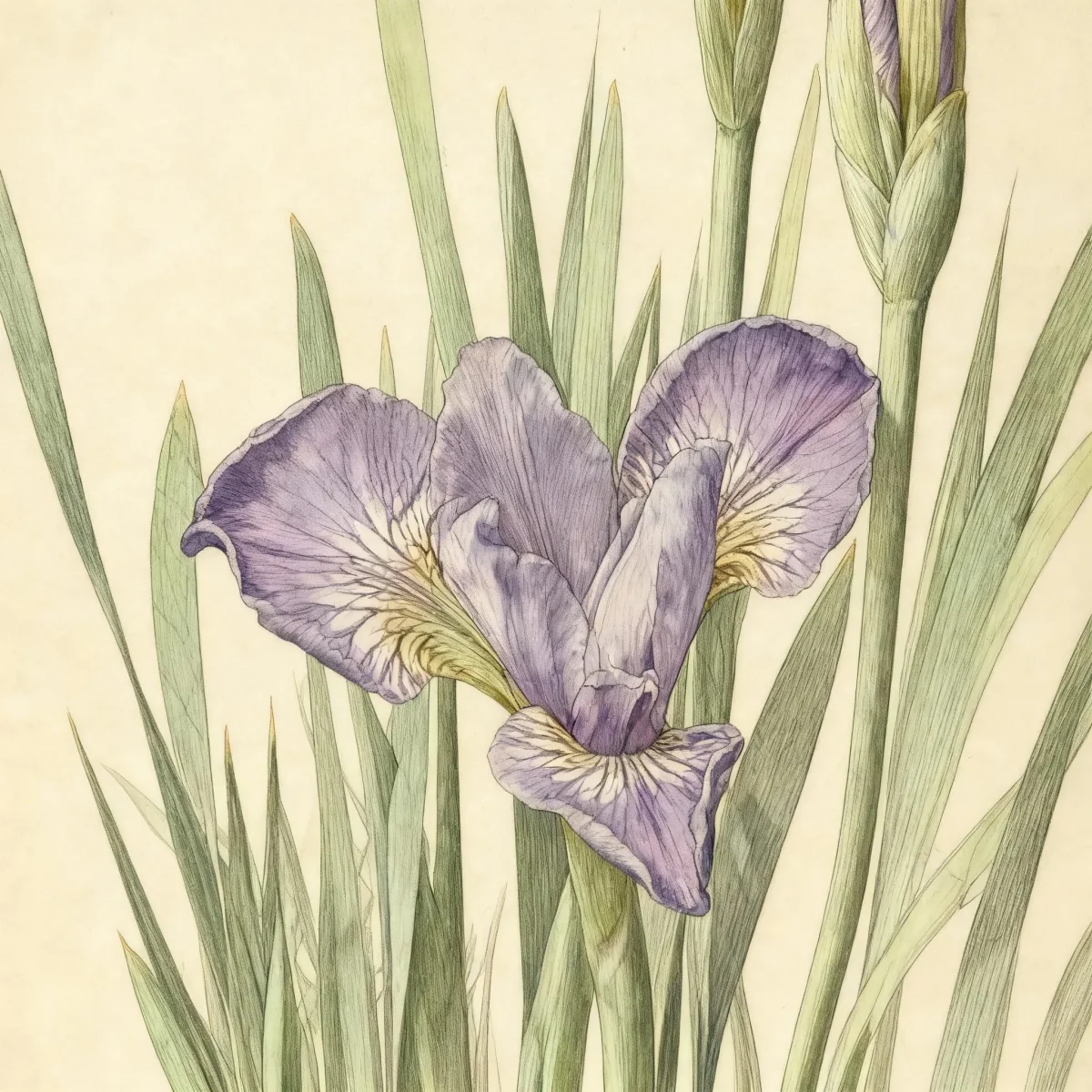
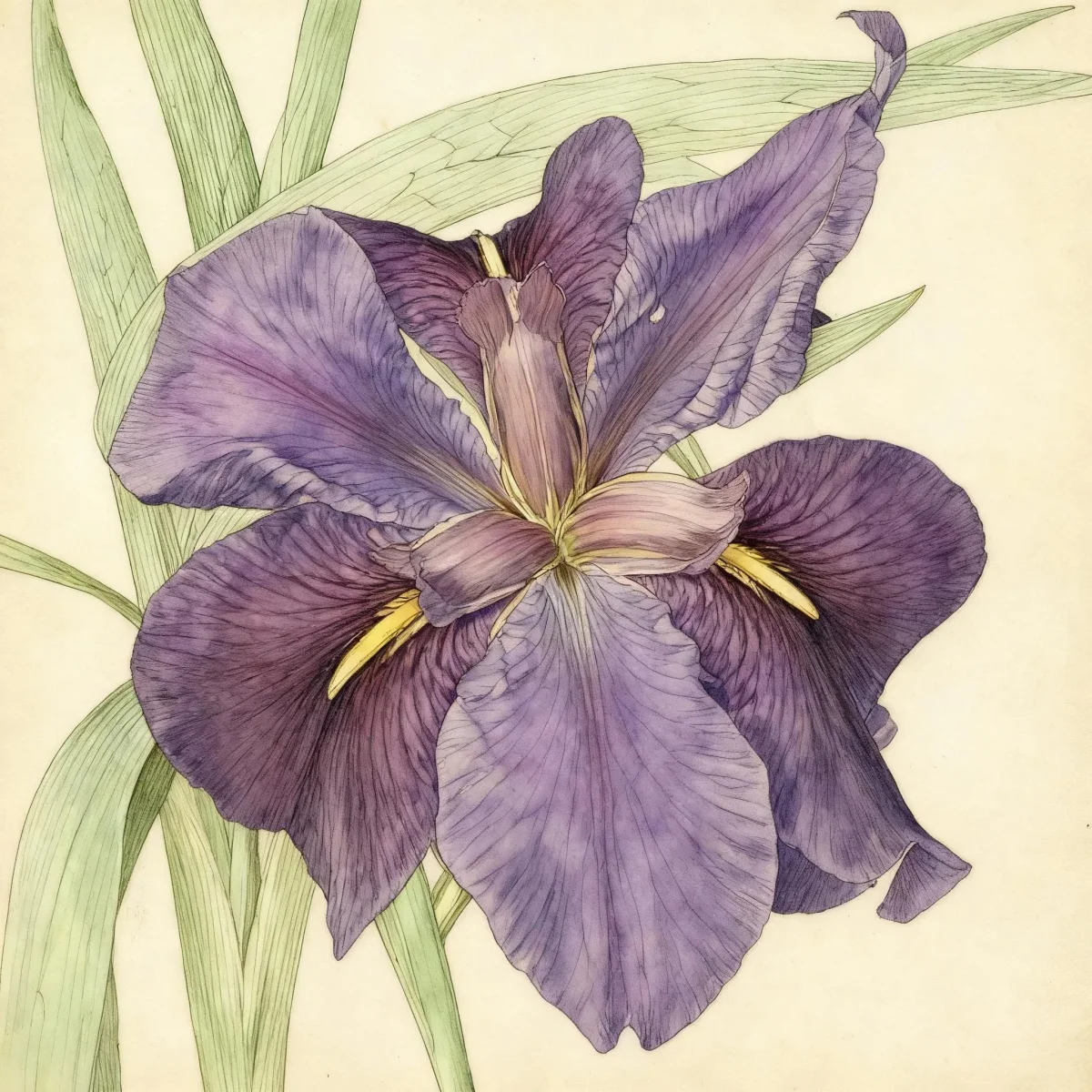
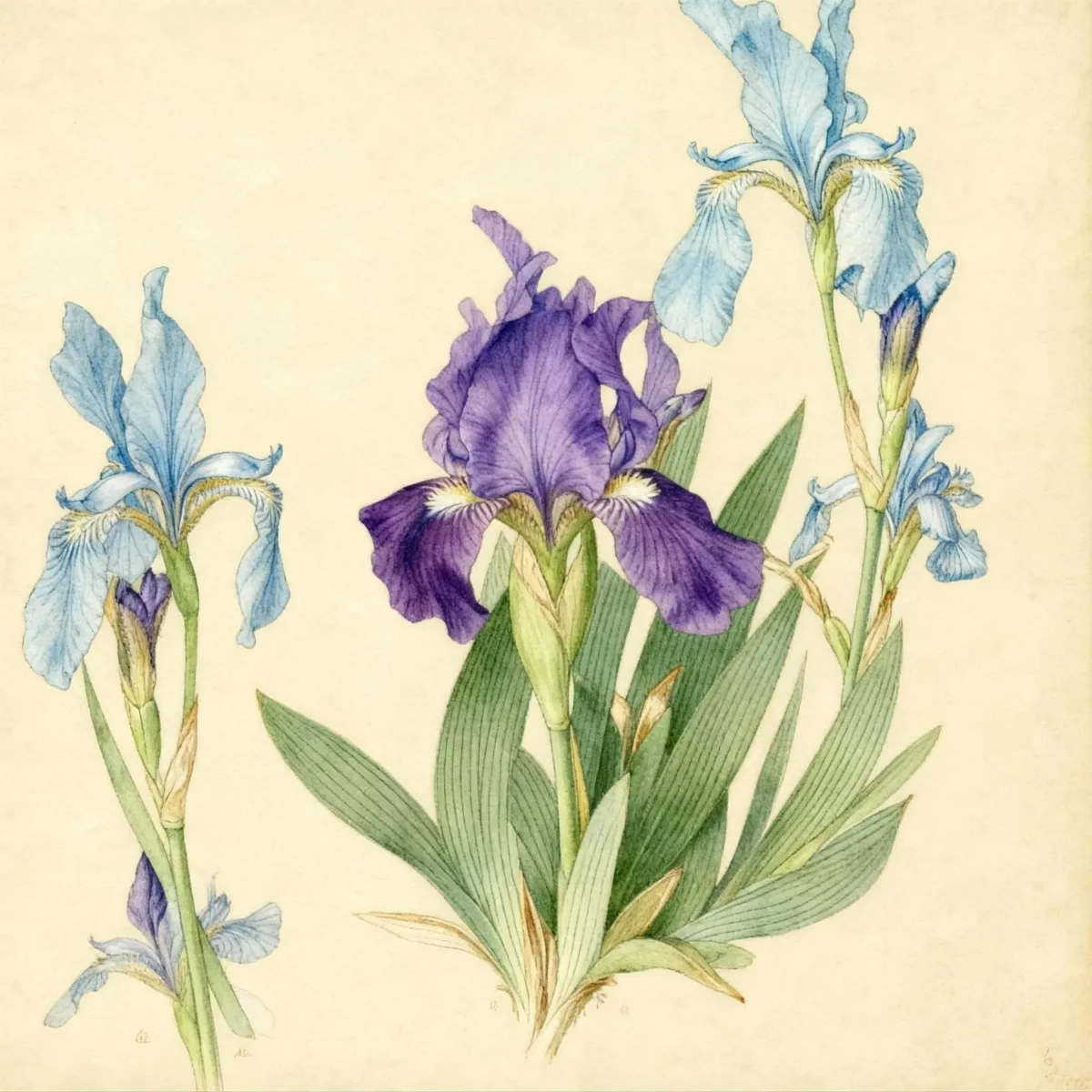
Iris missouriensis, commonly known as western blue flag and Rocky Mountain iris, is a beardless iris that grows from an irregularly-creeping tuberous rhizome. In the wild, it typically rises to 12-24” tall and is native to wet meadow and marshy mountainous areas from North Dakota south to California and New Mexico. Each plant bears 1-4 variegated, violet blue iris flowers, each featuring three spreading falls with a central dark yellow-orange stripe, blooming atop stout stalks that rise among tough, sword-shaped leaves.
Tolerances
- Deer
- Wet Soil
Potential Problems
Several cultural and pest issues can affect the health of your Iris missouriensis if conditions are not optimized. Watch for fungal issues such as leaf spot, which can decrease foliage quality, and, most critically, soil-borne problems like root rot, bacterial soft rot, and crown rot, which thrive in poorly drained or overly wet winter soil. Mosaic viruses are persistent threats in some regions.
Pest control focuses on common soft-bodied insects. Slugs, snails, whiteflies, aphids, and thrips may appear seasonally. A more significant concern in endemic areas is the iris borer, which tunnels through the foliage and rhizomes, weakening the plant considerably. Prevention often involves maintaining good air circulation, removing infected leaves promptly, and addressing slugs/snails early in the season.
Frequently Asked Questions
What hardiness zones is Rocky Mountain iris suitable for?
The Rocky Mountain iris (Iris missouriensis) is highly adaptable, thriving in USDA hardiness zones 3 through 8.
How large does Iris missouriensis grow?
This perennial typically reaches a modest height between 1 and 2 feet tall, with a spread of 0.75 to 1 foot wide, forming dense clumps.
When does Rocky Mountain iris bloom?
This species blooms reliably from May into June, displaying its characteristic violet blue flowers at the top of stiff stalks.
What sun exposure does Iris missouriensis need?
For the best performance, Iris missouriensis prefers full sun; however, in hotter summer climates, providing some afternoon shade is beneficial.
Conclusion
The Iris missouriensis, or Rocky Mountain iris, brings durable, native beauty to water-wise and meadow-style gardens. Its vibrant violet-blue blooms and low-maintenance requirements make it a superb choice for filling out sunny, moist areas. Before purchasing, confirm that your local growing season aligns with USDA Zones 3 through 8 and plan your planting for late summer or early fall for strongest establishment.
Companion Planting
Selecting appropriate companions is crucial for the Rocky Mountain iris, especially regarding moisture needs. Since it requires medium to wet soil, especially during its active growth and bloom period, pair it with other moisture-loving plants that share similar tolerances. Consider incorporating native wetland companions like certain types of Sedge (Carex spp.) for continuous grassy texture, or summer-blooming Swamp Milkweed (Asclepias incarnata), which shares the need for consistent moisture and attracts pollinators. Avoid planting it tightly against species that demand sharp, dry drainage, even if those neighbors are sun-lovers, as this moisture differential can lead to cultural stress for one or the other.
Propagation Tips
Iris missouriensis is easiest to propagate through division, a process that should ideally be performed in late summer (August) when the plant begins to slow post-flowering but before winter dormancy sets in. Over time, the rhizomes of this perennial spread irregularly, leading to denser clumps which benefit from separation. Carefully lift divisions using a garden fork, ensuring each healthy division retains a fan of leaves and plenty of roots, and replant immediately into prepared, well-drained soil. This rhizomatous iris also propagates readily from seeds, though this method will result in variation and a longer wait for maturity compared to dividing established clumps.