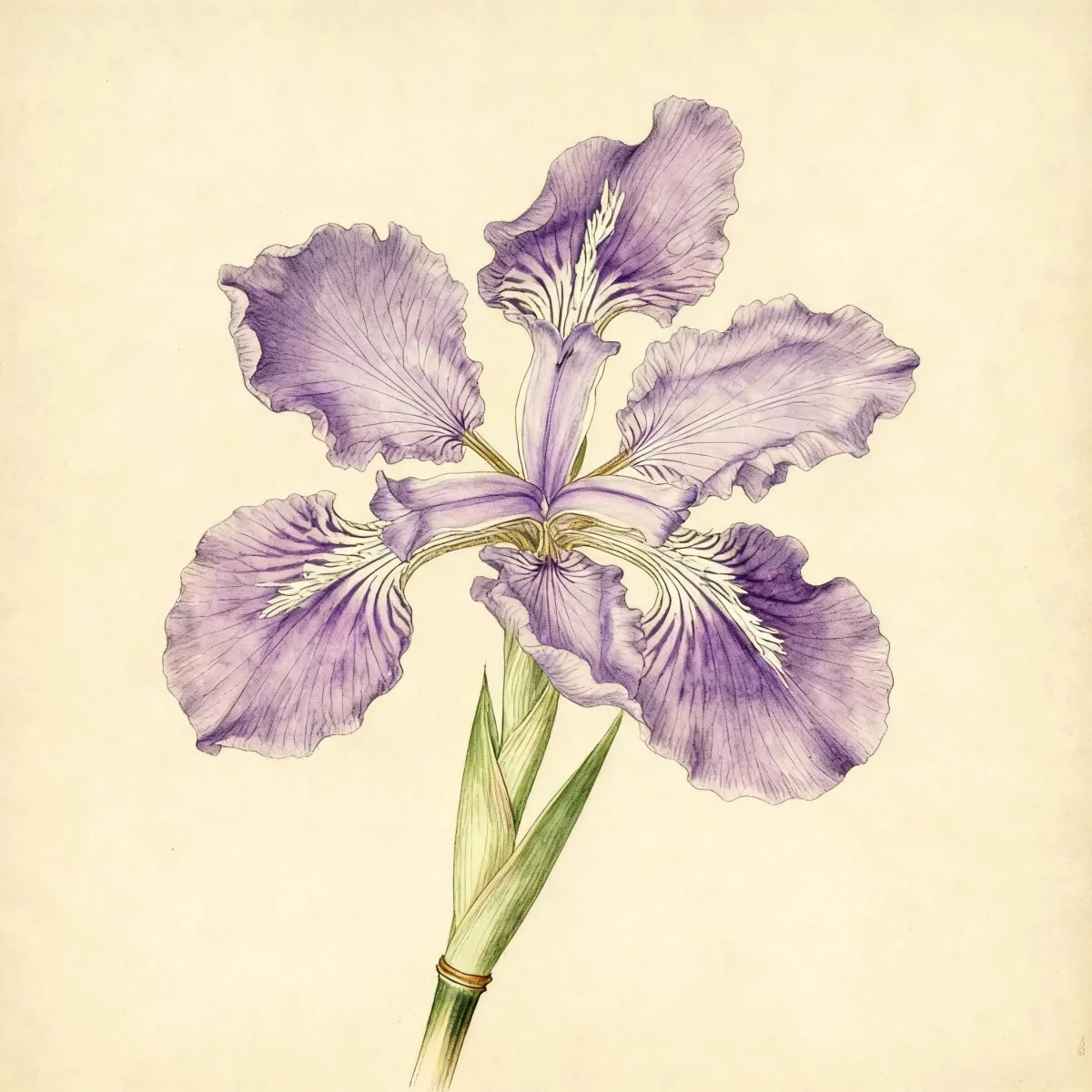
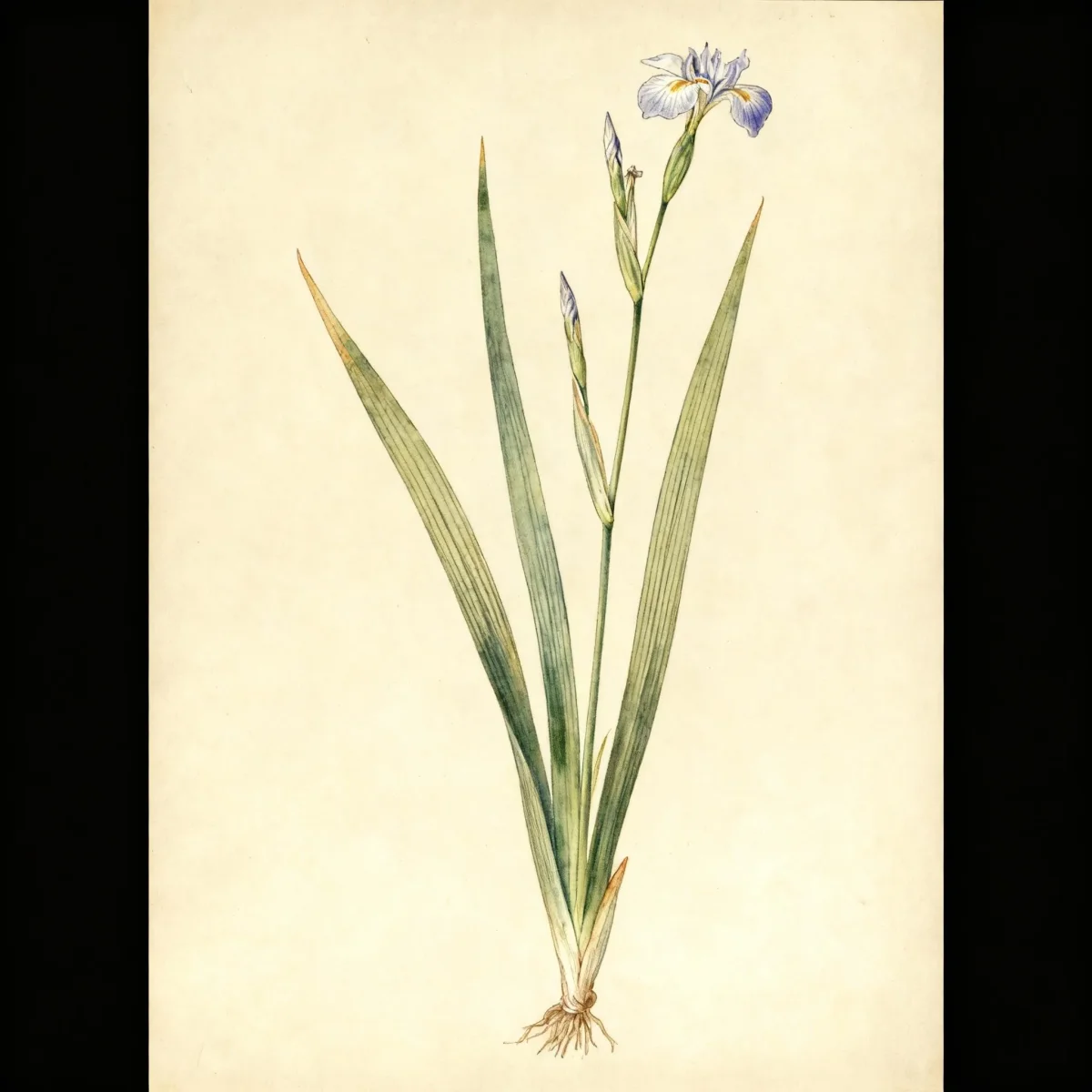
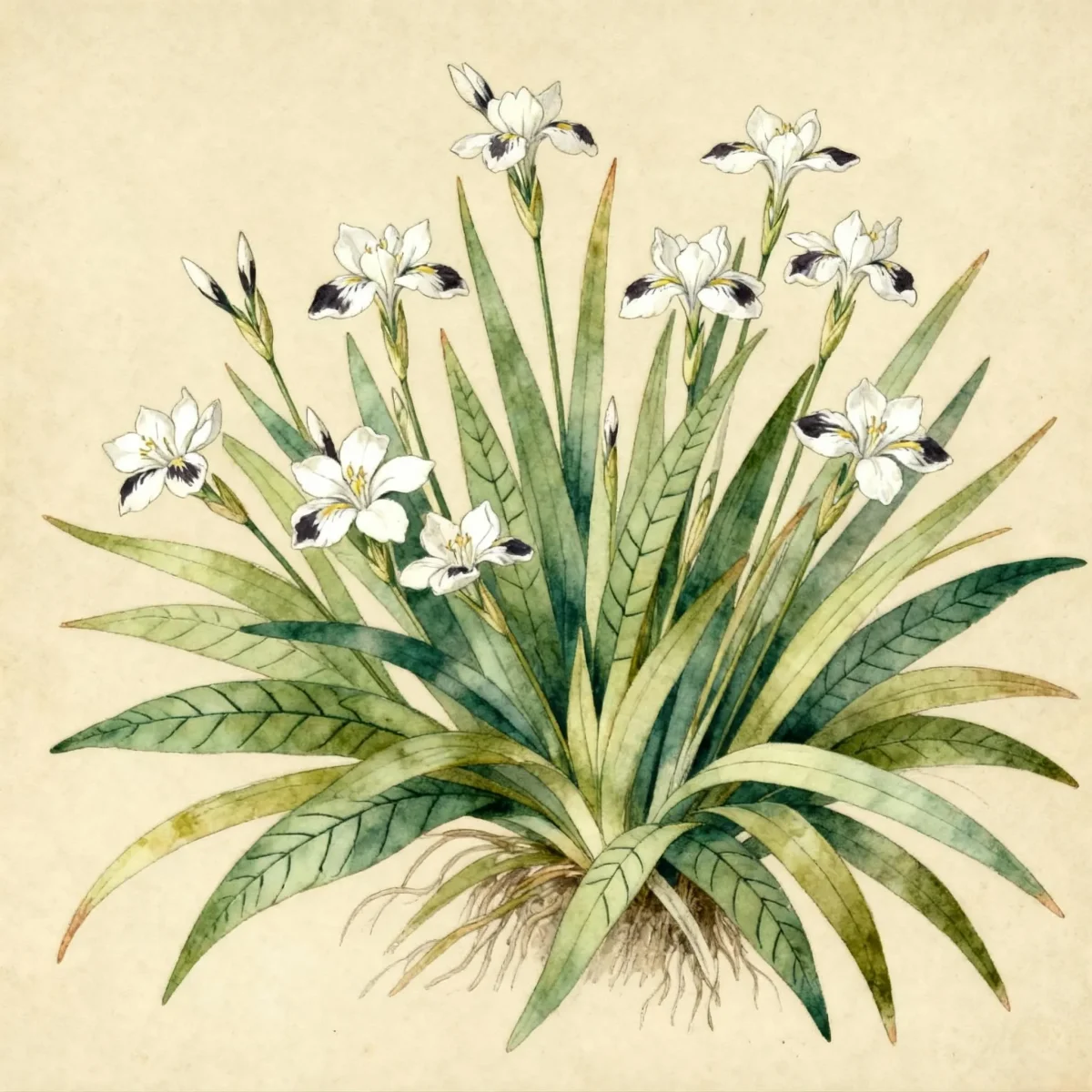
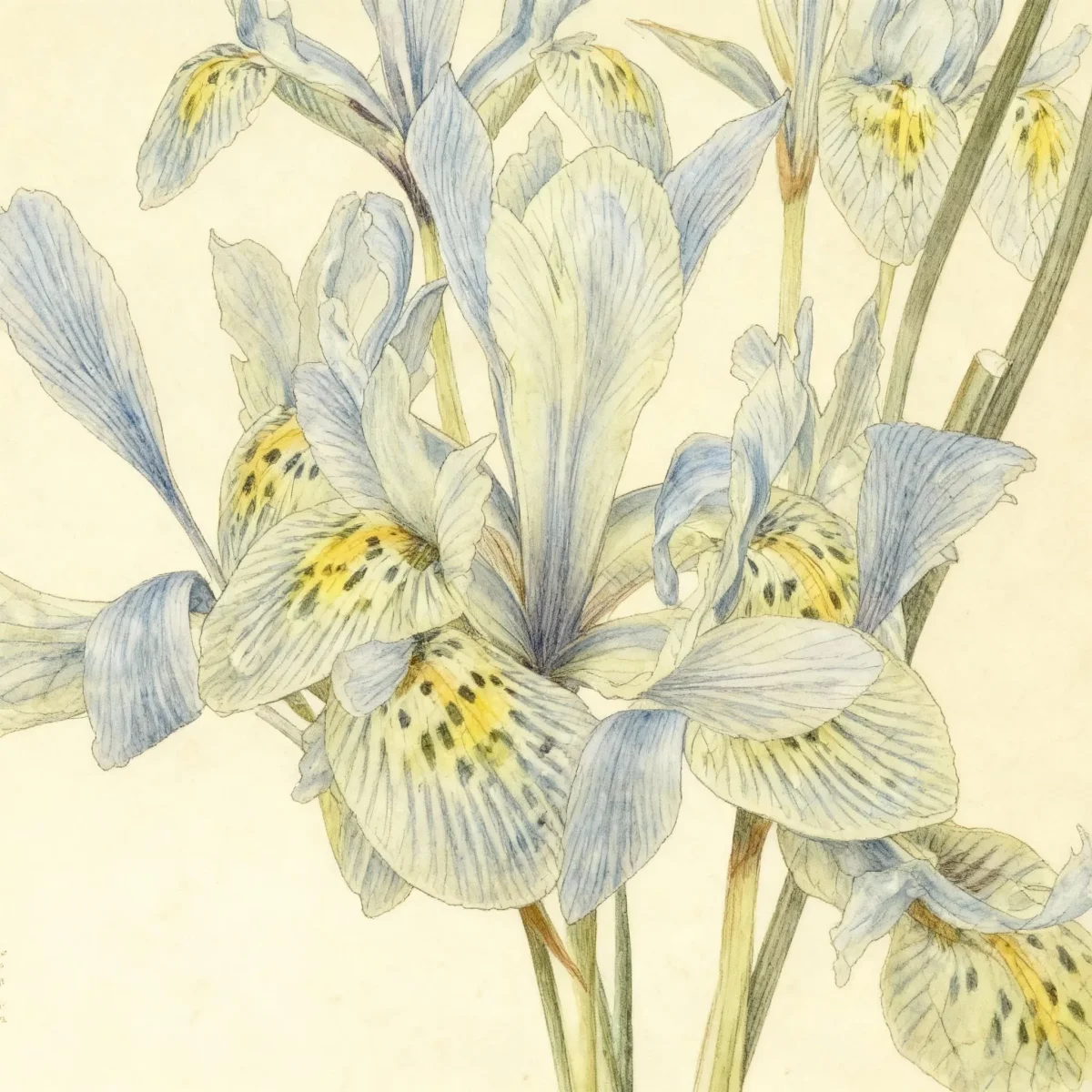
Aristea (Aristea platycaulis)
Rare Aristea platycaulis offers cool blue summer blooms atop distinctive flattened stems. A low-maintenance perennial for Zones 9-11.
Scroll down to discover growing tips, care requirements, companion plants, and more
Complete Plant Information
Overview
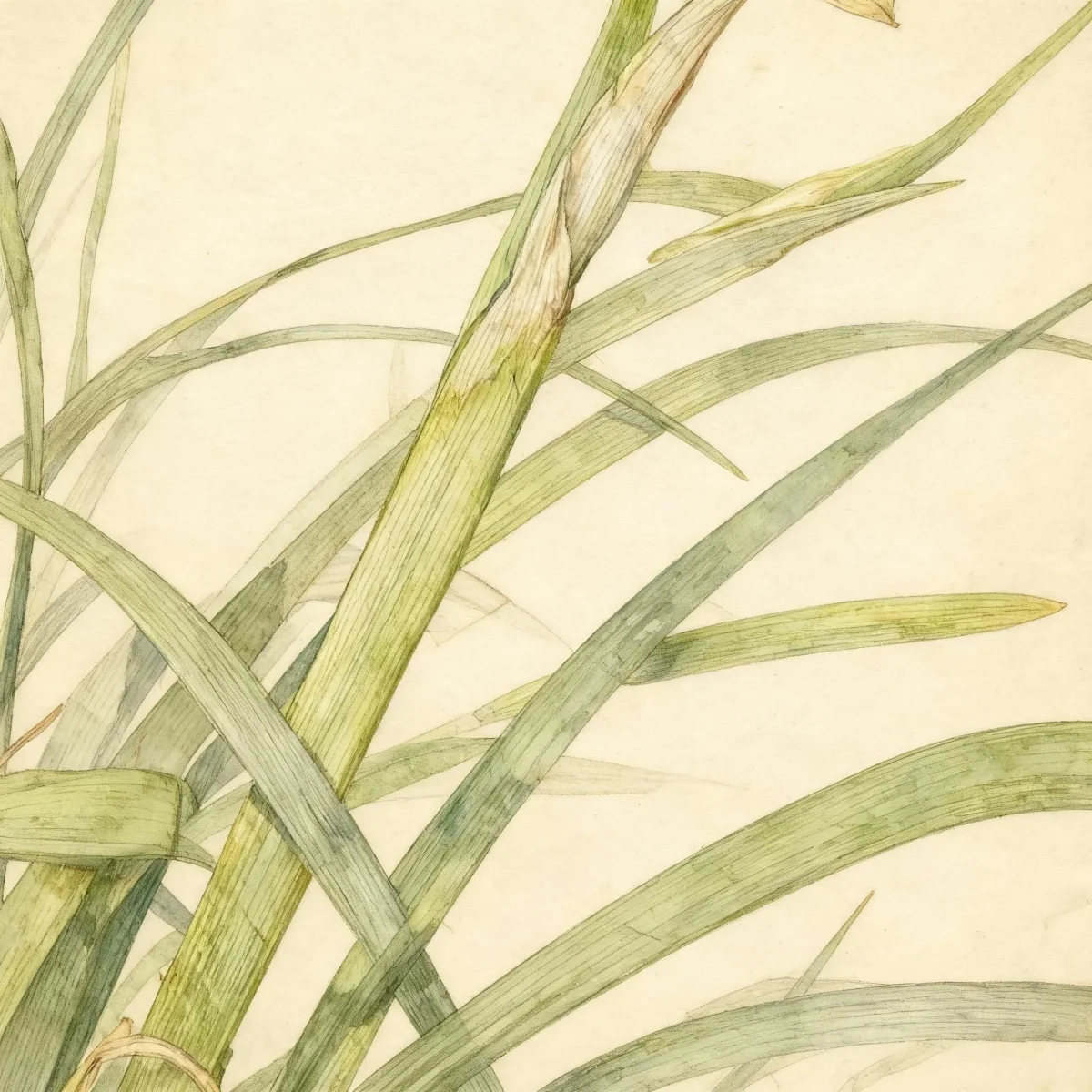
The Aristea platycaulis is a unique herbaceous perennial highly valued for its striking blue flowers, which offer a cool contrast in the garden. Endemic to the coastal forests of South Africa’s Eastern Cape, this species presents a relatively rare sight outside its native range, making it a special addition for dedicated collectors. Its growth habit is compact, typically reaching only about one foot tall and wide, featuring sword-shaped basal foliage.
This compact beauty thrives under moderate conditions, preferring rich, well-draining soils. One of the most visually interesting characteristics of Aristea platycaulis is the inflorescence, which is borne on a flattened, winged stem—an attribute noted by its specific epithet, platycaulis. Gardeners seeking low-maintenance structure and vivid seasonal color will find the Aristea rewarding.
While it enjoys significant light, Aristea platycaulis performs well in partial shade, broadening its appeal for mixed plantings. Success depends on meticulous soil preparation to ensure drainage, preventing the root rot that this species is susceptible to in wet sites.
Fast Facts
- Plant Family: Iridaceae
- Plant Type: Herbaceous perennial
- Native Range: Southern Africa
- Hardiness Zones: USDA Zones 9-11
- Size at Maturity:
- Height: 0.75-1 ft
- Spread: 0.75-1 ft
- Bloom Time: Seasonal bloomer
- Bloom Description: Blue
- Sun Exposure: Full sun to part shade
- Water Needs: Medium
- Maintenance Level: Low
How to Grow
Establish your Aristea in the spring once all danger of frost has passed, ensuring the location receives full sun or bright partial shade. The most critical element for establishing healthy Aristea platycaulis is the soil composition; aim for rich, humusy loam that is well-draining. Good drainage prevents crown and root rot, which are the primary threats to this plant.
Watering requirements are moderate. Maintain evenly moist soil, especially during active growth and flowering periods in summer. Allow the surface to dry slightly between waterings, but never let the soil become completely parched. Fertilization is usually unnecessary if the planting site is rich in organic matter, but a balanced, slow-release granular fertilizer incorporated in spring can support robust growth.
Maintenance for this Aristea is generally low. Deadheading spent flower stalks is not strictly required, but tidying up old foliage in late winter or early spring will prepare the plant for new seasonal growth. As this perennial is only reliably hardy in Zones 9 through 11, gardeners outside this range must provide winter protection.
For colder climates, Aristea platycaulis requires careful overwintering. Move potted specimens into a sheltered, unheated area like a cool garage or greenhouse, or protect in a cold frame while keeping the soil barely moist until returning them outdoors in spring.
Landscape Uses
The unique coloring and upright form of Aristea make it an excellent candidate as a specimen plant, drawing the eye to its unusual structure. Consider using this plant near the front of mixed borders where its height (under 1 foot) won’t be obscured by taller companions. Because the plant is rare, integrating just a few individuals can create significant visual interest in a curated garden setting.
When selecting companions, look for plants that share similar cultural needs: good drainage and medium water requirements. Pairing the intense blue of the Aristea with silver foliage or contrasting yellow blooms can amplify the visual impact. For gardeners passionate about unique South African flora, grouping Aristea with other smaller Iridaceae members or complementary accent plants is highly recommended.
The explicit recommendation is to use nursery-propagated seed or divisions, emphasizing the conservation of wild populations. This means that sourcing quality stock is vital, so plan landscape placements carefully to showcase this rare find.
Standout Features
Flower Qualities
- Showy
Noteworthy Characteristics
Aristea platycaulis is a handsome herbaceous perennial endemic to the Wild Coast region of South Africa, often found growing at the edges of coastal forests. The plant develops clusters of upright, sword-shaped foliage emerging from small rhizomes, reaching heights and spreads of around one foot. Its inflorescence is supported by a distinctive 0.5” wide, flattened, winged stem, leading to the specific epithet platycaulis. The genus name Aristea derives from the Greek word aristos, meaning “best,” referencing the pleasing quality of the overall plant.
Tolerances
- Tolerant of some light frost
Potential Problems
This plant exhibits remarkable resistance, boasting no known pest or disease problems of significant note under optimal culture. The greatest vulnerability for Aristea platycaulis lies in improper soil conditions. Waterlogged or poorly drained soils are extremely detrimental, invariably leading to crown or root rot, which can quickly kill the established perennial. Prevention is crucial: always amend heavy garden soil with grit or compost to enhance aeration and drainage before planting your Aristea.
Frequently Asked Questions
What hardiness zones is Aristea suitable for?
Aristea platycaulis is generally hardy in USDA Zones 9 through 11, meaning it requires protection or overwintering indoors when temperatures drop below freezing consistently.
How large does Aristea grow?
Mature plants of Aristea platycaulis typically reach a height between 0.75 and 1 foot, with a spread that mirrors its height, resulting in a compact, near-square footprint.
When does Aristea bloom?
This seasonal bloomer produces its attractive blue flowers during the summer months, though the exact timing can vary based on local climatic conditions.
What sun exposure does Aristea need?
This perennial performs best when provided with full sun, though it can tolerate partial shade, offering some flexibility in garden placement for the blue-flowered Aristea.
Conclusion
The low-maintenance structure and exquisite blue blooms make Aristea platycaulis a superb choice for gardeners seeking unique texture and color. By adhering to its requirements for rich, well-draining soil, you can ensure this rare South African native, the Aristea, flourishes seasonally. Always verify your USDA zone compatibility before planting this distinctive perennial outdoors.
Companion Planting
When planning a border for Aristea platycaulis, select plants that share the need for excellent drainage to prevent the high-risk fungal issues associated with wet feet. Low-growing succulents or Mediterranean herbs that prefer lean, gritty soils can often coexist well near the base of the Aristea, provided they do not aggressively compete for root space. Consider pairing it with plants that don’t require heavy summer watering.
Another effective strategy involves textural contrast. Since the foliage of Aristea is stiff and sword-like, incorporate softer, mounding plants with fine leaves, such as certain varieties of creeping thyme or low ornamental grasses, to create visual balance around the base of the blue-flowering perennial.
Design Ideas for Accent Planting
Because of the distinctive flattened stem of the inflorescence, position Aristea platycaulis where it can be closely observed, such as along a frequently used pathway or near the edge of a seating area. Its height allows it to integrate seamlessly into the middle ground of a mixed border without blocking views of taller background specimens.
In contemporary or drought-tolerant gardens where drainage is naturally superior due to sandy soils, the Aristea can serve as a structural accent among gravel mulch or larger stone groupings. Use groupings of three to five plants to establish a noticeable presence of this unique blue hue.
In containers, ensure the potting mix is heavily amended with perlite or coarse sand to mimic its native well-drained environment. These containers can be sheltered during winter if hardiness limits are a concern.