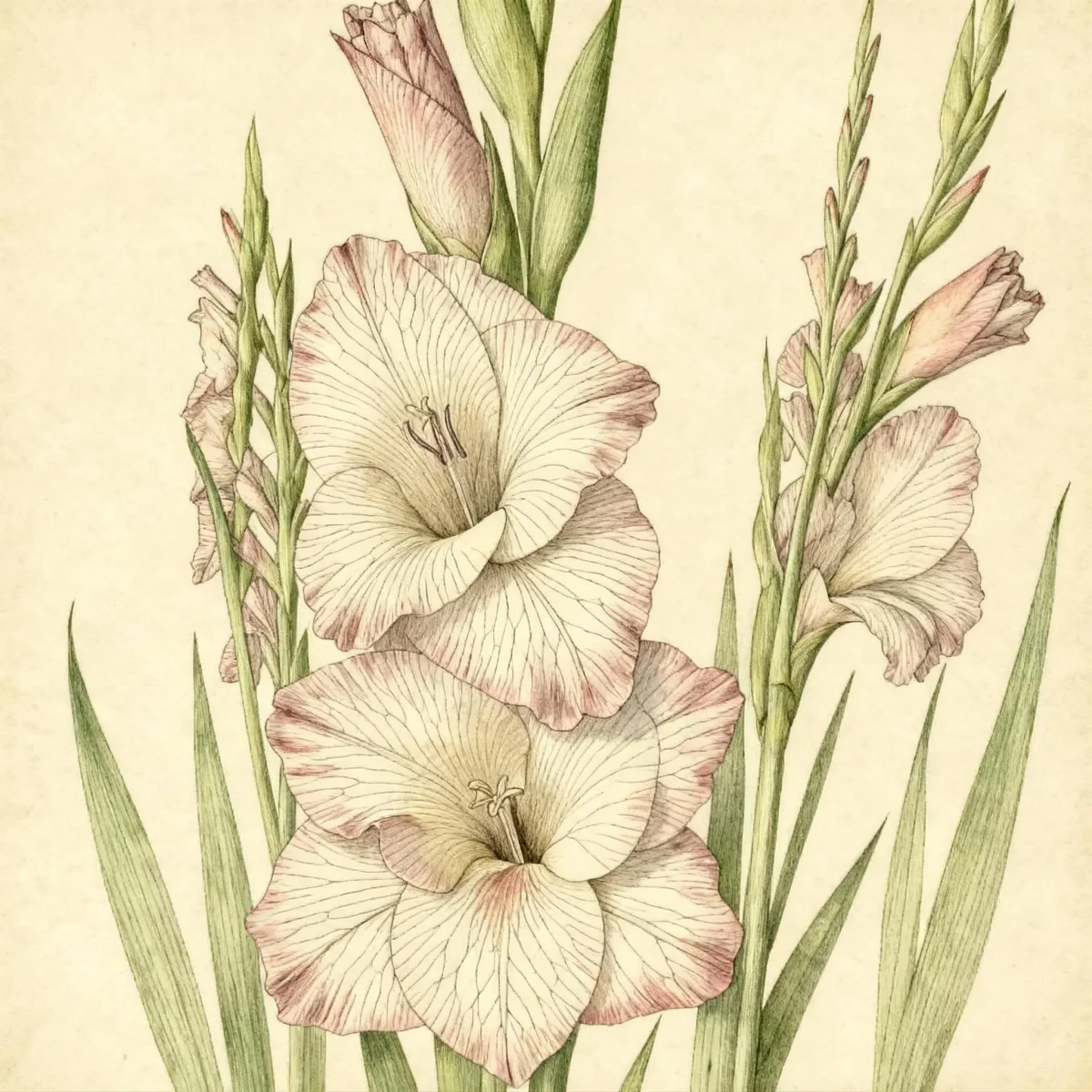
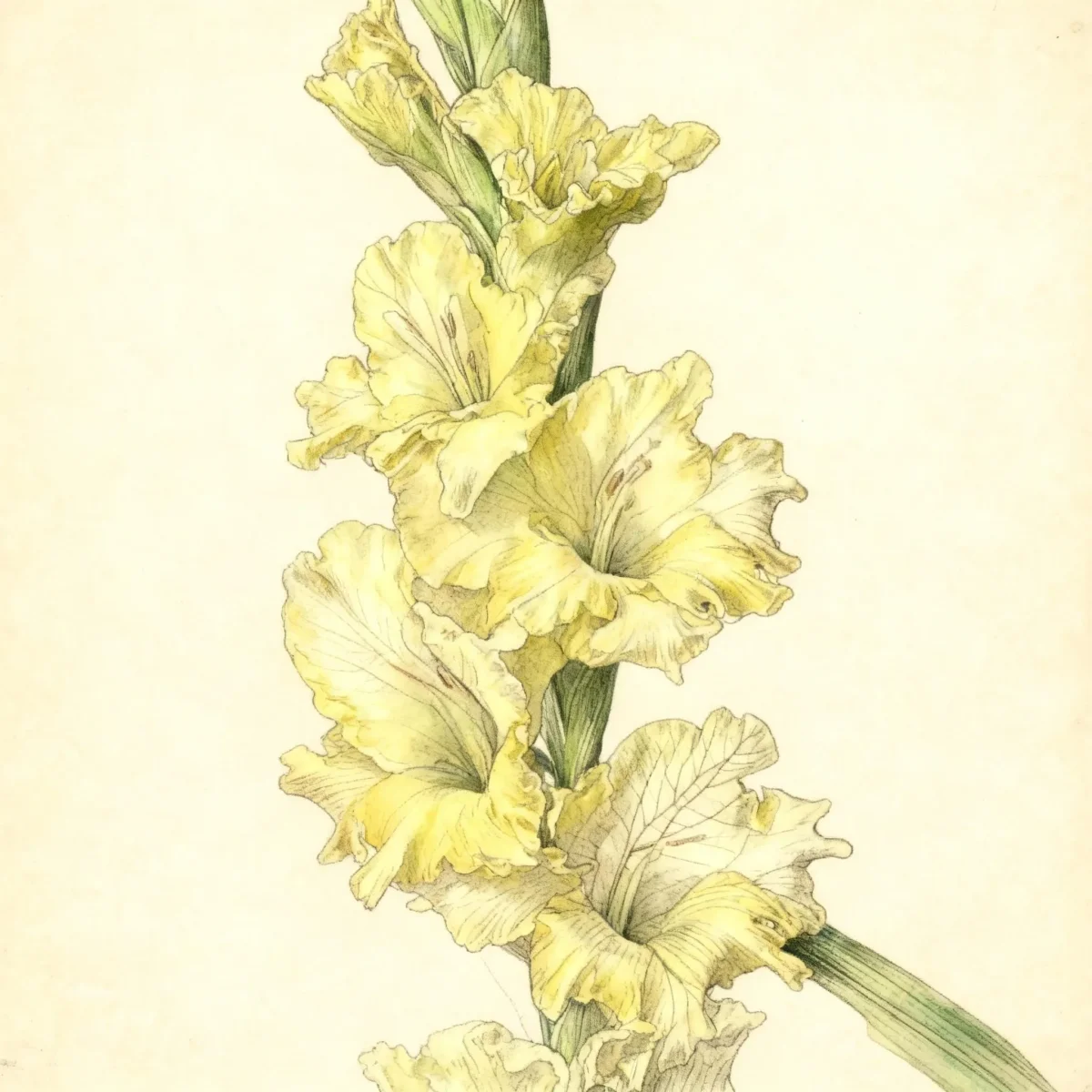
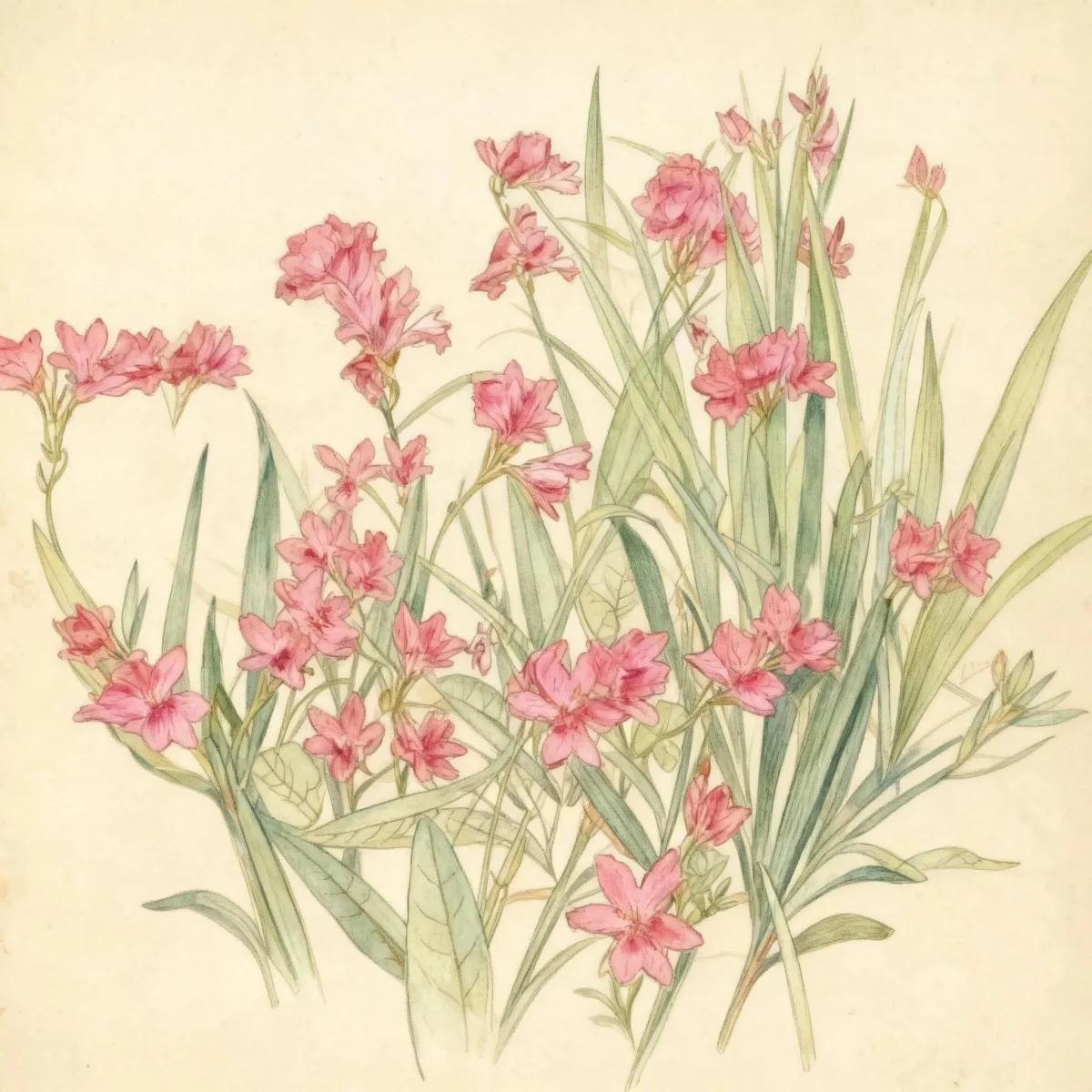
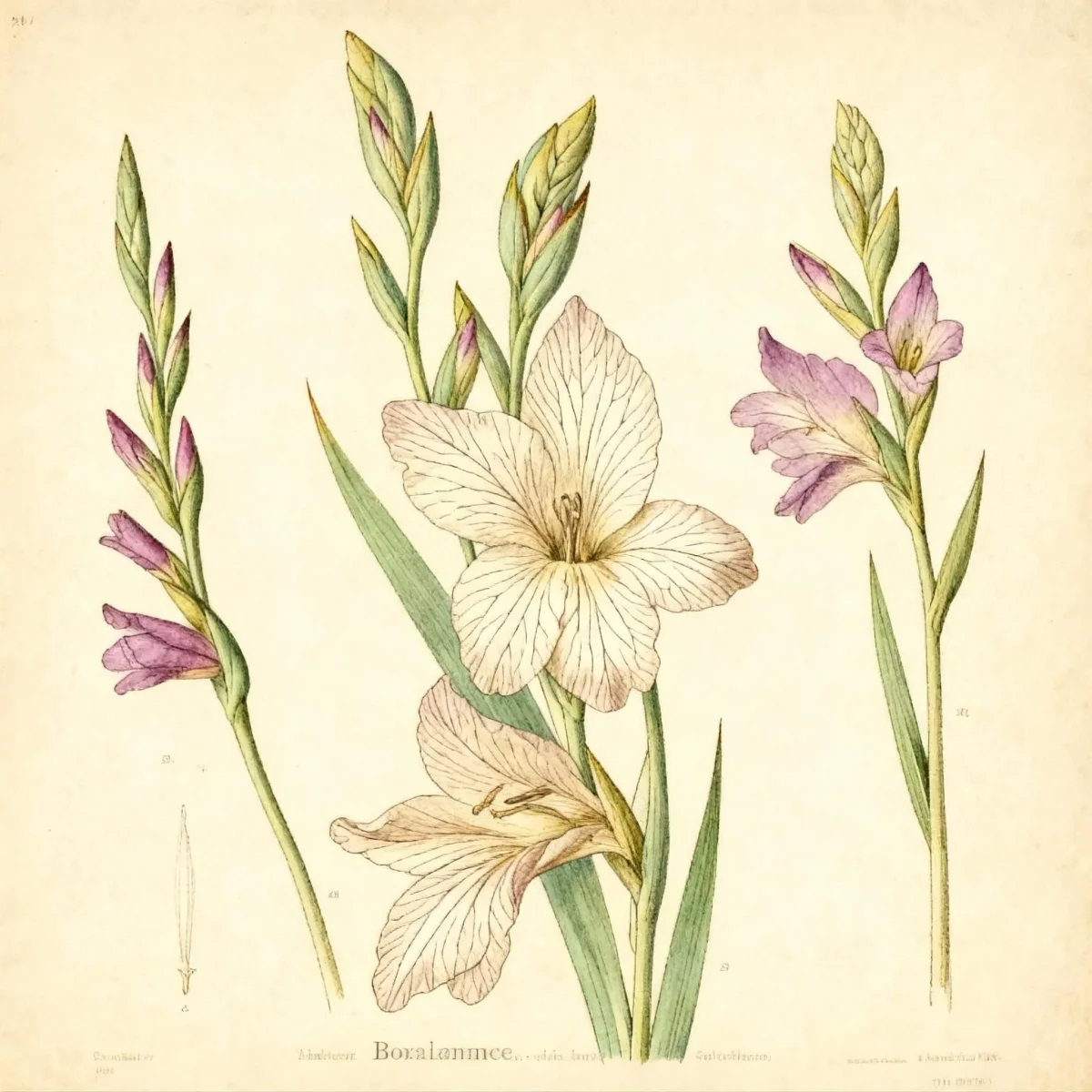
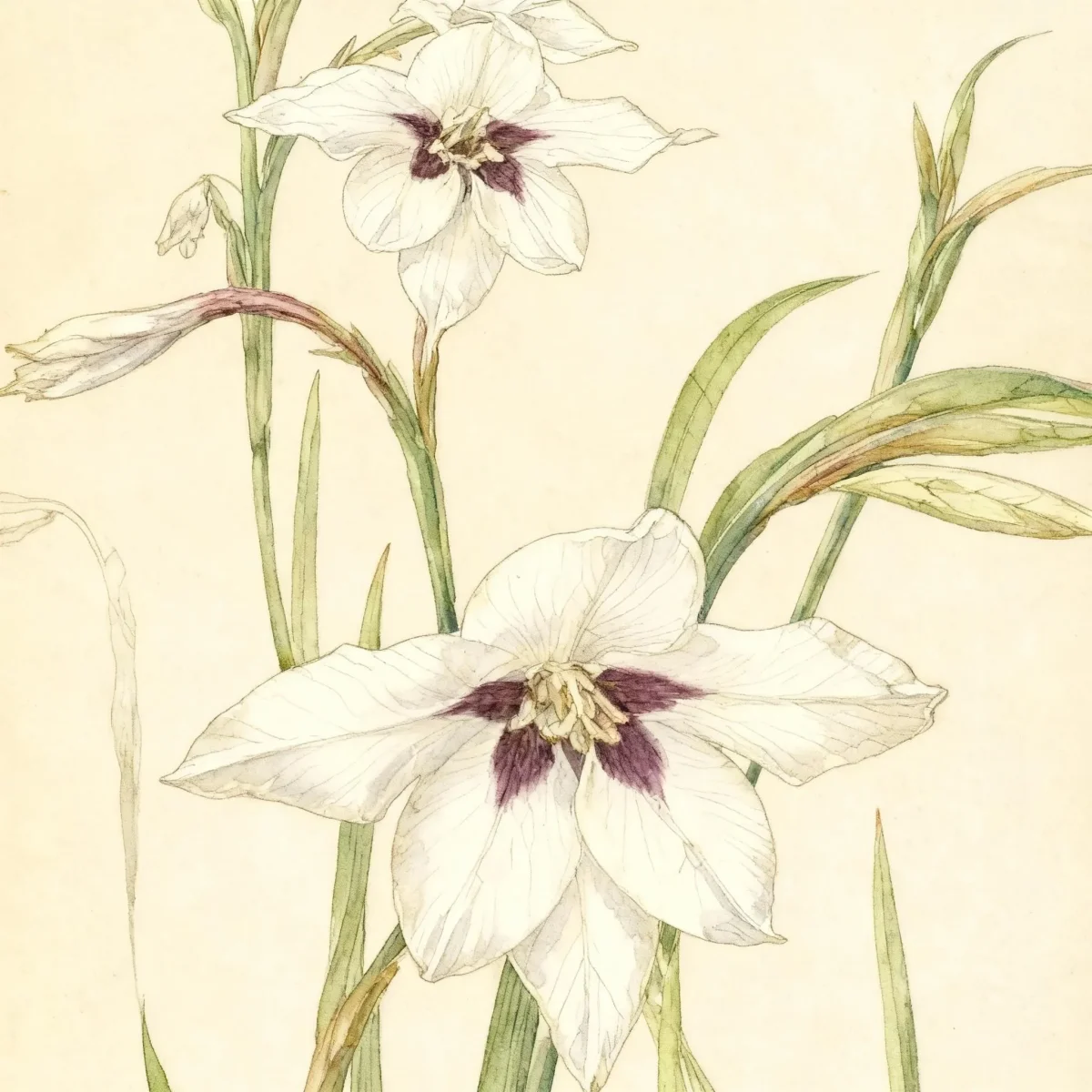
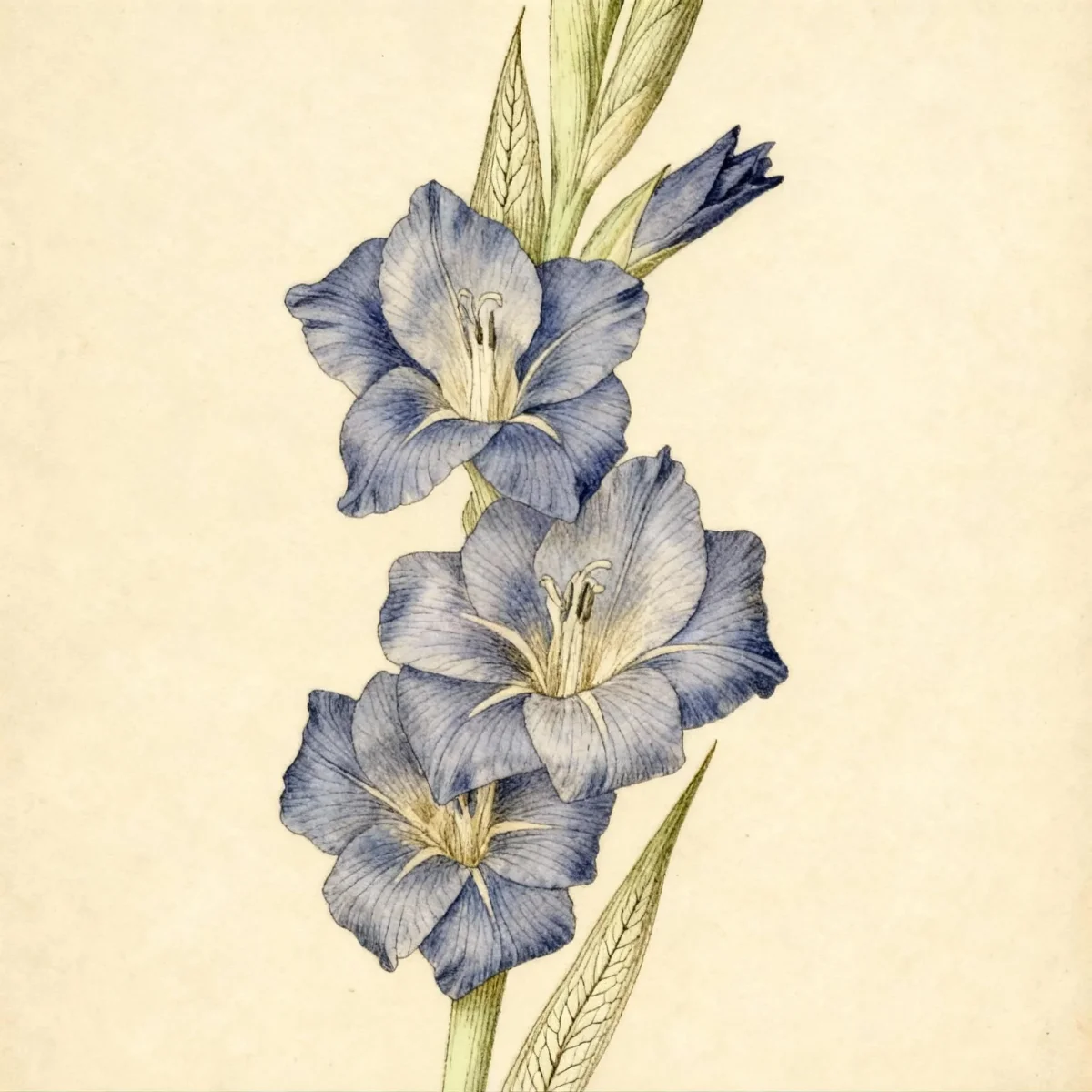
Crimson flag lily (Schizostylis coccinea)
The Crimson flag lily (Schizostylis coccinea) offers late-season scarlet color from Zones 7-9. Requires consistent moisture and high maintenance.
Scroll down to discover growing tips, care requirements, companion plants, and more
Complete Plant Information
Overview
The Crimson flag lily, botanically known as Schizostylis coccinea, is a striking perennial bulb prized for its late-season floral display when many other flowers are fading. It brings vibrant, scarlet blooms atop slender spikes, rising from attractive grassy foliage, providing excellent vertical interest in the garden. This clump-forming member of the Iris family offers significant visual impact during late summer and fall.
Native to the damp meadows of South Africa and neighboring regions, Schizostylis coccinea requires consistent moisture to thrive. Gardeners must pay attention to its needs, especially concerning dormancy and winter protection in marginal zones, as indicated by its high maintenance requirement. Its grass-like leaves remain attractive even when the plant is not in bloom.
For gardeners seeking reliable late-season color, the Crimson flag lily delivers unparalleled intensity. These plants are excellent for adding a final burst of color to sunny borders before the first hard frosts arrive, making them a valuable addition to perennial beds.
Fast Facts
- Plant Family: Iridaceae
- Plant Type: Bulb
- Native Range: South Africa, Lesotho, Swaziland
- Hardiness Zones: USDA Zones 7-9
- Size at Maturity:
- Height: 1-2 ft
- Spread: 0.75-1.5 ft
- Bloom Time: August to October
- Bloom Description: Scarlet
- Sun Exposure: Full sun
- Water Needs: Medium
- Maintenance Level: High
How to Grow
Planting the Schizostylis coccinea rhizomes is best done in spring, allowing them maximum time to establish before the late summer bloom begins. Select a location providing full sun or very light afternoon shade. The most crucial requirement for this plant is consistently moist soil; it grows well in sandy loams and should never be allowed to dry out fully during the active growing season.
Care requires diligence due to the plant’s moderate water needs and high maintenance level. Ensure regular deep watering, especially during hot, dry spells, to keep the soil moist. While it may benefit from a balanced, slow-release fertilizer applied in spring, avoid excessive feeding which can promote weak foliage over more blooms. Shelter plants from strong winds, which can snap the tall, slender flower spikes.
Seasonal attention is vital for success, particularly concerning temperature fluctuations. In Zones 7-9, keep soils moist through summer, but reduce watering significantly once the foliage begins to yellow as the plant enters winter dormancy. If overwintering indoors is necessary (as in colder climates like St. Louis), dig the rhizomes before the first frost and store them cool (40-50°F) in slightly damp peat moss. Alternatively, containerized plants can be brought inside. Mulching heavily with leaves or pine needles can offer added protection if grown in the borderline zones.
Landscape Uses
The striking vertical habit and late-season color make Schizostylis coccinea an excellent feature in sunny borders. Plant them toward the middle or back third of the border where their 1 to 2-foot height won’t obscure shorter companions. They integrate beautifully with plants blooming earlier in the season, providing an effective rotational display of color.
Because they grow from rhizomes, these plants form dense clumps, making them fantastic for defining edges or filling gaps where seasonal structure is needed. They pair well visually with other late-season bloomers like asters or ornamental grasses, whose textures contrast nicely with the fine, linear leaves of Schizostylis coccinea.
Standout Features
Flower Qualities
- Showy
Noteworthy Characteristics
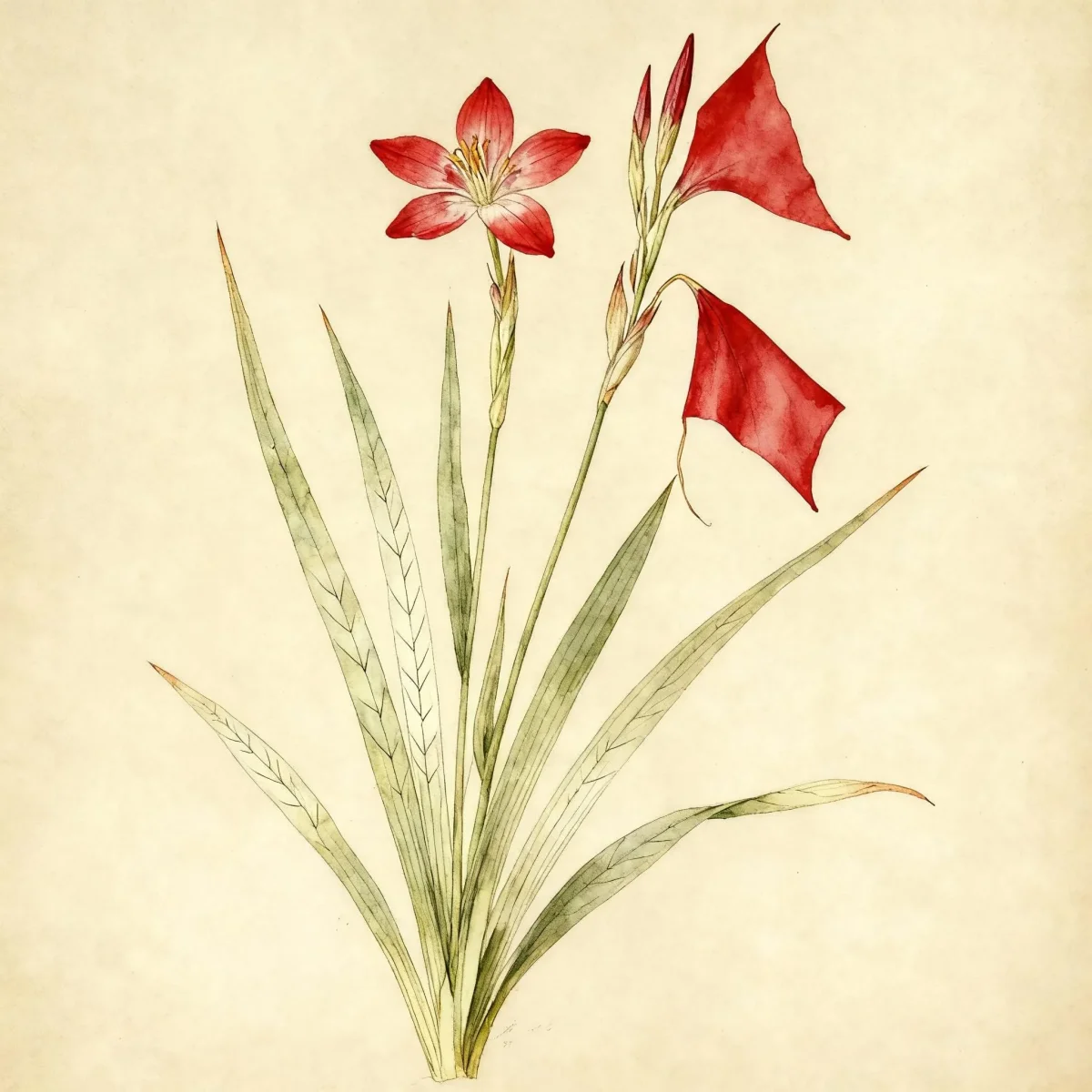
Schizostylis coccinea, commonly called Crimson flag or Crimson River lily, emerges from a rhizome rather than a corm, forming dense clumps ideal for structure. Its defining aesthetic feature is the outward-facing, six-petaled, scarlet flowers, reaching 2 1/2 inches wide, which appear on one-sided, gladiolus-like spikes rising from grass-like basal leaves up to 18 inches long. Each spike holds between 4 and 14 flowers, blooming from late summer well into autumn. The genus name references the divided style, characteristic of this Iris family member, while the specific epithet highlights its brilliant color.
Tolerances
Potential Problems
Schizostylis coccinea generally remains free from serious insect pests or debilitating diseases, which contributes to its enjoyment when cultural requirements are met. The primary challenges involve environmental stress rather than biotic threats. Avoid siting these lilies in areas prone to waterlogging, as excessive dampness, particularly during winter dormancy, can lead to rhizome rot. Conversely, summer drought will stress the foliage and reduce flower production significantly. Ensure protection from wind to prevent the tall flower stalks from snapping before they can be fully appreciated.
Frequently Asked Questions
What hardiness zones is Crimson flag lily suitable for?
The Crimson flag lily (Schizostylis coccinea) is winter hardy in USDA Zones 7 through 9.
How large does Schizostylis coccinea grow?
This bulb typically reaches a mature height between 1 and 2 feet tall, spreading between 0.75 and 1.5 feet wide, forming a narrow, upright clump.
When does Crimson flag lily bloom?
It provides valuable late-season color, blooming reliably from August through October, with flowers described as a brilliant scarlet tone.
What sun exposure does Crimson flag lily need?
For optimal performance and the best bloom display, Schizostylis coccinea requires full sun, though it can tolerate light shade.
Conclusion
The distinctive scarlet spikes of the Crimson flag lily ensure late-season visual interest when most gardens begin to wane. Its unique presentation on upright, leafless stems makes Schizostylis coccinea a must-have for dedicated gardeners willing to provide the high maintenance required, especially concerning consistent moisture. Before planting, verify your local hardiness zone is USDA 7 or warmer, and ensure your chosen site offers the necessary sun and soil water retention.
Companion Planting
Choosing appropriate companions enhances the aesthetic appeal and can sometimes assist in managing the slightly higher moisture needs of the Crimson flag lily. Pair Schizostylis coccinea with plants that appreciate similarly consistent moisture levels, such as certain bog irises or moisture-loving perennials like Lobelia cardinalis, which share a similar late summer/fall bloom time. For textural contrast, the fine, linear leaves of Schizostylis coccinea look fantastic next to the broader leaves of Hosta (in shaded locations) or the fluffy plumes of ornamental grasses like Miscanthus or Panicum varieties, provided the grass variety does not overly compete for surface moisture.
Seasonal Care Calendar
Spring is the time for initial preparation; if bulbs were lifted or potted, now is the time to replant or move them to their outdoor location after any danger of hard frost has passed. Begin regular watering as new growth emerges—never let the soil dry out at this stage. Summer requires vigilant moisture control; deep, consistent watering is essential throughout the peak heat. Deadheading spent flower spikes keeps the plant looking tidy and may encourage continuous blooming. As autumn approaches, monitor temperatures; in colder areas, prepare to lift rhizomes or move potted plants indoors as soon as a frost is anticipated. In Zone 7, apply a thick layer of protective mulch around the base before deep freezes set in.