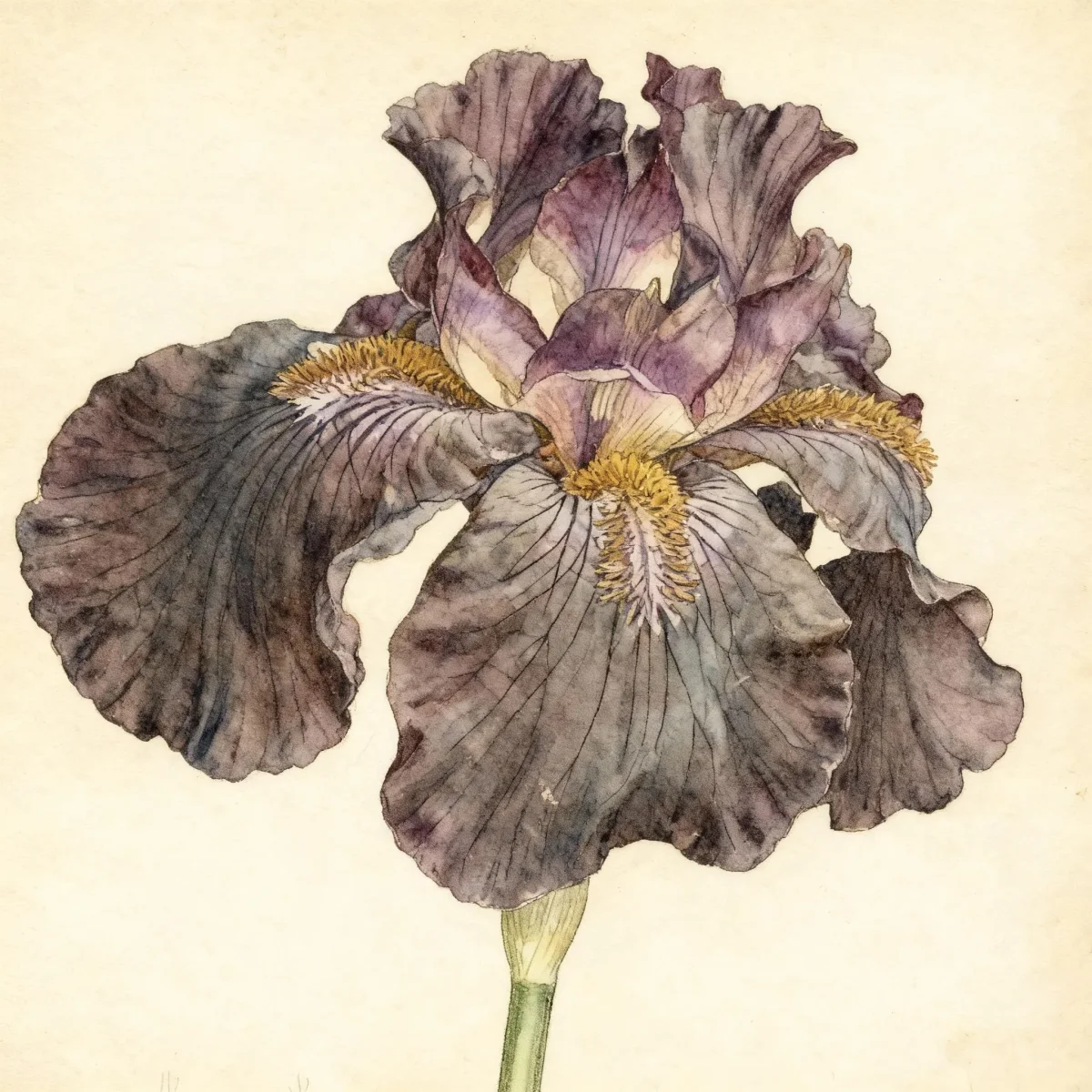
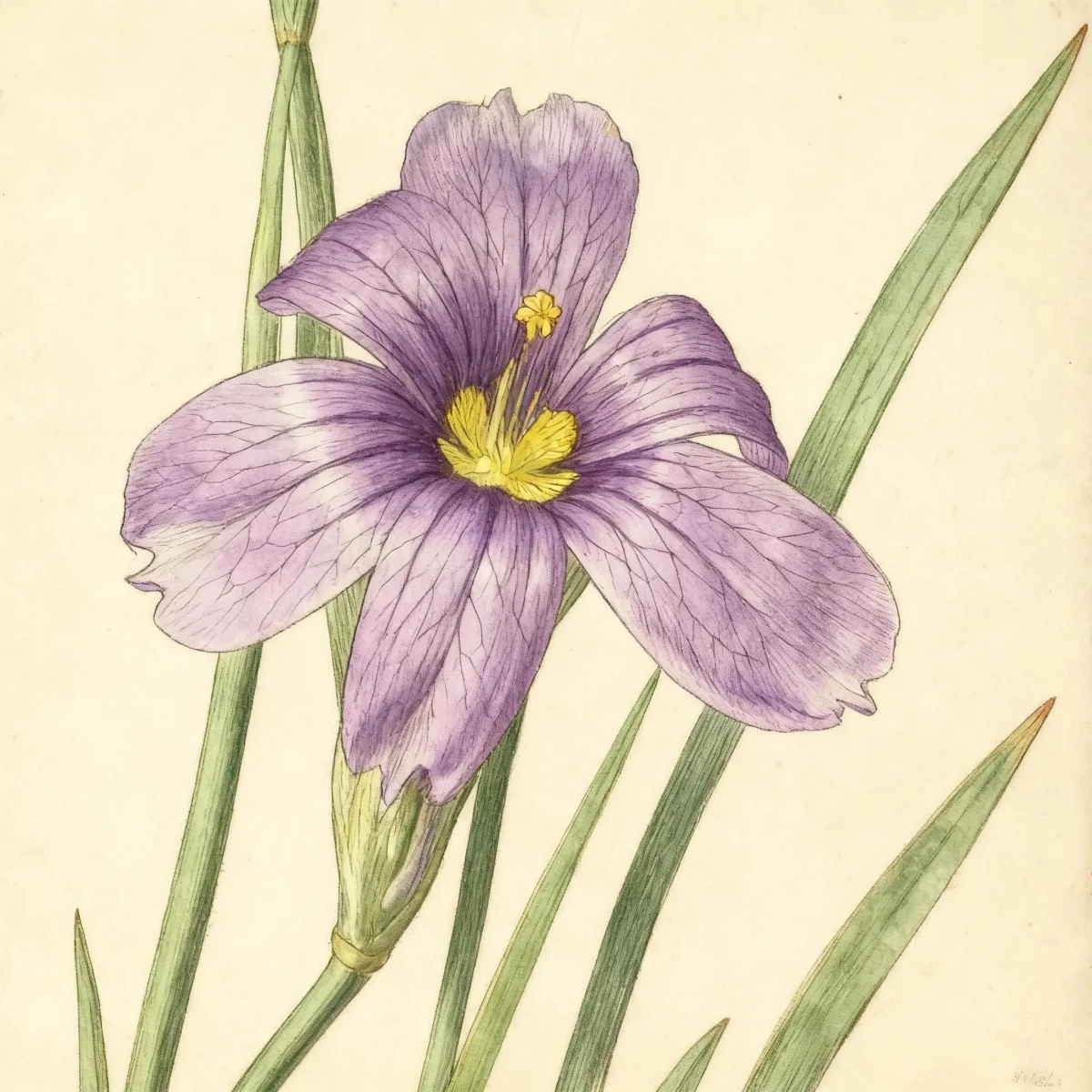
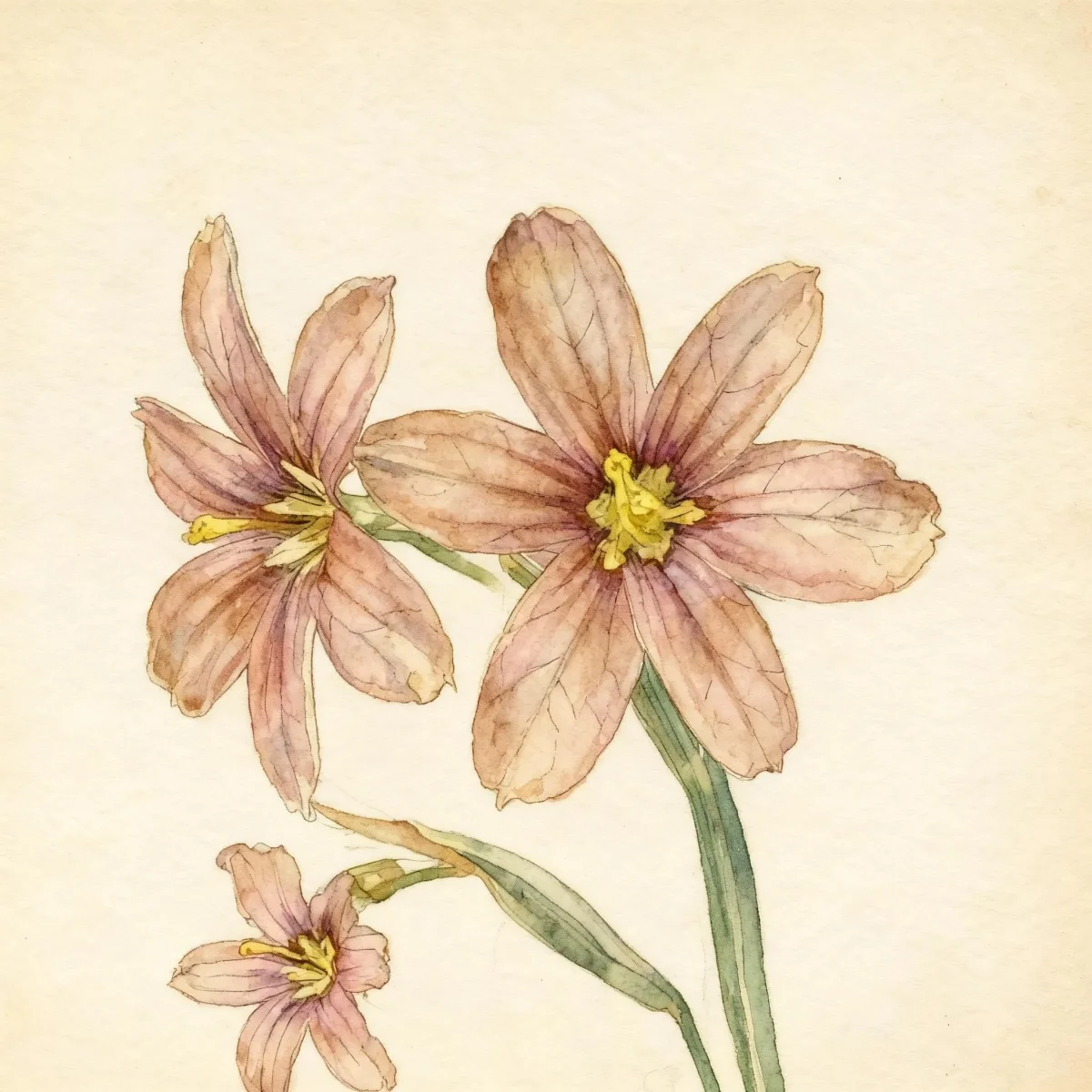
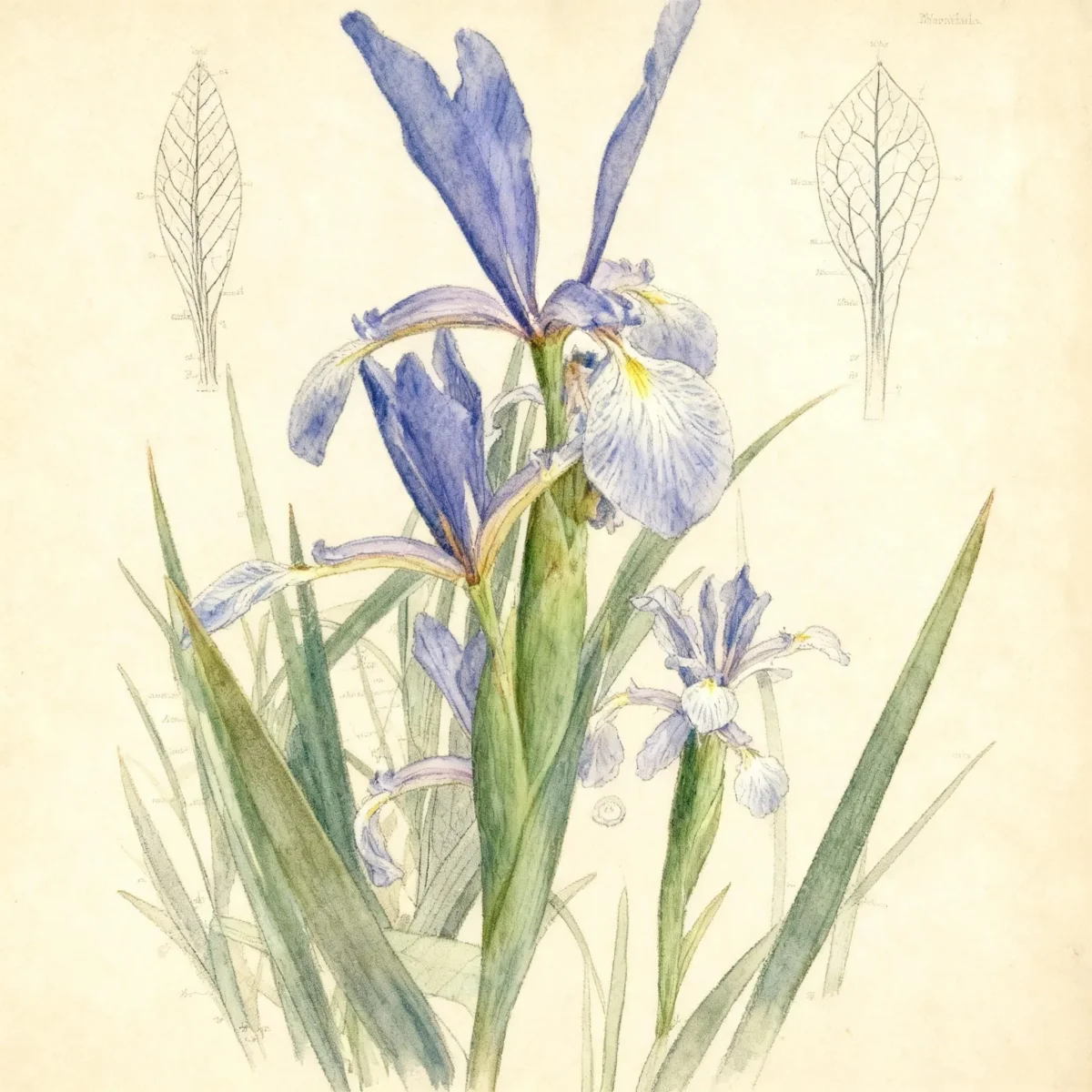
Pale yellow-eyed grass (Sisyrinchium striatum)
Pale yellow-eyed grass (Sisyrinchium striatum) offers unique pale yellow blooms on stiff, iris-like foliage in hardiness zones 5-9.
Scroll down to discover growing tips, care requirements, companion plants, and more
Complete Plant Information
Overview
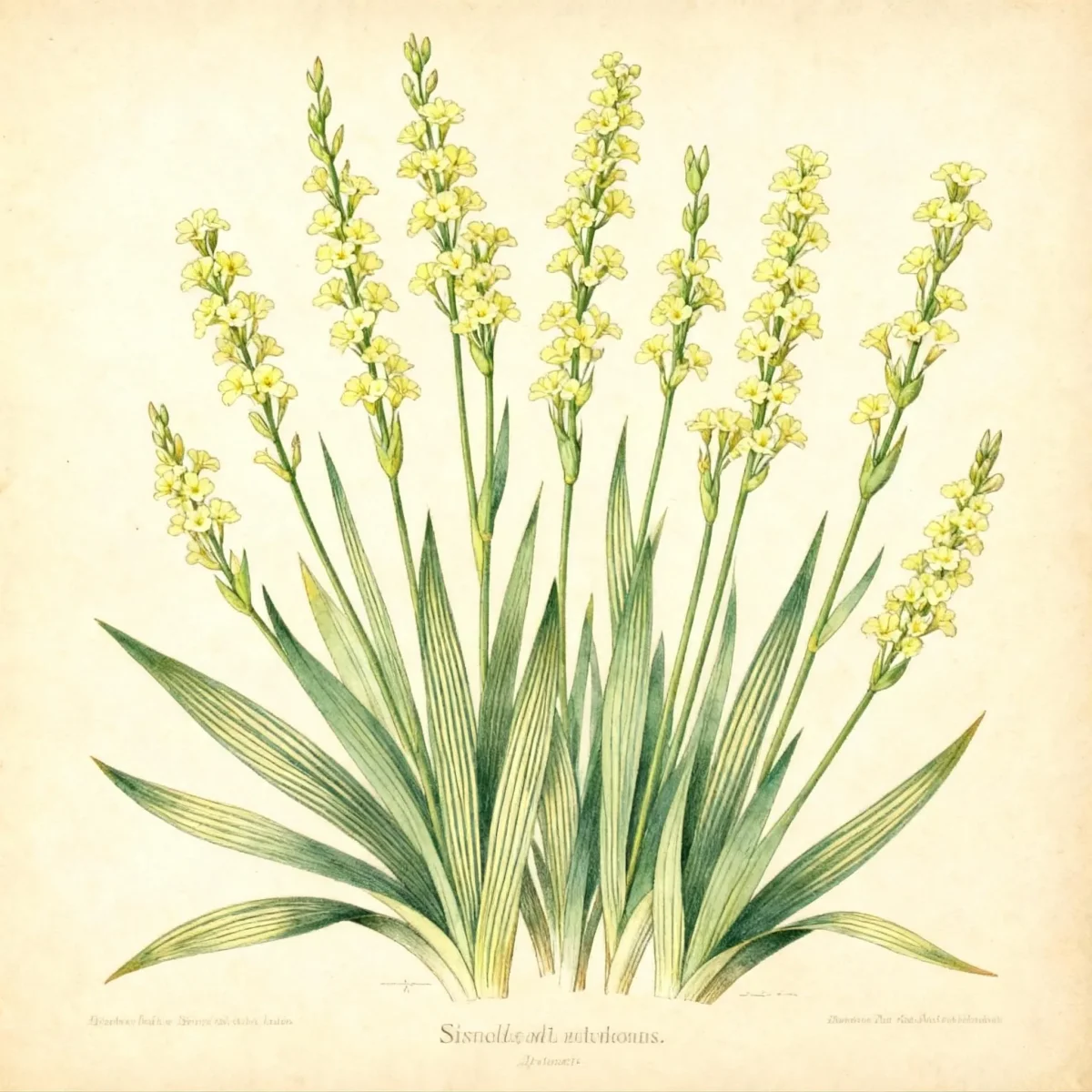
Sisyrinchium striatum, widely known as Pale yellow-eyed grass, brings distinctive vertical interest to the garden with its stiff, upright, sword-shaped leaves. This Chilean native in the Iris family provides an elegant structure, standing out due to its wider, more iris-like foliage compared to many other Sisyrinchium species. Gardeners value it not only for its evergreen habit but also for the charming display it offers mid-season.
From May through June, this herbaceous perennial sends up slender spikes bearing cup-shaped flowers of pale yellow, often highlighted by subtle dark purple striping on the reverse of the tepals. The resulting look is both refined and somewhat informal, making Sisyrinchium striatum versatile for various planting schemes. Established clumps spread slowly via creeping rootstocks, gradually forming satisfying drifts of color and texture.
While it enjoys moisture, Pale yellow-eyed grass offers surprising adaptability, even tolerating periods of drought once fully rooted. Its structured form and unique color palette make it a reliable choice for adding subtle contrast when massed in borders or allowed to naturalize in informal settings.
Fast Facts
- Plant Family: Iridaceae
- Plant Type: Herbaceous perennial
- Native Range: Argentina, Chile
- Hardiness Zones: USDA Zones 5-9
- Size at Maturity:
- Height: 1-2 ft
- Spread: 1-2 ft
- Bloom Time: May to June
- Bloom Description: Pale yellow
- Sun Exposure: Full sun
- Water Needs: Medium
- Maintenance Level: Medium
How to Grow
The best time to establish Sisyrinchium striatum is typically in spring after the danger of hard frost has passed. This perennial thrives best when planted in locations receiving full sun, though it will tolerate light shade. Essential to its long-term health is sharp soil drainage; it requires consistently moist, well-drained soil environments. Avoid heavy, perpetually soggy spots, as this can lead to root issues.
Once established, Pale yellow-eyed grass demonstrates moderate drought tolerance, reducing the need for frequent supplemental watering during dry spells. Fertilizing is generally unnecessary for this light-feeding wildflower. Maintenance involves tidying the foliage after the spring bloom. If the leaves begin to yellow later in the season, shear the clumps back to about 6 inches to maintain a neat appearance throughout the remainder of the growing season.
Management of self-seeding is simple: promptly remove spent flower spikes before the black seed pods fully mature. This prevents unwanted seedlings from popping up across the garden. Be aware that clumps naturally increase in size over time through underground creeping rootstocks, necessitating occasional division if they become overcrowded.
Landscape Uses
Sisyrinchium striatum excels when integrated into garden spaces where its texture and color can be appreciated up close. It is highly recommended for rock gardens, providing vertical accents among lower-growing alpine specimens. For border fronts, its upright habit creates a neat edge without becoming overly aggressive.
This plant performs beautifully when planted en masse or in large groups, allowing the pale yellow blooms to create a noticeable wash of color against contrasting foliage. It is ideally suited for naturalizing within cottage gardens or informal woodland borders where it can mingle slightly with surrounding plants. Consider pairing Pale yellow-eyed grass with plants that prefer similar moisture needs but offer contrasting textures, such as ornamental grasses or low-growing sedums.
Standout Features
Flower Qualities
- Showy
Noteworthy Characteristics
Sisyrinchium striatum, commonly called pale yellow-eyed grass or Argentine blue-eyed grass, is an evergreen to semi-evergreen perennial that is native to alpine grasslands, meadows and open woods in Argentina and Chile. Stiff, upright, sword-shaped, gray green leaves (3/4” to 1” wide) grow in a clump to 18” tall. Flowers are followed by black seed pods.
Tolerances
- Drought
Potential Problems
This reliable perennial rarely suffers from significant insect or disease issues, making it a low-stress addition to the garden. Few serious pests or pathogens target Sisyrinchium striatum. Good cultural practices, primarily ensuring excellent soil drainage, are the best deterrent against potential fungal issues that sometimes plague plants in overly wet soil.
Frequently Asked Questions
What hardiness zones is Pale yellow-eyed grass suitable for?
This attractive perennial is suitable for USDA Hardiness Zones 5 through 9, offering wide adaptability across many temperate regions.
How large does Sisyrinchium striatum grow?
Pale yellow-eyed grass typically reaches a mature height between 1 and 2 feet tall, and it spreads to a width of 1 to 2 feet, forming a modest clump.
When does Sisyrinchium striatum bloom?
The blooming period for this species generally occurs from May to June, featuring distinctive clusters of pale yellow flowers.
Conclusion
For structure, resilience, and subtle mid-season color, Sisyrinchium striatum remains a superb choice for the intermediate garden layer. Its unique, iris-like foliage and charming striped pale yellow flowers ensure that Pale yellow-eyed grass provides year-round interest and seasonal delight. Check USDA zone compatibility before planting to ensure this elegant perennial thrives in your landscape.
Companion Planting
Selecting companions based on the defined cultural needs of full sun and medium water is key to success with Pale yellow-eyed grass. Look to contrast its upright growth habit with mounding perennials or creeping groundcovers. Plants like creeping thyme or low-growing ornamental sedums provide excellent textural contrast at the base of the Sisyrinchium striatum clumps.
Consider pairing it with other Iridaceae family members suited to similar conditions, such as smaller forms of Iris or related blue-eyed grasses, though ensure spacing allows for air circulation. In cottage garden settings, allow Sisyrinchium striatum to mingle with later-blooming perennials like Salvia or Nepeta, which will take over the visual display later in summer after the grass has finished flowering.
Seasonal Care Calendar
Spring preparation for Sisyrinchium striatum should focus on cutting back any tattered or yellowed foliage left over from the previous season, encouraging fresh new growth. Maintain moderate soil moisture during this growth phase; if spring rains are scarce, provide supplementary watering since this is when the plant is actively building reserves.
Summer care is primarily observational. If the foliage yellows significantly post-bloom, address pruning as described in the gardening culture notes by shearing the clump back to tidy the garden view. While drought tolerant once established, a mid-summer watering during extreme heat helps support the plant before it enters a slower growth period.
Winter care for Pale yellow-eyed grass in its hardier zones (5-7) is minimal. Since it is evergreen to semi-evergreen, leave the dormant foliage in place to provide structure and minor root insulation throughout the cold months. Avoid heavy mulching around the crown, as this can trap too much moisture, which contradicts its need for sharp drainage heading into the spring thaw.