Southern blue flag (Iris virginica var. shrevei)
Iris virginica var. shrevei, the Southern blue flag, offers showy, violet-blue blooms and low maintenance for water gardens.
Scroll down to discover growing tips, care requirements, companion plants, and more
Complete Plant Information
Overview
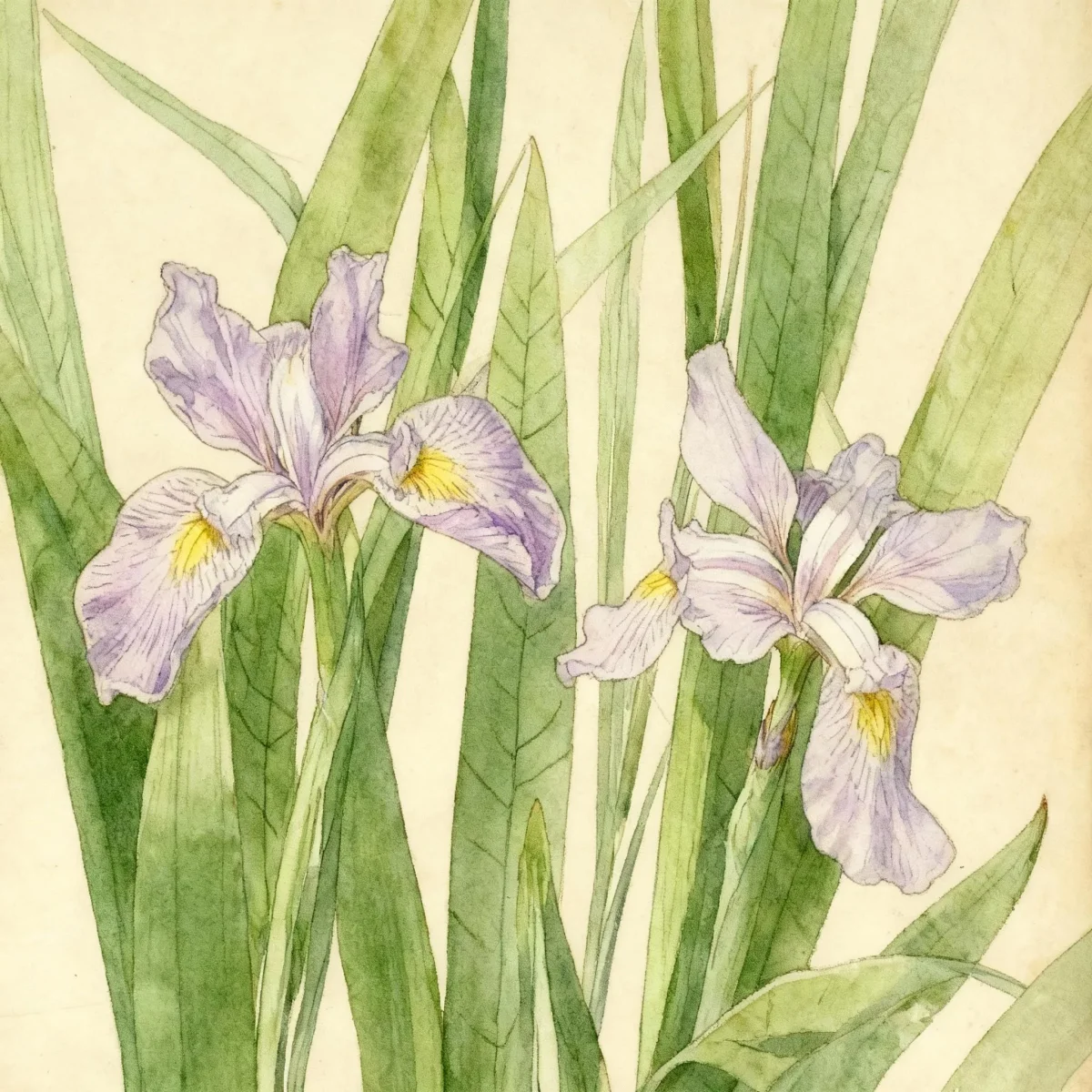
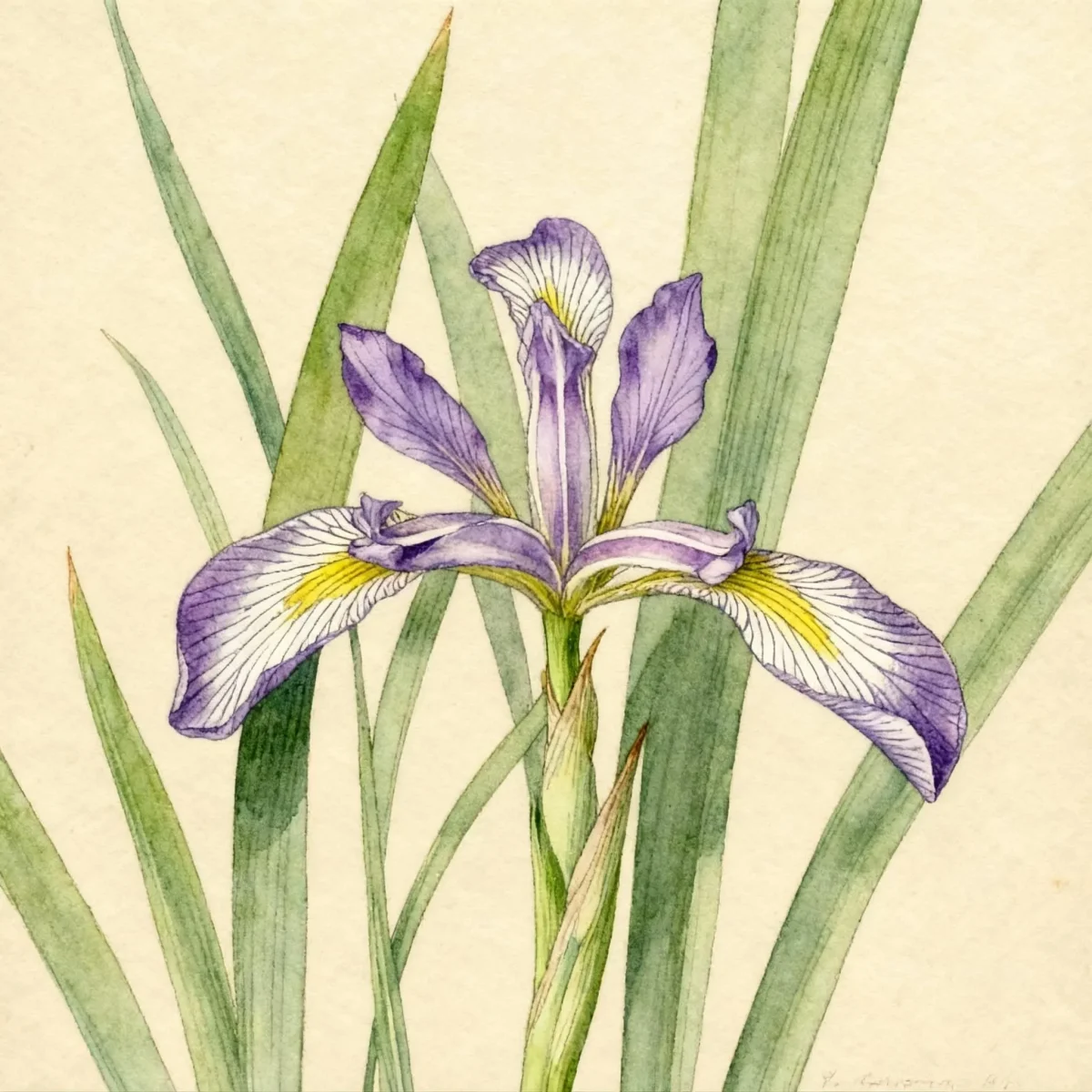
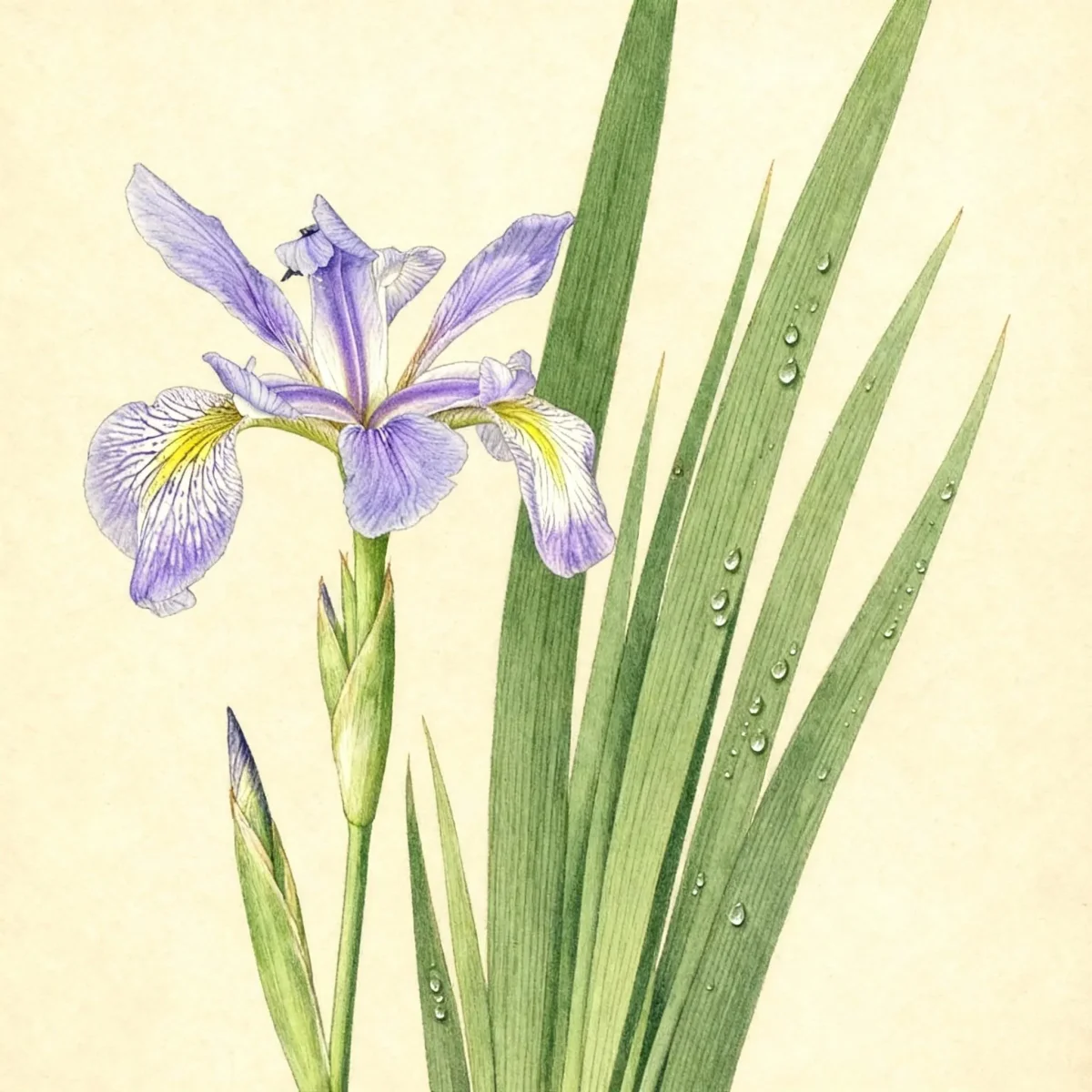
The Southern blue flag (Iris virginica var. shrevei) is a striking herbaceous perennial highly valued for its resilience in wet environments. This naturally occurring variety of blue flag, Iris virginica var. Shrevei, presents showy, violet-blue flowers accented by bright yellow and white crests during early summer. It thrives where many garden plants struggle, making it an essential component for specialized landscape sites.
Native primarily to the wetlands and marshy edges across the eastern and central United States, this iris forms spreading colonies via rhizomes in ideal conditions. Its sword-like, bright medium green foliage provides strong vertical accents throughout the growing season. Gardeners appreciate the low maintenance needs of Iris virginica var. shrevei once established in the correct moisture profile.
A key distinction of this plant is its strong affinity for water; in nature, its roots frequently remain submerged for long periods. While duplicate bog conditions can be challenging, providing consistent moisture allows this Southern blue flag to perform reliably, bringing vibrant color to hard-to-place wet spots in the landscape.
Fast Facts
- Plant Family: Iridaceae
- Plant Type: Herbaceous perennial
- Native Range: Eastern United States
- Hardiness Zones: USDA Zones 5-9
- Size at Maturity:
- Height: 1.5-2 ft
- Spread: 1.5-2 ft
- Bloom Time: June
- Bloom Description: Violet-blue with yellow and white crested
- Sun Exposure: Full sun
- Water Needs: Medium to wet
- Maintenance Level: Low
How to Grow
Planting Iris virginica var. shrevei is best done in spring or early fall when soil temperatures are moderate. Choose a location that receives full sun, which is crucial for robust flowering. While native growth requires boggy, acidic to neutral, sandy soils where roots can remain under water, this iris adapts well to average garden soils provided they are kept uniformly moist. Proper placement minimizes transplant stress and maximizes colonization potential.
Ongoing care for the Southern blue flag is minimal. Water deeply and consistently, mimicking its natural preference for wet feet; allow standing water around the rhizomes if possible, especially during heat. Fertilization is usually unnecessary, as rich soil can sometimes encourage excessive foliage at the expense of flower production. Divide crowded rhizomes in the fall if the plant becomes too congested, though this is often only required after several years.
Seasonal maintenance is straightforward. In late spring, remove any dead or damaged foliage before major growth begins. While this variety tolerates difficult conditions, failure to provide consistent moisture in drier climates may result in smaller plants than those observed in the wild. The rhizomes of Iris virginica var. Shrevei spread slowly, creating attractive, self-managing clumps over time.
Landscape Uses
The primary strength of Iris virginica var. shrevei lies in its functional use within aquatic or saturated landscapes. It excels as a “Water Plant,” thriving directly at the edge of ponds, streams, or within constructed rain gardens where runoff collects. These low-lying areas that experience periodic flooding are perfect homes for the Southern blue flag.
Beyond functional wetland restoration, this iris adds structure to traditional garden borders, provided the soil moisture can be maintained consistently. The upright, sword-like foliage creates fine vertical contrasting texture against mounding perennials. Additionally, the striking violet-blue blooms are excellent additions to fresh flower arrangements.
Consider grouping Iris virginica var. shrevei with other moisture-loving companions like marsh marigold or cardinal flower, ensuring all partners can handle the high water table the iris prefers. Successfully integrating Iris virginica var. shrevei into your design leverages its native ecosystem capabilities to solve challenging drainage problems beautifully.
Flower Qualities
- Showy
- Fragrant
- Good Cut
Noteworthy Characteristics
Iris virginica, commonly called southern blue flag, is native primarily to wetlands, marshes, lake sides, stream banks, and other moist, open areas in the eastern half of the United States and southern Canada. Two varietals are recognized: I. Virginica var. Virginica, which covers the Atlantic coastal plain, and I. Virginica var. Shrevei, found in the central US stretching toward the Great Lakes. Var. Shrevei is similar but typically features branched inflorescences and longer seed capsules, often preferring a more neutral soil pH than its coastal cousin.
Tolerances
- Deer
- Clay Soil
- Wet Soil
Potential Problems
Iris virginica var. Shrevei experiences few serious insect or disease issues when grown in its preferred habitat. The most significant challenge gardeners face centers around culture: attaining the optimum growing conditions may be difficult in standard home landscapes where drainage is too rapid or inconsistent. Ensure the root zone receives adequate hydration, particularly as the plant establishes itself.
If planted in drier areas, flowering may be sparse, and the plant will remain stunted compared to its 2-foot potential. Avoid heavy fertilization, which encourages soft, susceptible growth. If rhizomes appear crowded after several years, dividing them in the autumn can restore vigor and prevent overcrowding.
Frequently Asked Questions
What hardiness zones is Southern blue flag suitable for?
Iris virginica var. shrevei is reliably hardy across USDA Zones 5 through 9, making it adaptable to a wide range of climates in the Eastern United States.
How large does Iris virginica var. shrevei grow?
When happy, this herbaceous perennial reaches a mature height between 1.5 and 2 feet tall, with a similar spread of 1.5 to 2 feet as it slowly forms colonies.
What sun exposure does Southern blue flag need?
For the best performance and most abundant blooms, Iris virginica var. shrevei requires full sun exposure throughout the day.
When does Iris virginica var. Shrevei bloom?
This variety typically blooms in June, showcasing its signature violet-blue flowers crested with yellow and white markings.
Conclusion
The Iris virginica var. Shrevei, or Southern blue flag, offers a low-maintenance, high-reward addition to landscapes that can accommodate wet soil conditions. Its showy summer blooms and tolerance for challenging moisture levels make it a versatile native choice. Before planting, confirm your site offers full sun and consistent moisture to allow this brilliant iris to establish beautifully within your garden design.
Companion Planting
When siting Iris virginica var. shrevei, focusing on other moisture-loving natives ensures similar cultural requirements are met effortlessly. Excellent companions include the towering height of Blue Flag Iris (Iris versicolor) if you desire variation in size, or the brilliant red of Lobelia cardinalis (Cardinal Flower) for color contrast near water margins. For groundcover in seasonally saturated areas, think about planting sedges (Carex spp.) or marsh marigold (Caltha palustris). These combinations create a naturalized, vibrant waterside planting that supports local ecology.
Wildlife Benefits
While the primary focus is often aesthetics, the Iris virginica var. Shrevei contributes positively to local wildlife, particularly early in the season. Its showy, fragrant flowers are highly appealing to early-season bees and other pollinators searching for nectar as warm weather arrives. Furthermore, the dense rhizomatous root systems provide excellent stabilization for stream banks and pond edges, preventing erosion which protects aquatic habitats. Planting large colonies of the Southern blue flag helps secure the physical structure of wetland edges throughout the year.