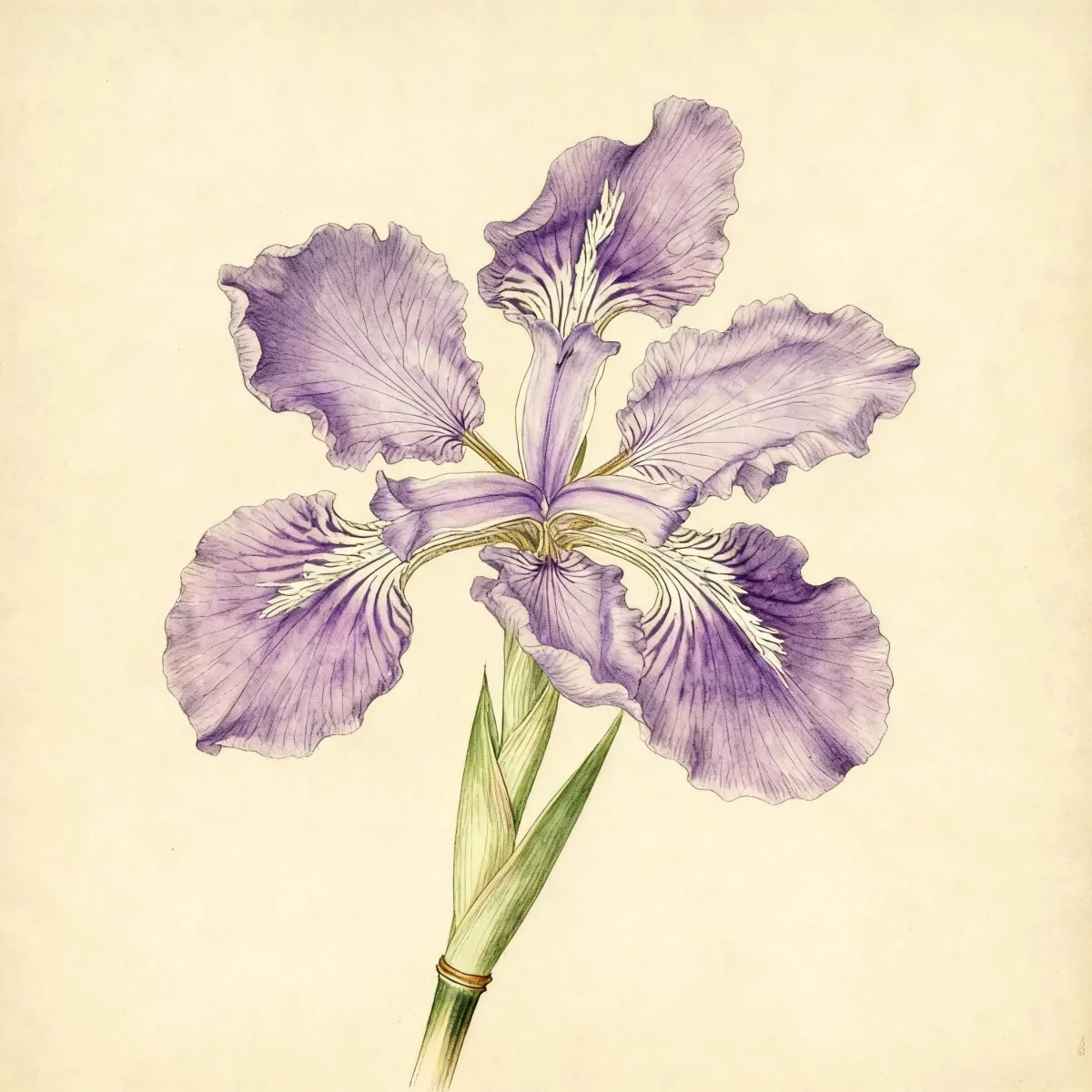
Japanese iris (Iris japonica)
Discover Iris japonica, the woodland Japanese iris, valued for unique orchid-like blooms and low light tolerance in Zones 7-9.
Scroll down to discover growing tips, care requirements, companion plants, and more
Complete Plant Information
Overview
Iris japonica, commonly known as the Japanese iris, is a charming woodland perennial prized for its delicate, orchid-like flowers that appear in late spring. This species provides unique color and texture to shaded garden areas where many other flowering plants struggle. It is a rhizomatous plant that spreads via slender, creeping rhizomes, forming attractive fans of foliage.
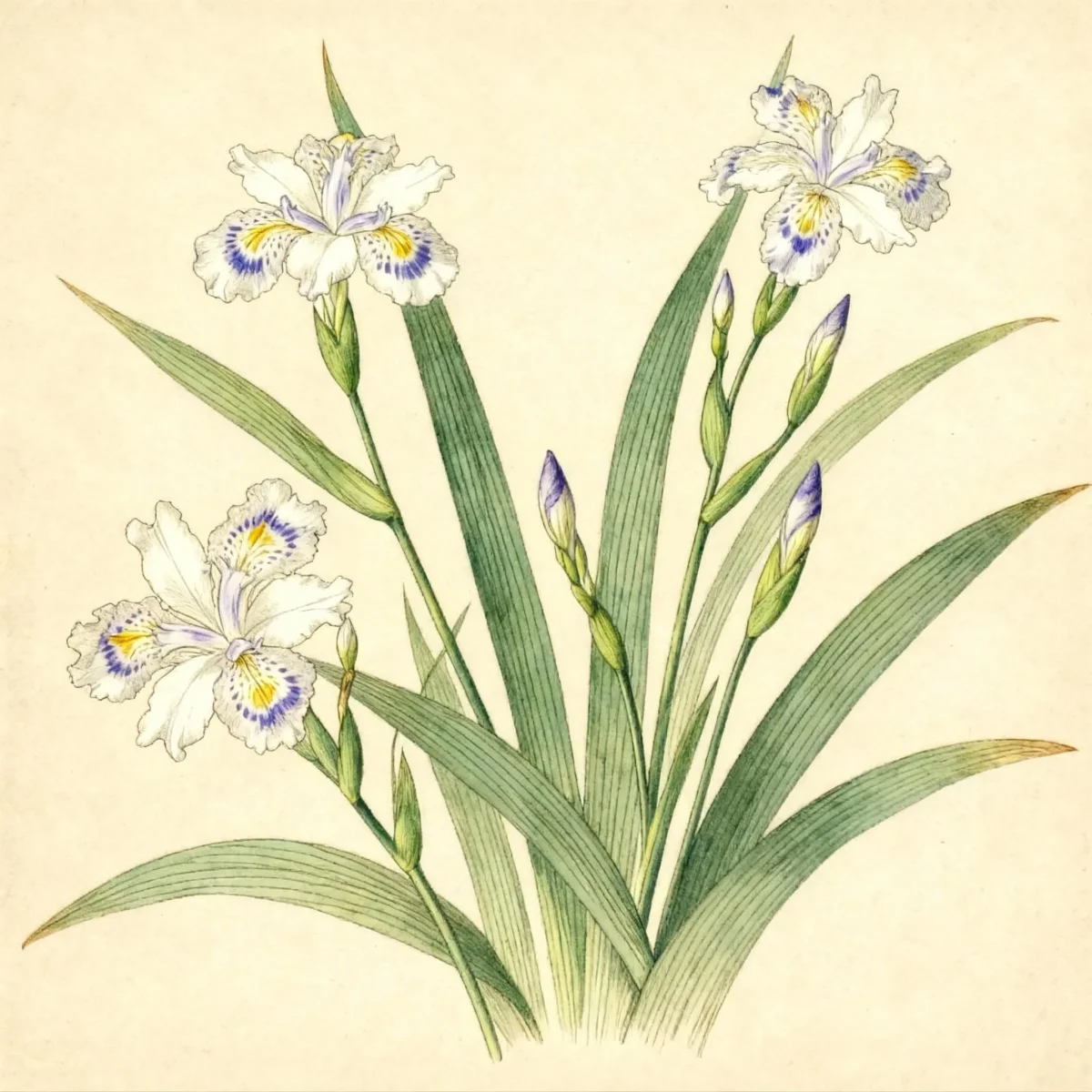
Native to forest margins and wet grasslands in temperate and tropical Asia, Iris japonica is well-suited for gardeners seeking low-maintenance height contrast. The flowers themselves are beautiful, featuring falls that are pale blue to white, accented by prominent yellow crests and serrated edges.
For those with areas receiving afternoon shade, this Japanese iris offers reliable performance without demanding excessive upkeep. Its ability to tolerate near full shade makes it an excellent choice for naturalizing beneath deciduous trees or along shaded woodland paths.
Fast Facts
- Plant Family: Iridaceae
- Plant Type: Herbaceous perennial
- Native Range: Temperate and tropical Asia
- Hardiness Zones: USDA Zones 7-9
- Size at Maturity:
- Height: 0.75-1 ft
- Spread: 1-1.5 ft
- Bloom Time: May to June
- Bloom Description: Pale blue to white with yellow crests
- Sun Exposure: Part shade
- Water Needs: Medium
- Maintenance Level: Medium
How to Grow
The best time to establish Iris japonica is typically in the fall or early spring, ensuring the plants have time to settle before summer heat or deep winter cold arrives. Select a site where the soil is medium moist and exceptionally well-drained since the primary cultural concern is avoiding overly wet roots. While it performs best in part shade, this woodland iris is remarkably adaptable and tolerates close to full shade conditions well.
Care centers around consistent moisture management—ensure water is supplied regularly, especially during dry spells, but never allow the area to become waterlogged, particularly during winter dormancy. Fertilization is rarely necessary; excessive feeding often results in lush foliage at the expense of blooms. Deadheading spent flowers is optional but tidies the appearance after the bloom window closes in June.
Iris japonica is winter hardy to USDA Zones 7-9; gardeners in these regions should find success with minimal special winter preparation. Plants that perform well in Mediterranean-like climates may still struggle slightly in colder zones like 5B/6A. If attempting to grow near the hardiness limits, site the Japanese iris in a protected location away from severe winter winds.
Landscape Uses
The rhizomatous nature of Iris japonica makes it an excellent ground cover in areas where it is suitably winter hardy. Its spreading habit, utilizing creeping rhizomes, allows it to colonize shaded areas effectively without becoming aggressively invasive. This characteristic makes it ideal for naturalizing beneath large shrubs or along the edges of woodland borders, where it forms a consistent, low-maintenance carpet.
Consider using this Japanese iris to soften hard lines in shaded borders or to create sweeps of texture and early summer color. Plant it alongside other shade-lovers such as ferns, hostas, or Hellebores, as they share similar cultural needs for moisture and filtered light. The slender, sword-shaped basal leaves offer architectural interest even outside the blooming season.
Standout Features
Flower Qualities
- Showy
Noteworthy Characteristics
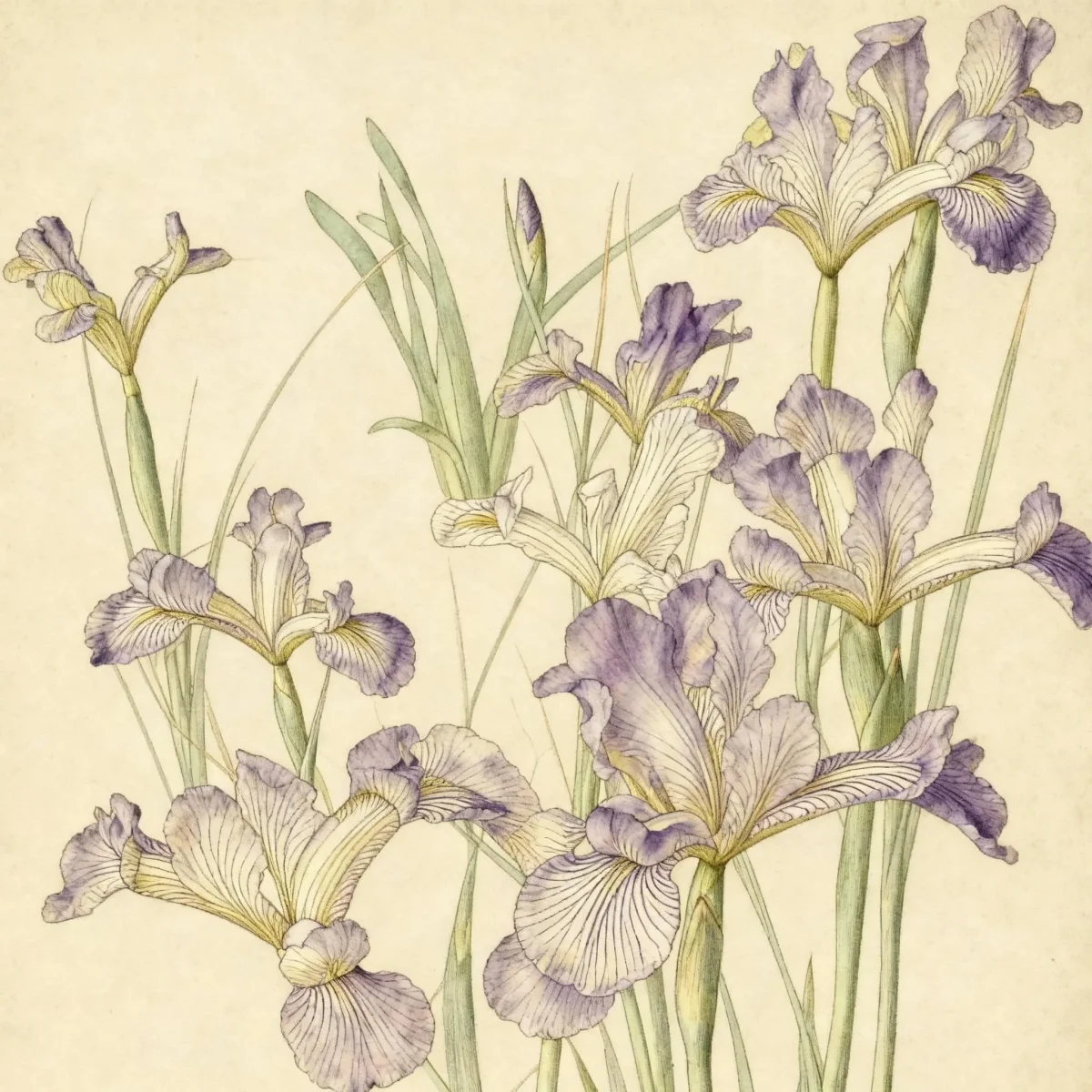
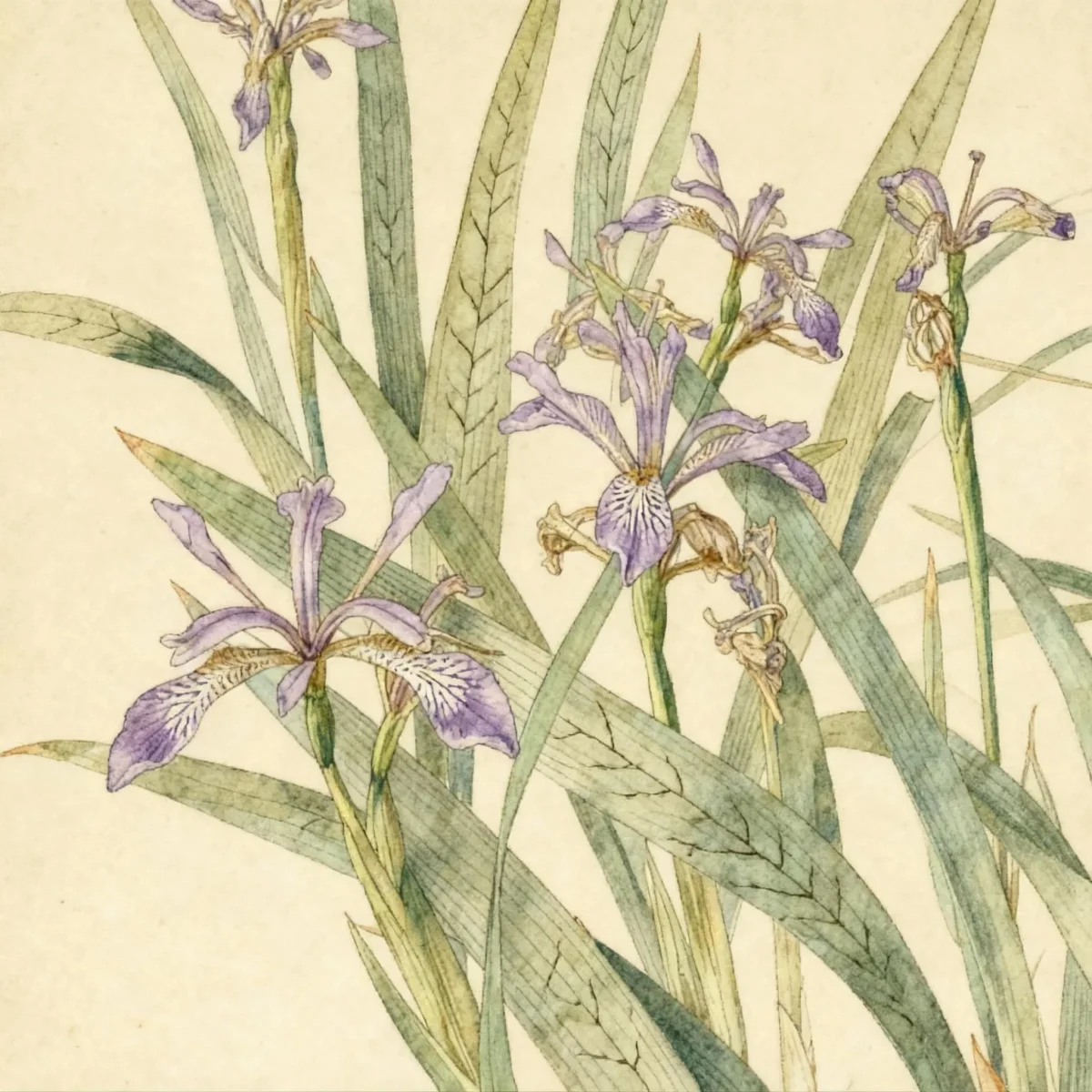
Iris japonica is a woodland iris that is native to forest margins and wet grasslands in Japan and China. It is a rhizomatous plant that typically grows to 10-12” tall with thin, semi-glossy, sword-shaped basal leaves growing in fans. Orchid-like flowers bloom in spring, displaying pale blue to white falls with prominent yellow crests and serrated edges.
Tolerances
- Deer
Potential Problems
Iris japonica generally avoids serious insect or disease problems, lending to its low-maintenance appeal. The most critical potential issue involves root susceptibility to rot. Wet conditions, especially during the winter months when the plant is less actively growing, can quickly lead to fungal root rots, which can quickly destabilize the clump. Ensure excellent drainage in your planting site to mitigate this risk in all USDA Zones.
Frequently Asked Questions
What hardiness zones is Japanese iris suitable for?
Iris japonica is generally suited for USDA Hardiness Zones 7 through 9, thriving best where winter conditions are not excessively severe.
How large does Japanese iris grow?
This plant typically reaches a height between 0.75 and 1 foot, with a spread ranging from 1 to 1.5 feet as its rhizomes expand.
When does Iris japonica bloom?
The typical bloom time for Iris japonica is from May to June, presenting lovely pale blue to white flowers accented with yellow crests.
What sun exposure does Japanese iris need?
This species prefers part shade conditions but is notable for its ability to tolerate close to full shade, making it versatile for darker garden spots.
Conclusion
The Japanese iris, Iris japonica, offers gardeners a reliable, low-fuss herbaceous perennial celebrated for its beautiful spring blossoms under the canopy. Its ability to naturalize and tolerate shade makes it invaluable for foundational planting schemes. Before planting, confirm that your garden environment aligns with USDA Zones 7-9 and ensures the site offers well-drained, medium moisture soil.
Companion Planting
Selecting appropriate companions helps maintain the desired aesthetic and cultural conditions for Iris japonica. Look for plants that thrive in similar part-shade to shade conditions and appreciate medium moisture. Consider pairing the arching foliage of the Japanese iris with the bold textures of large-leaved Hostas or the fine, airy structure of Japanese Forest Grass (Hakonechloa macra). Astilbes, which bloom later, provide continuous color in the same relatively moist, shaded environments.
Seasonal Care Calendar
For optimal health, focus your attention on drainage as temperatures drop and light increases. In late winter/early spring, clear any old, dead leaf matter from the previous season, taking care not to disturb the spreading rhizomes. During the primary growing season (spring through summer), monitor moisture levels to ensure consistent medium water intake without waterlogging the soil. Fall is an ideal time to plant new divisions or address any spread, as the cooler weather minimizes transplant shock for Iris japonica.