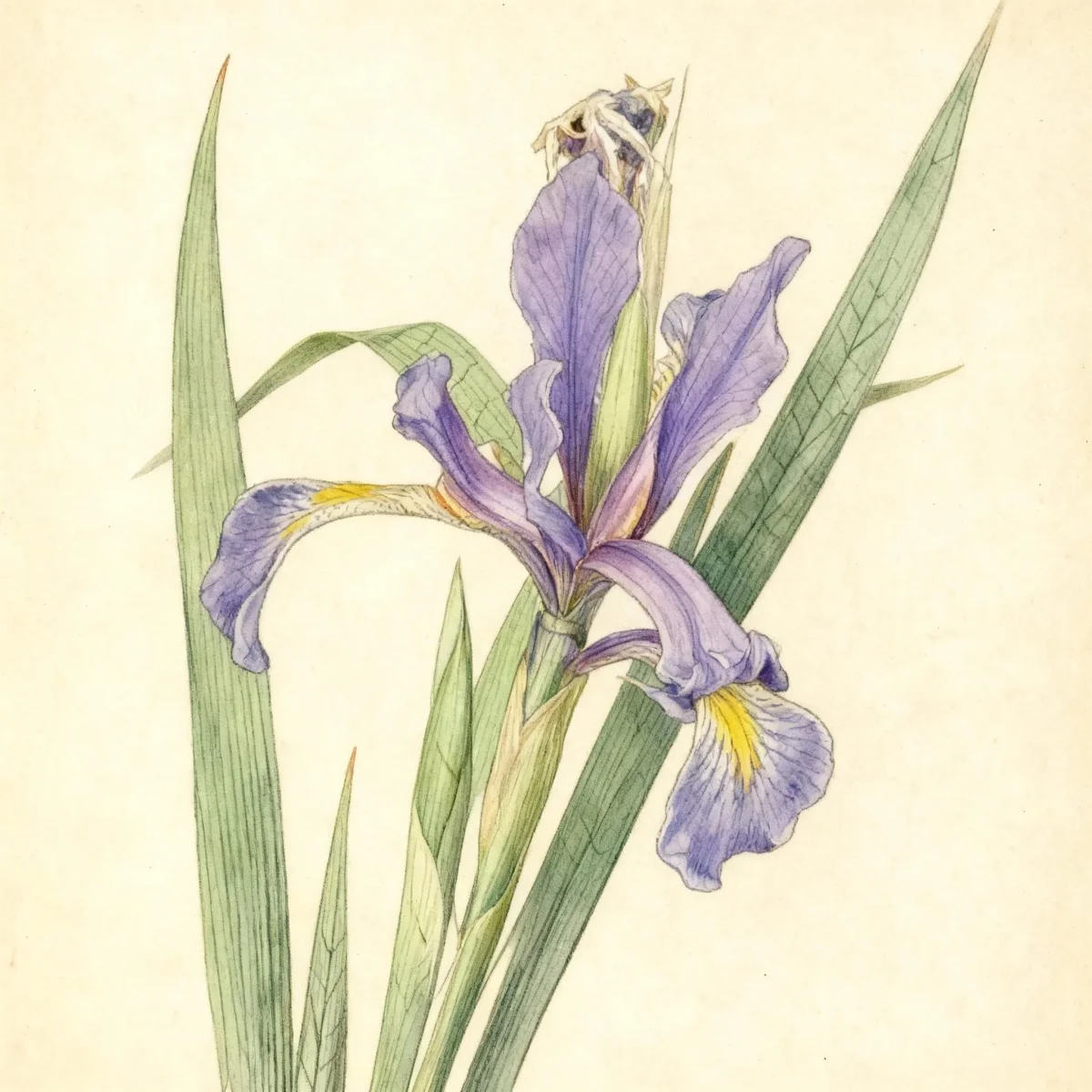
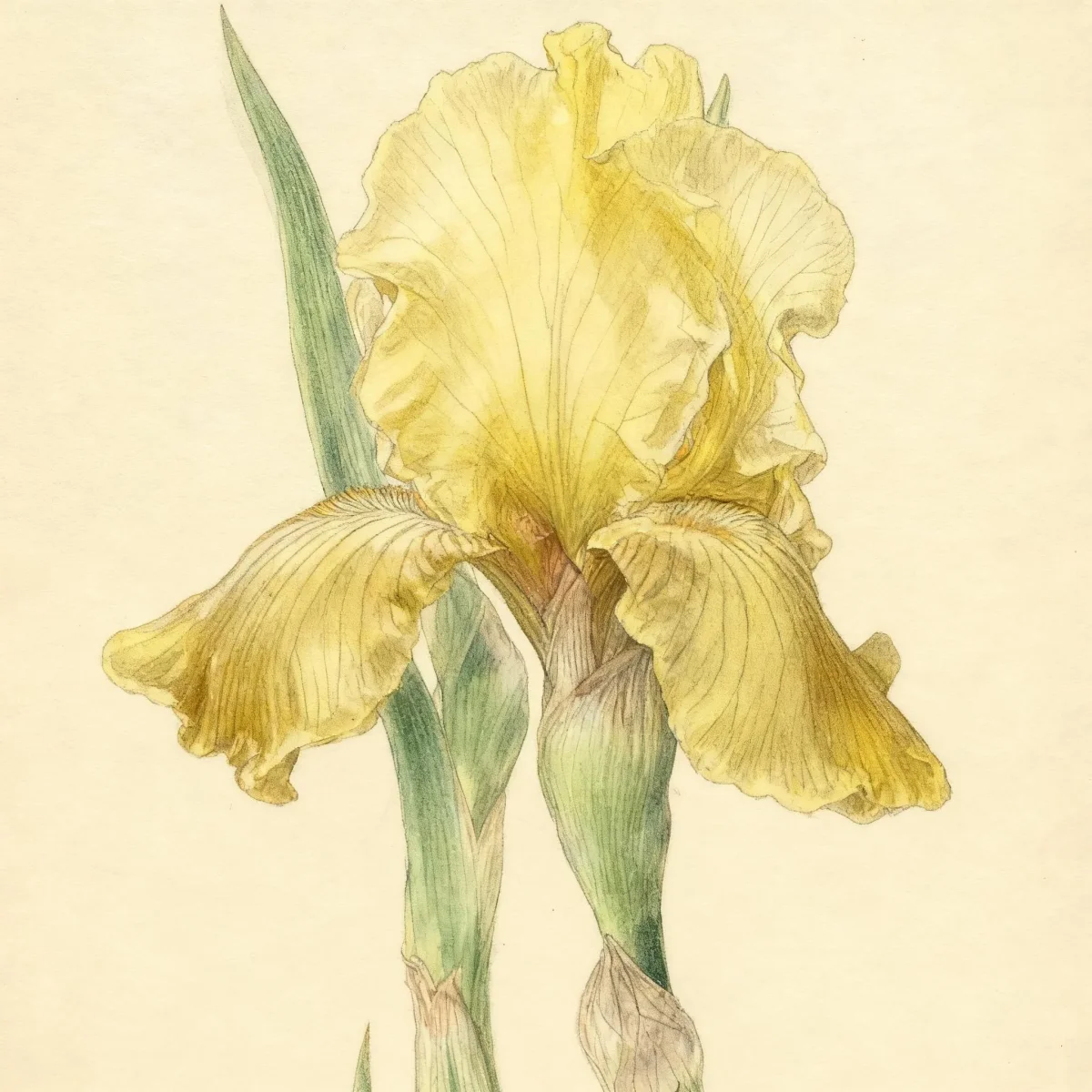
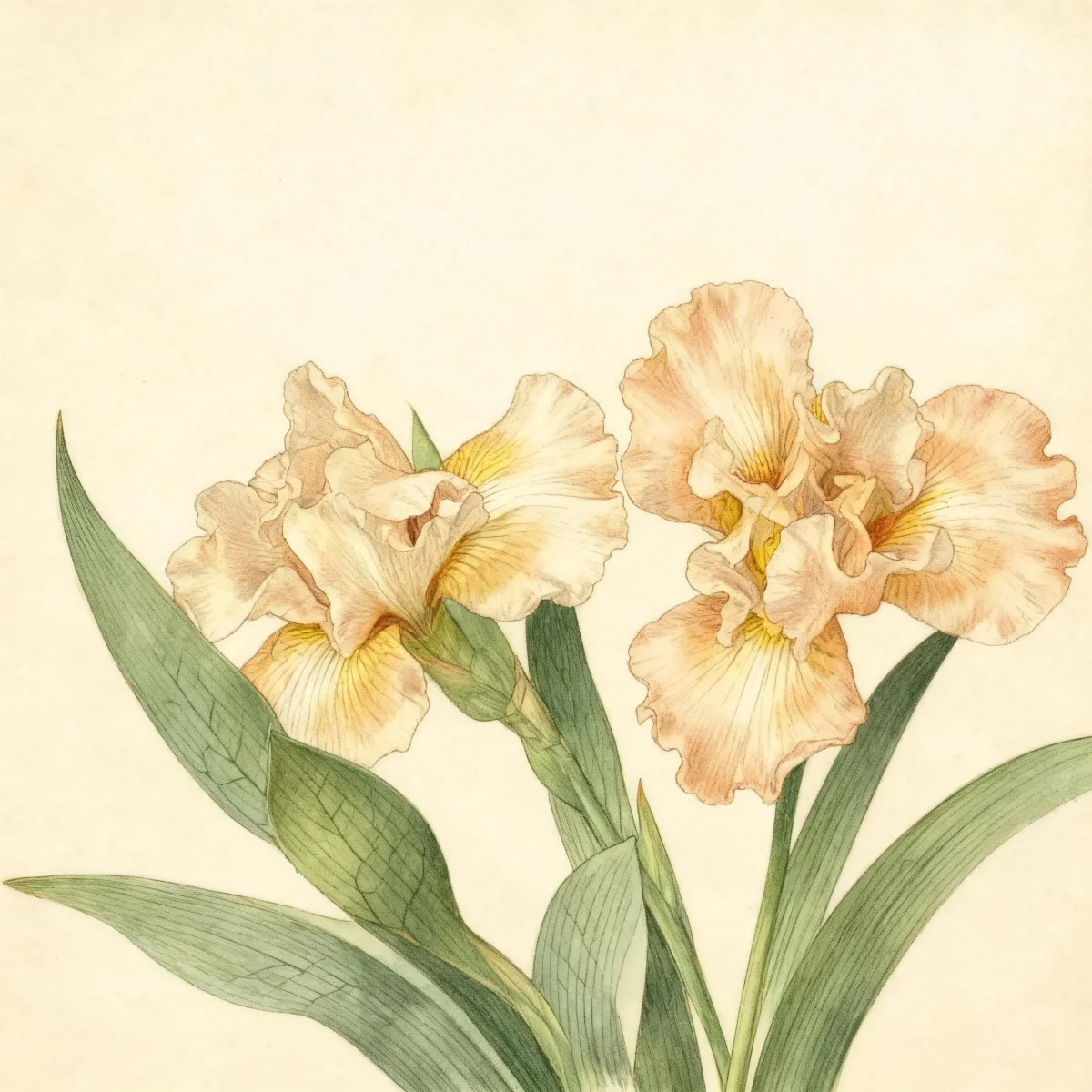
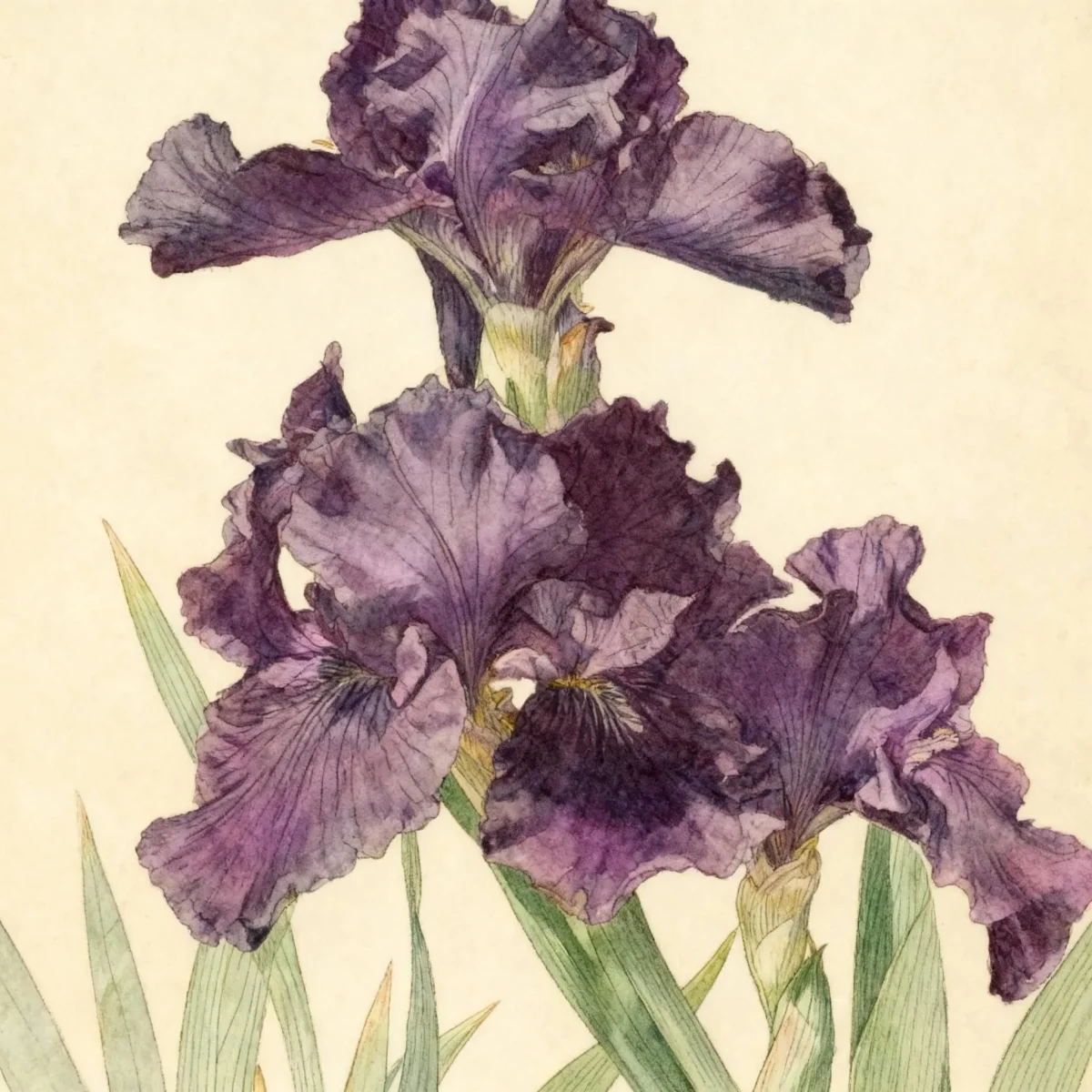
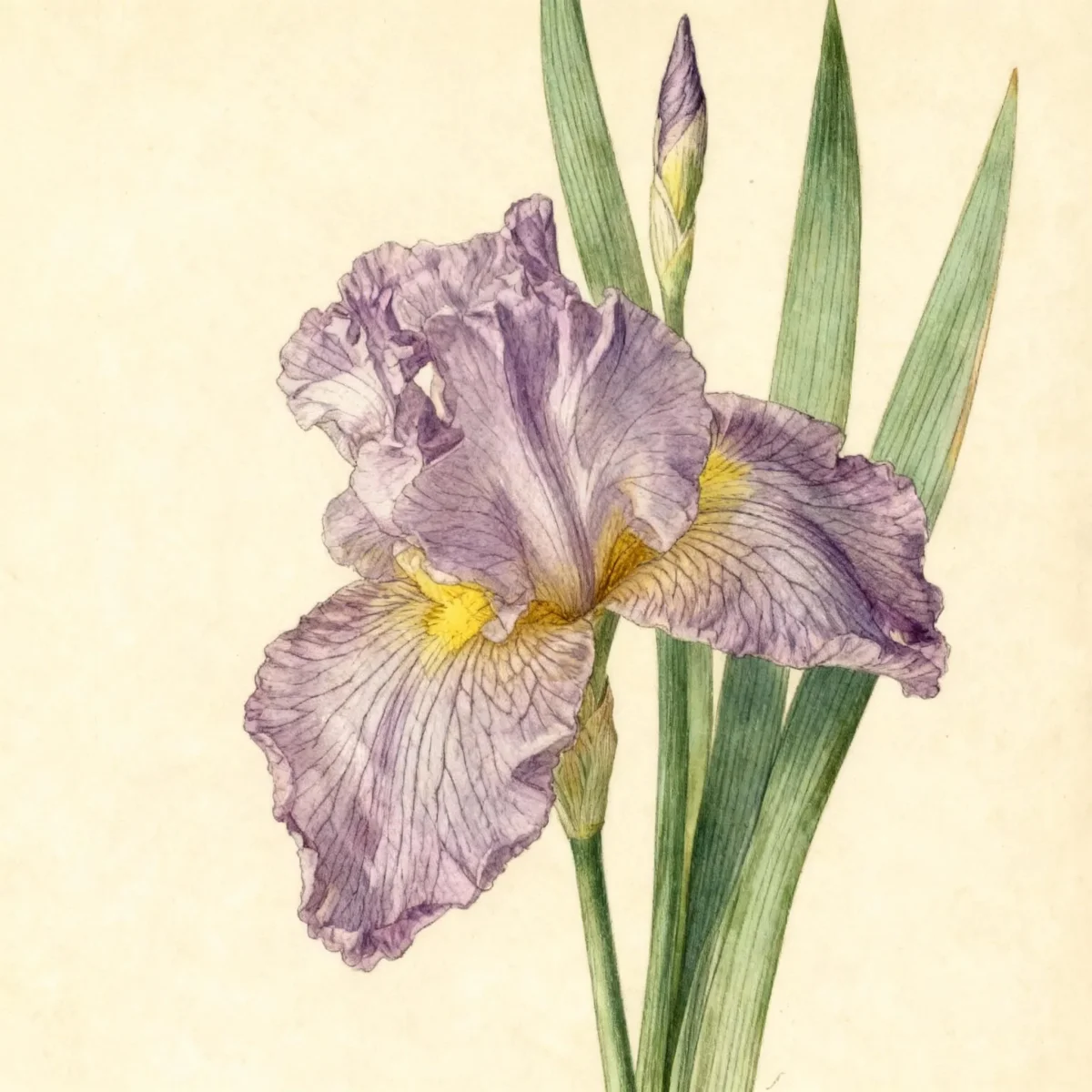
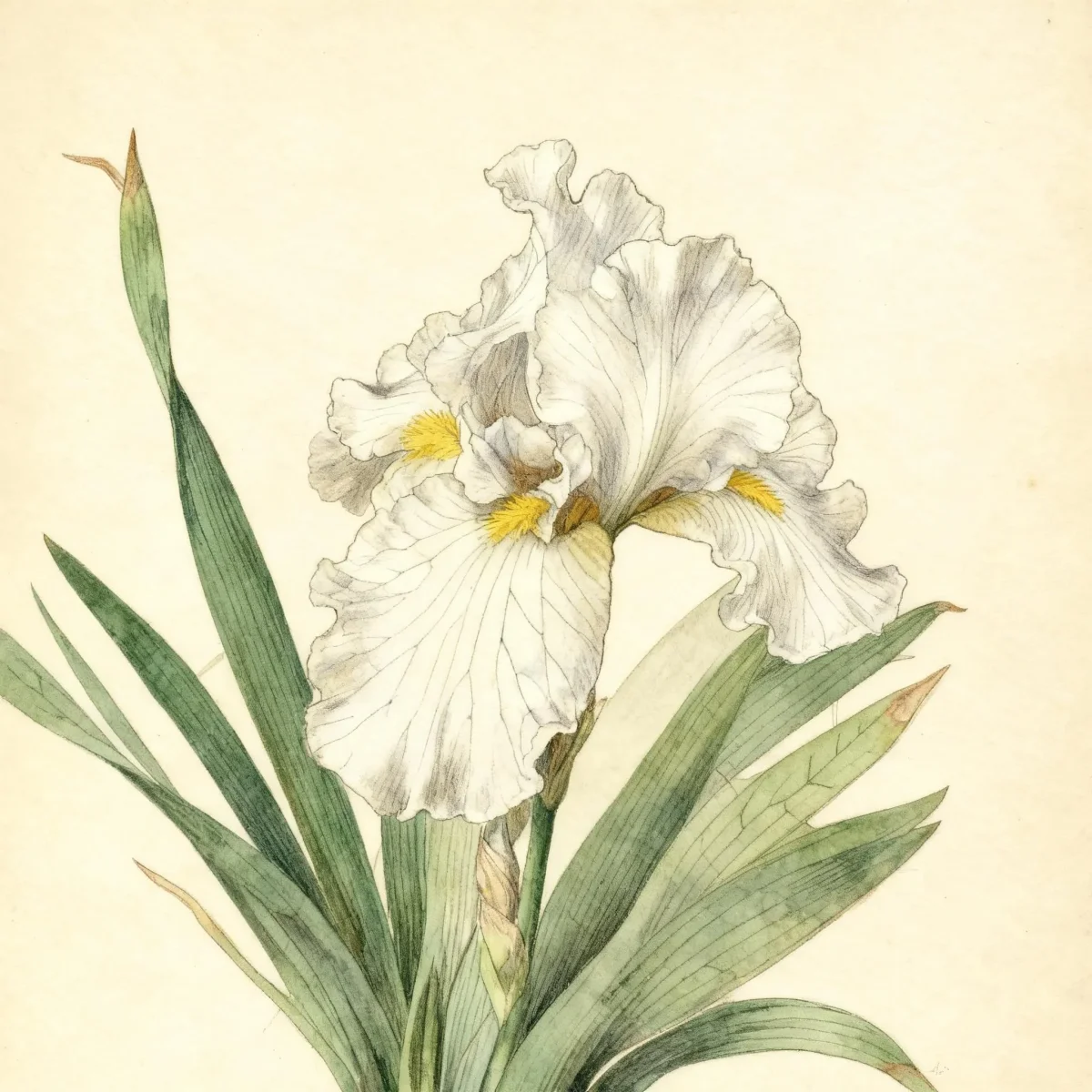
Species iris (Iris spuria subsp. halophila)
Iris spuria subsp. halophila, a tall rhizomatous Species iris, offers striking white to purple blooms in early summer, thriving in full sun.
Scroll down to discover growing tips, care requirements, companion plants, and more
Complete Plant Information
Overview
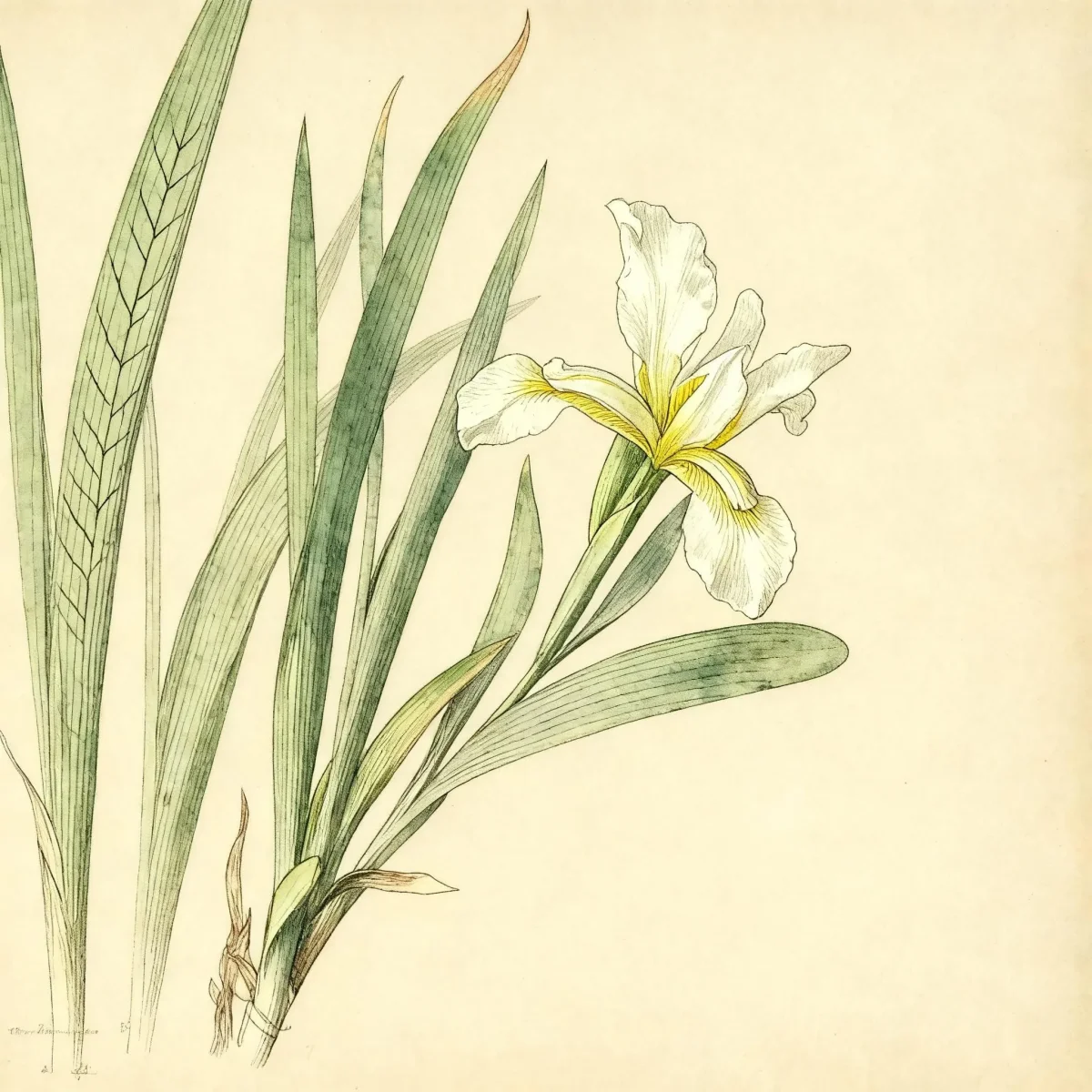
The Species iris, specifically Iris spuria subsp. halophila, is a valuable addition to sunny borders, recognized as one of the taller members of the beardless iris family. Its sturdy stems, frequently reaching 3 to 5 feet, provide excellent vertical accent in the landscape. Named for its salt-loving nature, this rhizomatous perennial offers blooms ranging from white to muted gray-purple during the late spring and early summer months.
This plant provides consistent structure with its attractive, narrow linear leaves. To ensure the best flowering and robust health, Iris spuria subsp. Halophila demands full sun and excellent drainage, tolerating light shade only occasionally. Gardeners relying on this species should note that it often becomes summer dormant and requires significantly less water once flowering concludes.
A key benefit of incorporating this species iris is its architectural presence; it naturalizes well, forming impressive clumps over time. By meeting its strict drainage requirements, gardeners can enjoy the season-long appeal of Iris spuria subsp. halophila while mitigating common rot issues that plague less tolerant iris varieties.
Fast Facts
- Plant Family: Iridaceae
- Plant Type: Herbaceous perennial
- Native Range: Europe, Asia
- Hardiness Zones: USDA Zones 4-8
- Size at Maturity:
- Height: 3-5 ft
- Spread: 0.75-1.5 ft
- Bloom Time: May to July
- Bloom Description: White to yellow - white to gray purple
- Sun Exposure: Full sun
- Water Needs: Medium
- Maintenance Level: Medium
How to Grow
The ideal establishment period for planting Iris spuria subsp. halophila rhizomes is mid to late summer, spanning from July through early September. Plant rhizomes shallowly, approximately 2 inches deep, ensuring they have ample space—about 24 inches apart—to develop into large clumps. Successful cultivation hinges on rich, well-composted, humusy soil that remains at a medium moisture level and is neutral to slightly alkaline.
Consistent moisture is crucial during the spring growth and bloom cycle. However, drainage is the single most critical factor; avoid overly wet soils at all times, as soft rot is a major threat. Consequently, avoid using mulch directly around the crowns, and if heavy clay is present, amend heavily with gypsum, coarse sand, and organic matter, or consider raised beds.
Fertilize regularly in the spring before the bloom period commences. Deadhead spent individual flowers promptly, and remove the entire flowering stem once blooming is finished. Remember that many spurias undergo summer dormancy; reduce watering significantly during hot weather when growth slows. If clumps become overcrowded, divide them immediately after flowering occurs, ideally every three to four years.
Landscape Uses
Iris spuria subsp. halophila excels when situated in sunny beds and borders, where its height provides excellent mid-to-back-of-border structure, contrasting nicely with lower-growing perennials. Due to its tendency to naturalize into significant clumps, it performs wonderfully in drifts where its spreading rhizomes can fill space over time. Consider placing it near structural evergreens or architectural grasses that offer interest when the iris itself is dormant.
The unique coloring of this species iris—often white evolving to gray-purple—allows it to blend well with soft silver foliage or complement cooler-toned blues and purples in the border. For a meadow or informal look, allow it to naturalize in an open area, perhaps near pond edges where moisture is historically consistent but drainage remains good.
Standout Features
Flower Qualities
- Showy
Noteworthy Characteristics
Iris spuria, commonly called salt marsh iris or butterfly iris, is a tall, rhizomatous, beardless iris that is native to central and southern Europe and from Algeria to Iran. It is one of the tallest members of the iris family, with stems typically rising to 3’ (occasionally to 5’) tall. Subsp. Halophila specifically features flowers blooming white to dingy white-yellow to gray-purple, sometimes presenting a golden yellow hue, making it well suited for the back of the border or pond edges.
Tolerances
Potential Problems
The most common threat to this Species iris is the iris borer, whose damage results in ragged foliage and weakened stems. Slugs, snails, thrips, and the iris weevil present secondary insect concerns, while fungal and bacterial diseases like bacterial soft rot and crown rot thrive in poor drainage. To combat these issues, maintain good cultural hygiene: promptly remove and destroy all borer-infected material and institute a thorough annual clean-up of garden debris after the first fall frost.
Failure of Iris spuria subsp. halophila to flower reliably typically points to cultural errors rather than pests. The most frequent culprits are rhizomes planted too deeply, being situated in excessive shade, over-fertilization in the spring, or severe overcrowding necessitating division. Planting deeply suffocates the rhizome, inhibiting bloom production in species iris varieties.
Frequently Asked Questions
What hardiness zones is Species iris suitable for?
The Species iris (Iris spuria subsp. halophila) is hardy and performs best in USDA Zones 4 through 8.
How large does Species iris grow?
This tall perennial typically reaches a height between 3 and 5 feet, with a relatively narrow spread of 0.75 to 1.5 feet.
What sun exposure does Species iris need?
For optimal flowering and superior disease resistance, Iris spuria subsp. halophila requires full sun exposure daily.
When does Species iris bloom?
This iris typically blooms later in the season, spanning from May into July, featuring white to gray purple flowers.
Conclusion
The Iris spuria subsp. halophila offers vertical drama and unique coloration among the beardless irises, making it a reliable choice for the back of the border when its need for sharp drainage is met. Successfully growing this Species iris requires planting rhizomes shallowly in rich soil and dedicating time to spring fertilization and fall cleanup. Always verify your local USDA hardiness zone compatibility before planning your planting schedule for this superb perennial.
Companion Planting
Selecting appropriate neighbors is key to thriving Iris spuria subsp. halophila. Because this plant hates wet feet, pair it instead with other full-sun perennials that prefer drier summer conditions once established, avoiding moisture-loving companions. Good choices include hardy Echinacea, Russian Sage (Perovskia), or drier Gaura, all of which appreciate the same bright sun and moderate root competition.
Avoid dense, heavy mulching right around the base of the rhizomes, as this traps moisture and encourages rot—a practice that benefits many other border plants but harms this iris. Instead, use gravel or keep the soil surface clear immediately around the plant crowns to promote airflow and rapid drying after rain or watering.
Propagation Tips
The primary method for increasing clumps of Iris spuria subsp. halophila is division, which should be performed immediately following the bloom cycle, usually in mid to late summer. Gently lift the entire clump using a garden fork, ensuring you minimize damage to the thick rhizomes. Separate interconnected sections, making sure each division retains a healthy section of rhizome and a substantial fan of leaves if possible.
When replanting divisions, handle the rhizomes carefully and ensure they are planted shallowly—about 2 inches deep—and pointed in the correct direction for new growth. This timing is crucial as it allows the divisions a full season to establish a robust root system before winter dormancy sets in, ensuring they are ready to perform the following May.