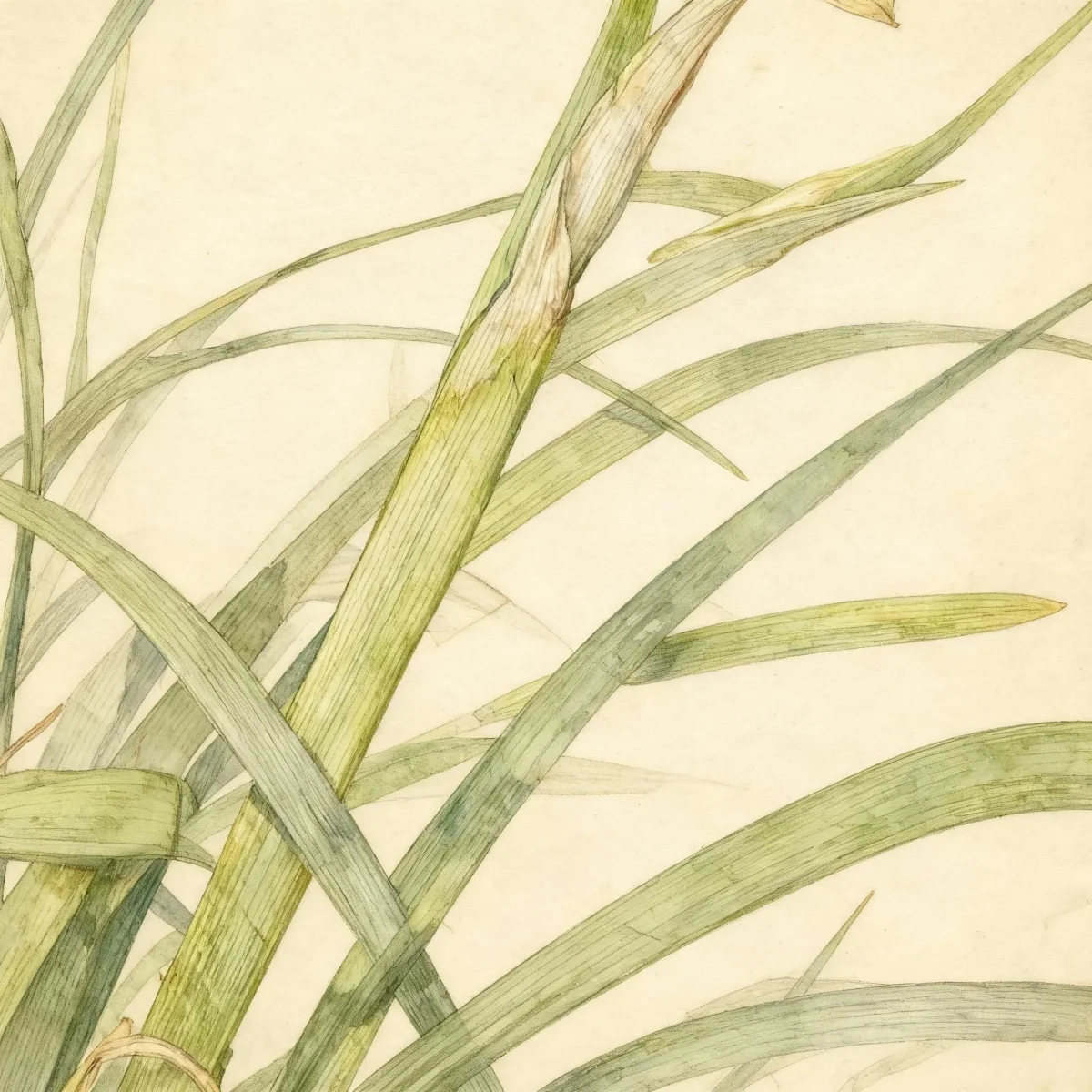
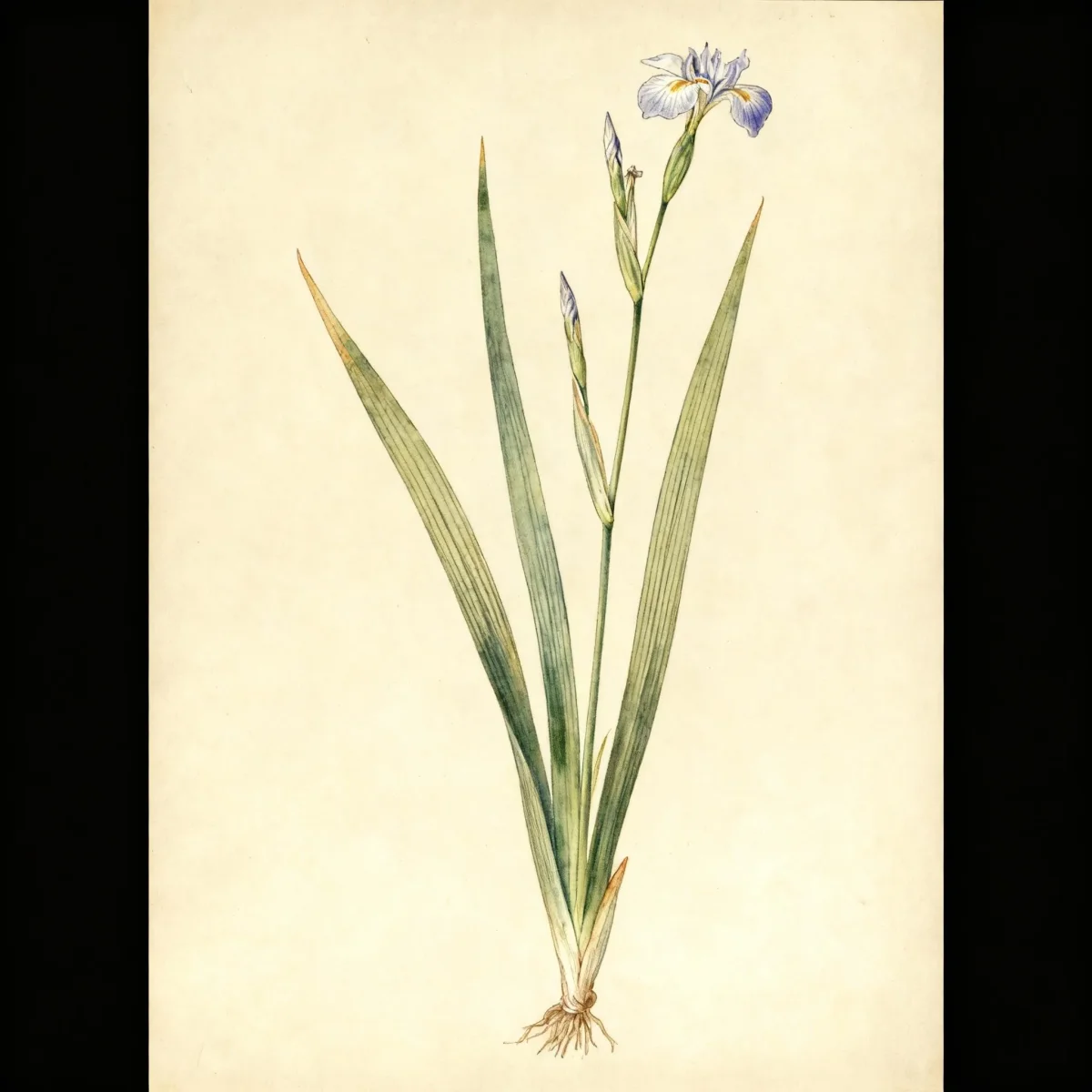
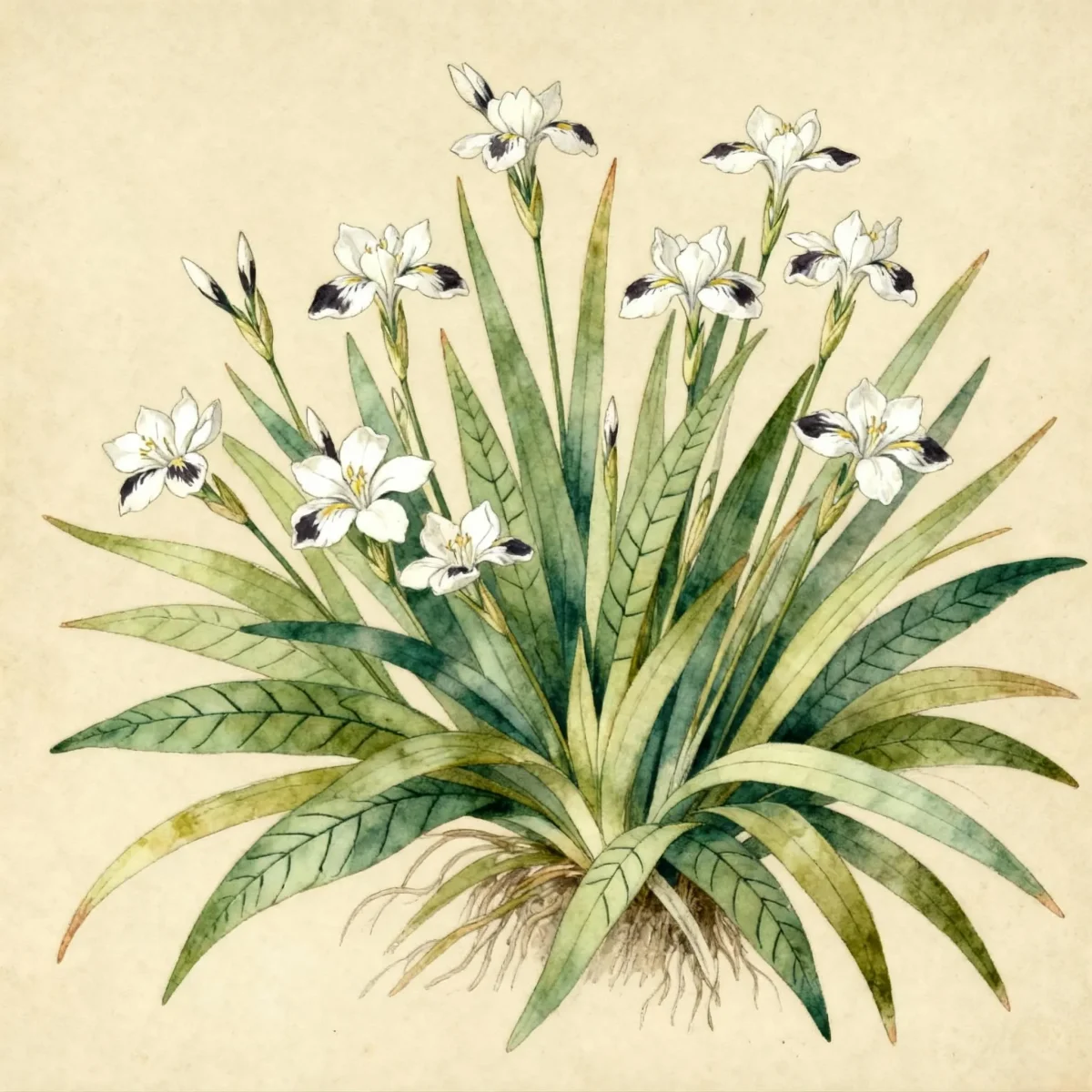
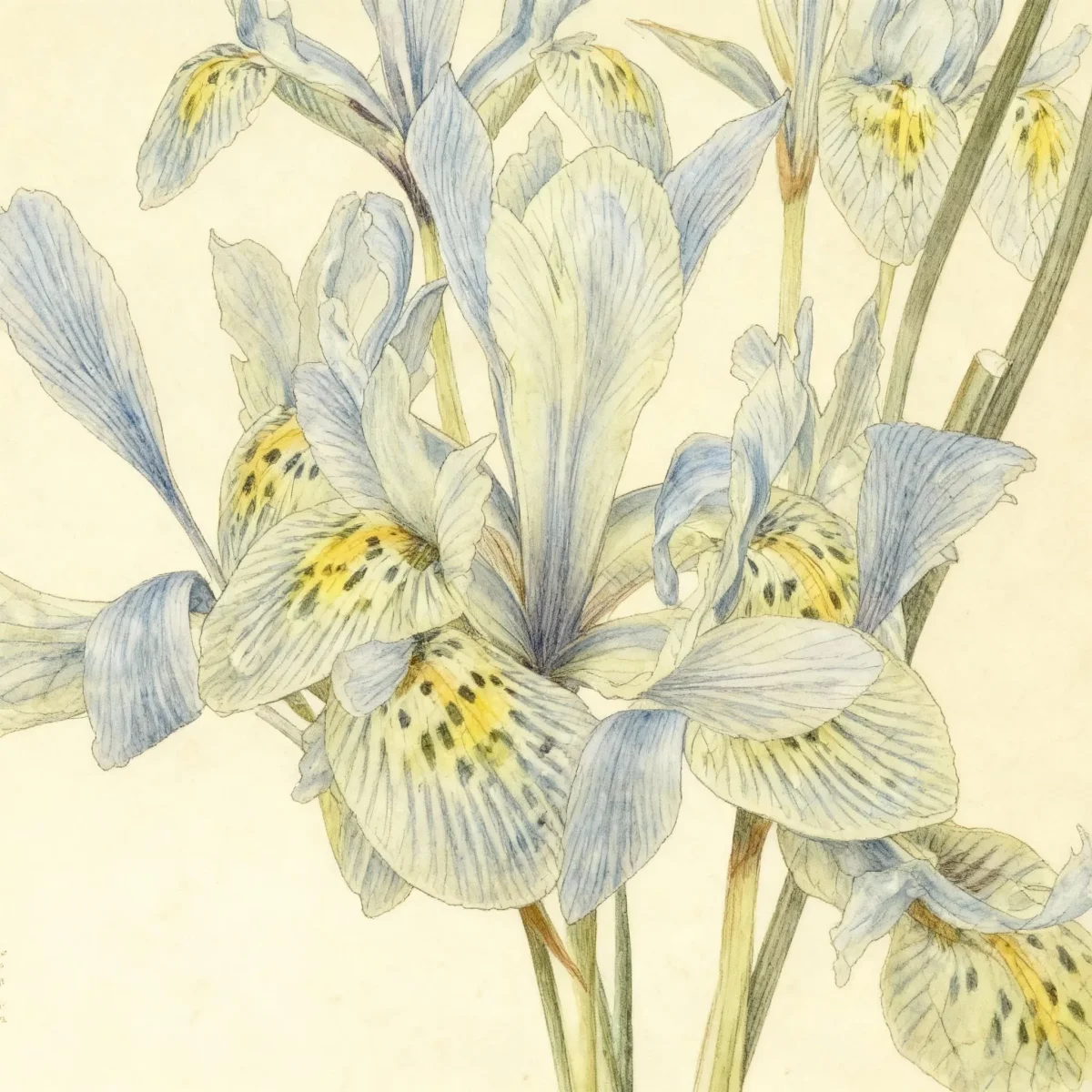
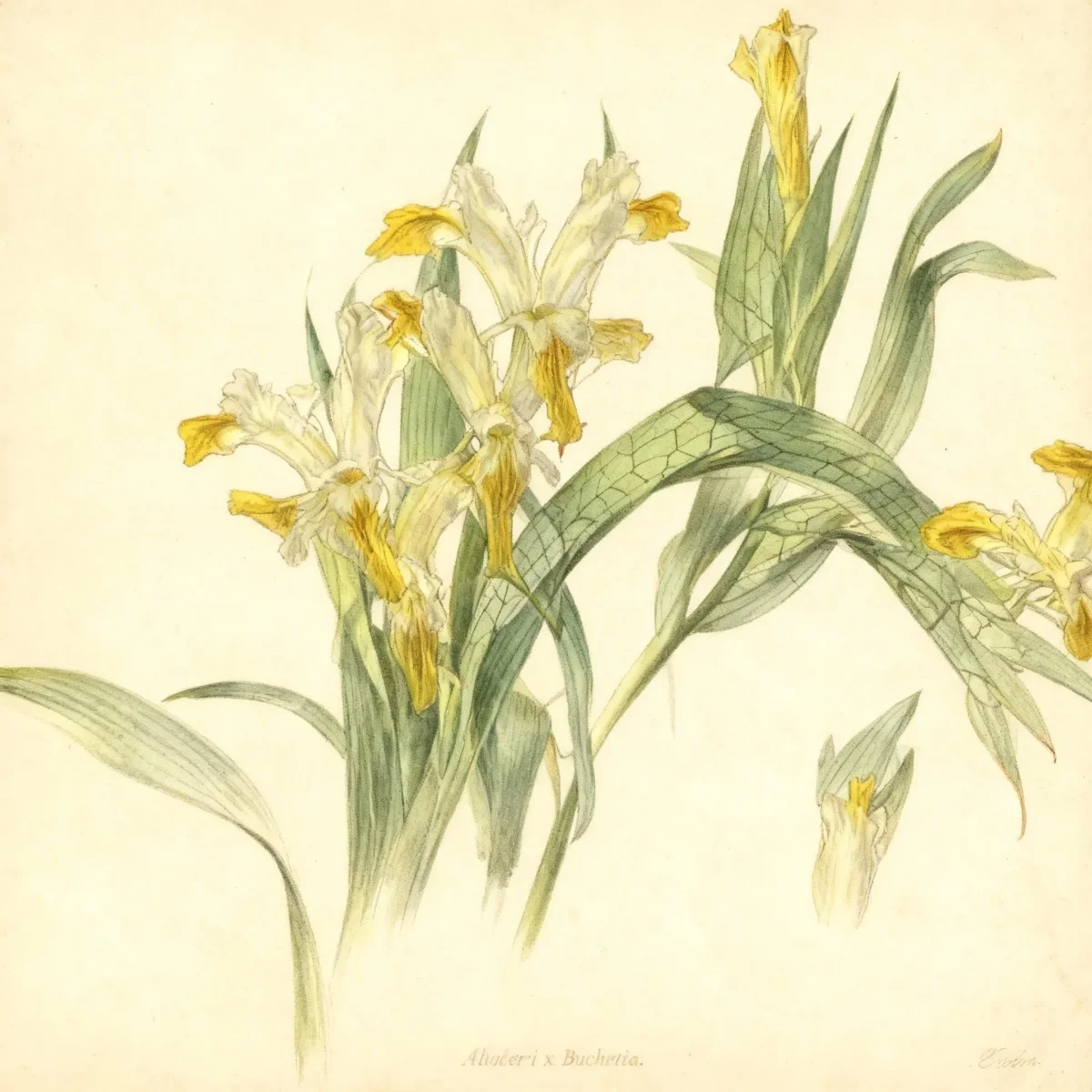
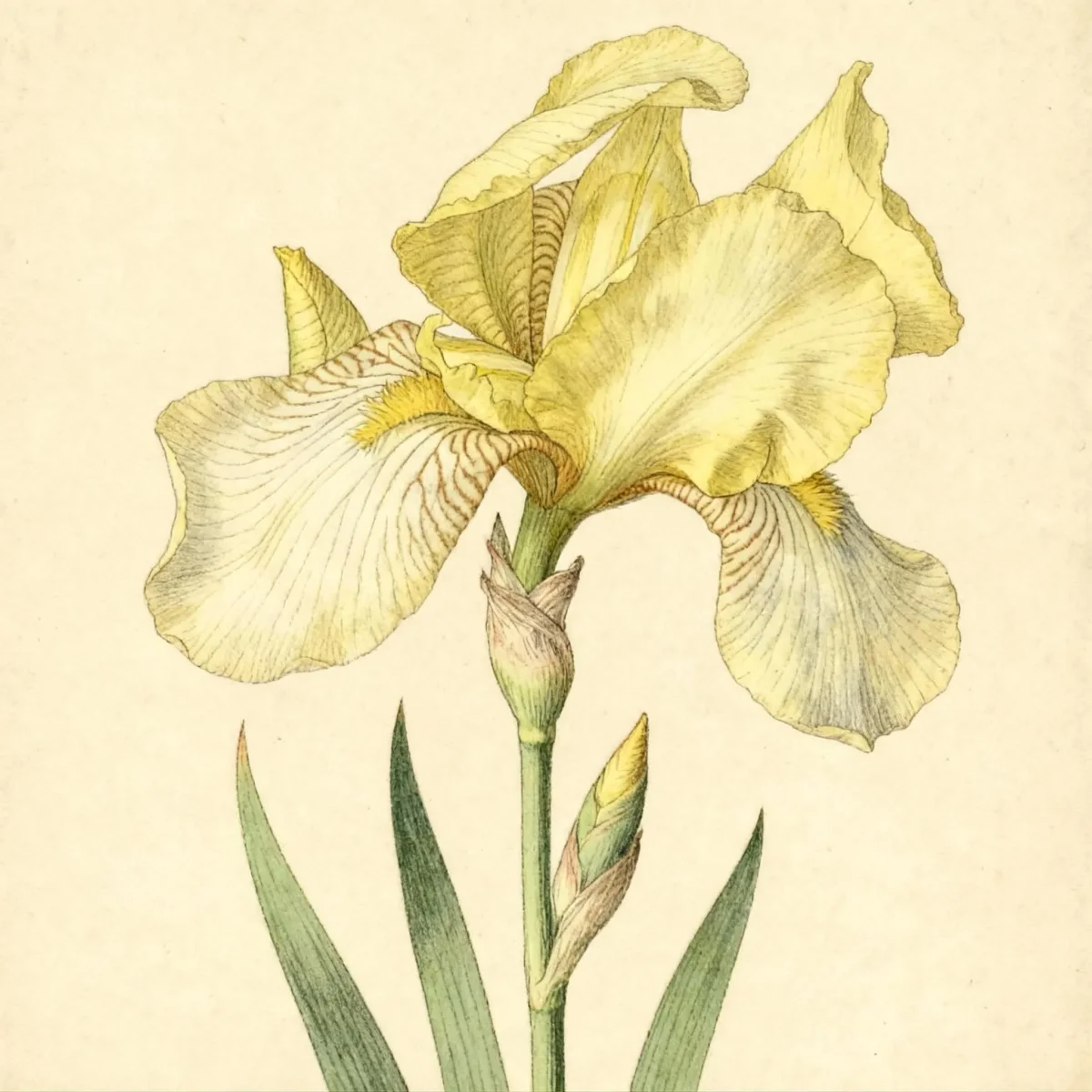
Bamboo iris (Iris wattii)
Discover Iris wattii, the adaptable Bamboo iris, prized for its lavender-blue spring blooms in zones 8-10.
Scroll down to discover growing tips, care requirements, companion plants, and more
Complete Plant Information
Overview
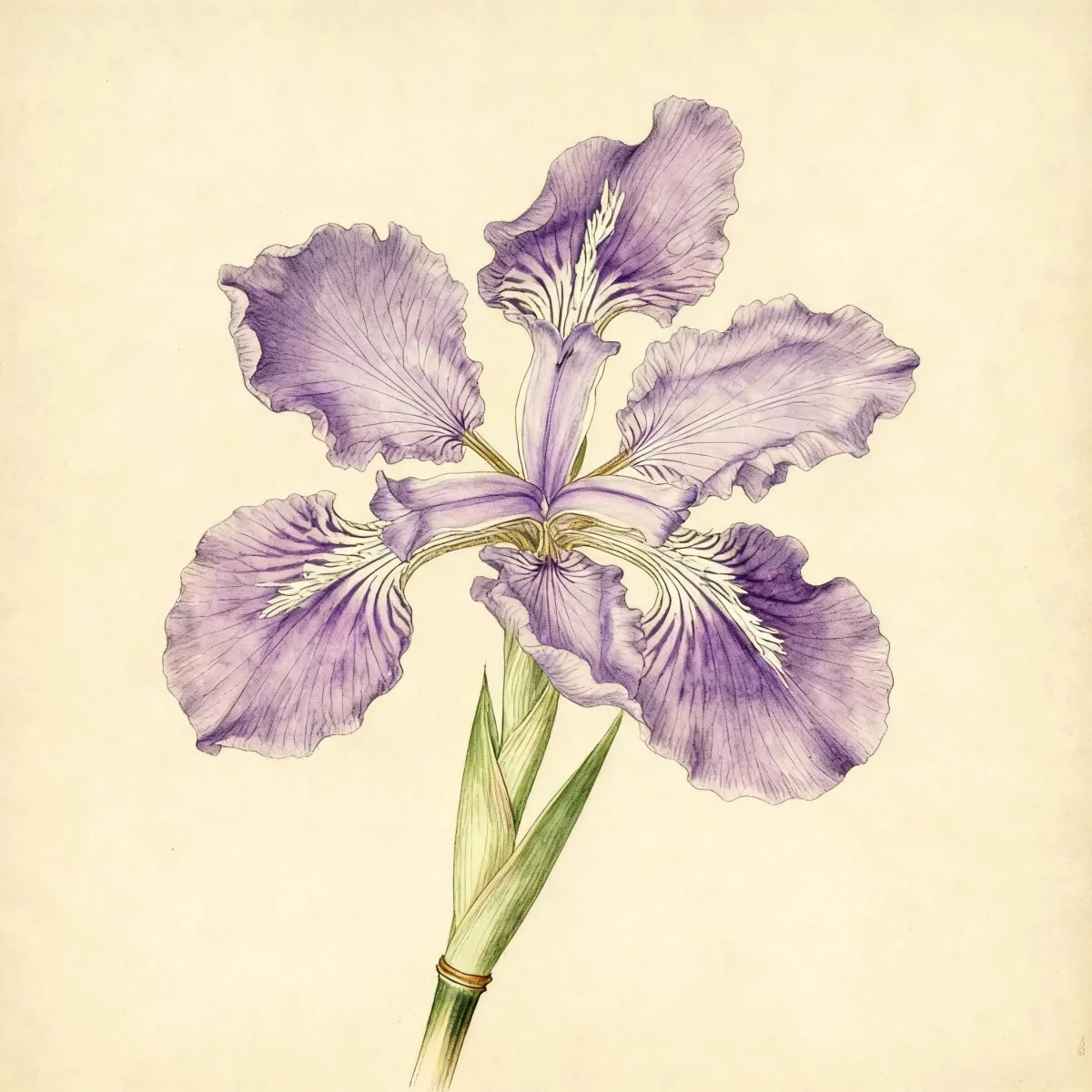
The Bamboo iris, scientifically cataloged as Iris wattii, offers reliable springtime color and distinctive vertical structure to the garden. This rhizomatous perennial is valued for its relatively low maintenance needs once established, making it an excellent choice for creating lasting borders. Gardeners appreciate the striking lavender-blue flowers accented with bright orange-yellow spotting, which reliably appear in the mid-spring season.
Native to the higher elevations of Western China and the Himalayas, Iris wattii adapts well to garden settings matching its preferred climate, thriving from USDA Zones 8 through 10. It presents bold, sword-shaped basal leaves that form attractive fans, reminiscent of its common name. This species spreads slowly via slender rhizomes, building pleasing colonies suitable for naturalizing large garden expanses.
Beyond its aesthetic appeal, Iris wattii fulfills functional roles in landscape design, particularly where low upkeep is desired. Its ability to handle sun or partial shade, coupled with its medium water requirement, ensures it remains a sturdy herbaceous perennial fixture across many garden styles.
Fast Facts
- Plant Family: Iridaceae
- Plant Type: Herbaceous perennial
- Native Range: Western China, Himalayas
- Hardiness Zones: USDA Zones 8-10
- Size at Maturity:
- Height: 2-3 ft
- Spread: 1-2 ft
- Bloom Time: April to May
- Bloom Description: Lavender blue with white crests spotted orange
- Sun Exposure: Full sun to part shade
- Water Needs: Medium
- Maintenance Level: Low
How to Grow
Planting your Bamboo iris should preferably occur in the fall or early spring, allowing the rhizomes time to anchor before summer heat. Select a site that offers rich, evenly moist, well-drained soil. While Iris wattii prefers full sun for the best flowering, it tolerates light afternoon shade, making it versatile for borders that receive morning sun exposure.
Care for this rhizomatous iris is typically straightforward. Ensure consistent, medium moisture, particularly during active growth in spring and early summer. Fertilization is generally unnecessary in fertile garden soils, which helps keep the maintenance level low. Avoid overly wet conditions, especially during winter dormancy, as this is the primary trigger for root rot issues.
Pruning is minimal for Iris wattii. Clean up any dead or yellowing foliage late in the season or early the following spring before new growth emerges. Because it reliably spreads via creeping rhizomes, division is easy if you need to thin out dense clumps or propagate new plants for other areas of the garden.
Landscape Uses
The Bamboo iris belongs in areas where its vertical fans and spring blooms can be easily appreciated. Its structure makes it an excellent choice for framing pathways or massed planting in beds and borders, creating drifts of color and texture. As an excellent rhizomatous iris for landscapes, it is best utilized when planted in groups, allowing its natural tendency to spread over time to form rich colonies.
Consider pairing Iris wattii with complementary spring bulbs that emerge before it fully leafs out, or with later-blooming perennials that can help anchor the view once the iris blooms fade. Its upright habit also contrasts beautifully against fine-textured foliage plants or lower-growing groundcovers.
For gardeners looking to utilize its spreading habit effectively, plant it in naturalized settings or informal borders where its slow creep is welcome. Avoid using it in very small, rigidly controlled formal beds where its slow expansion might be seen as invasive, though by gardener standards, this Iris wattii variety is generally not considered invasive.
Standout Features
Flower Qualities
- Showy
Noteworthy Characteristics
Iris wattii is native to Assam and western China. It is a rhizomatous iris that typically grows to 2-3’ tall with broad, sword-shaped leaves growing in fans. The signature lavender blue flowers, which are up to 3” in diameter, appear in spring on branched stalks bearing many blooms. The genus name honors the Greek goddess of the rainbow, fitting for this colorful species.
Tolerances
(No data provided)
Potential Problems
Iris wattii is noted for having virtually no serious insect or disease problems when grown correctly, contributing significantly to its low maintenance rating. The most critical cultural note involves drainage and winter wetness; if the soil remains waterlogged during the dormant season, the rhizomes are susceptible to root rots. Ensure your planting location has excellent drainage to prevent this issue.
Frequently Asked Questions
What hardiness zones is Bamboo iris suitable for?
The Bamboo iris, Iris wattii, is reliably winter hardy in USDA Zones 8 through 10.
How large does Iris wattii grow?
This herbaceous perennial generally reaches heights between 2 and 3 feet, with a spread typically ranging from 1 to 2 feet wide.
When does Iris wattii bloom?
You can expect the flowers of the Bamboo iris to appear between April and May, offering a display of lavender blue blooms accented with white crests spotted orange.
What sun exposure does Iris wattii need?
This species performs best when given full sun, though it will also thrive in locations that receive partial shade throughout the day.
Conclusion
The Bamboo iris offers dependable mid-spring beauty with striking lavender-blue flowers atop strong vertical foliage, making Iris wattii a highly valuable addition to perennial borders. Its low maintenance and adaptability to sun or light shade further confirm its status as an excellent garden performer. Before planting, ensure your garden site meets the well-drained, medium moisture criteria, particularly if you are in USDA Zones 8–10.
Companion Planting
When selecting companions for your Bamboo iris, focus on plants that share similar sunlight and water requirements (full sun to part shade, medium moisture). Consider pairing it with early-blooming deciduous shrubs or later-flowering perennials that emerge after the iris bloom period ends. Spring bulbs like daffodils or tulips are excellent early companions, as their foliage will die back just as the iris fans mature into their summer density, minimizing visual competition.
For a textured contrast, group Iris wattii near plants with fine, feathery foliage or mounding habits. Plants such as ornamental grasses that peak later in the season or low-growing Sedums that enjoy full sun can effectively frame the upright, sword-like leaves of the iris throughout the growing season.
Propagation Tips
The primary and easiest method for propagating Iris wattii is through the division of its rhizomes. This should ideally be done in late summer or early autumn after the plant has finished blooming and has entered or completed its main summer growth phase. Carefully lift the clumps with a garden fork, taking care not to sever the roots excessively.
When dividing, ensure each new section of rhizome has at least one healthy fan of leaves attached, along with a few healthy roots. Allow the cut surfaces to dry or “cure” for a few hours to a day before replanting them immediately in their new location or into containers for later transplanting. Proper spacing during division prevents overcrowding, which can lead to reduced flowering and increased risk of winter rot for the Bamboo iris.