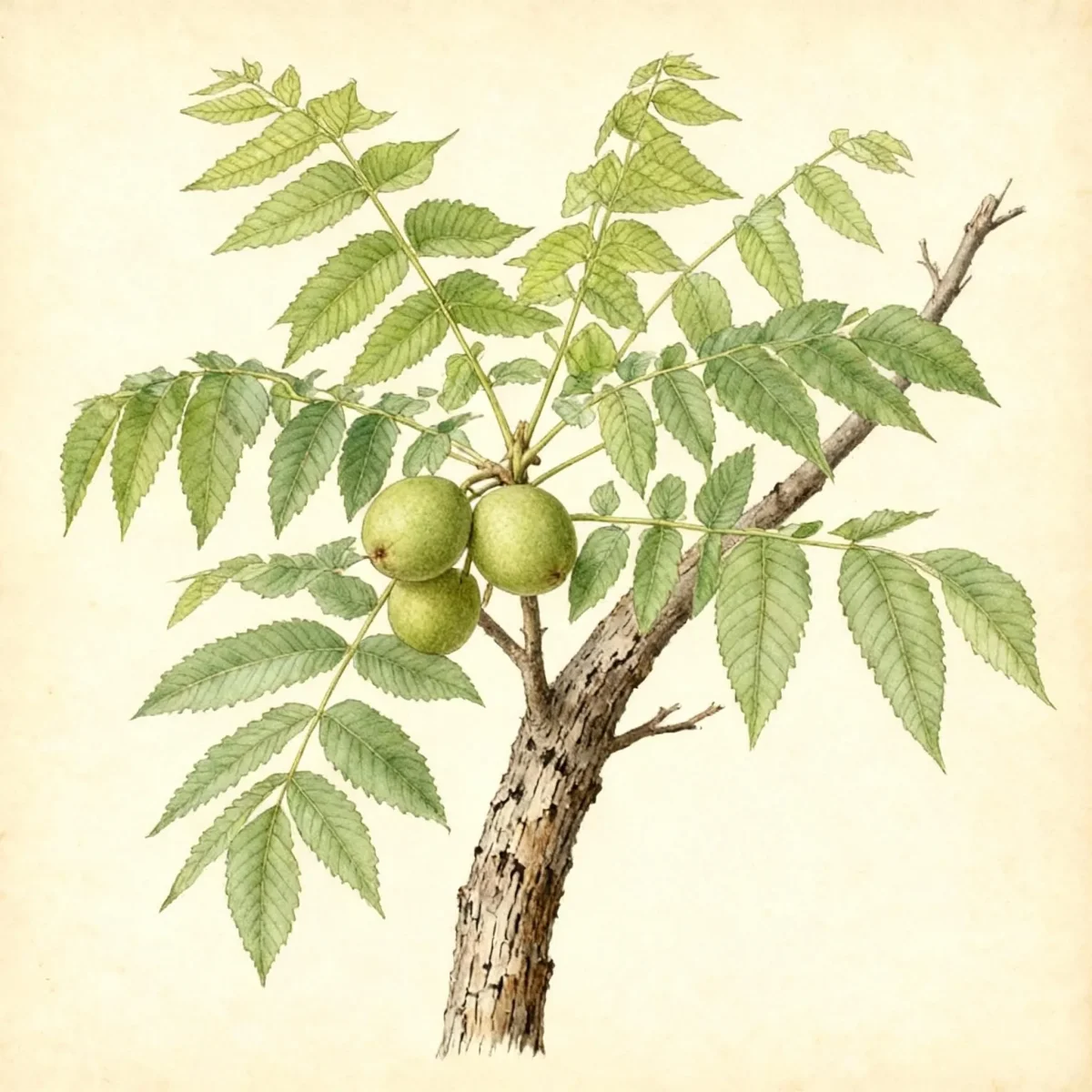
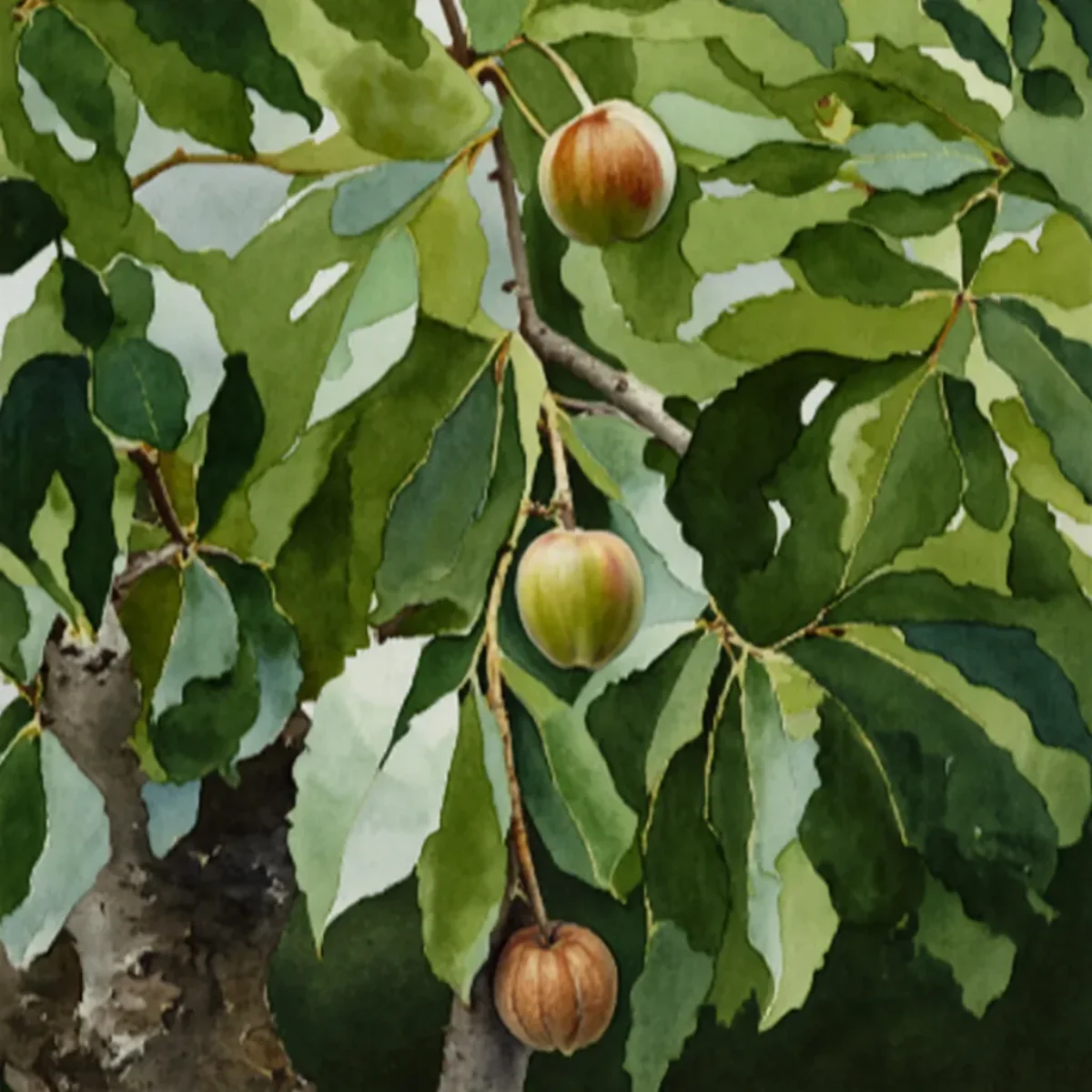
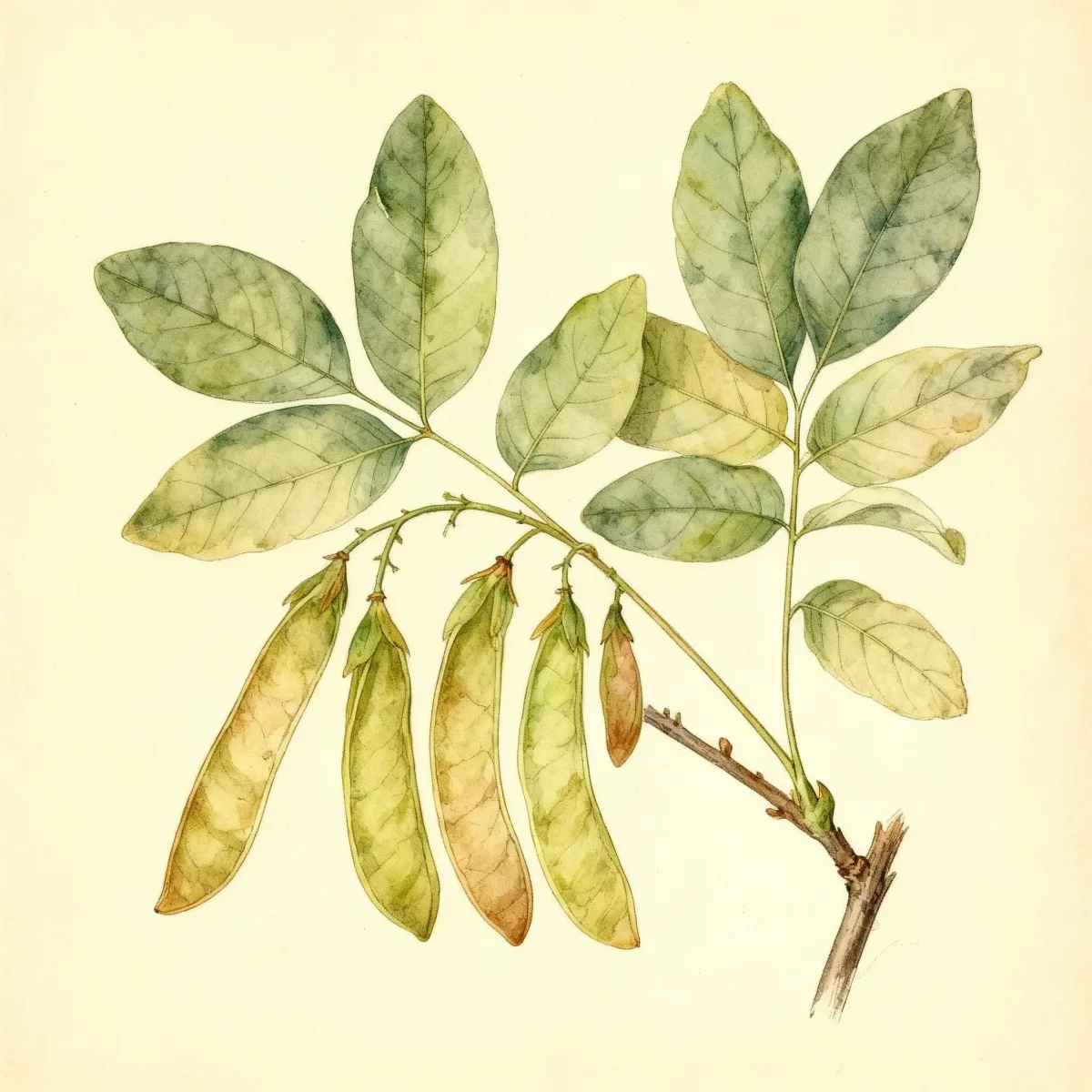
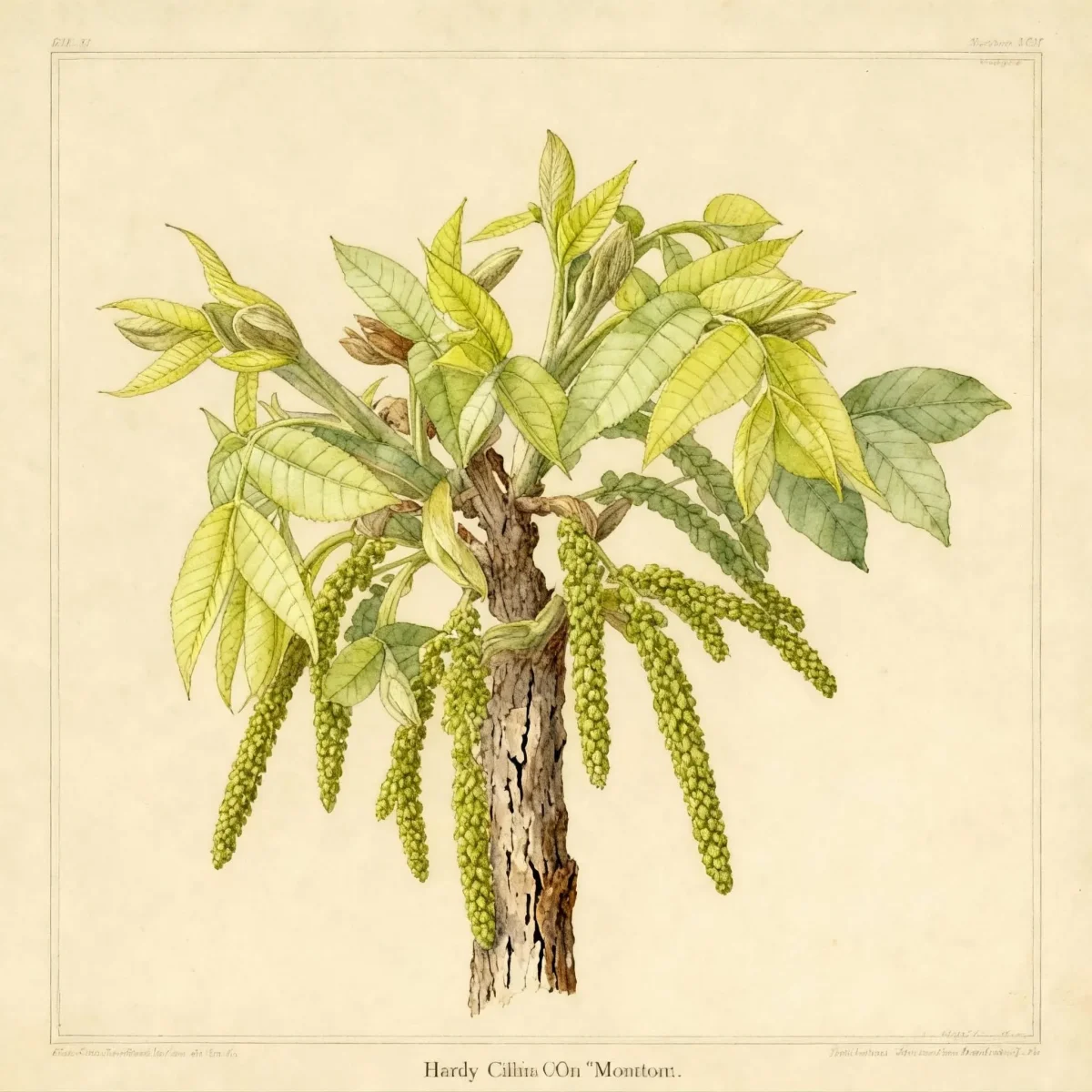
Butter nut (Juglans cinerea)
Discover the native Juglans cinerea, or Butter nut tree, valued for edible nuts and shade; requires full sun and careful siting.
Scroll down to discover growing tips, care requirements, companion plants, and more
Complete Plant Information
Overview
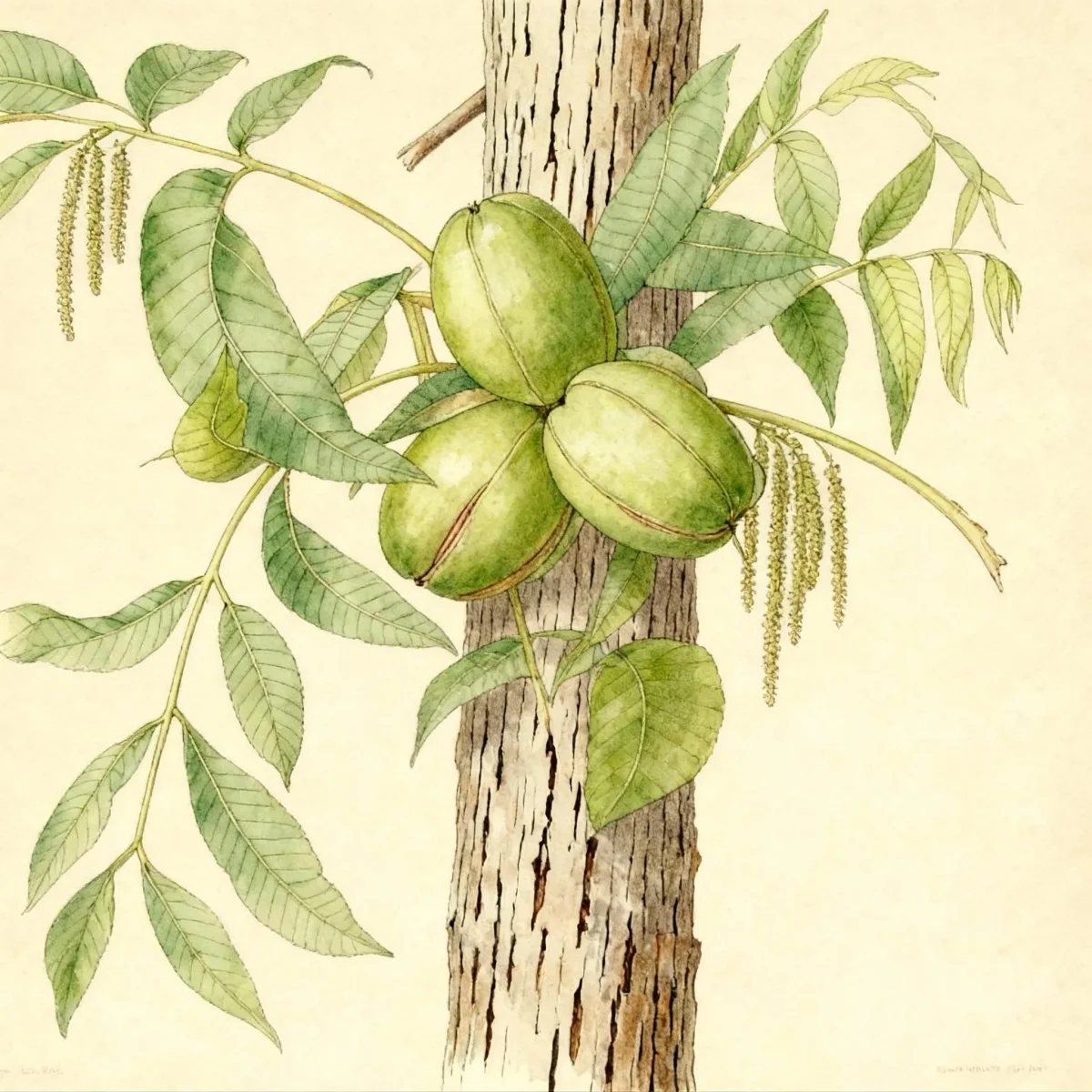
The Butter nut (Juglans cinerea), also known as white walnut, is a significant native American tree, though it is unfortunately declining in wild populations due to disease. While not often chosen as a prominent ornamental, it offers gardeners a large, deciduous tree structure with an interesting, open, broadly-rounded crown. Its value lies particularly in the production of oily, sweet kernels encased in hairy husks, which have historically been used for food.
This species thrives only in sites providing full sun exposure, as it is entirely intolerant of shade. Mature specimens of Juglans cinerea can reach heights between 40 and 60 feet, matching their spread, providing substantial shade. Gardeners interested in native flora or those seeking a reliable, albeit medium-maintenance, shade source will find the Juglans cinerea appealing.
A critical factor for success is recognizing its cultural needs, especially its preference for moist, organically rich, well-drained soils. Furthermore, its deep taproot makes transplanting an established specimen exceptionally challenging, necessitating careful initial placement.
Fast Facts
- Plant Family: Juglandaceae
- Plant Type: Tree
- Native Range: Northeastern United States
- Hardiness Zones: USDA Zones 3-7
- Size at Maturity:
- Height: 40-60 ft
- Spread: 40-60 ft
- Bloom Time: May to June
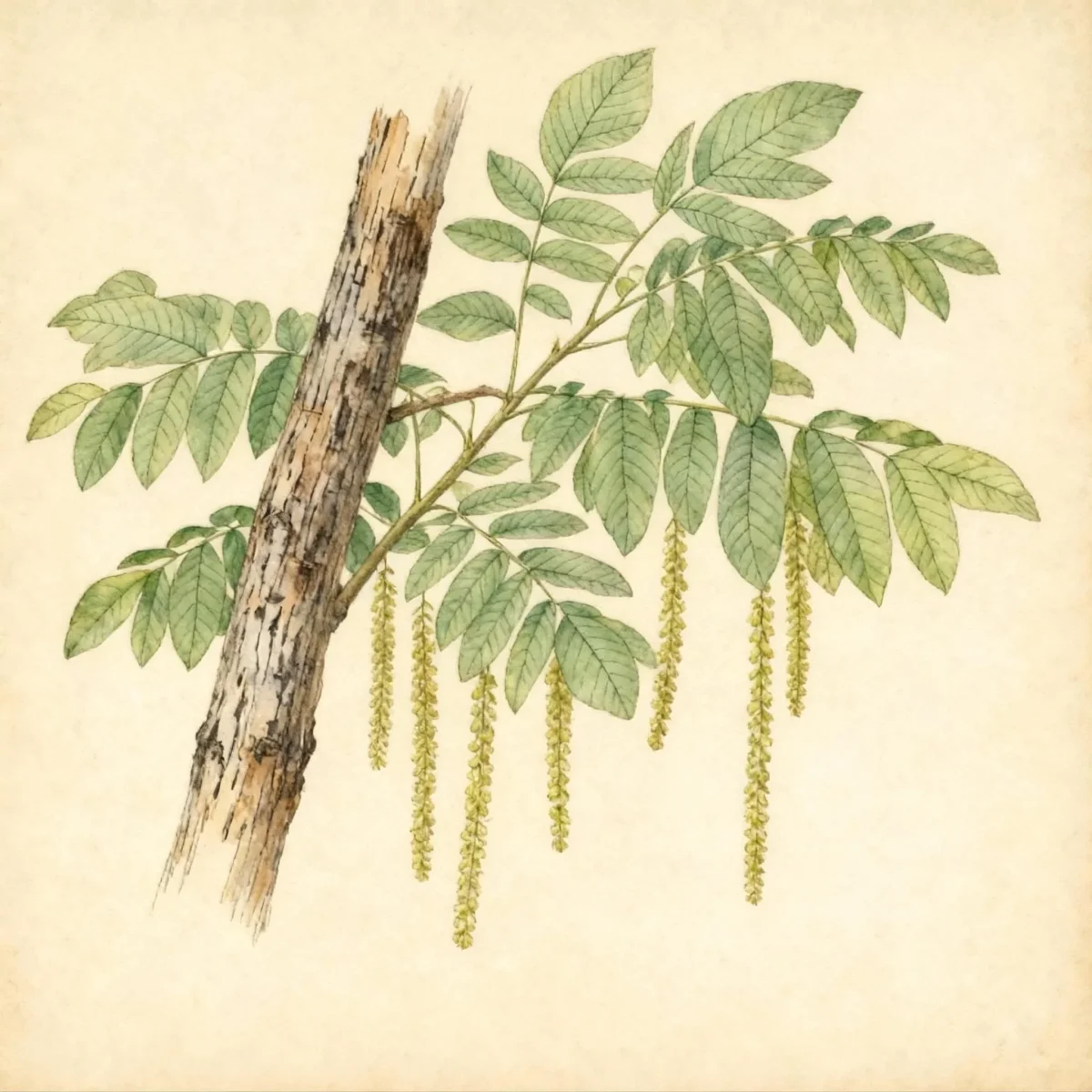
- Bloom Description: Yellowish-green
- Sun Exposure: Full sun
- Water Needs: Medium
- Maintenance Level: Medium
How to Grow
Planting the Butter nut should ideally occur when the tree is young, such as a bare-root specimen, as Juglans cinerea develops a deep taproot quickly, making transplantation difficult once established. Choose a location receiving full sun throughout the day; siting it in heavy shade will stunt growth and reduce vigor. The soil must be well-drained, as wet, soggy conditions are not tolerated, although the tree appreciates deep, organically rich substrates.
Watering requirements are moderate. While established trees demonstrate drought tolerance, providing consistent moisture, especially during dry periods in its first few years, is crucial for root establishment. Avoid excessive fertilization, which is generally unnecessary if the soil is naturally rich. Pruning should be minimal and focused primarily on removing dead or damaged wood.
Because of its mature size, site selection is paramount for this long-lived tree. Since it cannot tolerate shade, ensure no future construction or nearby plantings will encroach upon its necessary light requirements. Be aware of the juglones produced by the root system when planning nearby plantings in subsequent years.
Landscape Uses
The primary recommended use for Juglans cinerea is as a foundational Shade Tree, offering wide canopy coverage once mature. Native plant enthusiasts often plant the Butter nut specifically for its ecological return and for its edible nut crop, rather than for sheer ornamental flash. This tree warrants placement where its size and potential root influence (juglones) can be managed effectively.
Due to its requirement for full sun and space, avoid placing Juglans cinerea near structures or closer than 40 feet to other large trees. Companion planting requires careful consideration; choose robust, sun-loving species that are tolerant of the allelopathic juglone chemicals released by the roots. However, given its near-endangered status in many regions, supporting this native species may override typical ornamental placement concerns.
Standout Features
Flower Qualities
- Insignificant
Fruit Qualities
- Showy
- Edible
Noteworthy Characteristics
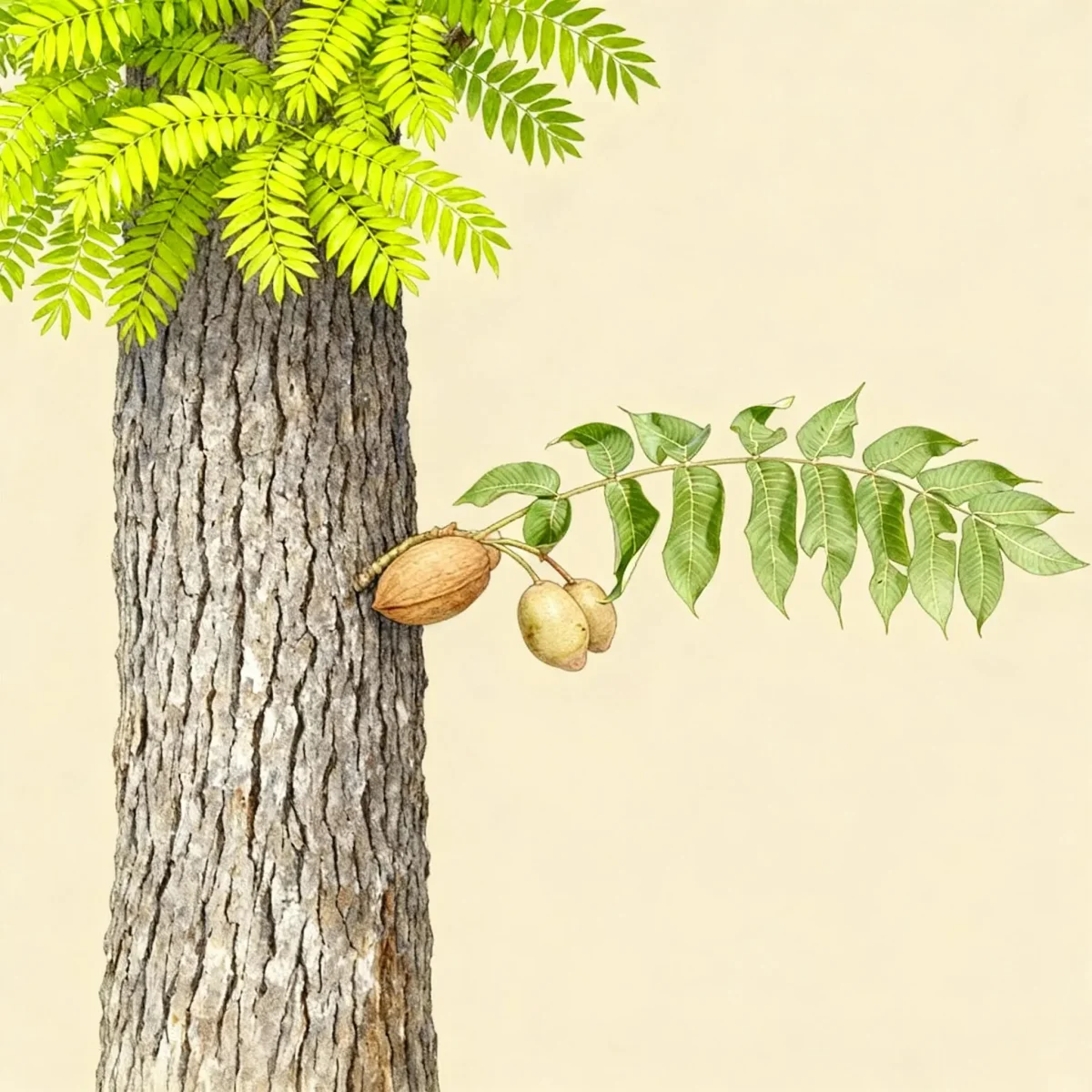
Juglans cinerea, commonly called butternut, is not commonly grown as an ornamental but it is a valued native American tree that is unfortunately becoming increasingly rare in the wild now because of a canker disease. Butternut is similar in appearance to black walnut, except it is generally smaller, its bark is less fissured, it has fewer leaflets per leaf and its nuts are more oval than round. The edible kernels possess a sweet, oily, buttery flavor, making the Butter nut a prized find among foragers.
Tolerances
- Rabbit
- Drought
Potential Problems
Juglans cinerea faces a significant threat from butternut dieback or butternut canker (Sirococcus clavigignenti-juglandacearum), a fungal disease that is usually fatal once established in the canopy. There is currently no known cure for this canker, which manifests first as branch and stem death in the upper crown. Pruning out visibly infected limbs may slow spread but will not eradicate the infection.
Insect pests commonly target the tree, including borers, lace bugs, various caterpillars, and the butternut curculio—all requiring vigilance. Furthermore, like its relative black walnut, the roots of the Butter nut produce juglones, allelopathic compounds toxic to sensitive plants such as blueberries, rhododendrons, and tomatoes. Manage this by maintaining a significant buffer zone, as the toxic drip line of the tree expands with age.
Frequently Asked Questions
What hardiness zones is Butter nut suitable for?
The Butter nut (Juglans cinerea) is suitable for planting in USDA Hardiness Zones 3 through 7.
How large does Butter nut grow?
This tree typically matures to a height of 40 to 60 feet, with a similar spread of 40 to 60 feet.
What sun exposure does Juglans cinerea need?
Juglans cinerea requires full sun exposure to thrive and is intolerant of shady conditions.
When does Butter nut bloom?
The yellowish-green flowers of the Butter nut appear in late spring, specifically from May to June, preceding the nut development.
Conclusion
The native Juglans cinerea presents a compelling option for large-scale shade provision and for gardeners interested in foraging for its tasty, buttery nuts. While its cultivation is currently hampered by the devastating canker disease, planting healthy specimens in sunny, well-drained native soil supports this threatened American hardwood. Before planting your own Butter nut, rigorously assess site conditions, ensuring deep, rich soil and full unimpeded sunlight for decades to come.
Companion Planting Strategies
When planning a landscape around Juglans cinerea, the primary constraint is managing the allelopathic juglone compounds produced by the roots. Therefore, companion plants should be selected from species known to tolerate or ignore juglone toxicity. Good choices include native grasses, many perennial flowers like hostas (which thrive in dappled shade created by the canopy, provided they aren’t too close to the root zone), and durable shrubs like lilacs, although caution is advised.
Avoid planting known juglone-sensitive species such as Rhododendron, Azalea, Blueberry, Peony, and most members of the Solanaceae family (tomatoes, peppers) anywhere near the drip line. As the Butter nut matures, its zone of influence will expand; focusing companions slightly outside the critical root zone gives sensitive plants a better chance of survival alongside this magnificent tree.
Seasonal Care Calendar
Spring is the crucial time for observing Juglans cinerea health, as the tree emerges from dormancy and flowering occurs from May to June. Inspect the upper branches immediately for any signs of the butternut canker, cutting out and safely disposing of diseased wood as soon as symptoms appear to help manage potential infection spread. For new plantings, ensure deep watering begins as spring growth accelerates.
Summer is the primary growing season where moderate water needs must be met, especially during dry spells, to maintain active growth and support nut development. Fall is when the hairy husked nuts ripen; harvesting them promptly can reduce potential nuisance from squirrels or debris. Foliage turns an undistinguished yellow before leaf drop, marking the completion of the annual cycle.