Hardy pecan (Carya illinoinensis)
The Hardy pecan (Carya illinoinensis) is a majestic, large deciduous tree ideal for shade and edible nut production in zones 5-9.
Scroll down to discover growing tips, care requirements, companion plants, and more
Complete Plant Information
Overview
The Hardy pecan, scientifically known as Carya illinoinensis, is a truly magnificent specimen, earning its place as the largest of the hickories. Gardeners value this large deciduous lowland tree for both its imposing stature, which provides vast shade, and its delicious, commercially important edible nuts. It develops a massive, rounded crown, eventually becoming a dominant feature in any large landscape setting where it is planted.
Native across the Mississippi River valley region, Carya illinoinensis thrives in well-drained conditions, though its growth and nut yield are heavily influenced by local climate. While its size dictates it needs ample space, the payoff is a long-lived tree that offers significant aesthetic grandeur throughout the year. Successful cultivation of the hardy pecan requires planning, especially regarding pollination needs for optimal fruit set.
This tree offers seasonal interest as its compound leaves turn attractive yellow-brown tones in the autumn before dropping. Providing essential structure to the landscape, the Carya illinoinensis is an excellent choice for estates or large properties where its longevity and dual purpose—ornamental shade and edible harvest—can be fully appreciated.
Fast Facts
- Plant Family: Juglandaceae
- Plant Type: Tree
- Native Range: Iowa and Indiana south to Texas and Mexico
- Hardiness Zones: USDA Zones 5-9
- Size at Maturity:
- Height: 75-100 ft
- Spread: 40-70 ft
- Bloom Time: April to May
- Bloom Description: Greenish-yellow
- Sun Exposure: Full sun
- Water Needs: Medium
- Maintenance Level: Medium
How to Grow
Establishment is critical for Carya illinoinensis due to its naturally deep taproot system, which makes transplanting challenging once the tree is established. Select planting sites carefully, ensuring they offer humusy, rich, moist, and exceptionally well-drained soil. These trees demand full sun exposure to achieve robust growth and maximize nut production.
Watering needs are medium; ensure consistent moisture, especially during establishment and dry summer periods. Avoid heavily compacted or waterlogged sites, which can stress the deep root system. Maintenance is moderate; while pruning is generally minimal for shape, proactive monitoring for pests and diseases is recommended, particularly in humid climates.
For gardeners aiming for nut crops, remember that Carya illinoinensis benefits significantly from cross-pollination. Always plant at least two genetically different varieties to ensure good nut set. Be aware that nut production can be slightly unreliable in the cooler northern limits of its range if spring frosts are late or summers are insufficiently warm. Be patient, as nut-bearing from seed can take 8 to 10 years.
Landscape Uses
The primary recommendation for the hardy pecan is serving as a phenomenal, tall ornamental shade tree across large properties. Its massive size and wide, spreading crown create expansive areas of cooling relief, making it a perfect centerpiece for broad lawns or open park settings. Avoid planting near structures or sidewalks where the mature root system might cause interference.
While primarily functional as a shade provider, the production of edible pecans adds an excellent secondary benefit, making it a true working tree for the dedicated landowner. Companion planting should focus on turf or lower shrubs that can tolerate the deep shade cast beneath the mature canopy or plants that share similar moisture requirements near the edges of its spread. Selecting cultivars known for disease resistance can significantly enhance its long-term viability as a landscape feature.
Standout Features
Flower Qualities
- Insignificant
Fruit Qualities
- Showy
- Edible
Noteworthy Characteristics
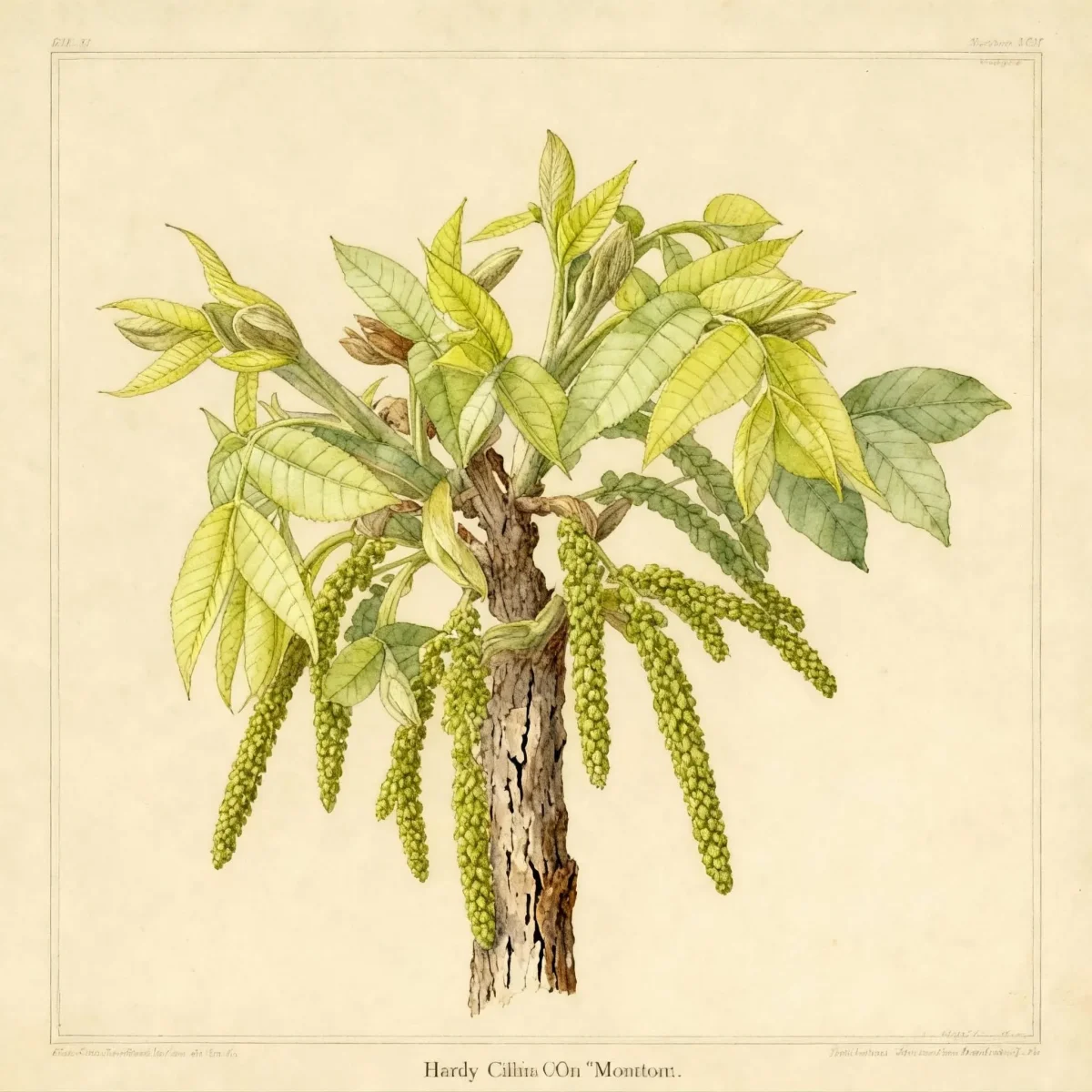
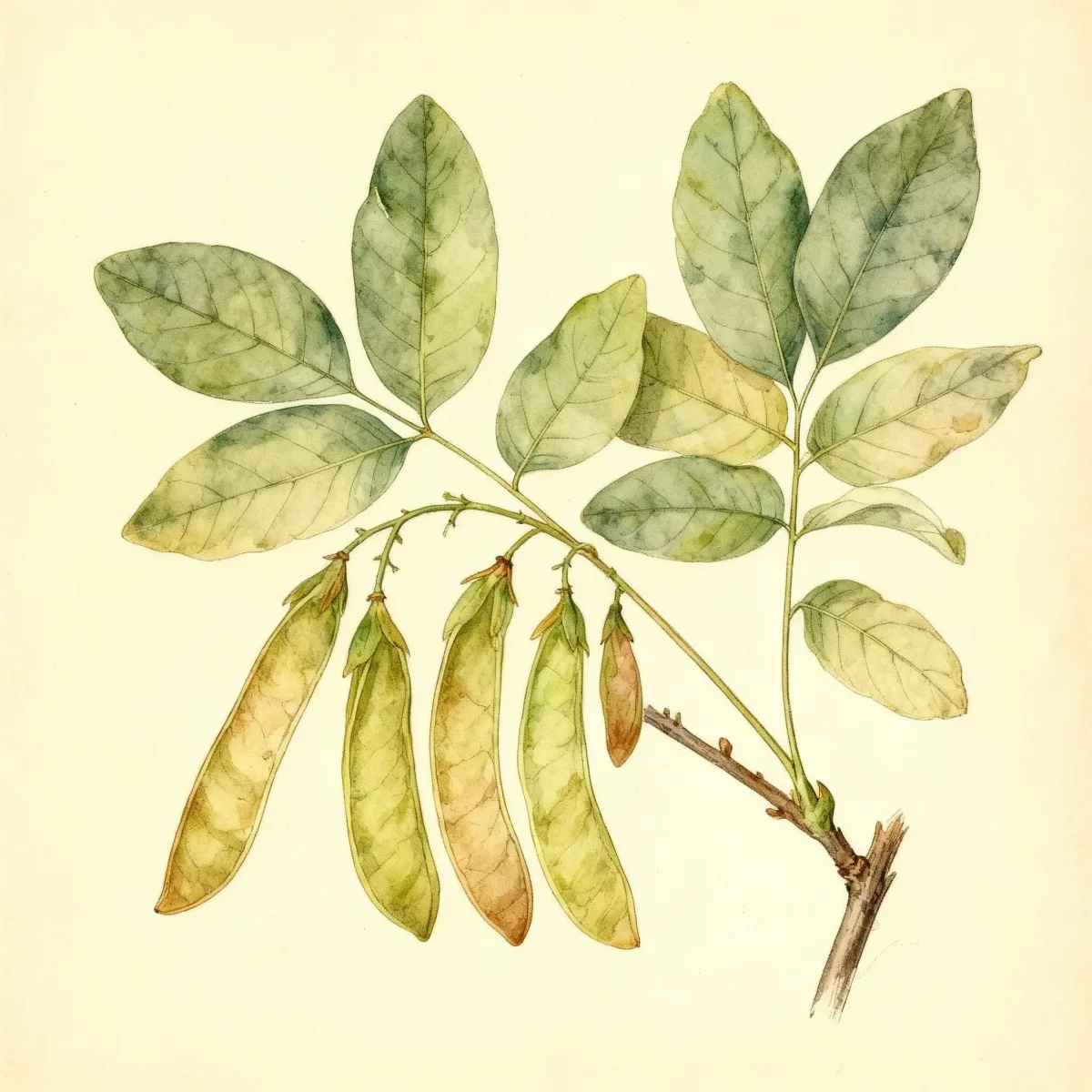
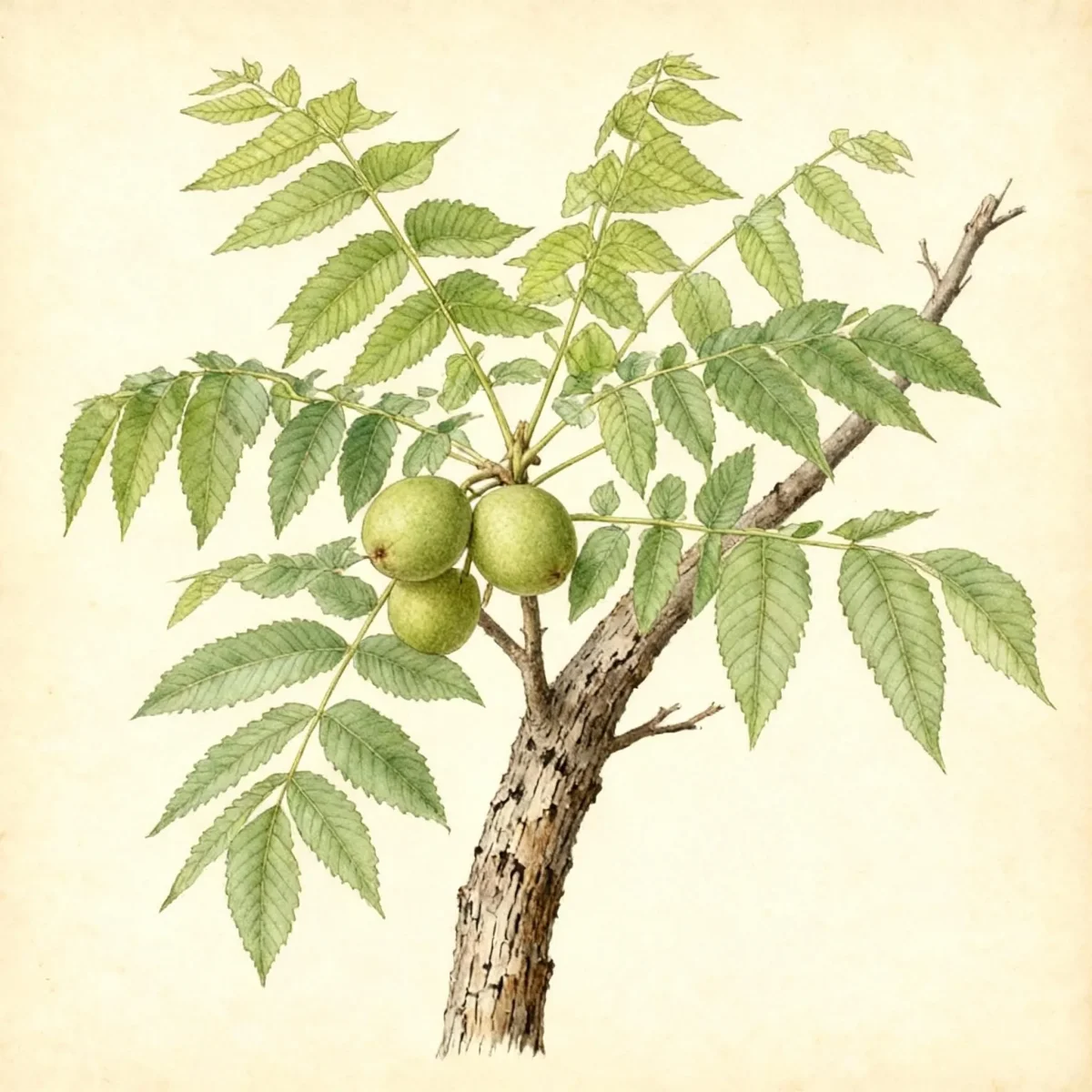
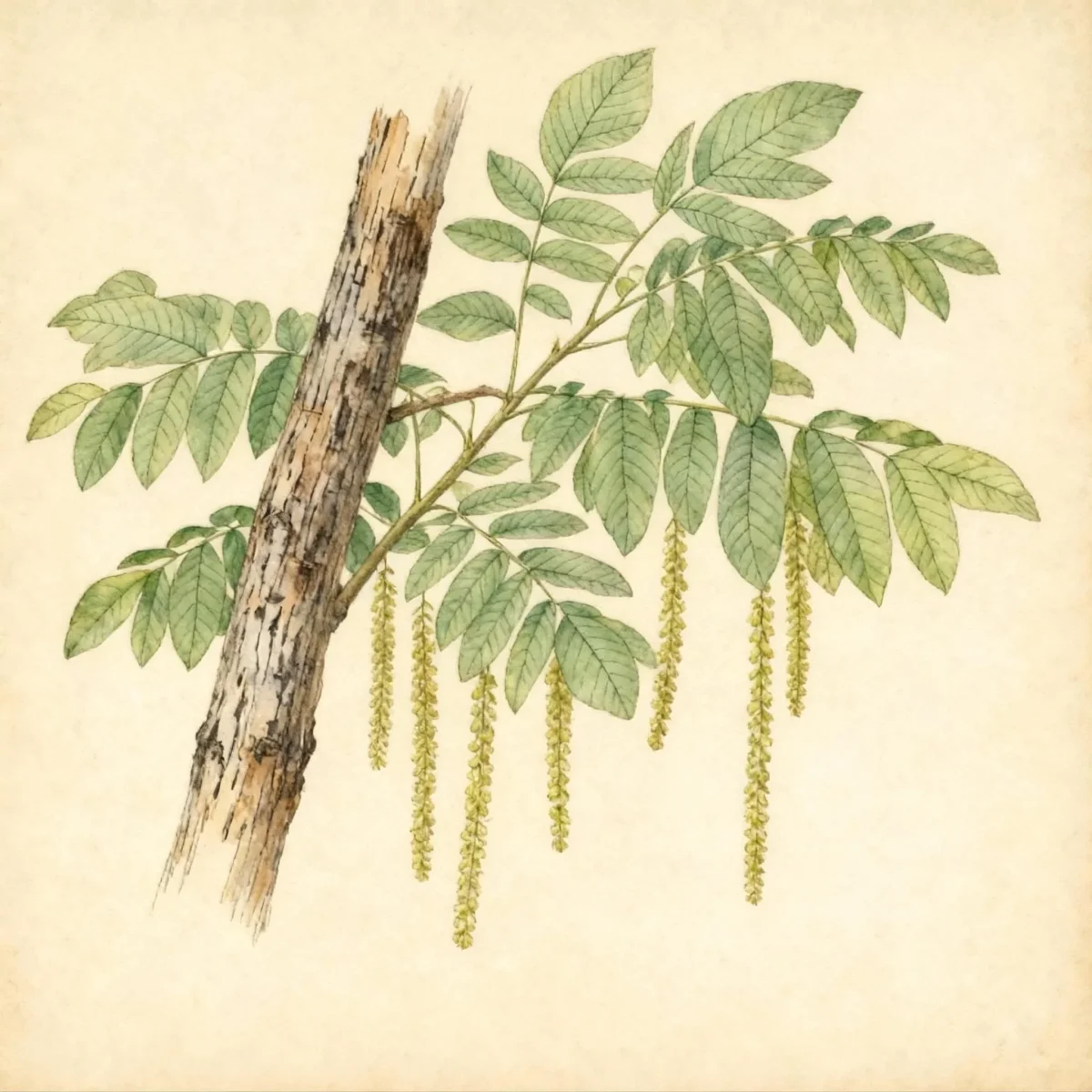
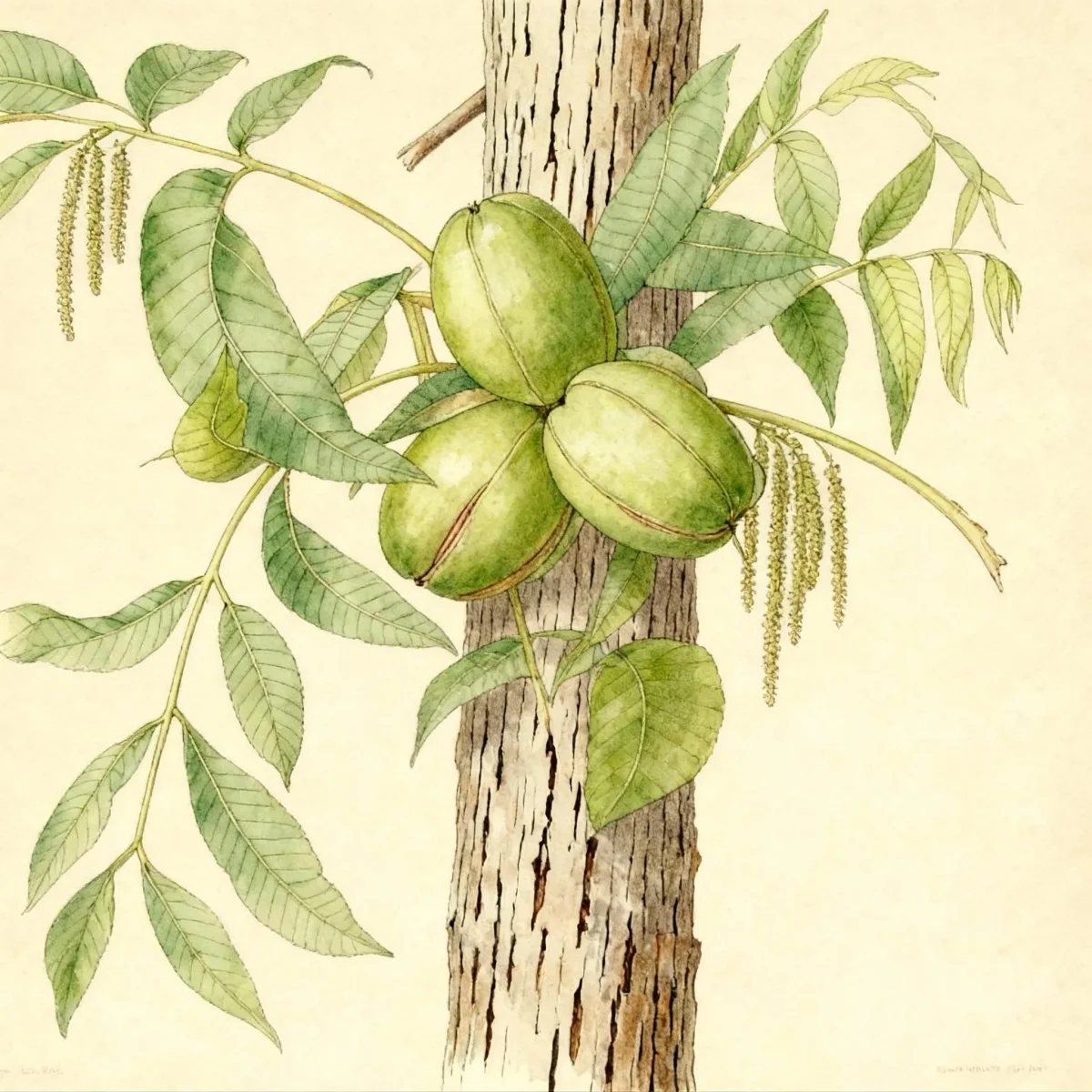
Carya illinoinensis, commonly called hardy pecan, is a large deciduous lowland tree that is the largest of the hickories, typically growing 75-100 feet tall with a large rounded spreading crown. It is native to the Mississippi River valley and features medium green, odd-pinnate, compound leaves with 9-17 pointed leaflets. The distinctive sweet, edible nuts are encased in a husk that splits open in four sections when ripe in the fall, providing a valuable harvest.
Tolerances
- Black Walnut
Potential Problems
Pecans are susceptible to various pests and diseases, requiring vigilance from the grower. Pecan scab is cited as the most economically damaging disease; however, anthracnose, leaf spots, and powdery mildew also pose threats, making the selection of scab-resistant cultivars a sound strategy for long-term health. Managing these issues prevents serious yield or aesthetic decline.
Key insect pests include pecan weevils, pecan phylloxera, pecan nut casebearer, hickory shuckworm, and nut curculio, which can severely impact nut quality and quantity, particularly in the lower Midwest. Furthermore, various borers and fall webworms can occasionally become problematic. Good cultural practices, such as ensuring proper site drainage and managing vigor, help the hardy pecan resist secondary infestations.
Frequently Asked Questions
What hardiness zones is Hardy pecan suitable for?
The Hardy pecan (Carya illinoinensis) is suitable for USDA Hardiness Zones 5 through 9.
How large does Hardy pecan grow?
This tree is impressive, typically reaching heights between 75 and 100 feet, with a broad spread ranging from 40 to 70 feet at maturity.
What sun exposure does Carya illinoinensis need?
Carya illinoinensis requires ample light and must be grown in full sun to thrive and produce a healthy crop.
When does Hardy pecan bloom?
The non-showy, greenish-yellow flowers of the hardy pecan appear relatively late, usually between April and May.
Conclusion
The Carya illinoinensis, or hardy pecan, offers gardeners a truly massive shade canopy complemented by an important edible nut crop, making it a valuable, long-term investment for large landscapes. While requiring patience for maturity and specific conditions like full sun and rich soil, the rewards are substantial. Before planting, carefully assess your available space and confirm that your region falls within USDA Zones 5-9 to ensure the best viability for this impressive hickory specimen.
Companion Planting
When establishing a large shade tree like Carya illinoinensis, selecting appropriate companions is key, especially considering its deep root structure and broad canopy once mature. Choose understory plantings that appreciate dappled or filtered light, as the dense canopy of the hardy pecan will eventually shade out much of the ground beneath it. Good options include shade-tolerant, less competitive shrubs or groundcovers that do not require aggressive surface root access for water.
Consider plants that benefit from its cooling shade during the height of summer, such as certain hostas, ferns, or shade-loving woodland perennials along the dripline. Avoid shallow-rooted vegetables or turf varieties that require intense, direct sunlight, as these will struggle against the competition from the massive pecan roots seeking moisture and nutrients.
Seasonal Care Calendar
Spring is the time to prepare your Carya illinoinensis for the growing season by monitoring for early pest activity, such as pecan phylloxera, and applying dormant oils if necessary before bud break. This is also the ideal time for any necessary structural pruning, focusing on removing crossing or weak limbs while the tree is still mostly dormant.
Summer care centers on water management, particularly for younger, establishing trees. Although mature pecans tolerate dry spells, sustained drought can stress the tree and impact nut development, so supplemental deep watering is vital during peak heat. Monitor foliage closely for discoloration which might signal fungal issues like scab, prompting fungicide application if needed. Fall is when the nuts mature; ensure husks are splitting cleanly. In late autumn, clear fallen debris promptly to reduce overwintering sites for pests and fungal spores before the ground freezes.