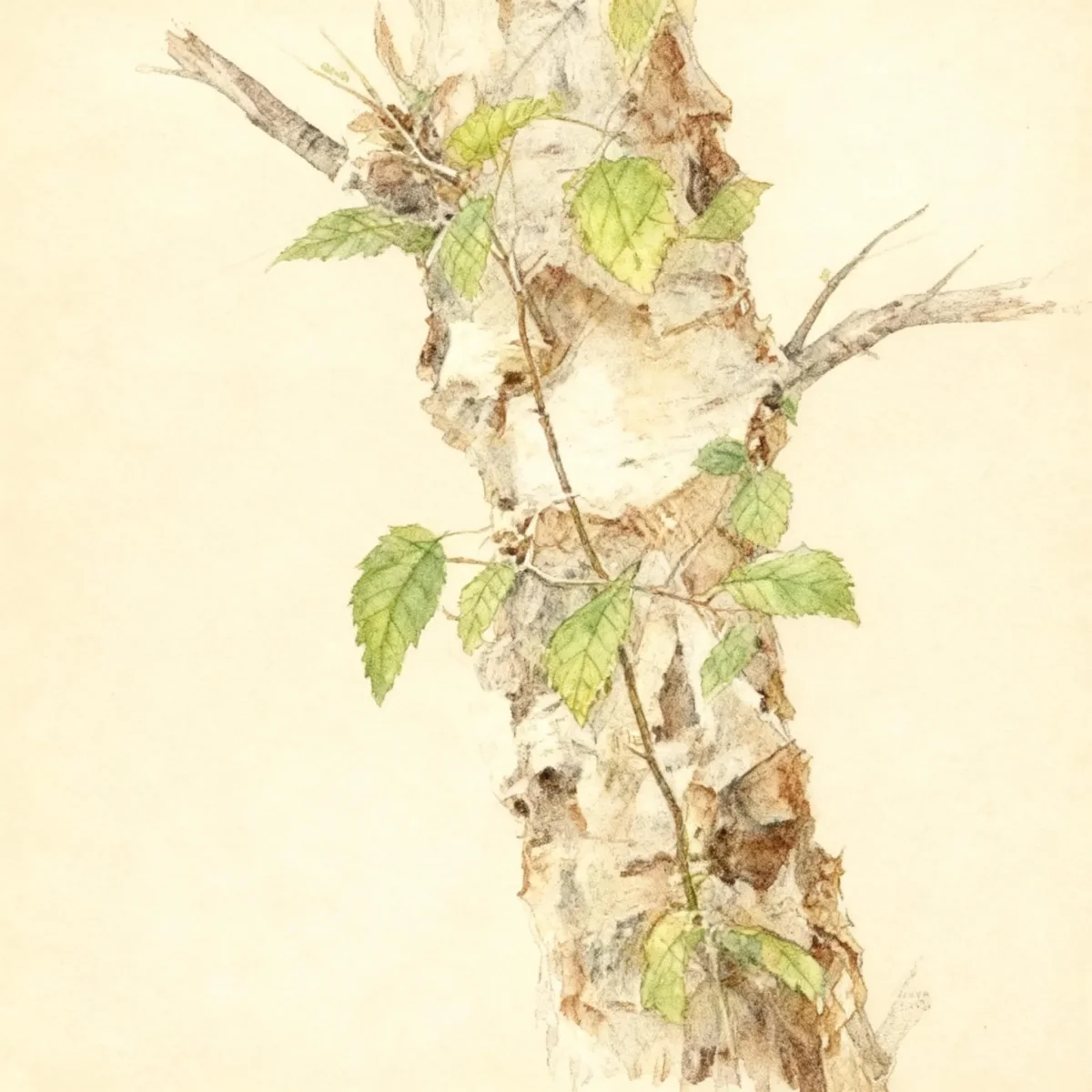
Shellbark hickory (Carya laciniosa)
Carya laciniosa, the Shellbark hickory, is a massive native deciduous tree offering exceptional shade and large edible nuts.
Scroll down to discover growing tips, care requirements, companion plants, and more
Complete Plant Information
Overview
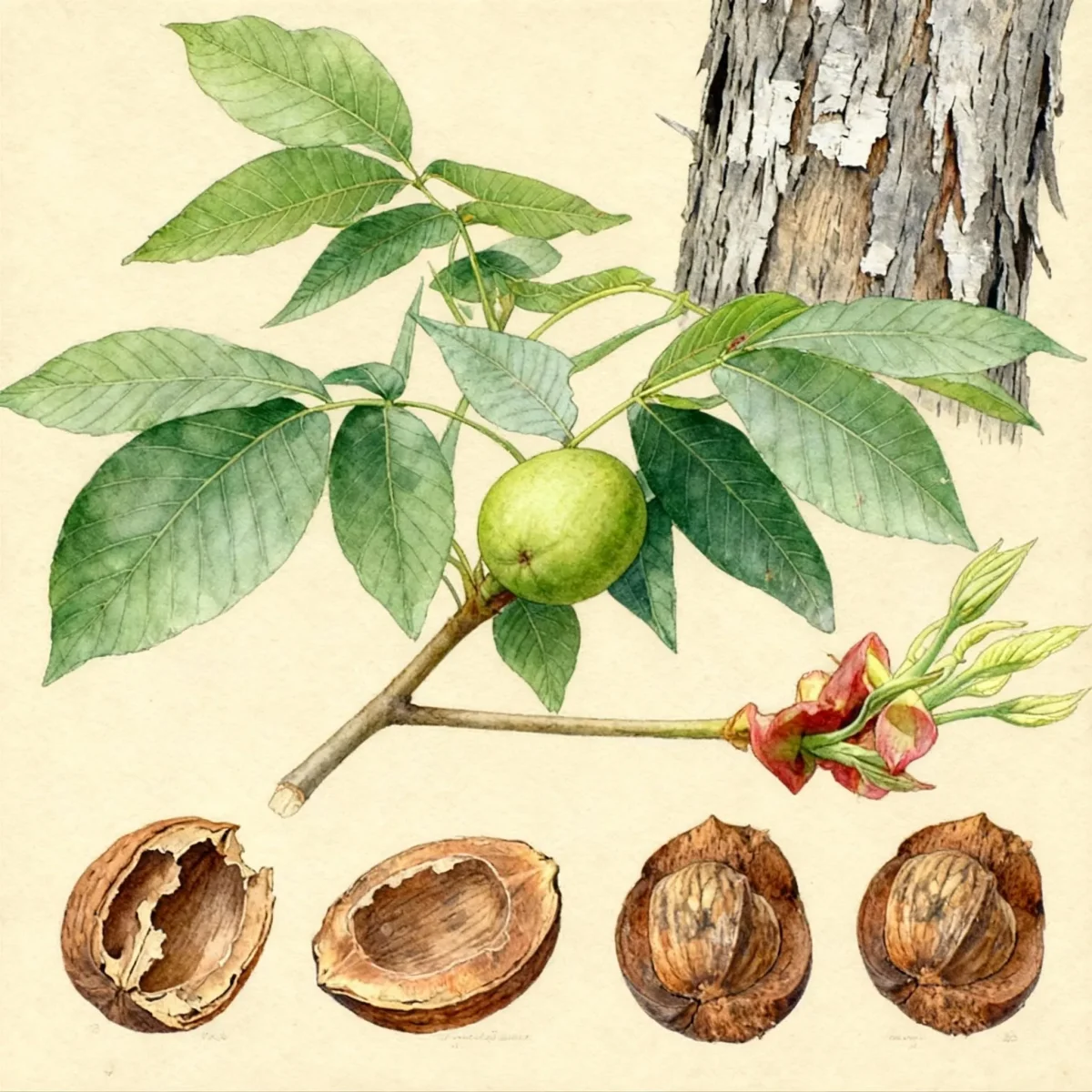
The Shellbark hickory, scientifically known as Carya laciniosa, is a choice native selection for gardeners needing immense scale and dependable longevity. As a large deciduous lowland tree native to eastern and central North America, it provides majestic structure and significant edible returns via its substantial nuts—often called Kingnuts. This species thrives in moist environments, mimicking its preference for bottomlands and floodplains in its native habitat.
While Carya laciniosa is low maintenance once established, prospective gardeners must plan for its massive ultimate size and challenging early establishment due to its deep taproot. It offers excellent aesthetic value with its exfoliating bark structure, making the Shellbark hickory a standout specimen tree on large properties where space is not a limiting factor.
Fast Facts
- Plant Family: Juglandaceae
- Plant Type: Tree
- Native Range: Eastern and central North America
- Hardiness Zones: USDA Zones 5-8
- Size at Maturity:
- Height: 60-80 ft
- Spread: 40-60 ft
- Bloom Time: April to May
- Bloom Description: Greenish-yellow
- Sun Exposure: Full sun to part shade
- Water Needs: Medium to wet
- Maintenance Level: Low
How to Grow
The best time to establish Carya laciniosa is when the tree is very young, as it develops a deep taproot that makes it difficult to transplant successfully when mature. Select a location offering humusy, rich, and consistently medium to wet soils. Although it tolerates part shade, full sun exposure will result in the healthiest growth and best nut production for this hickory.
Because this tree naturally occurs in areas that are periodically flooded, ensure chosen planting sites do not dry out excessively during establishment. Watering should be medium to wet, mimicking natural stream bank conditions. Pruning should be minimal, focusing only on removing crossing or damaged limbs, ideally when the tree is dormant.
Cross-pollination is highly recommended to achieve a more abundant crop of the highest quality nuts. If planting more than one Shellbark hickory, ensure sufficient distance to facilitate pollination between individuals. Remember that this tree requires a very large space to accommodate its expansive spread and ultimate size.
Landscape Uses
The primary recommended use for the Shellbark hickory is as a tall ornamental shade tree, making it perfect for expansive estates, parks, or large rural acreage. Its towering presence and broad crown offer unparalleled cooling benefits during summer months beneath its canopy. Due to its eventual size, it should never be sited near structures, overhead utilities, or septic fields.
Do not attempt to plant this species in small suburban yards or containers; its massive root system demands open ground. Companion planting should focus on other large, deep-rooted native trees suited to moist, rich soils, such as certain oaks or river birches, while ensuring adequate space is maintained between all specimens. Nursery availability can be limited, so sourcing stock requires planning.
Standout Features
Flower Qualities
- Showy
Fruit Qualities
- Showy
- Edible
Noteworthy Characteristics
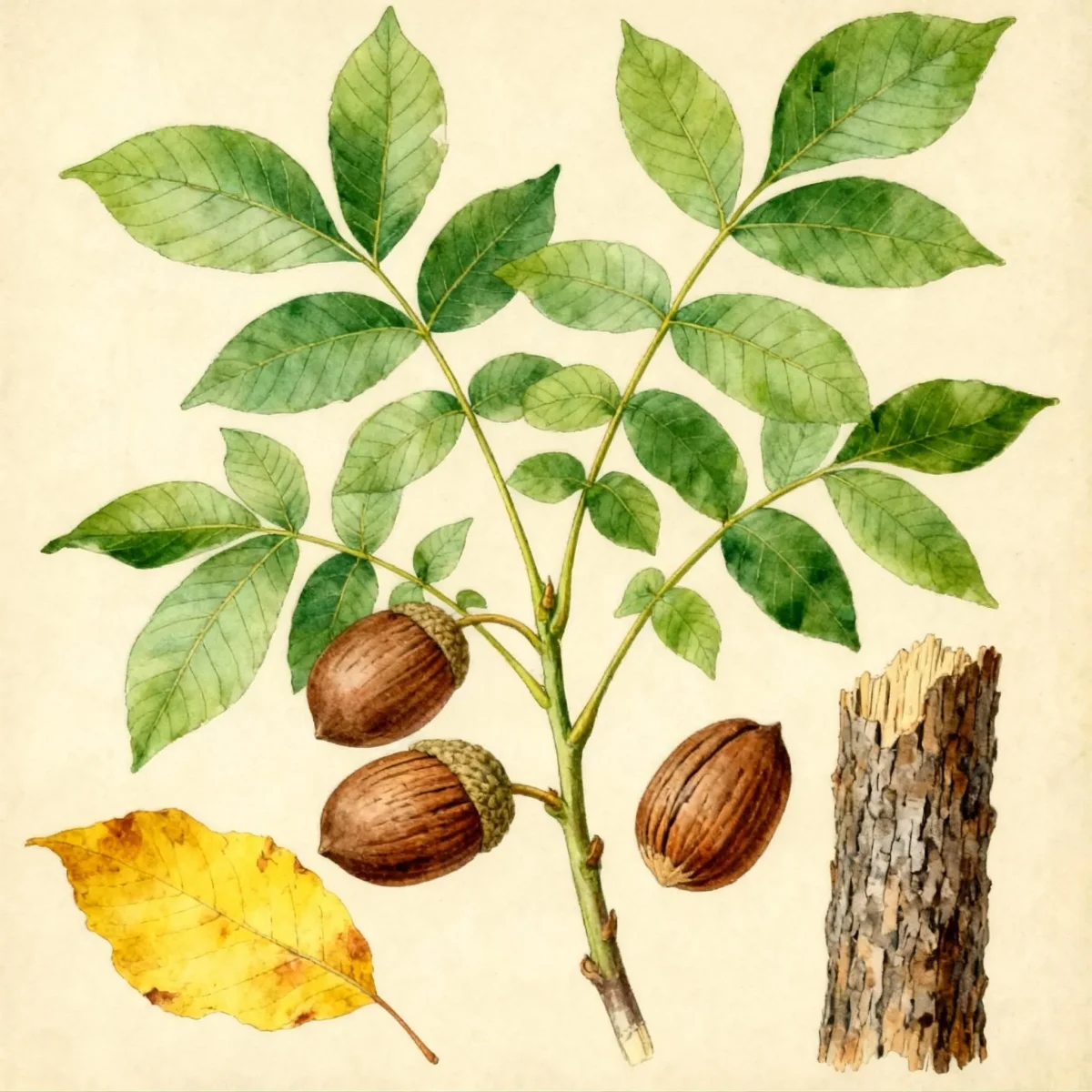
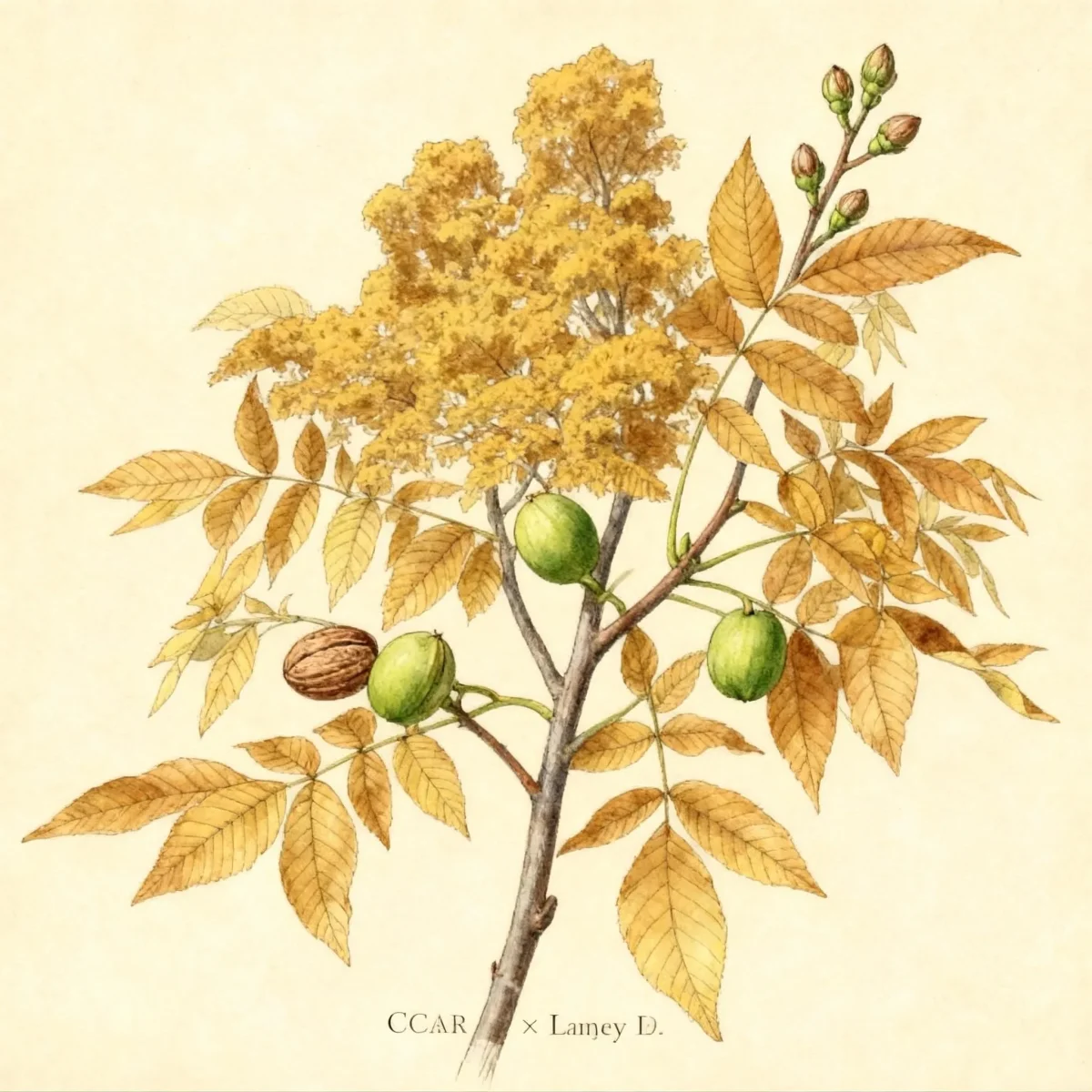
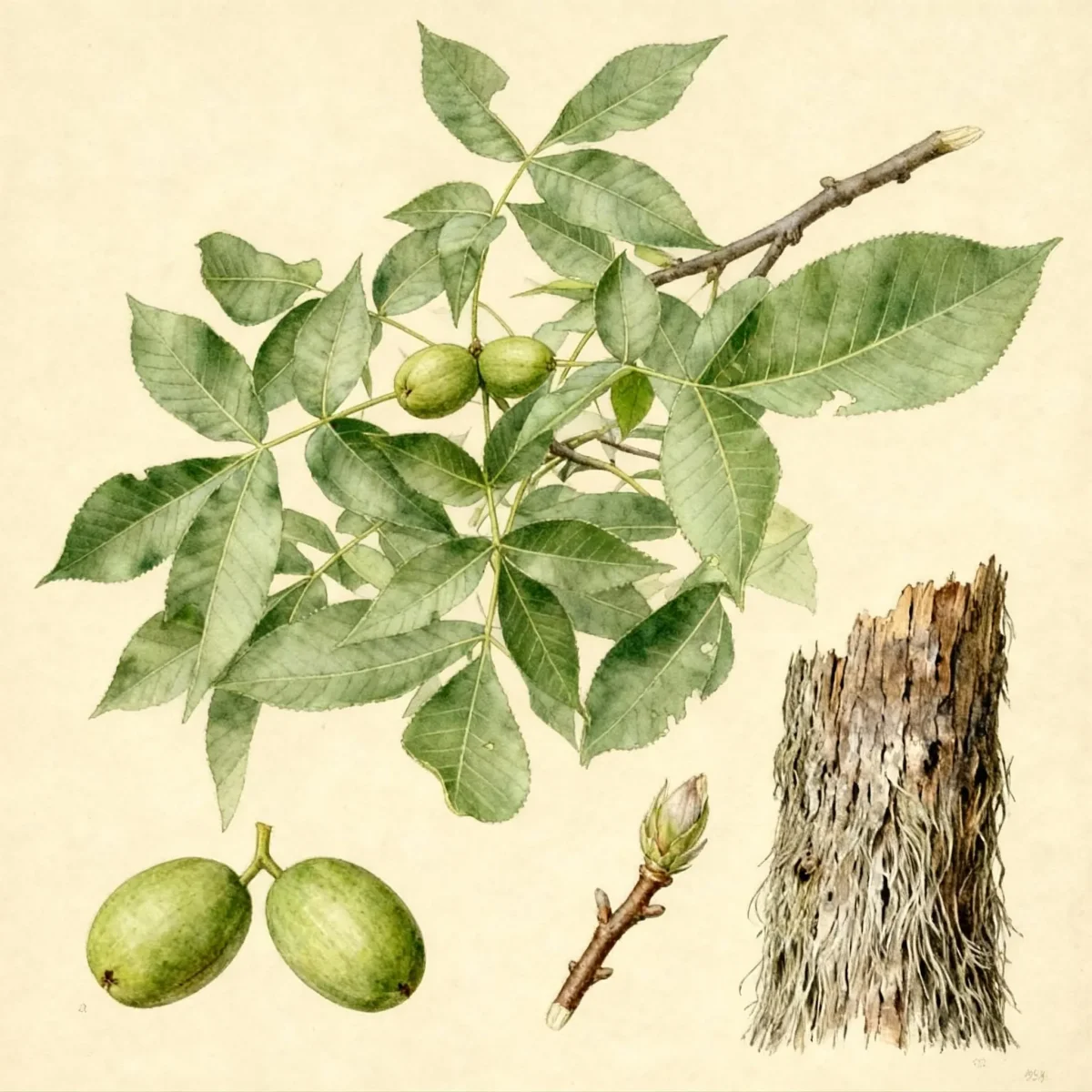
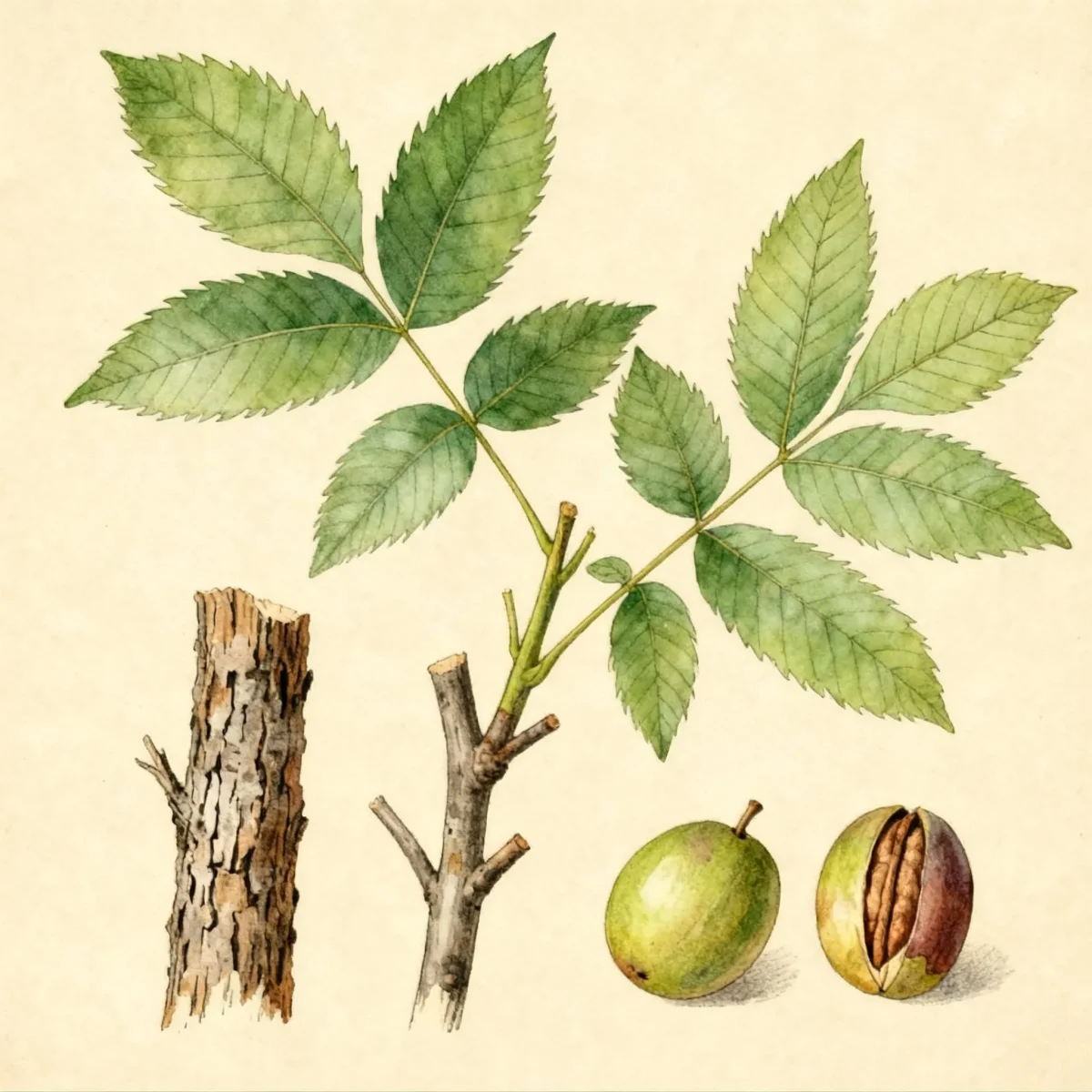
Carya laciniosa, commonly called shellbark hickory, is a large deciduous lowland tree that is native from New York to Iowa south to Tennessee and Oklahoma. It typically grows 60-80’ tall with a narrow rounded crown, featuring odd-pinnate compound leaves with seven leaflets, and its bark exfoliates in long strips with age. A key identifier is the edible nut encased in a very thick husk that splits open in four sections when ripe, making the shellbark nuts the largest of the hickories.
Tolerances
- Black Walnut
Potential Problems
The Shellbark hickory can occasionally face challenges from common hickory pests, including the hickory bark beetle, pecan weevil, general borers, and the twig girdler in certain areas of its range. Occasional diseases such as white heart rot, anthracnose, leaf blotch, and powdery mildew may also appear, though overall maintenance remains low. To minimize pest issues, maintain ideal soil moisture and avoid stressing the tree, as stressed trees are more susceptible to boring insects. Residents should be aware that large, mature trees will produce considerable natural litter from fallen twigs, leaves, and nuts in the fall.
Frequently Asked Questions
What hardiness zones is Shellbark hickory suitable for?
The Shellbark hickory is suitable for USDA Hardiness Zones 5 through 8.
How large does Carya laciniosa grow?
This substantial tree typically reaches heights between 60 and 80 feet, with a mature spread ranging from 40 to 60 feet wide.
What sun exposure does Carya laciniosa need?
Carya laciniosa prefers a planting location that receives full sun to partial shade for optimal health.
When does Shellbark hickory bloom?
Flowering occurs from April to May, producing inconspicuous greenish-yellow flowers.
Conclusion
The Carya laciniosa, or Shellbark hickory, stands out as a magnificent specimen for long-term landscape planning, rewarding patient gardeners with massive size and prized edible nuts. Its adaptation to medium to wet soils makes it a unique choice for filling low spots where other large trees might struggle. Before planting, ensure your property offers the vast acreage required and confirm your location falls within USDA Zones 5-8.
Wildlife Benefits
The nuts produced by the Shellbark hickory are a valuable food source highly attractive to a variety of wildlife, including squirrels, deer, and various bird species. Providing habitat and sustenance makes this tree an excellent choice for ecological landscaping or areas managed for wildlife viewing. The rough, exfoliating bark also offers excellent shelter and nesting opportunities for insects and smaller creatures throughout the year.
Propagation Tips
Propagation of Carya laciniosa is primarily accomplished via seed collected in the fall immediately after harvesting the edible nuts. Due to the deep taproot structure mentioned in its culture notes, direct sowing is the preferred method, although stratification is generally required for successful germination. Starting seeds indoors requires careful handling and planning to accommodate the developing root system before transplanting the seedling into its permanent, spacious location.