Hickory (Carya × laneyi)
Carya × laneyi, Laney's hickory, is a valuable deciduous shade tree offering edible nuts and low maintenance in zones 4-8.
Scroll down to discover growing tips, care requirements, companion plants, and more
Complete Plant Information
Overview
Carya × laneyi, often referred to as Laney’s hickory, is a significant, naturally occurring hybrid hickory formed between the Shagbark and Bitternut hickories. This deciduous tree offers substantial vertical structure, reaching heights between 40 and 60 feet, making it a powerful addition to larger landscapes requiring scale. Gardeners value this Hickory for its robust nature, adaptable hardiness, and the quiet beauty of its seasonal foliage transition to yellow in autumn.
As a hybrid, Carya × laneyi inherits strong characteristics from its parents, presenting a moderately fast-growing tree that develops into a spreading specimen ideal for broad shade coverage. While perhaps less common commercially than pure species, its low maintenance level combined with the production of edible nuts adds considerable functional value to properties where it can be successfully established.
Proper placement is vital, as this Hickory tree prefers consistent moisture and thrives best when bathed in full or near-full sunlight, resenting heavy shade. Its inherent structure and eventual height mean that Carya × laneyi should be integrated thoughtfully into long-term landscape plans, providing lasting shade and ecological benefit.
Fast Facts
- Plant Family: Juglandaceae
- Plant Type: Tree
- Native Range: Canada, Northeastern United States
- Hardiness Zones: USDA Zones 4-8
- Size at Maturity:
- Height: 40-60 ft
- Spread: 30-50 ft
- Bloom Time: April to May
- Bloom Description: Green
- Sun Exposure: Full sun to part shade
- Water Needs: Medium
- Maintenance Level: Low
How to Grow
Establishment of Carya × laneyi is best achieved in the early spring or late fall when the tree is dormant. Success hinges on providing rich, moist, humusy, and extremely well-drained soil conditions, as the tree dislikes waterlogged roots. Due to its developing long taproot, this Hickory tree can be difficult to transplant once established, so selecting the final location carefully is paramount before planting.
Once settled, watering requirements are medium; aim for deep, infrequent irrigation, especially during the first few years, until the extensive root system develops. General maintenance is low for Carya × laneyi; fertilizing is usually unnecessary if the native soil is rich. Pruning, if required, should focus on removing crossing or damaged limbs, typically done during dormancy.
For winter preparation, ensure the tree receives adequate water leading into the cold season, especially if the area has experienced dry late falls. Spring cleanup involves managing the considerable leaf and fruit litter that this large deciduous tree naturally drops, a worthwhile trade-off for the benefits it provides. Focus on maximizing sun exposure, as performance declines significantly in heavily shaded spots.
Landscape Uses
The primary recommendation for this stately Hickory is its use as a specimen Shade Tree. Its dense canopy, supported by a strong branch structure, is perfect for cooling open lawns, providing shelter over patios, or anchoring large borders in estates or park settings. Because of its imposing mature size, Carya × laneyi requires significant clearance from structures and overhead utility lines.
When planning companion plants, select species that share the need for rich, well-drained soil and tolerate dappled light, as the tree will eventually cast deep shade. Avoid planting shallow-rooted competitors too close to the base. This tree works well integrated into native woodland edge designs or as a dominant, long-lived centerpiece.
Finding Carya × laneyi in commerce can sometimes prove challenging; therefore, gardeners seeking its desirable traits should plan ahead. It functions best where vertical space is abundant, acting as a reliable, long-term visual screen and providing autumnal interest.
Standout Features
Flower Qualities
- Insignificant
Fruit Qualities
- Showy
- Edible
Noteworthy Characteristics
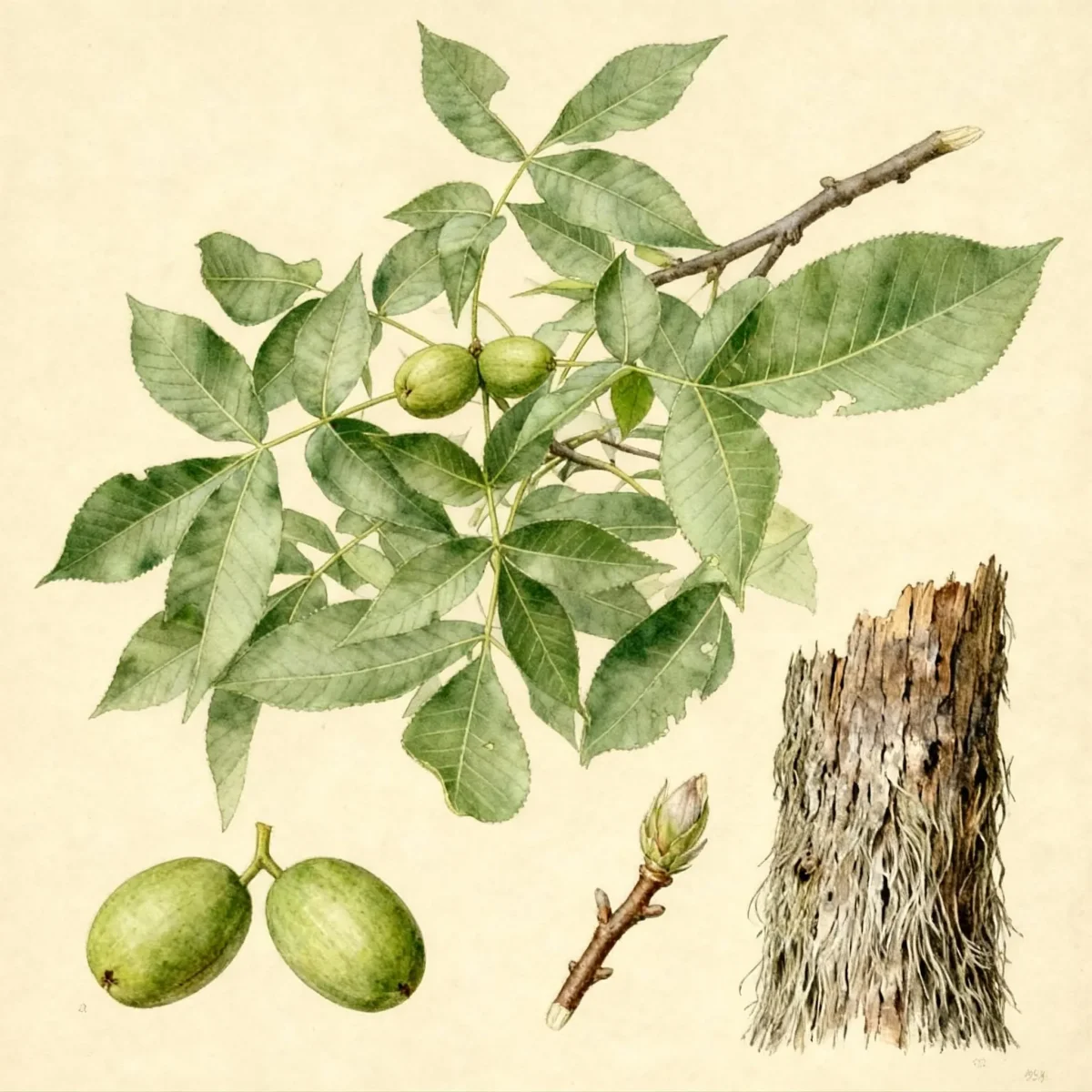
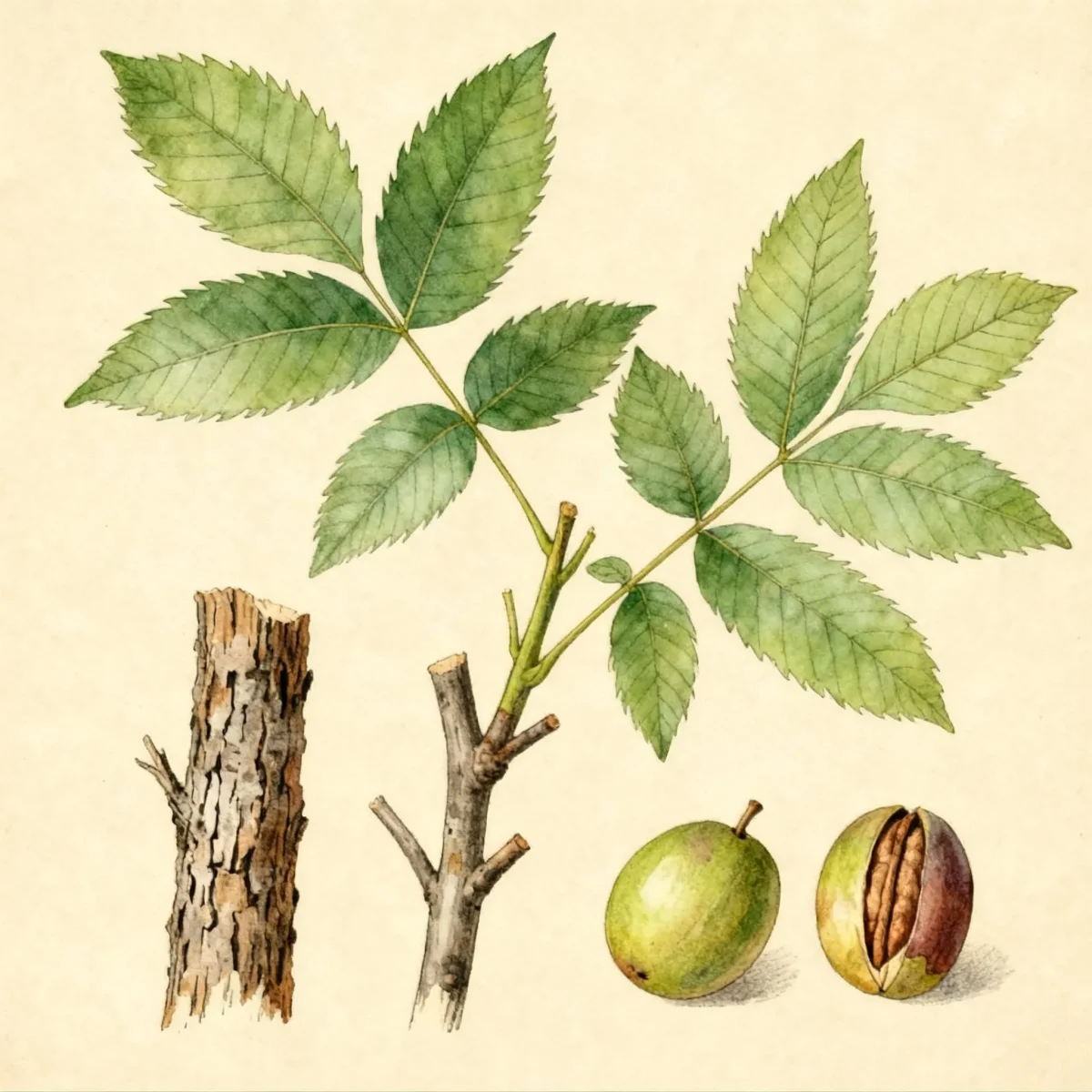
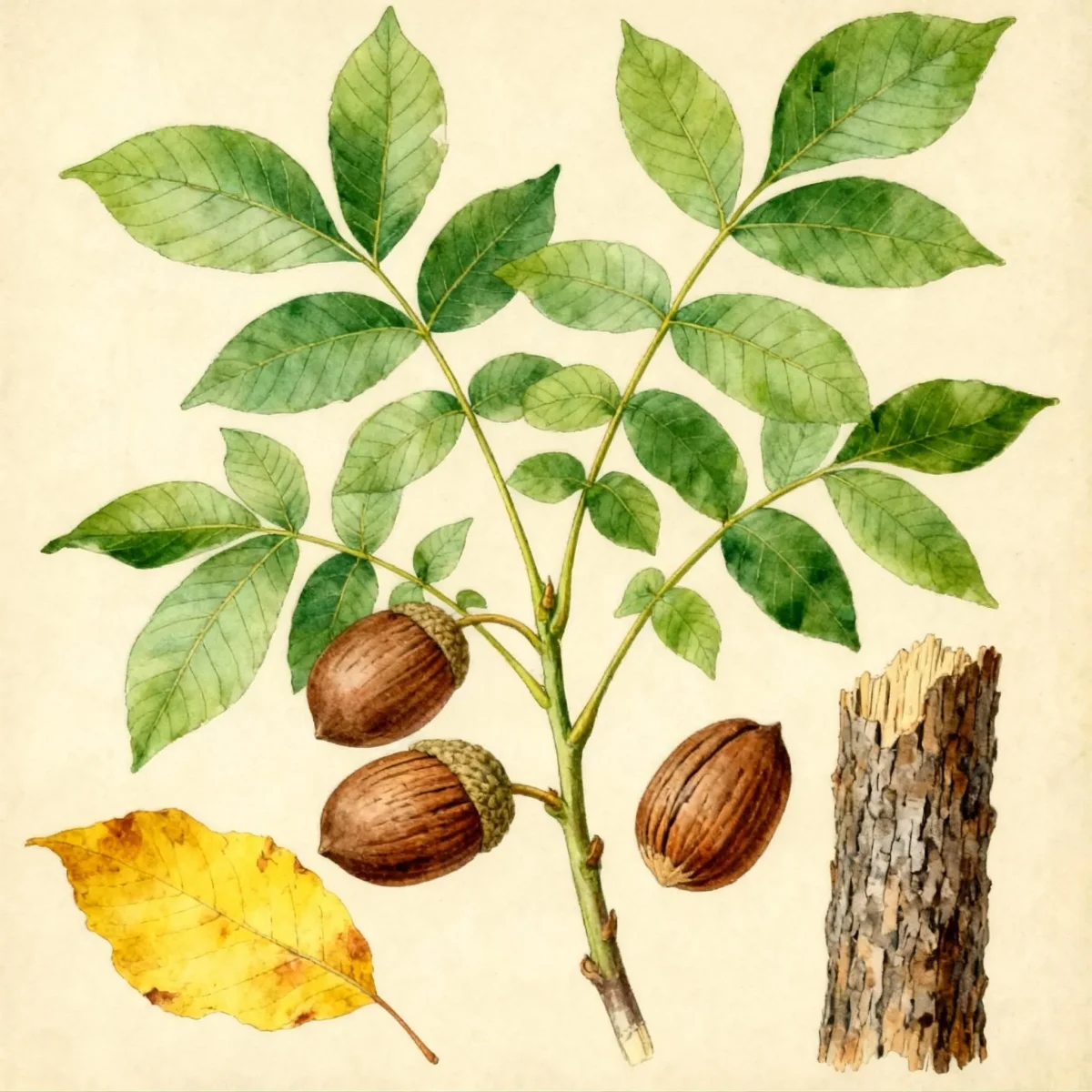
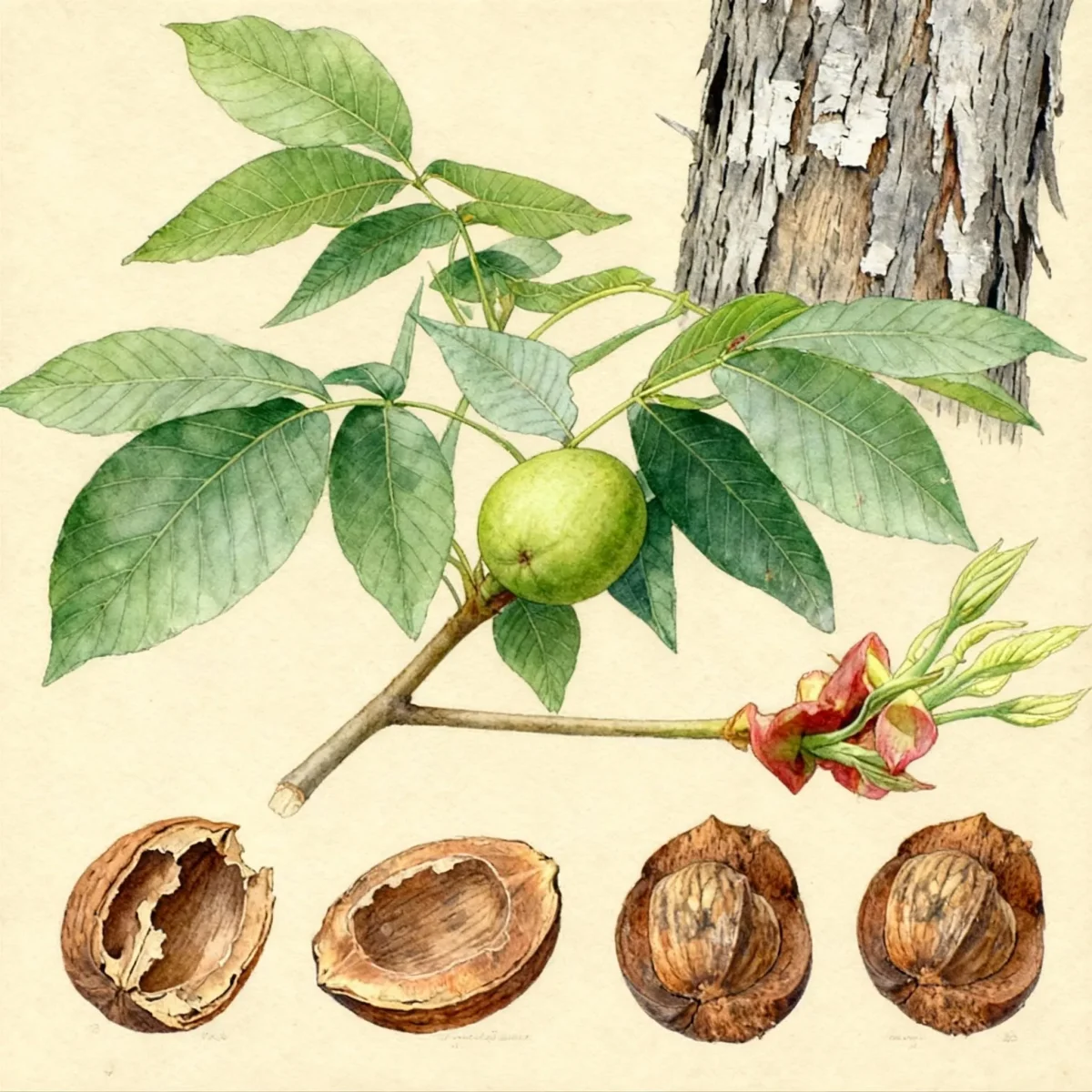
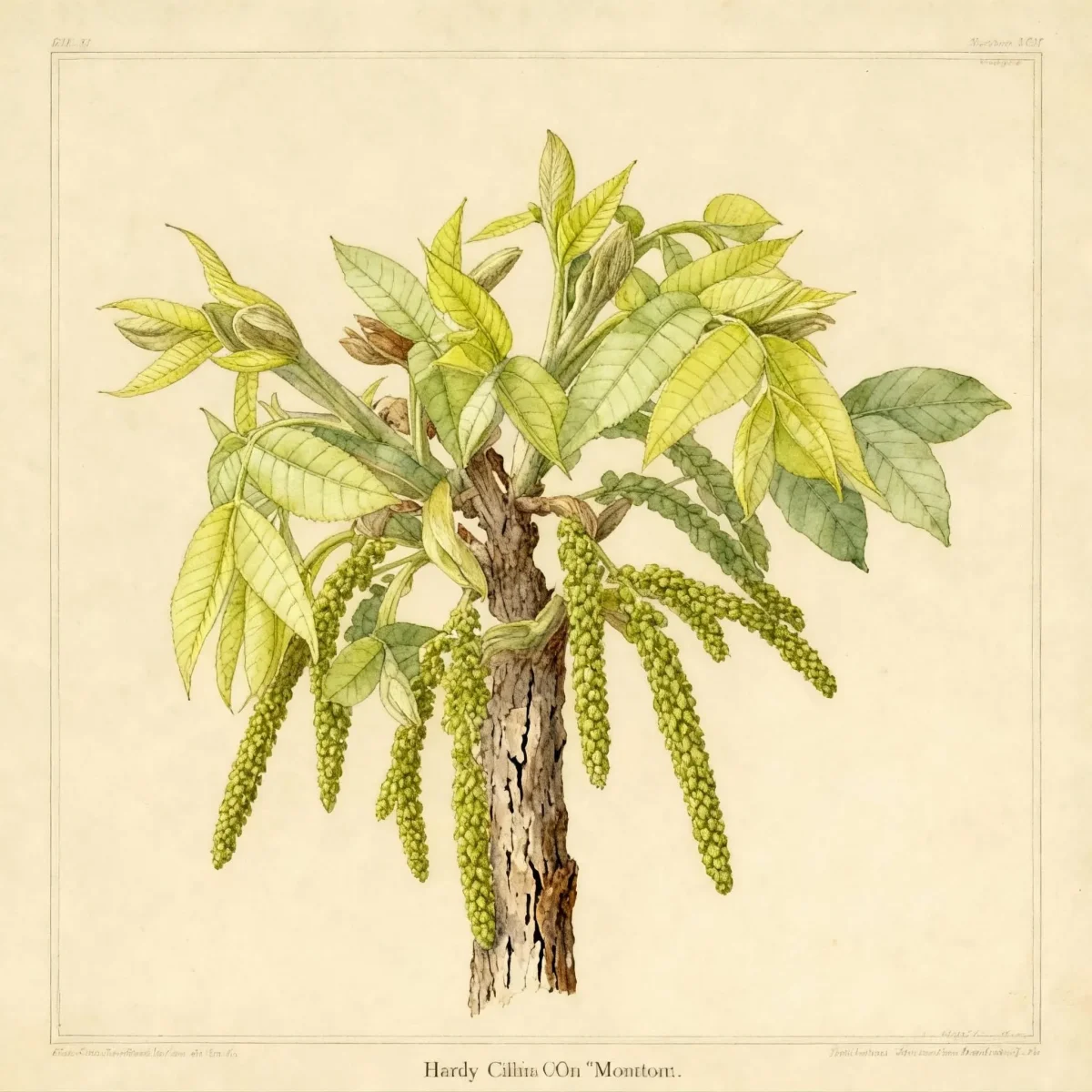
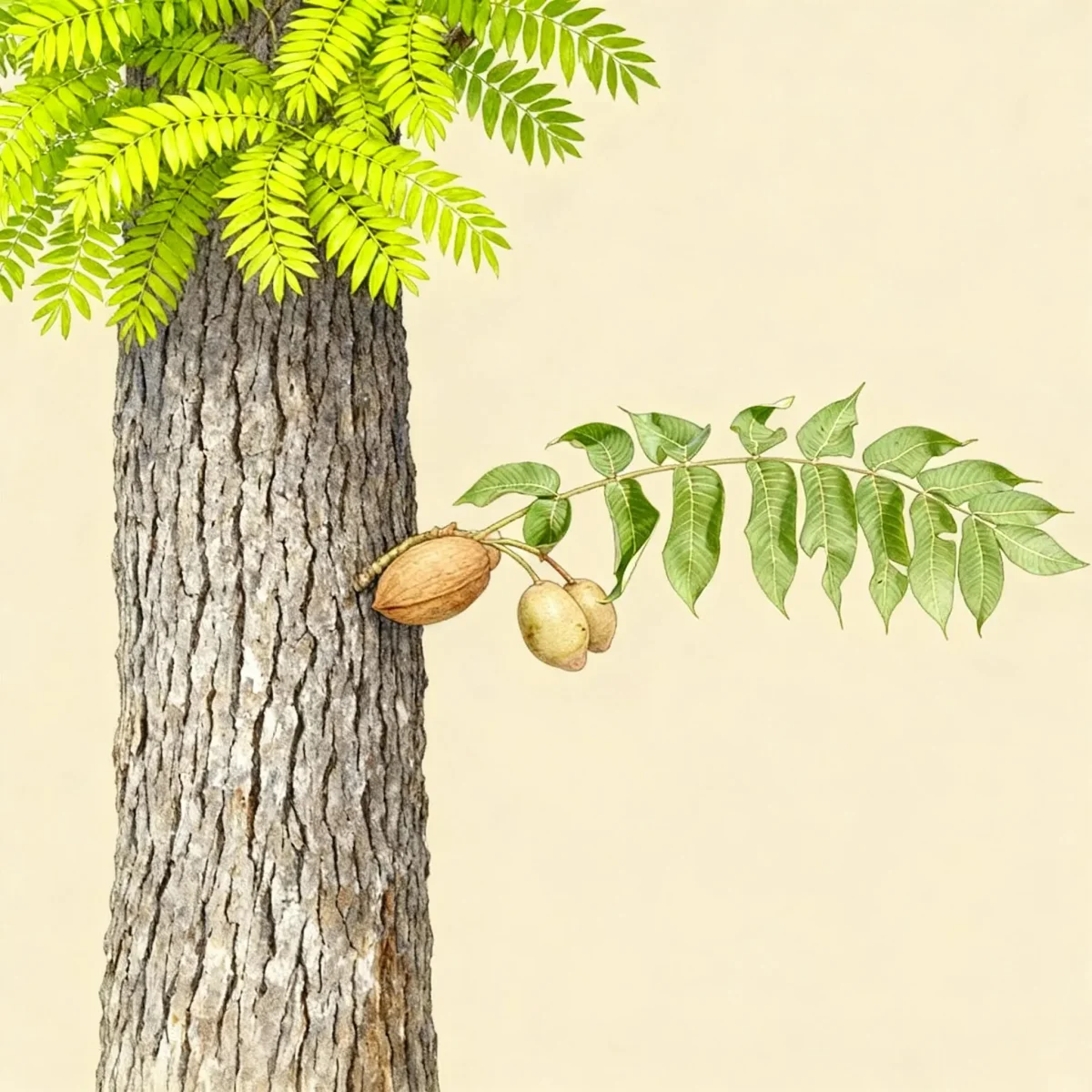
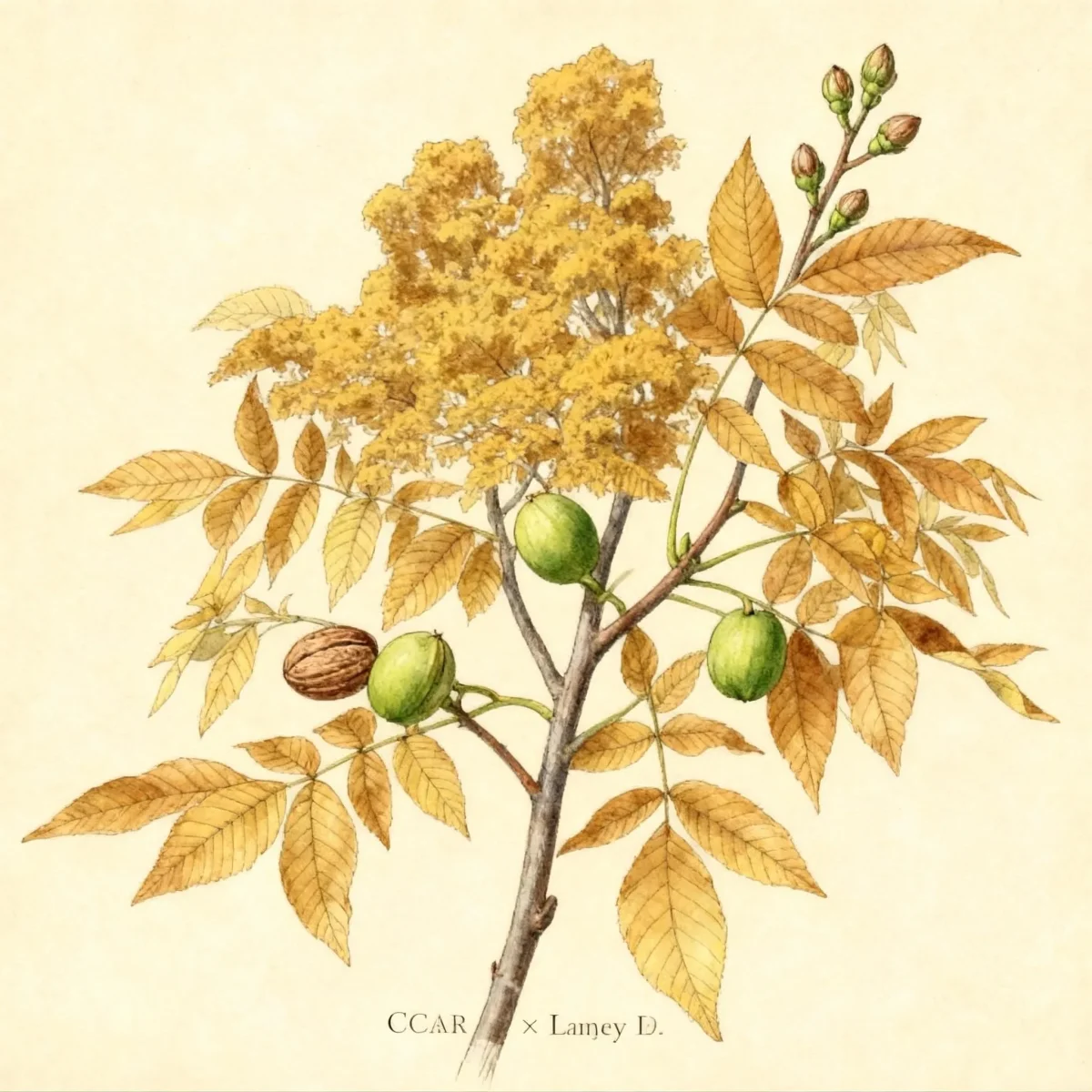
Carya × laneyi, sometimes commonly called Laney’s hickory, is a naturally occurring hybrid between C. Cordiformis (bitternut hickory) and C. Ovata (shagbark hickory). It is infrequently found in the wild in northeastern North America, growing into a deciduous tree reaching 40-60 feet tall with compound, odd-pinnate, light green leaves that turn yellow in the fall. The tree produces non-showy flowers followed by edible hickory nuts, encased in a husk that splits open when ripe, revealing thin-shelled, sweet-tasting kernels.
Tolerances
- Black Walnut
Potential Problems
The major concerns regarding the cultivation of this Hickory often involve pests and diseases that affect the larger Carya genus. Insects like the hickory bark beetle, pecan weevil, borers, and the twig girdler can pose significant threats depending on regional outbreaks. Management often requires monitoring and timely, specific insecticide application if infestation is suspected, though healthy, vigorously growing specimens are often more resilient.
Occasionally, fungal issues such as white heart rot, anthracnose, leaf blotch, powdery mildew, leaf spot, catkin blight, and crown gall may appear. Good air circulation and ensuring proper drainage help mitigate many of these diseases. Gardeners should be prepared for considerable natural litter, including fallen twigs, leaves, and ripe fruit (nuts), particularly as the tree matures.
Frequently Asked Questions
What hardiness zones is Hickory suitable for?
Carya × laneyi is suitable for USDA Zones 4 through 8.
How large does Hickory grow?
This tall tree typically reaches a mature height of 40 to 60 feet, with a spread between 30 and 50 feet.
What sun exposure does Hickory need?
Carya × laneyi requires full sun to part shade for optimal performance, and it generally does not tolerate deep shade well.
When does Hickory bloom?
The non-showy, green flowers of this Hickory bloom annually from April to May.
Conclusion
The Carya × laneyi Hickory offers a fantastic combination of low management needs, significant shade structure, and the bonus of producing edible nuts. This naturally occurring hybrid is a noble addition to any landscape capable of supporting its mature dimensions and specific soil requirements. Before planting, carefully assess your site to confirm USDA Zone compatibility and ensure abundant sunlight for the best expression of this robust North American native.
Design Ideas
This tree excels as a boundary marker or as a standalone feature in large garden rooms where its scale can be appreciated without overwhelming smaller plantings. Site Carya × laneyi where its fall color display of yellow foliage can be viewed against a darker backdrop, perhaps evergreen conifers, to maximize visual impact. Given its deep taproot, avoid installing near underground utilities that require future access or excavation.
When selecting companion plants for areas that receive dappled afternoon light beneath the canopy, consider shade-tolerant, moisture-loving natives that thrive in rich soils, such as certain ferns or woodland groundcovers. Avoid shallow-rooted turfgrass directly underneath the canopy, as the Hickory will compete intensely for surface moisture and nutrients once mature.
Companion Planting
Because Carya × laneyi prefers rich, humusy, well-drained soil and medium moisture, companion planting should focus on species sharing these cultural needs, especially those that can tolerate the substantial seasonal leaf litter. Consider understory trees or large shrubs like Witch Hazel (Hamamelis) or native dogwoods (Cornus) planted slightly outside the drip line, as these will benefit from the shelter provided by the towering Hickory.
Ground-level companions should be tolerant of root competition and occasional drought once the tree is established, though they must thrive initially in moist conditions. Native woodland ephemerals, which complete their lifecycle early in spring before the Hickory fully leafs out, are excellent choices, leveraging the early spring sun before the canopy closes for the summer.