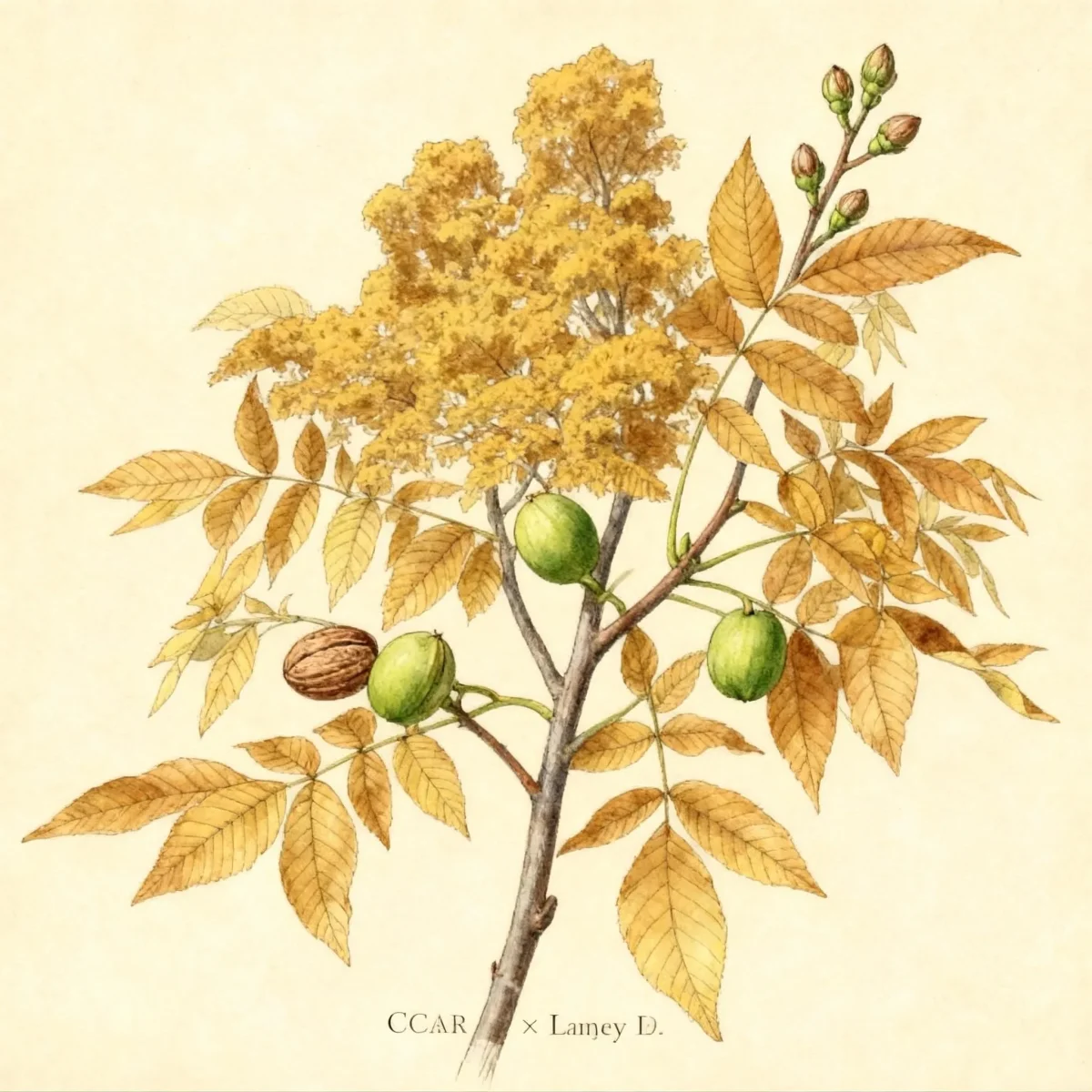
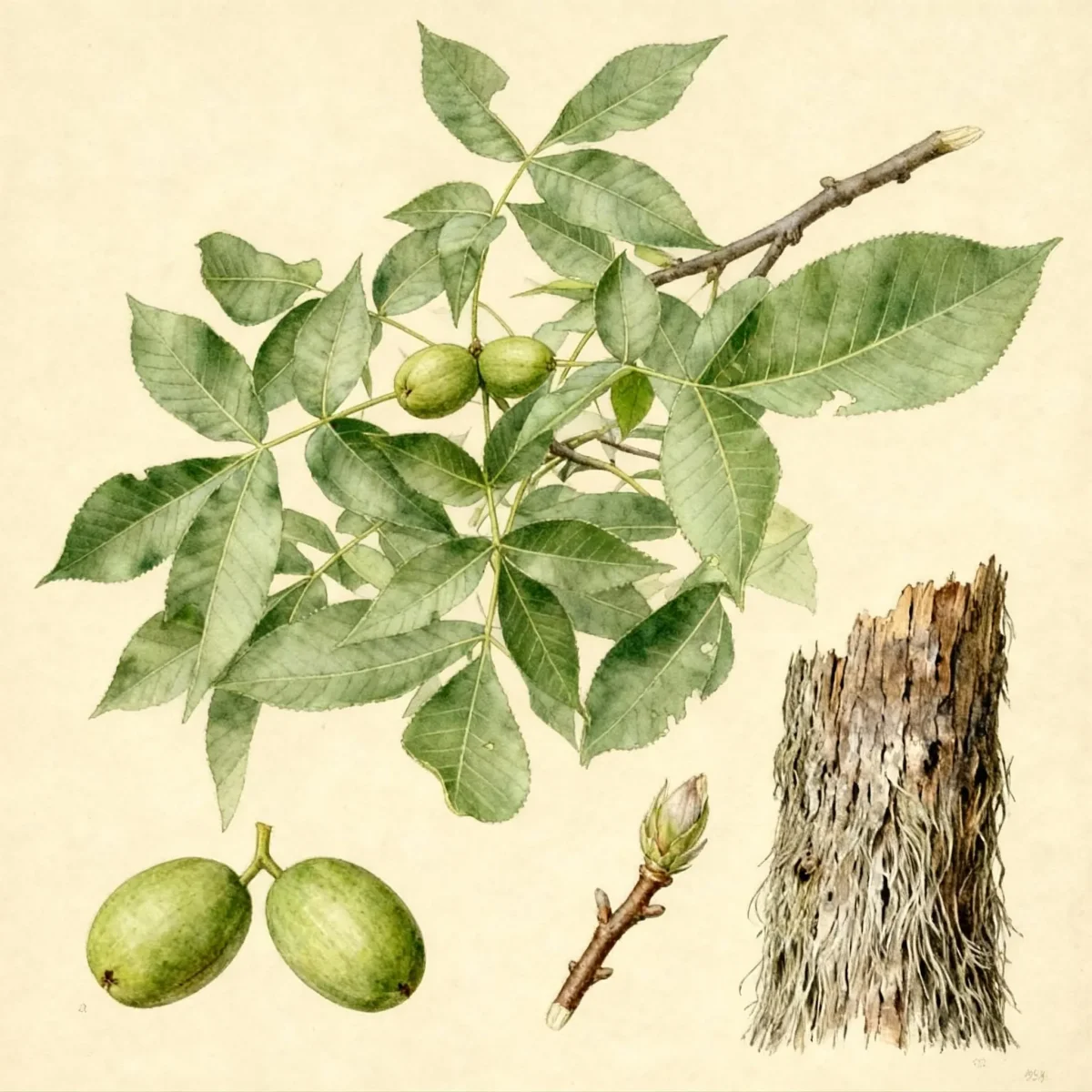
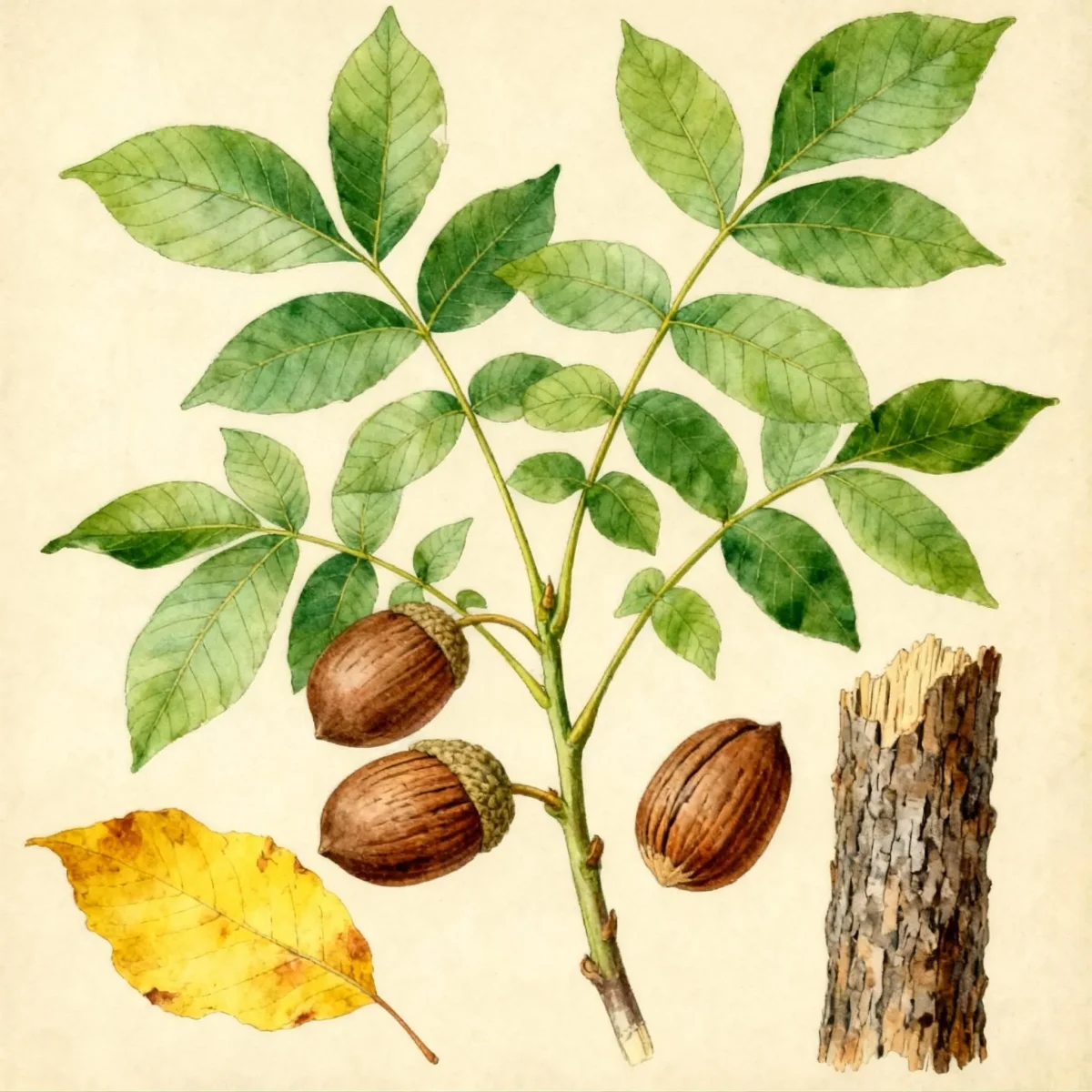
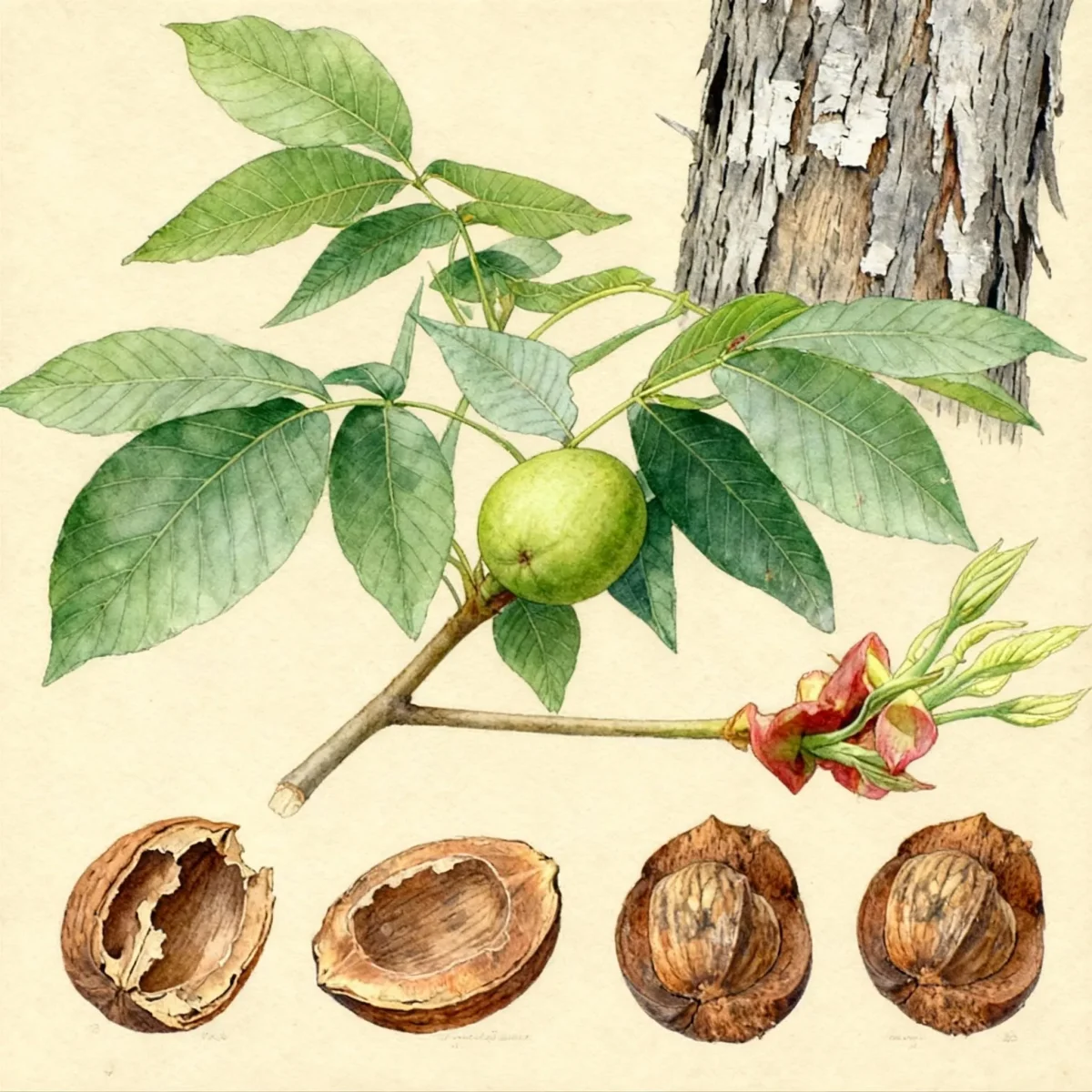
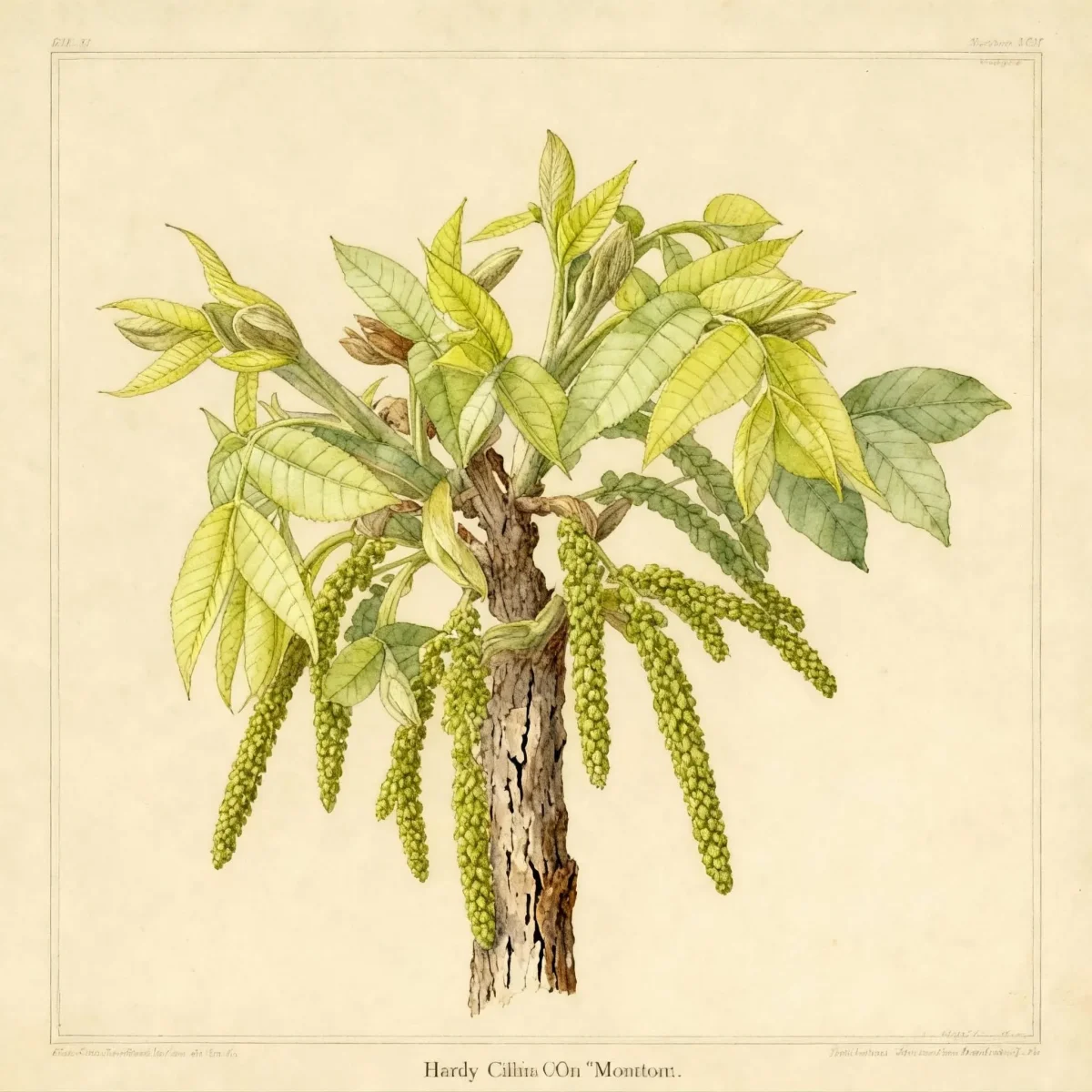
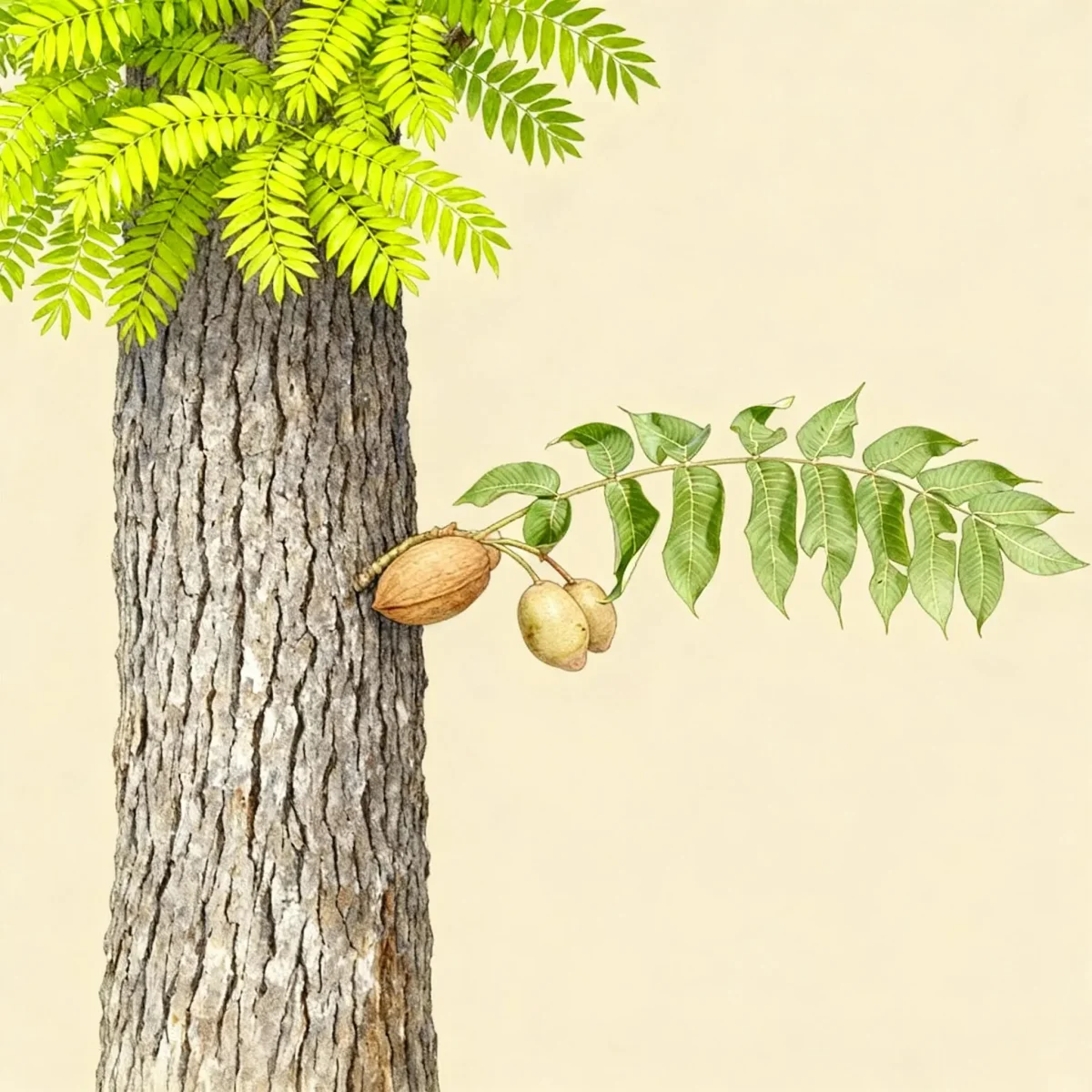
Mockernut (Carya tomentosa)
The stately Mockernut hickory (Carya tomentosa) is a massive deciduous tree offering shade and edible nuts.
Scroll down to discover growing tips, care requirements, companion plants, and more
Complete Plant Information
Overview
The Mockernut, scientifically known as Carya tomentosa, stands as a formidable presence in the eastern and central United States landscape. Valued for its robust size and excellent hardwood, this deciduous tree develops a striking, rounded crown supported by a straight trunk, making it an exceptional specimen for broad acreage. Gardeners should recognize Carya tomentosa not just for its aesthetic appeal but also for its ecological role and the historically significant nuts it produces.
This large hickory tree requires significant space to fully develop its canopy and deep taproot system. While it presents a low maintenance profile once established, its growth habit demands careful site selection, as it generally performs poorly when subjected to heavy shade. Carya tomentosa offers attractive yellow fall color and yields rounded nuts, though extracting the meat from the thick husk often earns it the nickname “mockernut.”
Cultivating Carya tomentosa successfully means providing the right conditions early in its life, particularly moisture and sunlight. The resulting tree provides dense shade, excellent timber, and food for local wildlife, solidifying its position as a magnificent, long-lived addition to large properties or park settings.
Fast Facts
- Plant Family: Juglandaceae
- Plant Type: Tree
- Native Range: United States
- Hardiness Zones: USDA Zones 4-9
- Size at Maturity:
- Height: 60-80 ft
- Spread: 40-60 ft
- Bloom Time: April to May
- Bloom Description: Yellowish-green
- Sun Exposure: Full sun to part shade
- Water Needs: Medium
- Maintenance Level: Low
How to Grow
The ideal time to plant Carya tomentosa is during the dormant season, typically early spring or late fall, ensuring the tree can establish roots before facing summer heat or winter freezes. Locate your Mockernut in a position receiving full sun to light part shade; these trees are intolerant of deep shade and perform best when sunlight is abundant. Soil preference leans toward humusy, rich, medium-moisture conditions, though well-drained soil is critical for long-term health because they do not tolerate wet feet.
Establishment requires attention to water, especially during the first few growing seasons, as the tree develops its essential, deep taproot. Once mature, its medium water needs stabilize, making it relatively drought-tolerant compared to many other shade trees, though best performance is noted in moist sites. Fertilizing is usually unnecessary unless the native soil is extremely poor, as excessive growth inputs can sometimes lead to structural issues in large hardwoods.
Pruning should be minimal and strategic, focusing on removing any damaged, crossing, or weak limbs, particularly when the tree is young. Be aware that transplanting established Mockernuts can be difficult due to that significant taproot; always select a permanent location when planting young nursery stock. As this tree matures, it requires substantial overhead and lateral clearance due to its impressive height and spread.
Landscape Uses
Mockernut hickory serves primarily as a magnificent, tall shade tree suitable for expansive properties, large residential lots, or public parks where its full canopy potential can be realized. Given its size potential of up to 80 feet tall and 60 feet wide, avoid planting near structures, fences, or utility lines. Its strong wood and reliable shade production make it an excellent choice for creating naturalized borders or shading large lawn areas.
When integrating Carya tomentosa into a landscape design, consider its slow-to-moderate growth rate and its preference for rich soils. Companion planting among other native, deep-rooted deciduous trees like oaks or maples can create a cohesive woodland aesthetic. For larger properties needing immediate screening, plant smaller, faster-growing species nearby that can be eventually removed once the hickory fills out.
Beyond its shade value, the wood of the Mockernut is highly regarded as excellent firewood, and historically it has seen use in tool handles and furniture due to its strength. Placing it where its seasonal nut drop (though sometimes infrequent) will not cause maintenance issues—such as paving—is a practical design consideration.
Standout Features
Flower Qualities
- Insignificant
Fruit Qualities
- Showy
- Edible
Noteworthy Characteristics
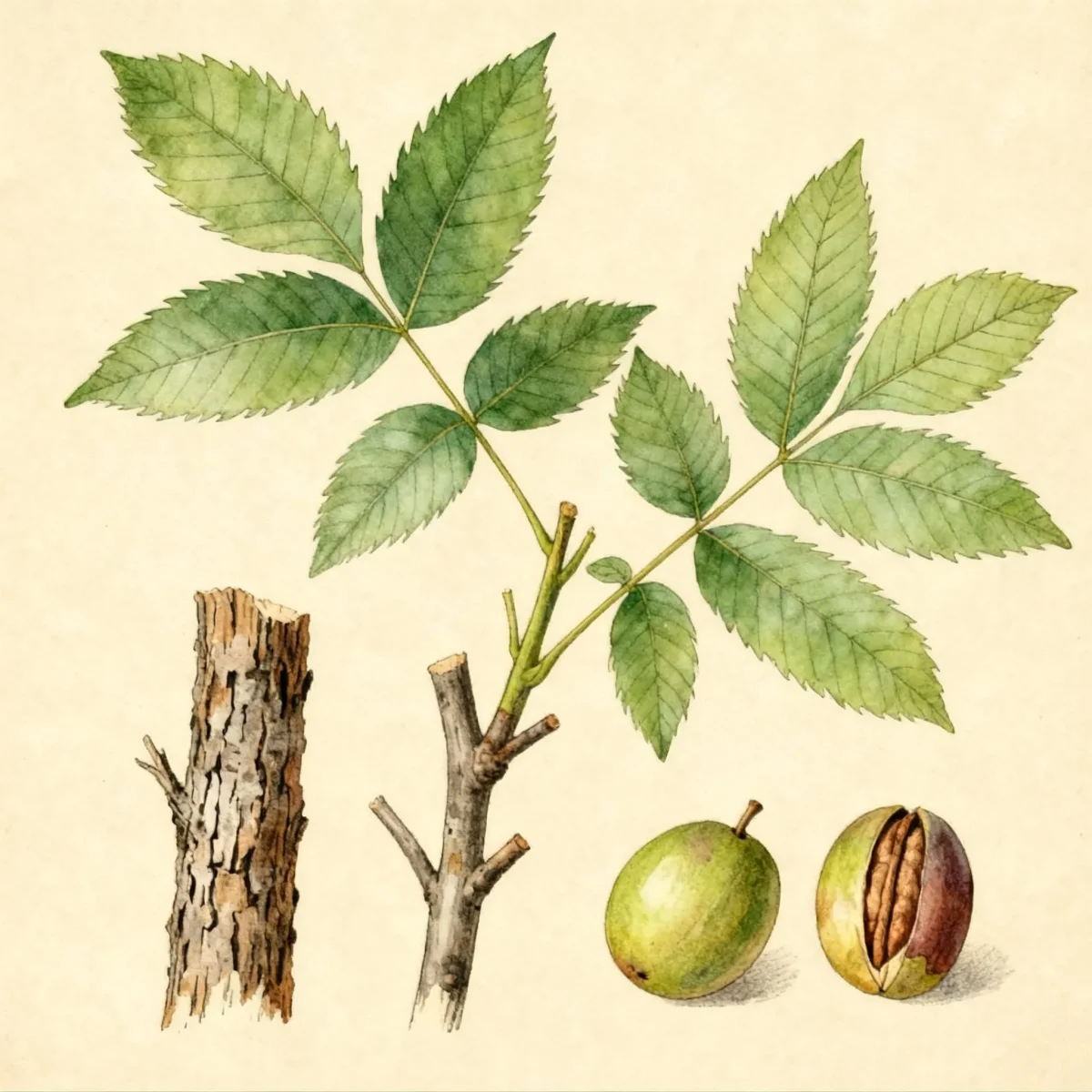
Carya tomentosa, commonly called mockernut hickory, is a medium to large, deciduous tree with a straight trunk and rounded crown that typically grows 60-80’ tall. It is primarily native to hillsides and ridges in somewhat dry soils throughout the eastern and central U.S. The compound leaves offer attractive yellow fall color, while the ripened fruits—rounded nuts encased in thick husks—are edible but notoriously difficult for humans to extract.
Tolerances
- Black Walnut
Potential Problems
While generally tough, Carya tomentosa can occasionally succumb to pests and diseases common to the hickory family. Insect issues may include attacks by the hickory bark beetle, pecan weevil, borers, and the twig girdler, which can weaken branches or overall health. Disease pressure involves occasional issues like anthracnose, leaf blotch, powdery mildew, and leaf spot. To mitigate issues, ensure optimal growing conditions—especially good air circulation and avoiding compaction—which helps the large tree naturally resist many common pathogens. Be prepared for significant litter drop in the fall from twigs, leaves, and fruit, which is a normal aspect of owning this rewarding tree.
Frequently Asked Questions
What hardiness zones is Mockernut suitable for?
Carya tomentosa is reliably hardy across USDA Zones 4 through 9.
How large does Mockernut grow?
This stately tree typically reaches mature heights between 60 and 80 feet, with a corresponding spread of 40 to 60 feet in width.
What sun exposure does Mockernut need?
For optimal growth, Mockernut requires full sun to partial shade exposure; it is generally intolerant of deep shade conditions.
When does Carya tomentosa bloom?
The tree produces yellowish-green flowers from April through May.
Conclusion
The Mockernut (Carya tomentosa) is an outstanding choice for gardeners seeking a long-lived, powerful shade tree with the added benefit of edible nuts. Its low maintenance once established and reliance on full sun make planning its large placement crucial for success. Before investing in this magnificent hickory, confirm that your site offers the rich, moist, well-drained soils necessary to nurture this substantial native species.
Wildlife Benefits
The nuts produced by Carya tomentosa are a vital food source within its native ecosystem, attracting a wide array of mammals including squirrels, chipmunks, rabbits, raccoons, and even black bears. While humans might find the husk challenging, local fauna readily exploits this energy-rich resource. Furthermore, as a large, dense deciduous tree, the Mockernut provides substantial nesting and roosting cover for various bird species throughout the year.
Companion Planting Considerations
When planting around mature Carya tomentosa, select plants that share its cultural needs, specifically thriving in rich, well-aerated soil without requiring excessive moisture retention or heavy shade. Deep-rooted companion trees like Oaks (Quercus species) or American Beech (Fagus grandifolia) are excellent structural partners, creating a realistic woodland canopy effect. For the understory, favor native woodland perennials that tolerate dappled sunlight, such as certain ferns or shade-tolerant spring ephemerals, rather than shallow-rooted shrubs competing aggressively for water near the hickory’s base.