Caucasian wingnut (Pterocarya fraxinifolia)
The Caucasian wingnut (Pterocarya fraxinifolia) is a rapid-growing shade tree known for its striking 20-inch pendulous fruit clusters.
Scroll down to discover growing tips, care requirements, companion plants, and more
Complete Plant Information
Overview
The Pterocarya fraxinifolia, commonly known as the Caucasian wingnut, offers impressive scale and unique summer interest for large landscapes. This large, deciduous tree is valued primarily for its ornamental fruit display following spring flowering. It establishes quickly, developing into a broad, rounded specimen suitable for providing ample shade throughout the growing season.
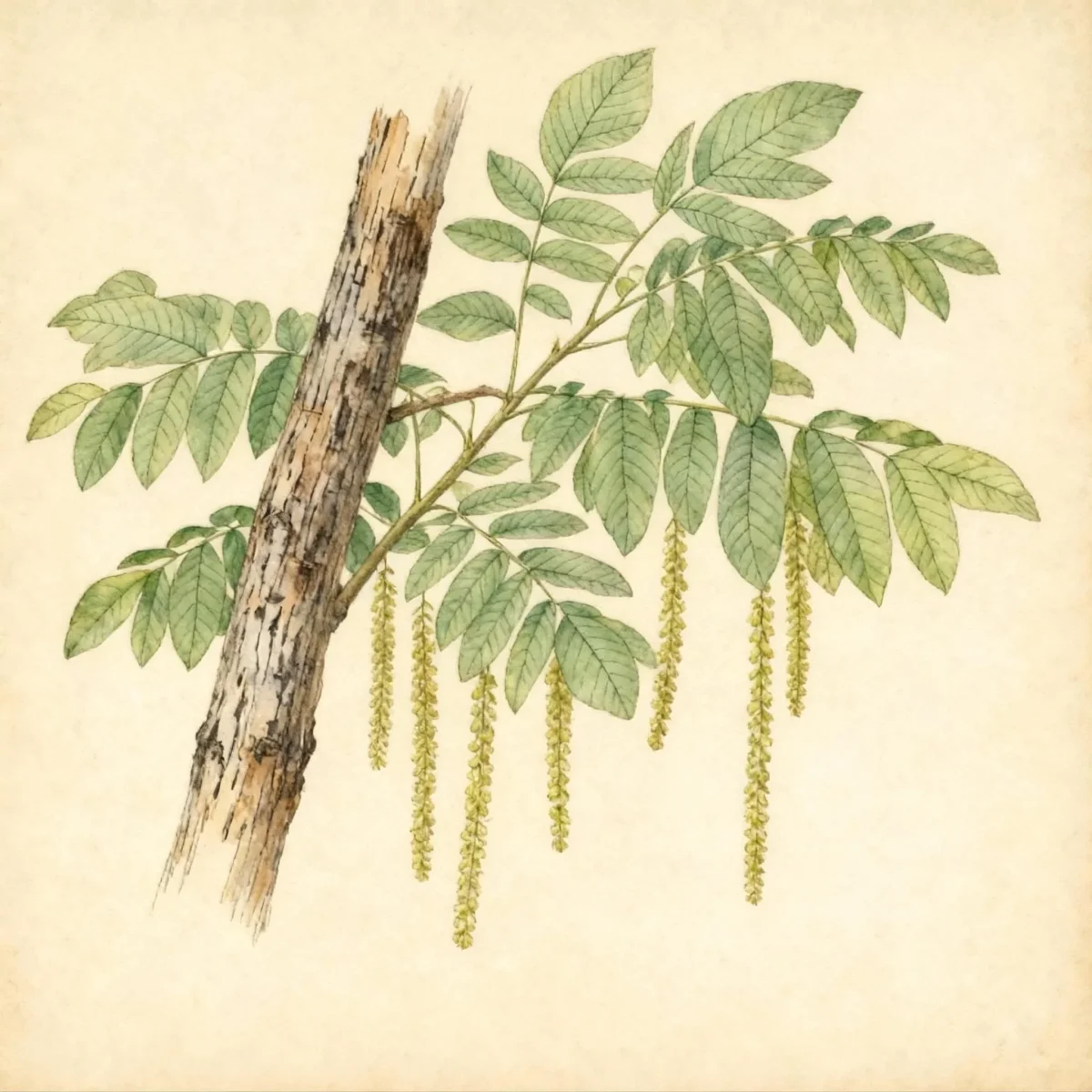
Native to regions spanning the Caucasus, Iran, and Turkey, the Caucasian wingnut adapts well to various soil conditions once established. Gardeners should note that this species develops an extensive root system and may sucker, requiring adequate space for unrestricted growth away from structures or paved areas. Its striking features are the large, pinnately compound leaves and the dangling strings of winged nutlets.
For those needing a fast-growing specimen capable of reaching 60 feet with a similar spread, Pterocarya fraxinifolia provides immediate substance. While the fall color is unremarkable, the persistent, decorative fruit clusters that grace the tree well into winter provide lasting textural appeal in the landscape.
Fast Facts
- Plant Family: Juglandaceae
- Plant Type: Tree
- Native Range: Caucasus, Iran, Turkey
- Hardiness Zones: USDA Zones 5-8
- Size at Maturity:
- Height: 30-60 ft
- Spread: 30-60 ft
- Bloom Time: May to June
- Bloom Description: Green
- Sun Exposure: Full sun
- Water Needs: Medium
- Maintenance Level: Medium
How to Grow
The Caucasian wingnut thrives when planted in full sun, which promotes the densest growth habit and best development of its attractive foliage and fruit. It prefers average, medium, well-drained soils, similar to many other members of the walnut family established in nursery settings. Site preparation should account for its eventual massive size, as this tree demands significant space both above and below ground.
While easily grown, the Pterocarya fraxinifolia prefers consistently moist soil conditions throughout the summer months for optimal performance. Although it tolerates drought once mature, regular watering during establishment will encourage quicker growth. This species also exhibits resilience, tolerating hard, compacted soils that might present challenges for less adaptable shade trees.
Pruning should generally be minimized, focusing only on removing crossing or damaged limbs, as heavy cuts can be slow to seal. Be aware that the Pterocarya fraxinifolia has a tendency to freely sucker from the root system. If suckers appear in unwanted areas, they must be cut back diligently to the ground or the parent root system to prevent them from taking over a planting area.
Landscape Uses
The suggested use for Pterocarya fraxinifolia is primarily as a large-scale Shade Tree, necessitating placement in expansive areas. Due to its rapid growth, broad spread, and extensive root system, it is best reserved for parks, large commercial plantings, or expansive estate properties where its size is an asset rather than a constraint.
Its high canopy and dense summer shade make it an excellent choice for cooling large open spaces or offsetting large buildings. When selecting companions, choose understory shrubs and perennials that can tolerate dappled shade and dry summer conditions, as the wingnut’s dense canopy will shield the ground below.
Gardeners must carefully consider the known suckering habit when planning residential use. If planting near lawns, be prepared for regular maintenance to remove young shoots emerging from the roots. For true specimen planting, ensure a wide perimeter free of subterranean utilities or foundations that the large root structure might compromise.
Standout Features
Flower Qualities
- Showy
- Insignificant
Fruit Qualities
- Showy
Noteworthy Characteristics
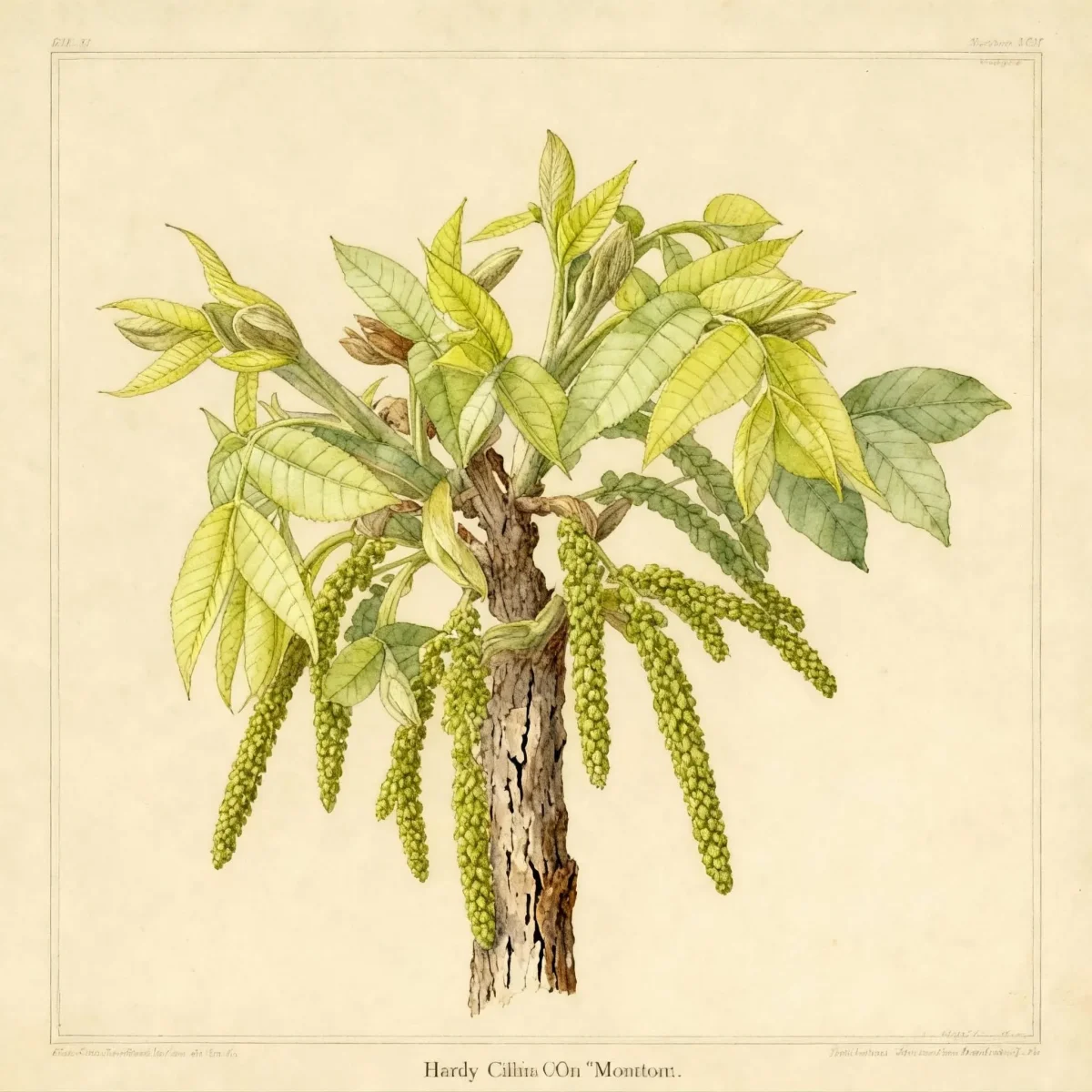
Pterocarya fraxinifolia, commonly called Caucasian wingnut, is native from the Caucasus to northern Iran, distinguished by its fruit structure. After spring flowering, small green winged nutlets develop in the female catkins in early summer, forming pendulous strings up to 20 inches long, often persisting into winter. This deciduous tree typically grows 30-60 feet tall with a rounded, expansive habit, featuring large, compound, odd-pinnate leaves up to 18 inches long composed of many sharply-toothed leaflets.
Tolerances
- Drought
Potential Problems
The Caucasian wingnut fortunately suffers from no serious or widespread insect or disease problems that commonly plague other large shade trees. This relative resistance makes it a reliable choice when robust, low-pesticide gardening is desired.
While insect pressure is low, cultural issues often arise from improper placement, primarily due to its vast root system and suckering habit. Ensure that its location provides the medium water needs it prefers but also allows its roots ample, unobstructed space to develop fully without encroaching on hardscape.
Frequently Asked Questions
What hardiness zones is Caucasian wingnut suitable for?
The Pterocarya fraxinifolia is reliably hardy in USDA Zones 5 through 8.
How large does Caucasian wingnut grow?
This specimen typically reaches a mature height between 30 and 60 feet, with a spread matching that range, creating a substantial canopy.
When does Caucasian wingnut bloom?
Flowering occurs in late spring, generally from May to June, producing modest green catkins.
What sun exposure does Pterocarya fraxinifolia need?
This tree requires full sun exposure to develop properly and achieve its maximum size potential.
Conclusion
The Caucasian wingnut offers exceptional value as a massive shade producer, distinguished by its fascinating, elongated fruit chains that provide visual interest late into the year. Its relatively low problem profile, especially concerning pests and diseases, adds to the appeal of Pterocarya fraxinifolia. Before planting, always confirm your location falls within Zones 5-8 and provide the extensive space this magnificent tree requires to flourish.
Companion Planting
When selecting plants to grow under the broad canopy of the Caucasian wingnut, focus on hardy, shade-tolerant groundcovers and perennials. Hosta varieties known for their tolerance to deeper shade will thrive beneath the summer shade provided during the growing season. Consider planting species that do not require intensive root competition, as the extensive root system of the wingnut demands significant moisture and nutrients.
For seasonal color near the perimeter of the drip line, ferns such as Japanese Painted Fern (Athyrium niponicum) offer textural contrast against the large, glossy leaflets of the tree. Furthermore, because established Pterocarya fraxinifolia can handle occasional dryness, pairing it with other established, drought-tolerant natives allows for simpler, unified irrigation management once the tree matures.
Propagation Tips
Propagation for the Caucasian wingnut primarily relies on its natural tendency to establish new plants via root suckers. Gardeners looking to intentionally spread the tree can carefully sever these suckers—ensuring they have a portion of root attached—during the dormant season. Transplanting these offsets immediately into a prepared nursery bed gives them the best chance of survival.
While viability from seed is possible, collecting the winged nutlets in the fall and stratifying them over winter (cold, moist stratification) is necessary before spring sowing. Be cautioned that seedlings may not perfectly replicate the parent tree’s form or vigor, making vegetative propagation via suckering generally more reliable for maintaining true characteristics of Pterocarya fraxinifolia.