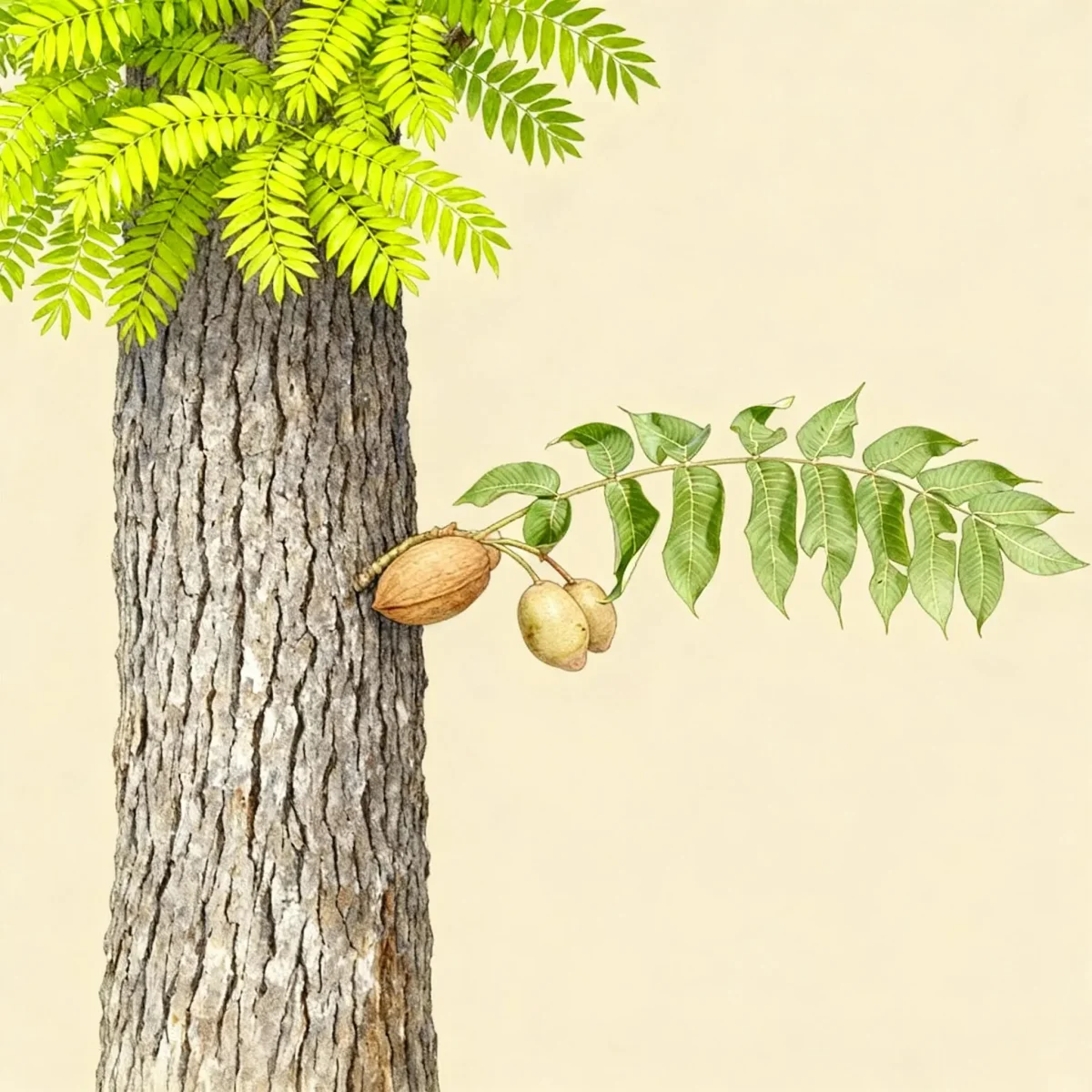
Platycarya (Platycarya strobilacea)
Platycarya strobilacea is a low-maintenance, deciduous tree from China, valued for its unique cone-like fruit structures.
Scroll down to discover growing tips, care requirements, companion plants, and more

Complete Plant Information
Overview
The Platycarya, scientifically known as Platycarya strobilacea, is a fascinating, small deciduous tree originating from the mountain forests of China and surrounding East Asian regions. It offers unique visual appeal through its compound foliage and distinctive, cone-like fruiting structures, making it a compelling choice for gardeners seeking specimens beyond the common landscape standards. As a member of the walnut family, Platycarya strobilacea establishes itself as a slow-growing specimen capable of achieving moderate height with an attractive, rounded crown.
This tree is appreciated for its relatively low maintenance requirements once established, provided it receives its preferred growing conditions. While its seasonal flowers are inconspicuous, the persistent, showy female cones that mature to chestnut brown offer critical visual interest, often lingering throughout the winter months. Gardeners should site the Platycarya where its unique architectural qualities can be appreciated as a specimen planting.
The overall growth pattern results in a handsome, broadly spreading tree suitable for medium to large landscapes. Considering its subtle beauty and unique reproductive structures, the Platycarya provides textural contrast and historical interest, making it a notable addition to an informed horticultural collection.
Fast Facts
- Plant Family: Juglandaceae
- Plant Type: Tree
- Native Range: Central and southern China
- Hardiness Zones: USDA Zones 6-8
- Size at Maturity:
- Height: 20-30 ft
- Spread: 20-30 ft
- Bloom Time: June to July
- Bloom Description: Yellowish
- Sun Exposure: Full sun
- Water Needs: Medium
- Maintenance Level: Low
How to Grow
For successful cultivation of the Platycarya, prioritize soil quality and location selection. This species thrives best when planted in rich, moist, fertile, well-drained sandy loams. While it prefers full sun exposure, Platycarya strobilacea can successfully tolerate some light afternoon shade, which can be beneficial in warmer climates. Good air circulation is another key requirement for maintaining plant health.
Watering should be consistent, especially during periods of high heat or drought. Water the plants regularly and deeply throughout hot, dry summer periods to ensure the moisture level in the root zone remains adequate. Fertilization is rarely required for mature specimens planted in rich soil, aligning with its low maintenance profile.
When siting Platycarya strobilacea, take note of potential wind exposure; locations sheltered from strong winds, such as those recommended in the St. Louis area, will help prevent branch damage. Pruning is generally minimal, primarily involving the removal of any crossing or damaged limbs during the dormant season only if necessary. Due to its chemical excretions, carefully plan surrounding plantings.
Landscape Uses
The Platycarya is considered rare in cultivation, immediately granting it unique status in any garden design. Its rounded crown and moderate maximum size make it an interesting lawn specimen where it can be viewed from all sides, allowing appreciation of its form and winter fruit display. Given its moderately large ultimate spread, adequate room must be provided between specimen plantings.
Because Platycarya strobilacea roots release juglones, sensitive companion plants should be avoided near the drip line. Therefore, utilize this tree as a focal point, separated from high-value plantings like azaleas, rhododendrons, blueberries, or solanaceous crops. It pairs well with resilient, large shade-tolerant shrubs planted at a safe distance, or as a standalone feature in an open, sunny lawn area.
Its appeal lies in its structure during the non-flowering seasons, particularly the winter when the persistent, chestnut-brown, cone-like structures stand out against bare branches. Use the Platycarya to anchor key views across a property that requires a specimen tree with interesting seasonal transitions.
Standout Features
Flower Qualities
- Insignificant
Fruit Qualities
- Showy
Noteworthy Characteristics
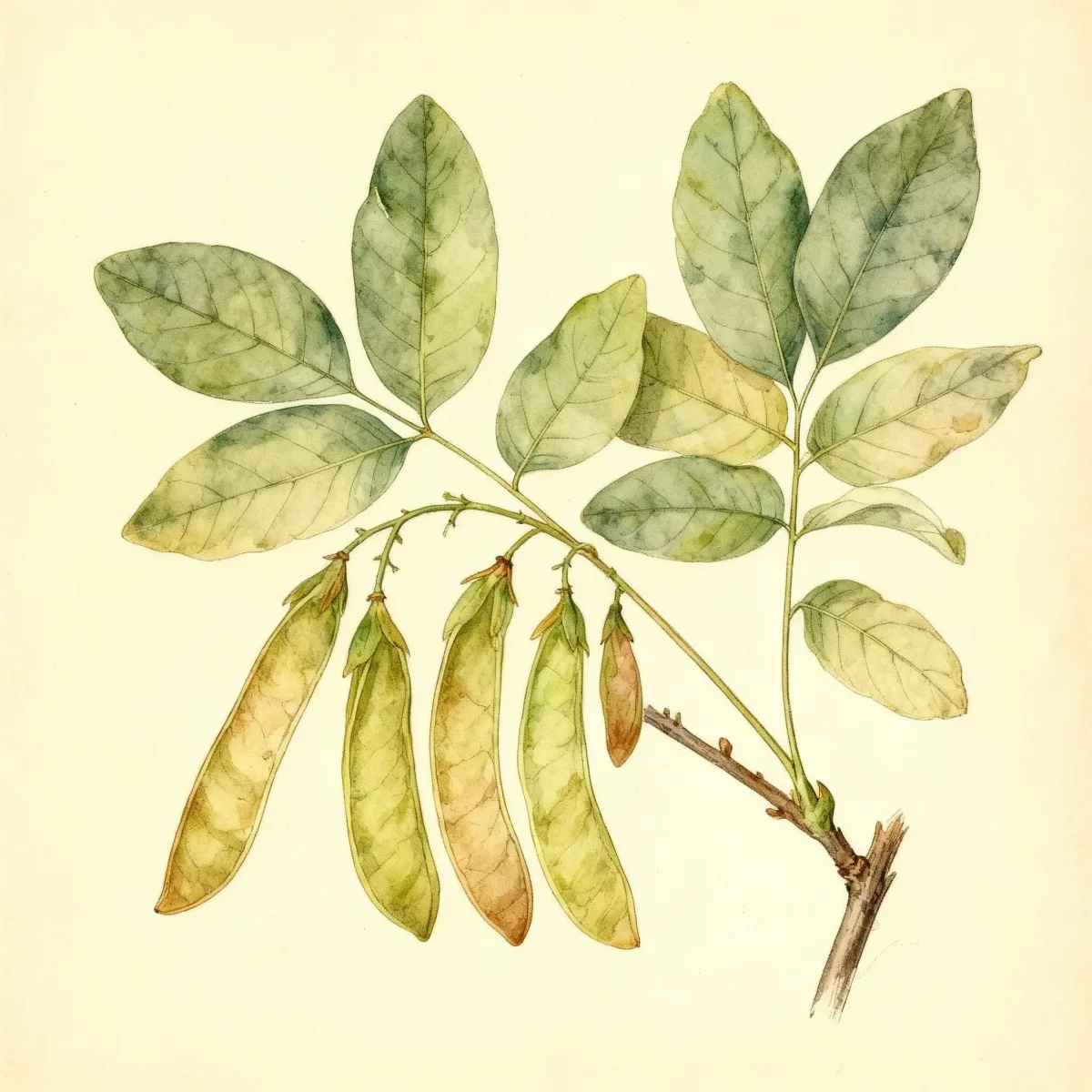
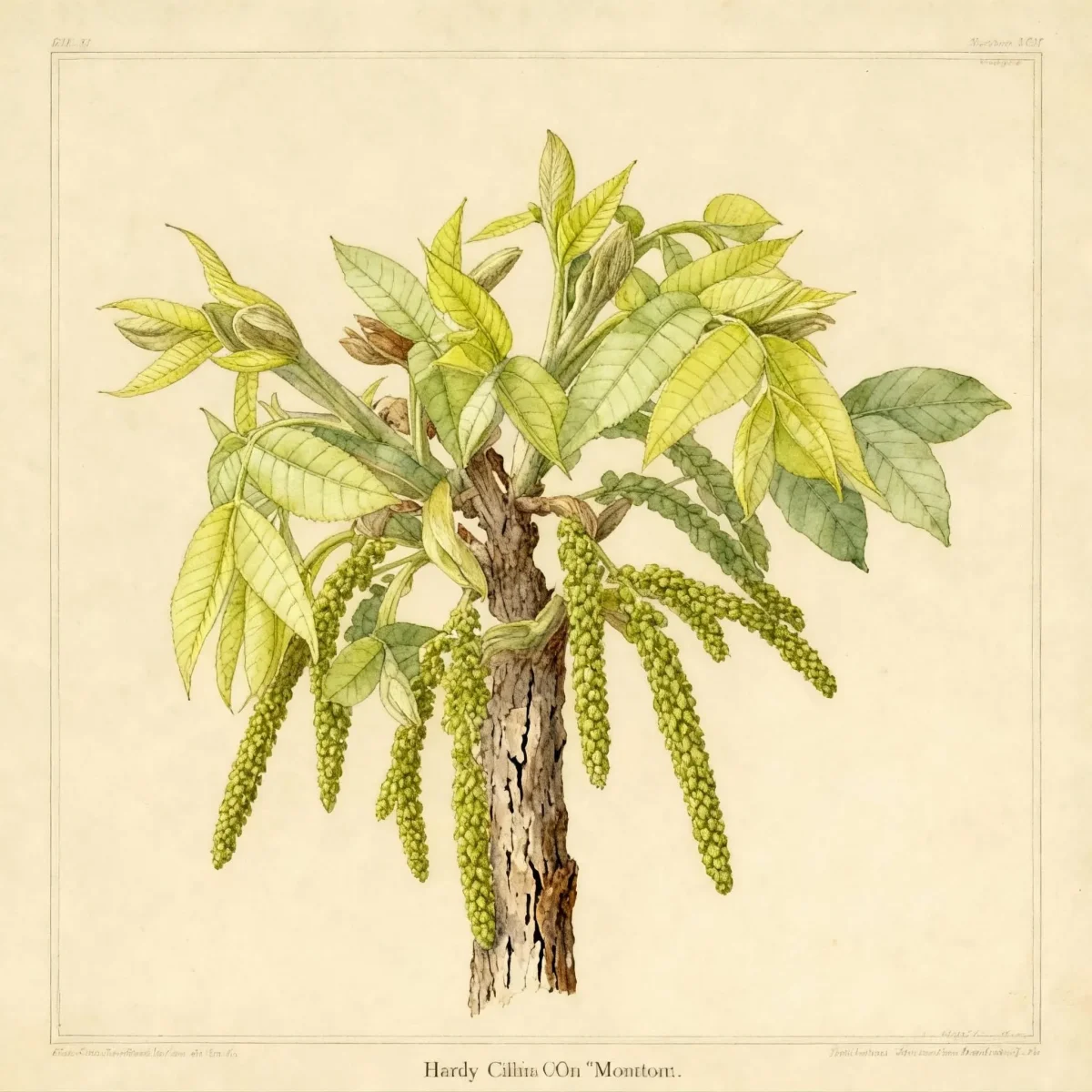
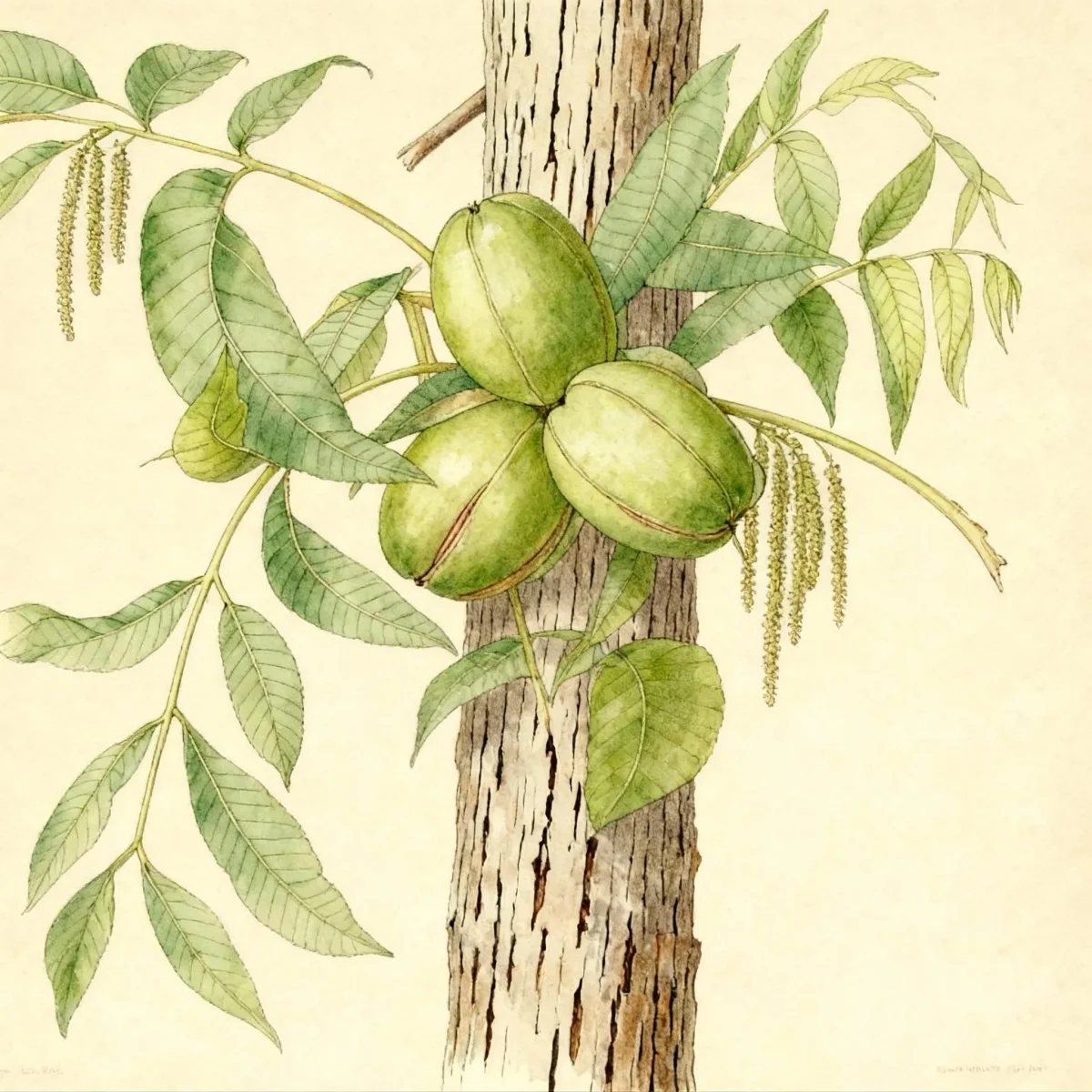
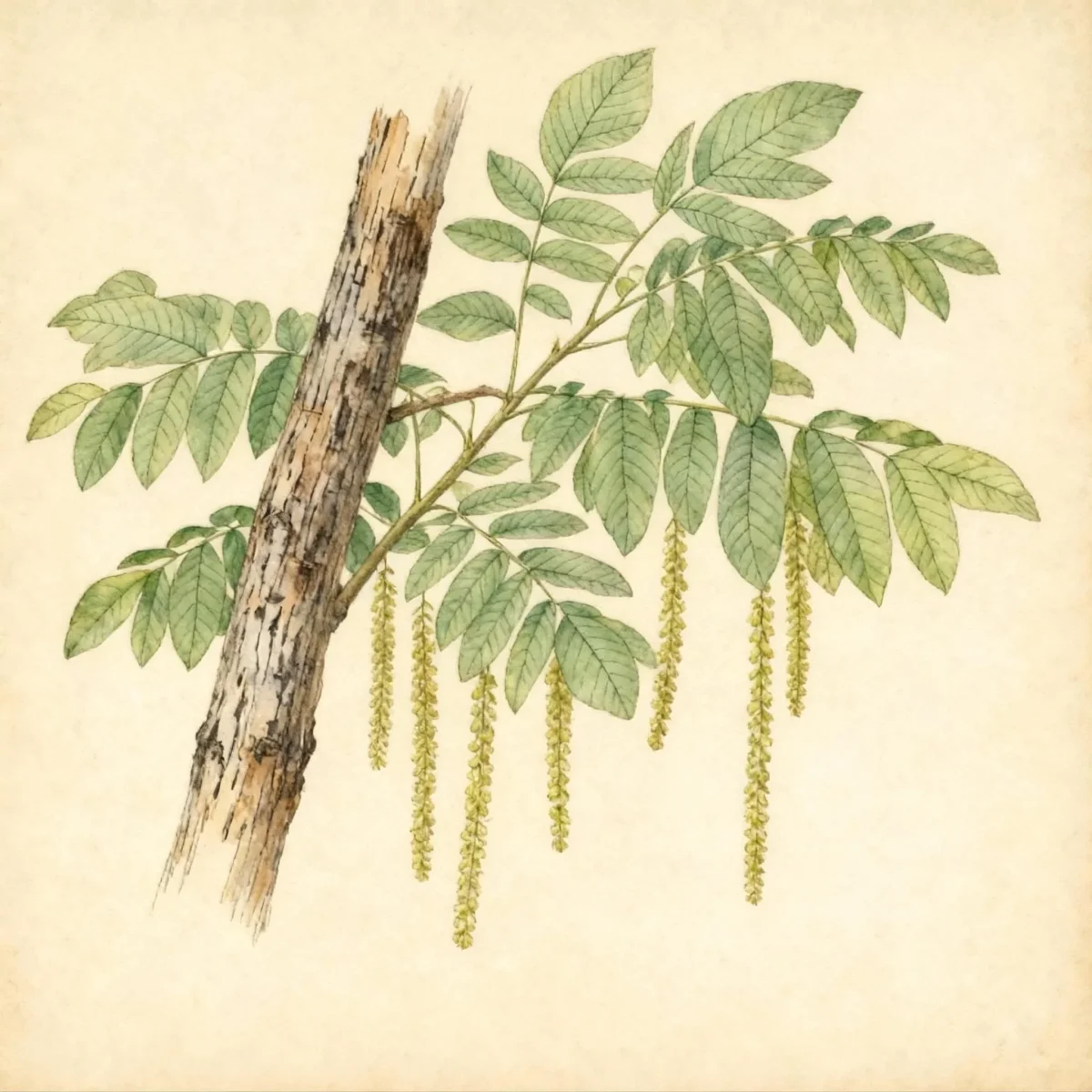
Platycarya strobilacea, commonly called platycarya, is a small deciduous tree typically reaching 20-30’ tall with a rounded crown, though it may appear as a large shrub in less ideal conditions. It is distinctly characterized by compound, odd-pinnate leaves, and its fruit matures into unique, cone-like structures that are showy and persist into winter. The genus name celebrates the broad nature of its winged nutlets, derived from Greek words platys (broad) and karya (nut).
Tolerances
Roots of this species produce chemicals (juglones) which are toxic to a variety of plants including azaleas, rhododendrons, blueberries, peonies, plus solanaceous crops such as tomatoes, peppers and potatoes. Adverse reaction to juglones should be considered whenever siting sensitive plants within the drip line of this tree (risks are much greater with walnut and butternut which release larger quantities of juglones into the soil than this species)
Potential Problems
Healthy, well-maintained plants usually present few major horticultural challenges, allowing the Platycarya to remain low maintenance. The primary consideration for this species, shared with walnuts, is the production of juglones by the roots. These chemicals can severely inhibit the growth or even kill sensitive neighboring plants located within the tree’s drip zone. Gardeners must carefully site Platycarya strobilacea away from known juglone-sensitive ornamentals. Monitoring for general pest or disease pressure is minimal, provided cultural needs regarding drainage and water in summer are met.
Frequently Asked Questions
What hardiness zones is Platycarya suitable for?
Platycarya strobilacea is adaptable to USDA Hardiness Zones 6 through 8.
How large does Platycarya grow?
At maturity, the Platycarya typically reaches heights between 20 and 30 feet, with a similar spread between 20 and 30 feet.
What sun exposure does Platycarya need?
This tree prefers full sun but will tolerate conditions where it receives some light afternoon shade.
When does Platycarya bloom?
The yellowish flowers of Platycarya strobilacea appear relatively late in the season, typically blooming from June into July.
Conclusion
The Platycarya strobilacea offers unparalleled textural interest, particularly due to its persistent, cone-like fruits that provide winter structure where other deciduous trees offer little. While it requires rich, well-drained soil, its low maintenance level makes it an excellent specimen for adventurous gardeners with the proper zonal conditions. Before planting this unique Platycarya, remember to consult your local climate data to ensure compatibility with USDA Zones 6-8.
Companion Planting
When selecting plants to grow near your Platycarya strobilacea, prioritize those known to be tolerant of juglones or plant them far enough away so that the root zone does not overlap significantly. Hardy accent shrubs that establish deep root systems or those known to resist allelopathic chemicals are ideal. Consider planting resilient, large-leaved groundcovers that can handle partial shade and rich soil, providing a lush base layer beneath the canopy of the Platycarya.
Winter Interest Focus
Because the fruits of the Platycarya are one of its most enduring features, focus design choices around maximizing its winter aesthetic. The female cones mature to a striking chestnut brown and remain on the branches long after leaf drop, often lasting until spring cleanup. Plant spring-flowering bulbs like snowdrops or early daffodils at the edge of the drip line; these emerge before the tree fully leafs out, ensuring color interest during late winter and early spring, before competition for sunlight and moisture becomes a concern.