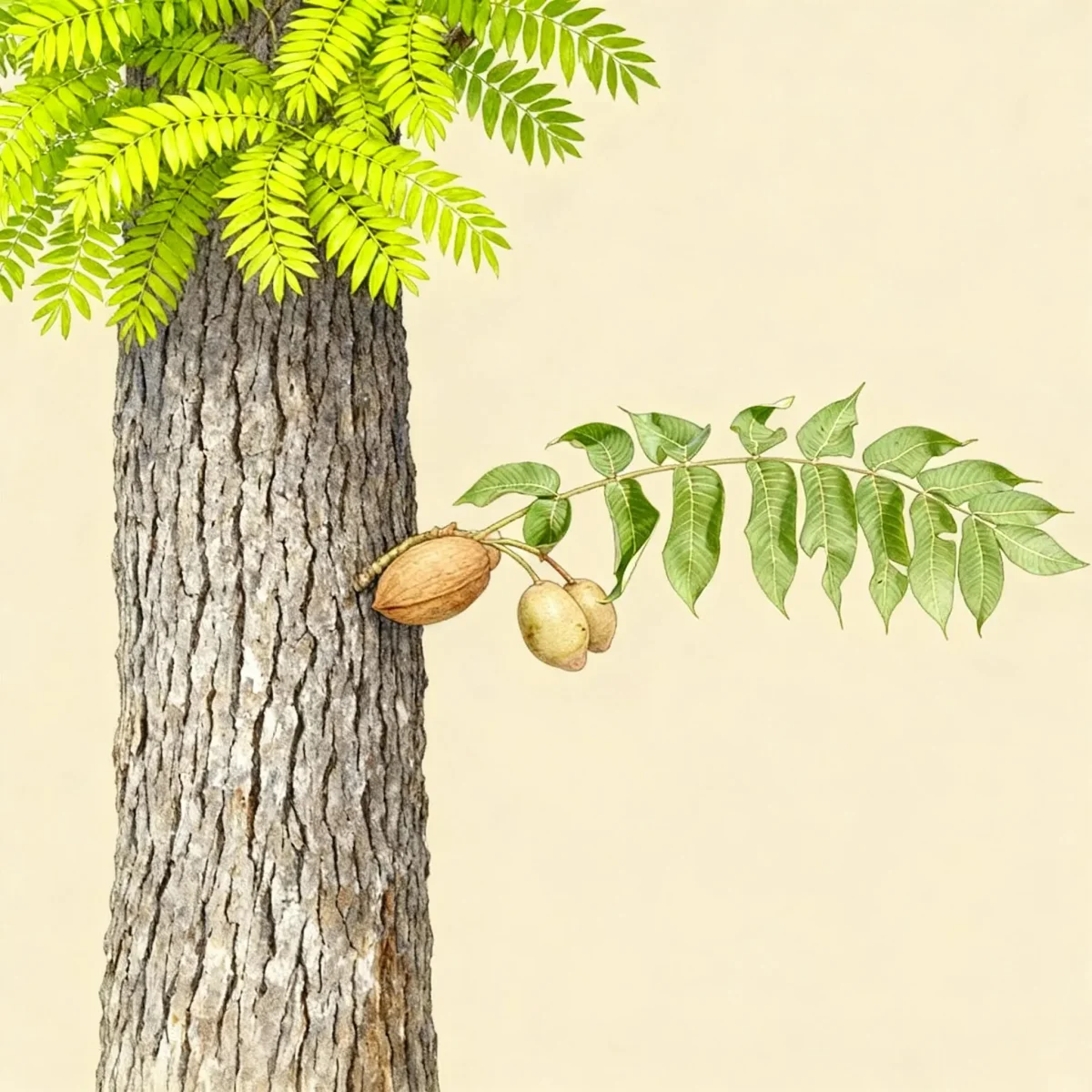
Chinese wingnut (Pterocarya stenoptera)
The Chinese wingnut (Pterocarya stenoptera) is a fast-growing, large deciduous shade tree native to China, prized for its winged nuts.
Scroll down to discover growing tips, care requirements, companion plants, and more

Complete Plant Information
Overview
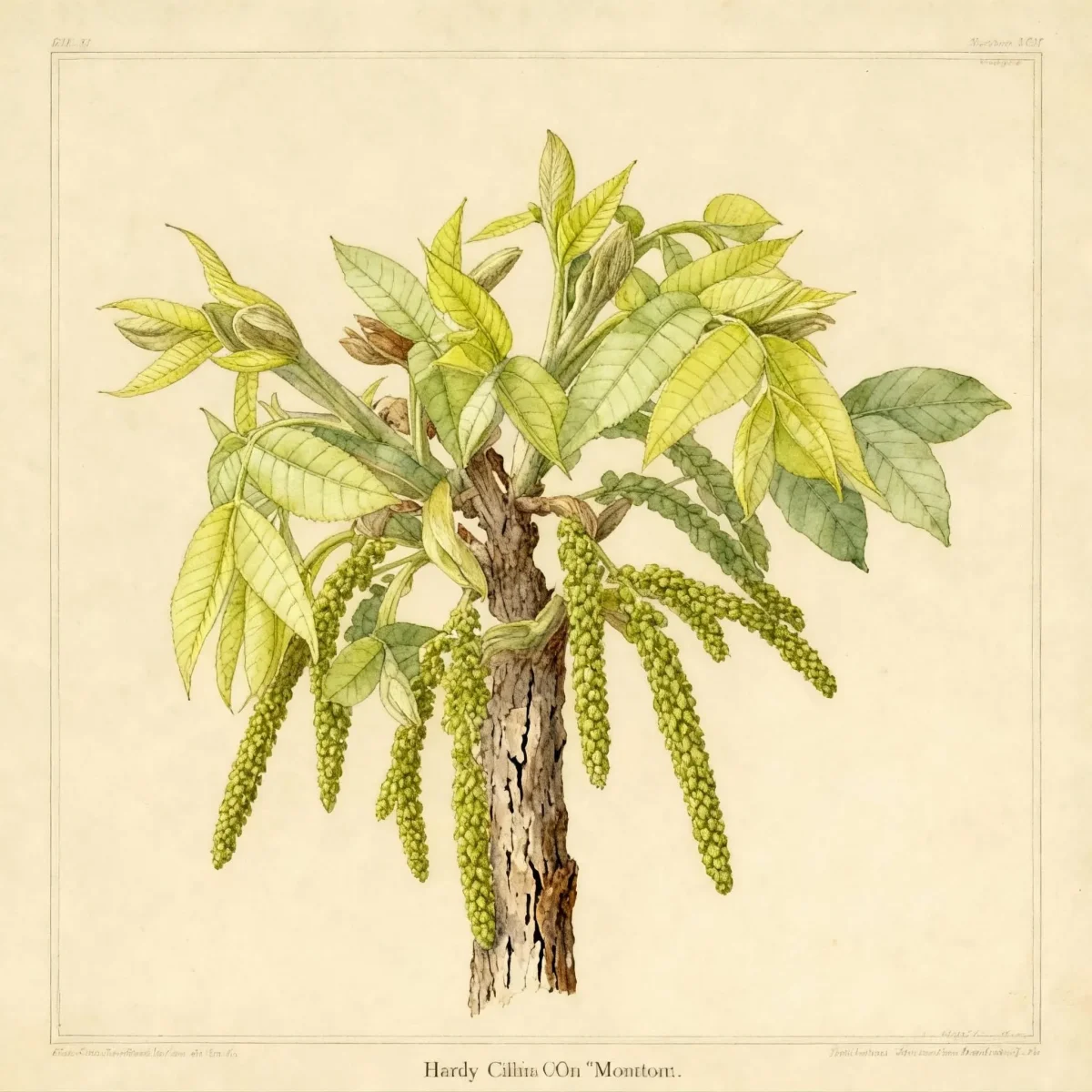
The Pterocarya stenoptera, commonly known as the Chinese wingnut, is an imposing, fast-growing deciduous tree belonging to the walnut family. Valued for its rapid development and broad, spreading crown, this species offers substantial shade, making it an excellent choice for expansive sites needing structure and cooling shade. Its defining characteristic is the ornamental fruit—pendulous strings of winged nutlets that add texture through summer and into fall.
Native to alpine forests and riverbanks in China, the Pterocarya stenoptera thrives where it receives plentiful moisture and full sun. While it requires consistent moisture to perform best, this large tree exhibits notable adaptability, tolerating clay soils and periods of dryness once established. Gardeners considering this species must accommodate its ultimate scale, as root systems are extensive.
This selection from the Juglandaceae family provides substantial architectural interest across the seasons. From the bright green emerging foliage to the distinctive winged fruits of the Pterocarya stenoptera, it establishes itself as a noteworthy specimen in parks or large landscapes, though its strong root system requires thoughtful placement away from hardscaping.
Fast Facts
- Plant Family: Juglandaceae
- Plant Type: Tree
- Native Range: China
- Hardiness Zones: USDA Zones 6-8
- Size at Maturity:
- Height: 50-70 ft
- Spread: 50-70 ft
- Bloom Time: May to June
- Bloom Description: Light green
- Sun Exposure: Full sun
- Water Needs: Medium
- Maintenance Level: Medium
How to Grow
Planting the Chinese wingnut should occur in spring or fall when the soil is workable, prioritizing a location that accommodates its massive mature size. This species thrives in average, well-drained soils but shows good tolerance for compacted clay. Ensure the site receives full overhead sun exposure throughout the day to encourage vigorous, dense growth.
Watering should be consistent, especially for young trees, as Pterocarya stenoptera prefers medium moisture levels. While established specimens can tolerate some drought, supplying regular moisture during dry spells will maintain the best appearance and growth rate. Fertilization is typically unnecessary if the soil is reasonably fertile; focus instead on deep watering during establishment.
The primary management consideration is dealing with its suckering habit; new shoots that emerge from the base or roots should be promptly removed if you wish to maintain a single-trunk specimen tree. Due to its extensive root system, avoid planting the Pterocarya stenoptera near sidewalks or foundations, as roots may lift and damage surrounding hardscape elements.
Landscape Uses
The Chinese wingnut is strictly recommened for use as a shade tree where massive scale is desired. Its broad, rounded crown provides excellent coverage, making it best suited for large parks, expansive commercial sites, or acreage where regular mowing around the base will not be an issue. Due to its aggressive roots and tendency to sucker, residential lawns are not the ideal setting for this powerful tree.
When placing the Pterocarya stenoptera, consider its mature canopy spread of 50 to 70 feet. It pairs well aesthetically with other architecturally substantial trees, such as certain maples or oaks, provided there is sufficient room between specimens for air circulation and root expansion. Companion planting directly beneath the canopy should be limited to species tolerant of deep shade and root competition.
For large-scale site planning, ensure adequate clearance from structures, driveways, and utility lines. Though it is a stunning specimen tree in the proper environment, poor placement due to its shallow, aggressive roots causes more long-term maintenance headaches than any pest or disease issue.
Standout Features
Flower Qualities
- Showy
Fruit Qualities
- Showy
Noteworthy Characteristics
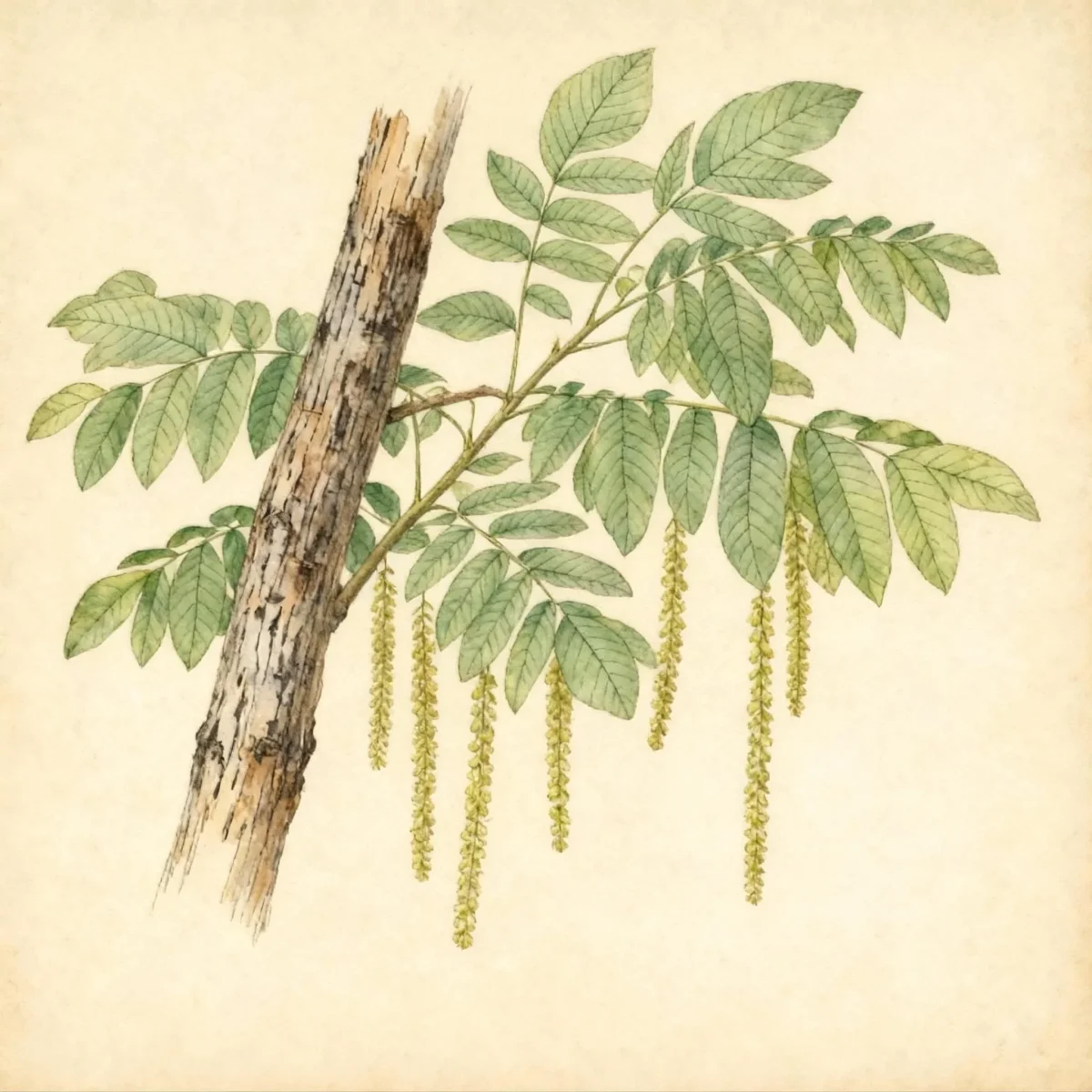
Pterocarya stenoptera, commonly called Chinese wingnut, is a deciduous tree in the walnut family that typically grows 50-70’ tall with a rounded, broad-spreading crown. It is a fast growing tree that can reach 20’ tall in the first 5 years. Chinese wingnut gets its interesting common name from its fruit, which develops into pendulous strings of two-winged nutlets that persist into winter. The large, compound leaves, containing up to 25 sharply-toothed leaflets, create effective summer shade.
Tolerances
- Drought
Potential Problems
The Pterocarya stenoptera is generally resilient, boasting no serious insect or disease problems, which lowers its overall maintenance demands. The primary concern for gardeners relates to maintenance surrounding the tree itself, as fruits, foliage, and twigs often produce significant litter throughout the growing season and into fall. Manage young suckers regularly to control spread.
Keep the area beneath the canopy clear if easy mowing is necessary, as the litter necessitates frequent cleanup. Critically, gardeners must plan placement carefully concerning infrastructure. The shallow and aggressive root system can lift and damage nearby sidewalks, patios, or driveways, requiring significant foresight during installation.
Frequently Asked Questions
What hardiness zones is Chinese wingnut suitable for?
The Pterocarya stenoptera is best suited for USDA Hardiness Zones 6 through 8.
How large does Chinese wingnut grow?
This tree achieves a substantial height of 50 to 70 feet, with a similar spread of 50 to 70 feet at maturity.
What sun exposure does Pterocarya stenoptera need?
For optimal growth and vigor, the Chinese wingnut requires full sun exposure daily.
When does Pterocarya stenoptera bloom?
It produces its light green flowers in pendulous catkins from May through June.
Conclusion
The Chinese wingnut offers remarkable performance as a rapidly establishing, large shade tree, characterized by its ornamental winged fruits and tolerance for various soil types. When selecting a spot for Pterocarya stenoptera, prioritize ample open space, well away from structural elements that its aggressive roots might damage. Always verify its placement within USDA Zones 6-8 before planting.
Companion Planting
When planting around the powerful root structure of the Pterocarya stenoptera, select companions that tolerate heavy shade and competition for moisture. Species that are tough and adapted to woodland edges often perform well. Consider planting shade-tolerant groundcovers or hardy ferns that can establish a ground layer beneath the mature canopy without requiring excessive regular disturbance for planting or amending.
Focus on plants that dislike disturbance once established, as digging near a large, established wingnut root system will be difficult. Good choices might include Hosta cultivars known for deep shade tolerance, or possibly large masses of Pachysandra or Vinca minor, provided they receive adequate initial water during the establishment phase while the large tree is still adapting.
Fall Cleanup Considerations
Fall cleanup for the Pterocarya stenoptera involves raking the fallen compound leaves, which can be large, alongside the desiccated fruit husks. While the tree offers undistinguished yellow-green fall color, managing the volume of leaf litter is essential, especially since the nuts often persist into winter. Composting the leaves is an excellent activity, as they break down effectively.
Because this tree maintains a layer of litter year-round from dropped fruits and twigs, plan for consistent clearing, particularly in areas where pathways are used. If the tree is placed far from view corridors, mulching heavily with chipped material (perhaps shredded leaves and twigs from the tree itself) can minimize the visual impact of routine debris shedding.