Rush (Juncus inflexus)
Hard rush (Juncus inflexus) is a standout perennial rush offering blue-green upright stems for wet conditions. Low maintenance and hardy.
Scroll down to discover growing tips, care requirements, companion plants, and more
Complete Plant Information
Overview
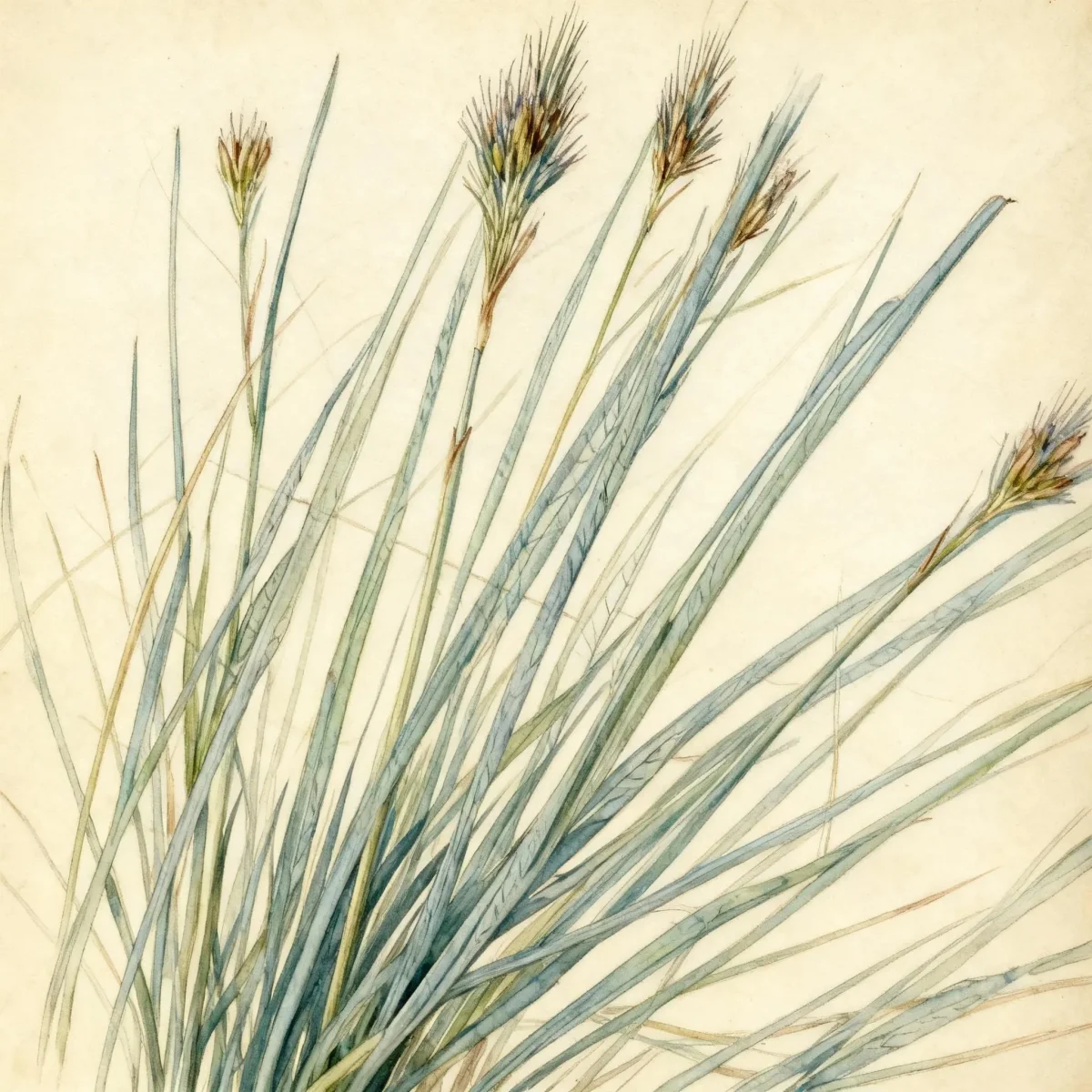
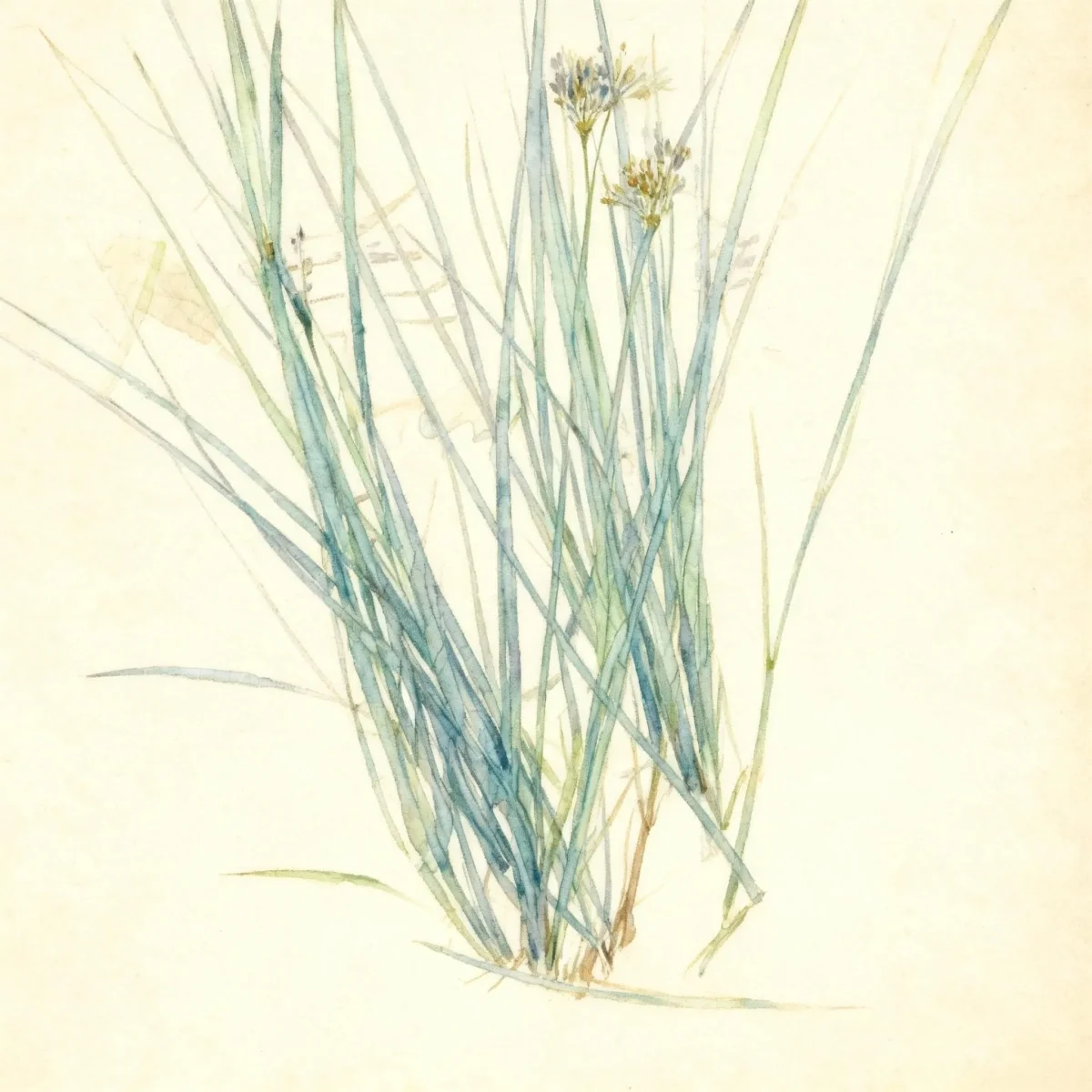
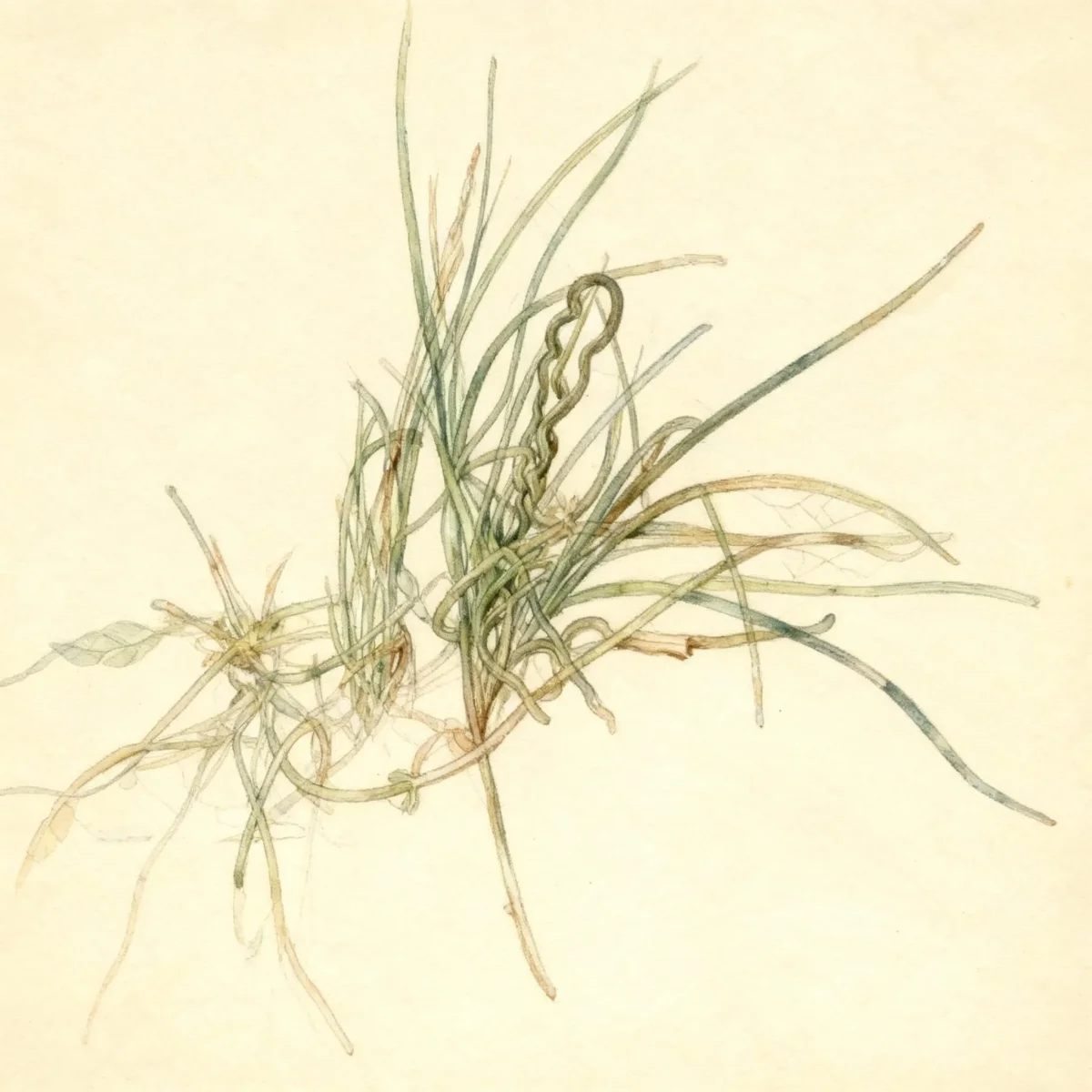
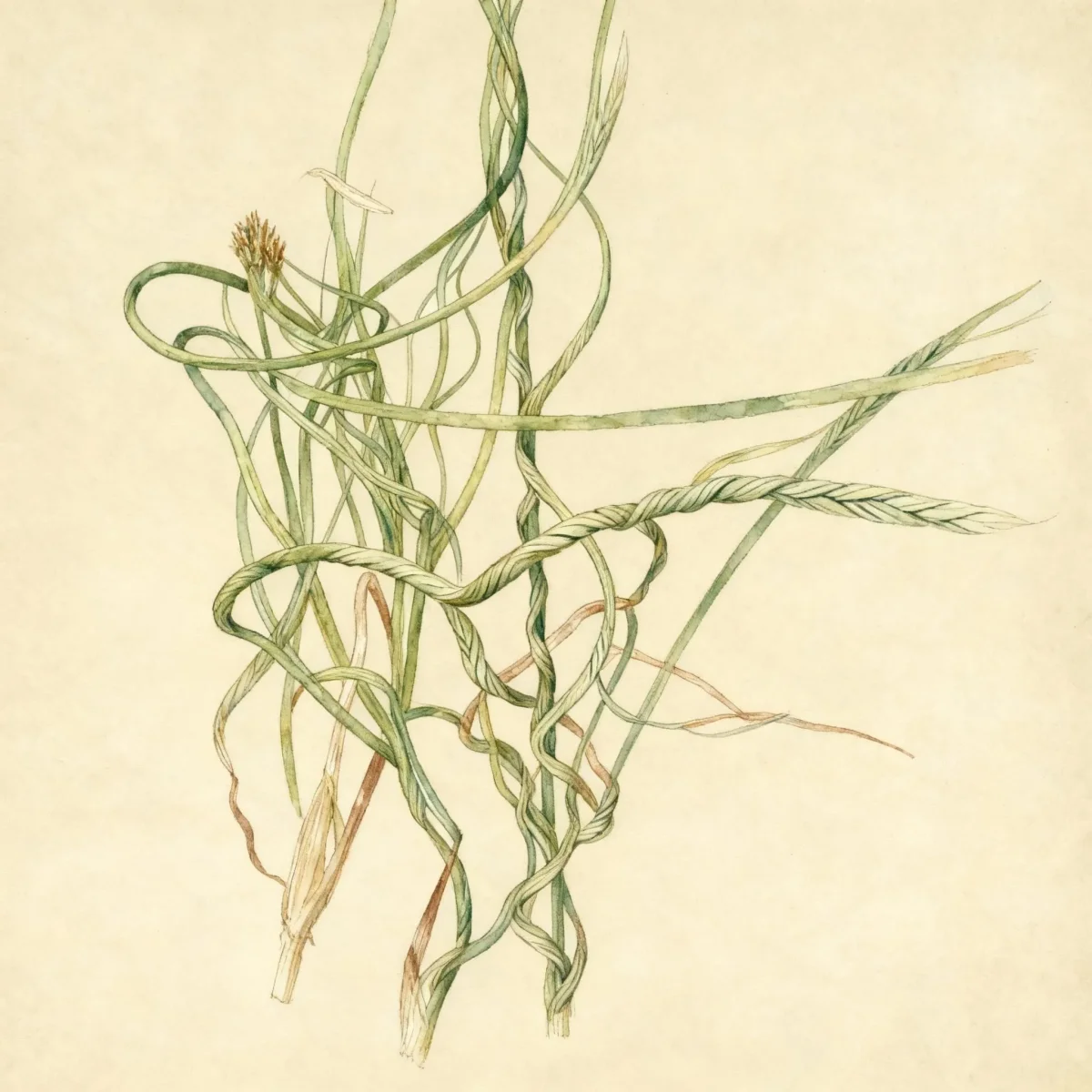
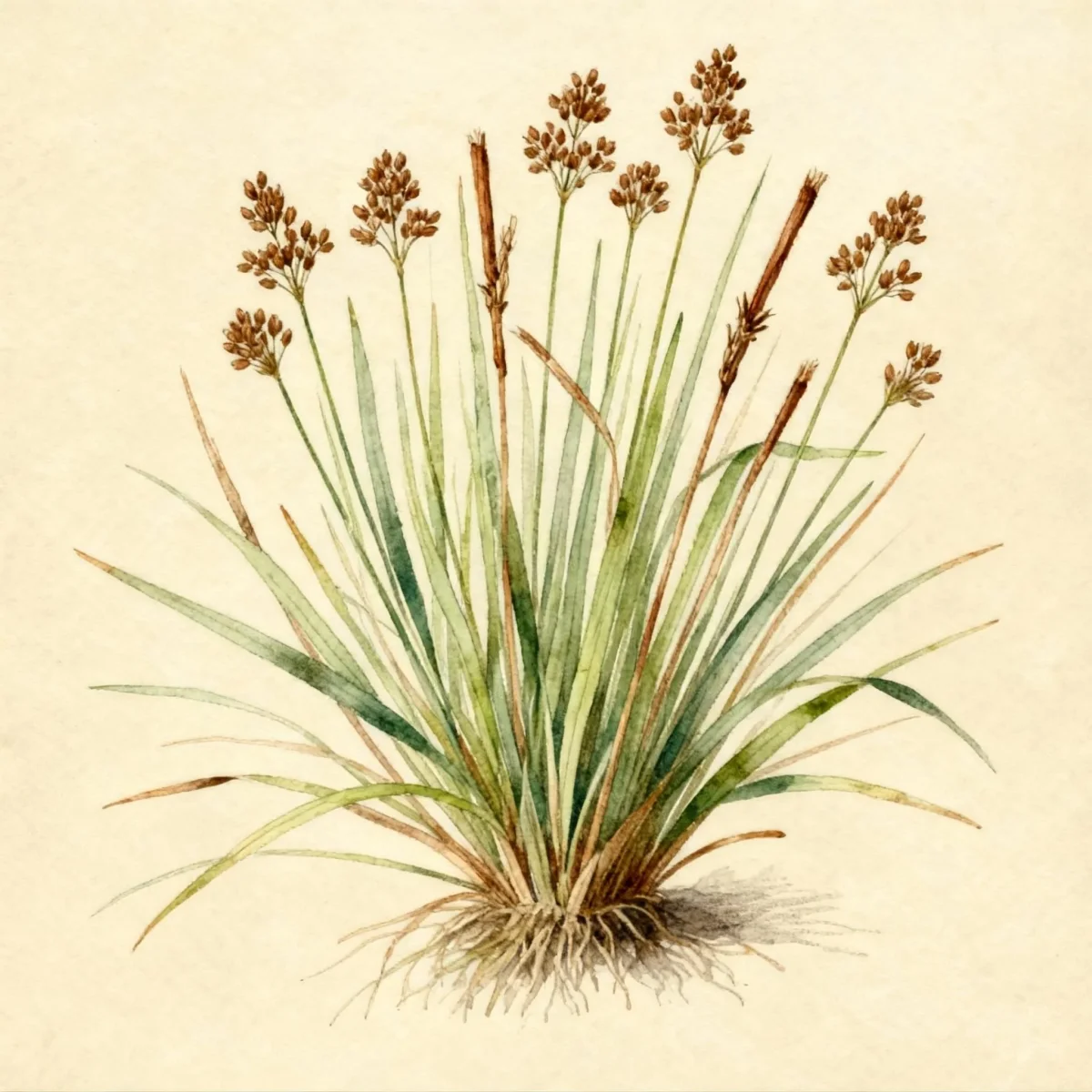
Juncus inflexus, often recognized as Hard rush or Blue rush, provides unique texture and vertical interest in moisture-rich garden spaces. Its distinctive feature is the dense tufting of upright, cylindrical, blue-green stems, offering stark architectural contrast to flat foliage plants. This rhizomatous perennial is a true rush, valued for its resilience in consistently wet environments.
This desirable Rush thrives best when situated in full sun, although it can tolerate light shade, making it an excellent choice for challenging wet borders or true water gardens. Once established, the Juncus inflexus spreads slowly, forming colonies that are effective for naturalizing over time. Its low maintenance requirements further enhance its appeal for water feature edging and rain garden construction.
Functionally, this Juncus inflexus excels where water management is key, as it tolerates standing water up to three inches deep while also performing well in merely moist soil conditions. The plant offers subtle, insignificant flowers that bloom from late spring through mid-summer, followed by neat brown seed capsules, providing year-round structure, especially appealing for winter interest.
Fast Facts
- Plant Family: Juncaceae
- Plant Type: Rush or Sedge
- Native Range: Africa, temperate Eurasia, Macaronesia
- Hardiness Zones: USDA Zones 4-9
- Size at Maturity:
- Height: 1-3 ft
- Spread: 1-3 ft
- Bloom Time: May to July
- Bloom Description: Straw to reddish-brown
- Sun Exposure: Full sun
- Water Needs: Wet
- Maintenance Level: Low
How to Grow
Planting Juncus inflexus is best done in spring after the last frost, ensuring it is situated in consistently moist to very wet soils. This Rush prefers neutral to alkaline soil conditions and easily handles heavy clay soils, provided moisture levels remain high. Ensure the planting location receives full sun for the best pigmentation and growth habit, though light shade is tolerated.
Watering is minimal once established, as the plant demands consistent moisture; it thrives even with standing water around its roots up to three inches deep. Fertilization is usually unnecessary in rich, boggy soils. Foliage of this Juncus inflexus may die back in severe winter climates, requiring clean-up in early spring by cutting back dead stems before new growth emerges.
This perennial establishes slowly via creeping rhizomes, but once situated, it will slowly spread and may self-seed readily in ideal, damp conditions. For propagation enthusiasts, division of the clumps should be performed in early spring just as new growth begins to appear. Gardeners in warmer climates may see the foliage persist through mild winters, but a light spring trim improves appearance.
Landscape Uses
The primary strengths of Juncus inflexus lie in its capability to tolerate saturated conditions, making it an indispensable Water Plant for the edges of ponds or constructed water features. It effectively unifies the transition zone between aquatic planting and drier landscape beds, adding authenticity to waterside vignettes. Use the Rush in boggy areas or set among wet pebbles and rocks for a naturalistic look.
For sustainable design, this species is highly recommended for Rain Garden installations where runoff concentrates. Its established root system provides excellent Erosion control along natural ditches, stream banks, or low-lying areas that frequently flood. In drier borders, ensure consistent, deep watering is provided perpetually, or utilize it within large combination containers where moisture can be easily regulated.
Consider grouping Juncus inflexus with moisture-loving perennials such as various Iris species, Caltha (Marsh Marigold), or Astilboides for textural contrast. The tall, vertical lines of the rush accentuate the mounding forms of neighboring bog plants, creating a dynamic, low-maintenance waterside tapestry.
Standout Features
Flower Qualities
- Insignificant
Noteworthy Characteristics
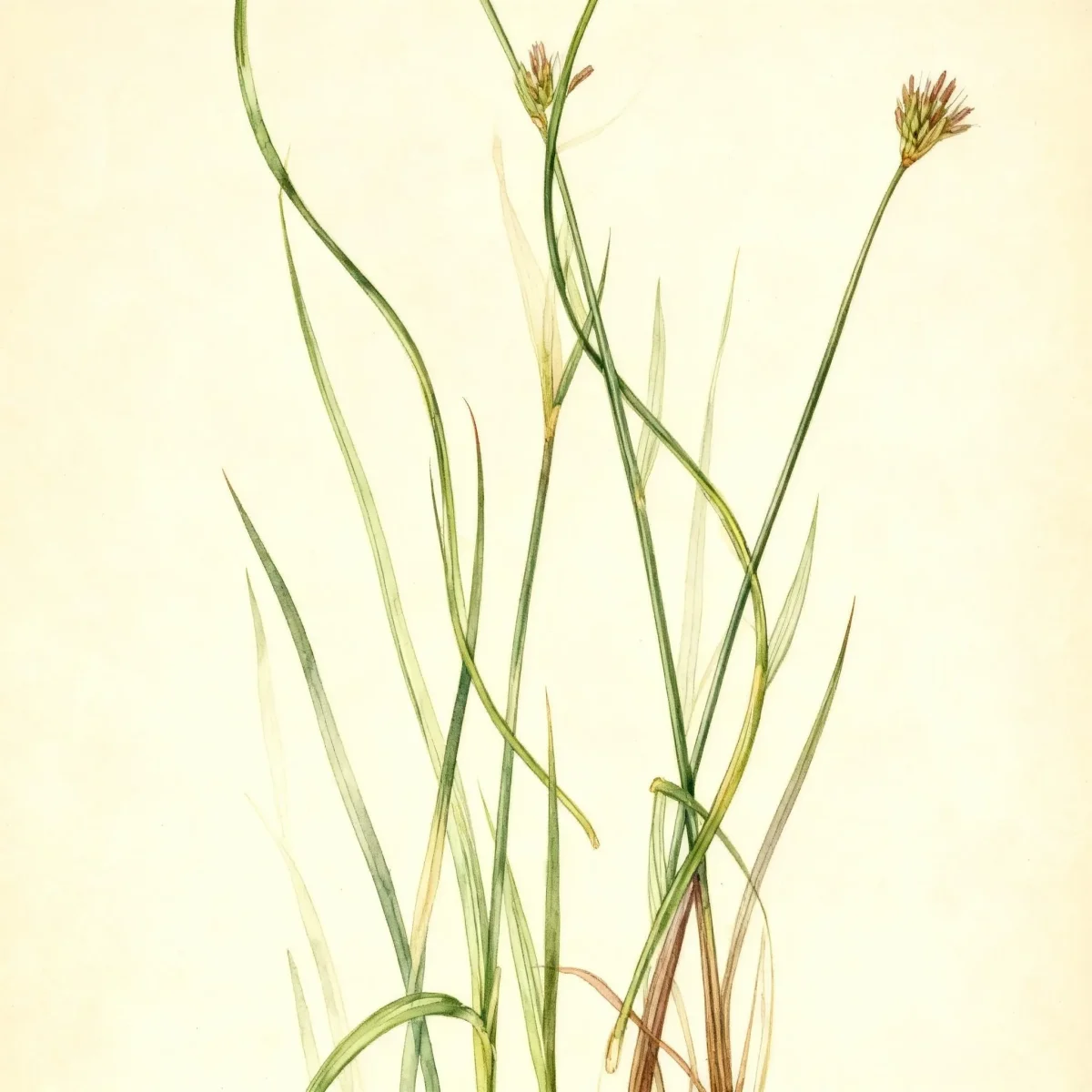
Juncus inflexus, commonly known as hard rush or blue rush, is a rhizomatous, densely-tufted perennial with upright, cylindrical, blue-green stems/leaves. This is a true rush that will grow to as much as 40” tall. It is native to marshes, wet meadows, flood plains, river/lake margins, wet hillsides (sandy or peaty) and ditches in Europe, Asia and North Africa. Tiny, straw to reddish-brown flowers in loose cymes bloom at some stem ends in late spring to mid-summer, giving way to short-beaked brown seed capsules.
Tolerances
- Erosion
- Wet Soil
Potential Problems
This Rush is remarkably resistant, showing no serious insect or disease problems under normal cultivation. Its tolerance for saturated soil acts as a natural defense against many common root rots that plague less adapted perennials. Because it requires such specific, wet conditions, mismatching the soil environment is the gardener’s only real risk.
If you notice the plant struggling, verify that it is receiving adequate moisture; Juncus inflexus will decline if allowed to dry out completely for extended periods during the growing season. Provided it is planted specifically for its preferred wet habitat, routine monitoring for pests like aphids is generally unnecessary.
Frequently Asked Questions
What hardiness zones is Rush suitable for?
Juncus inflexus is reliably hardy across USDA Zones 4 through 9, providing excellent adaptability for many temperate regions.
How large does Juncus inflexus grow?
This perennial Rush typically reaches a height between 1 and 3 feet, with a similar spread of 1 to 3 feet, maintaining an upright, clumping habit.
What sun exposure does Juncus inflexus need?
This plant performs best when exposed to full sun, which encourages dense, vivid growth, although it can tolerate partial or light shade conditions.
When does Rush bloom?
The blooms occur from May to July, producing insignificant flowers described as straw to reddish-brown in color.
Conclusion
The Juncus inflexus, or Hard rush, provides unparalleled vertical texture and structural integrity for any water garden or consistently moist landscape area. Its low maintenance nature, combined with excellent tolerances for wet soil and erosion control, makes this a practical and beautiful choice. Before planting, confirm your site offers the necessary consistent moisture, and enjoy the architectural presence this Rush brings throughout the seasons.
Companion Planting
Selecting companions for Juncus inflexus should focus on other plants that share high moisture requirements. Good associates include various robust ferns that thrive near water, such as Royal Fern (Osmunda regalis), or robust water marginals like Swamp Milkweed (Asclepias incarnata). The upright, linear structure of the Rush contrasts beautifully with the broader leaves of Calla Lilies (Zantedeschia species) or Siberian Iris, creating layered visual interest near a pond edge.
When designing a rain garden, pair this Rush with native sedges (Carex species) and perennial sunflowers that tolerate wet feet, like Helianthus angustifolius. These combinations enhance biodiversity while ensuring all plants are suited to the dynamic saturation levels characteristic of these constructed landscapes.
Propagation Tips
The most straightforward method for multiplying Juncus inflexus is through division, which should be undertaken in early spring before the major flush of new growth begins. Use a sharp spade to carefully sever a portion of an established clump, ensuring the division has adequate roots and stems attached. Replant the separated piece immediately into prepared wet soil.
Since Juncus inflexus may freely self-seed in optimal, moist conditions, allowing mature plants to remain standing through the winter can result in new seedlings the following spring. If you wish to collect seed, gather the small brown seed capsules in late summer or early fall, dry them completely, and sow them immediately onto moist media, or store them cool and damp for spring sowing.