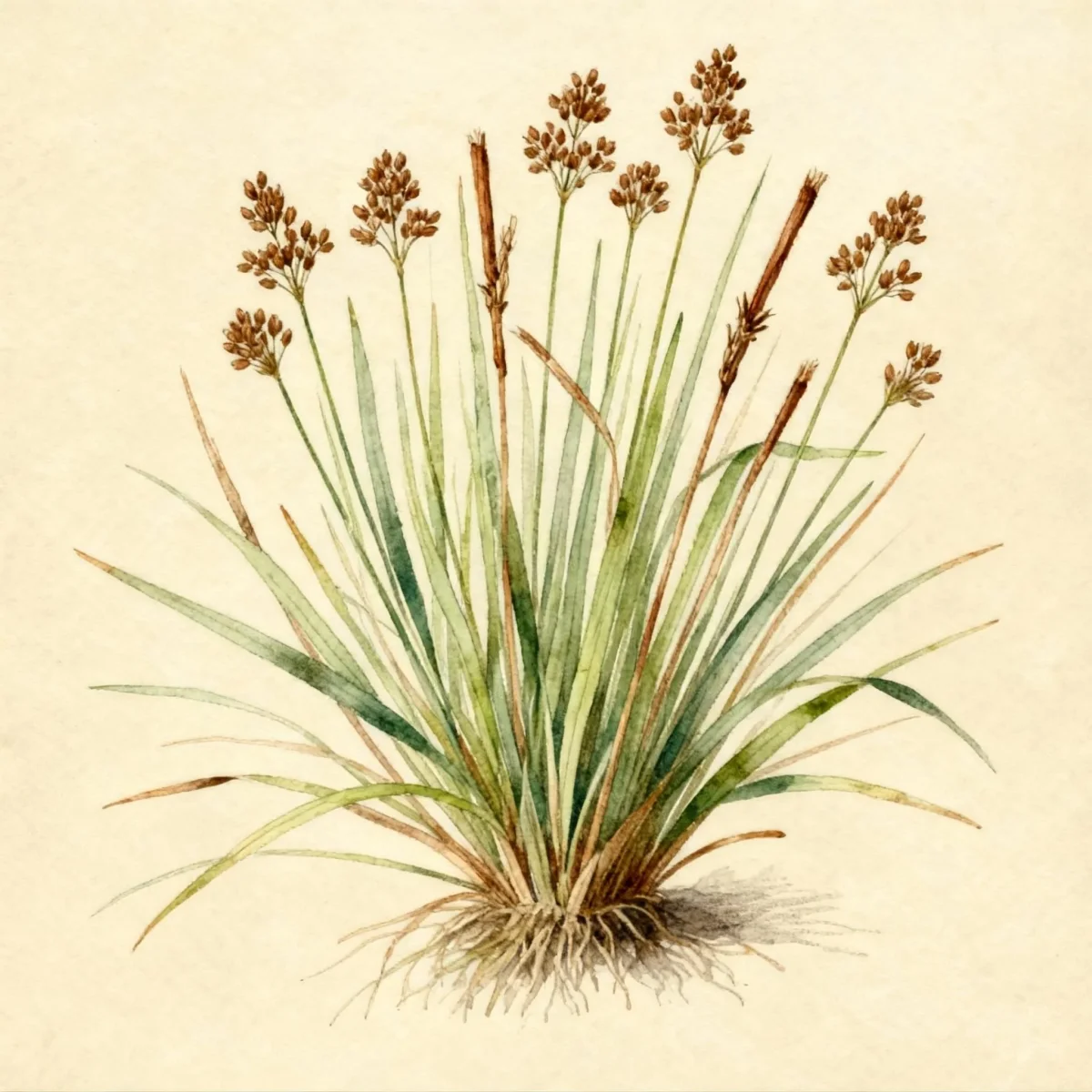
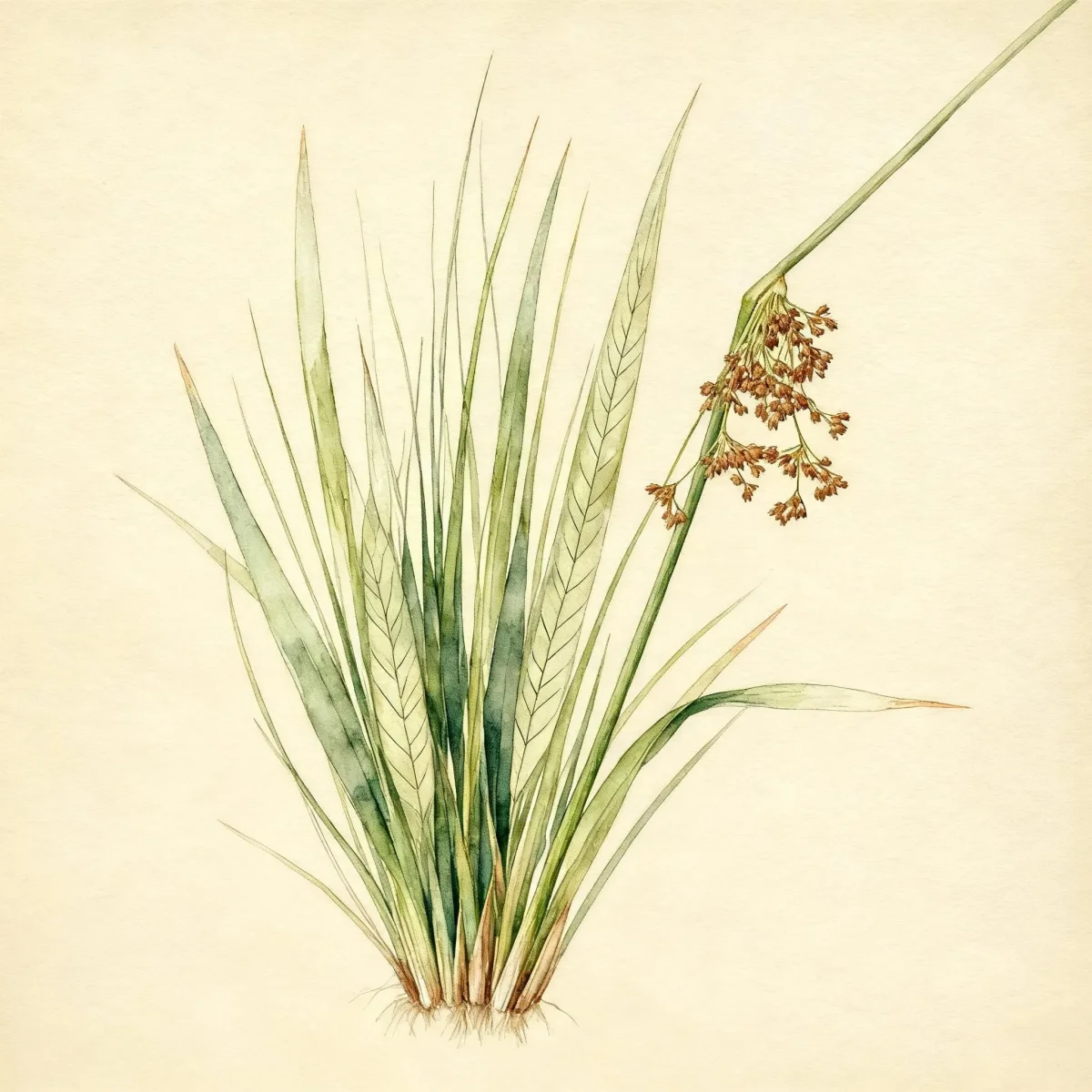
Dudley's rush (Juncus dudleyi)
Juncus dudleyi, or Dudley's rush, is a low-maintenance, upright rush thriving in wet sites across North America, perfect for rain gardens.
Scroll down to discover growing tips, care requirements, companion plants, and more
Complete Plant Information
Overview
Dudley’s rush (Juncus dudleyi) is a valuable indigenous grass-like perennial for managing moisture in the landscape. Characterized by upright, slender, light green stems, this obligate wetland species brings vertical texture to water gardens and boggy areas. It is prized for its low maintenance requirements and successful establishment in difficult wet locations.
This rush is native across much of North America, providing reliable structure in wet meadows, stream borders, and pond margins. Juncus dudleyi spreads via creeping rhizomes, quickly forming dense, self-sustaining colonies, which makes it excellent for naturalizing or stabilizing problematic wet soil areas. Gardeners will appreciate its resilience and ability to thrive where many other ornamentals fail.
Though its flowers are tiny and greenish—deemed insignificant—the overall form and reliable wetland tolerance make Dudley’s rush an ecologically sound choice. It requires consistent moisture to perform optimally but tolerates heavy soils, proving highly adaptable within its required wet conditions.
Fast Facts
- Plant Family: Juncaceae
- Plant Type: Rush or Sedge
- Native Range: Northern and central North America
- Hardiness Zones: USDA Zones 3-9
- Size at Maturity:
- Height: 1.5-2.5 ft
- Spread: 1-1.5 ft
- Bloom Time: May to July
- Bloom Description: Green
- Sun Exposure: Full sun
- Water Needs: Medium to wet
- Maintenance Level: Low
How to Grow
Plant Juncus dudleyi in the spring once the danger of hard frost has passed, placing it directly in the ground where soils are consistently moist to wet. While it tolerates heavy soils, optimal performance is achieved when the roots have virtually constant access to water, such as at the edge of a pond or in a depression designed for runoff collection. Although it prefers full sun for the best vigor, Dudley’s rush can handle light shade, making it versatile for partially shaded wet zones.
Maintenance for this rush is decidedly low. Once established, supplemental watering is usually unnecessary unless your region experiences extended severe drought, as it is well-adapted to soaked conditions. Fertilizing is rarely required; excessive richness can sometimes encourage overly aggressive spreading tendencies.
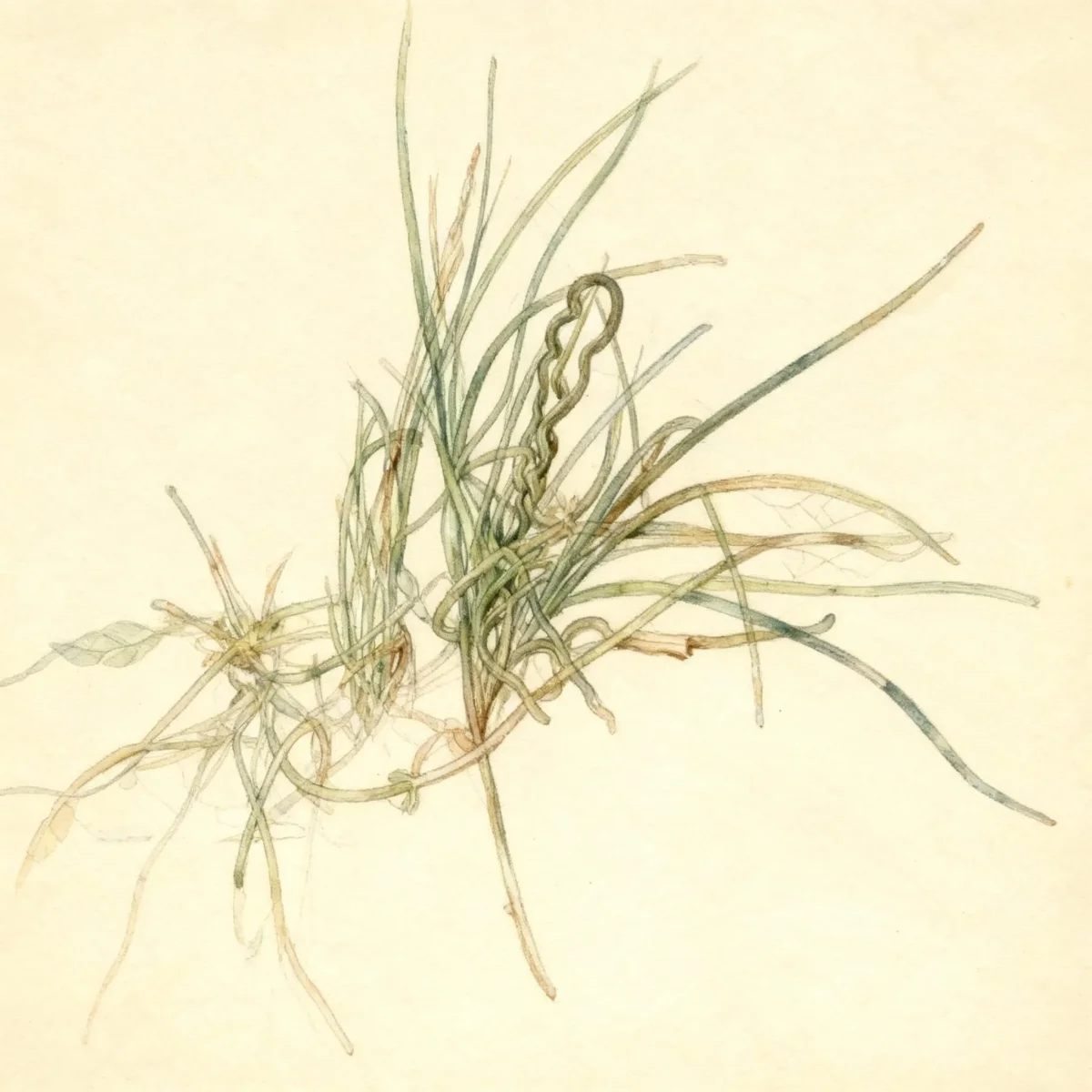
Pruning is generally limited to removing any old, dead foliage in early spring before new vertical growth begins. Be aware that Juncus dudleyi spreads actively via creeping rhizomes, so allow ample space for colony formation or plant it where aggressive behavior is acceptable or desired for groundcover. Division, preferably conducted in early spring, is the easiest method of propagation if you need to control its spread or create new colonies.
Landscape Uses
The primary application for Dudley’s rush is in managing water and stabilizing saturated areas. Its suggested uses prominently feature its role as a Water Plant, making it an essential component for the margins of streams, ponds, and constructed water gardens. The upright, slender habit provides vertical contrast among low-growing bog perennials.
For landscape architecture focused on sustainability, this rush excels in rain garden designs. Its tolerance for both wet soil and erosion ensures that runoff is managed effectively while soil structure is maintained. It can be naturalized extensively in moist sections of the landscape, requiring minimal intervention once planted.
When designing, use Juncus dudleyi to create soft, natural transitions from lawn edges into water features. It pairs well with other moisture-loving plants like cardinal flower (Lobelia cardinalis) or irises, which appreciate similar soil conditions but offer more visual color during the growing season.
Standout Features
Flower Qualities
- Insignificant
Noteworthy Characteristics
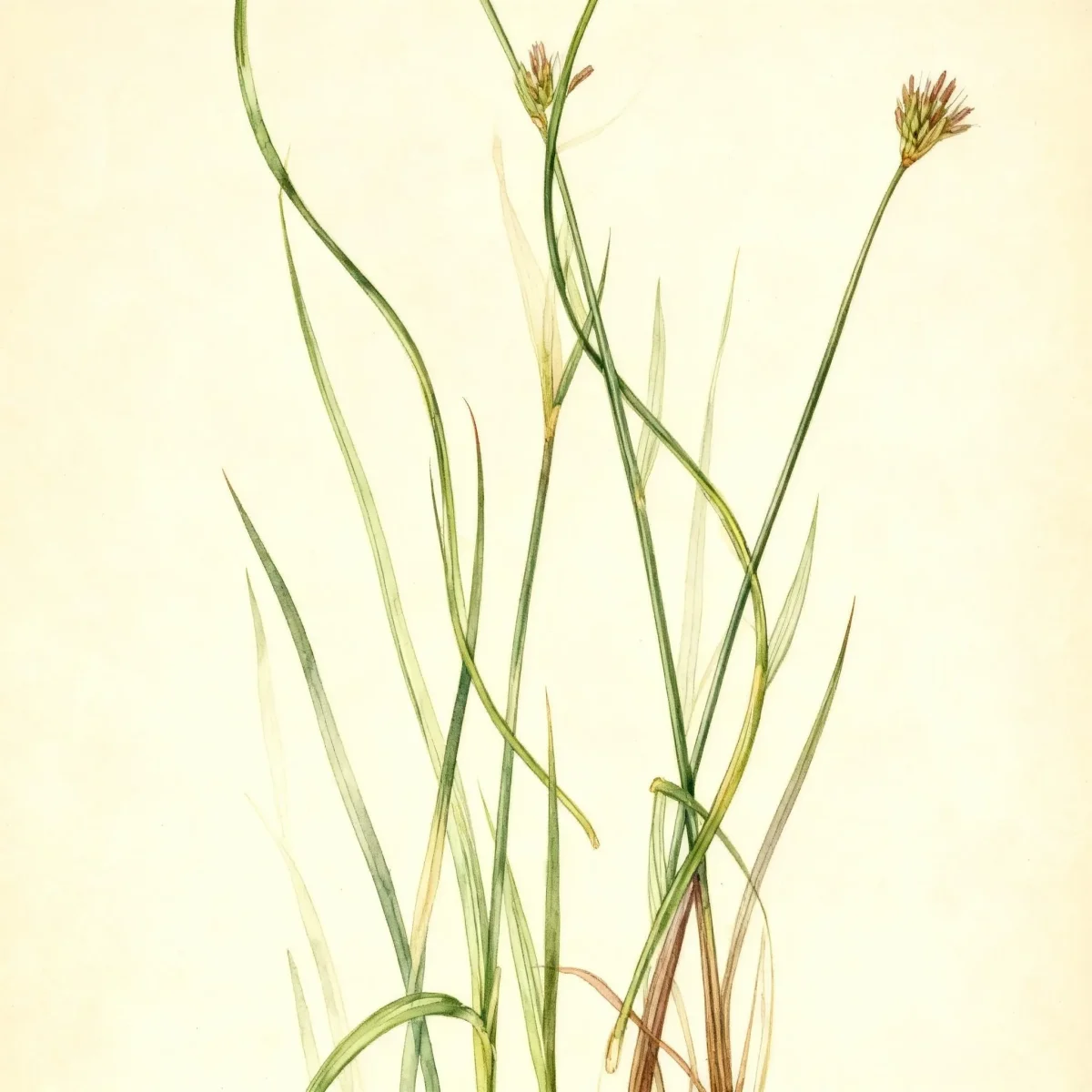
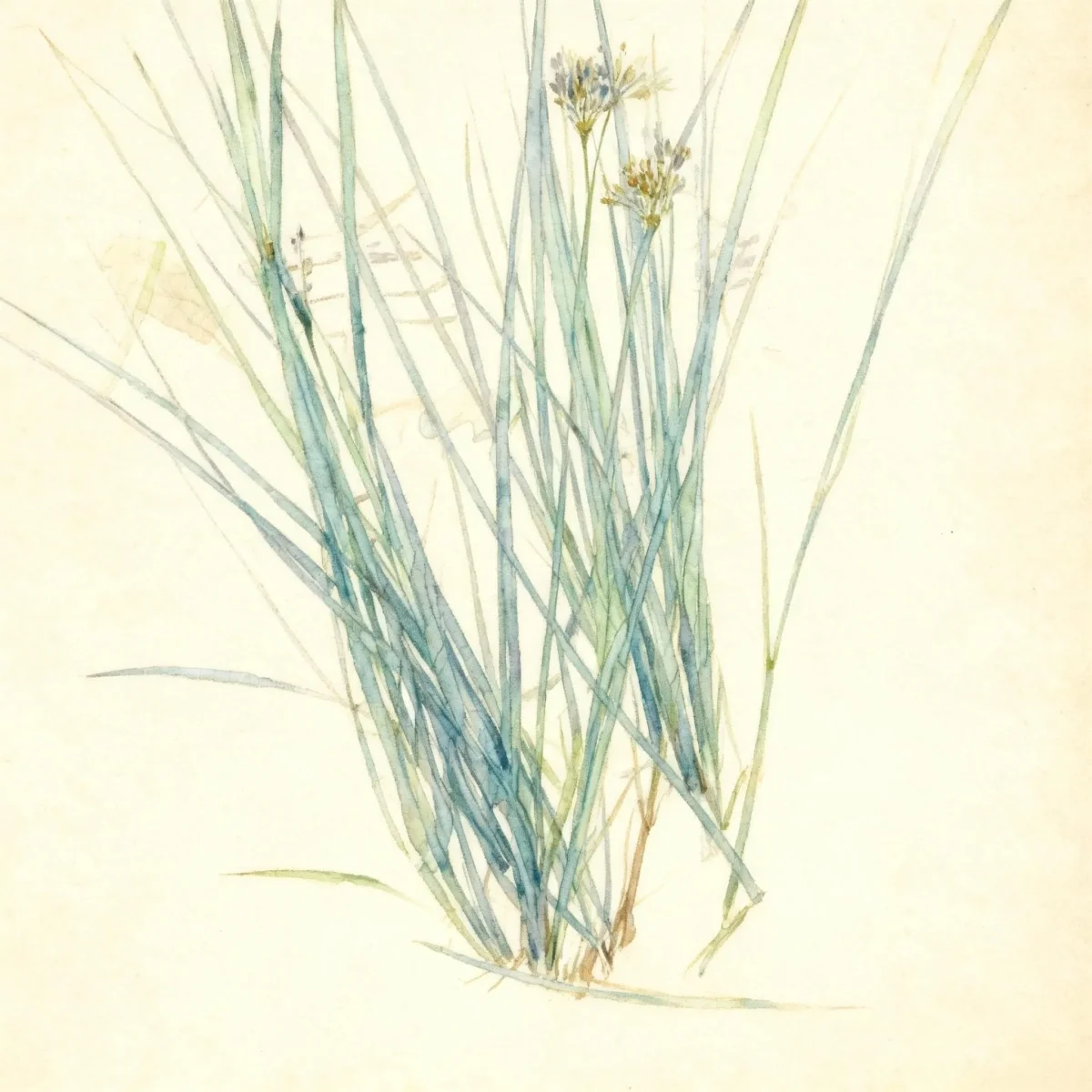
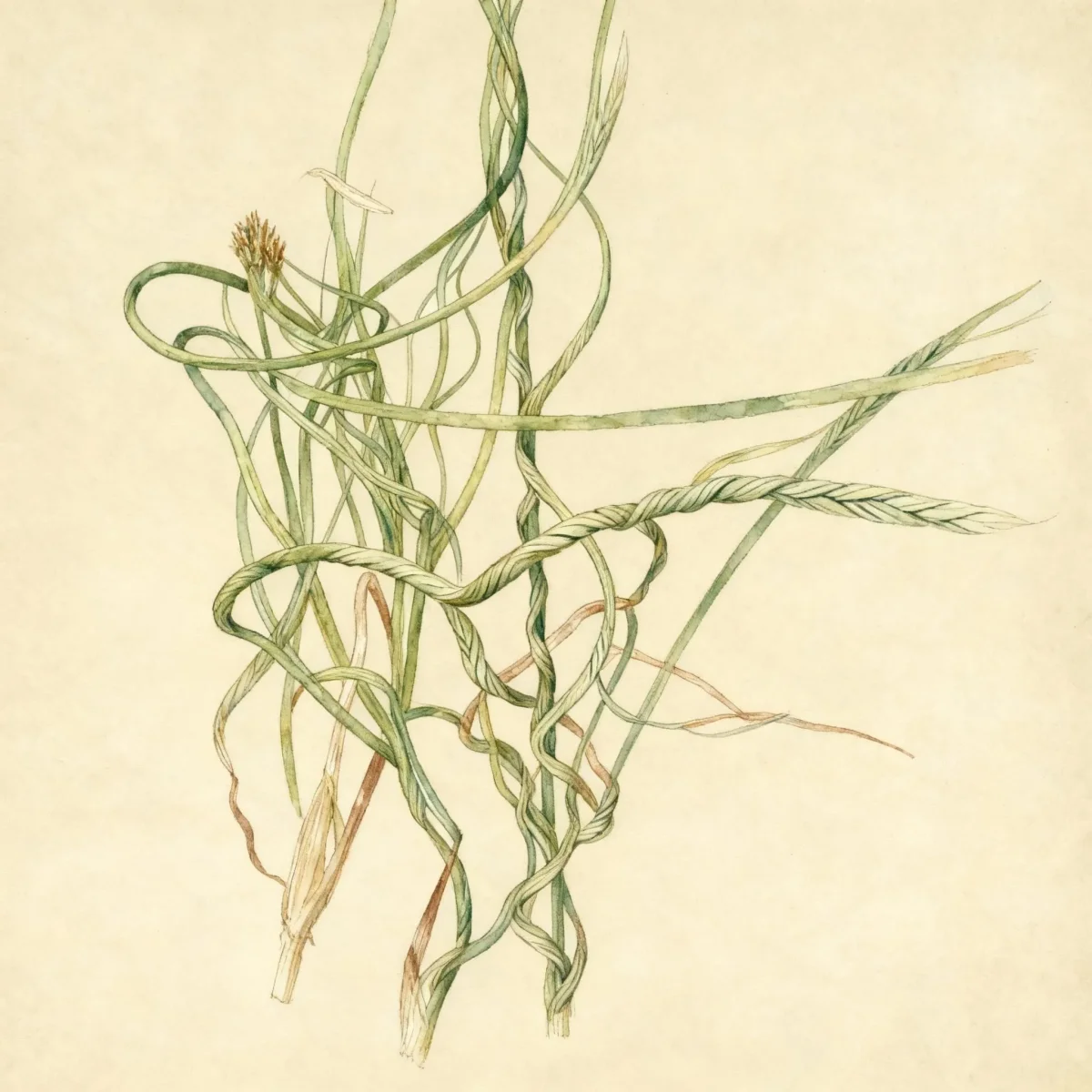
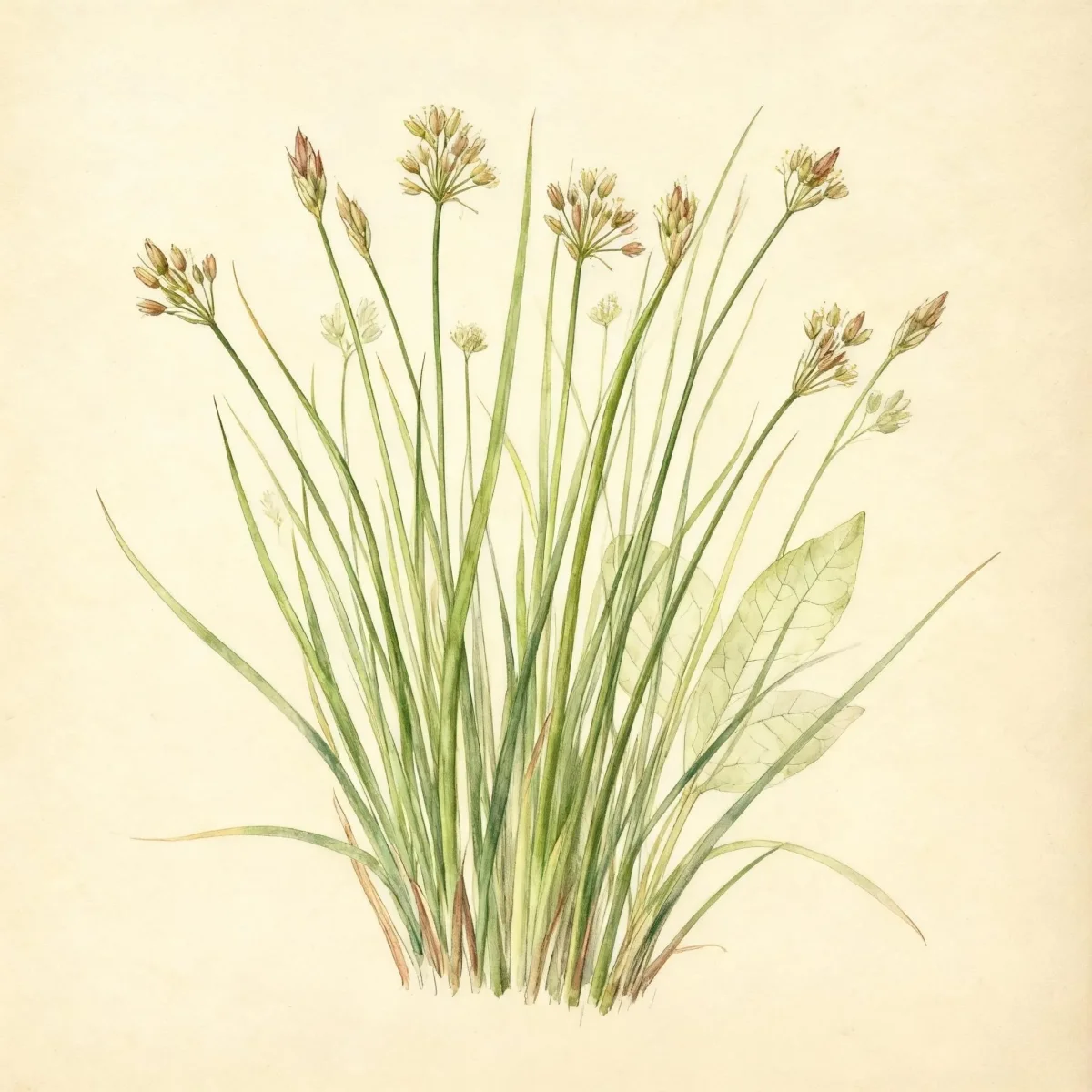
Juncus dudleyi, commonly called Dudley’s rush, is an upright, tufted perennial rush that typically rises to 18 -30” tall on slender, cylindrical, unbranched, light green stems. It is a somewhat weedy, obligate wetland species that is native throughout North America except for North Carolina, Georgia and Florida. Each stem has 1-2 thin basal leaves (to 12” long), and is topped by a compact branched inflorescence containing small clusters of tiny, insignificant, greenish flowers (each less than 1/4” wide).
Tolerances
- Erosion
- Wet Soil
Potential Problems
Dudley’s rush generally exhibits excellent resilience against pests and diseases. Gardeners should anticipate few serious insect or disease problems when cultivating Juncus dudleyi. This robust nature is a significant advantage, minimizing the need for chemical interventions or continuous monitoring. Keep plants consistently moist, as drying out is the most common cause of stress, though this is cultural rather than pathological.
Frequently Asked Questions
What hardiness zones is Dudley’s rush suitable for?
Juncus dudleyi is tolerant and adaptable across a wide range, thriving in USDA Zones 3 through 9.
How large does Juncus dudleyi grow?
This rush reaches a modest height between 1.5 and 2.5 feet, with a spread typically ranging from 1 to 1.5 feet wide as it forms colonies.
What sun exposure does Dudley’s rush need?
For the most compact growth and best flowering structure, Juncus dudleyi requires full sun, although it will tolerate light shade in some settings.
When does Juncus dudleyi bloom?
This species produces its characteristic insignificant green flowers from May through July.
Conclusion
Dudley’s rush offers exceptional value for ecologically minded gardening, particularly where consistently moist or wet conditions predominate. Its low maintenance needs and ability to stabilize soil make Juncus dudleyi a superior choice for boggy areas and rain gardens. Before planting, confirm your site offers the medium to wet moisture levels required, and plan to give this hardy rush room to colonize naturally.
Propagation Tips
Since Juncus dudleyi spreads readily through rhizomes, propagation by division is the most straightforward method for home gardeners wanting to increase their stock or relocate plants. Mid-spring, just as new growth begins to emerge, is the ideal time to lift clumps. Carefully cut or pull apart the root mass, ensuring each new division has a healthy segment of both root and crown. Replant these divisions immediately into suitable wet soil conditions to minimize transplant shock and encourage re-establishment.
Companion Planting
Because Dudley’s rush thrives in saturated, sunny conditions, it pairs beautifully with other moisture-loving natives that appreciate similar sun exposure. Consider integrating it with marsh marigold (Caltha palustris) for earlier spring color, or use taller, structural plants like native cattails (Typha species, ensuring manageable varieties) in larger water features for vertical stacking. For a colorful border adjacent to the rush colonies, introduce plants like swamp milkweed (Asclepias incarnata) or blue flag iris (Iris versicolor), both of which enjoy consistent moisture without being fully submerged.