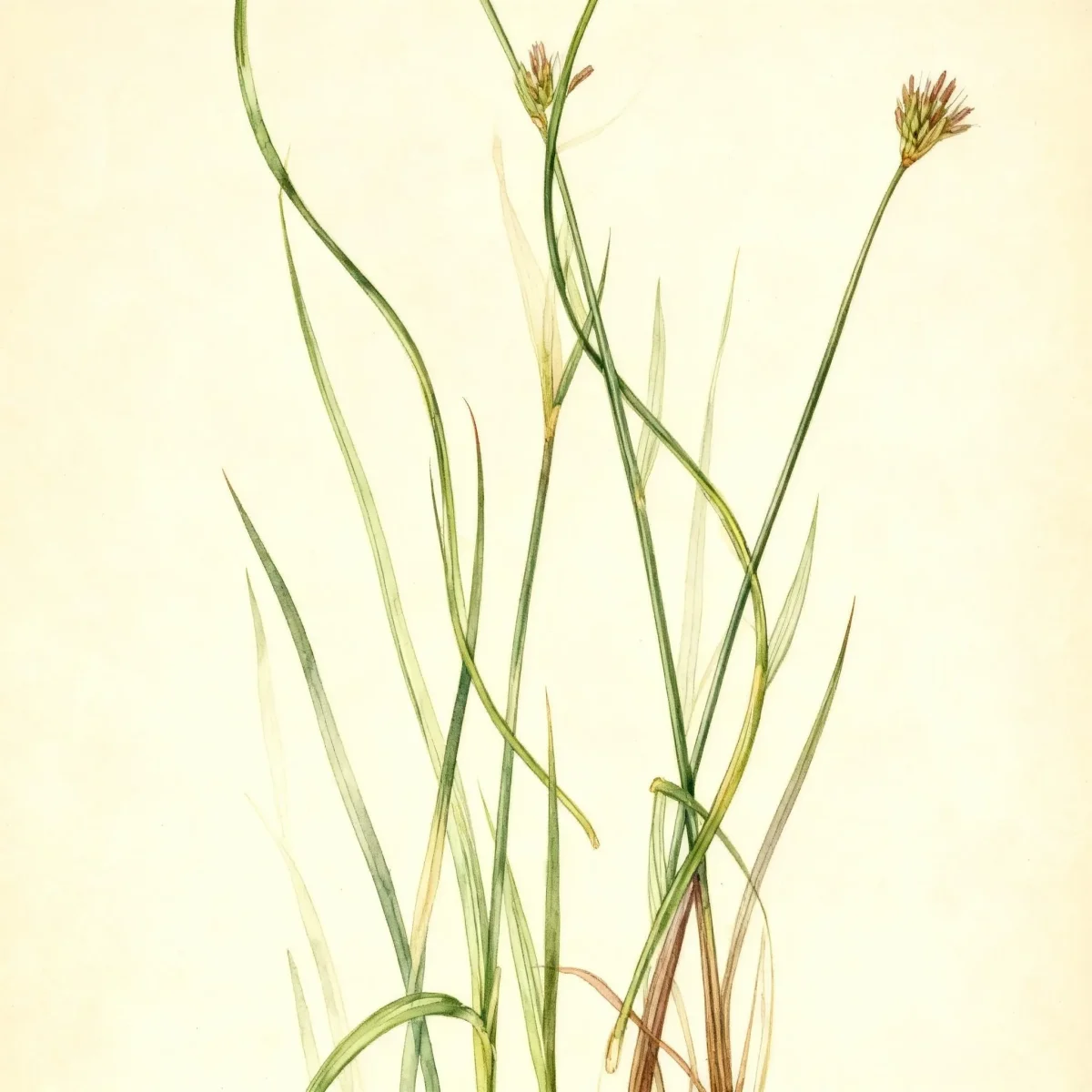
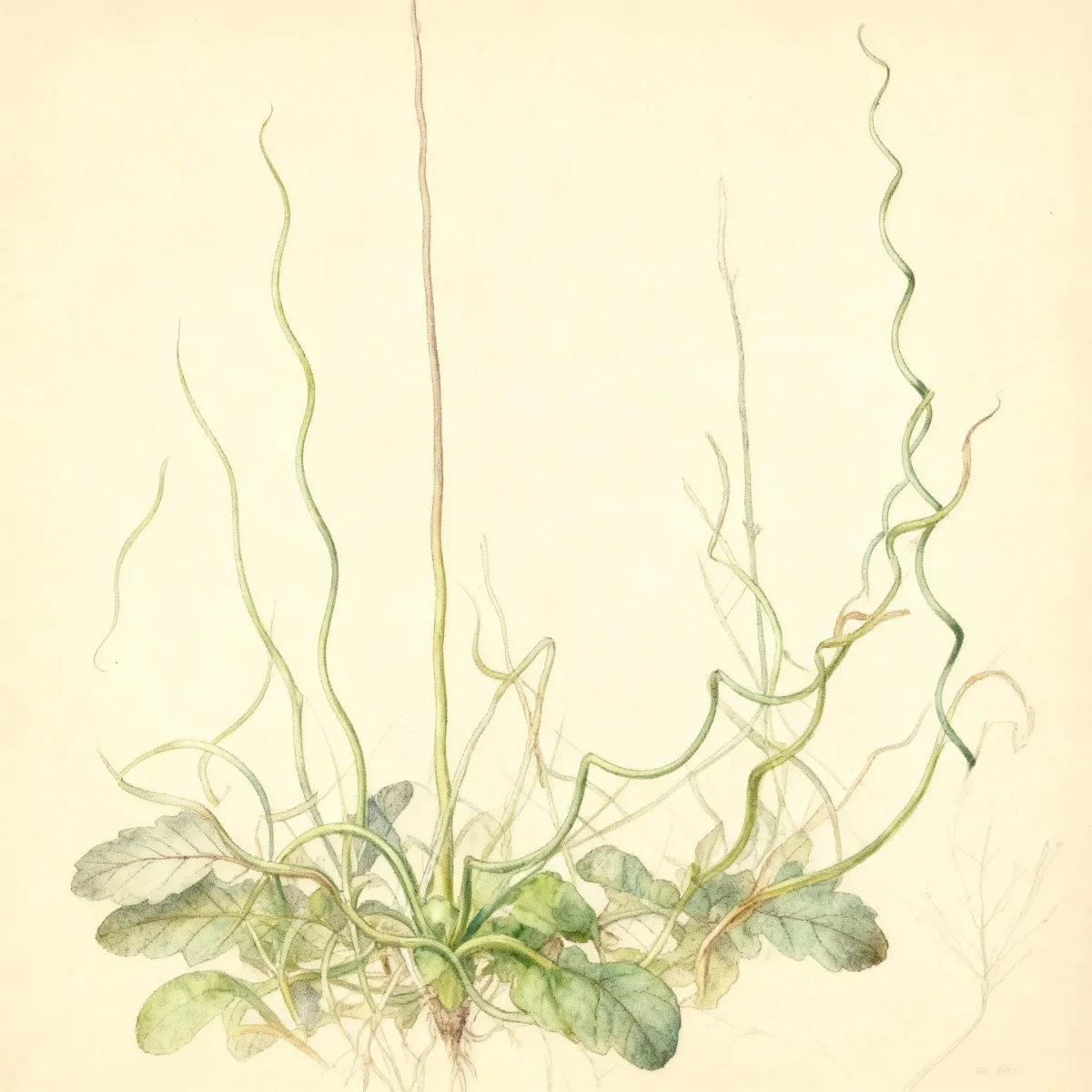
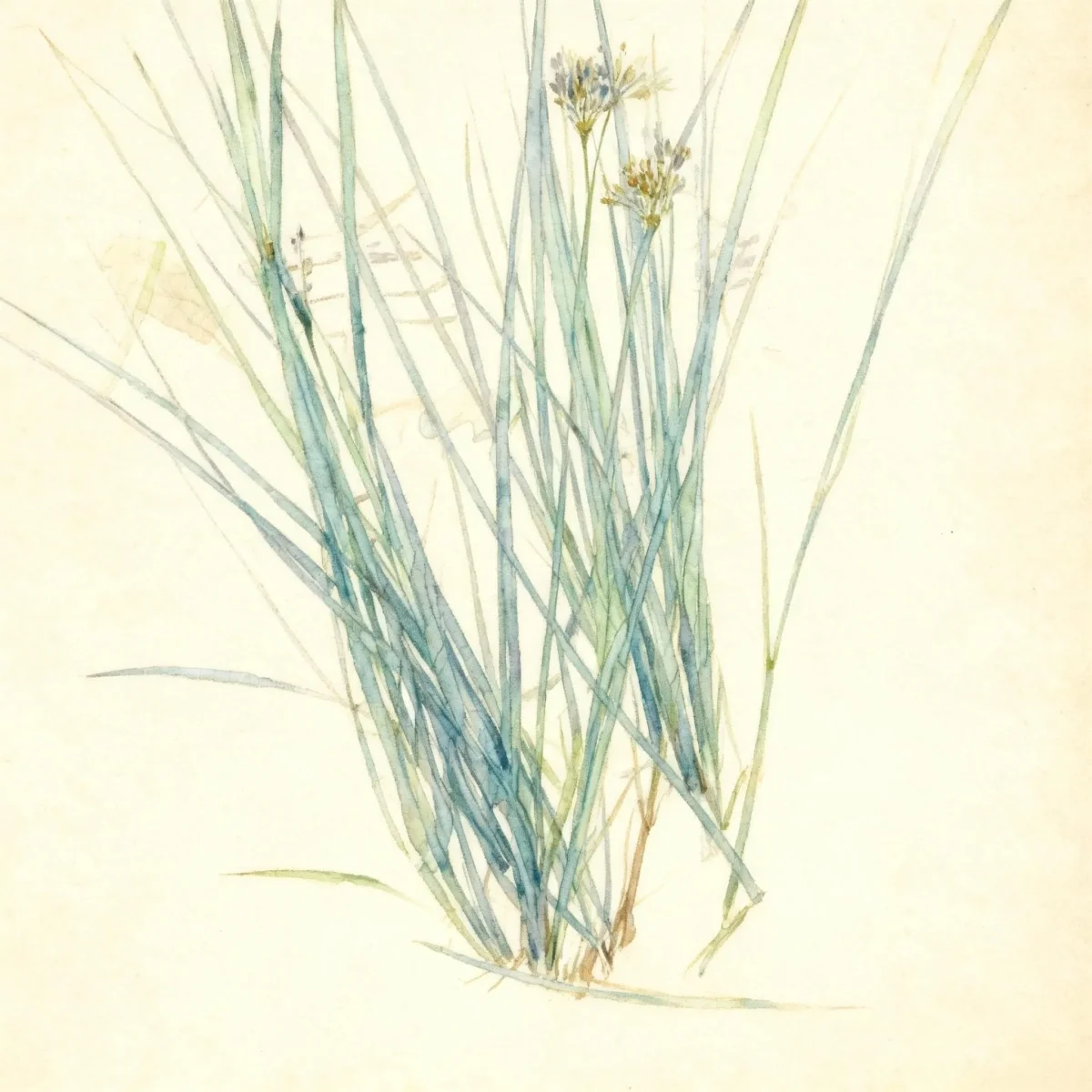
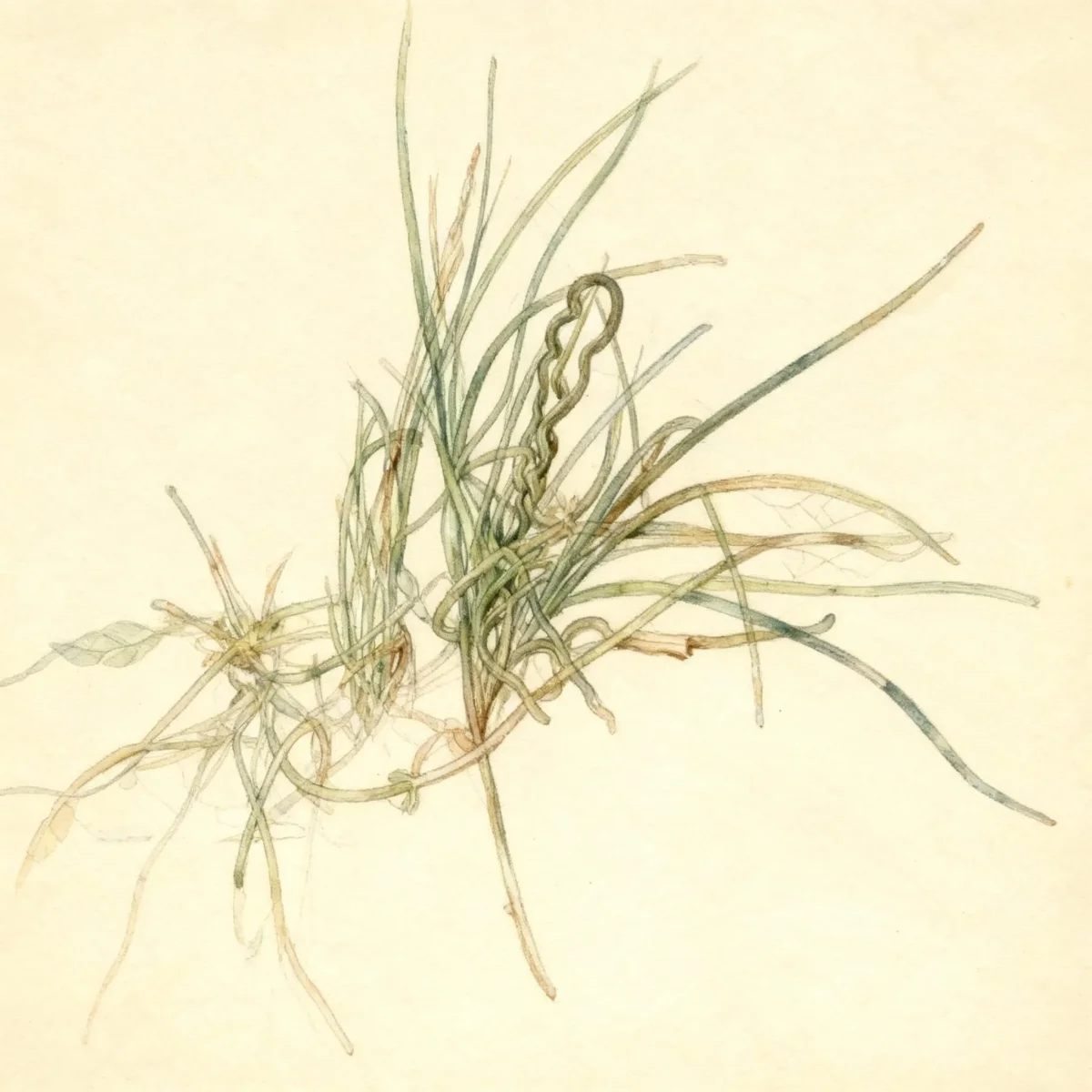
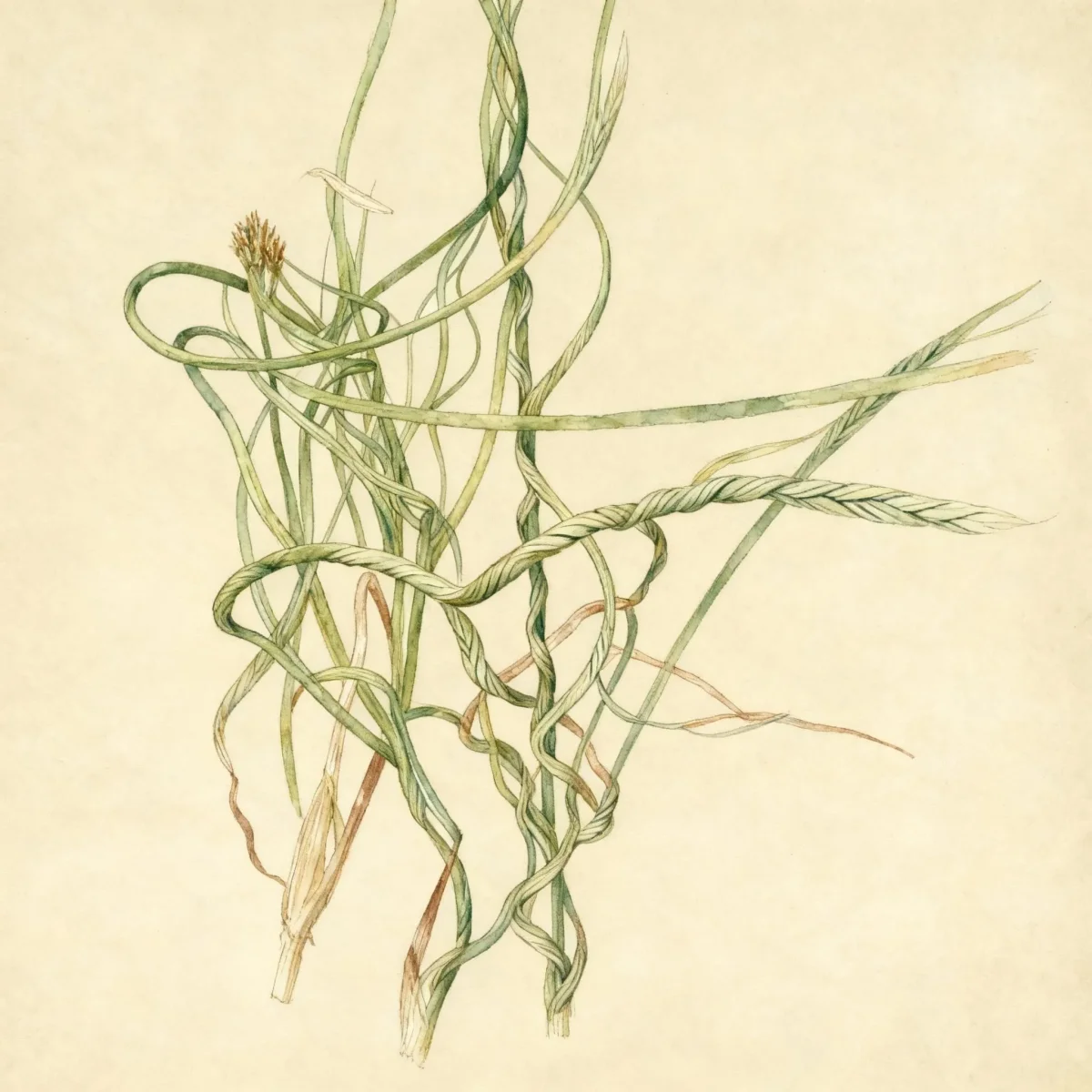
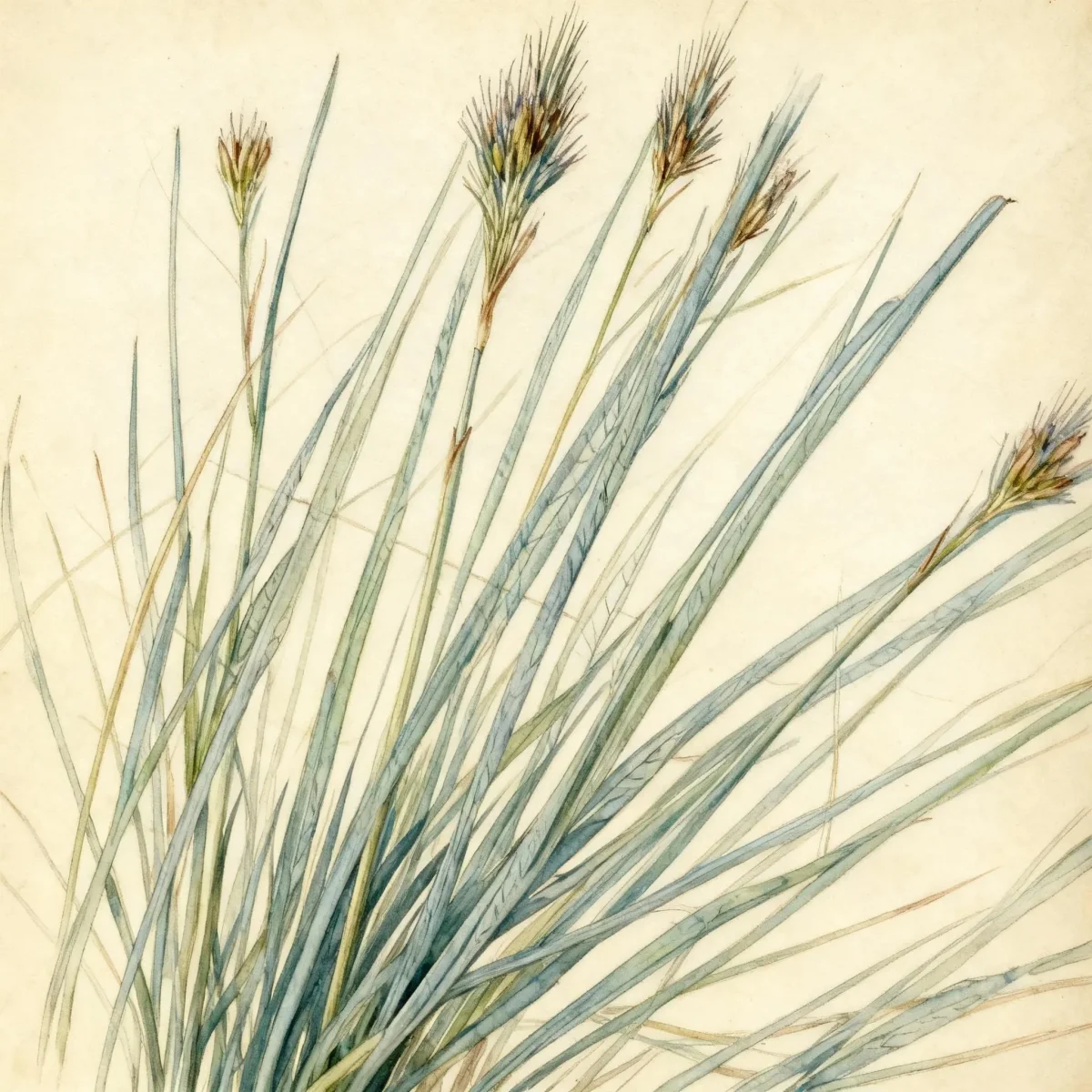
Common rush (Juncus effusus)
Juncus effusus, the Common rush, is a grasslike wetland perennial reaching 2-4 ft, ideal for wet soils and rain gardens.
Scroll down to discover growing tips, care requirements, companion plants, and more
Complete Plant Information
Overview
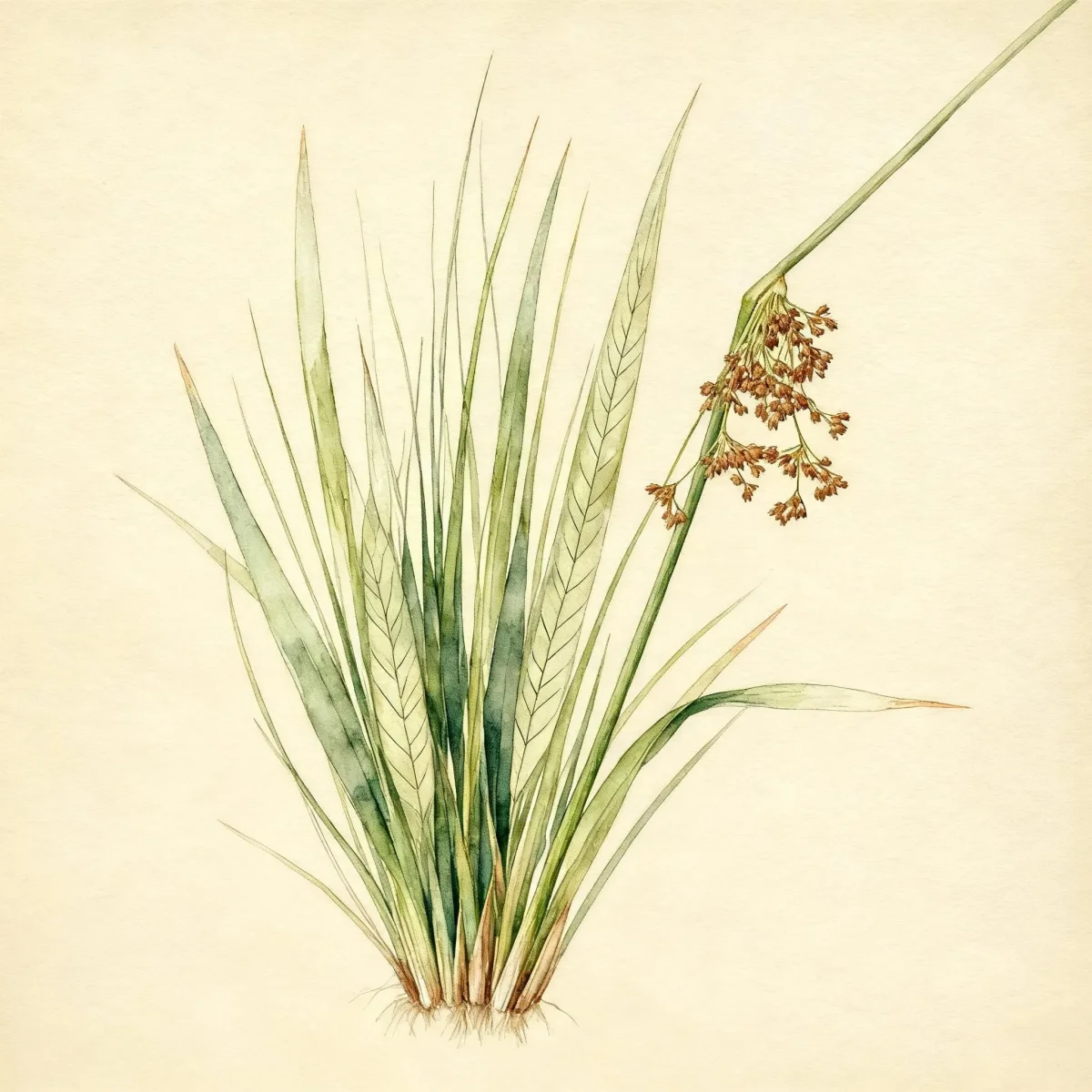
The Common rush, scientifically known as Juncus effusus, provides essential vertical structure in saturated landscapes. This grasslike perennial is prized for its smooth, upright, cylindrical green stems that offer a clean, architectural accent near water features. As one of the true rushes, it thrives where many other garden plants fail, requiring consistently moist or wet conditions to reach its full stature of 2 to 4 feet tall.
Juncus effusus is highly adaptable across various wet environments, ranging from the edges of ponds to consistently moist garden soils, and it offers a low-maintenance solution for challenging areas. Its presence is valuable not just aesthetically, but functionally, as it proves useful in landscaping practices targeted at managing runoff or stabilizing banks.
With a nearly cosmopolitan distribution, this resilient plant is a staple in wetland or rain garden designs. Gardeners appreciate the reliable structure of the Common rush, especially since its foliage remains evergreen in warmer climates, providing year-round visual interest.
Fast Facts
- Plant Family: Juncaceae
- Plant Type: Rush or Sedge
- Native Range: Eurasia, North America, Australia, New Zealand
- Hardiness Zones: USDA Zones 4-9
- Size at Maturity:
- Height: 2-4 ft
- Spread: 2-4 ft
- Bloom Time: June to August
- Bloom Description: Yellowish-green
- Sun Exposure: Full sun
- Water Needs: Wet
- Maintenance Level: Low
How to Grow
The best time to establish Juncus effusus is typically in spring, allowing it time to settle before summer heat. Plant the Common rush where it will receive full sun, which encourages the densest, greenest growth, though it tolerates partial shade. It excels in consistently moist to wet soils and performs excellently when situated in standing water up to 4 inches deep, making it perfect for bog gardens or pond margins.
Maintenance for this species is refreshingly simple. While it is generally low maintenance, remember that Juncus effusus spreads via rhizomes and self-seeding. If you need to restrict its footprint, plant it within large containers sunk into the ground. In regions with hard freezes, the outdoor clumps may die back to the ground; always cut back the old foliage in early spring before new growth emerges.
Propagation is straightforward, utilizing either seed or division of established clumps. If you grow the species outdoors in mild climates, the stems may remain attractive and evergreen throughout winter, but they will brown up naturally in the fall. Ensure excellent moisture retention year-round, as even garden soils must be kept constantly damp for optimal health.
Landscape Uses
The Juncus effusus, or Common rush, is a premier choice for aquatic and bog gardening applications. Use it effectively at the edges of ponds or water gardens, providing a soft transition between water and dry land. Its vertical, spire-like stems are excellent for adding strong linear accents among broader-leafed moisture-loving plants or contrasting against wet pebbles and rocks.
Beyond pure water features, this rush excels in rain gardens, where its powerful moisture tolerance helps manage minor runoff and capture water flow. Consider planting Juncus effusus in large, architectural containers placed near patios or entryways, as they look striking when used as tall, vertical fillers.
Due to its natural growth habit in wet pastures and along damp banks, the Common rush also serves a functional role in erosion control. Grouping these plants along moist slopes provides a dense root structure that anchors soil effectively while maintaining a clean, native aesthetic.
Standout Features
Flower Qualities
- Showy
Noteworthy Characteristics
Juncus effuses, commonly known as soft rush or bog rush, is a rhizomatous wetland perennial defined by its smooth, upright, cylindrical green stems which function as leaves. Though appearing stiff from a distance, the stems are surprisingly soft to the touch, providing vertical accent in damp garden spaces. This species is widespread globally but thrives particularly in cool-temperate regions with ample moisture.
Tolerances
- Erosion
- Wet Soil
Potential Problems
Generally, the Common rush exhibits no serious insect or disease issues, making it an easy specimen to manage. The most common issues tend to be fungal, including rust, leaf spot, and occasional stem rots. These problems are almost always exacerbated by poor air circulation combined with overly saturated conditions, although Juncus effusus naturally inhabits wet areas.
To mitigate potential rot or fungal outbreaks, ensure that the planting area, while wet, is not constantly waterlogged stagnant muck, especially if humidity is high. If signs of leaf spot appear, prune out the affected foliage during early spring cleanup to prevent overwintering spores from spreading the following season.
Frequently Asked Questions
What hardiness zones is Common rush suitable for?
Juncus effusus is suitably hardy across USDA Zones 4 through 9, allowing for broad application across temperate gardening regions.
How large does Juncus effusus grow?
This species typically reaches a mature height between 2 and 4 feet tall, spreading out to a similar width of 2 to 4 feet via underground rhizomes.
What sun exposure does Juncus effusus need?
For best performance and sturdy, upright growth, the Common rush requires full sun exposure, though it can tolerate some partial shade.
When does Juncus effusus bloom?
The plant produces insignificant, minute, yellowish-green flowers clustered along the sides of the stems between June and August.
Conclusion
The Juncus effusus provides unmatched vertical texture and structural reliability for any area that features perpetual wetness or standing water. As a truly adaptable wetland perennial, the Common rush minimizes maintenance while maximizing ecological function in rain gardens and pond borders. Before planting, confirm your soil conditions align with its preference for wet soil and ensure you have the space for its 2- to 4-foot spread.
Companion Planting
When integrating Juncus effusus into a wet garden design, choose companions that appreciate similar cultural needs—namely full sun and wet feet. Excellent partners include other marginal aquatics such as Pickerel Rush (Pontederia cordata) or various sedges (Carex species) that can handle moist soils. This combination creates a rich tapestry of textures while ensuring all plants thrive in shared, high-moisture conditions.
For areas that are reliably moist but not constantly submerged, consider pairing the Common rush with moisture-loving perennials like Blue Flag Iris (Iris versicolor). The Iris adds bold summer color that complements the simple green spires of the rush, creating an attractive, easily managed waterside border.
Propagation Tips
Propagating Juncus effusus is best achieved through division, especially for maintaining desired horticultural forms or controlling the spread of established clumps. Perform divisions in early spring just as new growth begins to emerge; carefully lift the entire plant and divide the rhizomatous root mass into smaller sections, ensuring each new piece has healthy roots and shoots.
While division works well for mature clumps, the straight species can also be propagated by seed. Collect the small capsules after they mature in late summer or fall. Sow seeds thinly on the surface of moist soil (or in a tray of water) and keep them consistently wet in a bright location. Germination can sometimes be slow, but the resulting seedlings offer a natural way to colonize damp areas.