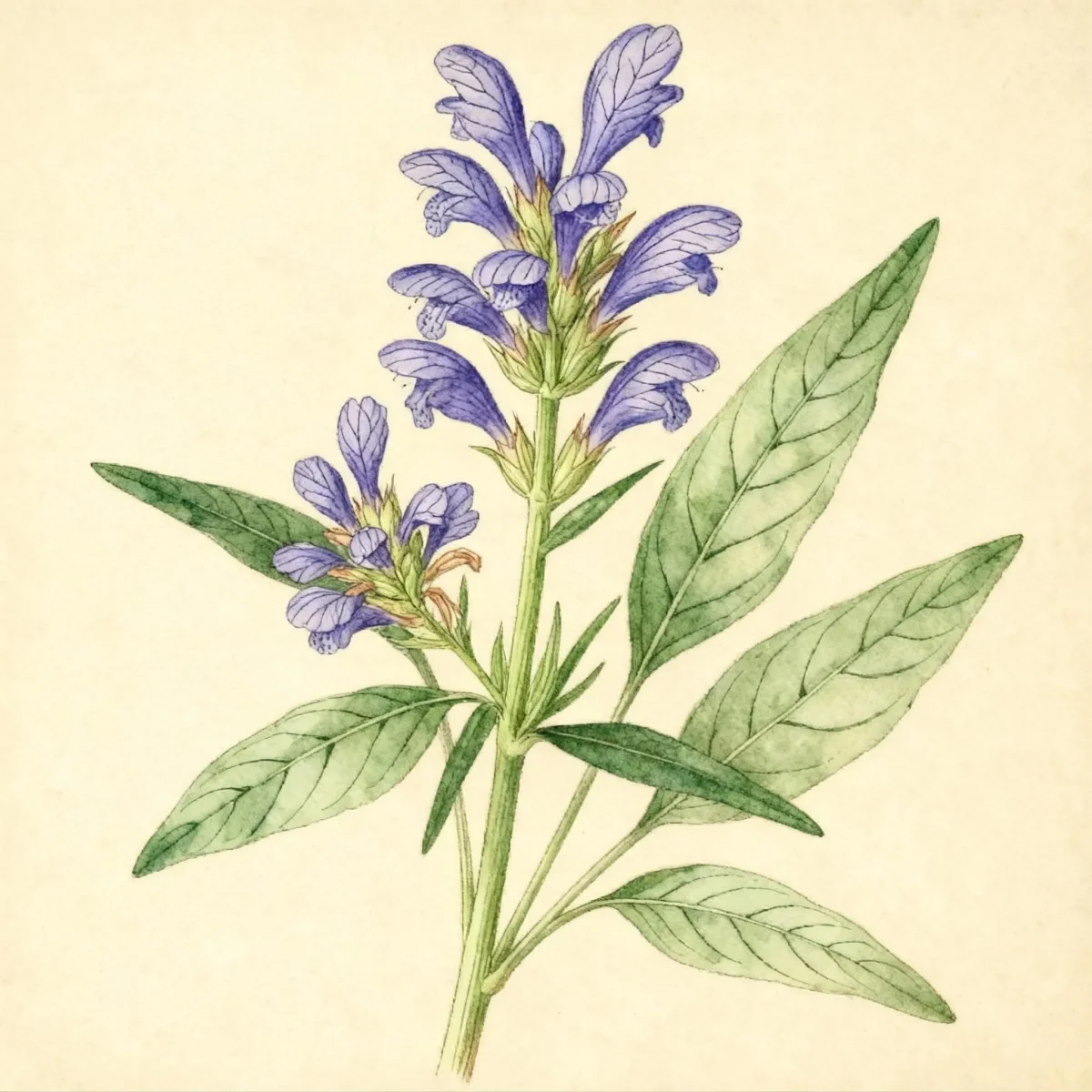
Yellow giant hyssop (Agastache nepetoides)
Yellow giant hyssop (Agastache nepetoides) is a tall, fast-growing perennial with greenish-yellow spikes, ideal for low-maintenance native gardens.
Scroll down to discover growing tips, care requirements, companion plants, and more
Complete Plant Information
Overview
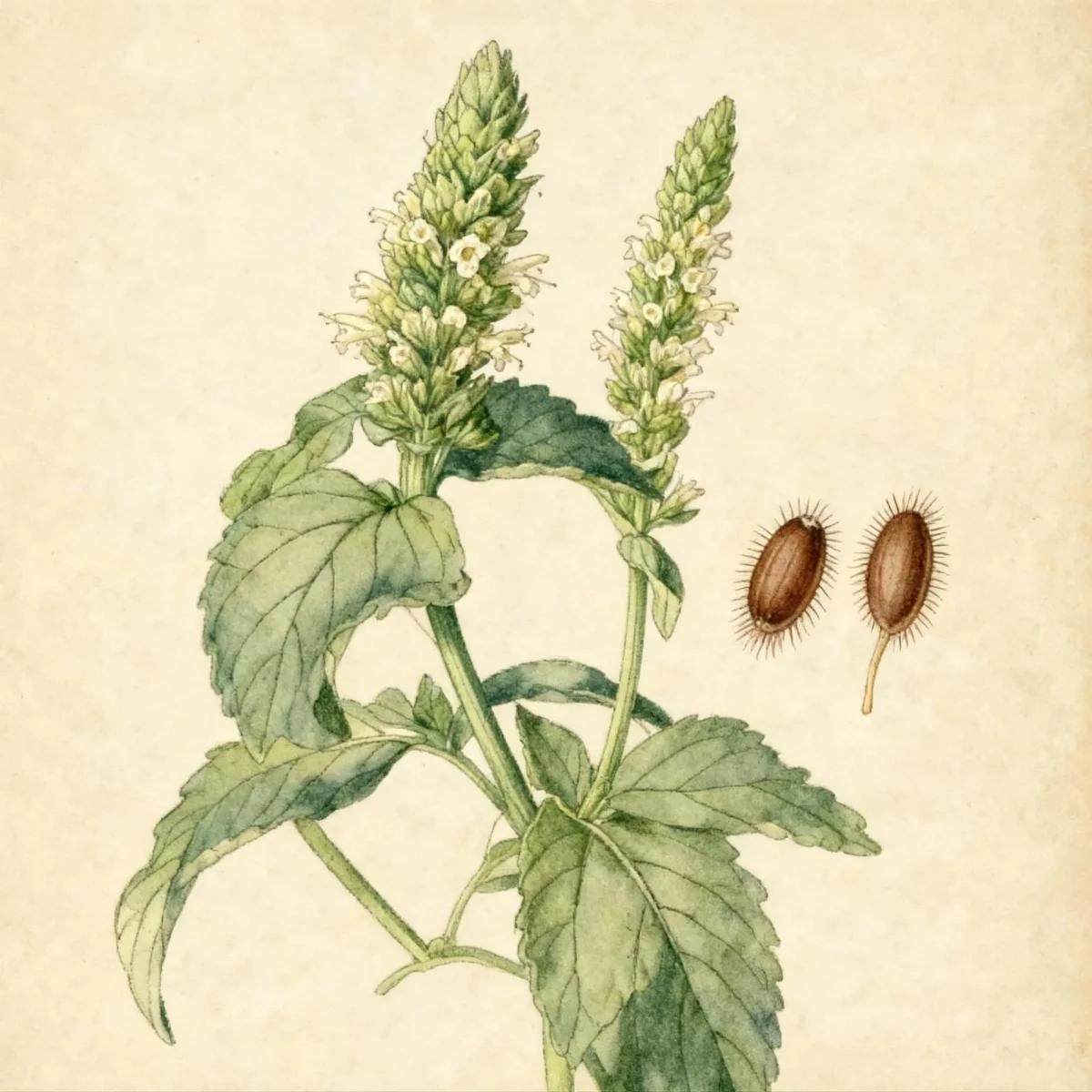
The Yellow giant hyssop, or Agastache nepetoides, offers significant vertical interest in the garden, easily reaching heights of four to six feet. This fast-growing perennial features stiff, square stems topped with spikes of unique, greenish-yellow flowers that bloom late into the season. Its towering presence makes it a valuable structural element in mixed borders and naturalized areas.
As a member of the mint family (Lamiaceae), this plant brings reliable performance to sunny or partially shaded sites across a wide range of climates, thriving from USDA Zones 2 through 8. Despite belonging to a fragrant family, the foliage of Agastache nepetoides is notably unscented. Gardeners appreciate its low maintenance needs and its strong tolerance for summer heat and humidity.
A major benefit of integrating Agastache nepetoides into your landscape is its powerful role in supporting local ecosystems. It is highly attractive to essential pollinators, providing necessary nectar well into autumn. Consider incorporating this robust native species for reliable late-season color and structure.
Fast Facts
- Plant Family: Lamiaceae
- Plant Type: Herbaceous perennial
- Native Range: Southern Canada to southeastern United States
- Hardiness Zones: USDA Zones 2-8
- Size at Maturity:
- Height: 4-6 ft
- Spread: 1-3 ft
- Bloom Time: July to September
- Bloom Description: Greenish-yellow
- Sun Exposure: Full sun to part shade
- Water Needs: Medium
- Maintenance Level: Low
How to Grow
Planting Yellow giant hyssop is best done in the spring after the danger of hard frost has passed. It adapts well to average, medium, and well-drained soil; while it prefers moisture, excellent drainage is crucial to prevent root issues. Choose a location that offers full sun exposure for the densest blooming, though light afternoon shade in the hottest climates is well tolerated.
Once established, this perennial requires only medium watering, especially during prolonged dry spells. Due to its vigorous growth habit and native resilience, Agastache nepetoides generally requires no supplemental fertilization. Deadheading spent flower spikes is optional but can promote a tidier appearance or potentially encourage sporadic repeat blooming.
Maintenance is typically low; the main task is cutting back the old, hollow stems in early spring before new growth emerges. This plant establishes quickly and spreads gently via rhizomes, making cleanup straightforward. Proper spacing is important, given its mature height of up to six feet, allowing air to circulate around the foliage.
Landscape Uses
The bold stature of Yellow giant hyssop makes it an excellent anchor plant for the perennial border, providing necessary vertical contrast to shorter, mounding perennials. Its native origin also makes it a perfect choice for recreating local wildflower meadows or naturalized areas where a wilder, less formal look is desired. The stiff stems stand well through the bloom period, minimizing flopping issues.
For a striking visual effect, mass plantings of Agastache nepetoides create walls of soft greenish-yellow that blend beautifully with deep-purple coneflowers, goldenrods, or tall ornamental grasses. It performs best where it has room to develop its full height, thriving near woodland edges or in open thickets where it naturally occurs.
This plant is a staple in the butterfly garden, not merely for its nectar but for its architectural qualities. Though the leaves lack strong fragrance, the species is durable, tolerating summer heat and humidity better than some fussy cultivated varieties.
Standout Features
Flower Qualities
- Showy
Noteworthy Characteristics
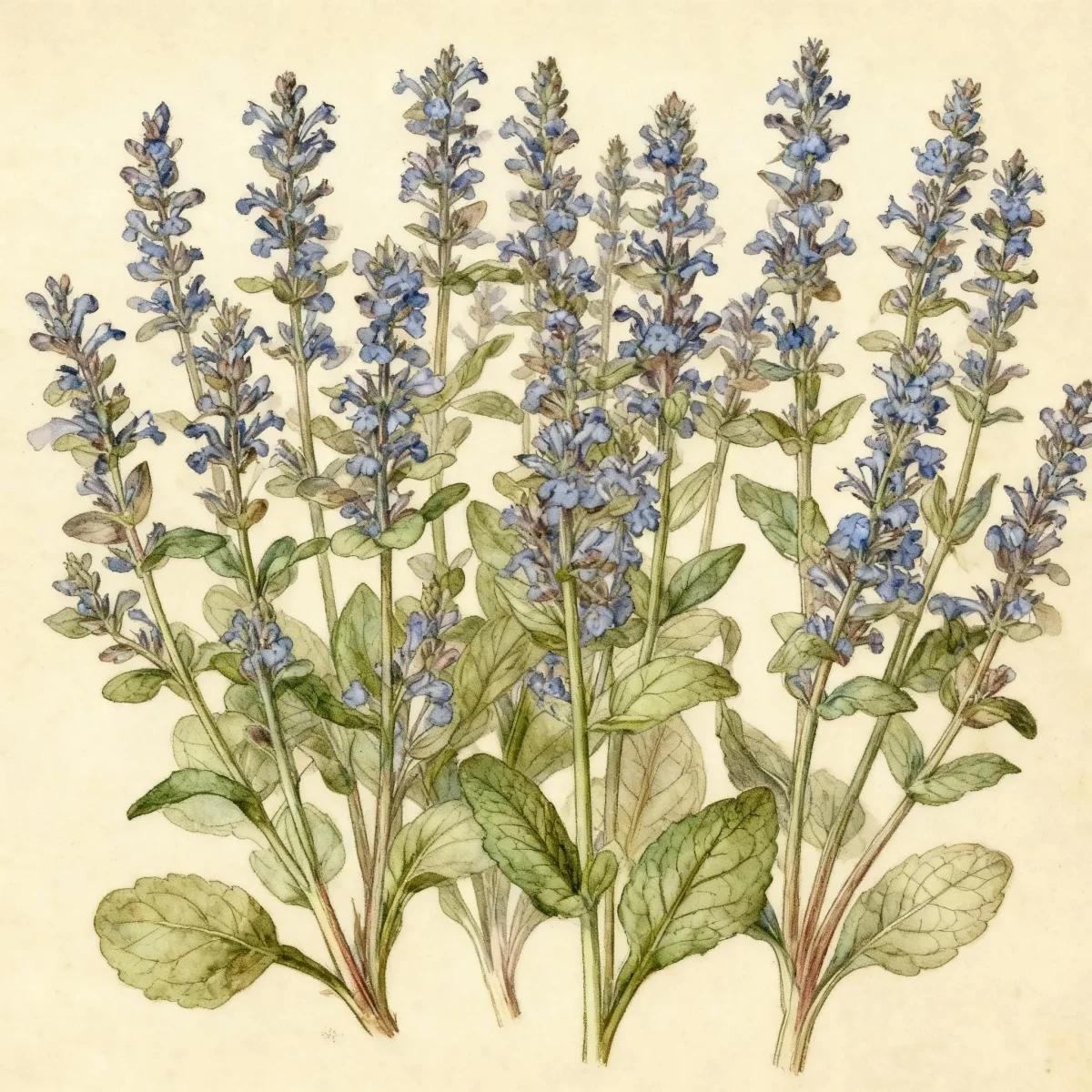
Agastache nepetoides is a fast-growing, strong-stemmed perennial in the mint family which grows 4-6’ tall and produces whorls of tiny, greenish-yellow flowers closely packed into 5” terminal spikes on stiff, square stems. Toothed, arrowhead-shaped leaves are up to 5” long, but lack the fragrance common to many mint family members. The long, late summer bloom period, sometimes extending to first frost, is highly attractive to bees and butterflies.
Tolerances
- Deer
Potential Problems
Few pest or disease issues plague the Yellow giant hyssop. Its primary defense against serious problems is its vigor and robust constitution when grown in the correct conditions. Generally, fungal issues like powdery mildew are only a concern if the plant is overcrowded or situated in deep shade with poor air circulation. Ensure adequate spacing to maintain air flow around the foliage of this tall perennial.
Frequently Asked Questions
What hardiness zones is Yellow giant hyssop suitable for?
This resilient plant is suitable for USDA Hardiness Zones 2 through 8, offering excellent cold tolerance.
How large does Agastache nepetoides grow?
Agastache nepetoides typically reaches a height of 4 to 6 feet and spreads moderately, occupying a space about 1 to 3 feet wide.
When does Yellow giant hyssop bloom?
Blooming occurs late in the season, typically from July through September, featuring characteristic greenish-yellow flowers.
What sun exposure does Agastache nepetoides need?
It performs best in full sun but adapts well to partial shade conditions.
Conclusion
The Yellow giant hyssop remains a top choice for gardeners seeking structure, late-season nectar sources, and minimal upkeep. Its towering height and robust nature ensure it remains a steadfast, valuable component of native plantings. Confirm suitability for your regional USDA zone, and plant this Agastache nepetoides in a site with well-drained soil to enjoy its full season of architectural bloom.
Wildlife Benefits
The primary benefit of incorporating Yellow giant hyssop into your garden design is its strong support for native pollinators. The late summer bloom time is critical, filling a nectar gap just as many earlier summer bloomers begin to fade. Bees, in particular, find the dense whorls of small, greenish-yellow flowers irresistible.
Planting Agastache nepetoides in large drifts enhances its visibility to visiting butterflies and beneficial insects. Because this species is a relatively common Missouri native, it contributes significantly to local insect populations compared to non-native horticultural cultivars.
This plant readily attracts bees and butterflies, establishing itself as a dependable food source throughout its July to September bloom window. Its strong stems also provide structure during the fall and winter months when many other garden elements have died back.
Propagation Tips
Propagation of Agastache nepetoides is straightforward, relying primarily on division or seed collection. Division of the root crown is best performed in the early spring before active growth begins. You can gently dig up clumps and carefully separate sections, ensuring each new piece has adequate roots and stems.
Seed collection is also a simple process; allow the small flowers to fully mature on the plant, often into early fall. Collect the seed heads once they have dried on the stem, store them in a cool, dry place, and sow them directly outdoors in the fall for natural stratification. Alternatively, seeds can be sown indoors under lights several weeks before the last expected frost.
Given its rapid growth rate, Yellow giant hyssop rarely requires specialized propagation techniques. Division every few years helps maintain plant vigor and prevents overcrowding, especially if you are allowing the species to naturalize in larger garden areas.